

 Start Driving in Istanbul
Istanbul, a city spanning Europe and Asia, blends its rich historical significance with modern urban development, offering a unique mix of historical landmarks, diverse neighborhoods, and a vibrant atmosphere. Situated along the Bosphorus Strait, Istanbul provides a captivating mix of scenic waterfront views and cultural diversity. The Hagia Sophia, a prominent landmark, features stunning historical architecture and cultural significance. The Blue Mosque features stunning historical architecture and religious significance. The Topkapi Palace features stunning historical architecture and cultural exhibits. Istanbul’s culinary scene features a delightful mix of Turkish and international cuisine, with restaurants serving kebabs, baklava, and diverse regional specialties. The city’s markets, such as the Grand Bazaar, offer a variety of local produce, artisanal goods, and souvenirs. The Bosphorus and surrounding areas provide opportunities for scenic walks, cultural exploration, and boat tours. Istanbul’s efficient transportation network, including subways, buses, and ferries, facilitates travel within the city and to surrounding areas. The city experiences a Mediterranean climate, with warm summers and mild winters. Istanbul’s cultural attractions, such as the various historical sites and the annual festivals, highlight the city’s historical significance and cultural contributions. The city’s vibrant cultural scene includes festivals, concerts, and theaters, reflecting the region’s diverse traditions. Istanbul’s blend of historical charm and modern dynamism creates a unique and historically significant destination. The local markets and community events foster a vibrant atmosphere, making Istanbul a dynamic and culturally rich destination for visitors and residents. Istanbul is a vital center for commerce, culture, and tourism in Turkey, contributing significantly to the country’s national development and economic growth.
Istanbul: Where History Flows Between Two Worlds
Istanbul, historically known as Byzantium and later Constantinople, is a city with over 2,500 years of continuous history. Founded by Greek settlers from Megara around 660 BCE, it became a thriving port on the Bosporus strait.. The city witnessed profound transformations, including the Roman Emperor Constantine I declaring it the New Rome in 330 CE, and the Ottoman conquest in 1453, which marked the end of the Middle Ages. Today, Istanbul is Turkey’s largest city and a vibrant cultural and economic center.
What makes the city unique or special
Istanbul’s unique position straddling two continents,Europe and Asia,gives it a distinctive blend of cultures, architectures, and traditions. Its skyline is a tapestry of Byzantine churches, Ottoman mosques, and modern skyscrapers. The city is a living museum with UNESCO World Heritage sites such as Hagia Sophia, Topkapi Palace, and the Blue Mosque. Istanbul’s dynamic fusion of East and West, ancient and modern, makes it a truly unparalleled global city.
Local culture and vibe
Istanbul pulses with a rich cultural life, blending centuries-old traditions with contemporary arts, music, and theatre. The city’s neighborhoods range from bustling bazaars and historic quarters to trendy cafes and art galleries. Locals are warm and hospitable, proud of their heritage yet open to modern influences. Istanbul’s cultural calendar includes opera, ballet, festivals, and vibrant street life, reflecting its diverse population and history.
Best Months to Visit
April to June and September to November offer pleasant weather with mild temperatures and less tourist congestion, ideal for exploring the city.
Top Attractions
1. Hagia Sophia
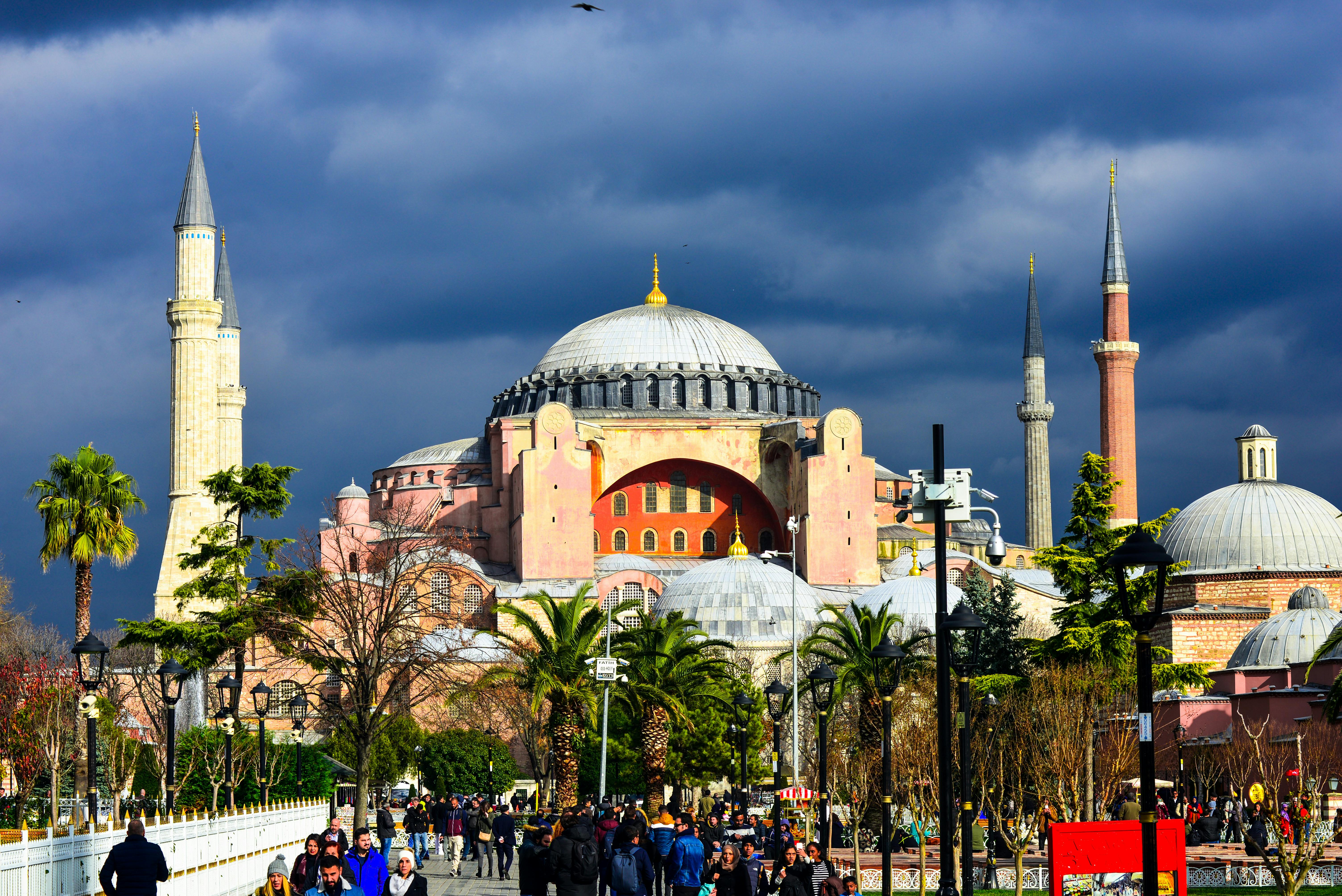
- Opening Hours: 9:00 AM–7:00 PM
- Entry Fee: Free (as a mosque); museum sections may charge
- Tips: Dress modestly, bring a scarf for women, visit early to avoid crowds.
- Best time: Early morning.
2. Blue Mosque (Sultanahmet Camii)
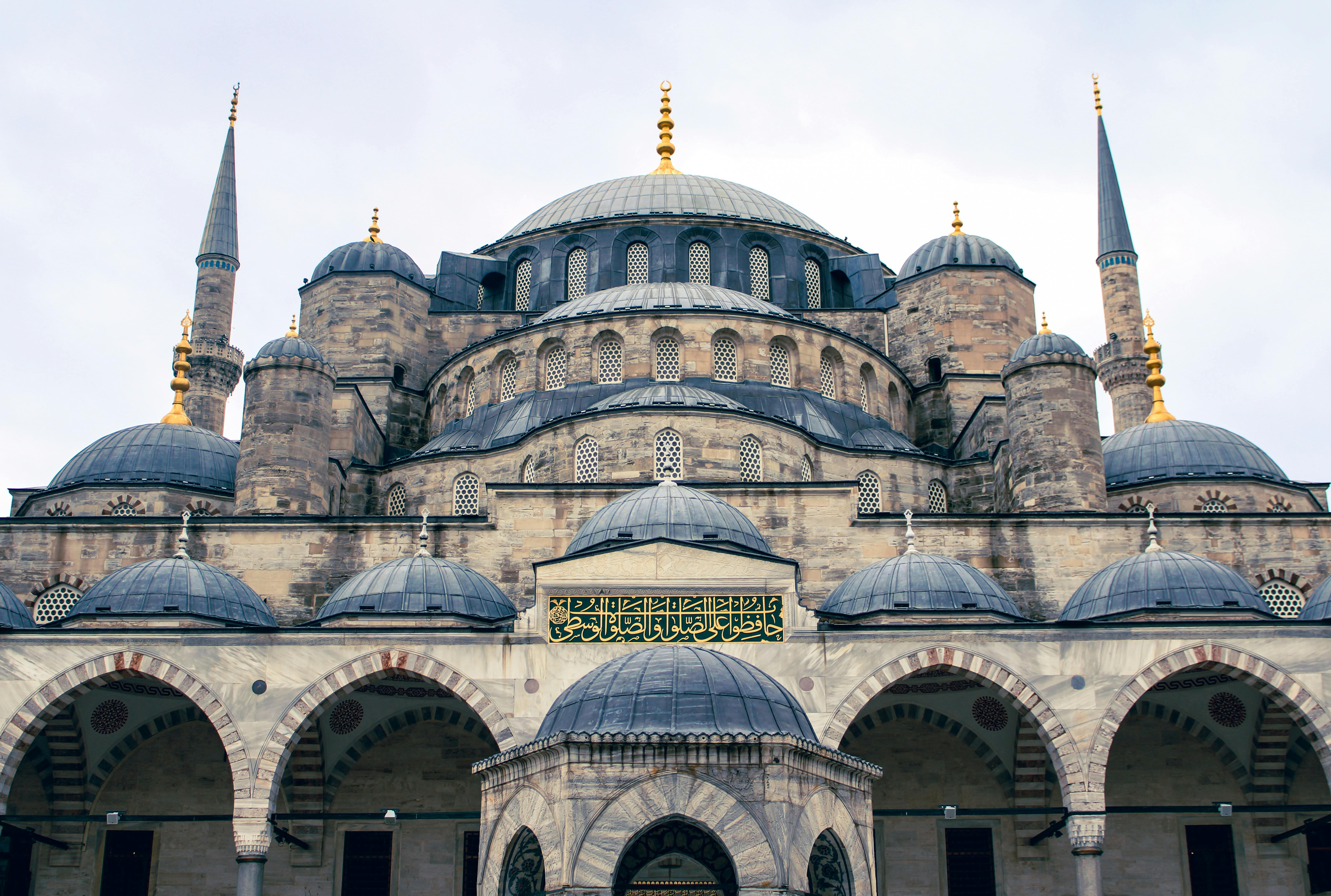
- Opening Hours: 8:30 AM–6:00 PM (closed during prayers)
- Entry Fee: Free
- Tips: Modest dress required; best light for photos in the morning.
- Best time: Early morning.
3. Topkapi Palace
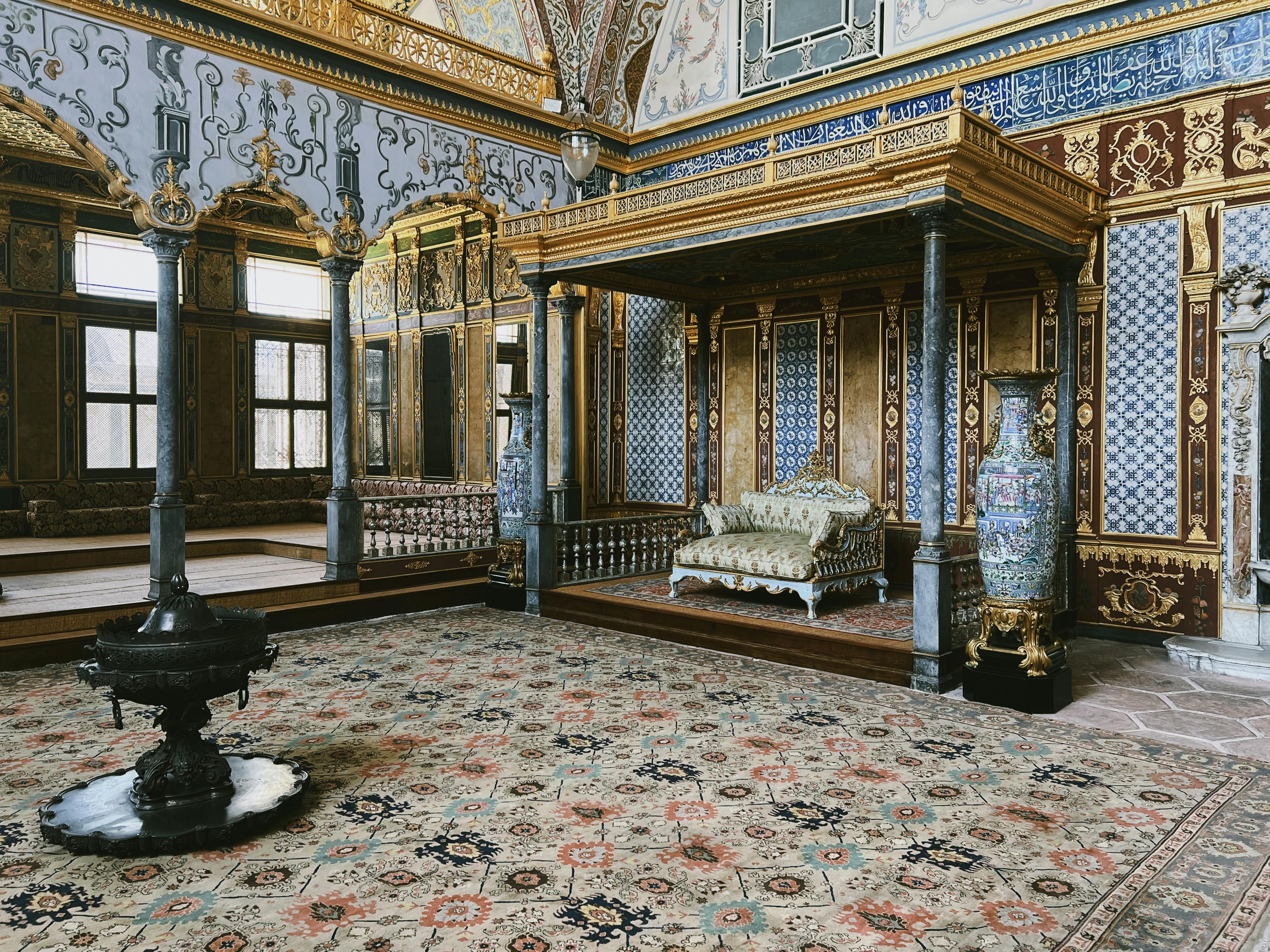
- Opening Hours: 9:00 AM–6:00 PM (closed Tuesdays)
- Entry: ~750 TRY (main palace + harem extra)
- Tips: Allow 2–3 hours; buy tickets online to skip lines.
- Best time: Morning or late afternoon.
4. Grand Bazaar
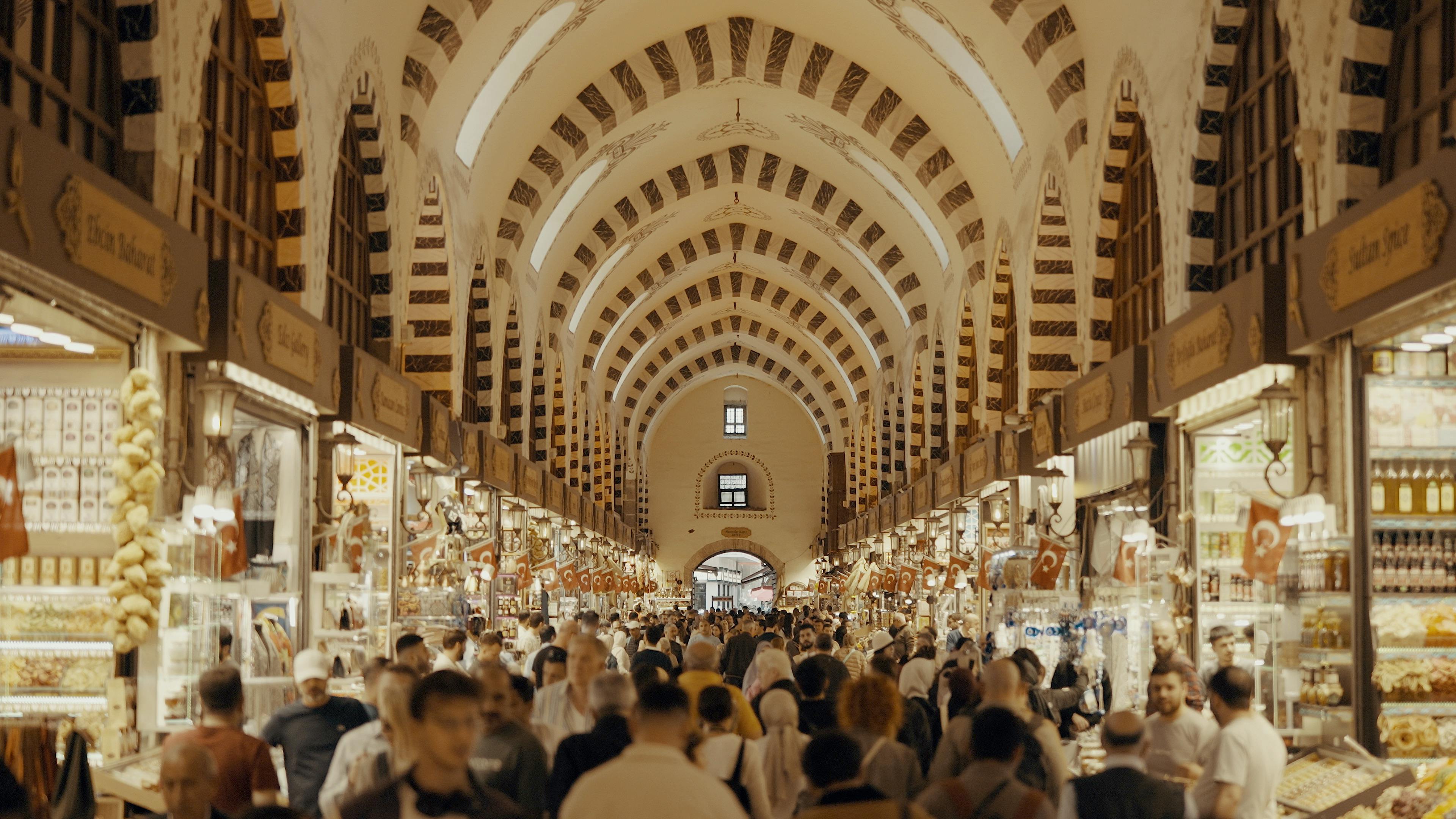
- Opening Hours: 9:00 AM–7:00 PM (closed Sundays)
- Entry Fee: Free
- Tips: Bargain for goods; explore side alleys for unique finds.
- Best time: Late morning.
5. Spice Bazaar
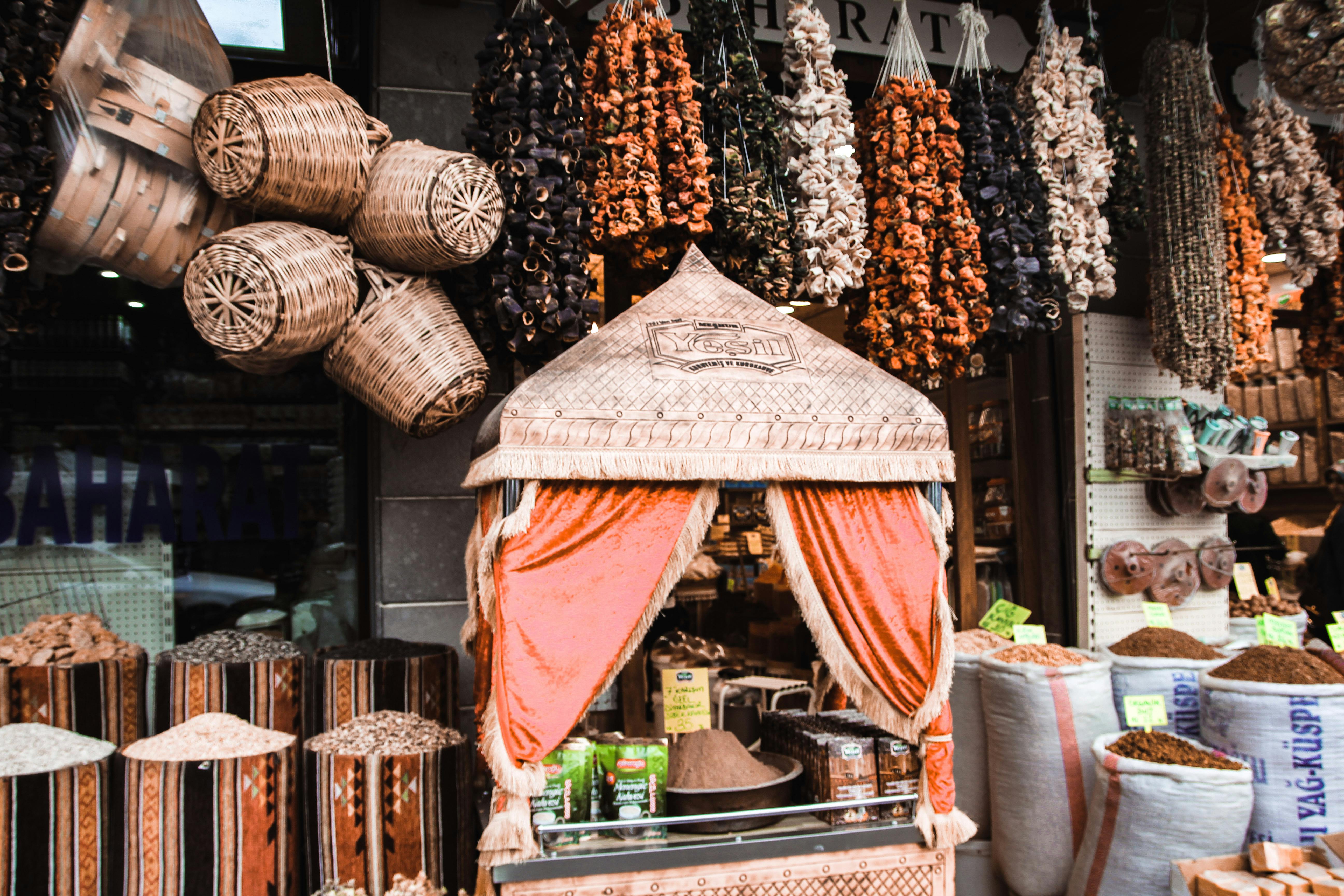
- Opening Hours: 8:00 AM–7:00 PM (closed Sundays)
- Entry: Free
- Tips: Sample Turkish delight and spices; less crowded in early afternoon.
6. Basilica Cistern
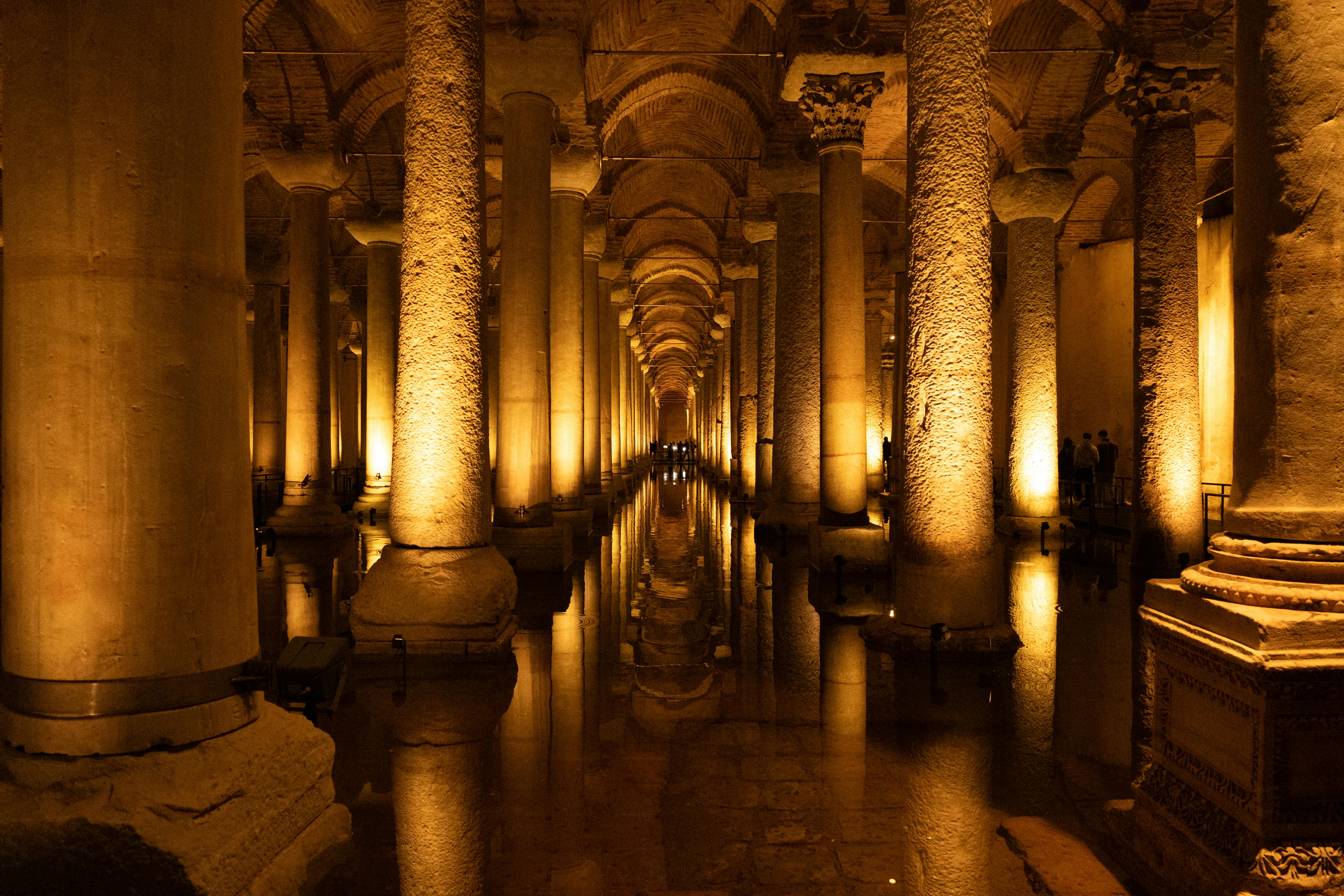
- Opening Hours: 9:00 AM–7:00 PM
- Entry: ~450 TRY
- Tips: Cool escape on hot days; look for the Medusa heads.
- Best time: Midday.
7. Galata Tower
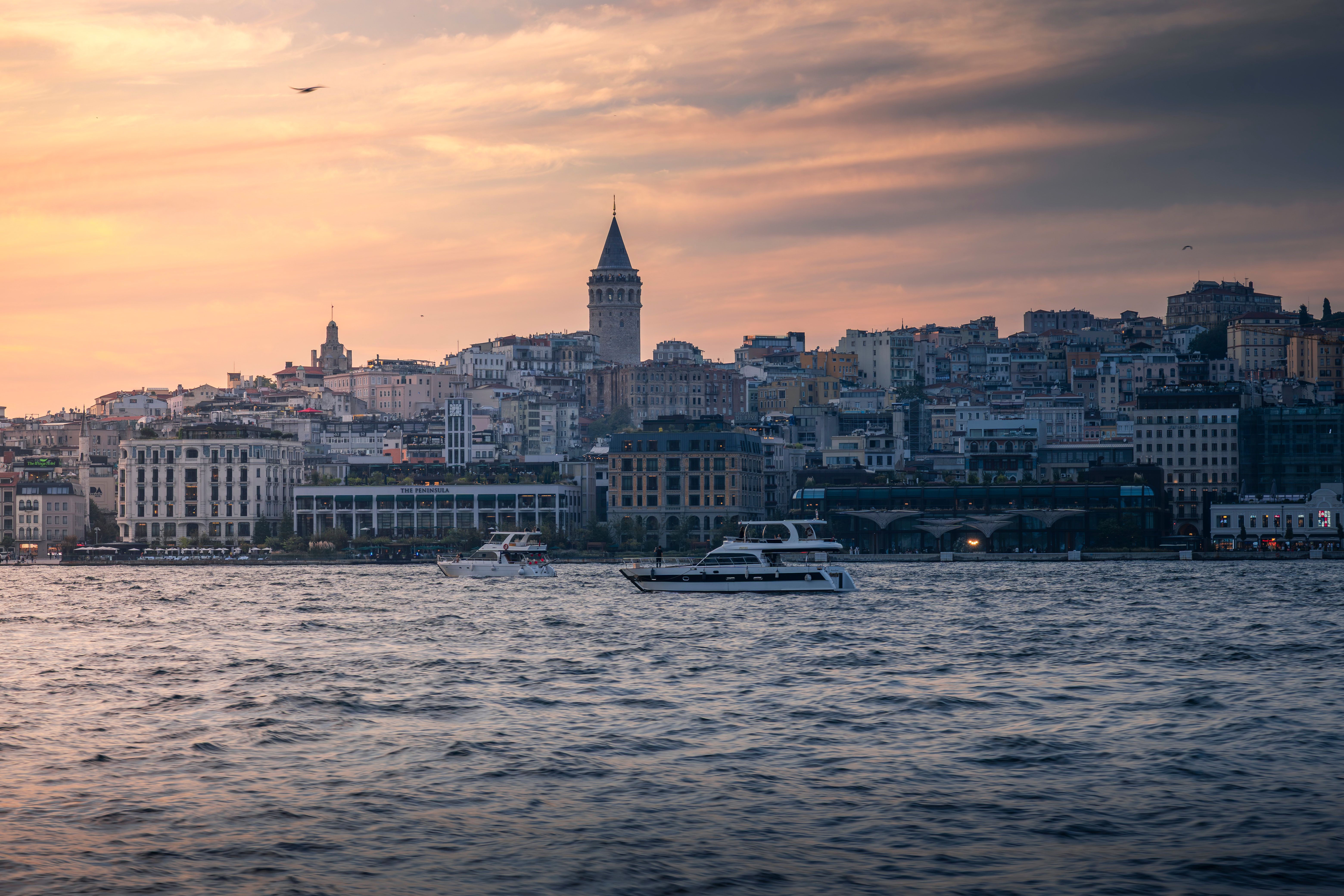
- Opening Hours: 8:30 AM–11:00 PM
- Entry Fee: ~650 TRY
- Tips: Panoramic city views; go at sunset for the best photos.
- Best time: Late afternoon or sunset.
8. Dolmabahçe Palace
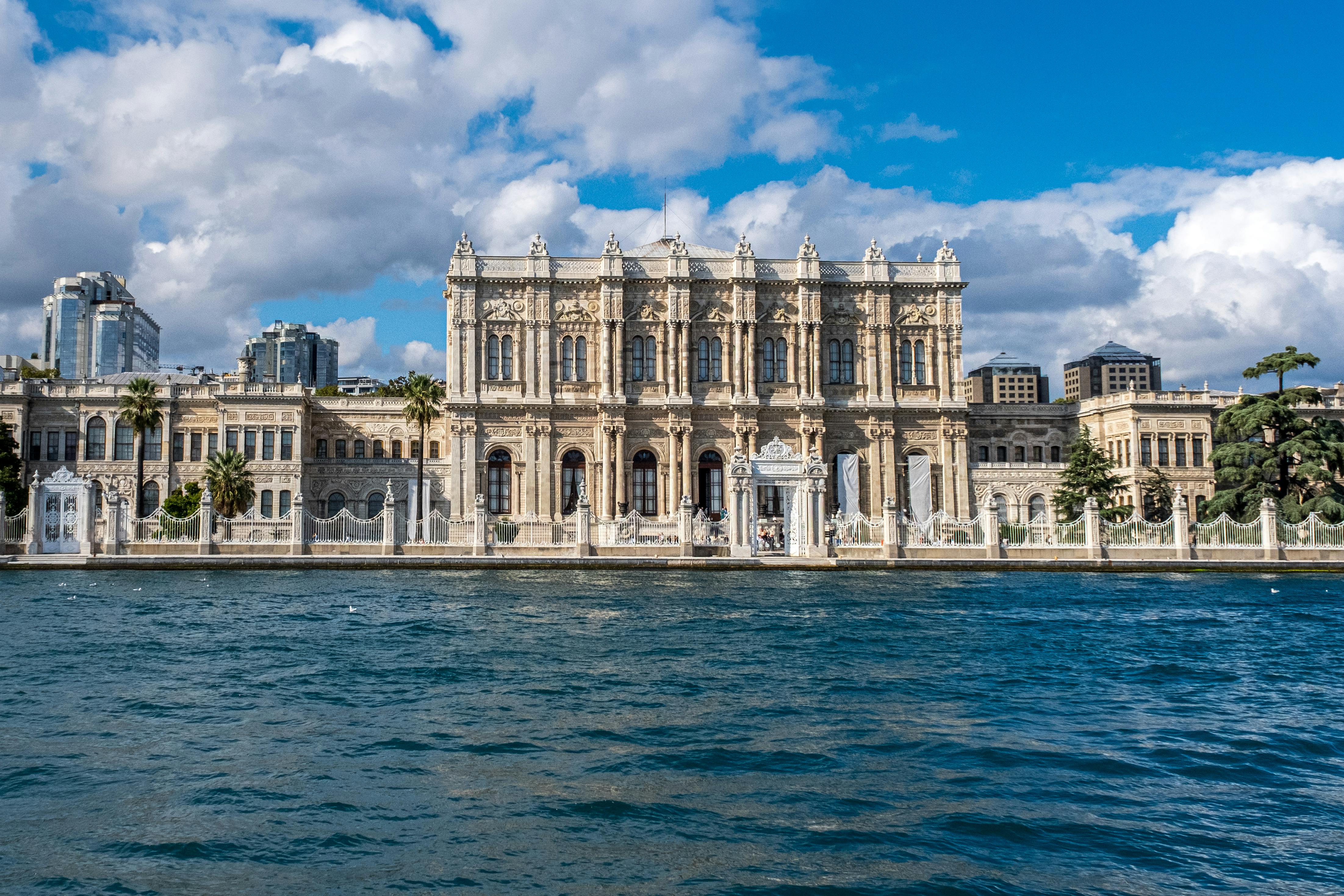
- Opening Hours: 9:00 AM–4:00 PM (closed Mondays)
- Entry: ~650 TRY
- Tips: Dress modestly; guided tours recommended.
- Best time: Morning.
9. Bosphorus Cruise
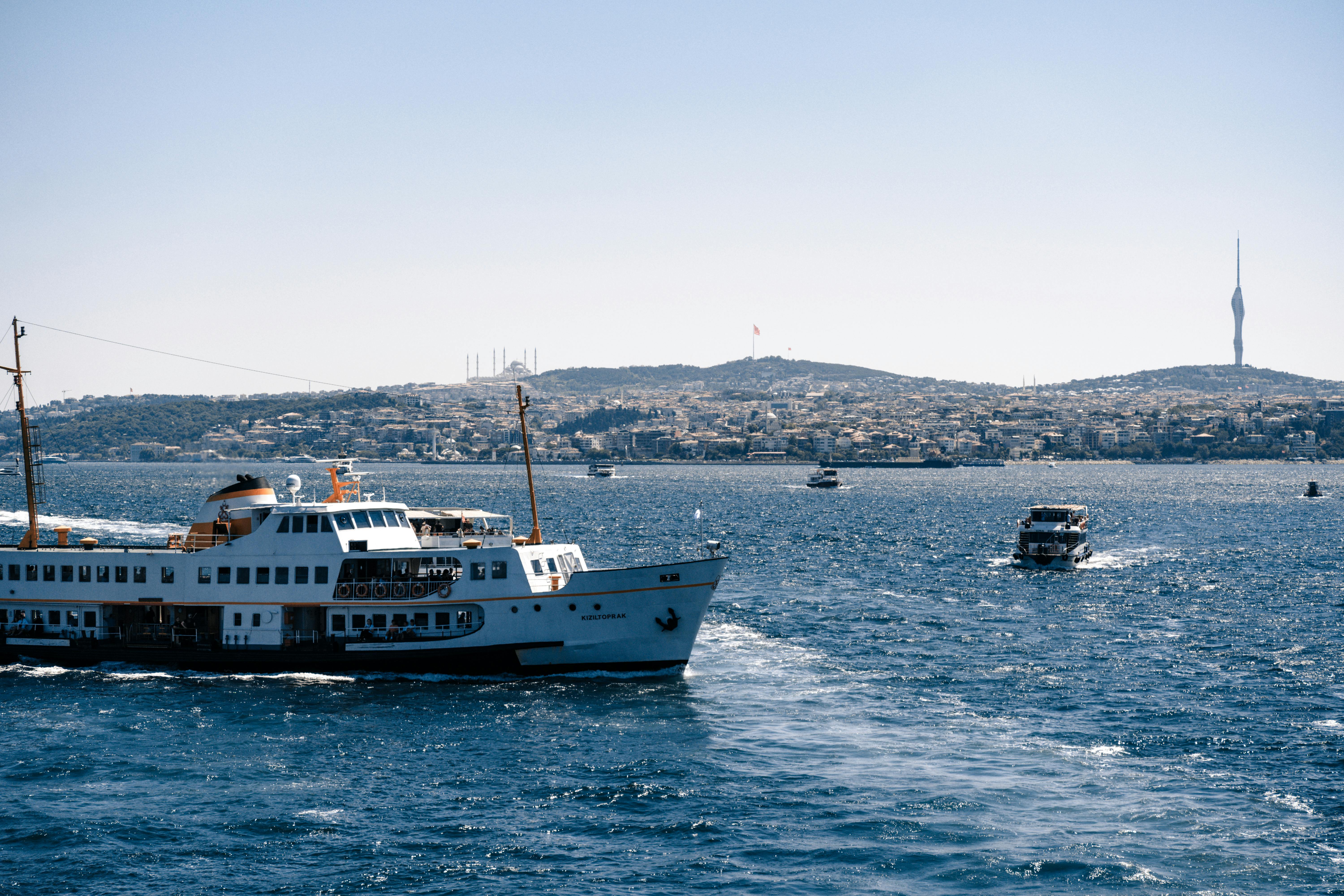
- Opening Hours: Various; sunset cruises popular
- Entry Fee: From 150–300 TRY (public ferry or private tour)
- Tips: Book ahead in summer; bring a jacket for breezy evenings.
- Best time: Sunset.
Hidden Gems
- Lesser-known spots and unique experiences
- Chora Church (Kariye Museum): Stunning Byzantine mosaics, less crowded.
- Fener and Balat Districts: Colorful streets with historic churches and synagogues.
- Süleymaniye Mosque: Less touristy than Blue Mosque, beautiful gardens.
- Princes’ Islands: Car-free islands with beaches and historic mansions, accessible by ferry.
- Local favourites and insider tips
Explore Kadıköy on the Asian side for vibrant street art, cafes, and markets. Visit local tea gardens and try traditional Turkish coffee.
Local Cuisine and Dining
- Must-try dishes and local specialties
- Meze: Assorted small dishes like hummus, ezme, and stuffed grape leaves.
- Kebabs: Varieties include Adana, Urfa, and Iskender.
- Baklava: Sweet layered pastry with nuts and syrup.
- Simit: Sesame-encrusted bread rings, popular street snack.
- Turkish tea and coffee: Cultural staples.
- Best restaurants, cafes, and street food spots
- Nusr-Et Steakhouse: Famous for meat dishes.
- Çiya Sofrası (Kadıköy): Traditional Anatolian cuisine.
- Karaköy Güllüoğlu: Renowned baklava.
- Street vendors: Try simit, roasted chestnuts, and midye dolma (stuffed mussels).
- Food markets and culinary tours
Visit the Spice Bazaar for spices, teas, and sweets. Culinary tours offer market visits, cooking classes, and tasting sessions.
Accommodation Options
- Budget: Cheers Hostel, Bahaus Guesthouse
- Mid-range: Hotel Amira, Sirkeci Mansion
- Luxury: Four Seasons Sultanahmet, Ciragan Palace Kempinski
- Tips for choosing the best area to stay
Stay in Sultanahmet for historic sites, Beyoğlu for nightlife and shopping, or Kadıköy for a local vibe on the Asian side.
Transportation
- How to get to the city
Istanbul Airport (IST) and Sabiha Gökçen Airport (SAW) serve international and domestic flights. Major bus and train stations connect Istanbul to other Turkish cities. - Public transport within the city
Istanbul has an extensive metro, tram, ferry, and bus network. The Istanbulkart is a rechargeable travel card valid on all public transport. - Taxis, rideshares, and bike rentals
Taxis are plentiful but agree on fares or use apps like BiTaksi. Bike rentals are available in some districts. - Tips for navigating
Use public transport to avoid traffic; ferries offer scenic commutes between European and Asian sides.
Events, Festivals, and Experiences
- Major annual events and festivals
Istanbul Film Festival (April), Istanbul Music Festival (June), Istanbul Biennial (art, September-November), and Ramadan celebrations. - Unique local experiences
Attend a traditional Turkish bath (hamam), watch a whirling dervish ceremony, or take a Bosphorus cruise at sunset.
Shopping and Souvenirs
- Best shopping streets, markets, and malls
Grand Bazaar and Spice Bazaar for traditional goods; Istiklal Avenue for modern shopping; Kanyon and Zorlu Center for luxury brands. - Local products and souvenirs to buy
Turkish carpets, ceramics, spices, Turkish delight, and handmade jewelry.
Practical Information
- Visa and travel regulations
Many nationalities can obtain e-visa online; check official Turkish government websites for details. - Weather and best time to visit
Mediterranean climate; best in spring (April-June) and autumn (September-November). - Language and communication tips
Turkish is official; English widely spoken in tourist areas. - Currency, ATMs, and payment methods
Turkish Lira (TRY); ATMs widely available; credit cards accepted.
Travel Tips and Etiquette
- Local customs and cultural etiquette
Dress modestly for mosque visits; remove shoes when entering; greetings often include a handshake or nod. - Safety advice
Istanbul is generally safe; watch for pickpockets in crowded areas. - How to save money
Use public transport, eat at local eateries, and bargain in bazaars.
Packing and What to Wear
- Seasonal packing lists
Spring/autumn: layers, comfortable shoes, light jacket. Summer: light clothes, sun protection. Winter: warm coat and umbrella. - Dress code tips
Modest attire for religious sites; casual wear fine elsewhere.
Itineraries
2-day itinerary
- Day 1: Hagia Sophia, Blue Mosque, Topkapi Palace, Basilica Cistern, Grand Bazaar
- Day 2: Galata Tower, Istiklal Avenue, Taksim Square, Spice Bazaar, Bosphorus Cruise
4-day itinerary
- Includes 2-day itinerary plus: Chora Church, Süleymaniye Mosque, Fener & Balat districts, Asian side (Kadıköy)
7-day itinerary (Option 1)
- Day 1-4: As above (4-day itinerary)
- Day 5: Princes’ Islands day trip
- Day 6: Dolmabahçe Palace, Istanbul Modern Museum, Ortaköy
- Day 7: Shopping at malls, relax at a hamam, farewell dinner
7-day itinerary (Option 2)
- Day 1-4: As above (4-day itinerary)
- Day 5: Day trip to Ephesus or Bursa
- Day 6: Explore Asian side neighborhoods (Üsküdar, Çamlıca Hill)
- Day 7: Visit Rahmi M. Koç Museum, enjoy evening at a rooftop bar