


Planning a holiday is exciting, but it can also feel overwhelming. Every city looks beautiful in photos. Every destination promises unforgettable experiences. Blogs, reels, and brochures often show the same highlights, making it hard to tell what a place truly feels like. This is where virtual travel quietly changes the way people plan real trips.
Virtual travel allows you to preview destinations before you commit. Through virtual drives and walking tours, you can explore cities at street level, observe neighborhoods, and sense the rhythm of daily life. Instead of guessing based on curated images, you can make informed decisions based on how a place actually looks and moves. It turns travel planning from imagination into observation.
Why Traditional Travel Research Often Falls Short
Most travel research relies on highlights. Famous landmarks. Perfect sunsets. Popular cafés. While these are helpful, they rarely show the full picture. They do not tell you how crowded an area feels, how neighborhoods change from block to block, or whether the overall atmosphere matches your travel style.
A destination that looks dreamy online may feel too busy in reality. Another place that rarely appears in glossy lists might feel perfect once you see its quiet streets and local life.
Virtual travel fills this gap. It shows you the in-between moments. The roads you will actually walk on. The areas where you might stay. The pace of the city beyond tourist spots.
Seeing a City at Street Level Changes Everything
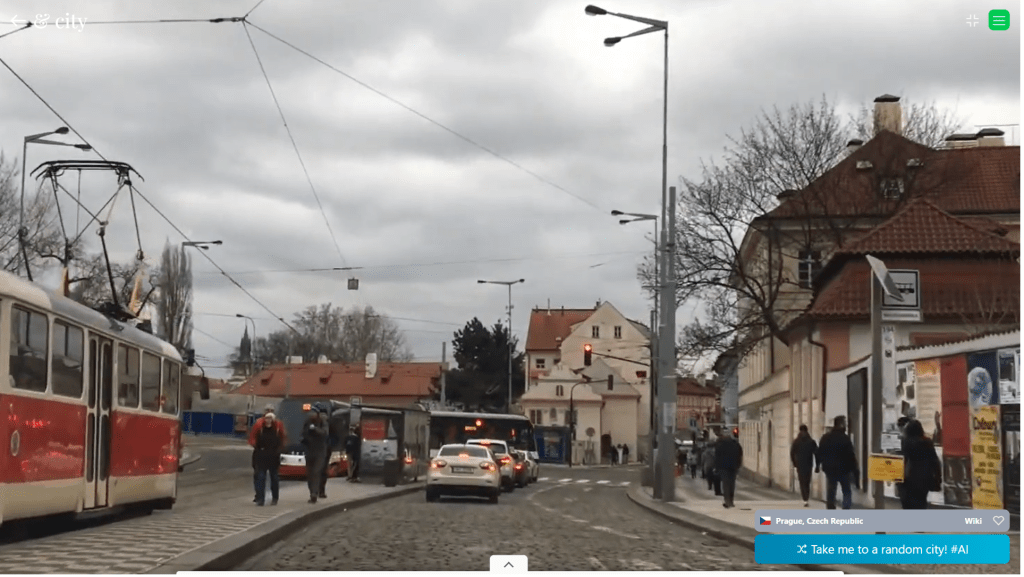
One of the biggest advantages of virtual travel is the perspective it offers. Instead of aerial views or staged photography, you see places from human height. This matters more than we realize.
Street-level views help you notice:
• Sidewalk width and walkability
• Traffic density and noise levels
• Cleanliness and upkeep
• Green spaces and open areas
• Local businesses versus tourist shops
For example, a virtual drive through Lisbon shows how steep certain neighborhoods are. A walk through Amsterdam reveals how bike-focused the city is. A drive through Los Angeles makes distances and car dependence clear.
These details are essential when deciding if a destination suits your preferences and physical comfort.
Understanding Neighborhoods Before Booking Accommodation
Choosing the right neighborhood can define your entire trip. Virtual travel is especially useful for this step.
Hotels and rental listings often describe areas using vague terms like central or vibrant. Virtual drives allow you to verify what those words actually mean. You can see whether an area feels lively or overwhelming, quiet or isolated.
With virtual travel, you can:
• Compare multiple neighborhoods in the same city
• Check proximity to cafes, markets, and transport
• Observe safety and lighting at night
• See how residential or tourist-heavy an area feels
This helps you avoid booking places that look good on paper but feel wrong in reality.
Matching Destinations to Your Travel Mood
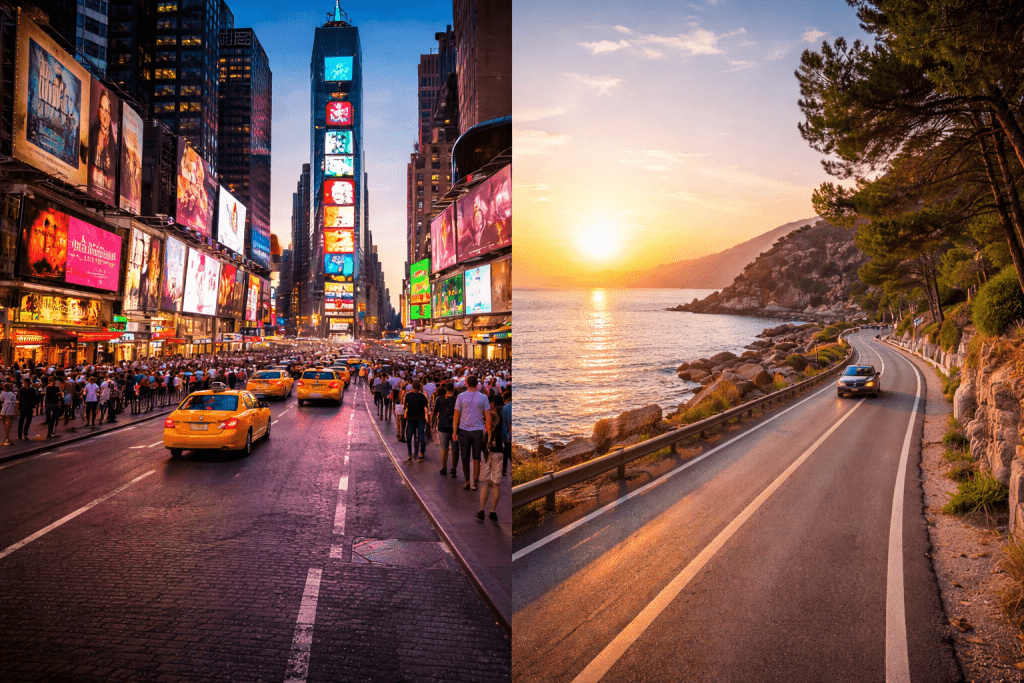
Not every trip is the same. Sometimes you want energy and nightlife. Sometimes you want calm and scenery. Virtual travel helps you match destinations to your mood and travel goals.
By watching virtual walks and drives, you can sense whether a city feels:
• Fast paced or relaxed
• Social or introspective
• Crowded or spacious
• Modern or historic
A city like Tokyo might excite travelers who enjoy movement and structure. A place like Reykjavik may suit those seeking calm and open space. Virtual travel helps you feel this difference rather than just read about it.
Previewing Daily Life Beyond Tourist Attractions
One of the most valuable aspects of virtual travel is seeing what happens between attractions. Real trips are made of ordinary moments. Walking to breakfast. Riding public transport. Wandering after dinner.
Virtual travel shows:
• Morning routines and commute patterns
• Evening social life and restaurant culture
• Weekend versus weekday energy
• Local habits and rhythms
This helps travelers decide whether they would enjoy spending several days in a place, not just visiting landmarks for a few hours.
For longer trips, slow travel, or remote work holidays, this insight is especially important.
Reducing Travel Regret and Decision Fatigue
Many travelers regret choosing a destination that does not meet their expectations. Virtual travel reduces this risk.
When you have already seen streets, neighborhoods, and daily life, surprises are minimized. Your expectations align more closely with reality.
Virtual travel also helps narrow choices. Instead of endlessly comparing ten destinations, you can watch a few virtual drives and quickly feel drawn toward two or three. This reduces decision fatigue and makes planning feel enjoyable again.
Drivenlisten.com as a Destination Preview Tool
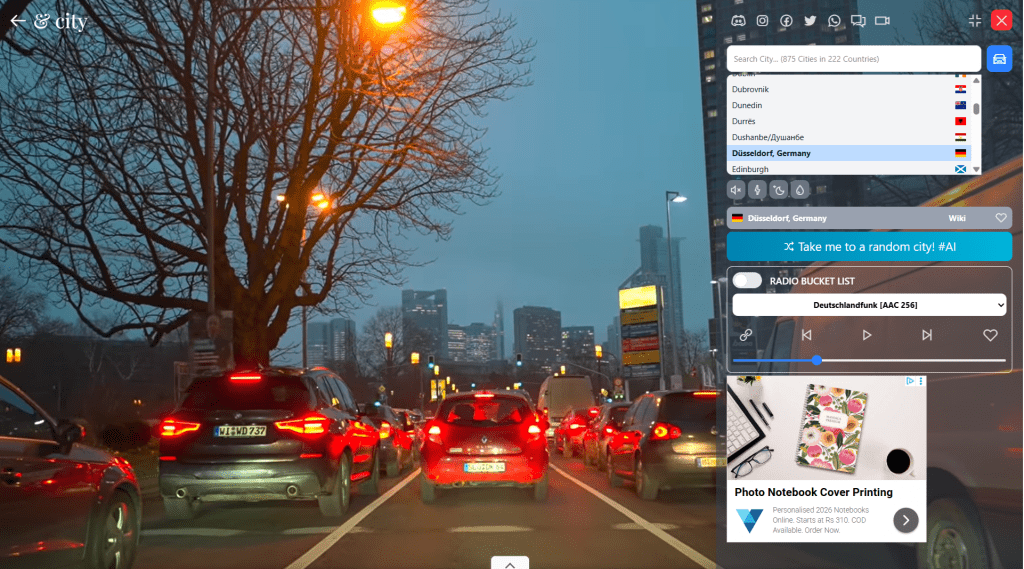
Drivenlisten.com is particularly useful for shortlisting destinations. The platform lets you sit in the passenger seat while driving through cities around the world. You can explore different areas quickly and observe how neighborhoods connect.
What makes it even more helpful is the option to listen to local radio or street sounds. This adds emotional context. You hear what people listen to on their commute and how the city sounds throughout the day.
Drivenlisten.com helps travelers:
• Compare cities in real time
• Understand road layouts and distances
• Feel the pace of daily life
• Experience daytime and nighttime atmospheres
It is an easy way to test how a place feels before committing time and money.
Using Virtual Travel to Plan Itineraries
Once you shortlist a destination, virtual travel continues to help. You can plan routes, identify areas of interest, and decide how to structure your days.
For example:
• Watching a walk between landmarks helps estimate walking time
• Exploring food streets helps plan meal stops
• Observing transport hubs clarifies how to get around
This makes itineraries more realistic and less rushed. You plan based on real distances and movement, not guesswork.
Who Benefits Most From Virtual Destination Previewing
Virtual travel is useful for all travelers, but especially for:
• First-time international travelers
• Families planning trips with children or elders
• Solo travelers prioritizing safety and comfort
• Remote workers planning long stays
• Budget travelers avoiding costly mistakes
It offers reassurance and clarity, which makes travel more accessible and less intimidating.
From Screen to Suitcase
Virtual travel does not replace the joy of real exploration. Instead, it prepares you for it. It helps you choose places that align with your interests, energy, and comfort level.
By the time you arrive, the city feels familiar. Streets look recognizable. Neighborhoods feel less confusing. You arrive with confidence instead of uncertainty.
In a world full of options, virtual travel helps you choose wisely. It turns planning into a calm, curious process rather than a stressful one.
Sometimes the best journeys begin not with a ticket, but with a quiet drive through a city on a screen, helping you decide where your next real adventure should be.