

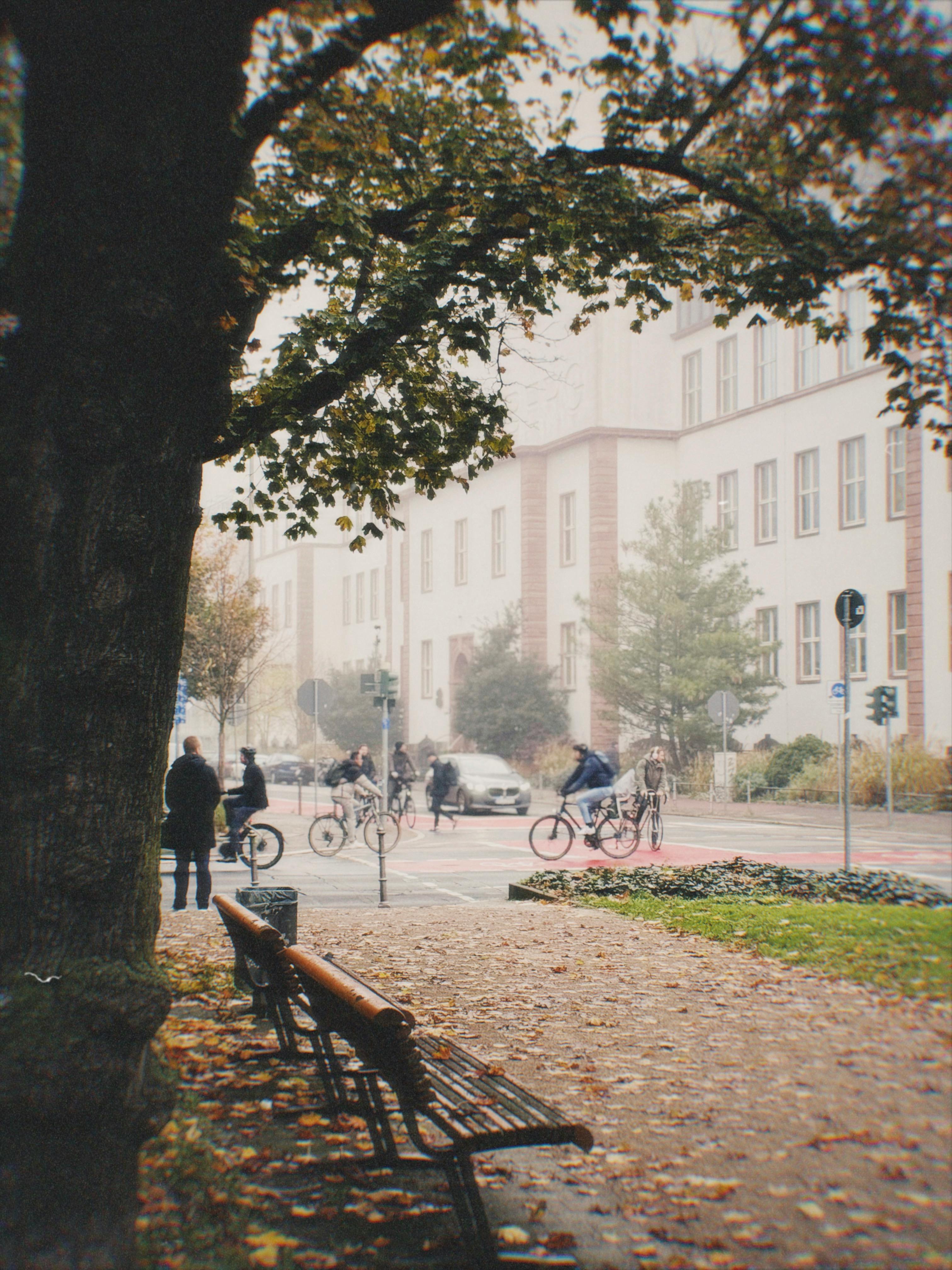
Every city has a rhythm. It wakes, stretches, rushes, pauses, and eventually slows again. If you stay long enough in one place, you begin to notice patterns that guide daily life. Morning routines. Afternoon lulls. Evening energy. Nighttime calm. These rhythms say more about culture than monuments ever could.
Virtual travel offers a unique way to observe this daily flow. Instead of focusing on famous landmarks, it lets you watch how a city comes to life from morning to night. Through virtual walking tours and driving experiences, you can quietly witness how people move, work, rest, and connect. You are not a tourist in a hurry. You are an observer of everyday life.
This is where virtual travel becomes deeply educational and human. It helps you understand cultures not through facts, but through habits.
Morning: How a City Wakes Up
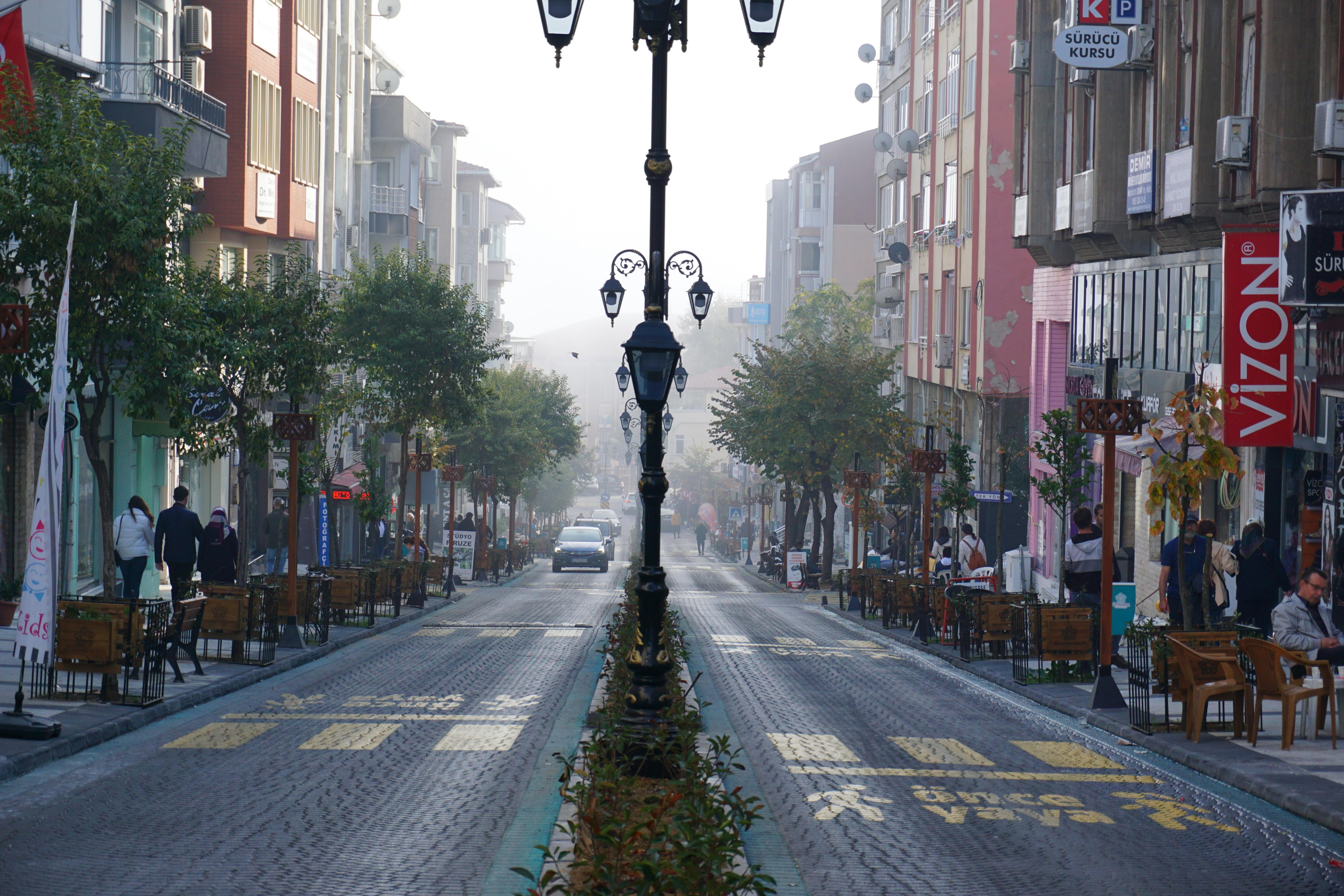
The personality of a city often reveals itself in the morning. Virtual travel shows when a place comes alive and what people prioritize at the start of the day.
In cities like Tokyo or Seoul, mornings feel purposeful. Streets fill with commuters walking briskly, trains arrive on time, and coffee shops open early. The movement is efficient and focused. Watching a virtual morning walk here gives you a sense of discipline and structure.
In Mediterranean cities like Rome or Barcelona, mornings feel gentler. Shops open slowly. Cafes set out chairs. Locals pause for espresso and conversation. Virtual travel during these hours shows a culture that values social connection alongside productivity.
In smaller cities or coastal towns, mornings might feel quiet and spacious. Streets stay empty longer. Light changes slowly. These visual cues reveal how time is experienced differently across cultures.
Midday: Movement, Work, and Pause
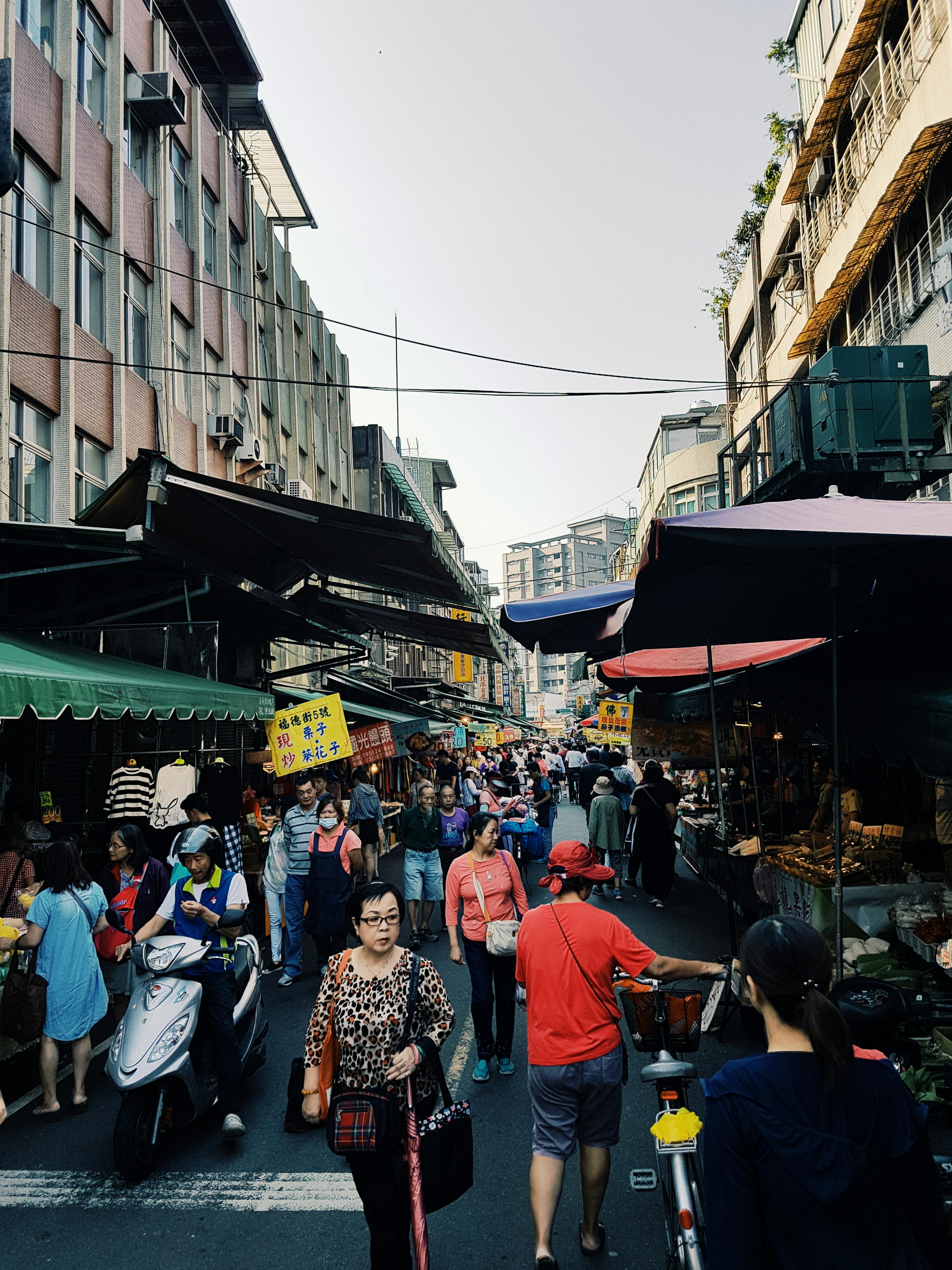
As the day progresses, cities reach their peak activity. Virtual travel during midday hours reveals how people work, shop, and navigate shared spaces.
In fast-paced business districts like New York or Singapore, lunchtime streets are full of motion. Food carts appear. Office workers spill onto sidewalks. Traffic increases. Watching this digitally gives insight into work culture and urban density.
In many European and Latin cities, midday includes pauses. Shops may close briefly. Streets quiet down. People return home for lunch. Virtual travel helps you see this rhythm clearly, especially if you watch long, unedited videos.
Markets are especially revealing at this time of day. Virtual walks through street markets show bargaining styles, food habits, and social interactions. You learn what people eat, how they communicate, and how communities function together.
[
Afternoon: The Subtle Shift in Energy
Afternoons often carry a softer energy. Virtual travel during this time shows how cities handle transition.
School lets out. Parks fill with families. Cafes become quieter workspaces. In residential neighborhoods, you might see people walking dogs or running errands. These scenes are not dramatic, but they are deeply cultural.
In warmer regions, afternoons slow down due to heat. Streets empty. Movement decreases. Virtual travel captures this pause, helping viewers understand climate influence on lifestyle.
This part of the day is often overlooked by tourists, but it is where real life happens. Watching a city simply exist is one of the most honest ways to understand it.
Evening: Social Life and Shared Spaces
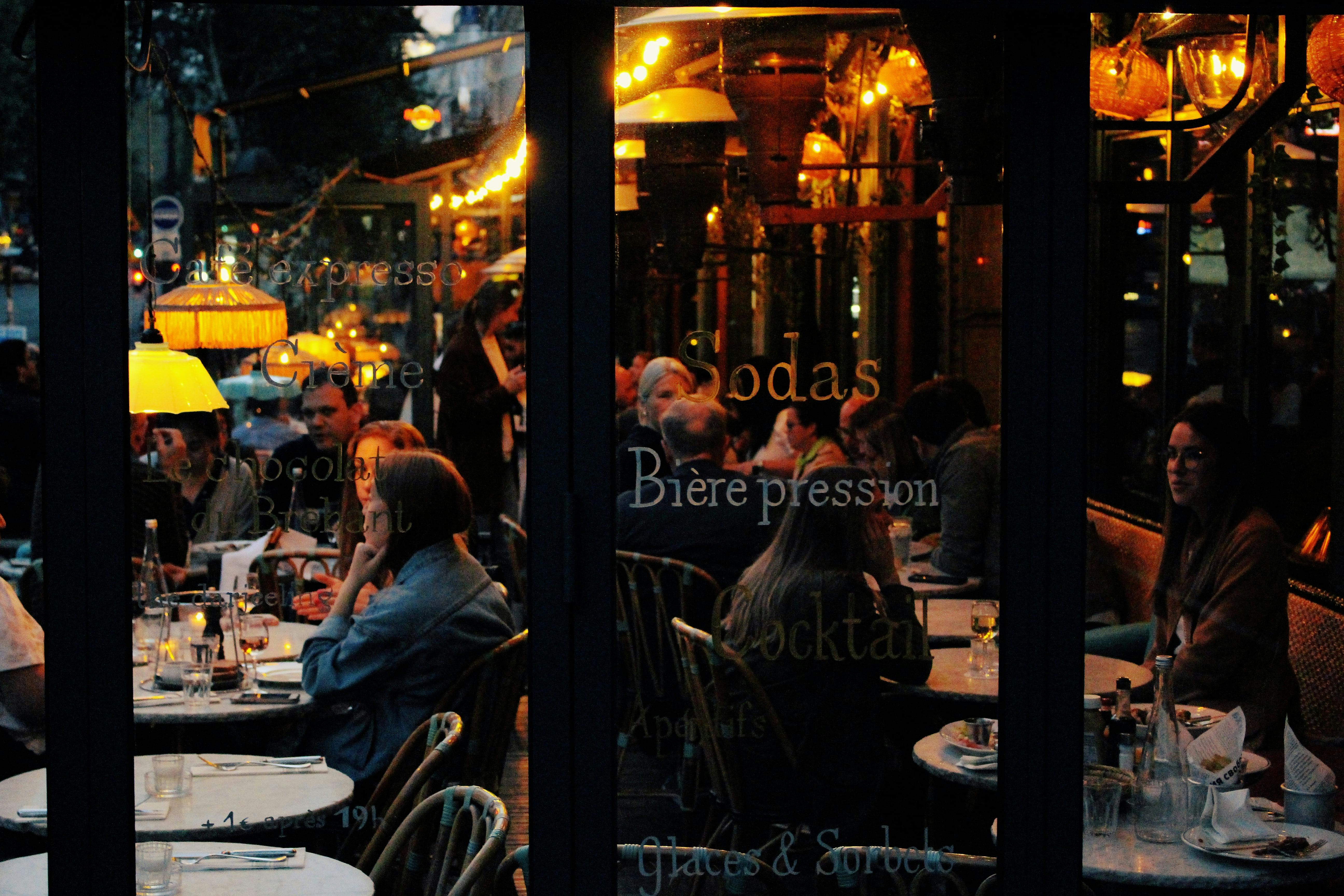
Evenings reveal what a culture values after work. Virtual travel during this time is rich with social cues.
In cities like Paris or Buenos Aires, evenings feel social and expressive. Streets fill again. Restaurants glow. Conversations spill onto sidewalks. Watching these scenes digitally shows how public space is used for connection.
In other cities, evenings are family-oriented. Parks fill with children. Food stalls appear. Neighborhoods feel alive but contained. Virtual travel helps you see how communities gather and unwind.
Transportation patterns also change. Traffic slows. Public transport fills differently. These movements show how people transition from work roles to personal lives.
Night: Quiet, Energy, or Reflection
Nighttime reveals a city’s emotional tone. Some cities become vibrant after dark. Others grow quiet and introspective.
Virtual night drives through places like Tokyo, Hong Kong, or Las Vegas are full of neon, motion, and sound. They suggest cultures that embrace nighttime energy and late schedules.
In contrast, cities like Vienna and Reykjavik, as well as smaller towns, feel peaceful at night. Streets empty. Lights soften. Watching these environments digitally can feel calming and reflective.
Nighttime virtual travel is especially powerful because distractions fade. You focus on light, movement, and sound. It becomes easier to sense how a city feels when it exhales.
What Daily Rhythms Teach Us About Culture
By observing a full day in a city, patterns emerge.
You learn:
• How people relate to time
• How work and rest are balanced
• How public spaces are used
• How community shows up daily
These insights come not from explanations, but from watching. Virtual travel allows this slow observation in a way real travel sometimes cannot, because there is no pressure to move on.
Drivenlisten.com and Watching Cities in Motion
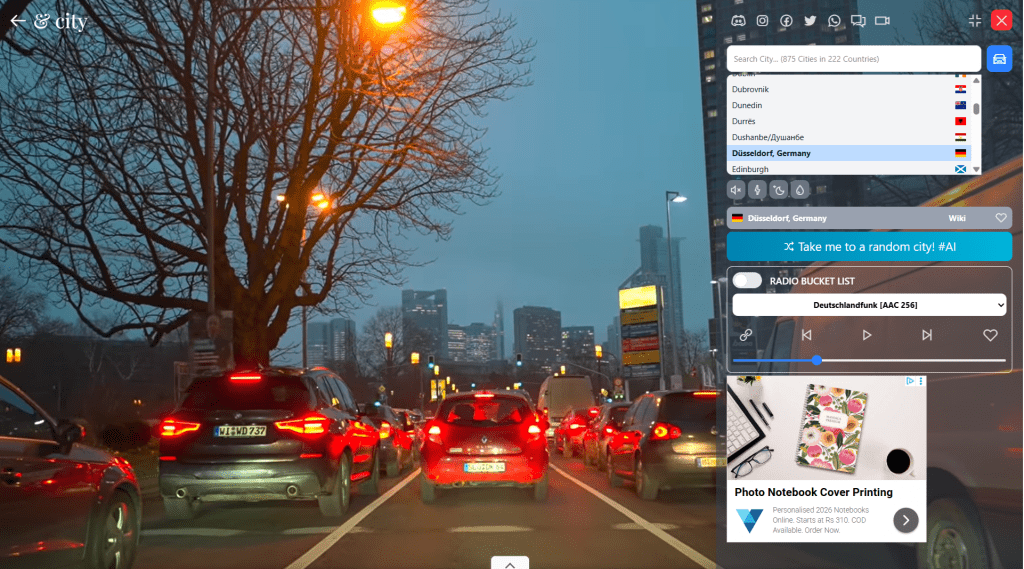
Drivenlisten.com is especially useful for observing daily rhythms. The platform places you inside a moving car as cities unfold naturally. You can choose different times of day and pair the visuals with local radio or street sound.
This experience feels like participating in daily life rather than sightseeing. You hear what people listen to on their commute. You see how traffic flows at different hours. You notice how neighborhoods change block by block.
Drivenlisten.com turns virtual travel into a study of everyday culture. It helps users understand cities as living systems rather than destinations.
Why This Kind of Travel Builds Cultural Understanding
Observing daily life builds empathy. When you see how people start their day, struggle with traffic, take breaks, and gather with loved ones, differences feel smaller.
Virtual travel allows you to witness similarities across cultures, too. Morning coffee rituals. Evening walks. Nighttime quiet. These shared rhythms remind us that while cities look different, human life moves in familiar patterns.
Slowing Down to Truly See
A day in the life of a city cannot be captured in a highlight reel. It needs time, patience, and curiosity. Virtual travel offers all three.
By watching cities from morning to night, you move beyond surface impressions. You begin to understand how culture lives in habits, not headlines.
Sometimes, the most meaningful travel is not about going far, but about watching closely.