


Most of us know the feeling. You pick up your phone to check one thing, and suddenly, thirty minutes disappear. The news is heavy. Social media feels loud. Bad headlines stack on top of each other. Your chest feels tighter than before you started scrolling. This habit has a name now. Doomscrolling. And while it feels automatic, it quietly takes a toll on emotional well-being.
Digital wellness is not about abandoning screens altogether. Screens are part of modern life. The real shift comes from how we use them. One gentle and surprisingly effective alternative to doomscrolling is virtual travel. Swapping endless negative scrolling for soothing virtual drives and walking tours can change how your mind and body respond to screen time. Instead of tension, you invite calm. Instead of overload, you create space.
Why Doomscrolling Feels So Draining
Doomscrolling keeps the brain in a constant state of alert. Bad news, conflict, and comparison trigger stress responses meant for short bursts, not long sessions. Your nervous system does not get a break. Even when you put the phone down, the emotional residue lingers.
Psychologists often describe this as cognitive overload. Your brain processes too much information without resolution. There is no sense of closure. This can lead to anxiety, low mood, irritability, and mental fatigue.
The problem is not curiosity. It is the lack of emotional recovery. Doomscrolling rarely gives your mind a break.
Why Virtual Travel Is a Calming Alternative

Virtual travel offers a different kind of screen experience. It is slow. It is observational. It does not demand reaction or judgment. You are not asked to like, comment, or argue. You are simply invited to watch.
When you follow a quiet drive through a coastal town or a slow walk through a tree-lined street, your breathing naturally slows. Your attention softens. Your mind shifts from threat scanning to gentle awareness. This is a key part of emotional regulation.
Virtual travel works because it replaces stimulation with presence. It gives your brain movement without chaos.
How Visual Environments Affect Emotional State
Our emotions are closely tied to what we see. Fast-moving content with sharp cuts and alarming headlines keeps the brain on edge. Gentle visuals with steady movement do the opposite.
Virtual travel often includes:
• Continuous motion rather than jump cuts
• Natural lighting and open space
• Predictable movement patterns
• Familiar human activity
These elements signal safety to the nervous system. Watching a car move steadily through a city or people walking calmly through a neighborhood helps the brain settle.
Nature-based scenes, water views, and quiet residential streets are especially effective for calming emotional overload.
From Reactive Scrolling to Intentional Watching
One major difference between doomscrolling and virtual travel is the intention behind them. Doomscrolling often happens without awareness. Virtual travel is a choice.
When you choose to watch a virtual drive, you are telling your mind that this moment is for rest. That shift alone has value. You move from reactive consumption to mindful engagement.
Instead of absorbing emotional noise, you absorb atmosphere. Instead of comparison, you experience curiosity. Instead of urgency, you allow slowness.
The Role of Sound in Digital Calm
Sound plays a powerful role in digital wellness. Doomscrolling often comes with notification pings, argument-filled videos, or silence broken by sudden noise. This unpredictability keeps the brain alert.
Virtual travel soundscapes are different. Traffic hum, distant conversations, footsteps, or water sounds create a sense of consistency. These sounds form a soft background that supports relaxation.
Listening through headphones deepens the effect. It reduces external distractions and allows your attention to settle into the environment. This can lower stress and improve mood within minutes.
Replacing a Habit Without Removing Comfort
Many people struggle to stop doomscrolling because it feels familiar and accessible. Virtual travel works as a replacement because it still satisfies the urge to look at something. You are not forcing yourself away from screens. You are redirecting attention toward something kinder.
This makes the habit easier to maintain. You still get novelty. You still get movement. But the emotional impact is gentler.
Instead of scrolling through distress, you scroll through streets.
Drivenlisten.com and Gentle Digital Escapes
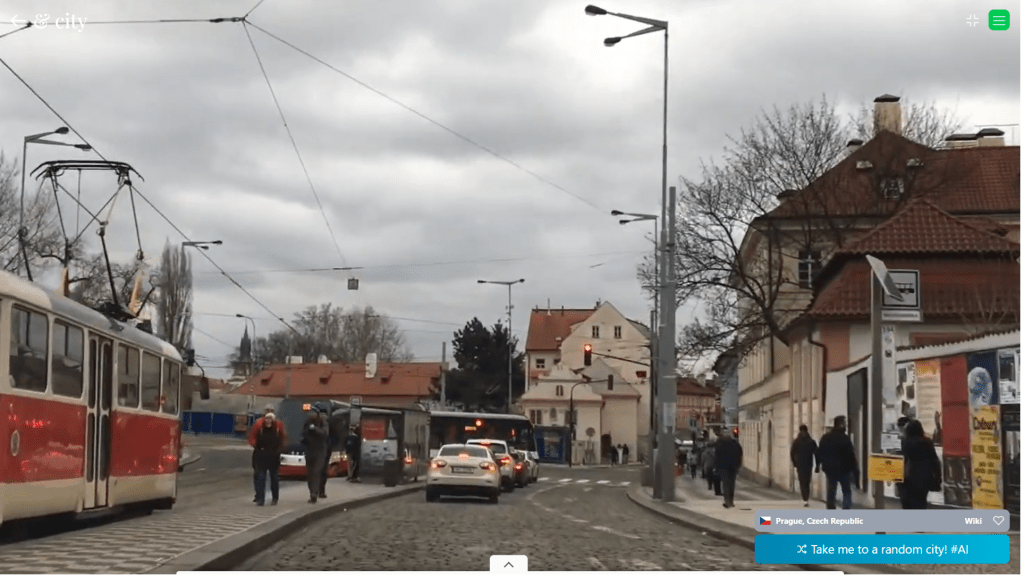
Drivenlisten.com fits beautifully into digital wellness routines. The platform places you in the passenger seat of a car driving through cities around the world. You can pair the visuals with local radio or street ambience.
This experience feels grounding because it mirrors everyday life. You are not consuming dramatic content. You are observing normal movement. Cars stop at the lights. Streets unfold naturally. Radio chatter adds human warmth without emotional demand.
Many people use Drivenlisten.com as a replacement for late-night scrolling or as a break when stress builds. It provides a sense of motion without urgency and connection without pressure.
Creating a Simple Digital Wellness Ritual
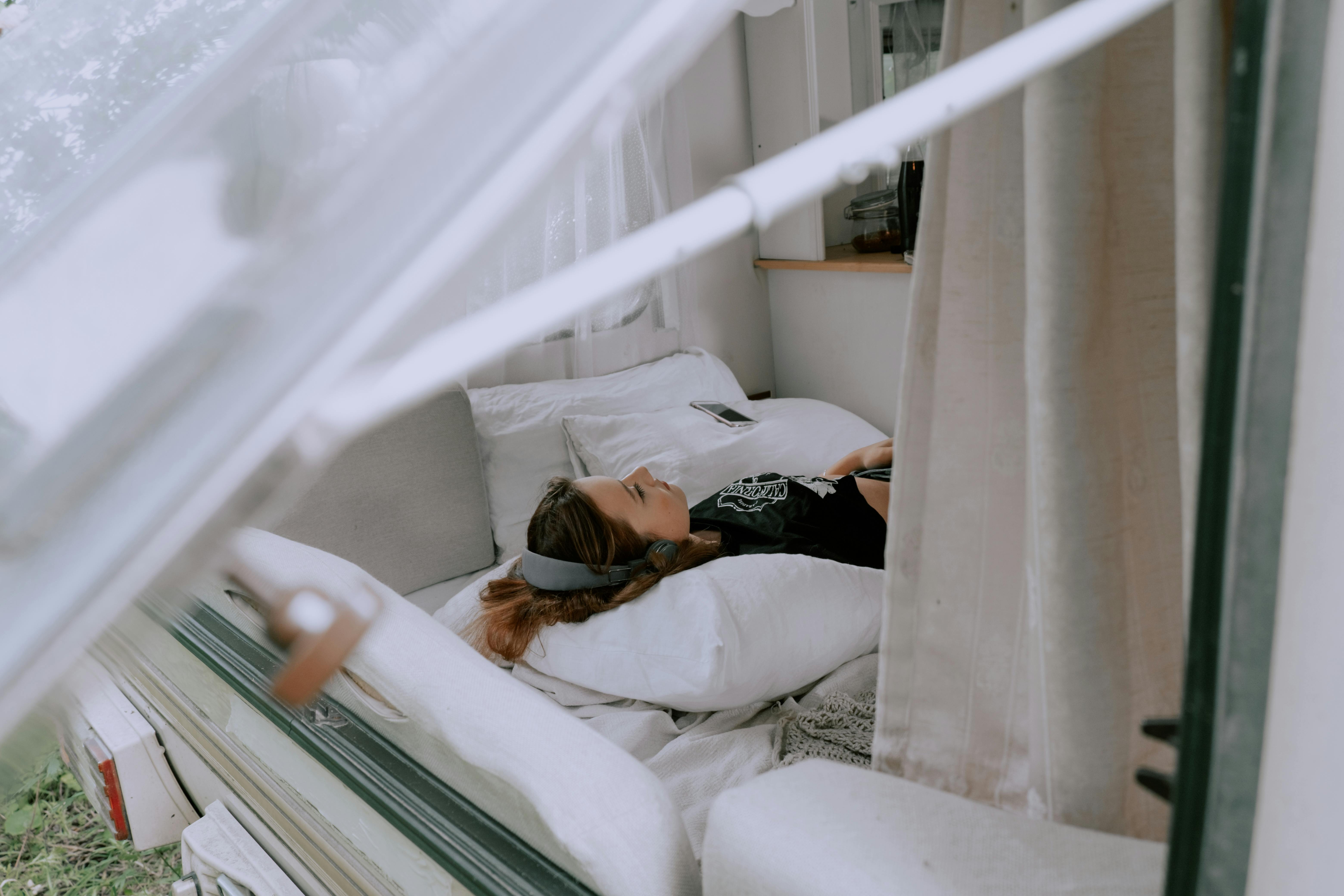
Replacing doomscrolling works best when you build a small ritual. It does not need to be strict or complicated.
Here is a simple approach:
• Notice when you reach for your phone out of stress or habit
• Pause and choose a virtual travel video instead
• Use headphones if possible
• Watch for ten to fifteen minutes without multitasking
• Let yourself observe without judgment
This short reset can help your nervous system recover from digital overload.
Why Calm Content Supports Emotional Resilience
Calm does not mean avoidance. It means recovery. When you give your mind regular moments of peace, you build resilience. You become better able to handle difficult information when it appears.
Virtual travel supports emotional balance by offering:
• Predictability in a chaotic digital world
• Sensory grounding through visuals and sound
• Mental distance from conflict-driven content
• A sense of connection without emotional demand
Over time, this can improve mood, focus, and overall well-being.
Redefining What Screen Time Can Feel Like
Not all screen time is harmful. The difference lies in content and intention. Doomscrolling drains because it keeps you emotionally activated without relief. Virtual travel restores because it allows observation without reaction.
You do not have to quit the internet to feel better. You can curate your digital environment the same way you curate your physical one. Softer light. Slower movement. Calmer sound.
Virtual travel shows that screens can also be windows to peace.
Choosing Calm, One Click at a Time
Digital wellness is built through small choices made repeatedly. Choosing a quiet street over a loud headline. Choosing movement over conflict. Choosing curiosity over fear.
Replacing doomscrolling with virtual travel will not fix everything. But it can create breathing room. It can soften the edges of a long day. It can remind you that the world is larger and calmer than the feed suggests.
Sometimes, calm begins not by disconnecting, but by choosing a better place to look.