

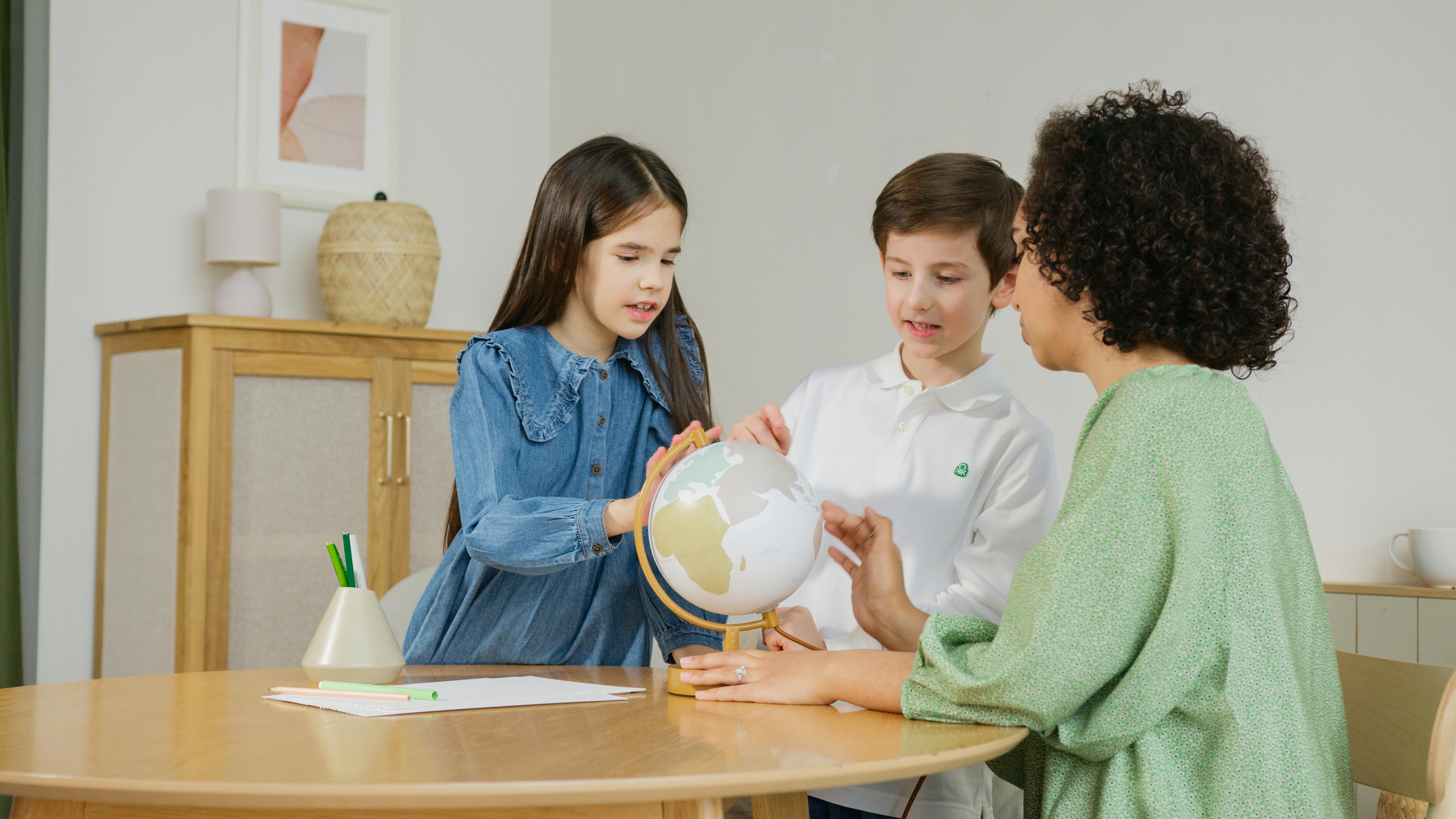
Learning about the world has always been part of education. Maps, textbooks, photographs, and documentaries have helped generations of students understand geography and culture. But for many learners, these tools can feel distant and abstract. Mountains become lines on a page. Cities turn into dots on a map. Cultures are reduced to bullet points.
Virtual travel changes that experience. It turns learning into observation. Instead of reading about a place, students can watch it move, listen to it breathe, and see how people actually live there. For students studying geography, languages, or world cultures, virtual travel becomes a powerful visual learning tool that brings lessons to life.
Why Visual Learning Matters for Students
Students learn in different ways, but visual learning plays a major role in understanding complex ideas. Seeing a concept in action helps the brain organize information more clearly. Geography and cultural studies benefit especially from this approach.
When students watch a virtual drive through a coastal city, they understand how geography shapes daily life. When they observe a market street in another country, culture stops being theoretical and becomes human.
Virtual travel supports:
• Visual memory
• Context-based understanding
• Emotional engagement
• Long-term retention
Instead of memorizing facts, students build mental pictures that stay with them.
Understanding Geography Through Real Environments
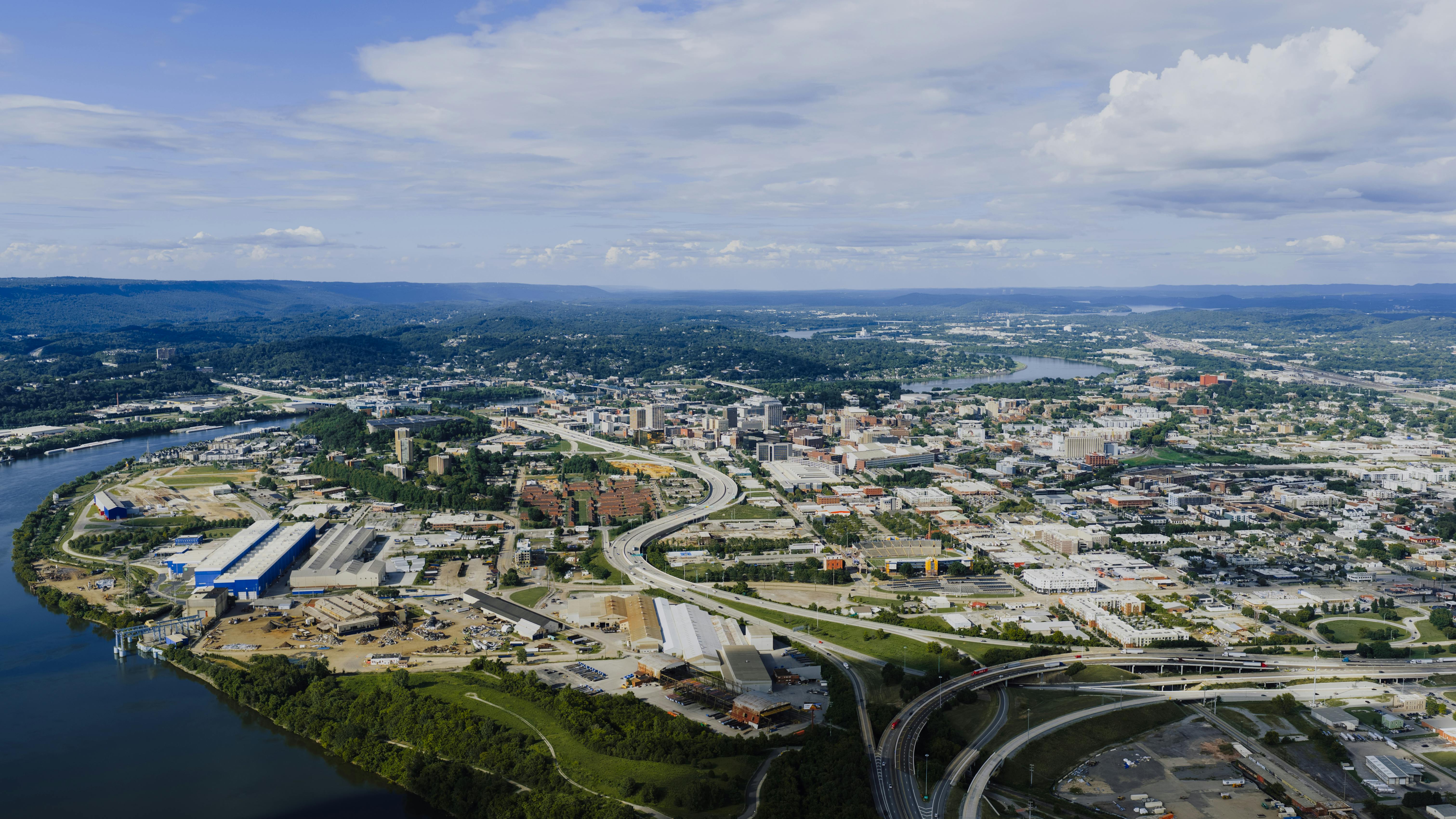
Geography is not only about borders and landforms. It is about how people interact with space. Virtual travel shows this relationship clearly.
Students can observe:
• How rivers influence city layout
• Why coastal towns develop ports and promenades
• How mountains affect road design and housing
• How climate changes daily routines
For example, watching a virtual walk through Amsterdam shows how canals shape transportation. A drive through a desert city reveals wide roads, shade-focused architecture, and limited greenery. These details help students understand why places develop the way they do.
Virtual travel connects physical geography to human geography in ways textbooks often cannot.
Cultural Learning Through Daily Life Observation
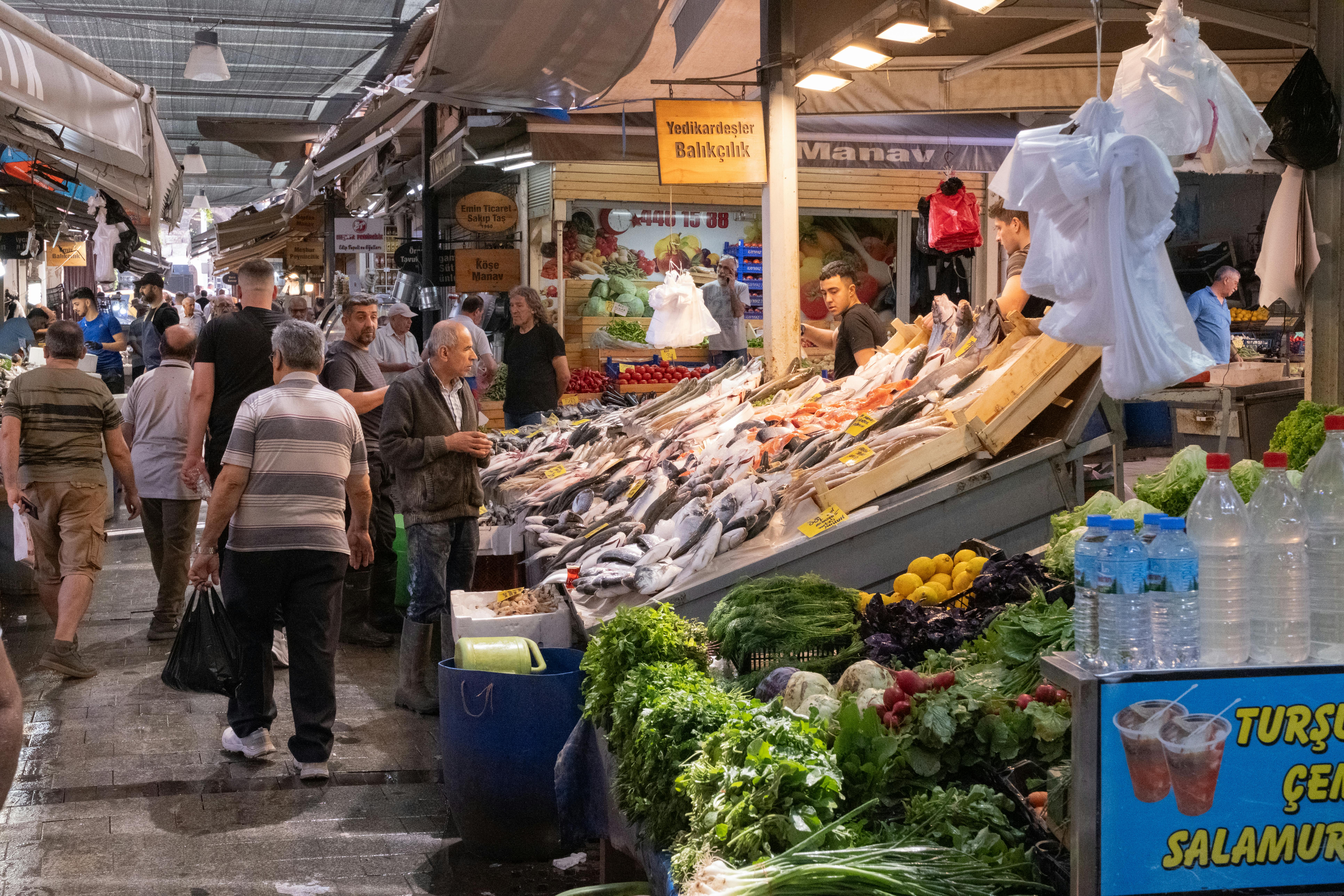
Culture is not only festivals, clothing, or historical facts. It lives in habits. How people greet each other. When they eat. How they use public spaces. Virtual travel allows students to observe these patterns naturally.
By watching long, unedited virtual walks or drives, students can notice:
• Morning and evening routines
• Market interactions
• Public transport behavior
• Social distance and body language
These observations help students understand culture as lived experience rather than a textbook description. It also builds empathy and curiosity, which are essential for global education.
[Image Placeholder: A street market scene with locals interacting. Suggested keywords: cultural habits, daily life observation, global cultures]
Language Learning Through Sound and Context
For students studying languages, virtual travel adds valuable exposure. Hearing a language spoken in real settings helps learners understand rhythm, tone, and everyday usage.
Even when students do not understand every word, they benefit from:
• Hearing natural conversation speed
• Noticing common phrases and expressions
• Understanding how language fits social situations
Watching a virtual street in Spain while hearing Spanish conversations provides context that audio lessons alone cannot. Language becomes connected to place and people, which makes learning feel meaningful.
Virtual travel also helps reduce language anxiety. Students can listen without pressure, building familiarity before speaking for themselves.
[Image Placeholder: A student wearing headphones while watching a city street video. Suggested keywords: language immersion, listening skills, contextual learning]
Building Spatial Awareness and Map Skills
Many students struggle to connect maps with real places. Virtual travel bridges that gap by showing how locations look and function on the ground.
Teachers and students can:
• Watch a virtual drive
• Locate the city on a map
• Identify landmarks and natural features
• Understand direction and layout
This practice strengthens spatial thinking. Students learn how cities expand, where neighborhoods sit, and how roads connect. Over time, maps stop feeling abstract and start feeling familiar.
Virtual travel supports geographic literacy in a practical, engaging way.
Encouraging Curiosity and Independent Learning
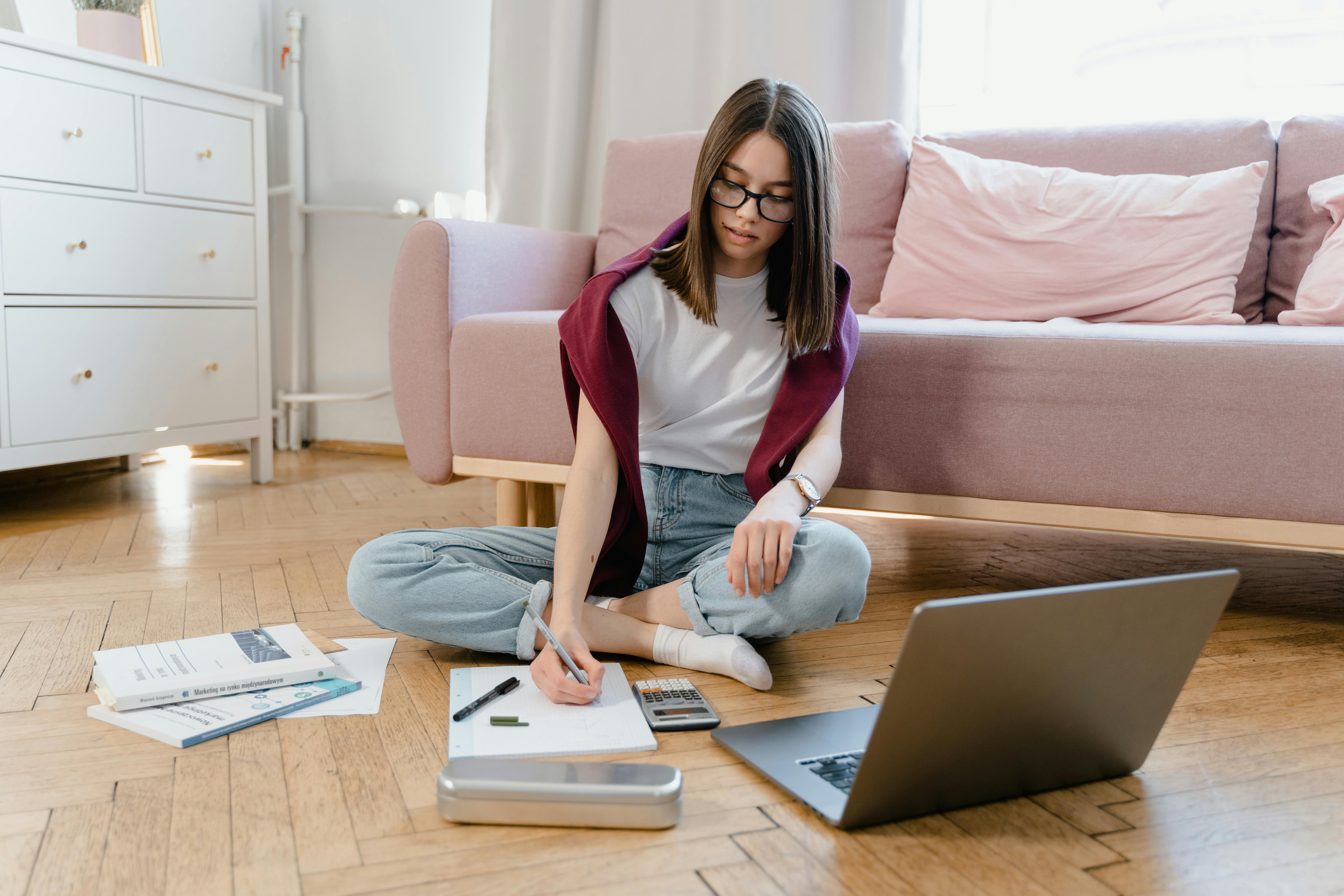
One of the biggest benefits of virtual travel is the motivation it provides. Students often feel more curious when learning feels exploratory rather than instructional.
Virtual travel encourages:
• Self-guided exploration
• Question asking
• Cross-subject connections
• Deeper engagement
A student watching a virtual walk-through of Istanbul might ask about its history, architecture, or religion. A drive through Tokyo might spark interest in technology or urban planning. Learning expands naturally beyond the original subject.
This curiosity-driven approach helps students take ownership of their education.
Supporting Inclusive and Accessible Education
Not all students have the opportunity to travel. Financial limits, physical disabilities, or geographic constraints can restrict real-world exploration. Virtual travel helps level the playing field.
It offers:
• Free access to global locations
• Safe exploration for all students
• Flexible pacing for different learning needs
Students who may never visit another country can still explore it visually and emotionally. This inclusivity makes global education more equitable.
Virtual travel also supports students with different learning styles by combining visual, auditory, and contextual input.
Drivenlisten.com as a Learning Companion
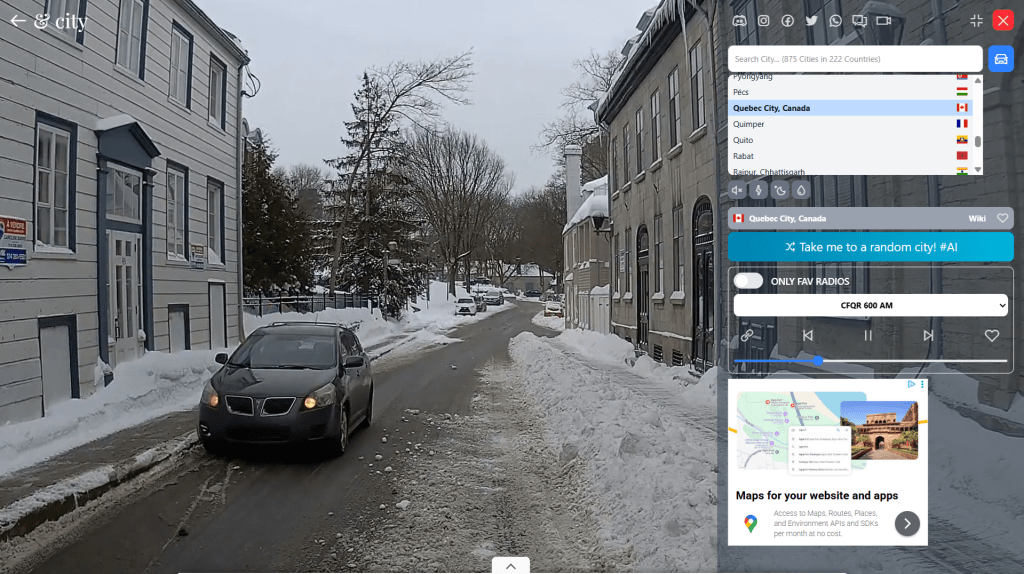
Drivenlisten.com can be a valuable educational tool for students. The platform allows users to sit in the passenger seat of a car driving through cities around the world while listening to local radio or street sounds.
For geography students, this shows how cities move throughout the day. For cultural studies, it reveals local music, language tone, and daily rhythm. For language learners, it offers real-world listening practice without pressure.
Drivenlisten.com works well for short classroom activities, homework exploration, or independent study. Students can compare cities, notice differences, and discuss observations.
Using Virtual Travel Effectively in Learning
To get the most benefit, virtual travel should be intentional. Here are simple ways students and teachers can use it:
• Watch short segments and discuss observations
• Pair virtual travel with maps or readings
• Encourage note-taking on daily habits
• Compare multiple cities or regions
• Reflect on cultural similarities and differences
These practices turn virtual travel into active learning rather than passive watching.
Learning the World by Watching It Move
Virtual travel does not replace textbooks or teachers. It enhances them. It gives students a living reference point for their studies. Geography becomes visible. Culture becomes relatable. Language becomes human.
By watching cities wake up, move through the day, and settle at night, students gain insight that facts alone cannot provide. They learn not just where places are, but how people live there.
In a world that is increasingly connected, understanding geography and culture matters more than ever. Virtual travel offers students a way to learn the world by seeing it, hearing it, and feeling its rhythm, all from where they are.