

 Start Driving in Athens
Athens, the capital of Greece, blends its rich ancient history with modern urban development, offering a unique mix of historical landmarks, diverse neighborhoods, and a vibrant atmosphere. Situated on the Attica plain, Athens provides a captivating mix of archaeological sites and cultural diversity. The Acropolis, a prominent landmark, features stunning ancient architecture and historical significance. The National Archaeological Museum showcases the region’s rich history and cultural artifacts. The Ancient Agora features historical ruins and cultural exhibits. Athens’s culinary scene features a delightful mix of Greek and Mediterranean cuisine, with restaurants serving souvlaki, moussaka, and diverse regional specialties. The city’s markets, such as the Central Market, offer a variety of local produce, artisanal goods, and souvenirs. The hills and surrounding areas provide opportunities for scenic walks, cultural exploration, and outdoor recreation. Athens’ efficient transportation network, including subways, buses, and trams, facilitates travel within the city and to surrounding areas. The city experiences a Mediterranean climate, with hot summers and mild winters. Athens’s cultural attractions, such as the various ancient sites and the annual festivals, highlight the city’s historical significance and cultural contributions. The city’s vibrant cultural scene includes festivals, concerts, and theaters, reflecting the region’s diverse traditions. Athens’s blend of ancient history and modern dynamism creates a unique and historically significant destination. The local markets and community events foster a vibrant atmosphere, making Athens a dynamic and culturally rich destination for visitors and residents. Athens is a vital center for government, commerce, and culture in Greece, contributing significantly to the country’s national development and economic growth.
Athens: A City Where the Past Still Stands Tall
Athens, the historic capital and largest city of Greece, is a mesmerizing blend of ancient grandeur and modern vitality, renowned as the cradle of Western civilization and the birthplace of democracy. Nestled between the mountains and the Aegean Sea, Athens captivates visitors with its legendary archaeological sites, world-class museums, and vibrant urban life, all set against a backdrop of Mediterranean warmth and cosmopolitan energy.
Athen’s Historical Insights
- Athens, one of the world’s oldest cities, has been continuously inhabited for over 3,000 years.
- Known as the cradle of Western civilization, it was the heart of Ancient Greece, democracy, philosophy, and the arts.
- The city is home to iconic landmarks such as the Acropolis and Parthenon, shaped by Byzantine, Ottoman, and modern influences.
What Makes the City Unique or Special
- Athens uniquely blends ancient history with vibrant modern culture.
- It offers dramatic hilltop ruins, world-class museums, lively neighborhoods, and a thriving food and nightlife scene.
Local Culture and Vibe
- The city pulses with creative energy, lively squares, and a mix of traditional Greek hospitality and contemporary urban life.
- Neighborhoods like Plaka, Monastiraki, Gazi, and Koukaki each offer their own unique character and charm.
Best Months to Visit
- Shoulder Seasons (April–June, September–October): Pleasant weather, fewer crowds, and lower prices.
- Summer (July–August): Hot, crowded, and more expensive.
- Winter (November–March): Cooler and quieter, ideal for museums and city walks.
Top Attractions – Major Landmarks and Must-See Sights
1. Acropolis
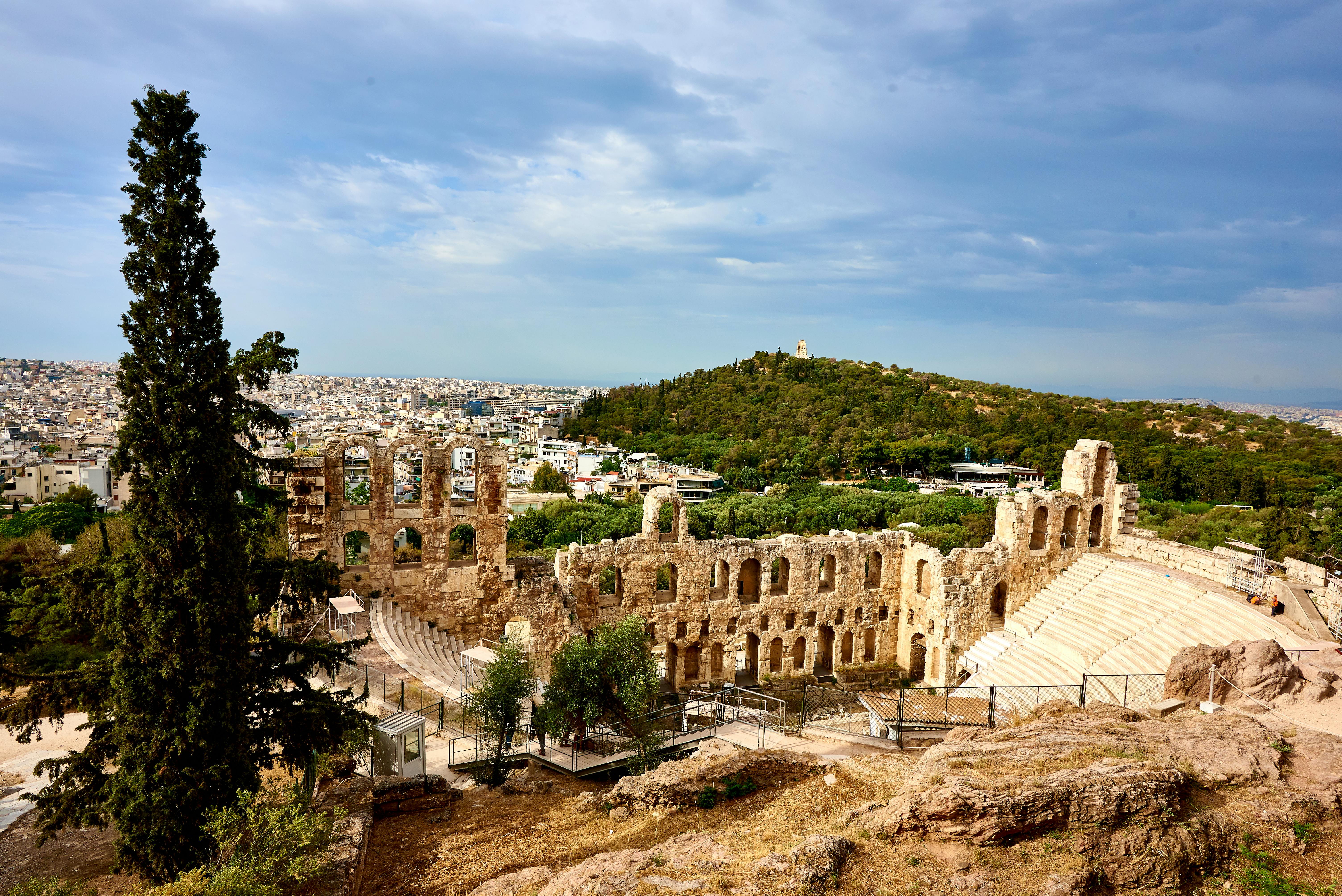
- Opening Hours: 8:00–20:00 (summer), 8:00–17:00 (winter)
- Entry Fee: €20 (or €30 for 5-day combo ticket)
- Tips: Arrive early or late to avoid crowds; skip-the-line tickets available
- Best Time to Visit: Early morning or late afternoon
2. Acropolis Museum
- Opening Hours: 8:00–20:00 (summer), 9:00–17:00 (winter)
- Entry Fee: €10 (winter), €15 (summer)
- Tips: Visit the rooftop café for Parthenon views; allow 2–3 hours
- Best Time to Visit: Morning or late afternoon
3. Ancient Agora

- Opening Hours: 8:00–20:00 (summer), 8:00–17:00 (winter)
- Entry Fee: Included in combo ticket
- Tips: Explore the Temple of Hephaestus; best in morning
- Best Time to Visit: Morning
4. Roman Agora

- Opening Hours: 8:00–20:00 (summer), 8:00–17:00 (winter)
- Entry Fee: Included in combo ticket
- Tips: Visit with Ancient Agora; best in morning
- Best Time to Visit: Morning
5. Temple of Olympian Zeus

- Opening Hours: 8:00–20:00 (summer), 8:00–17:00 (winter)
- Entry Fee: Included in combo ticket
- Tips: See the towering columns; best in late afternoon
- Best Time to Visit: Late afternoon
6. Mount Lycabettus

- Opening Hours: Always open
- Entry Fee: Free
- Tips: Walk or take the funicular; best at sunset for panoramic views
- Best Time to Visit: Sunset
7. National Archaeological Museum

- Opening Hours: 8:00–20:00 (summer), 9:00–16:00 (winter)
- Entry Fee: €12
- Tips: Allow 2–3 hours; best midweek
- Best Time to Visit: Midweek
Hidden Gems
Lesser-Known Spots, Quirky Museums, or Unique Experiences
- Anafiotika: Picturesque neighborhood beneath the Acropolis, with Cycladic-style houses and narrow alleys.
- Benaki Museum of Islamic Art: Beautiful collection in a restored neoclassical building.
- Technopolis: Industrial heritage site in Gazi, now a cultural center with exhibitions and concerts.
- Little Metropolis Church: Tiny Byzantine church hidden in the city center.
- Areopagus Hill: Less crowded than the Acropolis, with great views and ancient history.
Local Favorites and Insider Tips
- Kolonaki: Upscale area for boutique shopping and chic cafes.
- Exarchia: Bohemian neighborhood with street art and alternative vibes.
- Insider Tip: Enjoy a freddo cappuccino at a local café—a Greek summer staple.
Local Cuisine and Dining
Must-Try Dishes and Local Specialties
- Souvlaki and Gyros: Grilled meats with pita, tomatoes, onions, and tzatziki.
- Moussaka: Layers of eggplant, minced meat, and béchamel sauce.
- Horiatiki (Greek salad): Tomatoes, cucumber, olives, feta, and olive oil.
- Spanakopita: Spinach and feta pie in phyllo pastry.
- Loukoumades: Greek doughnuts with honey and cinnamon.
Best Restaurants, Cafes, and Street Food Spots
- Taverna Saita: Authentic Greek cuisine in Plaka.
- Oinomageiremata: Trendy spot in Gazi for modern Greek dishes.
- Avli: Cozy café in Psyrri for brunch and coffee.
- Street food: Try souvlaki at Kostas or Thanasis in Monastiraki.
Recommendations for Food Markets and Culinary Tours
- Varvakios Agora: Athens’ central meat and fish market, great for foodies.
- Athens Food Tour: Guided tours sampling Greek specialties and local wines.
Accommodation Options
Budget
- Hostels: Affordable stays in Monastiraki, Plaka, and Psyrri.
- Guesthouses: Cozy, family-run options in central neighborhoods.
Mid-Range
- Boutique hotels: Stylish stays in Kolonaki, Koukaki, and Gazi.
- Chain hotels: Reliable options in Syntagma and Omonia.
Luxury
- Five-star hotels: Elegant properties in Kolonaki and near the Acropolis.
- Boutique stays: Unique hotels in restored neoclassical buildings.
Tips for Choosing the Best Area to Stay
- Plaka/Monastiraki: Best for history lovers and first-time visitors.
- Kolonaki/Koukaki: Trendy, quieter, and close to attractions.
- Gazi/Psyrri: Great for nightlife and dining.
Transportation
How to Get to the City
- Flights: Athens International Airport (Eleftherios Venizelos) has global connections.
- Trains: Mainline trains connect Athens to other Greek cities.
- Buses: Long-distance buses (KTEL) serve all regions.
- Ferries: Piraeus port offers ferries to Greek islands.
Public Transport Options Within the City
- Metro: Efficient, connects major sites and neighborhoods.
- Buses/Trams: Extensive network for longer distances.
Taxis, Rideshares, and Bike Rentals
- Taxis: Plentiful and metered; use apps like Beat.
- Rideshares: Available but less common than taxis.
- Bike rentals: Available in tourist areas; best for short trips.
Tips for Navigating the City
- Walk the historic center: Most attractions are close together.
- Use the metro for longer distances.
- Download Citymapper for real-time navigation.
Events, Festivals, and Experiences
Major Annual Events and Festivals
- Athens & Epidaurus Festival: Summer arts festival with theater, music, and dance.
- Rockwave Festival: Major music festival in June/July.
- Athens Marathon: Held every November, tracing the original route.
Unique Local Experiences
- Greek cooking classes: Learn to make classic dishes.
- Street art tours: Explore Athens’ vibrant urban art scene.
- Ancient Greek theater performances: At the Odeon of Herodes Atticus.
Shopping and Souvenirs
Best Shopping Streets, Markets, and Malls
- Ermou Street: Pedestrian shopping street with international brands.
- Monastiraki Flea Market: Antiques, souvenirs, and handmade crafts.
- Kolonaki: Boutique shops and designer stores.
- Attica and The Mall Athens: Large shopping malls.
Local Products and Souvenirs to Buy
- Olive oil and olives
- Handmade ceramics and jewelry
- Local honey and herbs
- Greek wine and ouzo.
Practical Information
Visa and Travel Regulations
- Schengen Visa: Required for many non-EU nationals; check requirements before travel.
- Passport validity: Must be valid for at least three months beyond your stay.
Weather and Best Time to Visit
- Best time: April–June and September–October for mild weather and fewer crowds.
- Summer: Hot and crowded; winter is cooler and quieter.
Language and Communication Tips
- Greek is the main language.
- English is widely spoken in tourist areas.
- Learn basic Greek phrases for a warmer welcome.
Currency, ATMs, and Payment Methods
- Euro (€) is the currency.
- ATMs widely available; credit cards accepted at most establishments.
- Carry some cash for small shops and markets.
Travel Tips and Etiquette
Local Customs and Cultural Etiquette
- Greet with a handshake or a nod.
- Dress modestly when visiting churches and monasteries.
- Don’t rush meals—Greeks enjoy long, leisurely dining.
Safety Advice
- Athens is generally safe, but watch for pickpockets in crowded areas.
- Keep valuables secure and be aware of your surroundings.
How to Save Money and Travel on a Budget
- Eat at local tavernas and street food stalls.
- Use public transport and walk where possible.
- Visit free attractions like Areopagus Hill and many museums on certain days.
Packing and What to Wear
Seasonal Packing Lists
- Summer: Light clothing, sunscreen, hat, sunglasses, swimwear.
- Spring/Autumn: Light layers, comfortable shoes, light jacket.
- Winter: Warm layers, waterproof jacket, umbrella.
Dress Code Tips for Attractions or Dining
- Casual attire is acceptable in most places.
- Cover shoulders and knees when visiting churches.
- Smart casual for upscale restaurants.
Sample Itineraries
2-Day Itinerary
- Day 1: Acropolis, Acropolis Museum, Ancient Agora, Plaka, Monastiraki.
- Day 2: National Archaeological Museum, Temple of Olympian Zeus, Mount Lycabettus, Kolonaki.
4-Day Itinerary
- Day 1: Acropolis, Acropolis Museum, Plaka.
- Day 2: Ancient Agora, Roman Agora, Monastiraki Flea Market, Gazi.
- Day 3: National Archaeological Museum, Kolonaki, Mount Lycabettus.
- Day 4: Day trip to Cape Sounion or Hydra Island.
7-Day Itinerary
- Days 1–2: Acropolis, Acropolis Museum, Plaka, Monastiraki, Ancient Agora.
- Day 3: National Archaeological Museum, Kolonaki, Mount Lycabettus.
- Day 4: Temple of Olympian Zeus, Roman Agora, Gazi, Technopolis.
- Day 5: Day trip to Delphi.
- Day 6: Day trip to Hydra or Aegina Island.
- Day 7: Explore Exarchia, shopping, local food tour, sunset at Cape Sounion
Also explore Antalya and Amsterdam