

 Start Driving in Cologne
Cologne, a city in western Germany, blends its rich historical significance with modern urban development, offering a unique mix of historical landmarks, diverse neighborhoods, and a vibrant atmosphere. Situated along the Rhine River, Cologne provides a captivating mix of scenic river views and cultural diversity. The Cologne Cathedral, a prominent landmark, features stunning Gothic architecture and historical significance. The Museum Ludwig showcases the region’s modern art collections and cultural artifacts. The Old Town (Altstadt) features historical architecture and cultural expressions. Cologne’s culinary scene features a delightful mix of German and Rhineland cuisine, with restaurants serving kolsch, halver hahn, and diverse regional specialties. The city’s markets, such as the Christmas markets, offer a variety of local produce, artisanal goods, and souvenirs. The river and surrounding parks provide opportunities for scenic walks, cultural exploration, and outdoor recreation. Cologne’s efficient transportation network, including subways, buses, and trains, facilitates travel within the city and to surrounding areas. The city experiences a temperate maritime climate, with mild summers and cool winters. Cologne’s cultural attractions, such as the various museums and the annual Cologne Carnival, highlight the city’s historical significance and cultural contributions. The city’s vibrant cultural scene includes festivals, concerts, and theaters, reflecting the region’s diverse traditions. Cologne’s blend of historical charm and modern dynamism creates a unique and appealing destination. The local markets and community events foster a vibrant atmosphere, making Cologne a dynamic and culturally rich destination for visitors and residents. Cologne is a vital center for commerce, media, and culture in western Germany, contributing significantly to the country’s national development and economic growth.
Cologne: A Riverside Story of Stone and Soul
Cologne, a vibrant city straddling the Rhine River in western Germany, is a captivating blend of ancient history and modern energy.Cologne offers a rich tapestry of historic landmarks, world-class museums, and lively festivals. Whether you’re exploring cobblestone streets, savoring local Kölsch beer, or admiring contemporary art, Cologne promises an unforgettable urban adventure.
Origin and Evolution
- Founded as a Roman colony in 38 BCE (originally named Colonia Claudia Ara Agrippinensium), making it one of Germany’s oldest cities.
- Flourished as a medieval religious and trade center, with the construction of the Cologne Cathedral beginning in 1248 and completed in 1880.
- Became a major modern city with a strong cultural, academic, and media presence.
- Rich multicultural heritage shaped by Roman, medieval, and modern European influences.
What Makes the City Unique or Special
- Cologne Cathedral (Kölner Dom): A UNESCO World Heritage Site and one of the tallest churches in the world.
- Rhine River setting: Offers scenic riverfront promenades, boat tours, and beautiful city views.
- Carnival Capital: Hosts one of Germany’s biggest and most famous Carnival celebrations..
- Art and Museums: Over 30 museums, including the Chocolate Museum and Museum Ludwig.
- Local Beer Culture: Kölsch beer served in traditional breweries and beer halls.
Local Culture and Vibe
- Friendly and open atmosphere: Locals are known for their warmth and humor.
- Festive spirit: Year-round events, especially during Carnival and Christmas markets.
- Artistic and creative: Thriving arts, theater, and live music scenes.
- Café and beer culture: Bustling cafés and historic beer halls are central to social life.
- Multicultural: Diverse communities and influences from across Europe.
Best Months to Visit
- Spring (April–June): Mild weather, blooming parks, and fewer crowds.
- Autumn (September–October): Pleasant temperatures, vibrant foliage, and cultural events.
- Winter (November–December): Magical Christmas markets, but cold weather.
- Avoid: July–August can be crowded and hot; Carnival (February/March) is festive but busy.
Top Attractions
1. Cologne Cathedral (Kölner Dom)
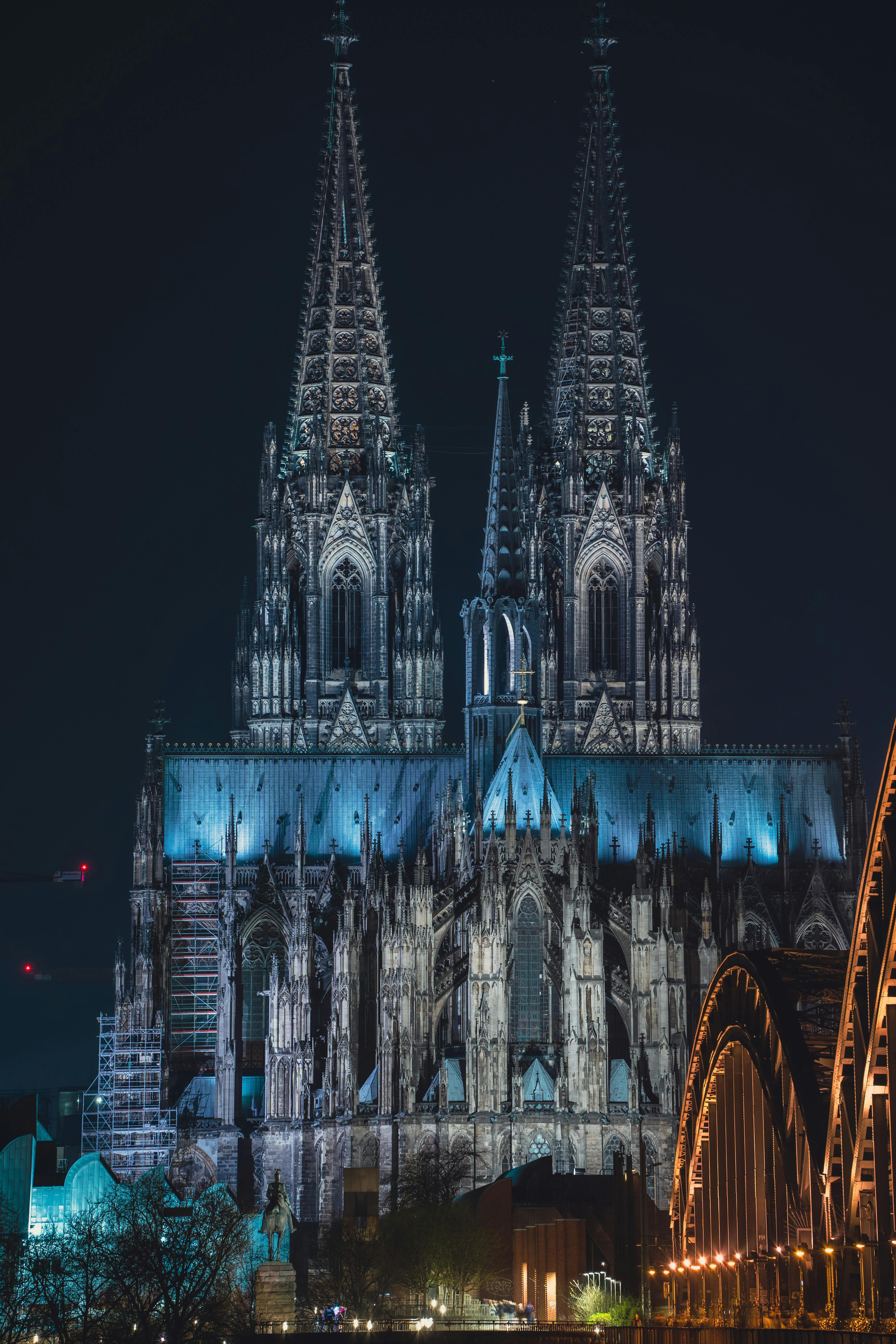
- Opening Hours: 6:00–21:00 (tower: 9:00–18:00)
- Entry Fee: Free; tower climb €5
- Tips: Go early to avoid crowds; climb the tower for panoramic views.
- Best Time: Early morning or late afternoon for fewer crowds and best light.
2. Hohenzollern Bridge

- Opening Hours: Always open
- Entry Fee: Free
- Tips: Sunset stroll for romantic views and love locks.
- Best Time: Sunset for a vibrant atmosphere.
3. Chocolate Museum (Schokoladenmuseum)
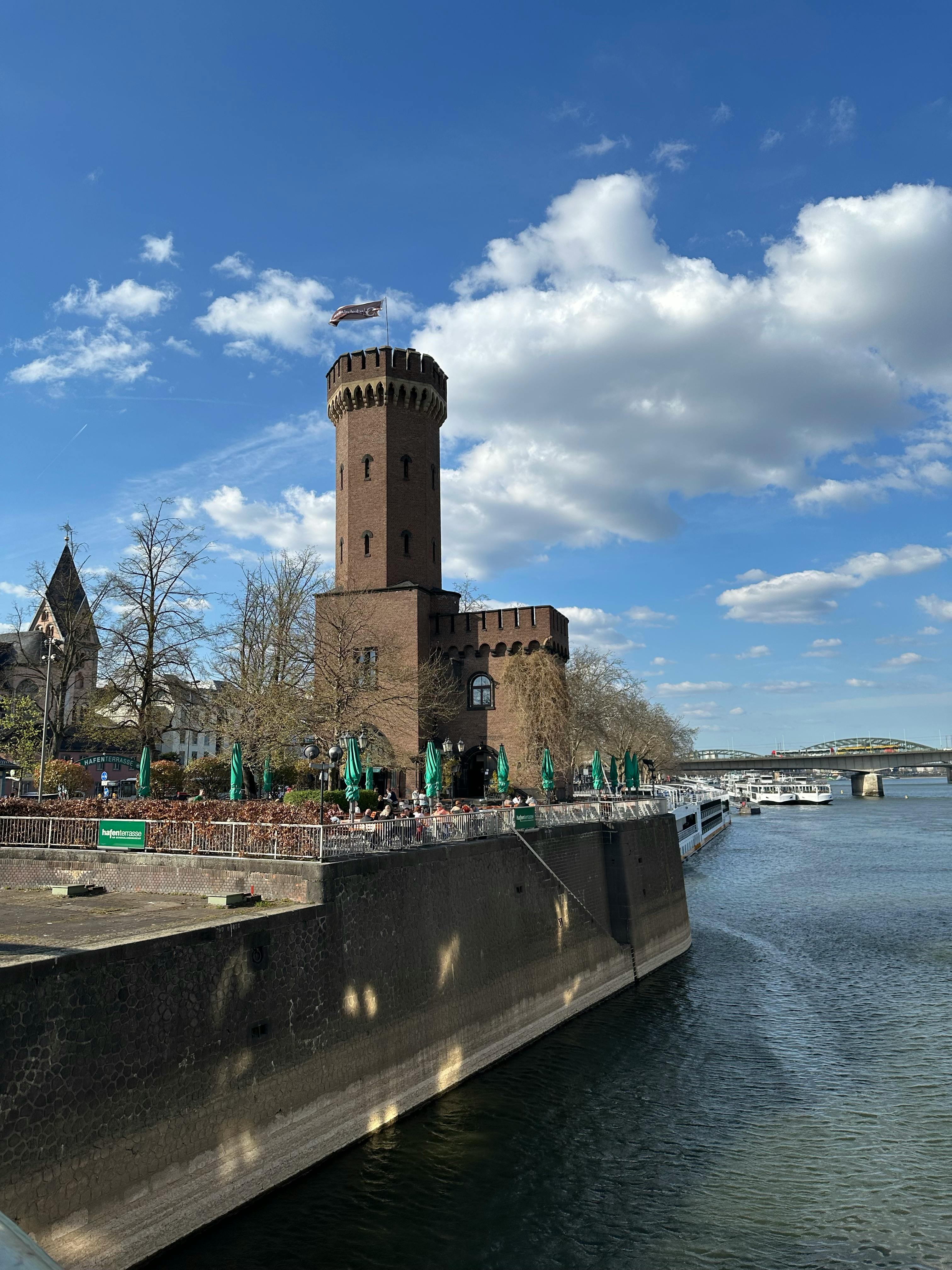
- Opening Hours: 10:00–18:00 (varies by season)
- Entry Fee: ~€14
- Tips: Great for families; try the chocolate fountain.
- Best Time: Midday for interactive exhibits.
4. Museum Ludwig
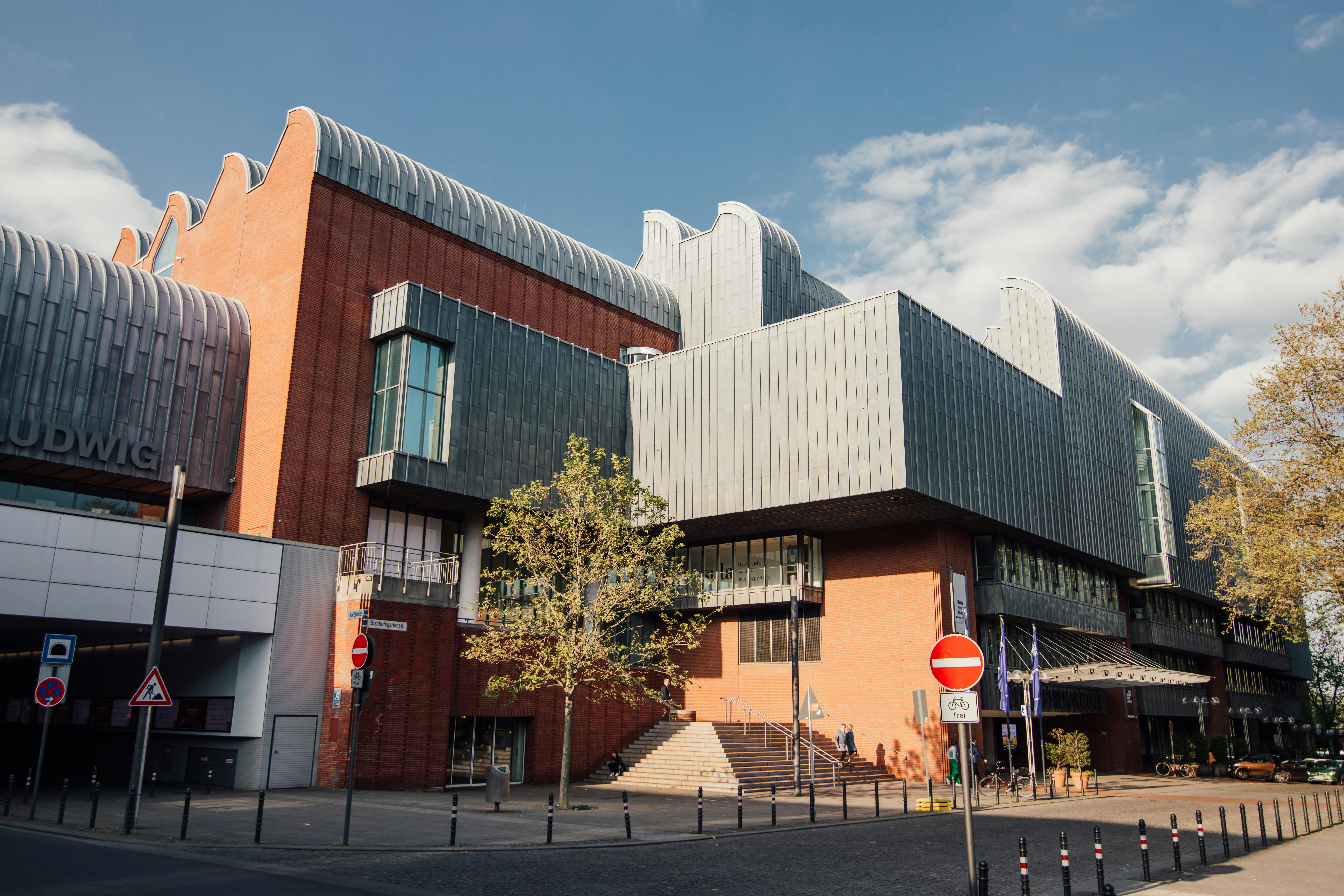
- Opening Hours: 10:00–18:00 (closed Mondays)
- Entry Fee: ~€14
- Tips: Art lovers; Picasso and Warhol works.
- Best Time: Weekday mornings for a quieter experience.
5. Romano-Germanic Museum
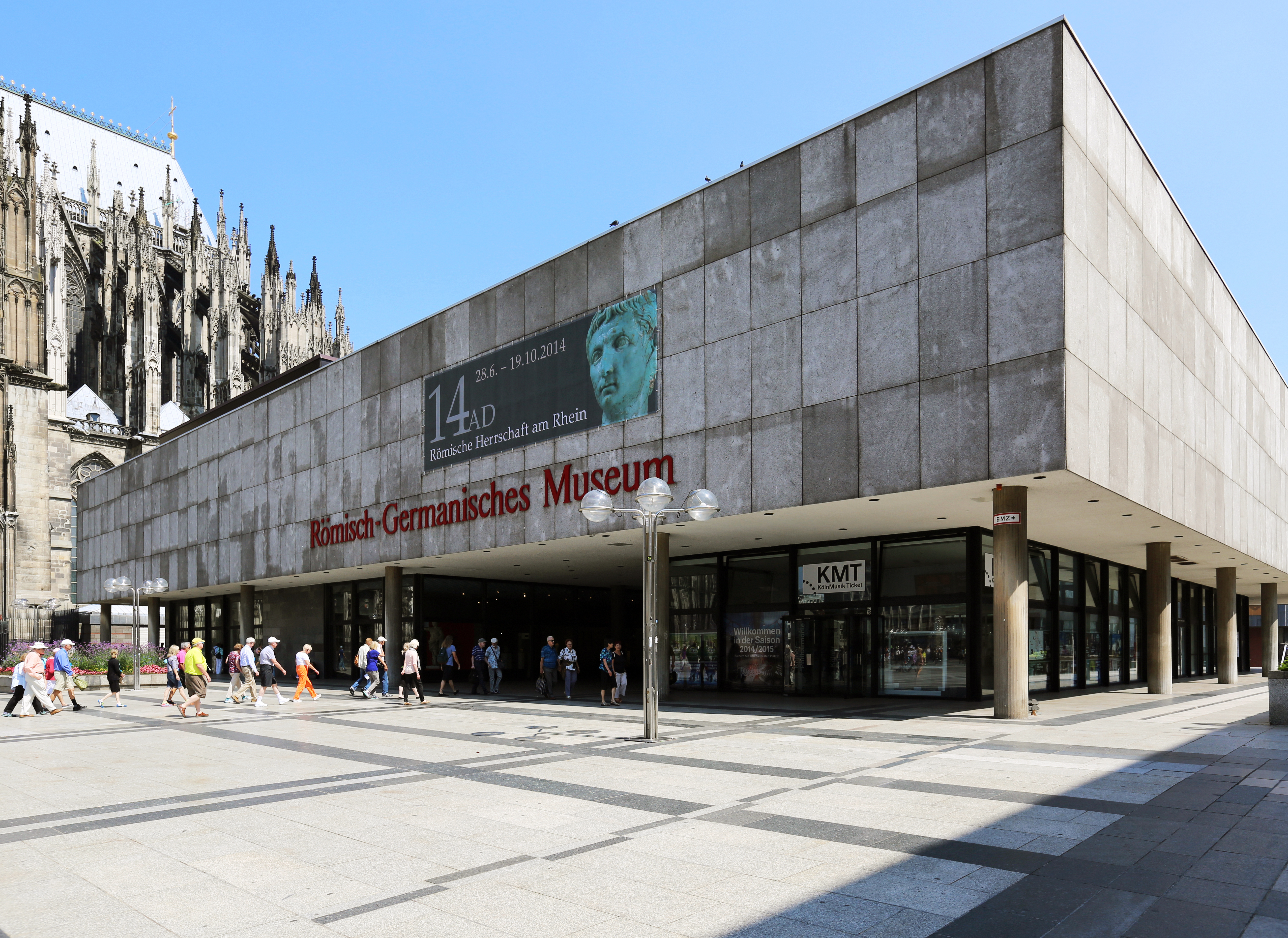
- Opening Hours: 10:00–18:00 (closed Mondays; check for temporary site)
- Entry Fee: ~€10
- Tips: Roman artifacts; check for renovations.
- Best Time: Afternoon, especially if combining with other nearby museums.
Hidden Gems
- Duftmuseum im Farina-Haus: Museum dedicated to the history of eau de cologne.
- NS Documentation Center: Former Gestapo headquarters, now a museum on Nazi history.
- Belgian Quarter: Trendy neighborhood with boutiques, cafés, and street art.
- Rheinauhafen: Modern harbor area with striking architecture and riverside dining.
- Local Favorites: Flora Botanical Garden, local breweries for authentic Kölsch.
- Insider Tips: Explore the Old Town’s narrow alleys, visit during local festivals for a true taste of Cologne life.
Local Cuisine and Dining
- Must-Try Dishes: Kölsch beer, Halve Hahn (rye bread with cheese), Himmel un Ääd (potatoes and applesauce), Rheinischer Sauerbraten (marinated beef).
- Best Restaurants: Früh am Dom (traditional brewery), Peters Brauhaus, Gaffel am Dom..
- Cafes & Street Food: Café Reichard, Café Oje, street food at Christmas markets.
- Food Markets: Neumarkt Food Market, Cologne Christmas Markets (seasonal.
- Culinary Tours: Join a brewery or food market tour for local flavors
Accommodation Options
- Budget: Meininger Hotel Cologne City Center, Cologne Downtown Hostel, A&O Köln Neumarkt.
- Mid-Range: 25hours Hotel The Circle, Hotel Chelsea, Hotel Im Wasserturm.
- Luxury: Excelsior Hotel Ernst, Hyatt Regency Cologne, Hotel Mondial am Dom.
- Hostels, Guesthouses, Boutique Stays: Die Wohngemeinschaft, Hotel Stadtpalais, Qvest Hideaway
- Best Areas to Stay: Altstadt (Old Town) for central location, Belgian Quarter for local vibe, Deutz for river views.
Transportation
- Getting to Cologne: International flights to Cologne Bonn Airport; high-speed trains (ICE) to Köln Hauptbahnhof from across Europe.
- Public Transport: Trams, buses, and underground trains (KVB); KölnCard for unlimited travel and discounts.
- Taxis, Rideshares, Bike Rentals: Uber, Bolt, local taxis; bike rentals (KVB-Rad).
- Tips: The city center is walkable; use public transport for longer distances; KölnCard is cost-effective for tourists.
Events, Festivals, and Experiences
- Major Annual Events: Cologne Carnival (February/March), Christmas Markets (November–December), Cologne Pride (July).
- Unique Experiences: Brewery tours, boat cruises on the Rhine, guided walking tours, chocolate-making workshops.
- Workshops & Performances: Art workshops, live music in Belgian Quarter, theater productions.
Shopping and Souvenirs
- Best Shopping Streets: Schildergasse, Hohe Straße, Ehrenstraße.
- Markets & Malls: Neumarkt Galerie, Rhein-Center, Christmas markets (seasonal).
- Local Products: Kölsch beer, eau de cologne, chocolate, local crafts.
Practical Information
- Visa and Travel Regulations: Schengen visa for most non-EU visitors; check requirements based on nationality.
- Weather and Best Time to Visit: Best in spring and autumn; winter for Christmas markets.
- Language and Communication: German is official; English widely spoken in tourist areas.
- Currency, ATMs, Payment Methods: Euro (€); ATMs widely available; credit cards accepted in most places.
Travel Tips and Etiquette
- Local Customs: Friendly and informal; tipping (10%) is appreciated in restaurants.
- Safety Advice: Generally safe; beware of pickpockets in crowded areas.
- Budget Tips: Use public transport, eat at local breweries, visit free attractions.
- Cultural Etiquette: Respect local traditions, especially during Carnival and festivals.
Packing and What to Wear
- Spring/Autumn: Light layers, waterproof jacket, comfortable walking shoes.
- Summer: Light clothing, sunhat, sunglasses, sunscreen.
- Winter: Warm coat, gloves, scarf, waterproof boots.
- Dress Code: Casual for most attractions; smart casual for upscale dining.
Itineraries
2-Day Itinerary
- Day 1: Cologne Cathedral, Hohenzollern Bridge, Museum Ludwig, Old Town brewery dinner
- Day 2: Chocolate Museum, Romano-Germanic Museum, Belgian Quarter, evening river cruise
4-Day Itinerary
- Day 1: Cologne Cathedral, Hohenzollern Bridge, Museum Ludwig
- Day 2: Chocolate Museum, Romano-Germanic Museum, Old Town brewery dinner
- Day 3: Belgian Quarter, Rheinauhafen, Flora Botanical Garden
- Day 4: Duftmuseum im Farina-Haus, NS Documentation Center, shopping on Schildergasse
7-Day Itinerary
- Days 1–4: As above
- Day 5: Day trip to Düsseldorf or Bonn
- Day 6: Explore hidden gems, join a brewery or food tour
- Day 7: Relax at a café, revisit favorite spots, or attend a local event