

 Start Driving in Dunedin
Dunedin, a city on the South Island of New Zealand, is a blend of Scottish heritage and natural beauty, offering a unique blend of historical landmarks, diverse neighborhoods, and a thriving wildlife scene. Situated on the Otago Harbour, Dunedin offers a captivating blend of urban amenities and scenic views. The Larnach Castle, a historic castle, features Victorian architecture and gardens. The Otago Museum showcases the region’s history and cultural heritage. The Royal Albatross Centre offers opportunities to see albatrosses in their natural habitat. Dunedin’s culinary scene is a delightful mix of New Zealand and international cuisine, with restaurants serving seafood, lamb, and craft beer. The city’s markets, such as the Otago Farmers Market, offer a variety of local produce, handicrafts, and souvenirs. The nearby Otago Peninsula offers opportunities for wildlife viewing, hiking, and scenic drives. Dunedin’s efficient transportation network, comprising buses and taxis, ensures convenient travel within the city and to surrounding areas. Travelers should be prepared for potential rainfall and cool temperatures, especially during the winter months. The currency is the New Zealand Dollar (NZD), and English is the primary language. The most favorable times to visit are during the spring and summer months, when the weather is mild and pleasant. Dunedin, a city of Scottish heritage and natural wonders, offers a unique cultural experience. The city’s historical sites, like the Dunedin Railway Station and the First Church of Otago, reflect its rich past. The vibrant arts scene, with its galleries and theaters, adds to the city’s cultural dynamism. The local artisans, with their crafts and wool products, keep traditional skills alive. The city’s natural setting, with its harbour and hills, provides a peaceful escape from the urban hustle. The local cuisine, with its fresh ingredients and regional specialties, is a testament to the region’s culinary heritage. Dunedin, a city of contrasts, offers a blend of historic charm and modern living. The city’s architecture reflects a mix of Victorian and Edwardian influences. The local markets are a hub of social and economic activity. Dunedin, a hub of education and tourism, is a vital economic center in the Otago region.
Dunedin: Where Time Slows Beneath Open Skies
Dunedin, perched on New Zealand’s South Island, is a city where Victorian grandeur meets wild coastal beauty and vibrant urban culture. Founded by Scottish settlers in 1848 and named after Edinburgh’s Gaelic title, Dunedin boasts some of the best-preserved heritage architecture in the Southern Hemisphere. Today, it’s a lively university town celebrated for its quirky street art, thriving café scene, and proximity to the wildlife-rich Otago Peninsula. Dunedin’s blend of tradition and creativity makes it a uniquely captivating destination.
Brief History and Background
- Māori first settled the area around 1300, establishing villages like Ōtepoti and Puketai.
- European contact began with sealers and whalers in the late 18th century.
- In 1848, Scottish settlers founded Dunedin as the principal town of the Otago settlement, inspired by Edinburgh.
- The 1861 gold rush transformed Dunedin into New Zealand’s commercial and industrial center, leading to rapid growth and the founding of the University of Otago in 1869.
- Dunedin’s fortunes shifted northwards in the 20th century, but the city reinvented itself as a hub of heritage, culture, and eco-tourism.
What Makes the City Unique or Special
- Home to New Zealand’s largest collection of Victorian and Edwardian buildings.
- Gateway to the Otago Peninsula, famous for rare wildlife like albatrosses and yellow-eyed penguins.
- Renowned for its street art trail, microbreweries, and creative, student-driven energy.
Local Culture and Vibe
- A youthful, artsy atmosphere thanks to the University of Otago.
- A blend of Scottish heritage, Māori roots, and Kiwi ingenuity.
- Lively café and food scene, plus a strong focus on sustainability and the outdoors.
Best Months to Visit
- December to February (Summer): Warmest weather, popular for festivals and wildlife tours.
- March to May (Autumn): Mild, sunny, fewer crowds, and better rates on accommodation.
- September to November (Spring): Pleasant temperatures, gardens in bloom.
Top Attractions
1. Larnach Castle & Gardens

- Opening Hours: 8:00 AM–5:00 PM (last entry 4:30 PM)
- Entry Fee : NZD $39 (adult), $13 (child)
- Tips: Only castles in New Zealand; explore gardens and enjoy high tea.
- Best time: Morning or early afternoon for fewer crowds.
2. Otago Peninsula Wildlife Tours
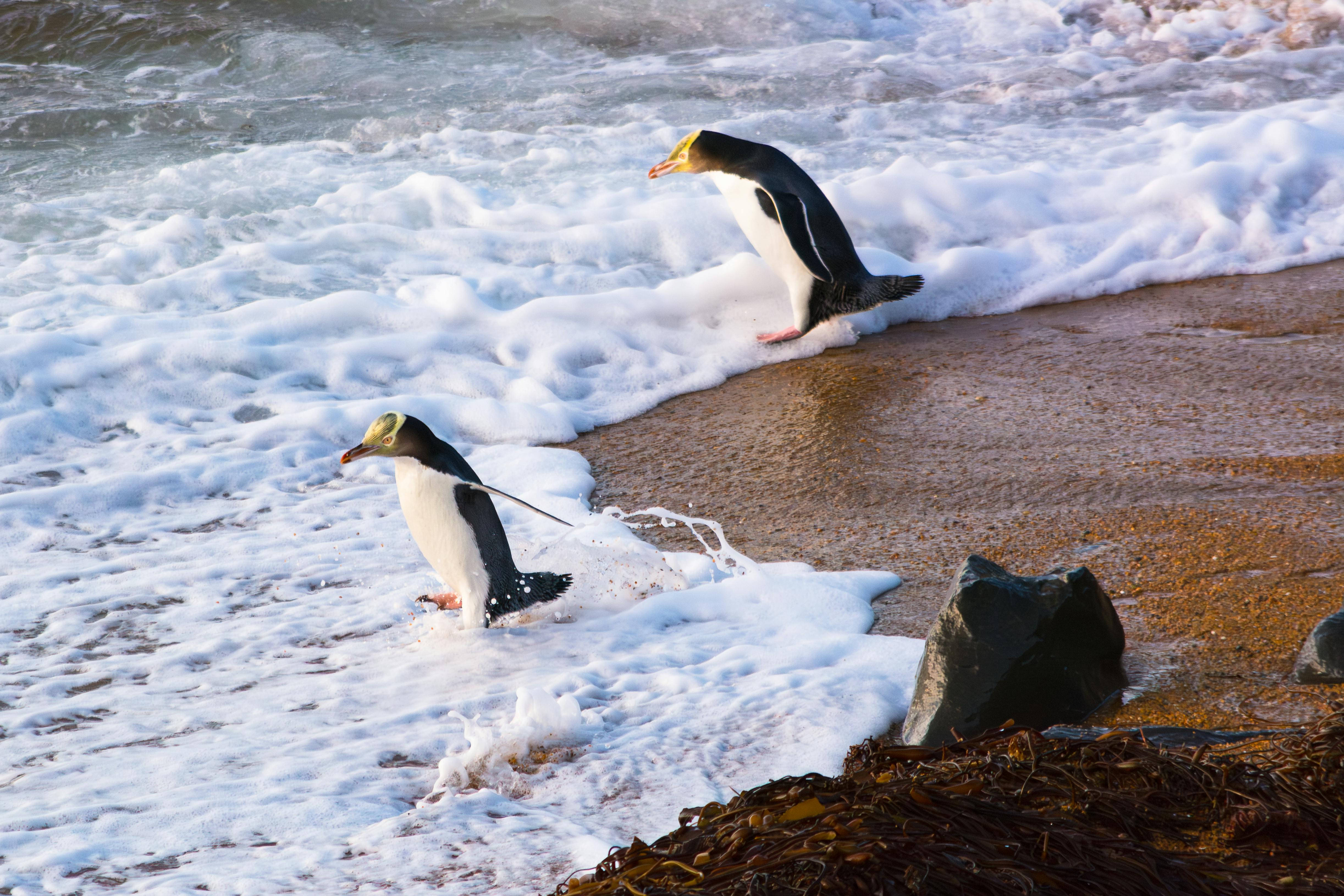
- Opening Hours: Tour-dependent; most run morning and afternoon
- Entry Fee : Varies by tour (from NZD $60+)
- Tips: Book in advance; bring binoculars for penguins, seals, and albatrosses.
- Best time: Late afternoon for penguin viewing.
3. Toitū Otago Settlers Museum

- Opening Hours: 10:00 AM–5:00 PM daily
- Entry Fee: Free
- Tips: Interactive displays on Dunedin’s history; great for families.
- Best time: Any time, especially rainy days.
4. Dunedin Street Art Trail

- Opening Hours: Always open (self-guided)
- Entry Fee: Free
- Tips: Download the trail map; best explored on foot or bike.
- Best time: Daytime for photos and exploring.
5. St. Paul’s Cathedral & The Octagon

- Opening Hours: Cathedral open daily; The Octagon is a public square
- Entry Fee: Free
- Tips: Central hub for cafes, events, and people-watching.
- Best time: Morning for coffee, evening for nightlife.
Hidden Gems
- Doctors Point Sea Caves: Best at low tide; quiet beach and dramatic caves for photos and walks.
- Olveston Historic Home: Edwardian mansion with guided tours; glimpse into Dunedin’s early 20th-century life.
- Speight’s Brewery Tour: South Island brewing icon since 1876; tours with tastings available.
- Emerson’s Brewery: Award-winning local craft beer; tours and tastings, plus a top-notch restaurant.
- Insider tip: Try a sunrise at St. Clair Beach or explore the quirky shops and cafés in the city’s laneways.
Local Cuisine and Dining
- Must-try dishes: Fresh local seafood, green-lipped mussels, lamb, artisan cheeses, and gourmet burgers.
- Best restaurants: No7 Balmac (bistro), Plato (seafood), Prohibition Smoke House (meats), Good Good (burgers).
- Cafés: The Perc Café, Laneway Café, The Swan, Vanguard, Modaks Espresso.
- Street food spots: The Octagon area, Otago Farmers Market (Saturdays at the railway station).
- Food markets/tours: Otago Farmers Market for local produce; brewery tours at Emerson’s and Speight’s.
Accommodation Options
- Budget: On Top Backpackers, Kiwis Nest, Chalet Backpackers.
- Mid-range: The Victoria Hotel, Scenic Hotel Dunedin City, Distinction Dunedin.
- Luxury: Fable Dunedin, Larnach Castle Lodge, Distinction Heritage Dunedin.
- Hostels/Boutique stays: Bluestone on George, The Chamberson, Ebb-Dunedin.
- Tips: Stay near The Octagon for nightlife and dining, or on the Otago Peninsula for nature and tranquility.
Transportation
- Getting there: Dunedin International Airport (direct flights from major NZ cities); intercity buses and trains.
- Public transport: Dunedin buses (Orbus network); no metro or trams.
- Taxis/rideshares/bike rentals: Taxis, Uber, and e-scooters widely available; city is walkable in the center.
- Tips: Hire a car for Otago Peninsula and outlying attractions; book in advance during summer.
Events, Festivals, and Experiences
- Major annual events: Dunedin Fringe Festival (March), iD Dunedin Fashion Week (April), Vogel Street Party (October), Dunedin Craft Beer & Food Festival (November).
- Unique experiences: Street art tours, wildlife cruises, workshops at local galleries, performances at Regent Theatre.
Shopping and Souvenirs
- Best shopping: George Street, The Octagon, and boutique stores in Moray Place.
- Markets/malls: Otago Farmers Market, Meridian Mall, Wall Street Mall.
- Souvenirs: Locally made woolens, jewelry, art prints, craft beer, and artisan chocolate.
Practical Information
- Visa: Most visitors from Australia, EU, US, and many other countries can enter visa-free for up to 3 months; check requirements.
- Weather: Mild, changeable; best December–February (summer), or March–May (autumn) for fewer crowds.
- Language: English is primary; Māori is also present in signage and culture.
- Currency: New Zealand Dollar (NZD); ATMs common; cards widely accepted.
Travel Tips and Etiquette
- Customs: Kiwis are friendly and informal; a simple “hello” or “kia ora” is welcome.
- Safety: Dunedin is very safe; standard precautions apply.
- Budget tips: Use public buses, eat at markets and local cafés, and visit free museums and galleries.
Packing and What to Wear
- Summer (Dec–Feb): Light layers, sun protection, rain jacket.
- Autumn/Spring: Warm layers, waterproof jacket.
- Winter (Jun–Aug): Warm clothing, scarf, gloves, waterproofs.
- Dress code: Casual for most places; smart casual for upscale dining or events.
Itineraries
2-Day Itinerary
- Day 1: Toitū Otago Settlers Museum, Dunedin Street Art Trail, The Octagon, St. Paul’s Cathedral, Speight’s Brewery tour.
- Day 2: Larnach Castle, Otago Peninsula wildlife tour, dinner at Plato.
4-Day Itinerary
- Days 1–2: As above.
- Day 3: Olveston Historic Home, Otago Museum, St. Clair Beach sunrise, café hopping.
- Day 4: Doctors Point Sea Caves, Emerson’s Brewery, shopping on George Street.
7-Day Itinerary
- Days 1–4: As above.
- Day 5: Day trip to Port Chalmers, art galleries, and heritage walks.
- Day 6: Explore more Otago Peninsula (Royal Albatross Centre, Penguin Place).
- Day 7: Attend a local festival or workshop, relax at a spa, farewell dinner in The Octagon
Also explore Doha and Dublin