

 Start Driving in Hanoi
Hanoi, the capital of Vietnam, blends its rich historical significance with modern urban development, offering a unique mix of historical landmarks, diverse neighborhoods, and a vibrant atmosphere. Situated along the Red River, Hanoi provides a captivating mix of scenic river views and cultural diversity. The Hoan Kiem Lake, a prominent landmark, features stunning natural landscapes and cultural significance. The Temple of Literature features stunning historical architecture and educational significance. The Old Quarter features historical architecture and cultural expressions. Hanoi’s culinary scene features a delightful mix of Vietnamese and regional cuisine, with restaurants serving pho, banh mi, and diverse regional specialties. The city’s markets, such as the Dong Xuan Market, offer a variety of local produce, artisanal goods, and souvenirs. The river and surrounding parks provide opportunities for scenic walks, cultural exploration, and outdoor recreation. Hanoi’s efficient transportation network, including buses, taxis, and motorbikes, facilitates travel within the city and to surrounding areas. The city experiences a humid subtropical climate, with hot summers and mild winters. Hanoi’s cultural attractions, such as the various historical sites and the annual festivals, highlight the city’s historical significance and cultural contributions. The city’s vibrant cultural scene includes festivals, traditional performances, and modern art, reflecting the region’s diverse traditions. Hanoi’s blend of historical charm and modern dynamism creates a unique and appealing destination. The local markets and community events foster a vibrant atmosphere, making Hanoi a dynamic and culturally rich destination for visitors and residents. Hanoi is a vital center for government, commerce, and culture in Vietnam, contributing significantly to the country’s national development and economic growth.
Hanoi: Where Time Moves with Quiet Grace
Hanoi, Vietnam’s enchanting capital, is a city where ancient dynasties, French colonial elegance, and vibrant street life converge along the banks of the Red River. With a history stretching back over a millennium, Hanoi’s labyrinthine Old Quarter, tranquil lakes, and tree-lined boulevards reveal a city shaped by emperors, revolutionaries, and artists. Today, Hanoi is celebrated for its unique blend of tradition and innovation, from incense-filled temples and bustling markets to a dynamic café culture and a thriving arts scene..
Historical Background
- Founded as Thang Long (“Ascending Dragon”) in 1010 by Emperor Ly Thai To, marking the start of its role as Vietnam’s capital for most of the last millennium.
- Influenced by successive dynasties, each leaving architectural and cultural legacies.
- French colonial rule in the late 19th and early 20th centuries brought European architecture and modern infrastructure.
- Became the capital of unified Vietnam after independence in 1945, playing a pivotal role during the Vietnam War and national reunification.
What Makes the City Unique or Special
- A living tapestry of Vietnamese, Chinese, and French influences in food, architecture, and daily life.
- The Old Quarter’s 36 ancient streets, each historically dedicated to a different trade.
- Renowned for its vibrant street food, legendary local coffee, and traditional water puppetry.
- Iconic lakes, pagodas, and a creative, youthful energy.
Local Culture and Vibe
- A harmonious blend of old-world tradition and modern creativity.
- Locals are warm, hospitable, and proud of their heritage.
- Life centers around street markets, lakeside strolls, and sidewalk cafés.
- Artistic and musical events are frequent, especially in the Old Quarter and around Hoan Kiem Lake.
Best Months to Visit
- February to April: Spring, with mild temperatures (20–30°C), blue skies, and little rain,ideal for sightseeing.
- Late September to November: Autumn, similar conditions, with cooler evenings and beautiful foliage.
- Avoid: May–August (hot, humid, heavy rain); December–January (cool, sometimes drizzly).
Top Attractions
1. Old Quarter

- Opening Hours: Always open
- Entry Fee: Free
- Tips: Explore on foot or cyclo; try a free walking tour or street food crawl.
- Best time: Early morning or evening for a lively atmosphere and cooler temps.
2. Hoan Kiem Lake & Ngoc Son Temple
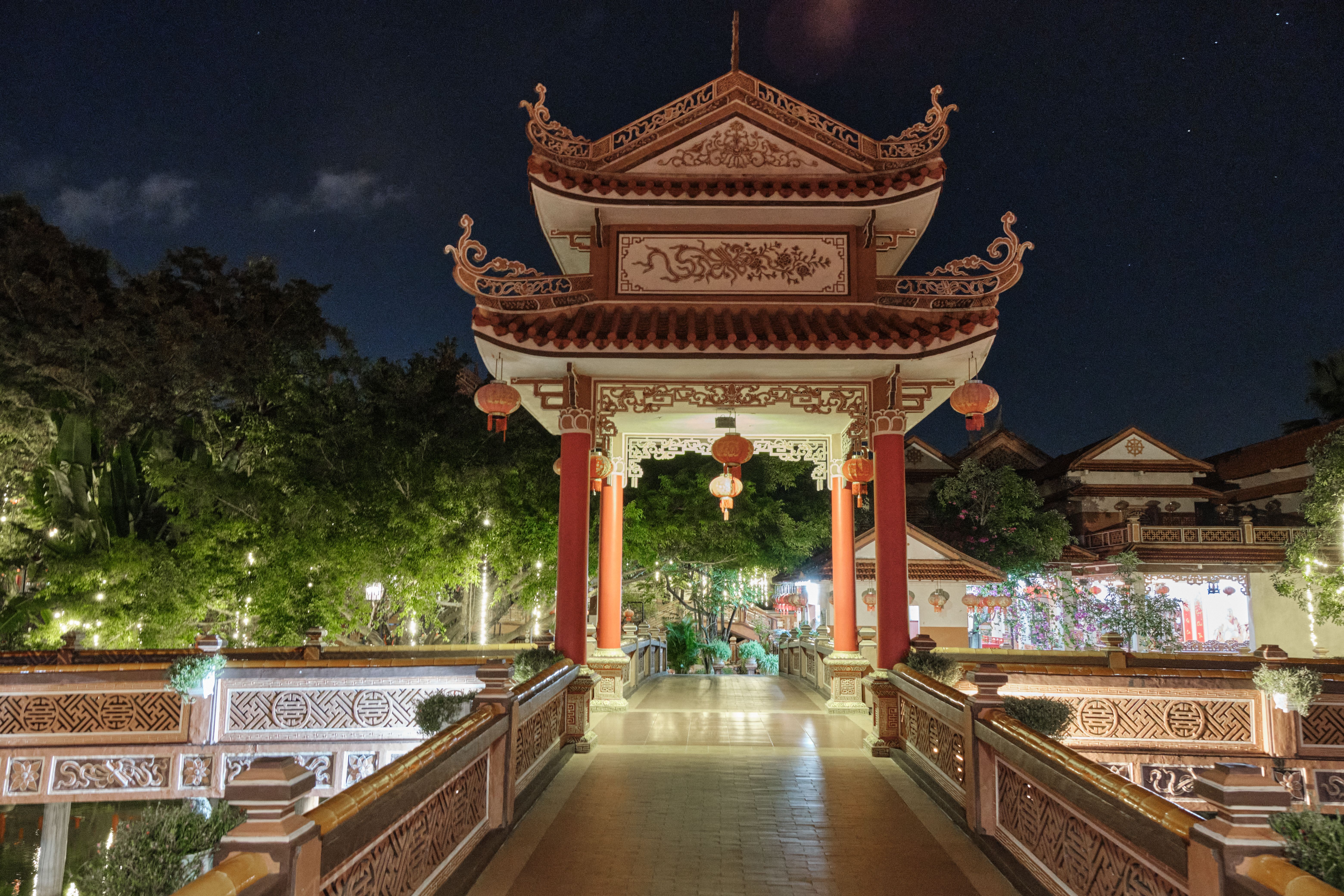
- OpeningHours: Lake: always open; Temple: 7:30 AM–5:30 PM
- Entry Fee: Lake: Free; Temple: 30,000 VND.
- Tips: Visit at sunrise for tai chi or sunset for people-watching; cross the iconic red bridge.
- Best time: Morning or sunset.
3. Ho Chi Minh Mausoleum
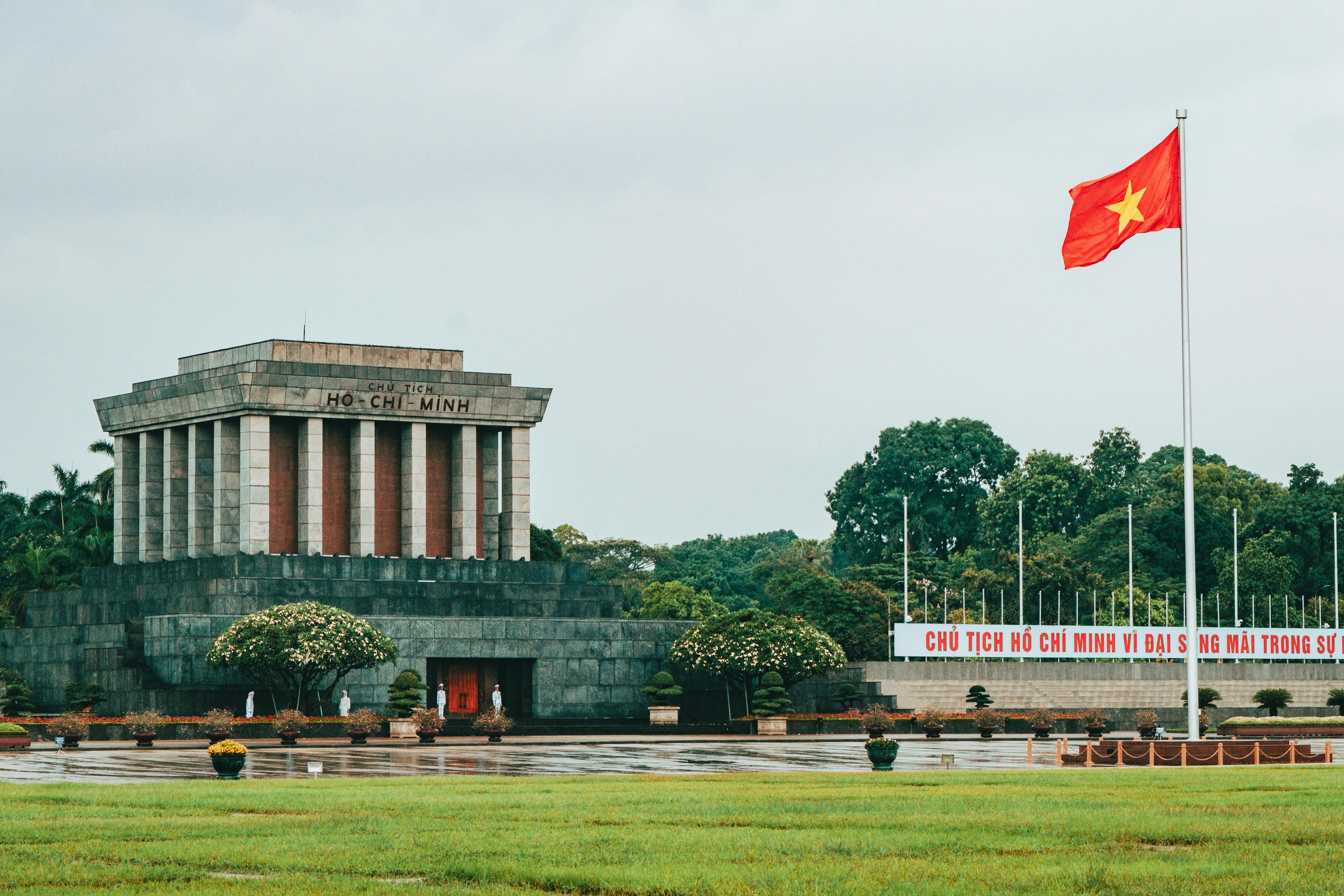
- Opening Hours: 7:30–10:30 AM (Apr–Oct); 8:00–11:00 AM (Nov–Mar); closed Mon & Fri.
- Entry Fee: 50,000 VND.
- Tips: Dress modestly, no photos inside, arrive early to avoid long lines.
- Best time: Early morning.
4. Temple of Literature
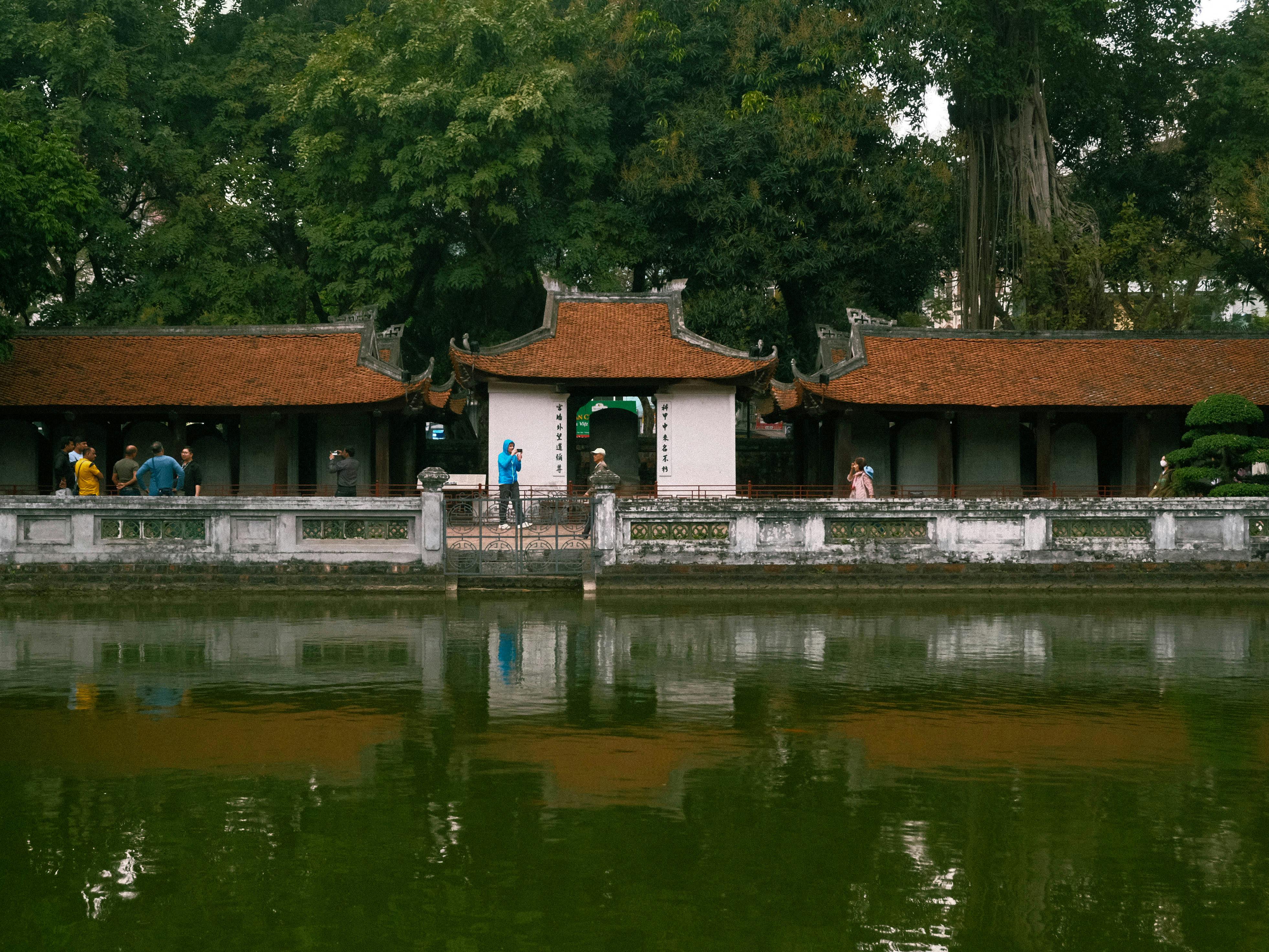
- Opening Hours: 8:00 AM–5:00 PM.
- Entry Fee: 30,000 VND.
- Tips: Tranquil gardens, often hosts cultural events; featured on the 100,000 VND bill.
- Best time: Morning.
5. One Pillar Pagoda

- Opening Hours: 7:00 AM–6:00 PM.
- Entry Fee: 25,000 VND.
- Tips: Unique lotus-inspired architecture; combine with a visit to the Ho Chi Minh Mausoleum.
- Best time: Morning.
6. Vietnam Museum of Ethnology
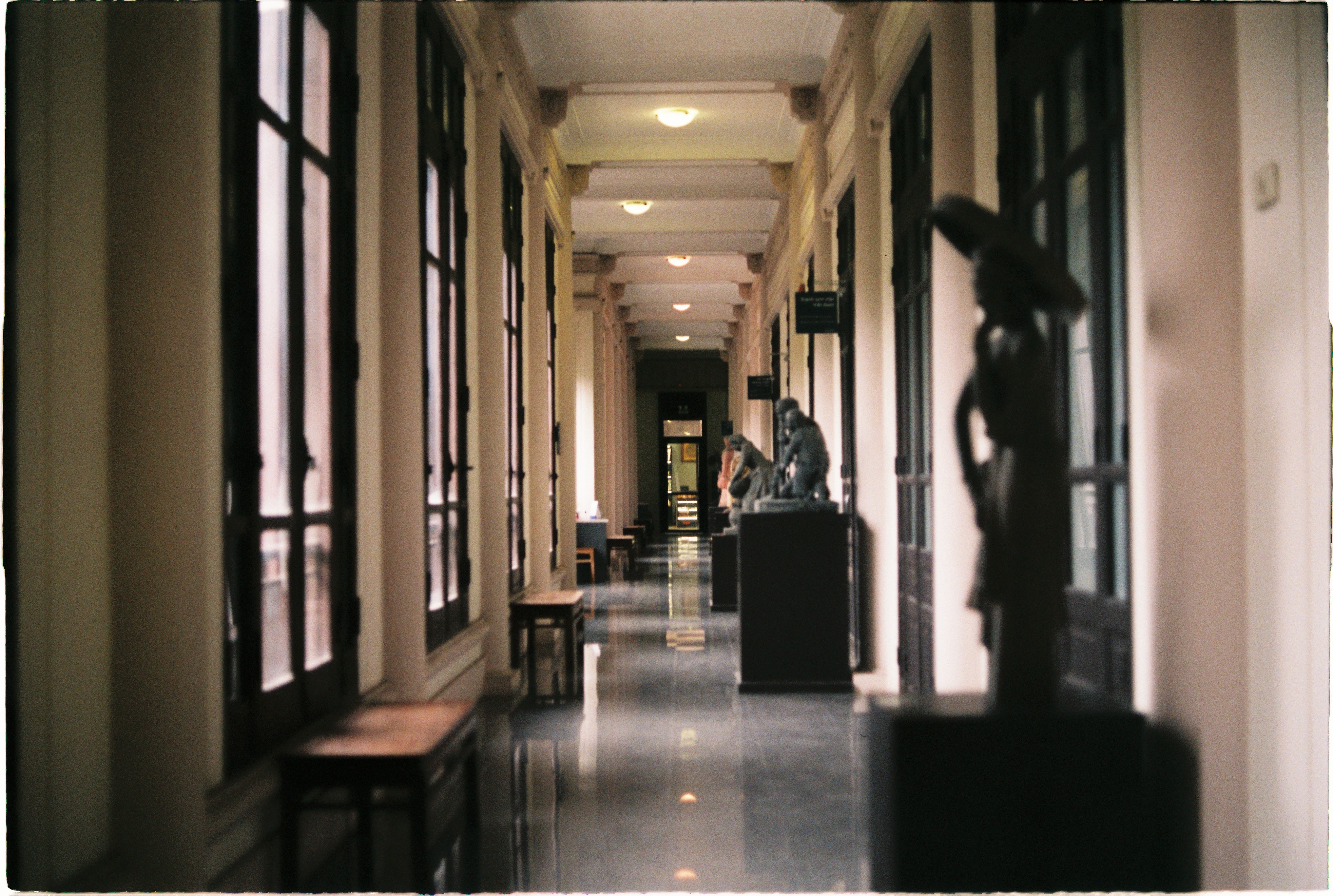
- Opening Hours: 8:30 AM–5:30 PM (closed Mondays)
- Entry Fee: 40,000 VND.
- Tips: Fascinating exhibits on Vietnam’s ethnic groups; great for families.
- Best time: Late morning.
Hidden Gems
- Huu Tiep Lake (B-52 Lake): See the wreckage of a US bomber from the Vietnam War in a peaceful neighborhood pond.
- Phung Hung Mural Street: Vibrant murals depicting Hanoi’s history and daily life.
- Bat Trang Pottery Village: Traditional ceramics workshops and hands-on experiences.
- Tay Ho District: Lakeside cafés, local eateries, and parks—popular with expats and locals for a relaxed vibe.
- Hoan Kiem’s Hidden Alleys: Quaint egg coffee cafés, artisan shops, and colorful street art.
- Insider tip: Visit the weekend night market in the Old Quarter for souvenirs, street food, and live music.
Local Cuisine and Dining
- Must-try dishes: Phở (beef noodle soup), bún chả (grilled pork with noodles), bánh cuốn (steamed rice rolls), chả cá (grilled fish), phở cuốn (pho rolls), egg coffee.
- Best restaurants: Phở Bò Thanh Béo (pho), Bánh Cuốn Gia Truyền Thanh Vân (banh cuon), Chả Cá Thăng Long (cha ca), La Badiane (French-Vietnamese fusion).
- Cafés: Giang Café (egg coffee), The Note Coffee, Manzi Art Space.
- Street food: Ta Hien “Beer Street,” Dong Xuan Market, and Old Quarter alleyways.
- Food markets/tours: Dong Xuan Market, Hom Market; join a street food or cooking tour for an immersive experience.
Accommodation Options
- Budget: Hanoi Backpackers Hostel, Little Charm Hanoi Hostel.
- Mid-range: La Siesta Hotel, Hanoi Pearl Hotel, Essence Hanoi Hotel.
- Luxury: Sofitel Legend Metropole, Apricot Hotel, Lotte Hotel Hanoi.
- Boutique stays: O’Gallery Premier Hotel, The Chi Boutique Hotel.
- Tips: Stay in the Old Quarter for atmosphere and walkability; French Quarter for elegance and quieter nights.
Transportation
- Getting there: Noi Bai International Airport (35 km from city), direct trains and buses from other Vietnamese cities.
- Public transport: Buses, limited new metro lines, cyclos (cycle rickshaws), and electric carts in tourist areas.
- Taxis/rideshares: Grab app, Mai Linh and Vinasun taxis are reliable.
- Bike rentals: Available at hostels and hotels; traffic is busy—ride with caution.
- Tips: Walking is best in the Old Quarter; use Grab for convenience; avoid rush hours.
Events, Festivals, and Experiences
- Major events: Tet (Lunar New Year, Jan/Feb), Mid-Autumn Festival (Sep/Oct), Hanoi International Film Festival, National Day (Sep 2).
- Unique experiences: Water puppet shows (Thang Long Theatre), cooking classes, cyclo tours, traditional music performances at the Temple of Literature.
Shopping and Souvenirs
- Best shopping: Hang Gai (silk street), Dong Xuan Market, Trang Tien Plaza, weekend night market in Old Quarter.
- Souvenirs: Silk scarves, lacquerware, Vietnamese coffee, conical hats, hand-embroidered goods.
Practical Information
- Visa: E-visa or visa on arrival for most nationalities; check current regulations.
- Weather: Best February–April and September–November; pack for variable temperatures.
- Language: Vietnamese; English widely spoken in tourist areas.
- Currency: Vietnamese Dong (VND); ATMs common; cards accepted in hotels/shops, cash for markets.
Travel Tips and Etiquette
- Customs: Dress modestly for temples; remove shoes before entering homes/temples; greet with a smile.
- Safety: Generally safe; watch for pickpockets in crowded areas; traffic is busy,cross streets carefully.
- Budget tips: Eat street food, use public buses, negotiate prices in markets, stay in hostels or guesthouses.
Packing and What to Wear
- Spring/Autumn: Light layers, comfortable shoes, rain jacket.
- Summer (May–Aug): Lightweight, breathable clothes, sunhat, umbrella.
- Winter (Dec–Jan): Warm layers, sweater or light jacket.
- Dress code: Casual for sightseeing; smart casual for upscale dining or shows; modest attire for religious sites.
Itineraries
2-Day Itinerary
- Day 1: Old Quarter walking tour, Hoan Kiem Lake & Ngoc Son Temple, Temple of Literature, street food dinner.
- Day 2: Ho Chi Minh Mausoleum, One Pillar Pagoda, Vietnam Museum of Ethnology, evening at a rooftop café.
4-Day Itinerary
- Days 1–2: As above.
- Day 3: Dong Xuan Market, Long Bien Bridge, art gallery hopping, water puppet show.
- Day 4: Day trip to Bat Trang pottery village or Perfume Pagoda.
7-Day Itinerary
- Days 1–4: As above.
- Day 5: Cooking class, cycling tour around West Lake, visit Tran Quoc Pagoda.
- Day 6: Explore French Quarter, shop for silk on Hang Gai, café hopping.
- Day 7: Attend a festival or performance, relax at a spa, farewell dinner in the Old Quarter