

 Start Driving in Hong Kong
Hong Kong, a special administrative region of China, blends its rich historical significance with modern urban development, offering a unique mix of historical landmarks, diverse neighborhoods, and a vibrant atmosphere. Situated along the South China Sea, Hong Kong provides a captivating mix of scenic harbor views and cultural diversity. Victoria Peak, a prominent landmark, features stunning panoramic views and recreational spaces. The Hong Kong Museum of History showcases the region’s rich history and cultural artifacts. The Star Ferry features iconic harbor views and transportation. Hong Kong’s culinary scene features a delightful mix of Cantonese and international cuisine, with restaurants serving dim sum, roasted goose, and diverse culinary offerings. The city’s markets, such as the Temple Street Night Market, offer a variety of local produce, artisanal goods, and souvenirs. The harbor and surrounding hills provide opportunities for scenic walks, cultural exploration, and outdoor recreation. Hong Kong’s efficient transportation network, including subways, buses, and ferries, facilitates travel within the city and to surrounding areas. The city experiences a humid subtropical climate, with hot summers and mild winters. Hong Kong’s cultural attractions, such as the various temples and the annual festivals, highlight the city’s historical significance and cultural contributions. The city’s vibrant cultural scene includes festivals, concerts, and theaters, reflecting the region’s diverse traditions. Hong Kong’s blend of historical charm and modern dynamism creates a unique and appealing destination. The local markets and community events foster a vibrant atmosphere, making Hong Kong a dynamic and culturally rich destination for visitors and residents. Hong Kong is a vital center for finance, commerce, and culture in Asia, contributing significantly to the region’s economic growth and global influence.
Hong Kong: Where Skylines Meet the Sea
Hong Kong is a vibrant metropolis where East meets West, blending ancient traditions with modern innovation. Famed for its dramatic skyline, bustling harbor, and dynamic street life, the city offers a unique mix of cultures, cuisines, and experiences that captivate travelers from around the globe.
Historical Overview
Hong Kong has a rich history dating back to prehistoric times, with evidence of human settlement stretching back over 30,000 years425. Originally a small fishing and farming community, it became a British colony in 1842 after the First Opium War, and later expanded to include Kowloon and the New Territories465. The city rapidly developed as a trading port and financial hub, enduring Japanese occupation during World War II before returning to British rule. In 1997, Hong Kong was handed back to China as a Special Administrative Region, retaining its own legal and economic systems under the “one country, two systems” principle.
What Makes Hong Kong Unique
Hong Kong’s uniqueness lies in its seamless fusion of Chinese heritage and British colonial influence, creating a cosmopolitan city with a distinct identity. Here, you can sip tea in a traditional dim sum restaurant, admire colonial-era architecture, and enjoy world-class shopping—all within a single day. The city’s natural beauty, with lush mountains and scenic harbors, contrasts strikingly with its urban landscape.
Local Culture and Vibe
Hong Kong’s culture is a dynamic blend of Chinese traditions and Western modernity. The city celebrates both Chinese and Western festivals, and its arts scene ranges from Cantonese opera to contemporary galleries. Locals are known for their industrious spirit, entrepreneurial mindset, and a deep appreciation for food. English is widely spoken, and the city’s fast-paced energy is balanced by tranquil temples and green spaces.
Best Months to Visit
The best time to visit Hong Kong is from October to December, when the weather is pleasantly cool and dry, with temperatures ranging from 20–28°C. March to April is also favorable, offering mild temperatures and blooming flowers. Summers (June–August) are hot, humid, and prone to typhoons, while winters (January–February) are cool and less crowded.
Top Attractions
Major Landmarks and Must-See Sights
1. Victoria Peak

Description:
- Hong Kong’s highest point, offering panoramic city and harbor views.
- Features the Peak Tower (shopping, dining) and Sky Terrace 428.
- Accessible via the historic Peak Tram.
Visiting Hours:
- Peak Tower & Sky Terrace: 10:00 AM – 11:00 PM (Mon–Fri), 8:00 AM – 11:00 PM (Sat, Sun & public holidays)
- Peak Tram: 7:00 AM – 12:00 AM (daily)
Entry Fee:
- Peak Tram (return): HKD 88 (adult), HKD 44 (child)
- Sky Terrace 428: HKD 75 (adult), HKD 38 (child)
Best Time to Visit:
- Late afternoon or early evening for day and night views.
- Weekdays to avoid crowds.
Tips:
- Book tickets online to skip queues.
- Bring a camera for skyline photos.
- Wear comfortable shoes for walking.
- Visit Lugard Road Lookout for free, less crowded views.
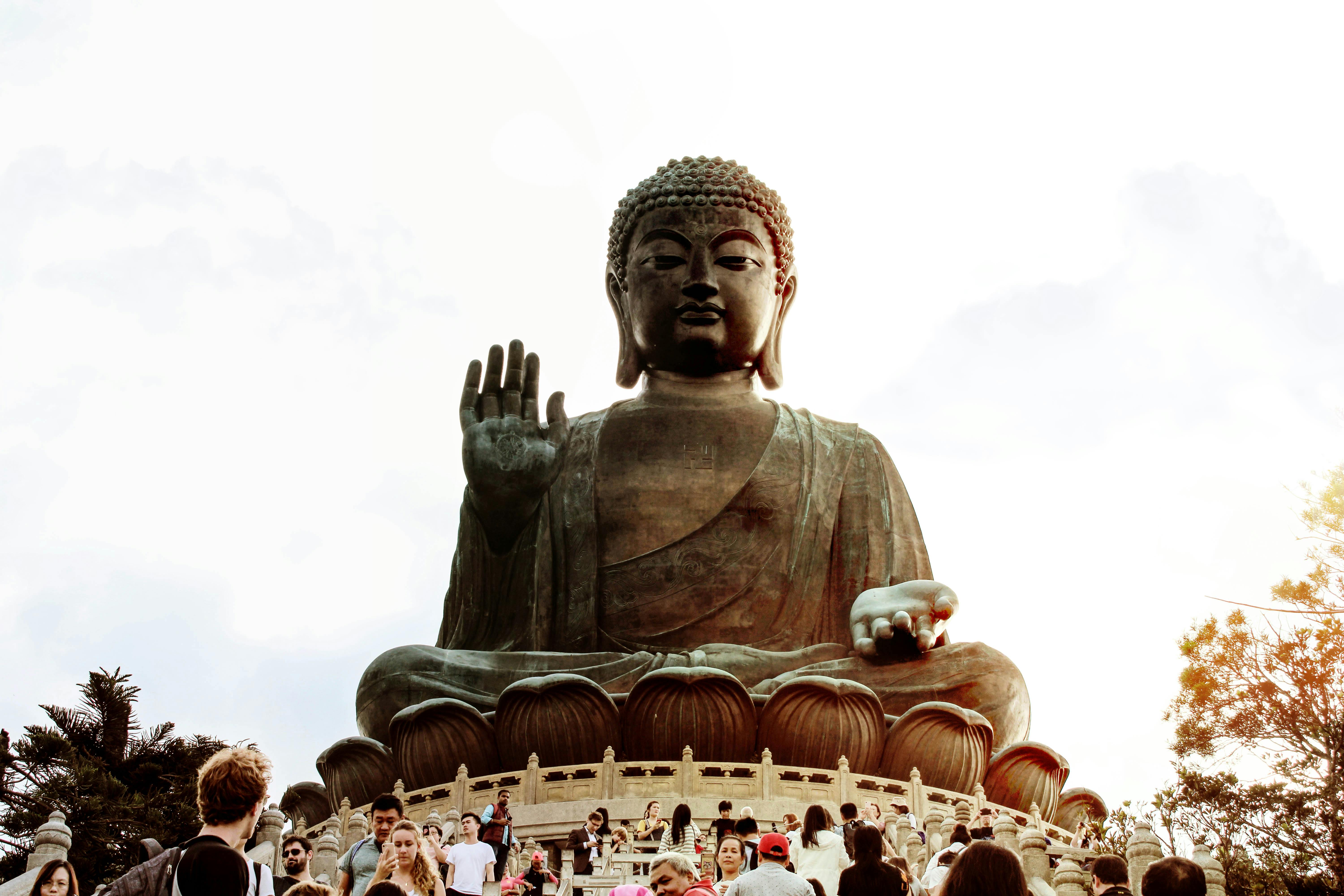
2. Tian Tan Buddha (Big Buddha)
Description:
- 34-meter bronze Buddha statue on Lantau Island, symbolizing harmony.
- Includes Po Lin Monastery, vegetarian dining, and souvenir shops.
Visiting Hours:
- Big Buddha & Po Lin Monastery: 10:00 AM – 5:30 PM (daily)
- Ngong Ping Cable Car: 10:00 AM – 6:00 PM (weekdays), 9:00 AM – 6:30 PM (weekends/holidays)
Entry Fee:
- Big Buddha grounds: Free
- Exhibition Hall inside Buddha: HKD 35 (adult), HKD 18 (child)
- Ngong Ping Cable Car: HKD 235 (standard cabin, round trip), HKD 315 (crystal cabin, round trip)
Best Time to Visit:
- Morning for cooler temperatures and fewer crowds.
- Avoid weekends and holidays if possible.
Tips:
- Climb the 268 steps for up-close views (or use the ramp).
- Try vegetarian meals at Po Lin Monastery.
- Combine with Tai O Fishing Village for a full-day trip.
- Book cable car tickets online to save time.
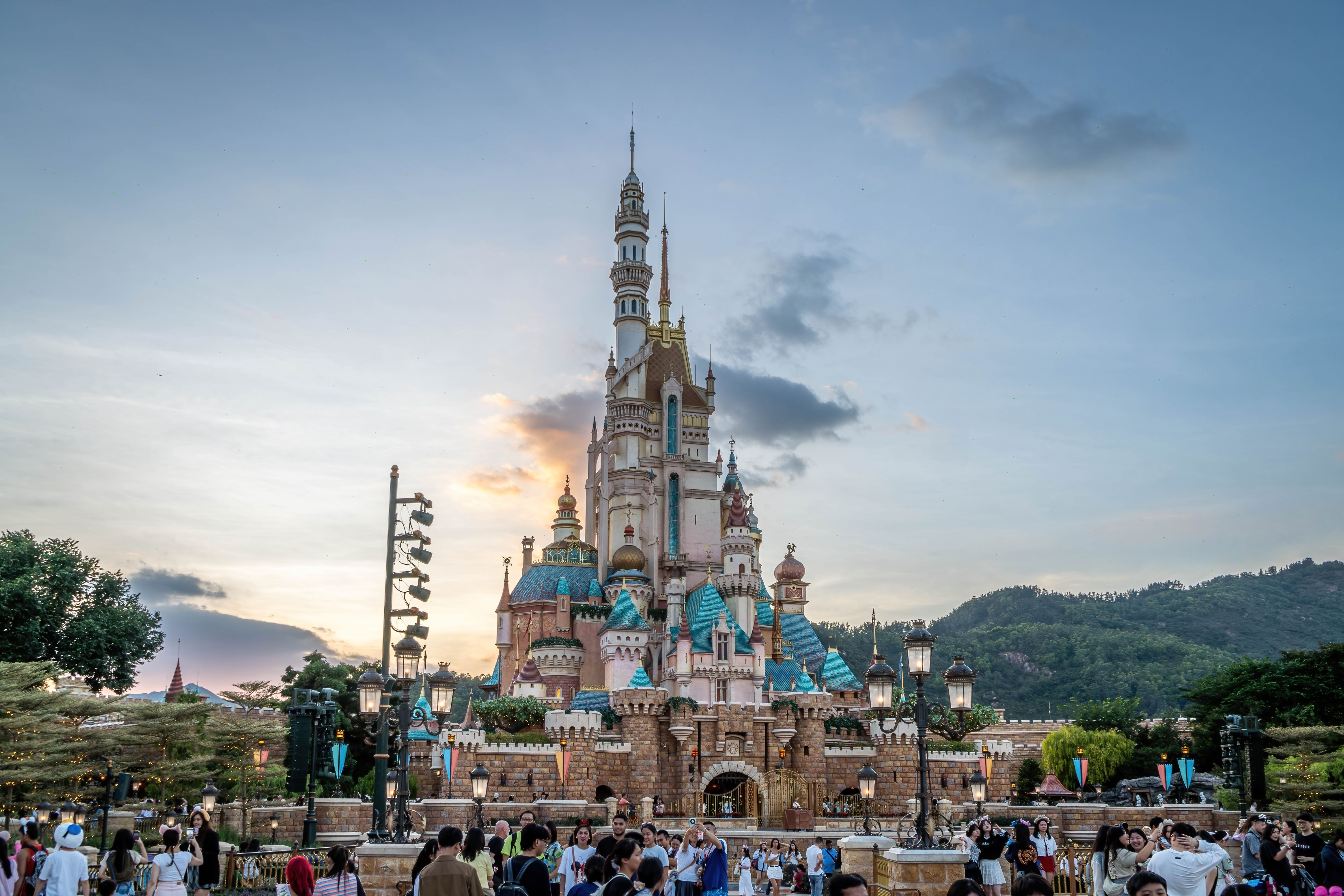
3. Hong Kong Disneyland
Description:
- Magical theme park with classic Disney parades, character meet-and-greets, and unique rides.
- Known for its festive atmosphere and nightly fireworks.
Visiting Hours:
- 10:30 AM – 8:00 PM (hours may vary by season; check official website)
Entry Fee:
- Standard 1-Day Ticket: HKD 639 (adult), HKD 475 (child), HKD 100 (senior)
- Multi-day and special event tickets available
Best Time to Visit:
- Weekdays for shorter lines and fewer crowds.
- Avoid public holidays and school breaks if possible.
Tips:
- Download the official app for live wait times and show schedules.
- Arrive early for popular rides and character meet-and-greets.
- Stay for nighttime fireworks or parades.
- Bring sunscreen and a refillable water bottle.
Hidden Gems
- Walled Villages: Explore historic walled villages for a glimpse into Hong Kong’s rural past.
- Kuk Po Village: An abandoned village surrounded by nature, perfect for adventurous explorers.
- Museum of Tea Ware: A quirky museum dedicated to tea culture.
- Neon Sabre Classes: Try a unique martial arts-meets-lightsaber experience at Crossfire Arena.
- Villain Hitting: Witness or participate in this playful local ritual for good luck.
Insider Tip: Venture into neighborhoods like Sham Shui Po for authentic street food and local markets, or join a guided tour to uncover off-the-beaten-path stories.
Local Cuisine and Dining
Must-Try Dishes and Local Specialties
- Dim Sum: Steamed dumplings, buns, and small plates.
- Roast Goose: Crispy-skinned, succulent Cantonese specialty.
- Egg Waffles: Sweet, crispy street snack.
- Pineapple Bun: Soft bun with a crunchy, sugary crust.
- Milk Tea: Silky, strong black tea with evaporated milk.
Best Restaurants, Cafes, and Street Food Spots
- Yue Kee: Famous for roast goose (Sham Hong Road, Ting Kau).
- Kung Wo Tofu: Michelin-recommended tofu pudding (Sham Shui Po).
- Hop Yik Tai: Cheong fun rice rolls (Sham Shui Po).
- Fat Boy: Skewers and offal (Tsim Sha Tsui).
- Block 18 Doggie’s Noodle: Springy noodles (Yau Ma Tei, open 24/7).
Food Markets and Culinary Tours
- Temple Street Night Market: Street food and local snacks.
- Sham Shui Po Markets: Authentic eats and local favorites.
- Hong Kong Foodie Tours: Guided food walks in Central, Sheung Wan, and Kowloon neighborhoods.
Accommodation Options
Where to Stay
- Budget: Hostels and guesthouses in Mong Kok, Tsim Sha Tsui, and Sham Shui Po.
- Mid-range: Boutique hotels in Sheung Wan, Causeway Bay, and Jordan.
- Luxury: International chains and high-end hotels in Central, Admiralty, and Tsim Sha Tsui.
Tips for Choosing the Best Area
- Central: Best for business, nightlife, and luxury stays.
- Tsim Sha Tsui: Great for shopping, harbor views, and easy access to attractions.
- Mong Kok/Sham Shui Po: Ideal for budget travelers and street food lovers.
Transportation
Getting to Hong Kong
- Flights: Hong Kong International Airport (HKG) is a major global hub.
- Trains: High-speed rail links to mainland China.
- Buses/Ferries: Cross-border buses and ferries connect to Macau and nearby cities.
Getting Around the City
- MTR (Metro): Fast, efficient, and covers most attractions.
- Buses/Minibuses: Extensive routes, good for scenic rides.
- Trams: Iconic double-decker trams run on Hong Kong Island.
- Taxis/Rideshares: Widely available; Uber operates in Hong Kong.
- Bike Rentals: Available in New Territories and some urban parks.
Tips: Get an Octopus Card for easy payment on public transport, convenience stores, and some restaurants. English signage is common, and maps are available at stations.
Events, Festivals, and Experiences
- Chinese New Year: Parades, fireworks, and lion dances (Jan/Feb).
- Mid-Autumn Festival: Lantern displays and mooncakes (Sept/Oct).
- Clockenflap Music Festival: Major music event (Nov/Dec).
- Dragon Boat Festival: Exciting races and celebrations (June).
- Workshops/Tours: Join cooking classes, tea ceremonies, or neon sign-making workshops for unique experiences.
Shopping and Souvenirs
- Best Shopping Streets: Nathan Road, Canton Road, and Queen’s Road Central.
- Markets: Ladies’ Market, Temple Street Night Market, Stanley Market.
- Malls: Harbour City, IFC Mall, Times Square.
- Souvenirs: Local snacks, Chinese tea, jade jewelry, silk products, and traditional crafts.
Practical Information
- Visa: Many nationalities enjoy visa-free entry for up to 90 days; check requirements before traveling.
- Weather: Subtropical climate; pack for warm, humid summers and cool, dry winters.
- Language: Cantonese and English are official; most signage is bilingual.
- Currency: Hong Kong Dollar (HKD); ATMs are widely available, and cards are accepted in most places.
Travel Tips and Etiquette
- Customs: Respect local traditions, especially in temples and markets. Avoid touching heads or pointing with your finger.
- Safety: Hong Kong is generally safe, but watch out for pickpockets in crowded areas.
- Budget Tips: Use public transport, eat at local markets, and look for free attractions.
- Etiquette: Queue politely, use both hands when giving/receiving items, and avoid loud conversations in public.
Packing and What to Wear
Seasonal Packing List
- Spring (Mar–Apr): Light layers, umbrella, comfortable shoes.
- Summer (May–Sep): Light clothing, sunscreen, hat, rain gear.
- Autumn (Oct–Dec): Light jacket, layers, comfortable shoes.
- Winter (Jan–Feb): Warm jacket, scarf, layers.
Dress Code Tips
- Temples: Modest clothing, cover shoulders and knees.
- Dining: Smart casual for upscale restaurants; casual for street food and markets.
Sample Itineraries
2-Day Itinerary
- Day 1: Victoria Peak, Central, Star Ferry, Tsim Sha Tsui Promenade, Temple Street Night Market.
- Day 2: Lantau Island (Big Buddha, Po Lin Monastery), Tai O Fishing Village, Mong Kok markets.
4-Day Itinerary
- Days 1–2: As above.
- Day 3: Hong Kong Disneyland or Ocean Park, shopping in Causeway Bay.
- Day 4: Explore hidden gems (walled villages, quirky museums), Sham Shui Po food tour.
7-Day Itinerary
- Days 1–4: As above.
- Day 5: Hiking Dragon’s Back, Stanley Market, Repulse Bay beach.
- Day 6: Explore New Territories (Tai Po Market, walled villages), local craft beer tour.
- Day 7: Art galleries, PMQ, tea ceremony, farewell dinner at a Michelin-starred restaurant.