

 Start Driving in Kochi, Kerala
Kochi, also known as Cochin, a city in Kerala, India, blends its rich historical significance with stunning coastal landscapes, offering a unique mix of historical landmarks, diverse neighborhoods, and a vibrant atmosphere. Situated along the coast of the Arabian Sea, Kochi provides a captivating mix of scenic sea views and cultural diversity. The Chinese Fishing Nets, a prominent landmark, feature stunning historical fishing techniques and cultural expressions. The Fort Kochi features stunning historical architecture and cultural exhibits. The Mattancherry Palace features stunning historical architecture and cultural significance. Kochi’s culinary scene features a delightful mix of Kerala and Indian cuisine, with restaurants serving seafood, appam, and diverse regional specialties. The city’s markets, such as the Spice Market, offer a variety of local produce, artisanal goods, and souvenirs. The coast and surrounding backwaters provide opportunities for scenic walks, cultural exploration, and boat tours. Kochi’s efficient transportation network, including buses, ferries, and metro, facilitates travel within the city and to surrounding areas. The city experiences a tropical monsoon climate, with warm temperatures year-round. Kochi’s cultural attractions, such as the various historical sites and the annual festivals, highlight the city’s historical significance and cultural contributions. The city’s vibrant cultural scene includes festivals, traditional music, and dance, reflecting the region’s diverse traditions. Kochi’s blend of historical charm and coastal beauty creates a unique and appealing destination. The local markets and community events foster a vibrant atmosphere, making Kochi a dynamic and culturally rich destination for visitors and residents. Kochi is a vital center for commerce, tourism, and culture in Kerala, contributing significantly to India’s national development and economic growth.
Kochi Travel Guide: The Port Where the World Came to Trade (And Never Quite Left)
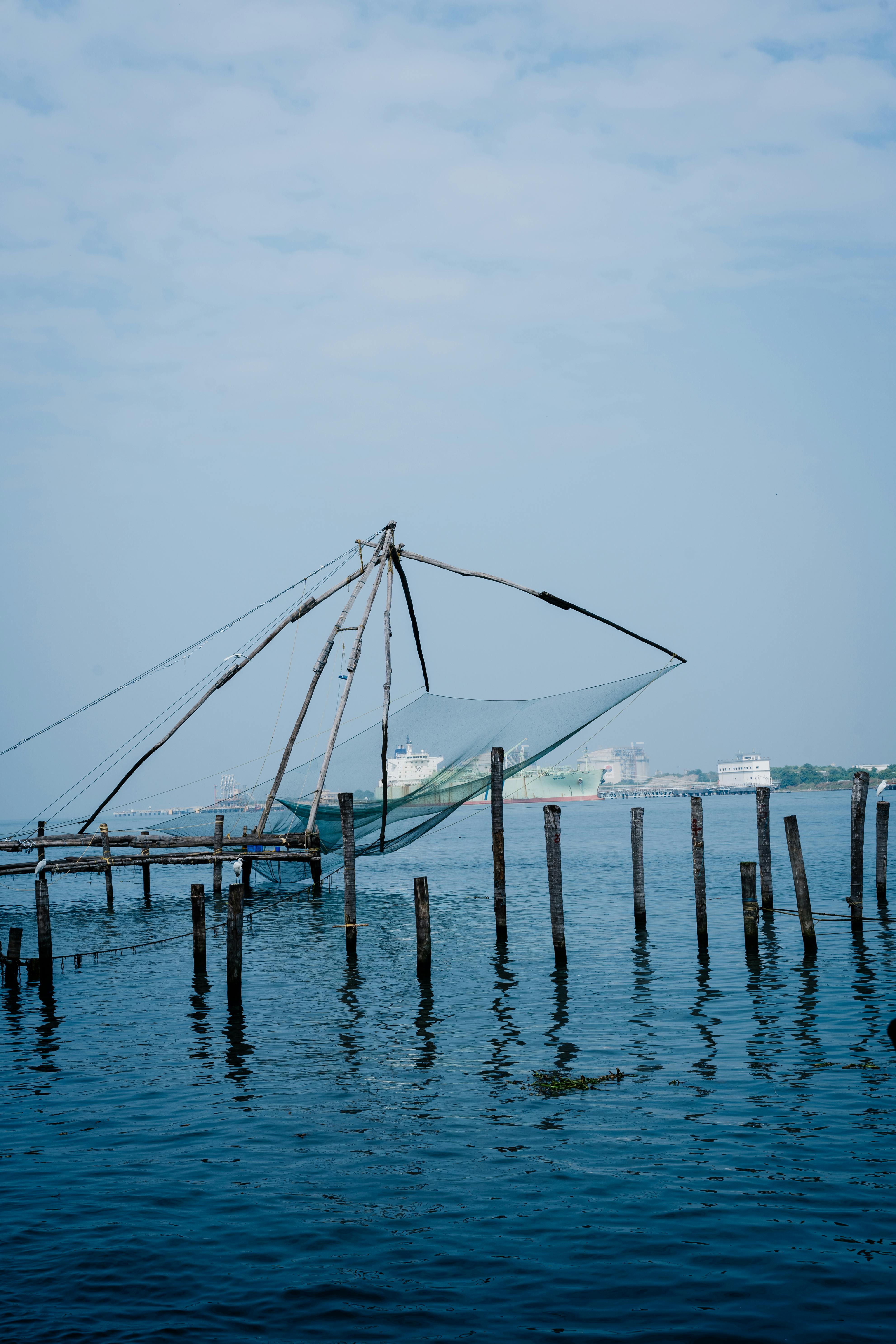
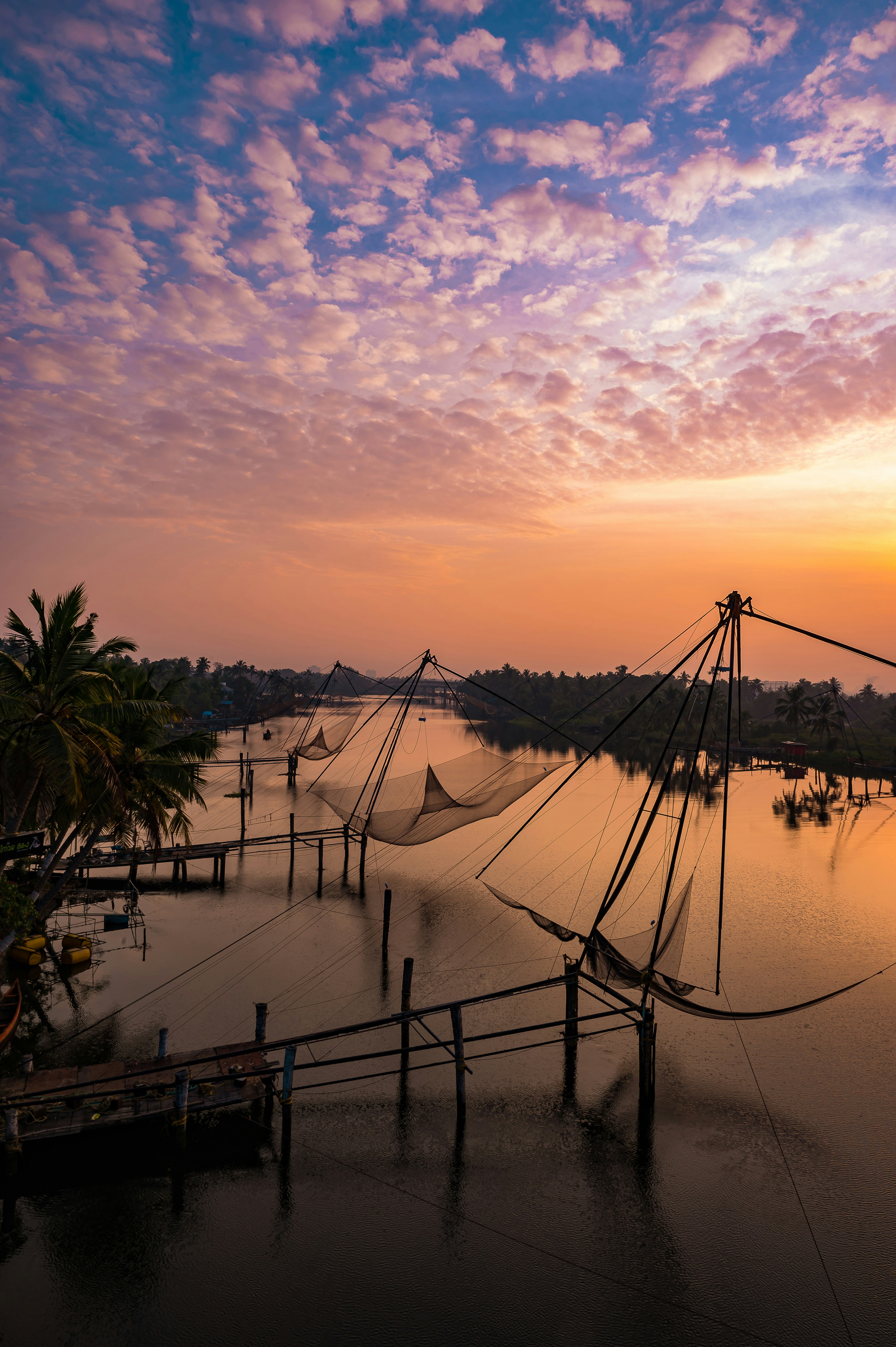
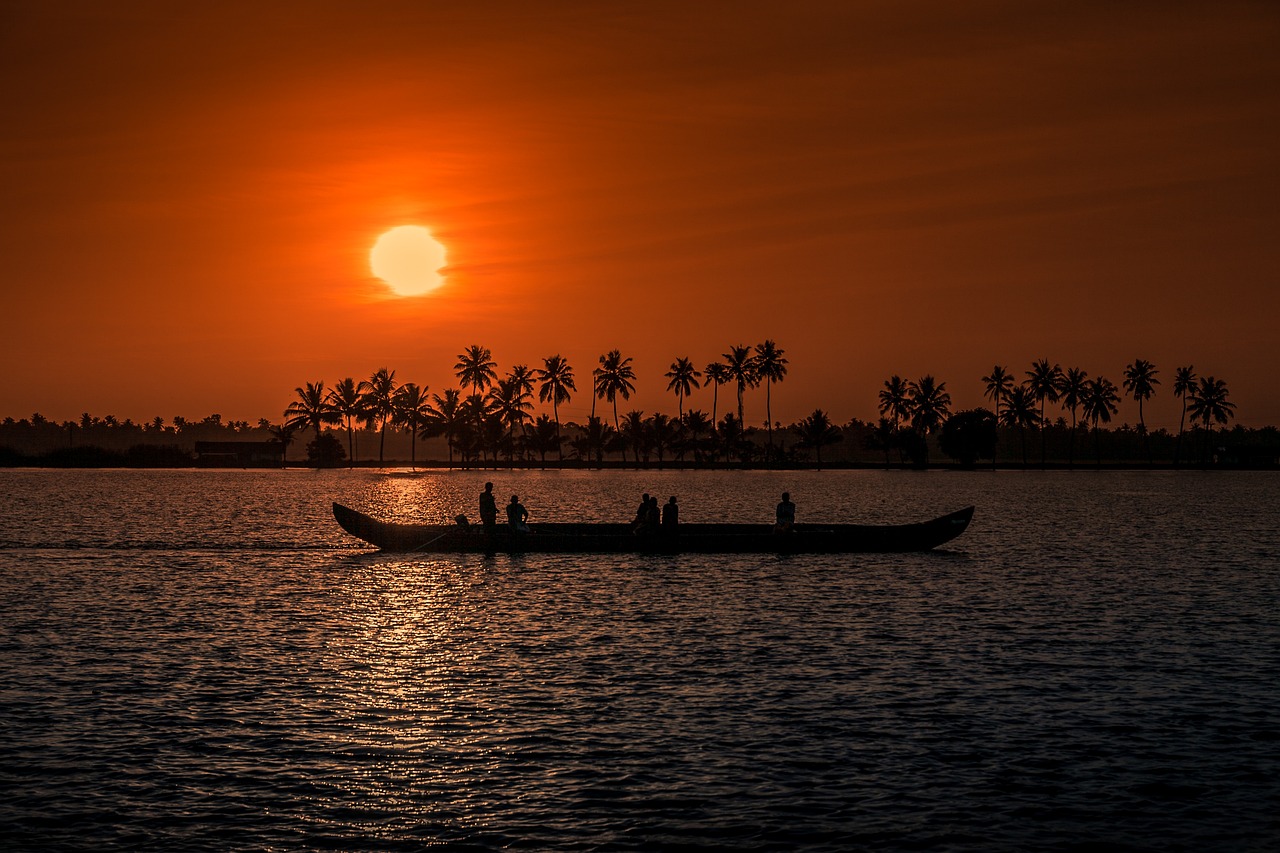
Stand at the tip of Fort Kochi at dusk and watch the Chinese fishing nets creak against a tangerine sky. Behind you, a 500-year-old Portuguese church. Beside you, a chai stall run by a man whose grandfather sold pepper to Dutch merchants. Out on the water, a ferry loaded with schoolkids and tourists cuts toward Ernakulam. This is Kochi in a single frame: a living palimpsest where every occupying power left something behind, and somehow, it all still makes sense together.
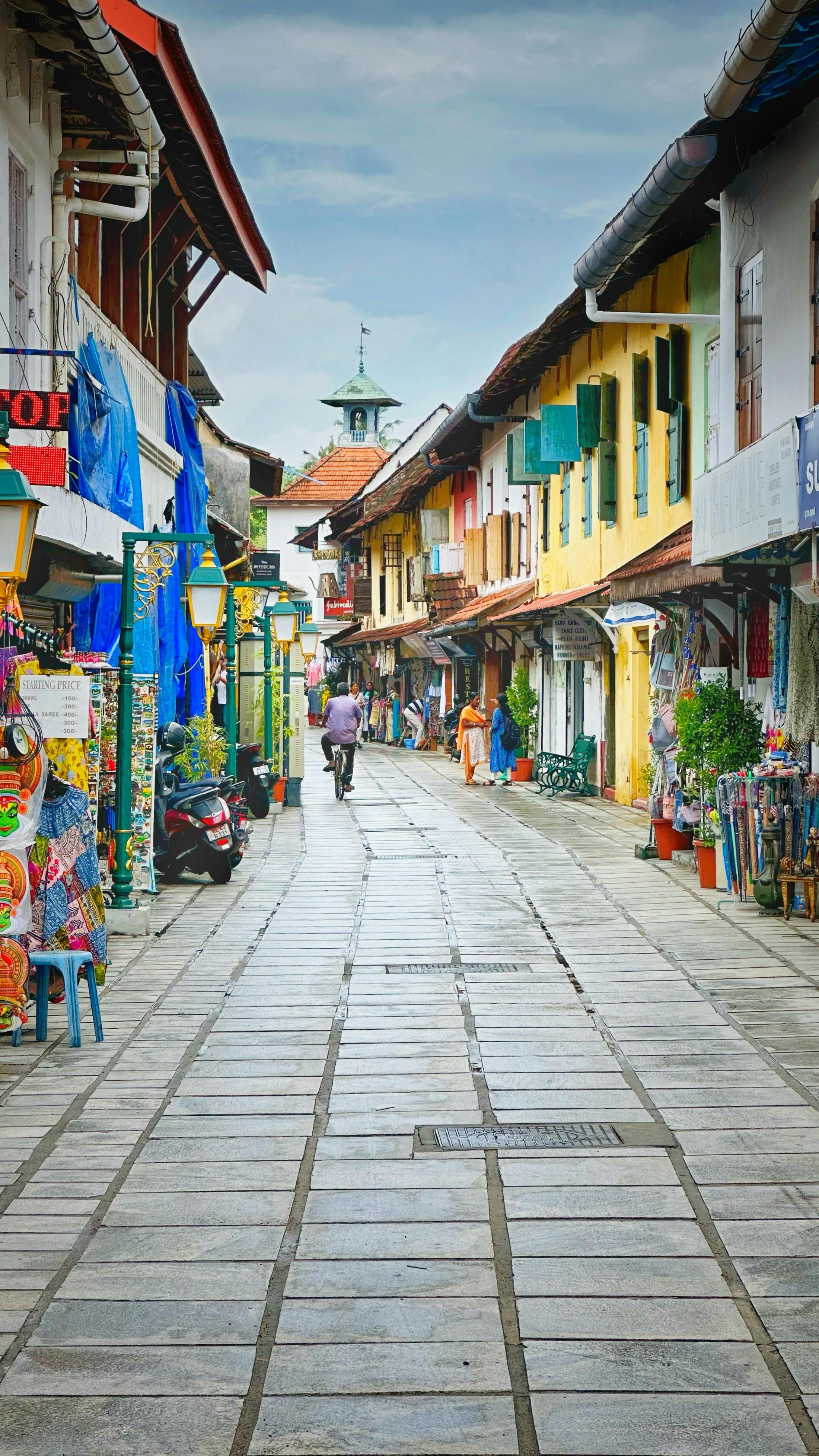
Kochi is not a city that performs for you. It has been doing this for centuries. Arabian traders, Chinese admirals, Portuguese conquistadors, Dutch merchants, British colonists, Jewish refugees from Babylon and Iberia all washed ashore here, drawn by the black gold of Malabar pepper. What they built, prayed in, cooked, and argued about is still here, crammed into a few square kilometers of waterlogged peninsulas and islands. The result is one of the most layered, walkable, and genuinely surprising cities in India.
Today, Kochi runs on that same cosmopolitan energy. The Kochi-Muziris Biennale has made Fort Kochi a landmark on the international contemporary art circuit. A bold startup and IT economy pulses through Infopark and Smart City. The backwaters that ring the city still carry rice barges. And somewhere on a cobblestoned lane in Mattancherry, someone is grinding fresh cardamom in a shop that smells exactly like it did in 1650.

Best Months to Visit Kochi
Kochi sits on the southwestern tip of the Indian peninsula, which means it gets hit by the Southwest Monsoon (June to August) and again by the Northeast Monsoon (October to November). The climate is tropical and humid year-round, so the question is really about managing rain.
October to February is the sweet spot. Temperatures hover between 23 and 32 degrees Celsius, skies are mostly clear, and the sea is calm enough for backwater cruises and ferry rides. December and January are peak season for the Kochi-Muziris Biennale runs, when Fort Kochi buzzes with international visitors. Book accommodation for this window weeks in advance.
March to May brings rising heat and humidity (up to 35 degrees Celsius) but fewer crowds and better hotel rates. Vishu (the Malayalam New Year, usually mid-April) is a spectacular time to be in the city.
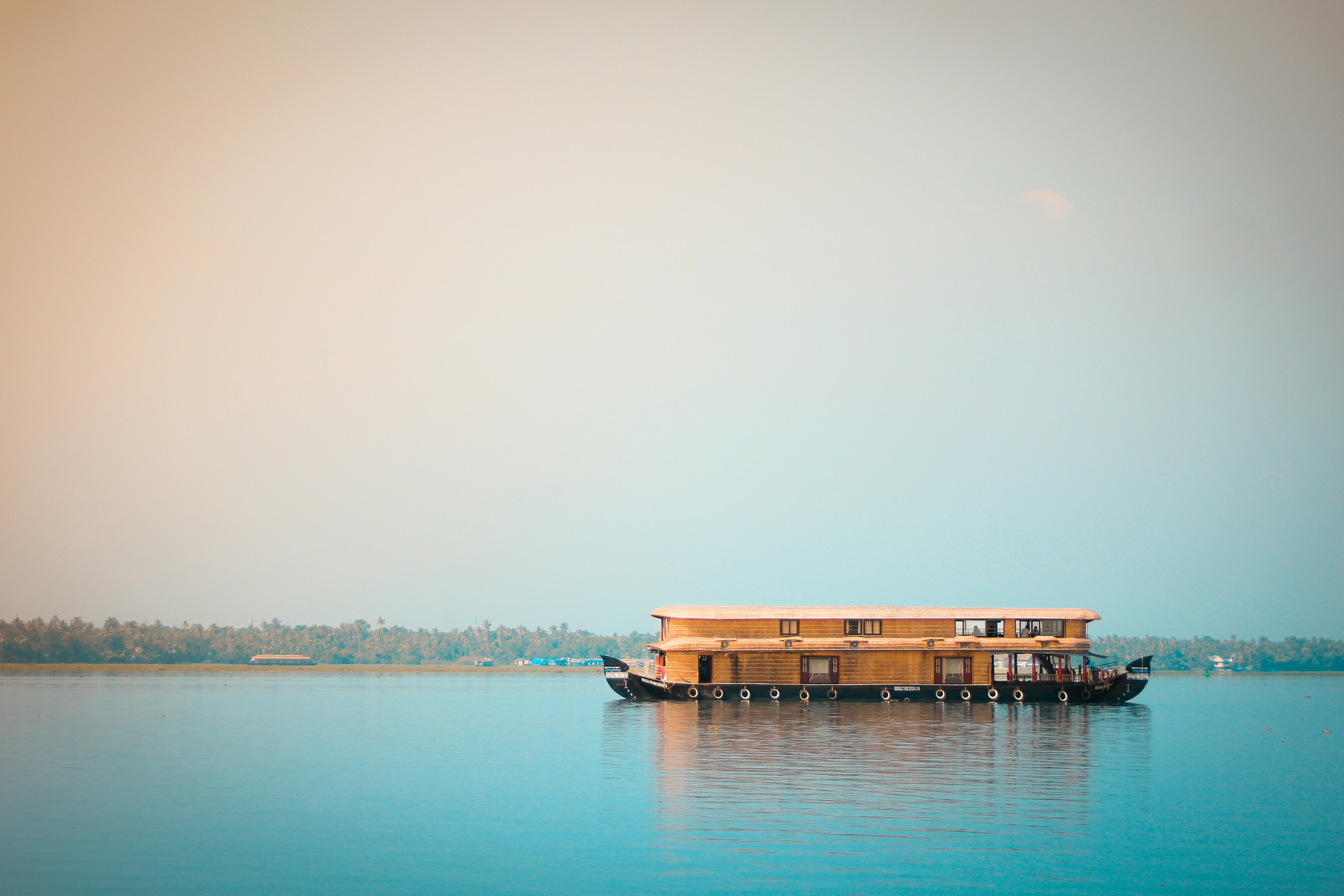
June to September is the monsoon season. The city turns dramatically green, the waterways swell, and Fort Kochi’s colonial walls are streaked with rain. If you enjoy a moody atmosphere and don’t mind wet feet, this is actually a beautiful and very cheap time to visit. Most outdoor activities are limited, but indoor art spaces, spice markets, and Kathakali performances carry on regardless.
Top Attractions in Kochi
Fort Kochi and the Chinese Fishing Nets
The Chinese Fishing Nets (Cheenavala) are the most photographed thing in Kerala for good reason. These massive cantilevered fishing traps, which legend says arrived with traders from the court of Kublai Khan in the 14th century, are the only ones of their kind outside China. They operate at the very tip of the Fort Kochi peninsula, and at dawn or dusk, they are genuinely breathtaking.
Entry Fee: Free to watch. Pay around Rs 200-300 to help operate the nets yourself (entirely optional, entirely worth it).
- Best Time: Sunrise (around 6:00 AM) for golden light and fewer people. Sunset is atmospheric but crowded.
- Pro-Tip: Skip the main viewing area and walk 200 meters north along the sea wall. You get the same view, half the crowd, and nobody is trying to sell you a fish.
Mattancherry Palace (Dutch Palace)
Despite the name, this was built by the Portuguese in 1555 and gifted to the Raja of Cochin, then renovated by the Dutch in 1663. Inside, the Mattancherry Palace contains some of the finest examples of Kerala mural painting. The Ramayana murals in the Vishnu Temple chamber are extraordinary.

- Opening Hours: Saturday to Thursday, 10:00 AM to 5:00 PM (closed Fridays and national holidays)
- Entry Fee: Rs 10 (yes, ten rupees)
- Pro-Tip: Photography is prohibited inside, which means you actually have to look at the murals. Take the time. They are worth it.
Paradesi Synagogue and Jew Town
The Paradesi Synagogue, built in 1568, is one of the oldest active synagogues in the Commonwealth. Its interior features hand-painted willow-pattern floor tiles from Canton, Belgian chandeliers, and a clock tower that displays time in Hebrew, Roman, and Malayalam numerals. The Jewish population of Kochi, once thriving, has dwindled to a handful of elderly residents, most of the community having emigrated to Israel. What remains is magnificent.
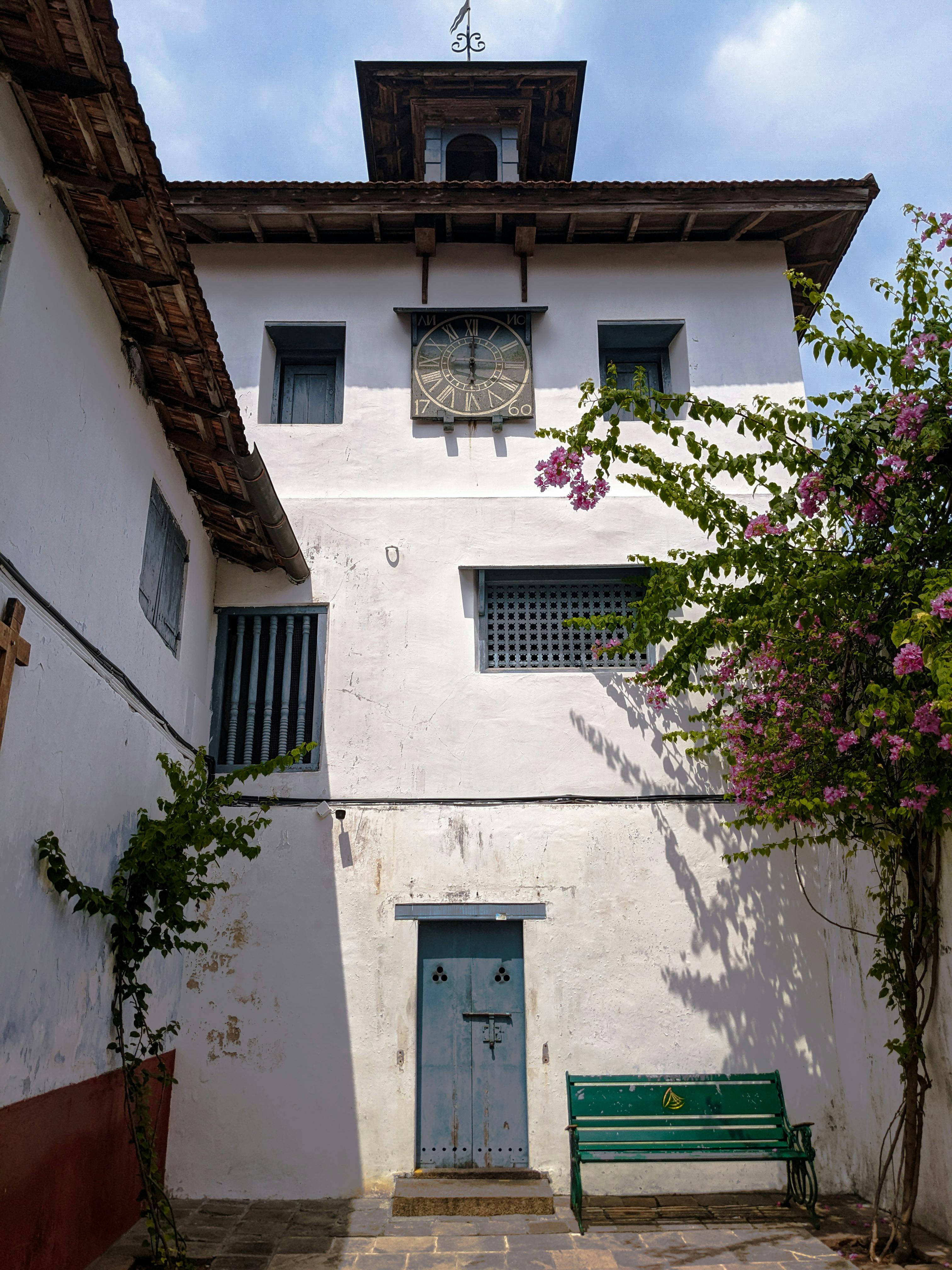
- Opening Hours: Sunday to Friday, 10:00 AM to 12:00 PM and 3:00 PM to 5:00 PM (closed Saturdays and Jewish holidays)
- Entry Fee: Rs 10
- Pro-Tip: The antique shops on Jew Town Road (the lane leading to the synagogue) are genuinely fascinating. Budget an extra hour to rifle through bronze lamps, vintage maps, and Kashmiri shawls. Prices are negotiable.
St. Francis Church
St. Francis Church is the oldest European-built church in India, constructed by Portuguese Franciscan friars in 1503. Vasco da Gama was buried here in 1524. His remains were later taken to Lisbon, but the tombstone slab remains. The interior is spare and beautiful, with Portuguese gravestones and Dutch-era wood panels.
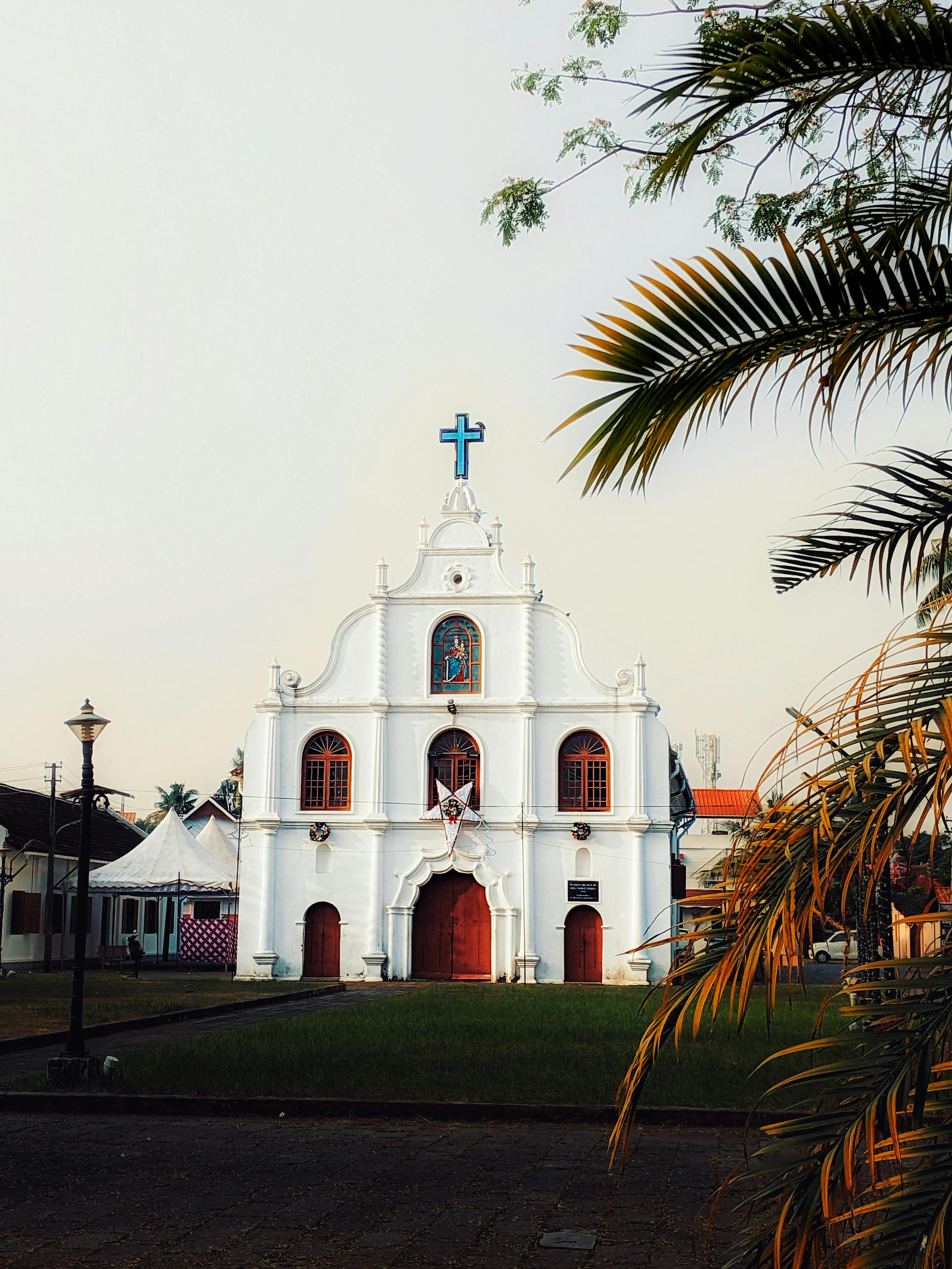
- Opening Hours: Monday to Saturday, 8:30 AM to 5:30 PM; Sunday, 8:30 AM to 12:30 PM and 2:30 PM to 5:30 PM
- Entry Fee: Free
- Pro-Tip: Come on a weekday morning before 10:00 AM to have it nearly to yourself.
Kerala Folklore Museum
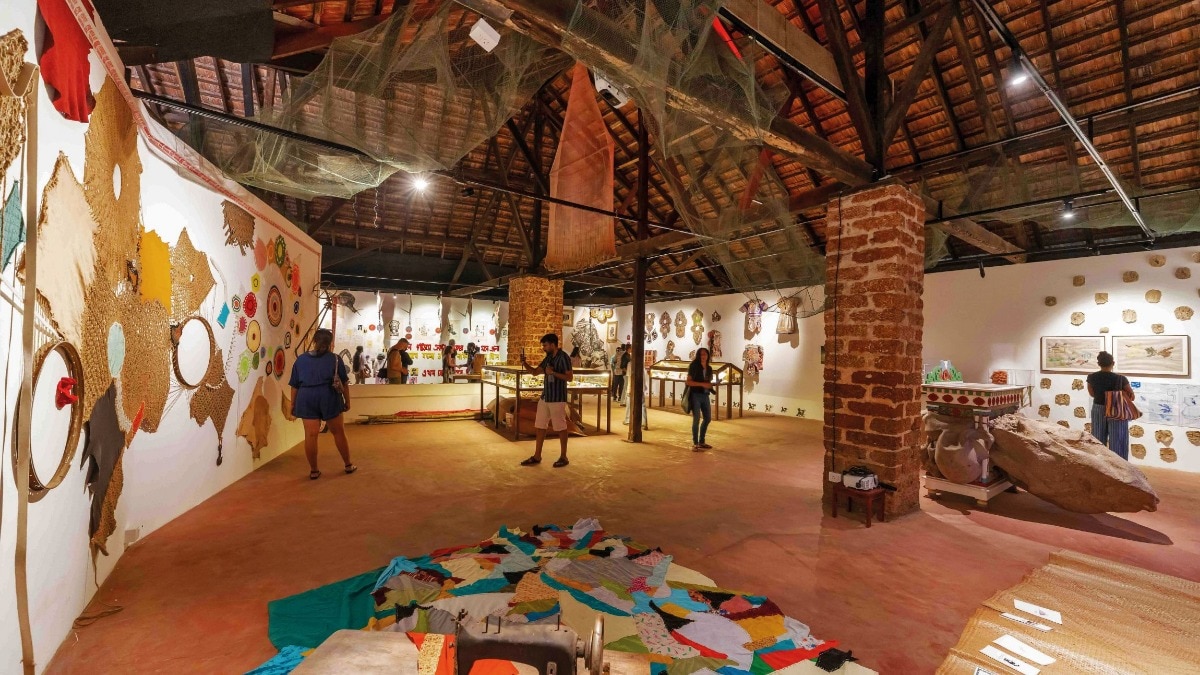
One of the most underrated museums in South India, the Kerala Folklore Museum near Thevara houses over 4,000 artifacts, including Kathakali masks, tribal sculptures, ancient musical instruments, and temple relics. The building itself is an architectural achievement, assembled from timber salvaged from old temples and ancestral homes across Kerala.

- Opening Hours: 9:30 AM to 6:00 PM (closed Mondays)
- Entry Fee: Rs 200 per person; Rs 100 extra for camera
- Pro-Tip: This is 20-25 minutes from Fort Kochi by autorickshaw, so pair it with a visit to the Hill Palace Museum in Tripunithura to make the journey worthwhile.
Kerala Kathakali Center
If you see one performance in Kochi, make it Kathakali. This ancient classical dance-drama, with its elaborate face paint, towering headdresses, and coded hand gestures, requires years of training to perform. The Kerala Kathakali Center in Fort Kochi runs daily shows with a pre-show segment where you can watch artists apply their makeup, which is half the experience.
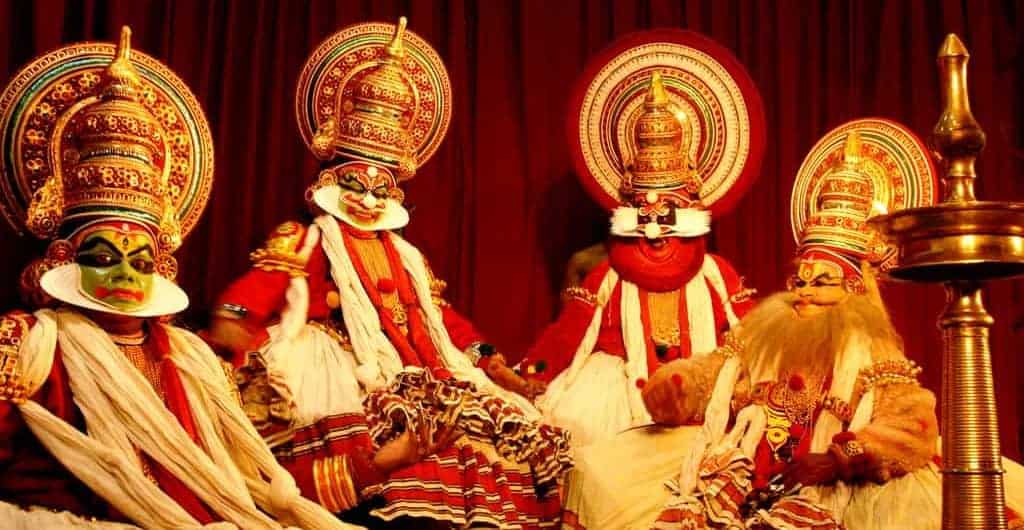
- Show Timings: Makeup demonstration starts at 5:00 PM; performance at 6:30 PM
- Entry Fee: Approximately Rs 350-450 per person
- Pro-Tip: Arrive at 5:00 PM sharp for the makeup session. Watching a performer transform over 90 minutes is a full act in itself.
Hidden Gems: Off the Tourist Trail
Kumbalangi Integrated Tourism Village
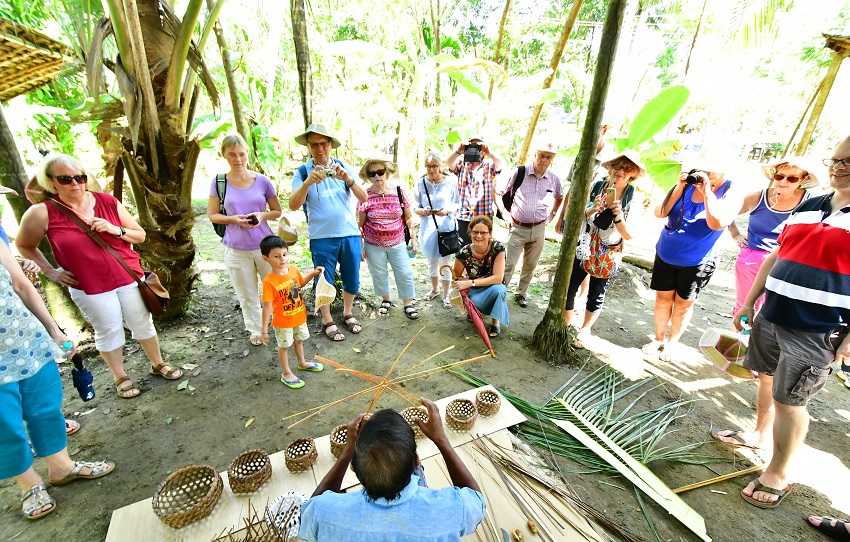
About 14 kilometers from Fort Kochi, Kumbalangi was India’s first model tourism village. This isn’t a curated theme park. It’s an actual working backwater village where you can watch crab farming, Chinese fishing net operations, toddy tapping, and shell craft in a single afternoon. Canoe through narrow channels lined with mangroves. Eat a home-cooked meal with a local family. It is slower and more real than any packaged backwater tour.
Getting there: Autorickshaw or taxi from Fort Kochi (around Rs 300-400 one way).
Draavidia Art and Performance Gallery, Mattancherry

Most visitors in Mattancherry browse the antique shops, buy spices, and leave. Draavidia, tucked into a heritage building on the edge of Jew Town, is a gallery-residency that shows some of the most interesting work coming out of Kerala’s contemporary art scene. The staff are artists themselves, and conversations here can be unexpectedly absorbing.
Cherai Beach, Vypeen Island

Take the Vypeen ferry from Fort Kochi (about Rs 4 per crossing), and you are on an island most package tourists never reach. Cherai Beach is 15 kilometers north, a clean, largely uncrowded stretch where dolphins are sometimes visible from the shore, and where the backwaters run right alongside the sea. Rent a bicycle in the village and explore at your own pace.
Bazaar Road Street Art
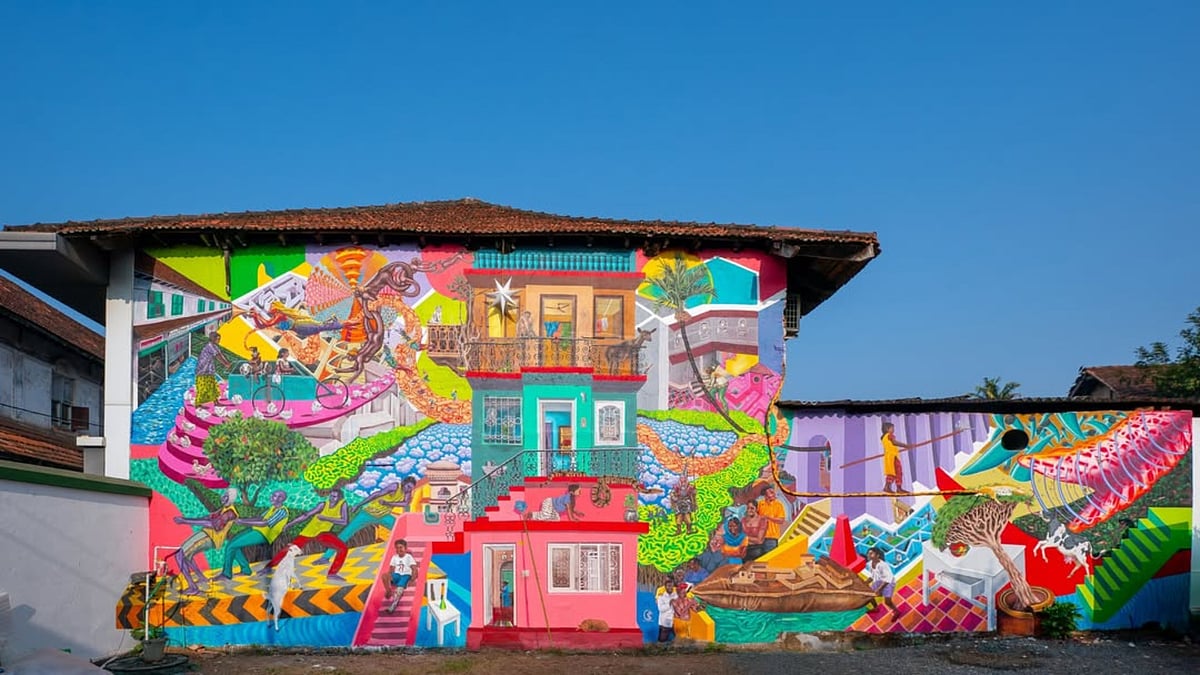
During Biennale editions, Bazaar Road in Mattancherry becomes an outdoor gallery of large-scale murals, some of which remain permanently. Wandering this stretch requires nothing more than an hour and comfortable shoes. The contrast between the crumbling colonial godowns and the vivid contemporary work is something you won’t find in any museum.
Cuisine and Dining
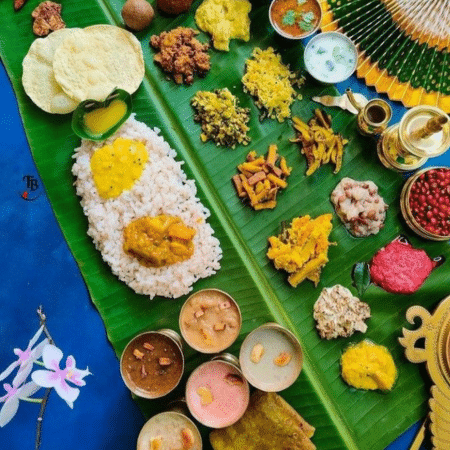
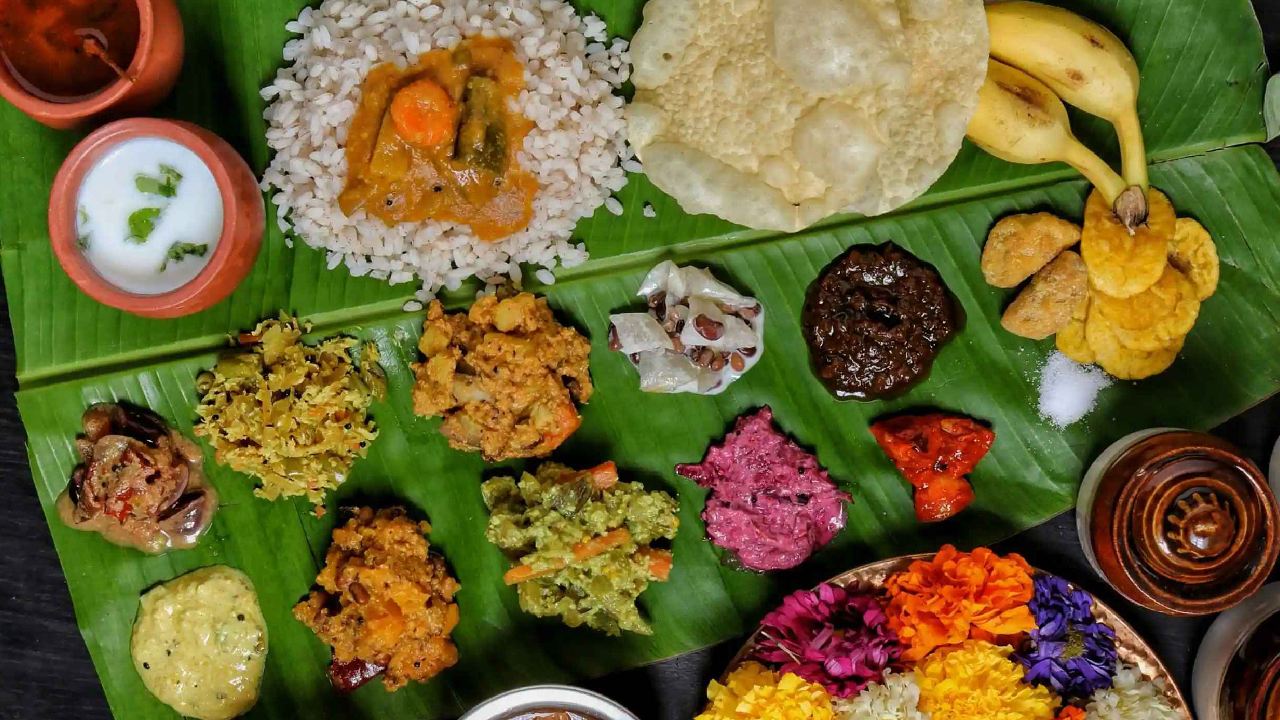
Kochi eats at the intersection of four or five culinary traditions. The Syrian Christian community (one of the oldest Christian communities on earth, tracing their conversion to St. Thomas the Apostle in 52 AD) has a meat-forward cooking tradition that produces some of the most complex flavors in Kerala. The Mappila (Muslim) community of the Malabar coast brought Arabic and Persian influences that transformed the local biryani and gave the region its love of dates, dried fruits, and red meat. And the baseline Hindu vegetarian tradition runs through it all with its coconut oil, curry leaves, and dried red chilies.

Must-Try Dishes
- Karimeen Pollichathu: Pearl spot fish marinated in a paste of coconut, ginger, and red chilies, wrapped in banana leaf, and pan-fried. The single most representative dish of Kochi’s coastal identity.
- Appam with Stew: Lacy rice-flour crepes served with a mild, coconut milk-based vegetable or mutton stew. A Syrian Christian breakfast staple.
- Kerala Prawn Curry: Cooked in a red clay pot with raw mango, coconut milk, and Kodampuli (Gamboge), a souring agent unique to the region.
- Puttu and Kadala Curry: Steamed cylindrical rice-flour cakes served with a black chickpea curry. The most common breakfast in Kerala homes.
- Beef Fry (Ularthiyathu): Dark, dry-spiced, slow-cooked beef, a Syrian Christian specialty that is deeply savory and completely addictive.
- Kerala Parotta with Chicken Curry: Layered flatbread served with a thin, spiced chicken gravy. Late-night street food at its absolute best.
- Malabar Biryani (Thalassery style): Lighter and more fragrant than the Hyderabadi variety, cooked with Khyma rice, caramelized onions, and whole spices.
Restaurants
Budget (under Rs 300 per person)
- Rapsy Restaurant, Ernakulam: A no-frills local institution beloved by workers, students, and anyone who knows what they’re doing. Order the Kerala beef fry with parotta and a glass of black tea.
- Saravana Bhavan, Ernakulam: The South Indian vegetarian chain you can rely on anywhere in India, but the Kochi branch is particularly consistent. The masala dosa and sambar are excellent.
- Hotel Sona, M.G. Road, Ernakulam: A hidden gem for authentic Malabar dishes at prices that make no sense for the quality. Try the fish curry meals served on a banana leaf.

Mid-Range (Rs 400 to Rs 1,200 per person)
- Fusion Bay, Fort Kochi: Near Santa Cruz Basilica, this reliable mid-range spot does Kerala-style food well without over-complicating it. The Fish in Green Mango Curry and the Syrian Christian Beef Curry are standouts.
- Dhe Puttu, Multiple Locations: Named after Kerala’s iconic steamed rice cake, this restaurant reinvents puttu with inventive accompaniments and does it with genuine skill.
- Mary’s Kitchen, Fort Kochi: Book ahead (call +91 9446014385). Mary and Martin run a small, remarkable home kitchen that turns out the kind of food you’d eat at a Kerala grandmother’s house if you were very lucky. The lunch cooking class (around Rs 1,500) is one of the best food experiences in the city.
Fine Dining (Rs 1,500 and above per person)
- The Rice Boat, Taj Malabar Resort, Willingdon Island: Designed to resemble a traditional Kerala boat, with panoramic windows overlooking the harbor. The kitchen focuses on Kerala coastal cuisine with impeccable sourcing. Order the grilled tiger prawns and whatever the day’s catch recommendation is.
- Malabar Junction, The Malabar House, Fort Kochi: One of the consistently top-rated restaurants in Fort Kochi, with a courtyard setting, a menu that balances Kerala-style duck roast and fresh seafood with continental options, and a wine list that outperforms expectations for this part of India.
- Oceanos, Fort Kochi: Known for its spicy fish curry and grilled seafood, Oceanos combines casual sophistication with a kitchen that takes coastal flavors seriously.
Markets
Broadway Market in Ernakulam is where Kochi actually shops for vegetables, spices, and dry goods. It is loud, fragrant, and not remotely designed for tourists. Go anyway. For dedicated spice shopping, the warehouses around Jew Town Road in Mattancherry sell cardamom, black pepper, turmeric, and vanilla at wholesale prices that are significantly below retail.
Accommodation
Stay Strategy
Fort Kochi is the right base for first-time visitors. It is walkable, atmospheric, ferry-connected, and has accommodation in every price range. If you are primarily interested in the city’s business districts, nightlife, or the metro, Ernakulam (the mainland city) is more practical.

Budget (Hostels and Guesthouses)
- Zostel Kochi (Fort Kochi): The most consistently reviewed budget option in Fort Kochi, well-located and genuinely social. Dormitory beds cost around Rs 400-600 per night.
- The Hosteller Fort Kochi: A newer property close to the beach with clean facilities, a good common area, and staff who actually know the city. From approximately Rs 500 per night in a dormitory.
- Rampart Homestay: For a more local experience, family-run homestays along Rampart Road and the surrounding lanes offer private rooms with breakfast from around Rs 800-1,500 per night.

Mid-Range (Boutique Hotels)
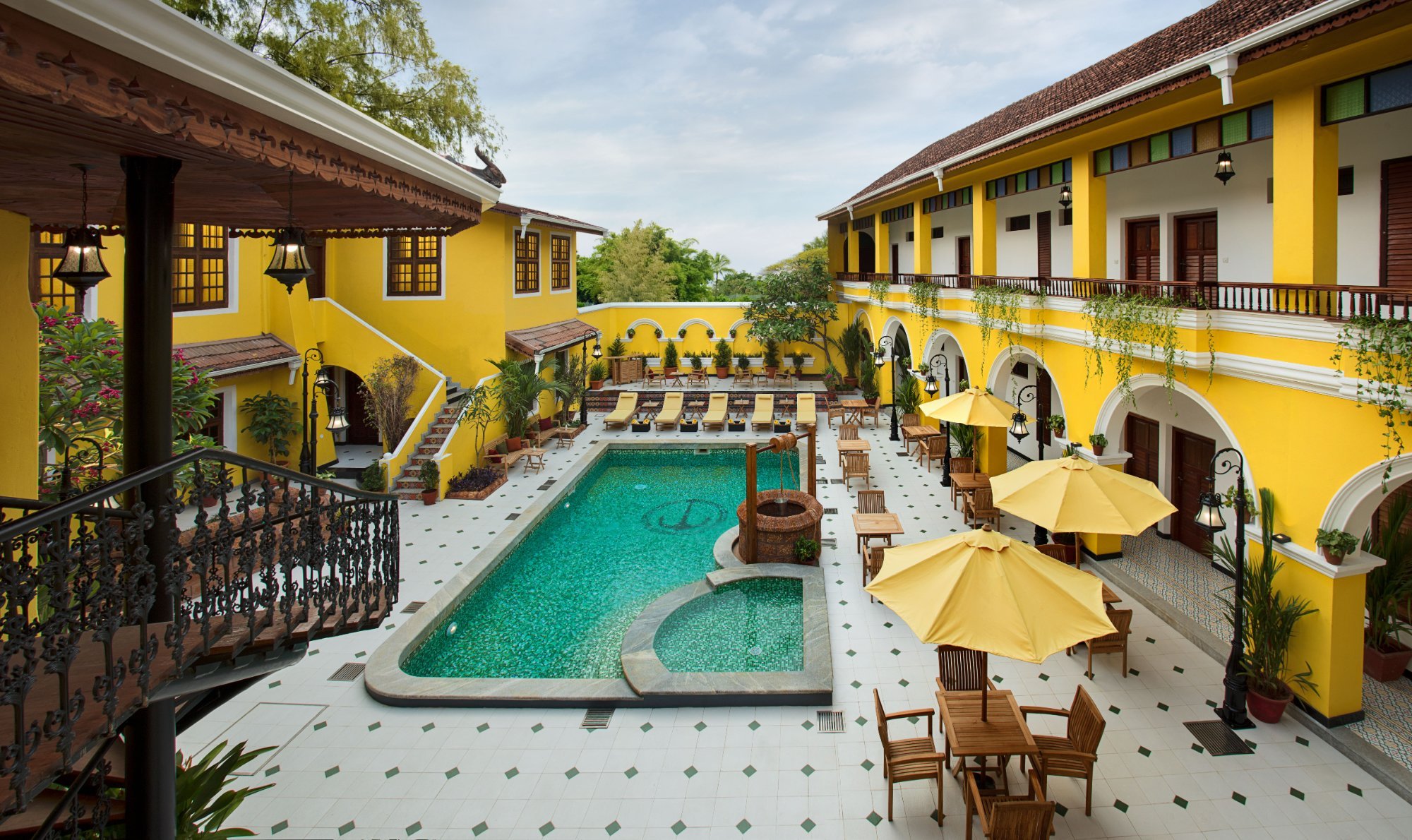
- Forte Kochi, Princess Street: A 150-year-old heritage property restored with exceptional attention to detail. The building was originally part of a Jewish family’s mansion, and the architecture reflects Portuguese, Dutch, and British periods. Rooms from approximately Rs 4,000-6,000 per night. Stay on Princess Street for walking access to all of Fort Kochi.
- Fort House Hotel: Directly on the waterfront, with rooms overlooking the harbor and the best restaurant patio in the city. From around Rs 3,500 to Rs 5,000 per night.
Luxury
- Brunton Boatyard, CGH Earth: Built on the site of a historic 1920s boatyard, this 22-room property is one of the finest heritage hotels in India. The architecture recreates a 16th-century Kochi trading house. Rates are approximately Rs 12,000 per night.
- Taj Malabar Resort and Spa, Willingdon Island: The Taj has been on Willingdon Island since 1935. The property spans a heritage wing and a newer tower, with harbor views, a pool, an excellent spa, and the Rice Boat restaurant. Rates range from approximately Rs 10,000 to Rs 18,000 per night.
Transportation
Getting to Kochi
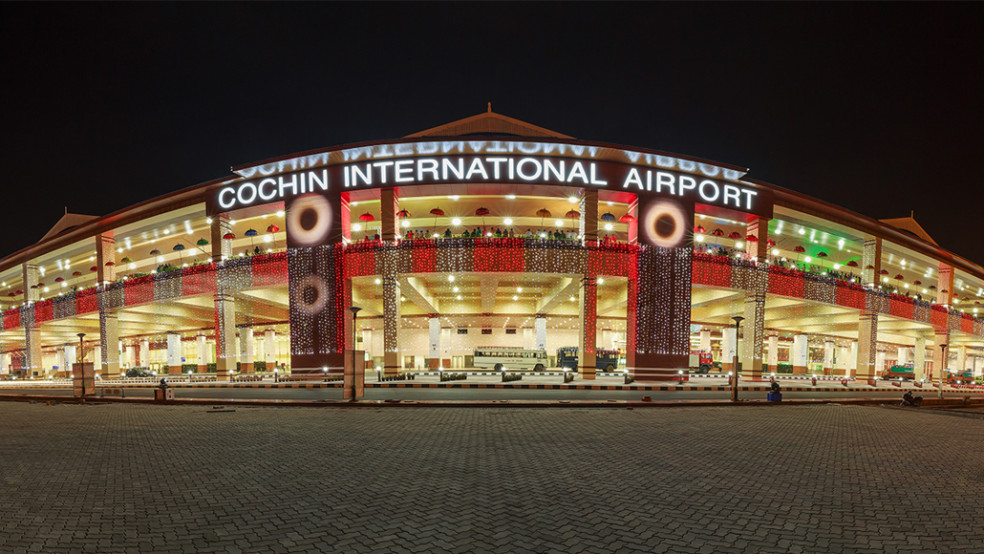
By Air: Cochin International Airport (COK) is 30 kilometers from Fort Kochi, near Nedumbassery. It handles international and domestic flights. Prepaid taxis from the airport to Fort Kochi cost approximately Rs 1,500-2,200. Uber and Ola are available at the arrivals area and run approximately 30% cheaper than prepaid taxis.
By Train: Ernakulam Junction (ERS) and Ernakulam Town (ERN) are the main railway stations, well-connected to Chennai, Mumbai, Delhi, Bengaluru, and Trivandrum. From either station, take an autorickshaw or ferry to Fort Kochi (Rs 200-300 by auto; Rs 4 by ferry from High Court Ferry Terminal).
By Bus: KSRTC operates long-distance buses to and from Kochi’s various bus stands. The Ernakulam Bus Stand handles routes to Trivandrum, Thrissur, Coimbatore, and beyond. KSRTC low-floor air-conditioned buses also run from the airport via Aluva and Vyttila to Fort Kochi (journey time 2 to 2.5 hours; inexpensive but schedules vary).
Getting Around
Ferries: The cheapest and most enjoyable way to cross between Fort Kochi, Mattancherry, Willingdon Island, and Ernakulam. Fares start at Rs 4. The High Court Ferry Terminal and Customs Jetty in Ernakulam are the main departure points.
Kochi Water Metro: India’s first water metro system, launched in 2023, connects 10 island communities across 76 kilometers with 38 terminals. Air-conditioned, punctual, and genuinely transformative for getting around Greater Kochi. Buy a smart card at any terminal.

Kochi Metro: The rail metro runs from Aluva to Petta (22 stations). It does not directly serve Fort Kochi but connects the mainland city efficiently. The nearest stations to Fort Kochi are MG Road and Maharaja College, both about 3 kilometers from the peninsula.
Autorickshaws: Available everywhere. Meter-free, so negotiate before you get in. A trip from Fort Kochi to Mattancherry costs about Rs 80-120. For longer journeys, Uber and Ola are reliable and metered.
Cycling: Fort Kochi is small and flat enough to explore entirely by bicycle. Several rental shops near the ferry terminals offer cycles for Rs 50-100 per hour or Rs 200-300 per day. This is genuinely the best way to move between the Chinese fishing nets, St. Francis Church, Mattancherry, and Jew Town.
Events and Festivals
Kochi-Muziris Biennale (December to March, Biennial)
Asia’s largest contemporary art biennale takes over Fort Kochi and Mattancherry every two years for approximately 110 days. The sixth edition ran from December 12, 2025, to March 31, 2026, with 66 artists from over 25 countries exhibiting across 29 venues. The Biennale transforms the city’s heritage buildings, warehouses, and public spaces into galleries. Entry to most venues is free or carries a nominal charge. Even if you are not an art enthusiast, the energy in the city during Biennale season is extraordinary.
Cochin Carnival (December 25 to January 1)
An annual street festival centered on Fort Kochi Beach, the Cochin Carnival is a week of parades, music, street food stalls, and fireworks that culminates on New Year’s Eve. It draws large crowds, particularly on December 31, when the beach fills with thousands. Book accommodation for this period several months in advance.

Thrissur Pooram (April/May, at nearby Thrissur, 75 km away)
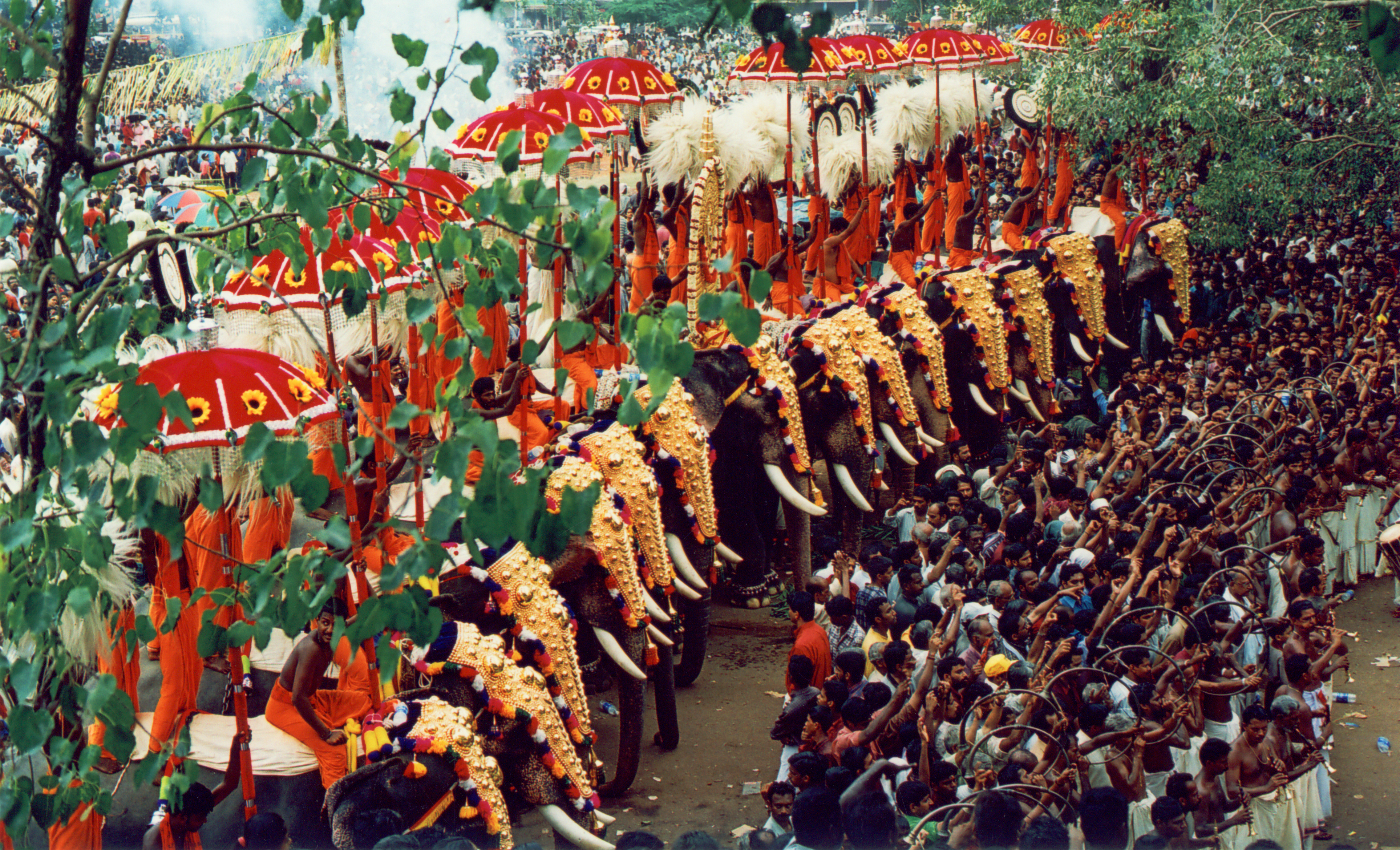
Widely considered the most spectacular temple festival in Kerala, Thrissur Pooram takes place on a single day in April or May (the Malayalam calendar determines the date). Two groups of caparisoned elephants, each carrying temple priests and massive ceremonial umbrellas, face each other in a competition of pomp and percussion that lasts through the night. The fireworks at dawn are legendary. A day trip from Kochi by train (45 minutes) and entirely worth it.
Shopping
What to Buy
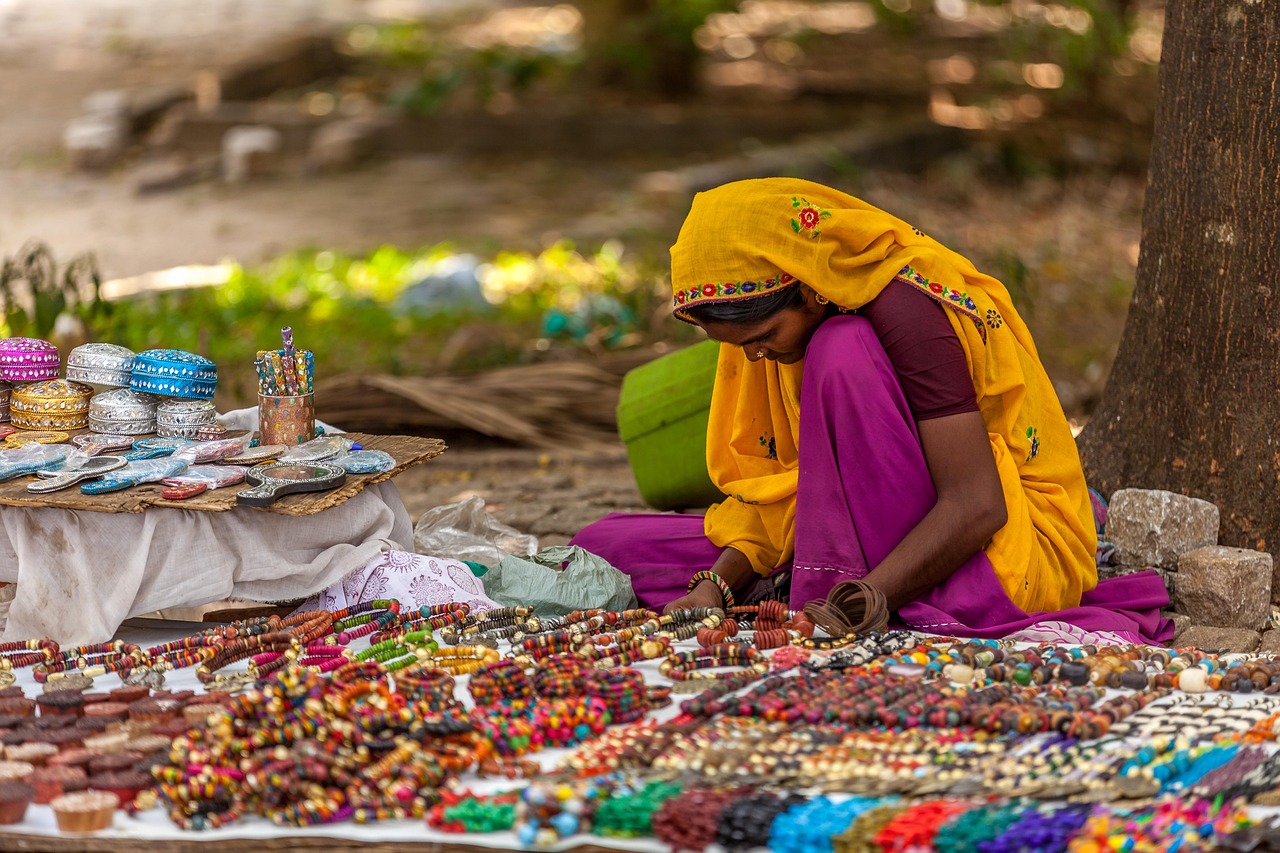
- Kasavu Sarees and Mundu: Kerala’s traditional cream-and-gold handloom fabric, worn during festivals and celebrations. The genuine article is woven on handlooms in Balaramapuram and Chendamangalam. Look for the handloom certification label.

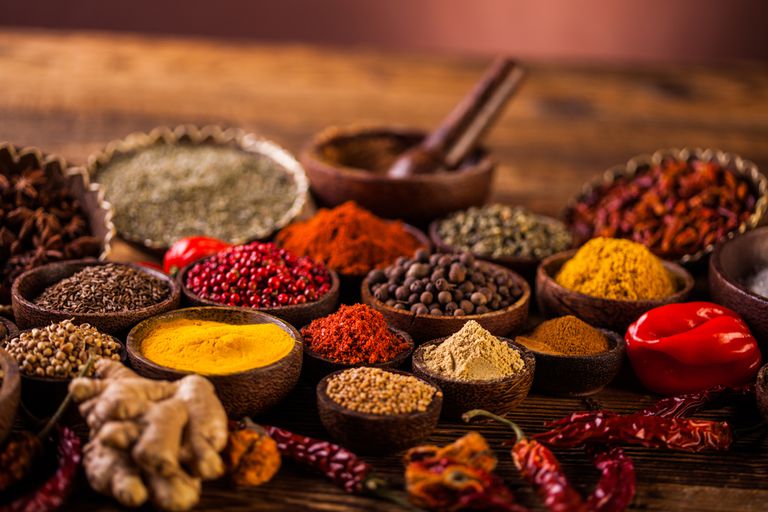
- Spices: Black pepper, cardamom, cloves, vanilla, and dried ginger from Malabar are among the finest in the world. The spice warehouses on Jew Town Road sell by weight at wholesale rates.
- Kathakali Masks and Puppets: Wooden masks and Kathakali doll sets make for meaningful souvenirs. Quality varies enormously. Buy from certified craft shops or museum shops rather than street stalls.
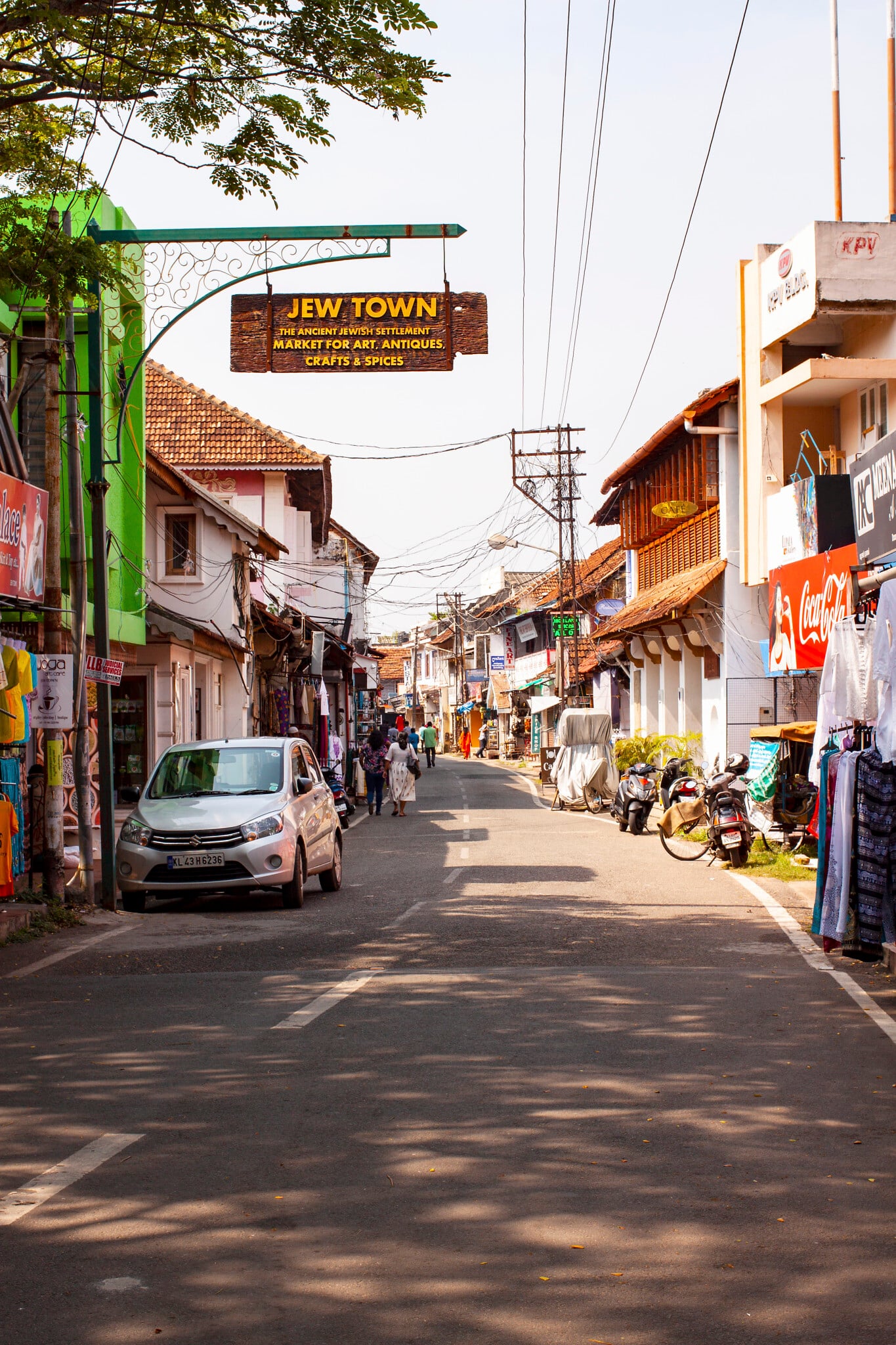
- Antiques and Curios: Jew Town Road and the surrounding lanes are full of antique dealers selling bronze lamps, rosewood furniture, old maps, and colonial-era household items. Quality and authenticity also vary. Know what you are looking at before you spend seriously.
- Coir and Bamboo Crafts: Kerala’s cottage industry produces excellent coir doormats, bamboo furniture, and woven baskets at prices far below what you would pay elsewhere.
Where to Shop
- Jew Town Road, Mattancherry: Antiques, spices, and handicrafts. The highest concentration of interesting shops in the city.
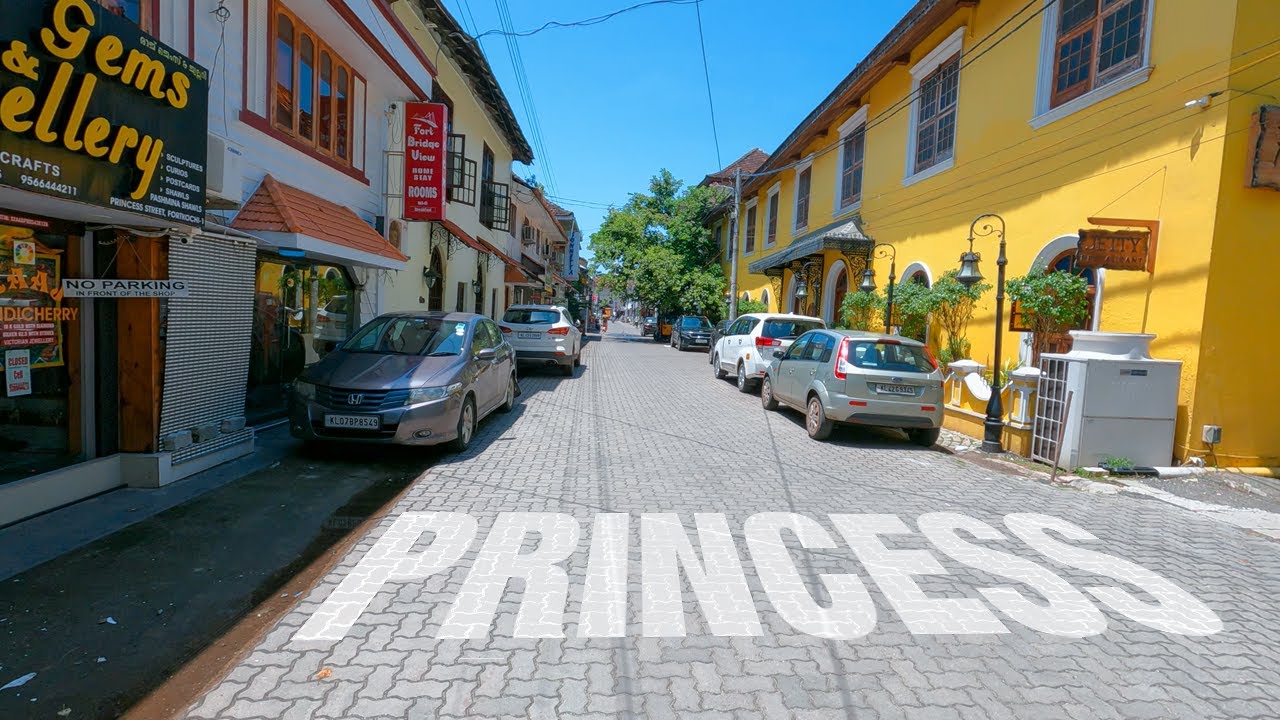
- Princess Street, Fort Kochi: Art prints, handmade clothing, boutique jewelry, and independent cafes. More curated and tourist-facing than Jew Town, but it has genuinely good shops.
- Broadway Market, Ernakulam: For local produce, spices in bulk, and everyday fabric. Not a tourist market; prices reflect it.
- Lulu Mall, Edapally: The largest shopping mall in India (at the time of construction). Not for souvenirs but useful for international brands, a supermarket, and a food court with decent Kerala food.
Practical Information
Visa
Most international visitors require a visa for India. The e-Visa system (evisa.india.gov.in) covers citizens of over 160 countries and allows applications to be submitted up to 120 days before arrival. Tourist e-Visas are valid for 30, 90, or 180 days, with multiple-entry options. Apply at least 4 days before travel. Citizens of Nepal and Bhutan do not require a visa.
Currency
The Indian Rupee (INR) is the currency. ATMs are widely available across Ernakulam and Fort Kochi. Major hotels, mid-range and fine dining restaurants, and larger shops accept Visa and Mastercard. Budget guesthouses, ferry terminals, street food vendors, and autorickshaws work on cash. UPI payments (through QR codes) are ubiquitous for Indian visitors but require an Indian bank account.
Language
The official language of Kerala is Malayalam, one of India’s oldest classical languages, with a script that looks like no other on earth. English is widely spoken in hotels, restaurants, and tourist areas. Basic Malayalam courtesy phrases are appreciated: “Nanni” (thank you) and “Shari” (okay/understood) will earn you warm smiles.

Safety
Kochi is one of the safer cities in India for independent travel, including solo women travelers. The usual urban precautions apply. Be firm but calm with touts near tourist areas. At night in Fort Kochi, stick to lit streets and use Uber or Ola rather than negotiating with unknown autorickshaw drivers. The water in Kochi is not safe to drink directly. Use sealed bottled water or filtered options from reputable hotels and restaurants.
Etiquette
At Temples and Churches: Remove footwear before entering all temples. Women may be asked to cover their heads at certain temples. Dress modestly (shoulders and knees covered) for both temples and churches. Non-Hindus are welcome at most temples in Kerala, though certain inner sanctums may be restricted.
At the Synagogue: Remove footwear before entering. Photography is not permitted inside.
Dining: In Kerala, eating rice-based meals with your right hand (not the left) is traditional. Restaurants will always provide spoons, but accepting the local custom is a respectful gesture.
Bargaining: Expected in markets, acceptable with autorickshaw drivers (negotiate the fare before you get in), but inappropriate in fixed-price shops and restaurants.
Tipping: Not mandatory but appreciated. In restaurants, 5 to 10 percent of the bill is appropriate for good service. Tip guides, drivers, and hotel staff are paid individually rather than through a service charge, which may not reach the person who served you.
Photography: Ask before photographing people in the market or in religious spaces. Most people are generous, but some, particularly in religious contexts, prefer not to be photographed.
Packing List
October to February (Peak Season, Warm and Dry)
- Light, breathable cotton clothing (temperatures 23-32 degrees Celsius)
- One light jacket or shawl for air-conditioned restaurants and evening ferry rides
- Sturdy sandals and one pair of closed shoes (cobblestones in Mattancherry are uneven)
- Sunscreen (SPF 50+), sunglasses, a wide-brimmed hat
- Insect repellent (mosquitoes are active at dawn and dusk near the backwaters)
- A pair of slip-on shoes or flip-flops for easy temple and mosque entry

March to May (Hot Season)
Everything from the above list, plus:
- Electrolyte sachets or rehydration tablets
- A compact portable fan
- Extra changes of light clothing
June to September (Monsoon Season)
- A quality compact umbrella and a waterproof bag cover
- Quick-dry clothing
- Waterproof sandals
- An extra pair of dry footwear in your daypack
Year-round: A small reusable water bottle (refillable at filtered water stations in many cafes), a power bank for your phone, a copy of your passport and visa separate from the originals, and a small first aid kit including oral rehydration salts.
Itineraries
2-Day Itinerary: The Essential Kochi
Day 1: Fort Kochi on Foot
Start at dawn at the Chinese Fishing Nets (6:00 AM) before the day heats up and the crowds arrive. Watch the nets lower and raise as the fishermen work the ropes. Walk south along the waterfront to Fort Kochi Beach and Vasco da Gama Square. By 8:30 AM, duck into a local cafe on Princess Street for a breakfast of appam and stew or puttu and kadala curry.
At 9:30 AM, visit St. Francis Church. Spend 30 minutes in the quiet interior before heading 10 minutes on foot to the Santa Cruz Cathedral (worth seeing for its painted interior). By 11:00 AM, walk or cycle to Mattancherry. Start with the Mattancherry Palace (Dutch Palace) for the extraordinary murals, then spend an hour wandering Jew Town Road and the antique shops before ending at the Paradesi Synagogue.
Have lunch at Fusion Bay (near the Basilica, around Rs 500 per person). In the afternoon, explore the street art along Bazaar Road, browse the spice warehouses, and then take the ferry back toward Fort Kochi. Arrive at the Kerala Kathakali Center by 5:00 PM for the makeup demonstration. The performance ends around 8:00 PM.
Dinner at Malabar Junction (book ahead) or the patio at Fort House for a harbor view with fresh seafood.
Day 2: Backwaters and Ernakulam
Take the early ferry to Ernakulam (Rs 4). Spend the morning exploring Marine Drive (the promenade overlooking the harbor), then head to Broadway Market for spices, fabric, and local energy. Lunch at Hotel Sona on MG Road for an authentic Malabar meal.
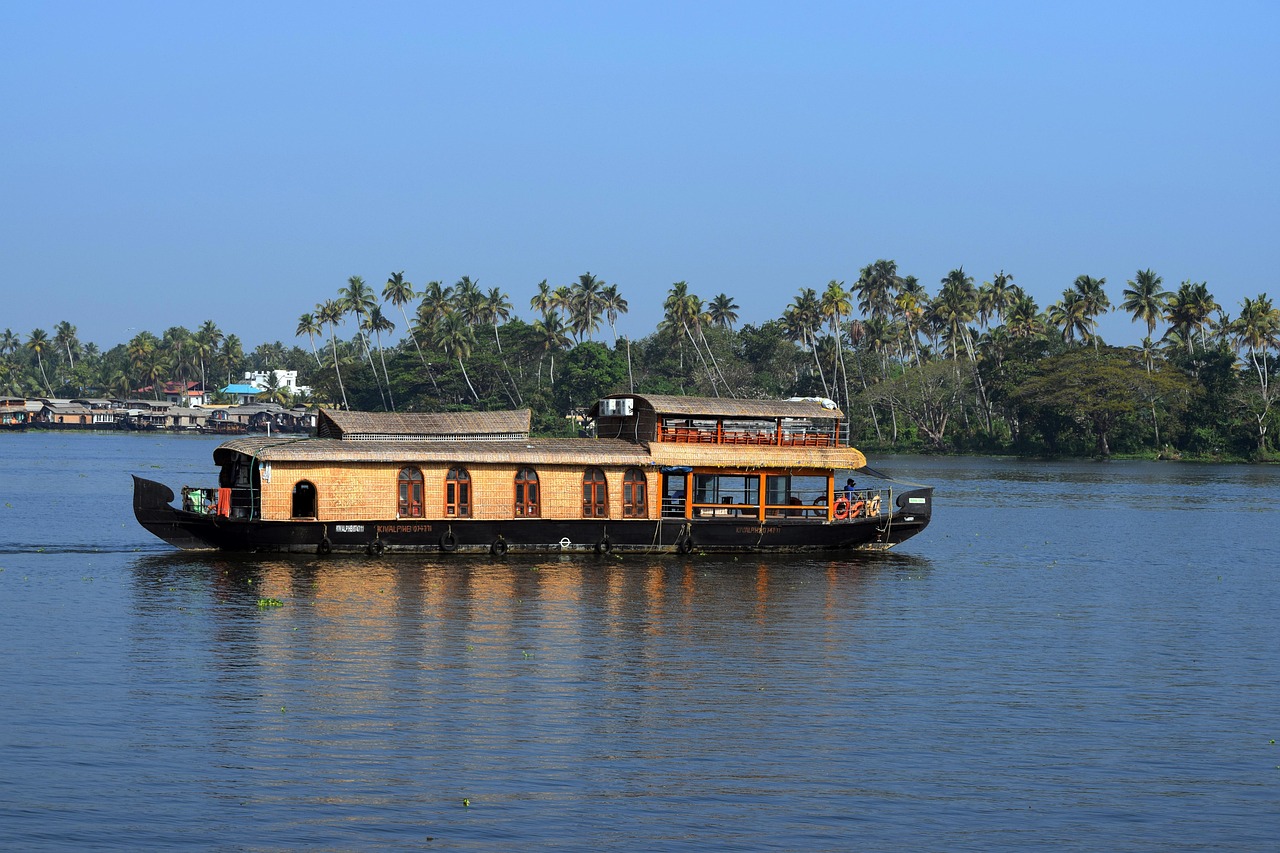
In the afternoon, arrange a half-day boat tour of the backwaters around Kumbalangi or take the public ferry to Vypeen Island and bicycle to Cherai Beach (ferry Rs 4, cycles Rs 200-300 per day). The beach is best in the late afternoon when the light is golden, and the tourist boats have gone back to Fort Kochi.
Return to Fort Kochi by ferry for sunset. Dinner at Mary’s Kitchen (book ahead by phone).
4-Day Itinerary: Going Deeper
Days 1 and 2: Follow the 2-day itinerary above.
Day 3: Museums and Heritage
Morning: Visit the Kerala Folklore Museum near Thevara (9:30 AM opening). Budget at least 2 hours. Continue to the Hill Palace Museum at Tripunithura, the former official residence of the Cochin Maharaja, which sits on a hill and houses 14 galleries of royal artifacts. It is 12 kilometers from Fort Kochi and is worth the autorickshaw ride.

Return to Fort Kochi for a late lunch at Arca Nova at Fort House (waterfront, excellent fish molee with appam). Afternoon: Take a cooking class at Mary’s Kitchen (morning classes available, book ahead) or join a heritage walking tour of Fort Kochi with one of the licensed local guides available at the Tourist Information Center near the Chinese Fishing Nets. These 2-hour walks cover the pre-Columbian trading history in depth.
Evening: Sunset walk along the sea wall, followed by dinner at any of the rooftop cafes on Princess Street.
Day 4: Day Trip to Thrissur or Munnar
If you are in Kochi between April and May, a day trip to Thrissur (75 kilometers, 45 minutes by train) to see the Thrissur Pooram preparations or the town itself (Kerala’s cultural capital with outstanding museums and temples) is excellent.
Alternatively, leave early for a day trip toward Munnar (130 kilometers, 4 hours) through cardamom and rubber plantations that climb into the mist. Visit the tea estates above Munnar town and return to Kochi by evening.
7-Day Itinerary: Kochi as a Kerala Base
Days 1 and 2: Fort Kochi, Mattancherry, Kathakali (as per the 2-day itinerary).
Day 3: Museums, heritage walking tour, and cooking class (as per Day 3 of the 4-day itinerary).
Day 4: Alleppey (Alappuzha) and the Backwaters

Hire a car or take a bus (2 hours) to Alleppey, 85 kilometers south of Kochi. This is the departure point for Kerala’s famous houseboat cruises. Book a day cruise (Rs 500-1,500 per person) through the backwater canals lined with coconut palms, past rice paddies and small fishing villages. Return to Kochi by evening, or book a night on a houseboat (from Rs 6,000 per night for a basic boat).
Day 5: Thrissur and the Cultural North
Day trip to Thrissur by train (45 minutes). Visit the Vadakkunnathan Temple (one of the oldest Shiva temples in Kerala, dating to the 10th century), the Kerala Sangeetha Nataka Akademi, and the Thrissur Zoo and Museum. If the season is right, catch the rehearsals or performances of traditional percussion ensembles (Chenda Melam). Return to Kochi by early evening.
Day 6: Munnar Day Trip
Leave Kochi at 7:00 AM (hire a car or take a morning bus). The 4-hour drive winds through rubber estates, waterfalls, and eventually into the high-altitude tea country above 1,600 meters. Visit the Tea Museum, walk through a working tea estate, and eat lunch in town before the drive back. The drive is the main event.

Day 7: Slower Kochi
Use this day for everything you missed. Browse the Biennale venues if running. Take a kayaking tour through the mangroves of Puthuvype Island. Visit the Indo-Portuguese Museum near the Bishops’ House in Fort Kochi (small but fascinating, with artifacts from the region’s Catholic history). Have a long lunch at Rice Boat. Take the Water Metro to a neighborhood you haven’t seen. Buy spices, have coffee on Princess Street, and watch the Chinese fishing nets one more time at sunset.
Quick Reference
Category | Details |
Best Time to Visit | October to February |
Currency | Indian Rupee (INR) |
Language | Malayalam and English are widely spoken |
Airport Code | COK (Cochin International) |
Ferry to Fort Kochi | Rs 4-10 from Ernakulam |
Taxi from the Airport | Rs 1,500-2,200 |
Average Budget Hotel | Rs 400-1,500 per night |
Average Mid-Range Hotel | Rs 3,000-6,000 per night |
Emergency Number | 112 (All-India) |
Tourist Helpline | 1800 425 4747 (Kerala Tourism) |
Kochi rewards travelers who slow down. Its layers take time to read. Walk the same street three days in a row, and you will notice something different each time. Stay long enough to take the 6:00 AM ferry and watch the city wake up over the water. Eat where the locals eat. Take the public ferry instead of the taxi. Kochi has been doing this for 700 years. It is not in a hurry.