

 Start Driving in Madrid
Madrid, the vibrant capital of Spain, is a city that pulsates with energy, offering a rich tapestry of history, art, and culture. Situated in the heart of the Iberian Peninsula, Madrid is a cosmopolitan hub that seamlessly blends tradition with modernity. The Royal Palace of Madrid, a magnificent architectural masterpiece, and the Plaza Mayor, a historic square lined with elegant buildings, are iconic landmarks that reflect the city’s royal heritage. The Prado Museum, home to masterpieces by Goya, Velazquez, and El Greco, and the Reina Sofia Museum, showcasing contemporary art, are must-visit destinations for art enthusiasts. Retiro Park, a sprawling green oasis in the city center, and Casa de Campo, a vast park with a lake and recreational facilities, provide tranquil spaces for relaxation and outdoor activities. Madrid’s culinary scene is a gastronomic delight, offering a wide range of flavors and culinary experiences, from traditional tapas bars to Michelin-starred restaurants. The city’s vibrant nightlife, with its lively bars, clubs, and flamenco shows, keeps the energy alive until the early hours. Madrid’s efficient public transportation system, including the metro, buses, and trains, makes navigating its diverse neighborhoods convenient. Travelers should be mindful of potential pickpocketing in crowded areas, especially at night. Madrid offers a captivating blend of history, art, culture, and gastronomy, making it an ideal destination for those seeking an authentic Spanish experience. The currency is the Euro (EUR), and Spanish is the primary language. The best times to visit are during the spring and autumn, when the weather is mild and pleasant, allowing for comfortable exploration of the city’s outdoor attractions and events.
Madrid Travel Guide: Everything You Need to Know Before You Go
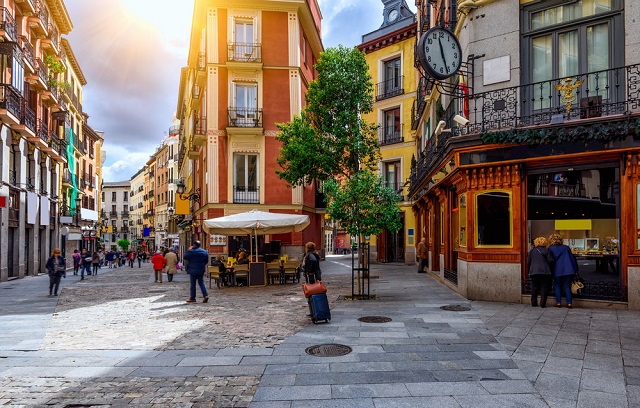
Imagine stepping off the metro at 11 PM to find the restaurants only just filling up, the terraces buzzing, and the night still young by any local reckoning. Madrid does not run on your schedule. It runs on its own, unrepentant clock, and once you accept that, everything about this city starts to make glorious sense.

Spain’s capital is not coasting on imperial nostalgia, even though that history is everywhere you look. It is a city that tears into the present tense with the same ferocity it once channeled into empire building. The Prado holds Velázquez’s brush; a few blocks away, Dabiz Muñoz is three-Michelin-starring his way through Peking duck tacos. Flamenco clubs throb in basement venues while experimental electronica pours from warehouses in the east. Madrid is loud, proud, and perpetually up for it. And because it lacks the magnetic tourist pull of Barcelona’s beaches or Rome’s ruins, it rewards the curious traveler with something rare in modern Europe: a major capital that still feels genuinely inhabited by people who actually live there.
Best Months to Visit Madrid
Madrid’s climate is high-plateau continental, which means proper seasons rather than the mild wash of coastal cities.
Spring (March to May) is prime time. Temperatures drift between 12°C and 22°C, the parks blossom, and the city hosts the electrifying Fiestas de San Isidro in mid-May. The light is soft and golden, museum queues are manageable, and terrace season kicks off in earnest from April.
Autumn (September to November) runs a close second. The summer crush fades, temperatures pull back to a comfortable 15°C to 25°C, and the city reclaims its rhythms after the August exodus. JazzMadrid arrives in November for a city-wide celebration of live music.

Summer (June to August) brings relentless heat, with July and August regularly pushing past 38°C. Many Madrileños leave the city in August, which means shorter queues at museums but a quieter, slightly ghostly feel in some neighborhoods. The upside is Veranos de la Villa, the city’s celebrated outdoor arts festival running from July through August with dozens of free or cheap performances across the city.
Winter (December to February) is cold but festive. Christmas transforms the Gran Via and Puerta del Sol into a spectacle of lights. Snow is rare but not unheard of. This is the season for slow mornings with churros con chocolate, long museum afternoons, and candlelit dinners that stretch until midnight.
Top Attractions
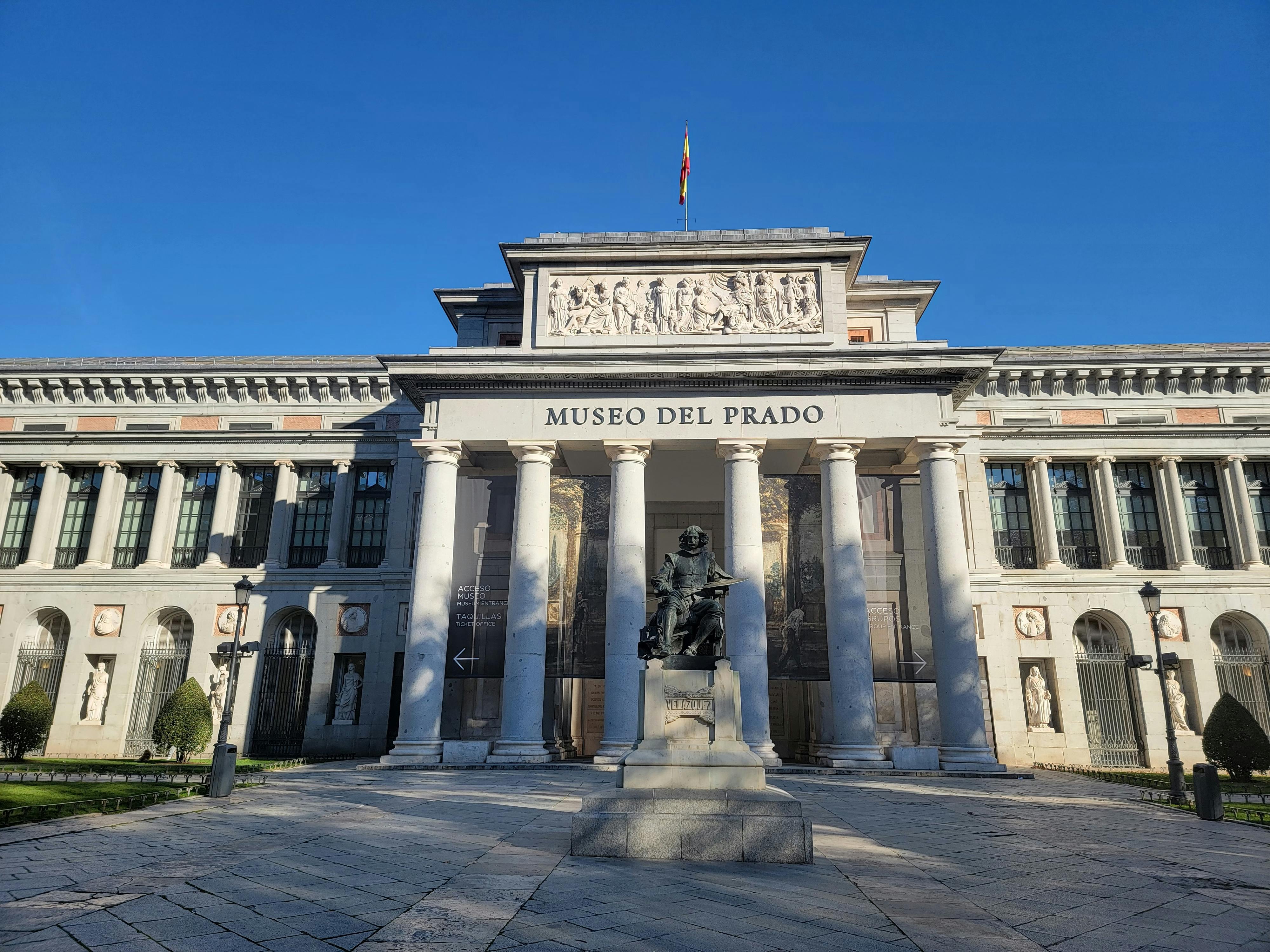
Museo Nacional del Prado
The Prado is one of those places where you genuinely need a strategy. Its collection of over 20,000 works includes Velázquez’s haunting Las Meninas, Goya’s devastating Black Paintings, and El Greco’s luminous devotional canvases. Trying to see everything in a single visit would be physically and spiritually exhausting.
- Hours: Monday to Saturday, 10 AM to 8 PM; Sundays and holidays, 10 AM to 7 PM
- Entry: Around €15 for general admission. The last two hours before closing offer free admission to the permanent collection, with a 50% discount on temporary exhibitions. Book timed entry online to skip the morning queues.
- Pro-tip: Enter through the Puerta de Murillo (south entrance) rather than the main Puerta de Goya. Lines are consistently shorter. On your first visit, prioritize the Spanish masters on the first floor and leave the rest for a second trip.
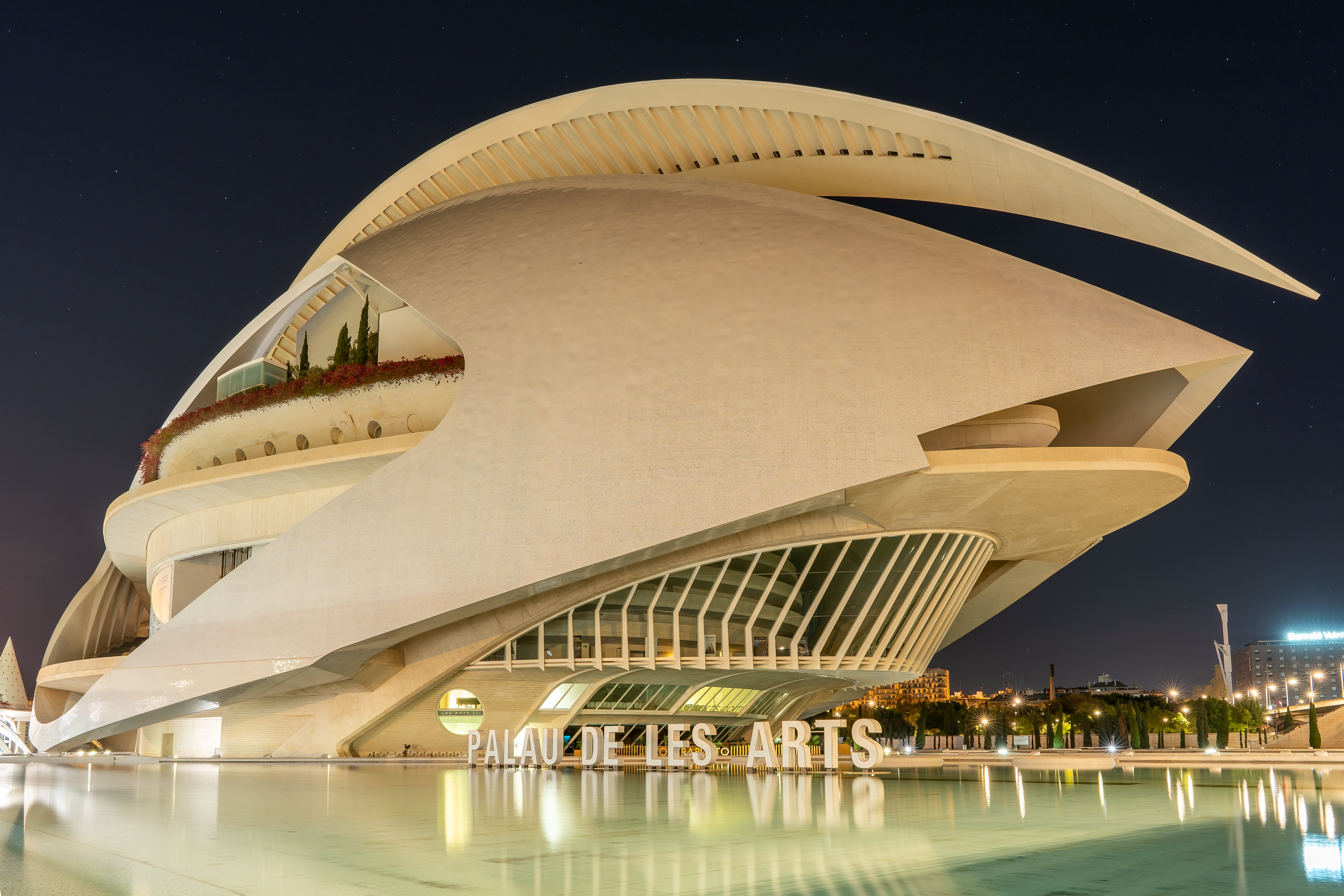
Museo Reina Sofía
Home to Picasso’s Guernica, this former hospital-turned-contemporary art powerhouse is the Prado’s twentieth-century counterpart. The permanent collection traces Spanish modernism through Dalí, Miró, and the avant-garde movements that collided with the Spanish Civil War.
- Hours: The Reina Sofía is open Monday, Wednesday, Thursday, Friday, and Saturday from 10 AM to 9 PM. It closes on Tuesdays.
- Entry: Around €12 for general admission. Access to the main building is free for the last two hours before closing.
- Pro-tip: Go straight to Room 206, where Guernica lives. Then work backward through the collection. If you visit on a Tuesday, save the Reina Sofía for another day and head to the Royal Palace instead.
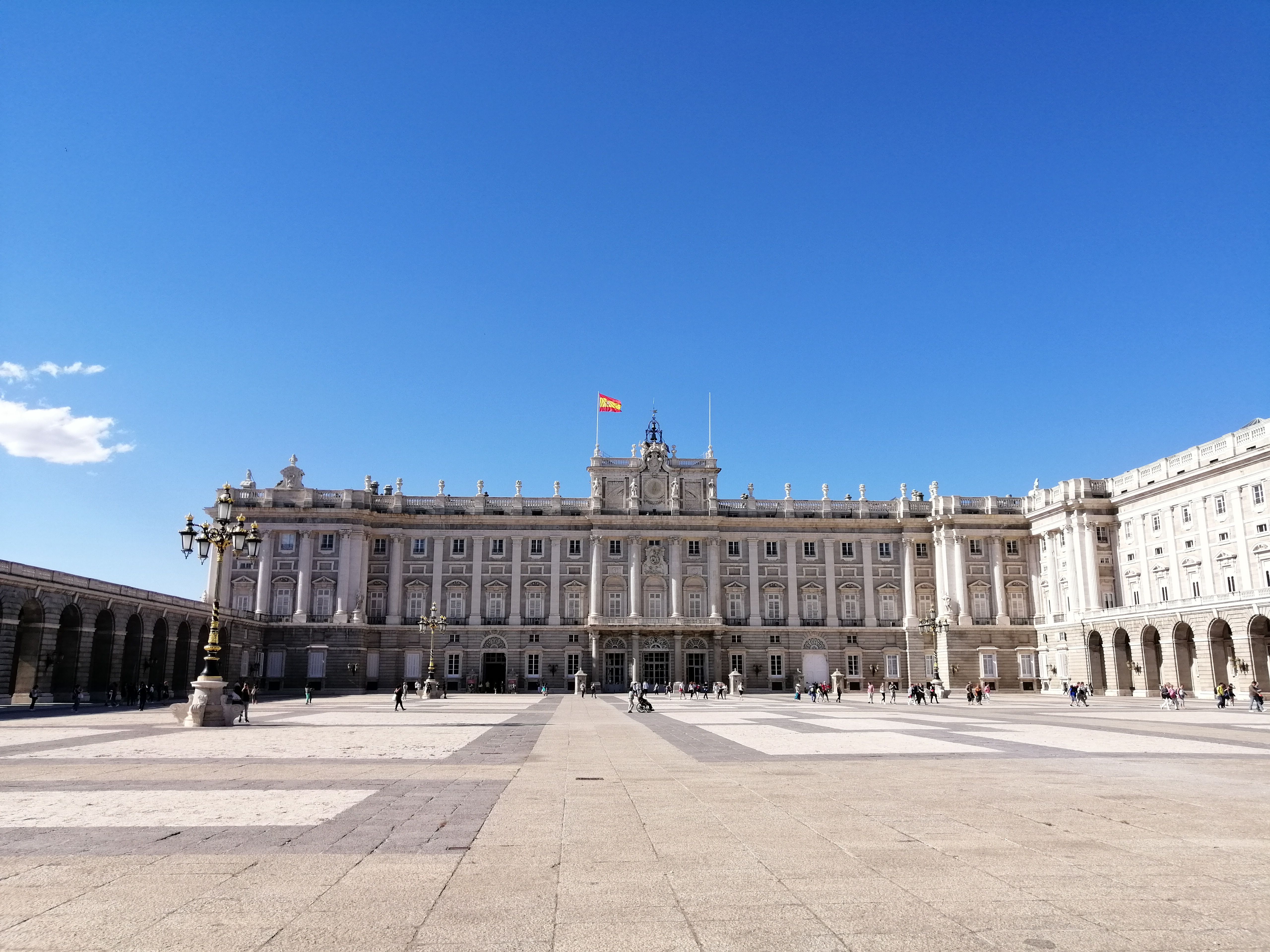
Palacio Real (Royal Palace)
Europe’s largest royal palace by floor area delivers unapologetic grandeur: frescoed ceilings, Stradivarius violins, Goya portraits, and 3,000 rooms of accumulated monarchy. The palace overlooks the Sabatini Gardens and the dramatic backdrop of the Sierra de Guadarrama on clear days.
- Hours: Daily 10 AM to 6 PM (to 8 PM in summer). Closed on certain state occasions.
- Entry: Around €14 for general admission; reduced rate for EU citizens over 65
- Pro-tip: Buy tickets online to skip the entrance queue. Arrive before 10 AM or after 3 PM to avoid the organized tour groups that flood the rooms between 11 AM and 2 PM.
The “Paseo del Arte” Art Walk Pass
The Paseo del Arte card combines admissions to the Prado, the Reina Sofía, and the Thyssen-Bornemisza. It costs €32.80, offers a 20% discount on standard admission rates, and is valid for one year from the date of purchase, giving you the flexibility to spread visits across multiple days. For dedicated art lovers, this is the most economical approach to the three big museums.

Parque del Retiro
The 350-acre lungs of central Madrid need no museum fees. The park earns its place on any itinerary for the Palacio de Cristal (a Victorian iron-and-glass greenhouse hosting rotating art installations), the rowboat lake, rose gardens, weekend live performances, and the bookstalls that line the paths. Go on a Sunday morning when Madrileños treat it like a living room.

Plaza Mayor
Built in the early seventeenth century and completed in 1619, this vast arcaded square has served as a marketplace, a bullfighting arena, and the stage for Inquisition-era public trials. Now it is lined with café terraces that are genuinely atmospheric in the early morning before the tourist crowds arrive. At weekends, a stamp and coin market runs in the square’s center.
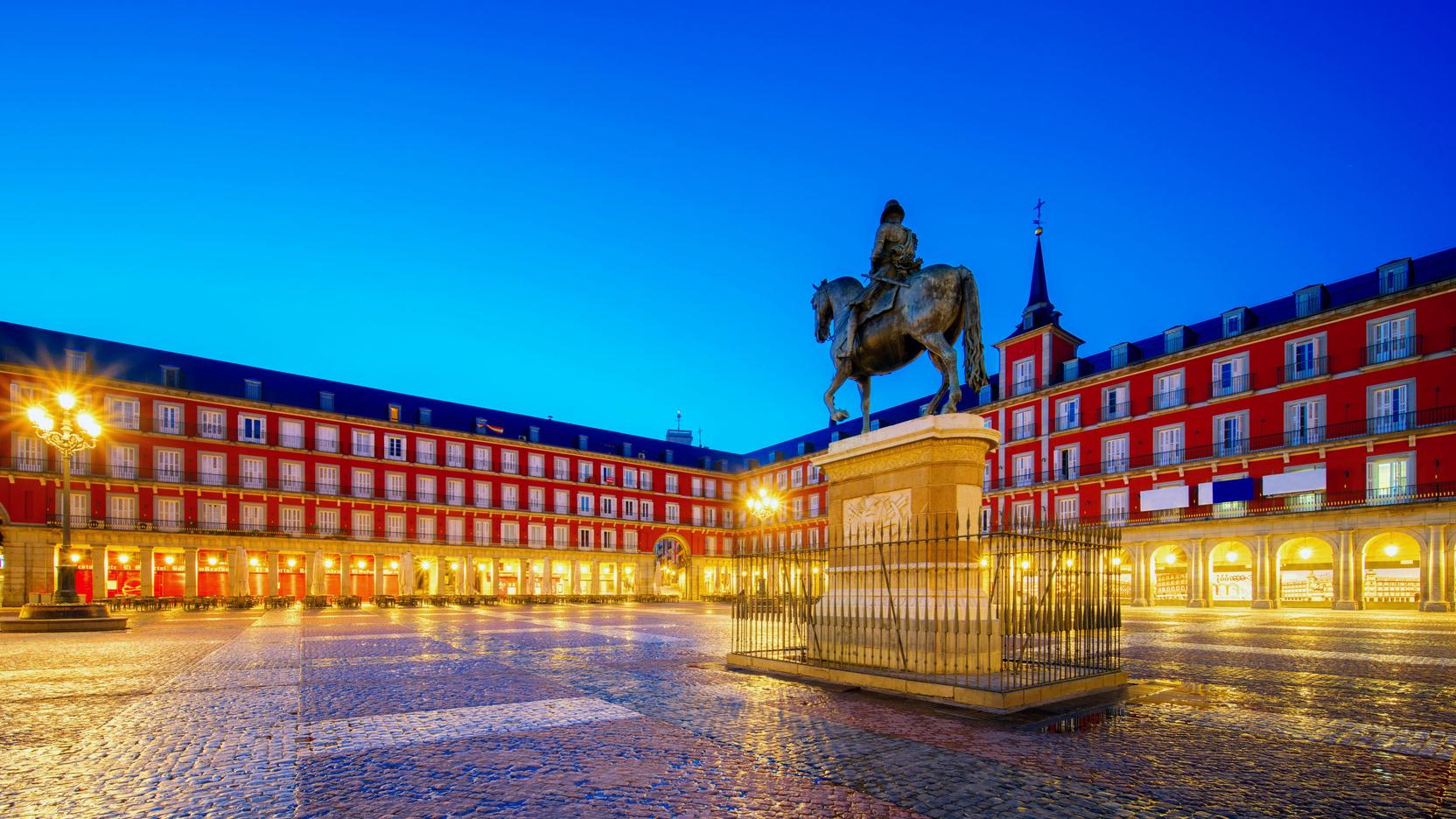
- Hours: Always open; free to access
- Pro-tip: The cafés facing the square charge a premium. A two-minute walk down Calle Cuchilleros toward La Latina, prices drop significantly, and the food quality rises.
Thyssen-Bornemisza National Museum
Where the Prado focuses on Spanish and Old Masters and the Reina Sofía anchors contemporary Spanish art, the Thyssen bridges the gaps with a remarkable private collection spanning from medieval altarpieces to Basquiat. Hopper, Lichtenstein, Monet, and Caravaggio all have rooms here.

- Hours: Tuesday to Sunday, 10 AM to 7 PM (Saturdays until 9 PM). Closed Mondays.
- Entry: Around €13 for permanent collection; more for temporary exhibitions
Hidden Gems
El Rastro and the Streets Around It
Madrid’s famous Sunday flea market sprawls across the La Latina and Lavapiés neighborhoods every Sunday morning. Still, the real find is not the market itself (which has become increasingly touristy) but the streets that intersect it. Calle del Carnero and Calle de los Estudios are lined with actual antique dealers and bric-a-brac sellers, where patient browsing can turn up genuinely interesting finds. The market runs from roughly 9 AM to 3 PM; arrive before 11 AM for the best selection and manageable crowds.

La Latina on a Weekday Morning
Everyone knows La Latina on a Sunday for the post-Rastro tapas crawl. Far fewer experience it on a Tuesday morning, when the medieval street grid is quiet, the neighborhood cats are out, and the Basílica de San Francisco el Grande reveals its extraordinary dome (one of the largest in the world) to almost no one. The church opens at 10:30 AM. Entry is around €5.
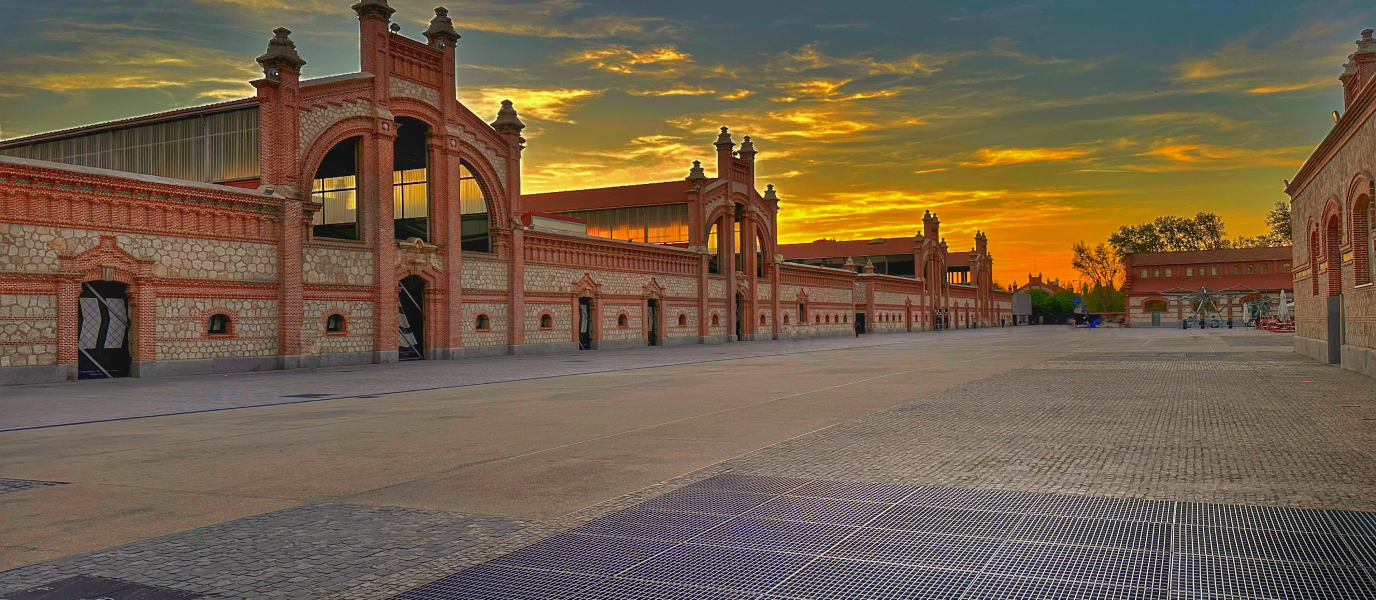
Matadero Madrid
Madrid’s former municipal slaughterhouse, a sprawling early twentieth-century industrial complex in the Arganzuela neighborhood, has been transformed into one of Europe’s most interesting multidisciplinary cultural centers. Each week, it hosts architecture exhibitions, film screenings, experimental theater, and design fairs. Entry to most programs is free or under €10. It operates in a register well below the main tourist circuit, which makes it feel like the city’s actual creative heartbeat rather than a curated version of it.
Tabacalera
A former tobacco factory in Lavapiés that functions as a DIY arts space run collectively by local artists and community groups. The building hosts murals, experimental exhibitions, workshops, and events that are not featured in most guidebooks. It embodies Lavapiés itself: proudly international, politically vocal, and creatively restless. There is no standard schedule; check the community boards outside or follow their social media for current programming.

Teleférico de Madrid
The city’s overlooked cable car connects the western edge of the Parque del Oeste to the Casa de Campo. The crossing takes about eleven minutes and offers a perspective on Madrid that no bus tour can replicate: the city spread out to the east, the Sierra rising to the west, and the improbable green expanse of a 1,700-hectare urban park below. Round-trip tickets are around €6.50, and the cable car often has no queue at all.

Cuisine and Dining
Madrid’s food culture is built around two rhythms: the long communal meal and the short, sharp tapa. Neither is negotiable.
Must-Try Dishes
- Cocido madrileño: A rich chickpea and meat stew served in three courses (first the broth, then the vegetables, then the meats). It is pure cold-weather fuel and one of the city’s defining dishes.
- Bocadillo de calamares: A bread roll stuffed with fried squid rings. This sounds unremarkable and tastes extraordinary. The best versions come from the bars around Plaza Mayor.
- Tortilla española: The Spanish omelet is a staple everywhere, but Madrid does it particularly well: barely set in the center, sweet with slow-cooked onion.
- Churros con chocolate: The thick, almost paste-like hot chocolate served with fried-dough churros at the historic Chocolatería San Ginés (open 24 hours, near Puerta del Sol) is the canonical version. It is outstanding at 3 AM.
- Jamón ibérico: At any bar worth visiting, you will see legs of cured ham suspended from the ceiling. The highest grade, jamón ibérico de bellota, comes from acorn-fed pigs and is one of Spain’s greatest food achievements.

Mercado de San Miguel
A renovated iron-and-glass market near Plaza Mayor that has evolved into a gourmet food hall. It is touristy, and prices reflect this, but the quality of the produce and prepared foods is consistently high. Use it for pintxos grazing rather than a sit-down meal.
Mercado de Antón Martín
The local alternative to San Miguel: a working neighborhood market in Lavapiés where you can buy excellent jamón, cheese, and fresh produce at actual Madrid prices. A handful of stalls operate small bars. Less photogenic than San Miguel, considerably more authentic.
Budget Dining
- Bar Santurce (La Latina): A no-frills bar that does outstanding grilled sardines and anchovies at the counter. Expect to spend around €10-€15 per person, including wine.
- Museo del Jamón (multiple locations): The name is literal. Chain bars that do exactly what they promise: jamón sandwiches, cold beer, and an atmosphere that is resolutely, cheerfully Spanish.
- El Tigre (Chueca): Order any drink and receive an enormous plate of tapas included in the price. The food quality is hit or miss, but the value and the place’s chaotic energy are hard to argue with.
Mid-Range Dining
- Casa Lucio (La Latina): A Madrid institution since 1974, famous for its huevos rotos (fried eggs broken over crisp potatoes) and traditional roasts. The dining room is warm and well-worn, and the clientele includes visiting heads of state and local regulars in equal measure. Budget around €35-€50 per person.
- Sala de Despiece (Chamberí): A butcher-shop-turned-bar concept where everything is displayed and priced by weight. Diners perch at a counter watching chefs craft dishes from high-quality cuts of meat and seafood, with bold flavors and playful presentations. Expect around €30-€40 per person.
- La Musa (Malasaña): A neighborhood stalwart with creative tapas and an excellent wine list. The croquetas are among the best in the city.
Fine Dining
- DiverXO (Chamartín): Helmed by the visionary chef Dabiz Muñoz, this three-Michelin-star restaurant delivers avant-garde dishes that fuse global influences and feature theatrical multi-course tasting menus. Reservations open months in advance and disappear within minutes. Tasting menus start around €365.
- DSTAgE (Chueca): Diego Guerrero’s two-Michelin-star restaurant features a minimalist, industrial interior that sets the stage for daring fusion cuisine that brings together Spain, Mexico, and Japan. Tasting menus are around €150-€175.
- Quique Dacosta at Mandarin Oriental Ritz (Jerónimos): The most beautiful fine-dining room in the city occupies the hotel’s gilded salon, with extended menus that tell a sea-and-land story through Dacosta’s signature sculptural plating. Menus around €240 per person.
Accommodation
Budget: Hostels and Guesthouses
Stay in: Malasaña, Lavapiés, or Chueca for budget options with authentic neighborhood character.
- Room007 Select Sol: A well-run hostel, a five-minute walk from Puerta del Sol with private rooms and dormitories, consistently strong reviews for cleanliness and staff.
- Way Hostel Madrid: A lively social hostel in the Lavapiés area, popular with long-term backpackers and digital nomads. Beds from around €20 to €30 per night.
- Hostal Gala: A family-run guesthouse in the Malasaña area offering simple private rooms with a genuinely welcoming atmosphere. Rates from around €50 for a double.
Mid-Range: Boutique Hotels
Stay in: Chueca or Barrio de las Letras for character and walkability.
- Hotel Óscar (Chueca): A design hotel with a rooftop pool and strong LGBT-friendly credentials. The Gran Via and the main museums are all within walking distance. Doubles from around €120.
- Hotel Urso (Alonso Martínez): A converted early twentieth-century building with 78 rooms, a spa, and a leafy patio that feels completely removed from the street noise outside. Doubles from around €150.
- Petit Palace Posada del Peine (Centro): Occupying one of Madrid’s oldest hotels near Plaza Mayor, blending historic character with modern rooms. Doubles from around €110.

Luxury
Stay in: The Salamanca district for quieter luxury, or the Paseo del Arte area to wake up next to the big three museums.
- Mandarin Oriental Ritz Madrid: The grande dame of Madrid hotels, restored to its 1910 glory with Belle Époque detailing and a garden terrace that becomes one of the most coveted outdoor dining spaces in the city come spring. Rooms from €600.
- Hotel Único Madrid (Salamanca): A 44-room hotel in an early twentieth-century mansion with one of the best hotel restaurants in the city (Ramón Freixa, two Michelin stars). Rooms from around €350.
- Four Seasons Hotel Madrid (Centro): Occupying a beautifully restored 1920s building on Calle de Sevilla, with a rooftop pool and spa. Rooms from around €500.
Transportation
Getting There
Madrid-Barajas Adolfo Suárez Airport (MAD) is one of Europe’s busiest and best-connected hubs. Terminals T1, T2, and T3 are linked by shuttle bus; T4 is a separate terminal linked by metro Line 8.
Airport to City Center:
- Metro Line 8 (pink line) runs from T1, T2, T3, and T4 directly to Nuevos Ministerios, then onward to the center. The journey takes around 25 to 30 minutes. The Tourist Transport Card covers airport metro rides at no extra charge, making it an excellent value if you arrive on your first card day.
- Express Airport Bus (Exprés Aeropuerto) runs 24 hours between the airport terminals and Atocha train station, with stops at O’Donnell and Cibeles. It costs around €5 and takes 40 minutes depending on traffic.
- Taxi: A fixed tariff of €33 covers any journey between the airport and any point within Madrid’s M-30 ring road, regardless of traffic.
Madrid is also served by the high-speed AVE rail network at Atocha (south of the city) and Chamartín (north) stations, with excellent connections to Barcelona, Seville, Valencia, and Toledo.
Getting Around
Madrid’s Tourist Transport Card (Tarjeta Turística de Transporte Público) offers unlimited travel across the metro, bus, light rail, and commuter train network, with prices starting at €10 for a one-day Zone A pass. The card activates on first use and remains valid until 5 AM on the final day.
- Metro: Fast, clean, and extensive, with 12 lines connecting virtually every neighborhood of interest. The network runs from 6 AM to 1:30 AM daily.
- City Buses (EMT): Slower than the metro but good for surface-level exploration and night routes (búhos) that run after the metro closes.
- BiciMAD: Madrid’s electric bike-share scheme with stations across the city center. A single journey costs around €0.50 plus a small time-based charge. App registration is required.
- Walking: The city center is compact and one of Europe’s most walkable capitals. The Prado, Royal Palace, Plaza Mayor, Sol, and Retiro Park can all be connected on foot without significant effort.
Events and Festivals
Fiestas de San Isidro (Mid-May)
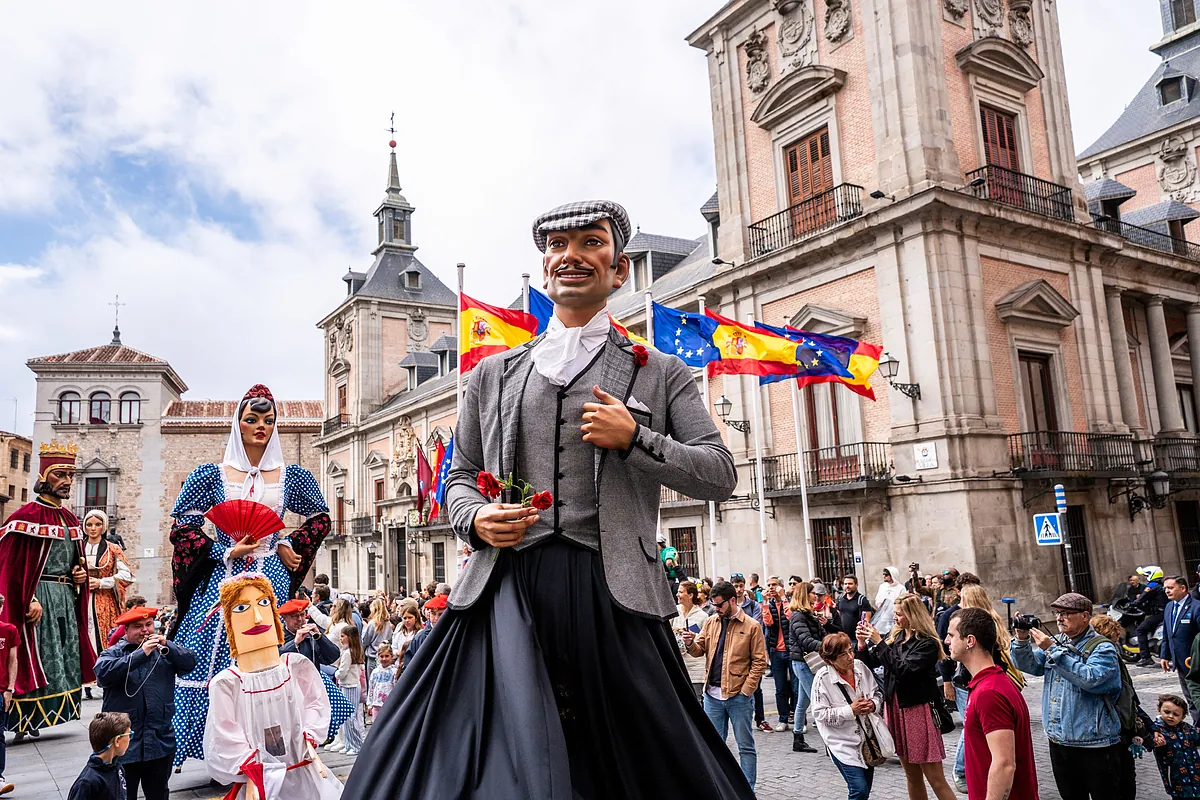
Every year on and around May 15th, Madrid honors its patron saint with a packed program of concerts, shows, and activities for all ages. The Pradera de San Isidro park becomes the focal point, where locals dress in traditional chulapo costume (chequered waistcoats and spotted dresses) and dance the chotis. The month of bullfighting at the Las Ventas bullring that accompanies the festival is the most prestigious event in the bullfighting calendar. Even if the corrida is not your thing, the public concerts, giant-puppet parades, and picnic culture around the festival are unmissable.
Veranos de la Villa (July to August)
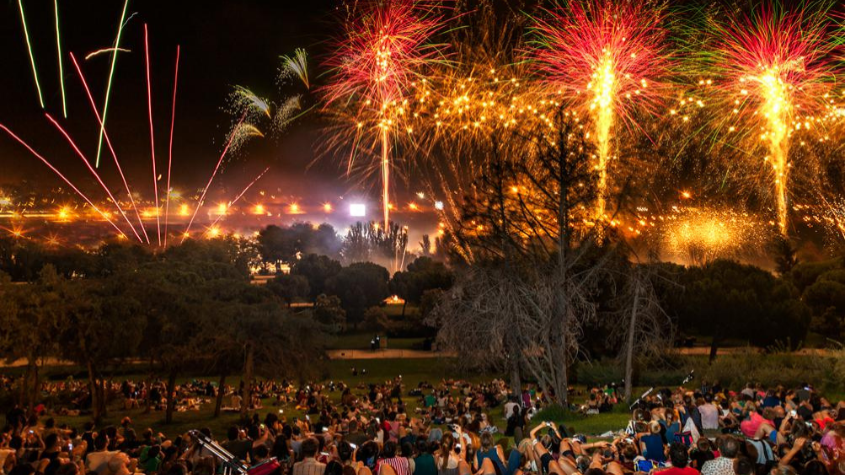
From early July to late August, Madrid transforms into an open-air stage for this annual summer festival, now in its 42nd edition for 2026, bringing together over 100 performances across music, dance, theatre, and film at venues across the city. Many events are free. The open-air cinema series, flamenco performances, and concerts in historic courtyards and parks are particularly worth seeking out. Book tickets as soon as the program publishes each June.
Shopping
Best Streets and Areas
- Calle de Fuencarral (Malasaña): The city’s indie fashion spine, lined with local designers, streetwear boutiques, and the eclectic El Corte Inglés anchor at its southern end. Start at the Gran Via end and walk north.
- Barrio de Salamanca: Madrid’s equivalent of Paris’s 7th arrondissement. Calle de Serrano and Calle de José Ortega y Gasset house international luxury brands alongside serious Spanish fashion labels like Loewe (founded in Madrid in 1846).
- Calle Almirante (between Chueca and Recoletos): A short street with a disproportionate concentration of independent boutiques, concept stores, and the beloved design shop La Mano.
- El Rastro (Sundays, La Latina): See Hidden Gems above. Beyond vintage clothes and antiques, the surrounding permanent shops on Ribera de Curtidores deal in second-hand furniture, vinyl records, and wholesale ceramics.

Local Souvenirs Worth Buying
- Esparto grass crafts: Traditional woven baskets and esparto sandals from the artisan shops in La Latina
- Loewe leather goods: The real thing, made in Spain, from the original Madrid house
- Turrones and mazapanes: Nougat and marzipan from the specialist confectioners around Puerta del Sol, particularly Casa Mira on Carrera de San Jerónimo
- Spanish wine and olive oil: The gourmet sections of the Mercado de San Miguel or El Corte Inglés Gourmet Experience (top floor of the Callao branch) stock excellent selections with staff who actually know the products
- Ceramic tiles: Traditional painted Talavera-style tiles make genuinely useful souvenirs; the shops in and around El Rastro carry the best selections.
Practical Information
Visa
EU and Schengen area citizens require only a national ID card. Citizens of the USA, UK, Canada, Australia, Japan, and many other countries may enter Spain visa-free for up to 90 days within any 180 days. All other nationalities should check Spain’s official consulate website well in advance of travel.
Currency
Spain uses the Euro (EUR). ATMs are widely available; those affiliated with major Spanish banks (BBVA, CaixaBank, Santander) generally offer the best exchange rates. Many bars and small shops still prefer cash; larger restaurants and all hotels accept cards.
Language
Spanish (Castilian) is the only official language in Madrid. Unlike Barcelona, there is no secondary regional language to navigate. English is spoken reasonably well in hotels, major museums, and tourist-facing businesses; less reliably in neighborhood bars and local markets. A few Spanish pleasantries go a long way: Por favor (please), Gracias (thank you), La cuenta, por favor (the bill, please).
Safety
Madrid is a safe city by any European standard. The main risks for travelers are standard urban precautions: pickpocketing on the metro (particularly Line 8 to the airport), bag snatching in crowded tourist areas around Sol and Plaza Mayor, and the occasional shell-game con near popular squares. Keep bags in front of you on the metro; do not flash expensive equipment in crowded areas; the city presents minimal risk.
Budget Reference Points
- Espresso (café solo): €1.20 to €1.80
- Beer at a local bar: €2 to €3
- Menu del día (set lunch, three courses with wine): €12 to €18
- Metro single ticket: around €1.50 to €2 depending on distance
- Museum entry: €12 to €15 for major institutions
Etiquette
Meal times are non-negotiable. Lunch runs from 2 PM to 4 PM and is the main meal of the day. Dinner does not begin in earnest until 9 PM; arriving at a restaurant before 9 PM will find it mostly empty and the kitchen only warming up. Attempting to eat lunch before 1:30 PM marks you immediately as a tourist; the same kitchen will tell you the food is not ready.
Greetings matter. When entering a shop, bar, or restaurant, say buenas (short for buenos días or buenas tardes). When leaving, say hasta luego. These small gestures signal that you respect local social norms and are reciprocated with warmth almost universally.
Tipping culture is relaxed. Tipping is appreciated but not expected or obligatory, unlike in North America. In restaurants, rounding up the bill or leaving a few euros on the table is perfectly appropriate. In bars and cafés, it is common to leave small change from the round. Ostentatious tipping can occasionally seem condescending.

Volume is not rudeness. Madrileños are naturally loud and expressive in public spaces. A table of friends in full conversational flow sounds, to many foreign ears, sounds like an argument. It is almost certainly not. Do not be alarmed.
Siesta is real but selective. Smaller shops and family businesses in residential neighborhoods may close between roughly 2 PM and 5 PM. Larger stores, museums, and tourist-facing businesses operate continuously. Plan accordingly.
Packing List
Spring and Autumn (March to May / September to November)
- Light layers: the mornings can be genuinely cold, and the afternoons warm
- A compact rain jacket: spring showers appear without warning
- Comfortable walking shoes: Madrid’s stone pavements are unforgiving on soft soles
- Smart-casual clothes for evening restaurants: Madrid dresses up after dark
- Sunglasses: the light can be intense even in mild weather
Summer (June to August)
- Breathable natural fabrics: linen and cotton only; synthetic fabrics are miserable in 38°C heat
- High-factor sunscreen: the high-altitude sunlight at Madrid’s elevation (667m above sea level) is stronger than that in coastal cities
- A compact folding fan: the Madrileño solution to oppressive heat, sold for €2 to €5 everywhere
- A light cardigan: air conditioning in museums and restaurants is often set to arctic levels
Winter (December to February)
- A proper winter coat: temperatures regularly drop below 5°C at night
- Layers: the temperature swing between heated interiors and cold streets is significant
- Waterproof shoes: December and January bring the most consistent rainfall of the year
Itineraries
2-Day Itinerary: The Essential Madrid
Day 1: The Art Triangle and Old City
- 9:00 AM: Arrive at the Prado Museum before opening time and join the ticket line (or, better, have your ticket online). Spend two hours with the Spanish masters: Velázquez, Goya, and El Greco. The Black Paintings room and the Las Meninas hall are not optional.
- 11:30 AM: Walk five minutes south along the Paseo del Arte to the Thyssen-Bornemisza. Give it 90 minutes and focus on the Impressionism and twentieth-century American rooms if time is tight.
- 1:30 PM: Lunch at a restaurant on Calle Moratín or the nearby Barrio de las Letras. The menu del día at almost any non-tourist-facing restaurant in this area is around €13-€15 for three courses with wine.
- 3:30 PM: Walk to the Reina Sofía (five minutes south). Head straight for Guernica and work backward through the collection. The surrealism rooms with Dalí and the documentary photography of the Civil War era are the highlights of the permanent collection.
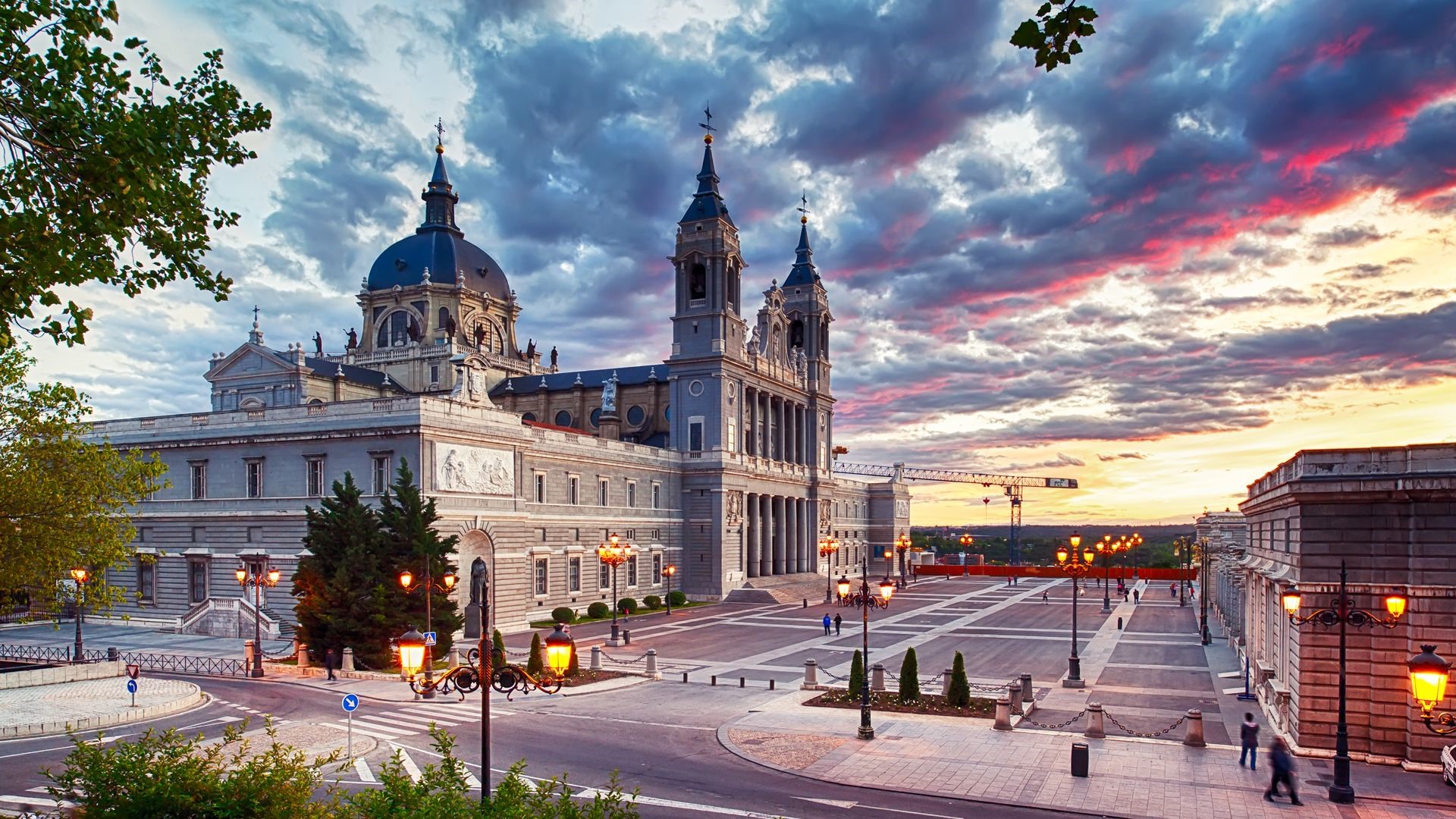
- 5:30 PM: Take the metro (Line 1 from Atocha, change at Sol for Line 2) to Opera and walk to the Palacio Real. The gardens and exterior are free; arrive in time for a circuit of the Sabatini Gardens before they close.
- 7:30 PM: Walk fifteen minutes through the old city to Plaza Mayor for a beer at the square’s edge as the evening light fades. Then descend into La Latina for dinner on Calle de la Cava Baja, the street that is the living argument for Madrid’s reputation as a food city.
- 10:00 PM: Stay in La Latina for the evening bar crawl. El Viajero rooftop bar has some of the best views in the city if the terrace is open.
Day 2: Neighborhoods and Local Life

- 9:30 AM: Breakfast at a traditional café in Malasaña. Order a tostada con tomate (toast with grated tomato and olive oil) and a café con leche. This is how most Madrileños start the day.
- 10:30 AM: Walk the Malasaña neighborhood streets. The Dos de Mayo square is the geographic and cultural heart of the barrio. Browse Calle de Fuencarral heading south.
- 12:00 PM: Continue into Chueca, Madrid’s proudly LGBTQ+ neighborhood, and walk the elegant streets around Plaza de Chueca.
- 1:30 PM: Lunch in Chueca or at one of the market-food options in the Mercado de San Antón on Calle de Augusto Figueroa.
- 3:30 PM: Take the metro east to Retiro Park. Rent a rowboat on the lake (around €6 for 45 minutes), visit the Palacio de Cristal for the current installation, and walk the rose garden.
- 6:00 PM: Head to the Gran Via for a walk along Madrid’s grand early-twentieth-century boulevard. The buildings are extraordinary; the street-level retail is largely unremarkable, but the neon signs that light up at dusk are worth seeing.
- 8:30 PM: Tapas en Huertas (Barrio de las Letras). Casa Alberto on Calle de las Huertas has been operating since 1827 and serves superb vermú and patatas bravas.
- 10:00 PM: Chocolatería San Ginés for churros con chocolate. It is open all night.
4-Day Itinerary: Madrid at Your Own Pace
Days 1 and 2: Follow the two-day itinerary above.
Day 3: Day Trip to Toledo (90 Minutes Each Way)
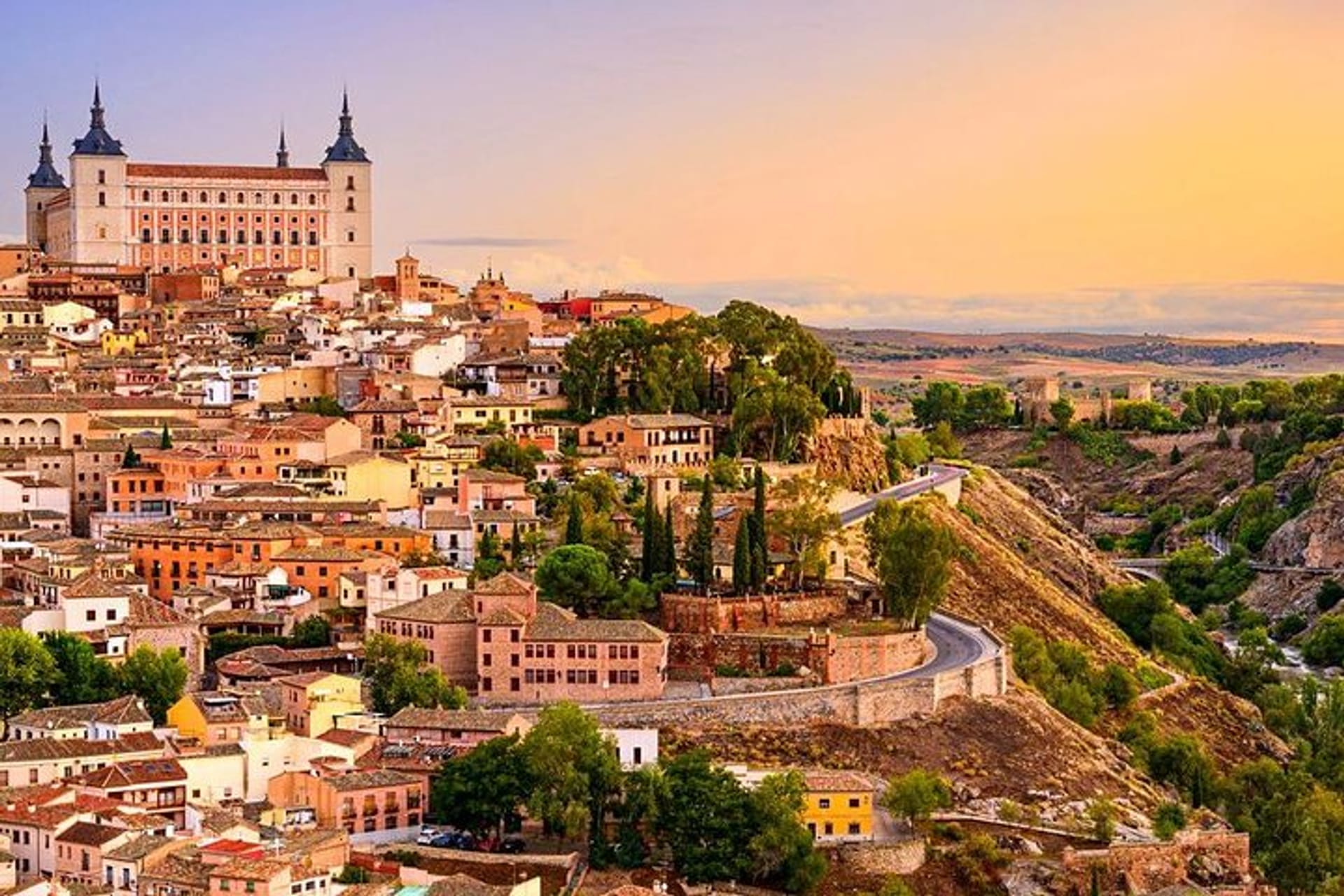
Toledo is the single best day trip from Madrid: a medieval city of extraordinary religious architecture perched on a granite outcrop above the Tagus River, declared a UNESCO World Heritage Site in 1986. The Cathedral of Toledo (thirteenth century, with works by El Greco and Caravaggio), the Alcázar, and the Monastery of San Juan de los Reyes can all be combined in a single day.
- High-speed trains (AVANT) from Atocha take 33 minutes; regional trains take about 70 minutes. Budget travelers prefer the bus from Estación Sur (about 90 minutes each way, considerably cheaper).
- Arrive by 9:30 AM, explore on foot (the old city is compact), and return to Madrid for dinner.
- Avoid Toledo on Sundays when the main cathedral is restricted, and the city is overwhelmed with day-trippers from Madrid.
Day 4: Royal Madrid and the West

- 10:00 AM: The Royal Palace in full, with time given to the Royal Armory and the Royal Collections Gallery.
- 12:30 PM: Walk through the Sabatini Gardens and down to the Temple of Debod: an actual ancient Egyptian temple, gifted to Spain in 1968 and relocated stone by stone from Aswan. Free entry. The views west over the Casa de Campo and the Sierra de Guadarrama at sunset are spectacular, but the afternoon light is already good.
- 2:00 PM: Lunch in the Argüelles neighborhood, directly north of the Parque del Oeste. This is a proper residential neighborhood in Madrid with none of the tourist premium.
- 4:00 PM: Take the Teleférico cable car from the Parque del Oeste to the Casa de Campo and back. Rent a bike in the park or simply walk by the lake.
- 7:00 PM: Return to the city and head to the Salamanca neighborhood for early evening window shopping on Calle de Serrano.
- 9:30 PM: Dinner in Salamanca at one of the neighborhood’s excellent traditional restaurants. Sacha on Calle Juan Hurtado de Mendoza serves old-school Madrid bistro food with impeccable sourcing.
7-Day Itinerary: Living Like a Madrileño
Days 1 through 4: Follow the four-day itinerary above.
Day 5: Matadero, Lavapiés, and Contemporary Madrid

- 10:00 AM: Start the morning in Lavapiés, Madrid’s most international and culturally layered neighborhood. Walk the streets around Calle Argumosa and Plaza de Lavapiés and have coffee at one of the neighborhood’s independent cafés.
- 11:30 AM: Visit Tabacalera to see whatever exhibition or installation is currently running.
- 1:00 PM: Cross the Manzanares River to Matadero Madrid. Check their current programming online before arriving. Have lunch at the Matadero café or at one of the restaurants in the nearby Arganzuela neighborhood.
- 4:00 PM: Walk or bike along the Madrid Río riverside park, one of the great urban regeneration projects of the last twenty years, stretching seven kilometers along the Manzanares.
- 7:30 PM: Early evening at Mercado de San Fernando in Lavapiés, a genuinely local covered market with bars and small restaurants.
- 10:00 PM: Dinner in Lavapiés. La Musa de Espronceda or any of the neighborhood’s international restaurants deliver excellent value.
Day 6: Flamenco, Nightlife, and the Malasaña Scene

- Morning: Take a slow morning. Madrid’s nightlife runs genuinely late, and by Day 6, your body clock has hopefully adjusted. Coffee, pastry, and a newspaper (or podcast) at a terrace café.
- 12:00 PM: Visit the Museo de Historia de Madrid on Calle de Fuencarral, a free museum housed in a spectacular Baroque building with the famous scale model of eighteenth-century Madrid.
- 2:00 PM: A proper cocido madrileño lunch. Taberna La Bola near the Royal Opera House has been serving one of the city’s best versions since 1870. Book ahead; it is extremely popular.
- 5:00 PM: Spend the afternoon browsing the bookshops and record stores on Calle de los Libreros in the university district (Moncloa), then walk back through the Ciudad Universitaria campus.
- 9:00 PM: A flamenco show. Madrid’s flamenco tradition is not as instinctive as Seville or Jerez, but the city has several serious tablaos. Las Tablas (Plaza de España) is consistently recommended for quality without excessive tourist packaging. Shows run approximately 90 minutes and cost around €30 to €35.
- 11:30 PM: After the show, the night is young. Malasaña for cocktails on Calle del Pez or Calle de Velarde. Clubs in this neighborhood do not fill until 2 AM.
Day 7: Retiro, Gran Via, and Final Meals

- 9:00 AM: Retiro Park at its best: a Sunday morning or any quiet morning when the light is low, and the joggers and dog-walkers have the park to themselves. Read by the lake. Visit the botanical garden (Real Jardín Botánico) adjacent to the Prado.
- 12:00 PM: Walk north along the Paseo del Prado and then up the Gran Via, taking in the architecture you may have rushed past earlier in the trip. The Edificio Metrópolis at the corner of Gran Via and Calle de Alcalá is the emblematic image of Madrid’s early-twentieth-century ambition.
- 2:00 PM: A final long lunch in the city. Choose somewhere in Barrio de las Letras or Chueca that you identified earlier in the trip and wanted to try properly. Order the house wine. Do not rush.
- 5:00 PM onwards: Light browsing, any final souvenir shopping on Calle de Fuencarral, and a last evening tapas circuit in whichever neighborhood you have come to feel most at home in.
All prices referenced in this guide are accurate as of early 2026 and subject to change. Entry fees in particular should be verified on official museum and attraction websites before visiting. Transport pass prices are current as of the 2025-2026 season.