

 Start Driving in Tokyo
Tokyo, the capital of Japan, is a sprawling metropolis that seamlessly blends ancient traditions with cutting-edge technology, offering a captivating blend of historical landmarks, diverse neighborhoods, and a thriving pop culture scene. Situated on the shores of Tokyo Bay, Tokyo offers a unique blend of urban amenities and natural beauty. The Imperial Palace, the residence of the Emperor of Japan, features stunning gardens and traditional architecture. The Senso-ji Temple, a historic Buddhist temple, showcases traditional Japanese architecture and spiritual significance. The Tokyo National Museum, a world-class institution, showcases a vast collection of Japanese art and artifacts. Tokyo’s culinary scene is a gastronomic adventure, featuring a diverse array of restaurants, sushi bars, and ramen shops serving traditional Japanese dishes alongside international fare. The city’s neighborhoods, such as Shibuya, Shinjuku, and Harajuku, offer a rich tapestry of cultural experiences, each with its own distinct character and charm. The nearby Mount Takao offers opportunities for hiking, scenic views, and outdoor recreation. Tokyo’s efficient transportation network, comprising the subway, trains, and buses, ensures convenient travel within the city and to surrounding areas. Travelers should be prepared for potential crowds, especially during peak hours. The currency is the Japanese Yen (JPY), and Japanese is the primary language. The most favorable times to visit are during the spring and autumn months, when the weather is relatively mild and pleasant.
Tokyo: Where Tradition Meets Tomorrow
Tokyo, Japan’s bustling capital and the world’s most populous metropolis, is a dazzling blend of ultramodern innovation and timeless tradition. Situated at the head of Tokyo Bay on central Honshu, the city is a dynamic hub of politics, finance, and culture, where soaring skyscrapers and neon-lit streets coexist with serene temples and historic neighborhoods. From the iconic Tokyo Tower and vibrant districts like Shibuya and Shinjuku to tranquil gardens and renowned culinary delights, Tokyo offers an unforgettable experience that captures the energy and spirit of modern Japan.
Brief History and Background
Tokyo, originally known as Edo, began as a small fishing village in the late 12th century. It gained prominence in 1603 when Tokugawa Ieyasu established the Tokugawa shogunate there, turning Edo into Japan’s political center. After the Meiji Restoration in 1868, Edo was renamed Tokyo and became the official capital. The city endured major disasters,the Great Kanto Earthquake of 1923 and World War II bombings,but repeatedly rebuilt itself into one of the world’s most dynamic metropolises.
What Makes the City Unique or Special
Tokyo is a city where ancient traditions blend seamlessly with cutting-edge technology and pop culture. It is home to historic shrines and temples, world-class museums, futuristic skyscrapers, and vibrant neighborhoods. Tokyo is also a global leader in fashion, technology, and entertainment, including anime and manga.
Local Culture and Vibe
Tokyo’s culture is a mix of innovation and tradition. Traditional arts like Kabuki theater, Noh, and Rakugo are cherished alongside modern trends in fashion, music, and digital culture. The city is famous for its cleanliness, efficiency, and the politeness of its residents. Each district has its own unique character, from the historic Asakusa to the neon-lit Shibuya.
Best Months to Visit
- Spring (March–May): Cherry blossom season (late March–early April) is magical.
- Autumn (September–November): Mild weather and beautiful fall foliage.
- Avoid: Summer (June–August) is hot and humid; winter (December–February) is cool but can be pleasant for sightseeing.
Top Attractions
1. Senso-ji Temple, Asakusa

Description:
- Tokyo’s oldest and most famous Buddhist temple.
Opening Hours:
- Main temple 6:00–17:00 (varies by season).
Entry Fee:
- Free (small fee for inner temple).
Best Time to Visit:
- Early morning for fewer crowds.
Tips:
- Try traditional snacks at Nakamise shopping street.
2. Tokyo Skytree
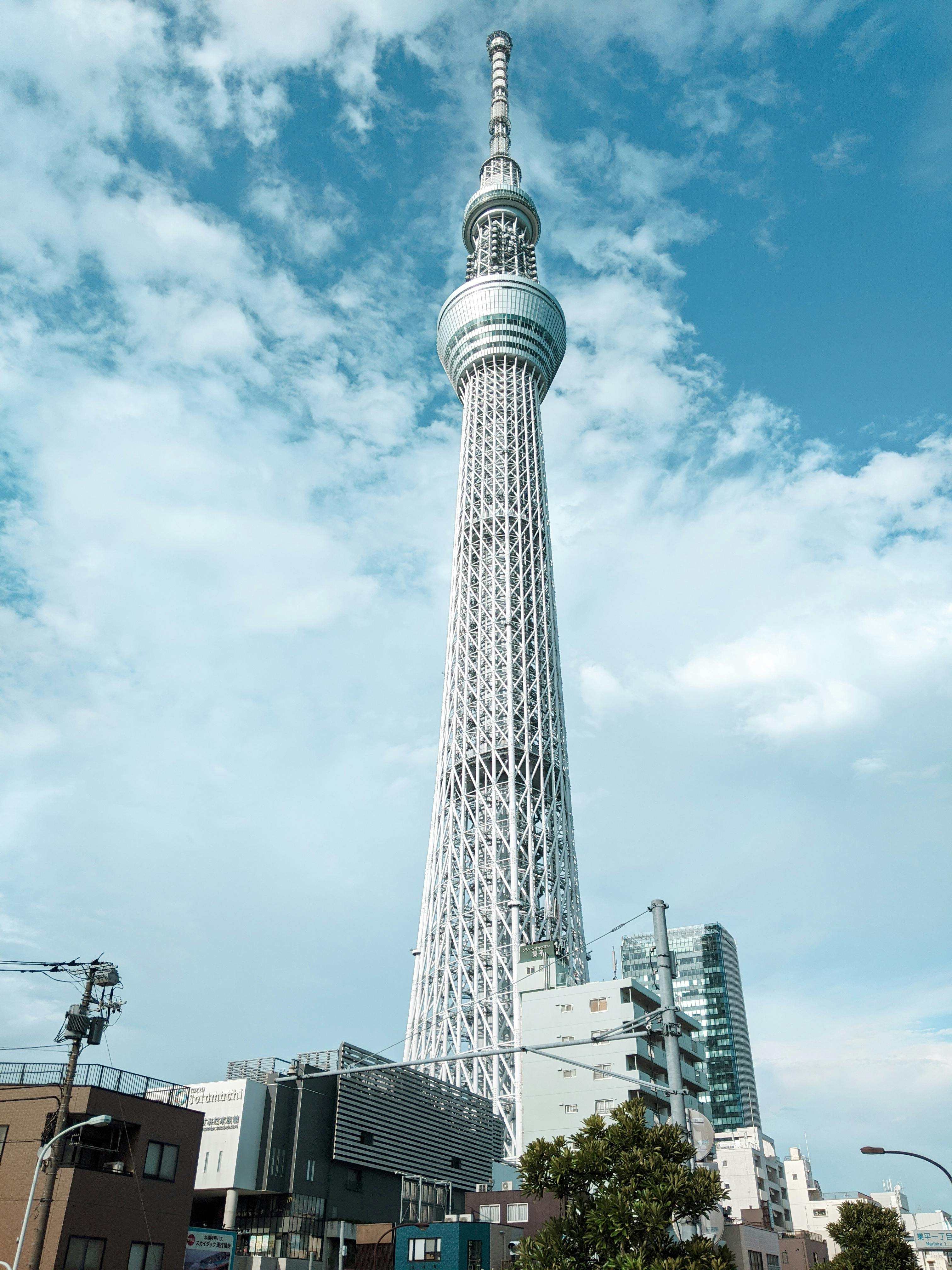
Description:
- World’s tallest tower with observation decks.
Opening Hours:
- 8:00–22:00.
Entry Fee:
- From ¥2,100 for observation decks.
Best Time to Visit:
- Sunset for city views.
Tips:
- Book tickets online to skip lines.
3. Meiji Shrine
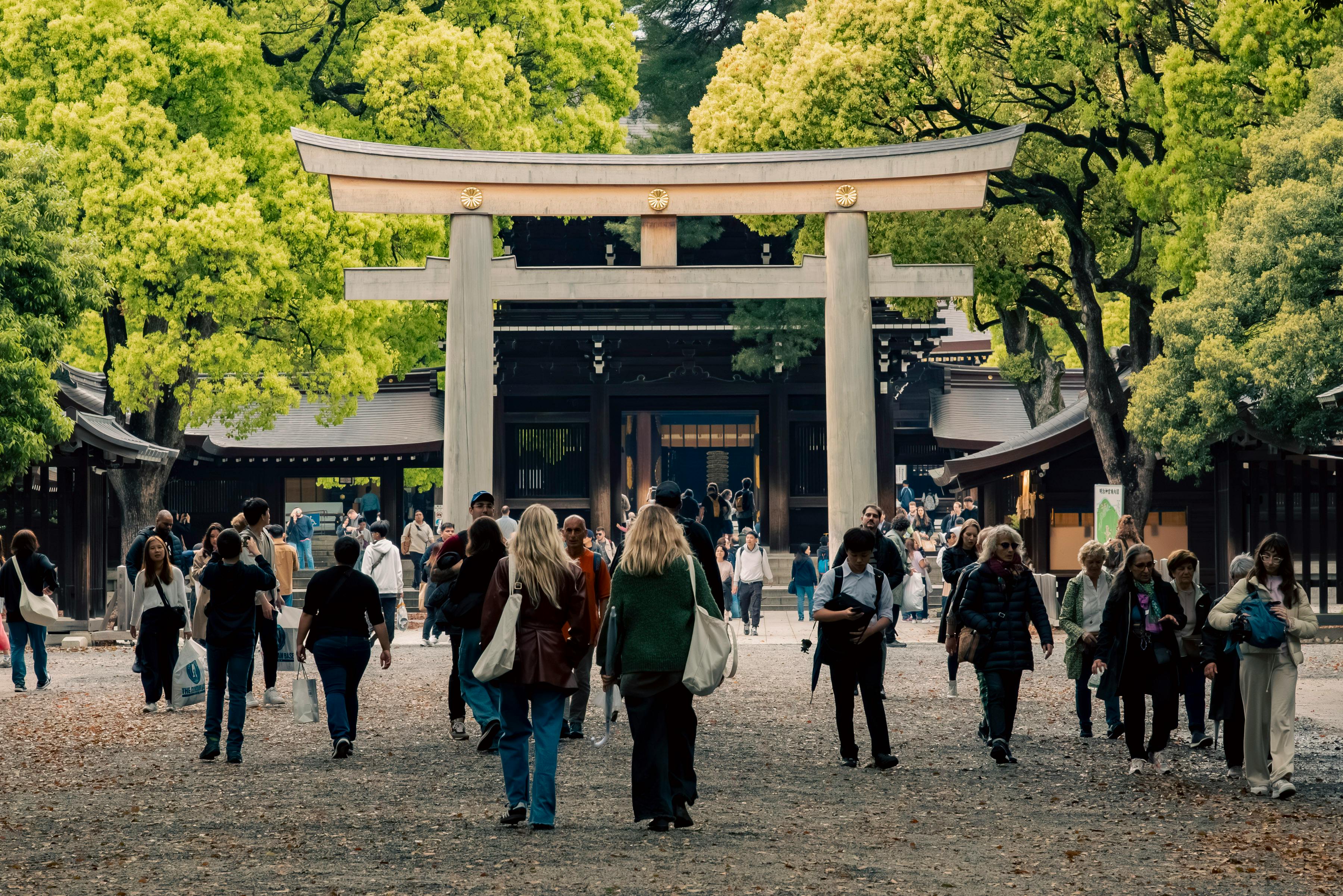
Description:
- Shinto shrine surrounded by tranquil forest in Harajuku.
Opening Hours:
- Sunrise to sunset.
Entry Fee:
- Free.
Best Time to Visit:
- Early morning for peace.
Tips:
- Visit during New Year for traditional festivities.
4. Shibuya Crossing
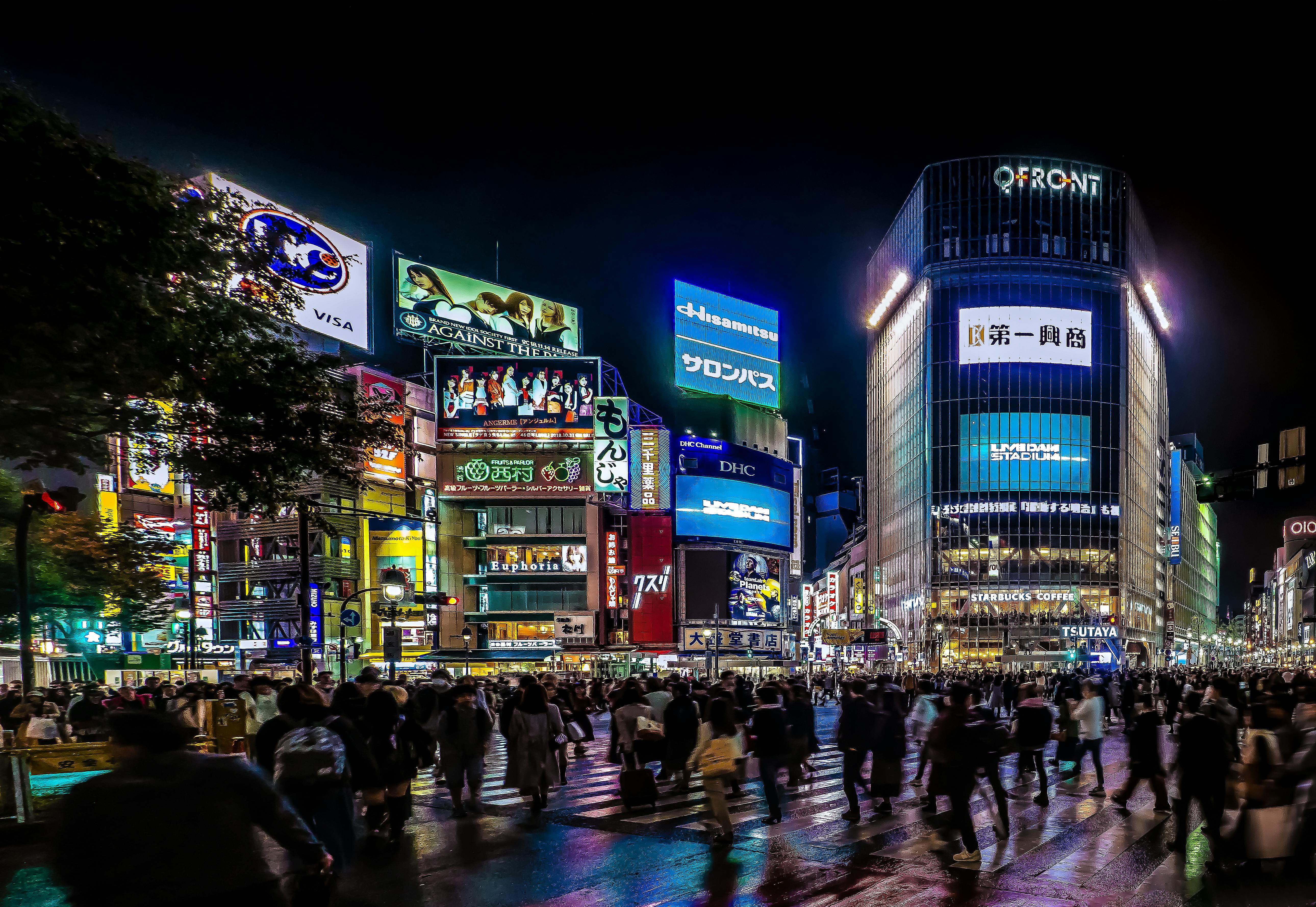
Description:
- Iconic pedestrian scramble.
Opening Hours:
- Always open.
Entry Fee:
- Free.
Best Time to Visit:
- Evening for neon lights.
Tips:
- Watch from a nearby café for a bird’s-eye view.
5. Shinjuku Gyoen National Garden

Description:
- Large park with Japanese, French, and English gardens.
Opening Hours:
- 9:00–16:30 (closed Mondays).
Entry Fee:
- ¥500.
Best Time to Visit:
- Spring for cherry blossoms.
Tips:
- Bring a picnic and enjoy the scenery.
6. Imperial Palace East Gardens
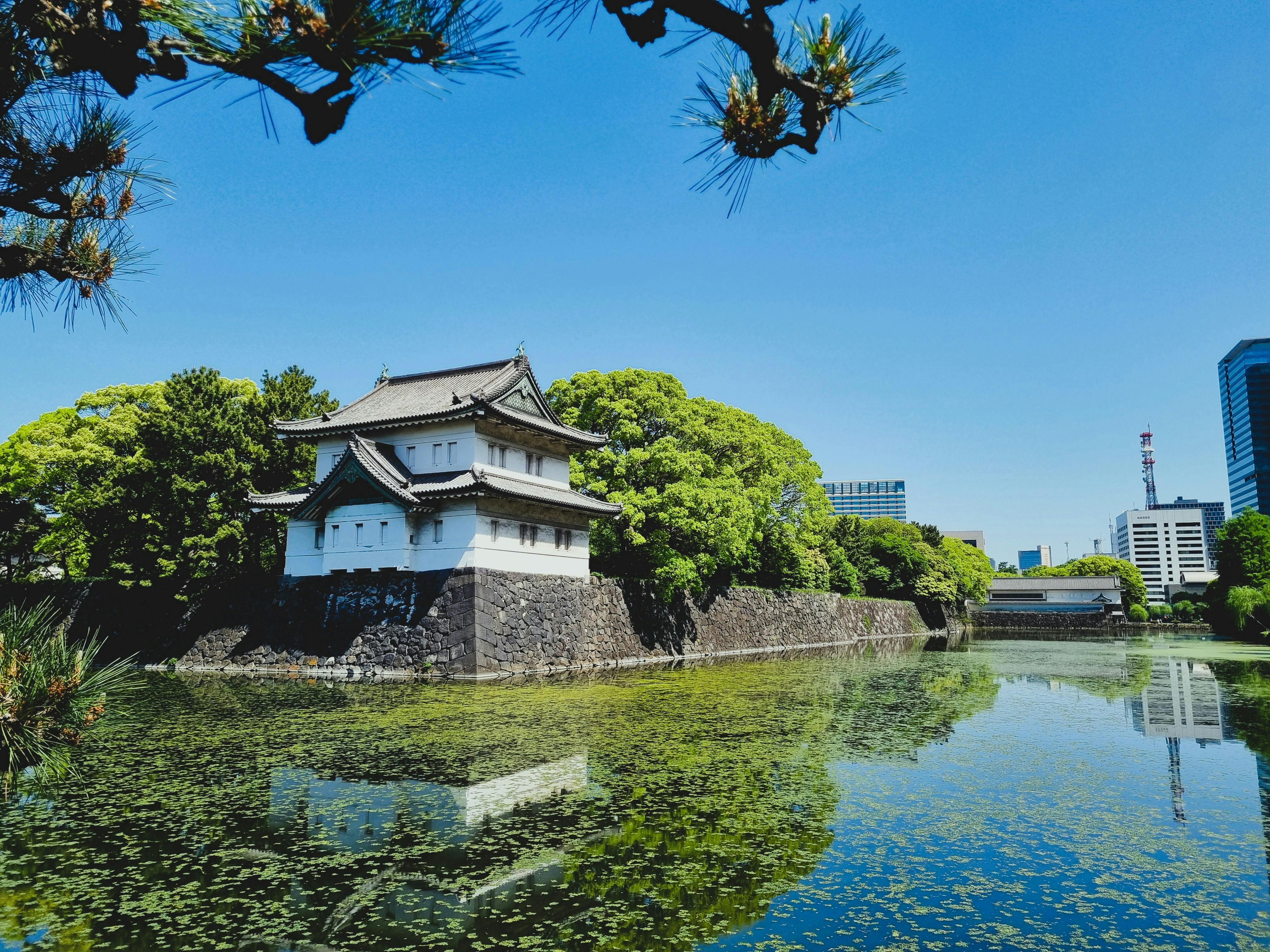
Description:
- Historic palace grounds open to the public.
Opening Hours:
- 9:00–16:30 (closed Mondays and Fridays).
Entry Fee:
- Free.
Best Time to Visit:
- Late morning.
Tips:
- Guided tours available for the inner grounds.
Hidden Gems
- Yanaka Ginza: Charming old Tokyo neighborhood with retro shops and cat statues.
- Ameyoko Market: Lively street market under the Yamanote Line tracks.
- Edo-Tokyo Open Air Architectural Museum: Explore historic buildings from the Edo period.
- Odaiba: Futuristic entertainment district with themed attractions.
- Local Tip: Visit small izakayas (Japanese pubs) in Golden Gai, Shinjuku for a unique nightlife experience.
Local Cuisine and Dining
- Must-Try Dishes: Sushi, ramen, tempura, yakitori, okonomiyaki, wagyu beef.
- Best Restaurants: Sukiyabashi Jiro (sushi), Ichiran (ramen), Tsuta (Michelin-star ramen).
- Cafes and Street Food: Harajuku crepes, taiyaki (fish-shaped cakes), matcha desserts.
- Food Markets: Tsukiji Outer Market, Toyosu Market (for fresh seafood).
- Culinary Tours: Join a guided food tour in Shinjuku or Asakusa.
Accommodation Options
- Budget: Hostels (Khaosan Tokyo, Unplan Kagurazaka), capsule hotels.
- Mid-Range: APA Hotels, Tokyu Stay, Hotel Gracery Shinjuku.
- Luxury: The Peninsula Tokyo, Park Hotel Tokyo, Aman Tokyo.
- Boutique Stays: Trunk Hotel, Claska Hotel.
- Best Areas to Stay: Shinjuku (transport hub), Shibuya (vibrant), Asakusa (traditional), Ginza (luxury).
Transportation
- How to Get to Tokyo: International flights to Narita or Haneda airports; Shinkansen (bullet train) from other Japanese cities; long-distance buses.
- Public Transport: Tokyo Metro and Toei Subway, JR Yamanote Line, buses, trams.
- Taxis/Rideshares: Taxis available but expensive; rideshare apps less common.
- Bike Rentals: Docomo Bike Share, local bike shops.
- Tips: Get a Suica or Pasmo card for easy transit; avoid rush hours.
Events, Festivals, and Experiences
- Major Annual Events: Cherry Blossom Festivals (spring), Sumida River Fireworks (summer), Tokyo Game Show (autumn).
- Unique Experiences: Tea ceremony, calligraphy or sushi-making workshops, Kabuki theater.
Shopping and Souvenirs
- Best Shopping Streets: Takeshita Street (Harajuku), Omotesando, Ginza.
- Markets and Malls: Ameyoko Market, Shibuya 109, Tokyo Solamachi.
- Local Products: Japanese knives, matcha, traditional crafts, anime merchandise.
Practical Information
- Visa and Travel Regulations: Check Japan’s official visa requirements before travel.
- Weather and Best Time: Spring and autumn for mild weather.
- Language and Communication: Japanese; English signs common in tourist areas.
- Currency, ATMs, and Payment Methods: Japanese Yen; ATMs at convenience stores; credit cards widely accepted.
Travel Tips and Etiquette
- Local Customs: Remove shoes indoors, bow when greeting, avoid loud conversations in public.
- Safety Advice: Very safe city; be mindful of pickpockets in crowded areas.
- Budget Tips: Use public transport, eat at convenience stores or food markets, visit free temples and parks.
- Packing: Comfortable shoes, layers for changing weather, umbrella for rainy season.
- Dress Code: Smart casual for dining; casual for sightseeing.
Itineraries
2 Days Itinerary
Day 1:
- Morning: Senso-ji Temple, Asakusa
- Afternoon: Tokyo Skytree, Ueno Park
- Evening: Shibuya Crossing, dinner in Shibuya
Day 2:
- Morning: Meiji Shrine, Harajuku
- Afternoon: Shinjuku Gyoen, Shinjuku
- Evening: Explore Golden Gai or Odaiba
4 Day Itinerary
Days 1–2:
- As above
Day 3:
- Morning: Imperial Palace East Gardens, Akihabara
- Afternoon: Tsukiji Outer Market, Ginza shopping
- Evening: Roppongi Hills for night views
Day 4:
- Morning: Yanaka Ginza, Ueno Zoo
- Afternoon: Edo-Tokyo Museum or Odaiba
- Evening: Dinner in Shinjuku or Shibuya
7 Day Itinerary
Days 1–4:
- As above
Day 5:
- Day Trip: Nikko or Kamakura (historic temples and nature)
Day 6:
- Morning: TeamLab Planets or Borderless (digital art museum)
- Afternoon: Shopping in Akihabara or Harajuku
- Evening: Local izakaya experience
Day 7:
- Morning: Tsukiji Outer Market, Hamarikyu Gardens
- Afternoon: Free time for last-minute shopping or sightseeing
- Evening: Farewell dinner in Ginza or Roppongi