

 Start Driving in Colombo
Colombo, the commercial capital of Sri Lanka, blends its rich historical significance with modern urban development, offering a unique mix of historical landmarks, diverse neighborhoods, and a vibrant atmosphere. Situated along the coast of the Indian Ocean, Colombo provides a captivating mix of scenic sea views and cultural diversity. The Gangaramaya Temple, a prominent landmark, features stunning architecture and religious significance. The National Museum of Colombo showcases the region’s rich history and cultural artifacts. The Galle Face Green features recreational spaces and cultural expressions. Colombo’s culinary scene features a delightful mix of Sri Lankan and international cuisine, with restaurants serving hoppers, kottu roti, and diverse regional specialties. The city’s markets, such as the Pettah Market, offer a variety of local produce, artisanal goods, and souvenirs. The beaches and surrounding parks provide opportunities for scenic walks, cultural exploration, and outdoor recreation. Colombo’s efficient transportation network, including buses, trains, and tuk-tuks, facilitates travel within the city and to surrounding areas. The city experiences a tropical monsoon climate, with warm temperatures year-round. Colombo’s cultural attractions, such as the various temples and the annual festivals, highlight the city’s historical significance and cultural contributions. The city’s vibrant cultural scene includes festivals, traditional music, and dance, reflecting the region’s diverse traditions. Colombo’s blend of historical charm and modern dynamism creates a unique and appealing destination. The local markets and community events foster a vibrant atmosphere, making Colombo a dynamic and culturally rich destination for visitors and residents. Colombo is a vital center for commerce, finance, and culture in Sri Lanka, contributing significantly to the country’s national development and economic growth.
Colombo: Where the Ocean Meets a Gentle Rhythm
Colombo, Sri Lanka’s vibrant capital, is a city where old-world charm meets modern energy. From colonial-era buildings and bustling markets to gleaming skyscrapers and serene lakes, Colombo offers a dynamic mix of history, culture, and urban excitement. Whether you’re exploring historic temples, savoring spicy street food, or relaxing by the Indian Ocean, Colombo welcomes you with warmth and a unique Sri Lankan spirit.
Brief History and Background
- Colonial Roots: Influenced by the Portuguese, Dutch, and British, Colombo became a major port city and trading hub.
- Modern Capital: Today, Colombo is Sri Lanka’s commercial, financial, and cultural heart.
- Cultural Melting Pot: Home to Sinhalese, Tamil, Muslim, and Burgher communities, each contributing to the city’s rich heritage.
- Post-Independence Growth: Since gaining independence in 1948, Colombo has evolved into a bustling metropolis with a blend of old and new.
What Makes the City Unique or Special
- Cultural Diversity: A harmonious mix of religions, languages, and traditions.
- Colonial Architecture: Historic buildings like the Old Dutch Hospital and Colombo Fort.
- Scenic Waterfront: Galle Face Green, a popular oceanfront promenade.
- Culinary Scene: Renowned for its spicy curries, fresh seafood, and vibrant street food.
- Urban Oases: Lush parks, temples, and lakes provide tranquil escapes within the city.
Local Culture and Vibe
- Friendly and Welcoming: Locals are known for their hospitality and warmth.
- Festive Atmosphere: Year-round festivals, especially during Buddhist, Hindu, and Islamic holidays.
- Café and Market Culture: Bustling markets, tea shops, and street food stalls are central to daily life.
- Artistic Energy: Galleries, live music, and traditional dance performances.
- Relaxed Pace: While busy, Colombo retains a laid-back, tropical vibe.
Best Months to Visit
- December to March: Dry season with warm, sunny weather—ideal for sightseeing and outdoor activities.
- Avoid: April–June (hot and humid); May–September (monsoon in the south and west, but some rain expected year-round).
- Tip: Colombo is a year-round destination, but the dry season offers the most comfortable conditions.
Top Attractions
1. Gangaramaya Temple

- Opening Hours: 6:00–22:00
- Entry Fee: Free (donations welcome)
- Tips: Dress modestly; visit early for a peaceful experience.
- Best Time: Early morning or late afternoon.
2. Galle Face Green

- Opening Hours: Always open
- Entry Fee: Free
- Tips: Best at sunset for kite flying and street food.
- Best Time: Evening.
3. Colombo National Museum

- Opening Hours: 9:00–17:00 (closed on public holidays)
- Entry Fee: ~LKR 500 (foreigners)
- Tips: Allocate 1–2 hours; photography allowed.
- Best Time: Weekday mornings.
4. Pettah Market
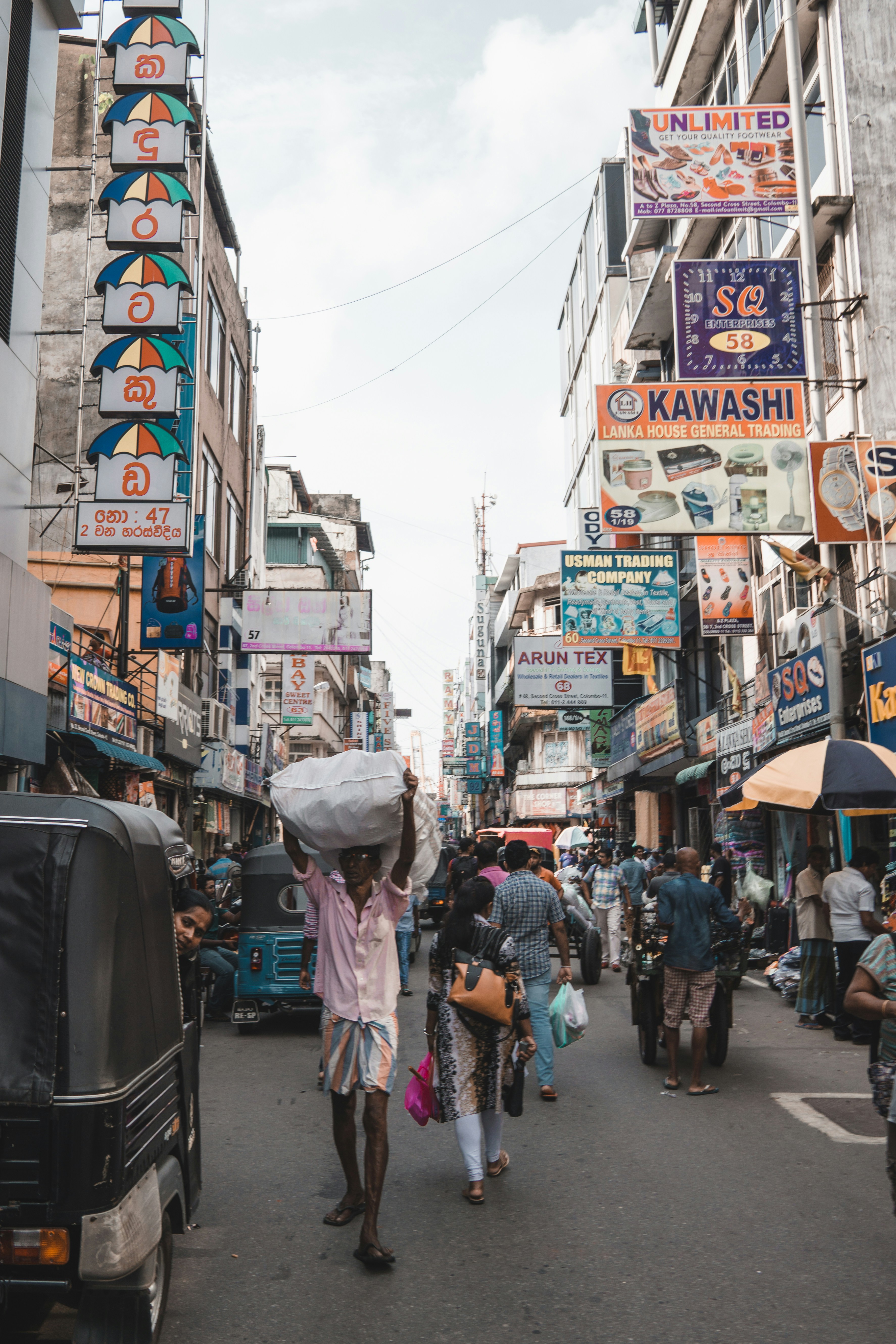
- Opening Hours: 8:00–18:00 (shops vary)
- Entry Fee: Free
- Tips: Bargain for souvenirs; be mindful of pickpockets.
- Best Time: Morning.
5. Jami Ul-Alfar Mosque

- Opening Hours: Outside of prayer times (varies)
- Entry Fee: Free (non-Muslims may visit outside prayer times, check in advance)
- Tips: Admire the striking red and white architecture from outside.
- Best Time: Morning or early afternoon.
6. Viharamahadevi Park
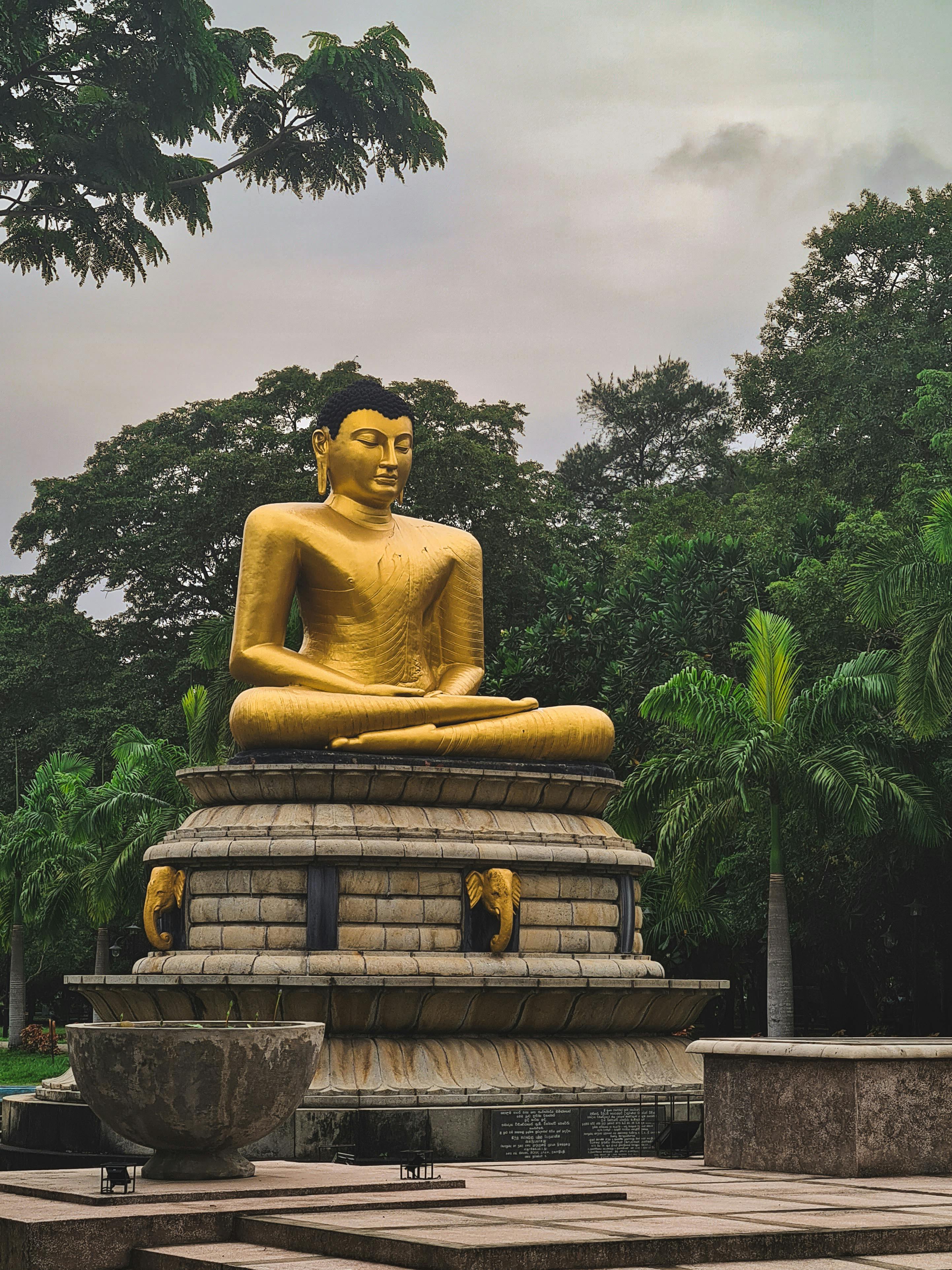
- Opening Hours: 5:00–19:00
- Entry Fee: Free
- Tips: Great for picnics and people-watching.
- Best Time: Morning or late afternoon.
Hidden Gems
- Seema Malaka Temple: Serene Buddhist temple floating on Beira Lake.
- Colombo Dutch Museum: Housed in a colonial-era building, showcasing Dutch history.
- Lotus Tower: Modern landmark with panoramic city views (check for public access).
- Local Favorites: Cinnamon Gardens for colonial architecture, Wellawatte for authentic Sri Lankan food.
- Insider Tips: Take a tuk-tuk tour for a fun, local way to explore; visit the floating market in Pettah for unique snacks.
Local Cuisine and Dining
- Must-Try Dishes: Rice and curry, kottu roti, hoppers (appa), string hoppers, lamprais, seafood curries, and short eats (savory snacks).
- Best Restaurants: Ministry of Crab (seafood), Nuga Gama (Sri Lankan buffet), Upali’s by Nawaloka (local cuisine).
- Cafes & Street Food: Barefoot Café (art and coffee), Galle Face Hotel verandah (high tea), street vendors for kottu and hoppers.
- Food Markets: Pettah Market, Good Market Colombo (organic and local products).
- Culinary Tours: Join a food tour or cooking class to experience authentic Sri Lankan flavors.
Accommodation Options
- Budget: Clock Inn Colombo, City Beds Colombo, Backpack Lanka.
- Mid-Range: Cinnamon Red Colombo, OZO Colombo, Jetwing Colombo Seven.
- Luxury: Shangri-La Colombo, Cinnamon Grand, The Kingsbury.
- Hostels, Guesthouses, Boutique Stays: The Wallawwa, The Mövenpick Hotel, The Bungalow Colombo.
- Best Areas to Stay: Galle Face/Colombo Fort (central, historic), Cinnamon Gardens (quiet, upscale), Wellawatte (local vibe).
Transportation
- Getting to Colombo: International flights to Bandaranaike International Airport (CMB); trains and buses from across Sri Lanka.
- Public Transport: Buses, trains (limited within city), tuk-tuks.
- Taxis, Rideshares, Bike Rentals: Uber, PickMe (local rideshare), tuk-tuks; bike rentals are limited.
- Tips: Tuk-tuks are the most convenient way to get around; agree on a fare before riding; use rideshare apps for safety and convenience.
Events, Festivals, and Experiences
- Major Annual Events: Sinhala and Tamil New Year (April), Vesak (May), Colombo International Book Fair (September), Galle Face Green kite festival.
- Unique Experiences: Tuk-tuk tours, cooking classes, traditional dance performances, sunset at Galle Face Green.
- Workshops & Performances: Art workshops, live music at Barefoot Gallery, cultural shows at hotels.
Shopping and Souvenirs
- Best Shopping Streets: Galle Road, Duplication Road, Independence Avenue.
- Markets & Malls: Pettah Market, Odel, Arcade Independence Square, Crescat Boulevard.
- Local Products: Ceylon tea, spices, batik fabrics, handmade crafts, gemstones.
Practical Information
- Visa and Travel Regulations: Most visitors need an Electronic Travel Authorization (ETA) or visa on arrival; check requirements before travel.
- Weather and Best Time to Visit: Best in December–March; avoid monsoon seasons for heavy rain.
- Language and Communication: Sinhala and Tamil are official; English widely spoken.
- Currency, ATMs, Payment Methods: Sri Lankan Rupee (LKR); ATMs widely available; credit cards accepted in most places.
Travel Tips and Etiquette
- Local Customs: Dress modestly at religious sites; remove shoes before entering temples and homes.
- Safety Advice: Be cautious of pickpockets in crowded areas; use official taxis or rideshares at night.
- Budget Tips: Eat at local eateries and street stalls, use public transport, visit free attractions.
- Cultural Etiquette: Greet with a smile; tipping is appreciated but not mandatory.
Packing and What to Wear
- Dry Season (Dec–Mar): Light, breathable clothing, sunhat, sunglasses, sunscreen.
- Rainy Season (Apr–Jun, Sep–Nov): Light rain jacket, quick-dry clothes, umbrella.
- Dress Code: Modest attire for temples and religious sites; casual for most attractions.
Itineraries
2-Day Itinerary
- Day 1: Gangaramaya Temple, Viharamahadevi Park, Colombo National Museum, Galle Face Green at sunset
- Day 2: Pettah Market, Jami Ul-Alfar Mosque, Seema Malaka Temple, shopping on Galle Road
4-Day Itinerary
- Day 1: Gangaramaya Temple, Viharamahadevi Park, Colombo National Museum
- Day 2: Pettah Market, Jami Ul-Alfar Mosque, Seema Malaka Temple
- Day 3: Galle Face Green, Lotus Tower (if open), Cinnamon Gardens, local food tour
- Day 4: Dutch Museum, Wellawatte, shopping at Odel or Arcade Independence Square
7-Day Itinerary
- Days 1–4: As above
- Day 5: Day trip to Mount Lavinia Beach or Negombo
- Day 6: Explore hidden gems, join a cooking class or tuk-tuk tour
- Day 7: Relax at a café, revisit favorite spots, or attend a cultural performance