

 Start Driving in Copenhagen
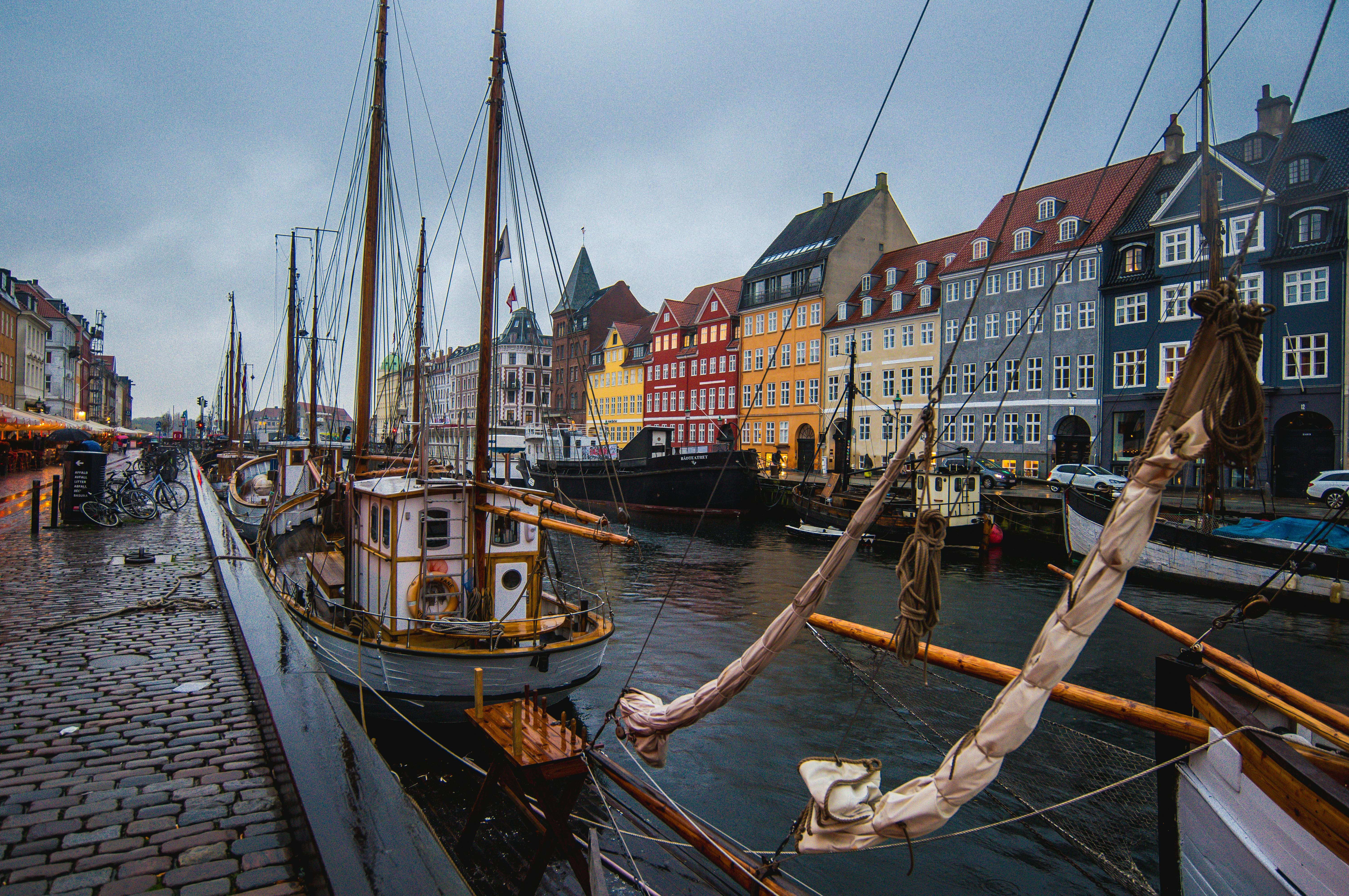
Copenhagen, the capital of Denmark, blends its rich historical significance with modern urban development, offering a unique mix of historical landmarks, diverse neighborhoods, and a vibrant atmosphere. Situated along the coast of the Øresund Strait, Copenhagen provides a captivating mix of scenic waterfront views and cultural diversity. The Little Mermaid statue, a prominent landmark, features iconic cultural significance. The Nyhavn harbor features stunning historical architecture and cultural expressions. The National Museum of Denmark showcases the region’s rich history and cultural artifacts. Copenhagen’s culinary scene features a delightful mix of Danish and international cuisine, with restaurants serving smørrebrød, frikadeller, and diverse culinary offerings. The city’s markets, such as the Torvehallerne market, offer a variety of local produce, artisanal goods, and souvenirs. The harbor and surrounding parks provide opportunities for scenic walks, cultural exploration, and outdoor recreation. Copenhagen’s efficient transportation network, including subways, buses, and bicycles, facilitates travel within the city and to surrounding areas. The city experiences a temperate maritime climate, with mild summers and cool winters. Copenhagen’s cultural attractions, such as the various museums and the annual festivals, highlight the city’s historical significance and design contributions. The city’s vibrant cultural scene includes festivals, concerts, and theaters, reflecting the region’s diverse traditions. Copenhagen’s blend of historical charm and modern design creates a unique and appealing destination. The local markets and community events foster a vibrant atmosphere, making Copenhagen a dynamic and culturally rich destination for visitors and residents. Copenhagen is a vital center for government, commerce, and culture in Denmark, contributing significantly to the country’s national development and economic growth.
Copenhagen: Where Every Street Feels Thoughtfully Crafted
Copenhagen, the enchanting capital of Denmark, blends historic charm with cutting-edge design and a vibrant cultural scene. From its colorful harbor at Nyhavn and fairytale castles to world-class museums and a thriving food scene, Copenhagen invites travelers to discover its unique mix of old-world elegance and modern Nordic cool. Whether you’re cycling through picturesque streets, indulging in open-faced sandwiches, or exploring innovative architecture, Copenhagen is a city that delights at every turn.
Historical Overview
- Ancient Origins: Founded as a Viking fishing village in the 10th century, Copenhagen became Denmark’s capital in the 15th century.
- Royal Legacy: Home to Rosenborg Castle, Amalienborg Palace, and Christiansborg Palace, reflecting centuries of royal history.
- Modern Transformation: A pioneer in sustainable urban planning, green spaces, and design.
- Cultural Hub: Renowned for its museums, theaters, and festivals.
What Makes the City Unique or Special
- Bike-Friendly: Extensive cycle lanes and a strong cycling culture.
- Hygge Lifestyle: Emphasis on coziness, comfort, and togetherness.
- Innovative Architecture: Iconic buildings like the Opera House and the Black Diamond.
- Green City: Parks, canals, and eco-friendly initiatives.
- World-Class Cuisine: Michelin-starred restaurants and the famous New Nordic cuisine.
Local Culture and Vibe
- Friendly and Polite: Danes are known for their warmth and punctuality.
- Relaxed Atmosphere: The city exudes a laid-back, welcoming vibe.
- Artistic and Creative: Thriving art, music, and design scenes.
- Community-Oriented: Regular festivals, markets, and communal events.
Best Months to Visit
- Spring (April–June): Mild weather, blooming parks, and fewer crowds.
- Early Autumn (September–October): Pleasant temperatures and vibrant foliage.
- Winter (November–March): Festive lights and Christmas markets; cold but magical.
Top Attractions
1. Tivoli Gardens
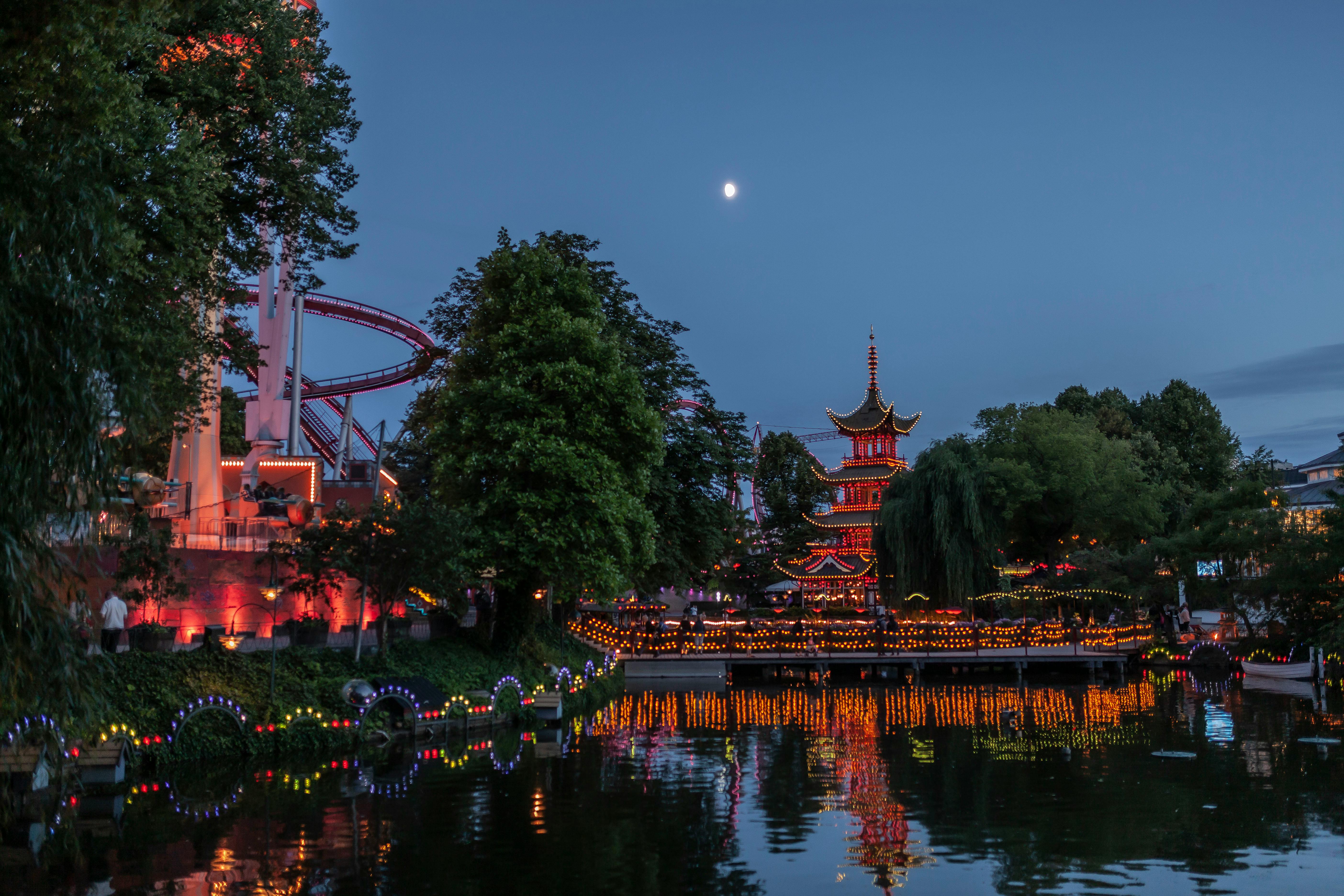
- Opening Hours: 11:00–23:00 (varies by season)
- Entry Fee: ~DKK 145–185 (rides extra)
- Tips: Visit in the evening for lights and entertainment; Christmas season is magical.
- Best Time: Late afternoon or evening.
2. Nyhavn
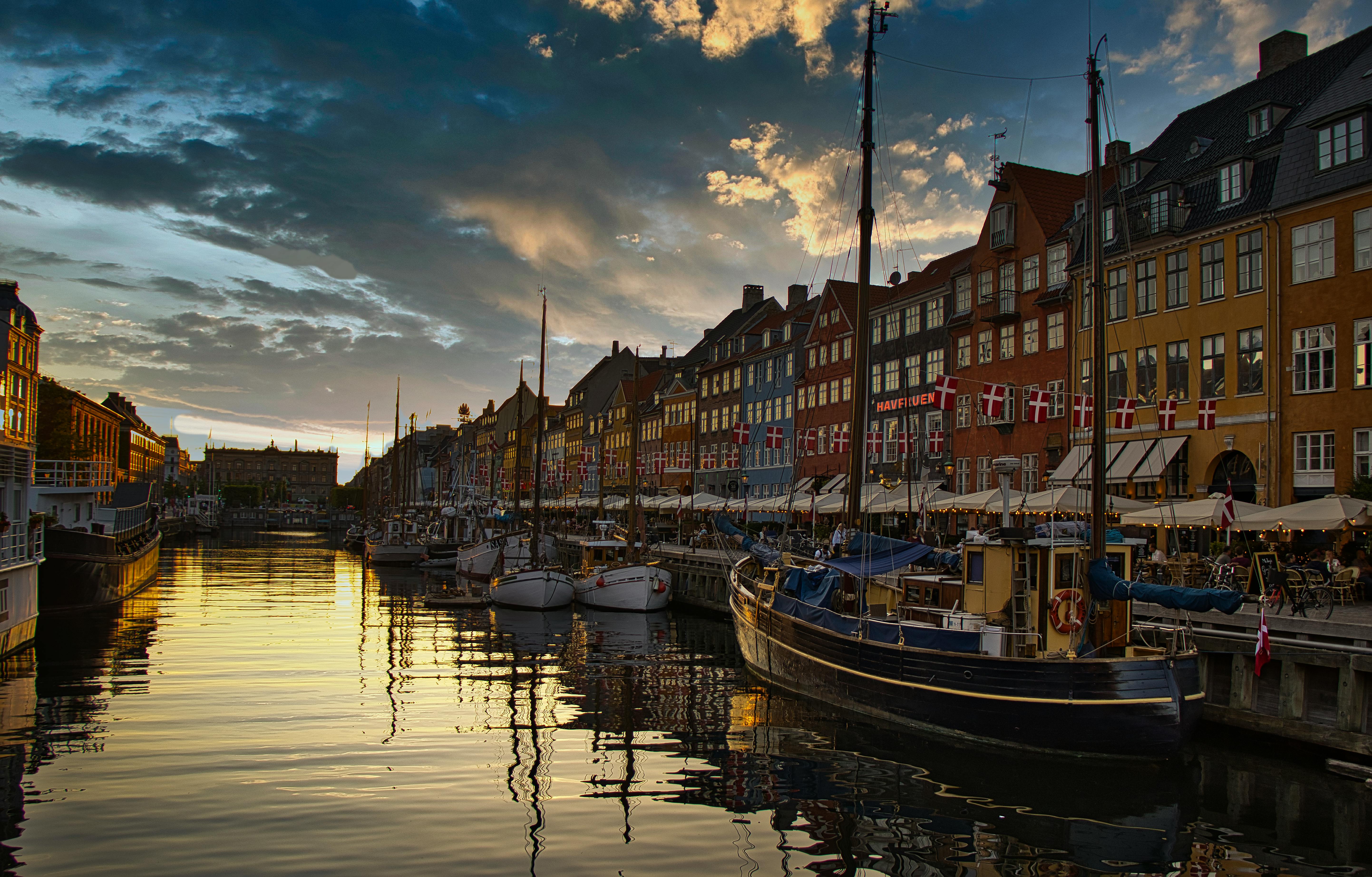
- Opening Hours: Always open
- Entry Fee: Free
- Tips: Great for photos, canal tours, and dining.
- Best Time: Morning or sunset
3. The Little Mermaid

- Opening Hours: Always open
- Entry Fee: Free
- Tips: Arrive early to avoid crowds.
- Best Time: Early morning
4. Rosenborg Castle
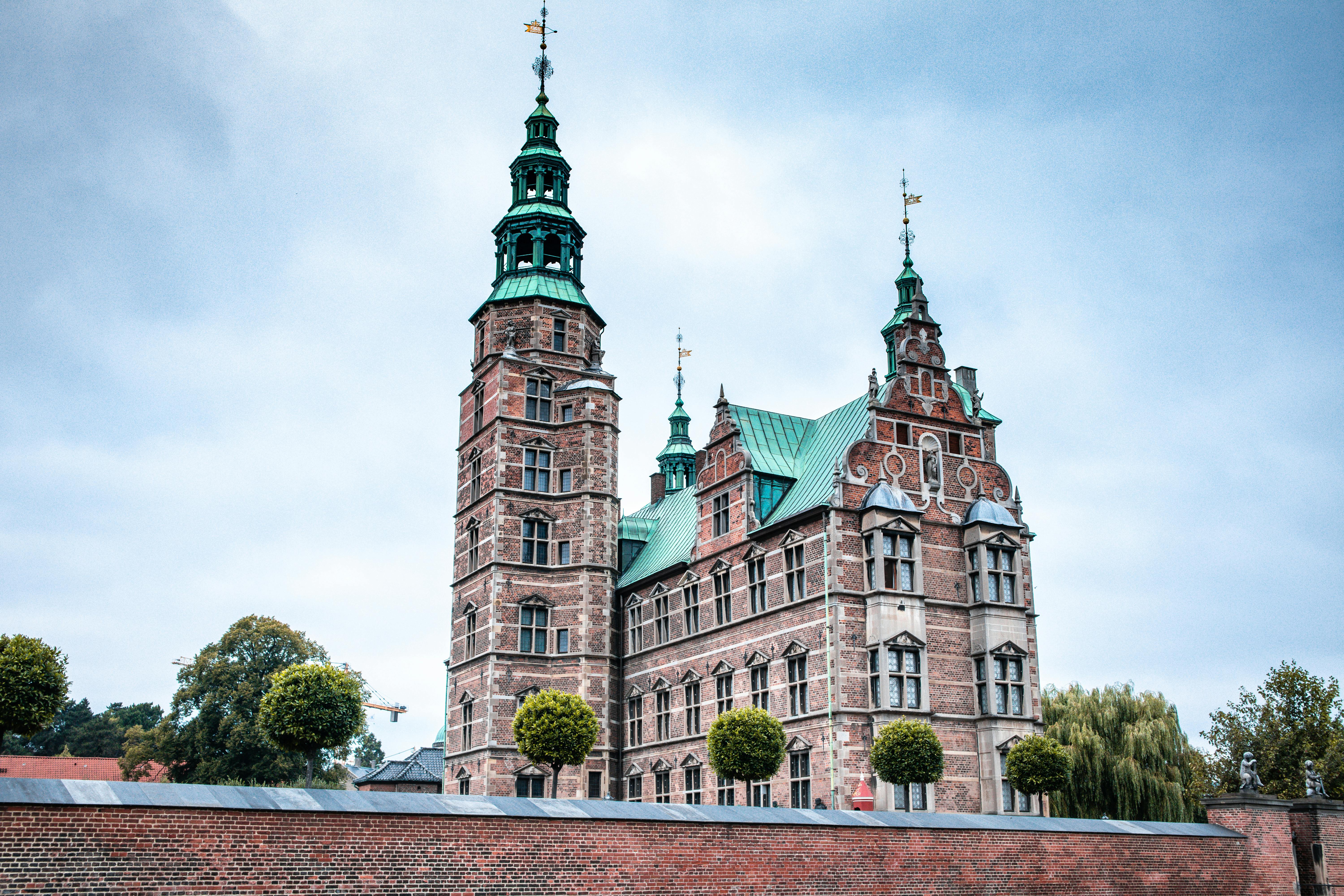
- Opening Hours: 10:00–17:00 (summer), 10:00–16:00 (winter)
- Entry Fee: ~DKK 130
- Tips: See the Crown Jewels; explore the King’s Garden.
- Best Time: Morning
5. National Museum of Denmark
- Opening Hours: 10:00–17:00 (closed Mondays)
- Entry Fee: Free (temporary exhibitions may charge)
- Tips: Allow 2–3 hours; great for history lovers.
- Best Time: Weekday mornings
6. Round Tower (Rundetårn)

- Opening Hours: 10:00–20:00 (summer), 10:00–18:00 (winter)
- Entry Fee: ~DKK 40
- Tips: Panoramic city views; unique spiral ramp.
- Best Time: Late afternoon
7. Strøget (Shopping Street)

- Opening Hours: Always open (shops vary)
- Entry Fee: Free
- Tips: Great for shopping and people-watching.
- Best Time: Midday or early evening
Hidden Gems
- Freetown Christiania: Self-governing community with colorful houses, art, and a unique vibe.
- Superkilen Park: Urban park with quirky, multicultural design.
- Torvehallerne Market: Food hall with local delicacies and fresh produce.
- Assistens Cemetery: Peaceful park and burial site of famous Danes.
- Local Favorites: Explore Nørrebro for multicultural shops and cafes; Christianshavn for canals and local life.
- Insider Tips: Visit the Glyptoteket museum on Sundays for free entry; take a canal cruise for a different perspective.
Local Cuisine and Dining
- Must-Try Dishes: Smørrebrød (open-faced sandwich), Danish pastries, frikadeller (meatballs), pickled herring.
- Best Restaurants: Noma (Michelin-starred), Geranium, Aamanns, Relæ.
- Cafes & Street Food: Coffee Collective, Meyers Bageri, Reffen (street food market).
- Food Markets: Torvehallerne, Reffen, Paper Island (seasonal).
- Culinary Tours: Join a food tour or cooking class to sample Danish flavors.
Accommodation Options
- Budget: Generator Copenhagen, Urban House, Danhostel Copenhagen City.
- Mid-Range: Hotel SP34, Andersen Hotel, 71 Nyhavn Hotel.
- Luxury: Hotel d’Angleterre, Nimb Hotel, Villa Copenhagen.
- Hostels, Guesthouses, Boutique Stays: Steel House Copenhagen, Hotel Sanders, Absalon Hotel.
- Best Areas to Stay: Indre By (central, historic), Vesterbro (hip, nightlife), Nørrebro (multicultural, vibrant).
Transportation
- Getting to Copenhagen: International flights to Copenhagen Airport (CPH); trains and buses from major European cities.
- Public Transport: Metro, buses, trains (S-tog), ferries; Copenhagen Card offers unlimited travel and attraction discounts.
- Taxis, Rideshares, Bike Rentals: Taxis, Uber, bike rentals (Donkey Republic, Bycyklen).
- Tips: Use the metro for speed and convenience; cycling is the best way to explore; the city is mostly cashless.
Events, Festivals, and Experiences
- Major Annual Events: Copenhagen Jazz Festival (July), Distortion (May/June), Christmas Markets (November–December), Copenhagen Pride (August).
- Unique Experiences: Canal cruises, guided bike tours, hygge workshops, traditional Danish baking classes.
- Workshops & Performances: Art workshops, live music, theater, and cultural performances.
Shopping and Souvenirs
- Best Shopping Streets: Strøget, Vesterbrogade, Nørrebrogade.
- Markets & Malls: Torvehallerne, Reffen, Illum, Magasin du Nord.
- Local Products: Danish design, ceramics, LEGO, amber jewelry, hygge-inspired homewares.
Practical Information
- Visa and Travel Regulations: Schengen visa for most non-EU visitors; check requirements before travel.
- Weather and Best Time to Visit: Best in April–June and September–October; winter for festive markets.
- Language and Communication: Danish is official; English widely spoken.
- Currency, ATMs, Payment Methods: Danish Krone (DKK); ATMs widely available; credit cards accepted everywhere.
Travel Tips and Etiquette
- Local Customs: Be punctual, respect personal space, and embrace hygge (coziness).
- Safety Advice: Very safe; watch for bikes and crosswalks.
- Budget Tips: Use public transport, visit free attractions, eat at markets.
- Cultural Etiquette: Greet with a handshake and eye contact; tipping is appreciated but not required.
Packing and What to Wear
- Spring/Autumn: Light layers, jacket, comfortable shoes.
- Summer: Light clothing, sunhat, sunglasses, sunscreen.
- Winter: Warm coat, gloves, scarf, waterproof shoes.
- Dress Code: Casual for most attractions; smart casual for upscale dining.
Itineraries
2-Day Itinerary
- Day 1: The Little Mermaid, Nyhavn, Rosenborg Castle, King’s Garden, Tivoli Gardens (evening)
- Day 2: Strøget, National Museum, Round Tower, Torvehallerne Market, canal cruise
4-Day Itinerary
- Day 1: The Little Mermaid, Nyhavn, Rosenborg Castle, King’s Garden
- Day 2: Tivoli Gardens, Strøget, National Museum
- Day 3: Freetown Christiania, Christianshavn, canal cruise
- Day 4: Nørrebro, Superkilen Park, Torvehallerne Market, local food tour
7-Day Itinerary
- Days 1–4: As above
- Day 5: Day trip to Roskilde or Malmö (Sweden)
- Day 6: Explore Assistens Cemetery, Glyptoteket, local neighborhoods
- Day 7: Revisit favorite spots, relax at a café, or attend a cultural event