

 Start Driving in Frankfurt
Frankfurt, a city in Germany, blends its rich historical significance with modern financial development, offering a unique mix of historical landmarks, diverse neighborhoods, and a vibrant atmosphere. Situated along the Main River, Frankfurt provides a captivating mix of scenic river views and cultural diversity. The Romerberg, a prominent landmark, features stunning historical architecture and cultural expressions. The Stadel Museum showcases the region’s art collections and cultural artifacts. The Palmengarten features scenic landscapes and recreational spaces. Frankfurt’s culinary scene features a delightful mix of German and international cuisine, with restaurants serving frankfurter wurstchen, gruner soße, and diverse culinary offerings. The city’s markets, such as the Kleinmarkthalle, offer a variety of local produce, artisanal goods, and souvenirs. The river and surrounding parks provide opportunities for scenic walks, cultural exploration, and outdoor recreation. Frankfurt’s efficient transportation network, including subways, buses, and trains, facilitates travel within the city and to surrounding areas. The city experiences a temperate maritime climate, with mild summers and cool winters. Frankfurt’s cultural attractions, such as the various museums and the annual festivals, highlight the city’s historical significance and financial contributions. The city’s vibrant cultural scene includes festivals, concerts, and theaters, reflecting the region’s diverse traditions. Frankfurt’s blend of historical charm and modern dynamism creates a unique and appealing destination. The local markets and community events foster a vibrant atmosphere, making Frankfurt a dynamic and culturally rich destination for visitors and residents. Frankfurt is a vital center for finance, commerce, and culture in Germany, contributing significantly to the country’s national development and economic growth.
Frankfurt : A City of Glass, Light, and Timeless Balance
Frankfurt, nestled on the banks of the Main River, is a dynamic metropolis where centuries of imperial history meet cutting-edge finance, culture, and innovation. Once a key seat of the Holy Roman Empire and the site of royal coronations, Frankfurt evolved into a free imperial city, a hub for trade fairs, and, in modern times, the financial heart of Europe. Its unique blend of medieval landmarks, striking skyscrapers, and a cosmopolitan vibe makes it a fascinating destination for travelers seeking both heritage and modernity.
Origin And Evolution
- Early roots: Settled since the 1st century BCE by Celts and later Romans, with a Roman camp established around 83 AD.
- Imperial center: Became a royal palatinate under Charlemagne’s son, Louis the Pious, in the 9th century; frequently hosted imperial diets and kingly elections.
- Free Imperial City: Gained status in 1220, later confirmed in 1372, and became the permanent site for Roman king elections from 1356.
- Trade and culture: Hosted Germany’s most important book fair from the 15th to 17th centuries; early site of the stock exchange (1585).
- Napoleonic era: Briefly the capital of the Grand Duchy of Frankfurt (1810–1813), then a free city and seat of the German Bundestag until 1866.
- Modern era: Annexed by Prussia in 1866, rebuilt after WWII destruction, and now home to the European Central Bank and major trade fairs.
What Makes the City Unique or Special
- Financial powerhouse: Home to the European Central Bank and one of the world’s largest stock exchanges.
- Skyline: Nicknamed “Mainhattan” for its skyscrapers—rare in Germany.
- Trade fairs: Hosts the world-famous Frankfurt Book Fair and International Motor Show.
- Cultural crossroads: A blend of historic neighborhoods, modern architecture, and a vibrant international community.
Local Culture and Vibe
- Cosmopolitan: Over 180 nationalities, a thriving expat scene, and multilingual flair.
- Cultural richness: Renowned museums, theaters, and a lively music and literary tradition.
- Relaxed yet businesslike: Mix of bustling financial district and laid-back riverfront parks and cafés.
Best Months to Visit
- May to September: Warm, pleasant weather; ideal for sightseeing and outdoor events.
- December: Magical Christmas markets and festive atmosphere.
- Spring/Autumn: Fewer crowds, mild temperatures.
Top Attractions
1. Römer & Römerberg
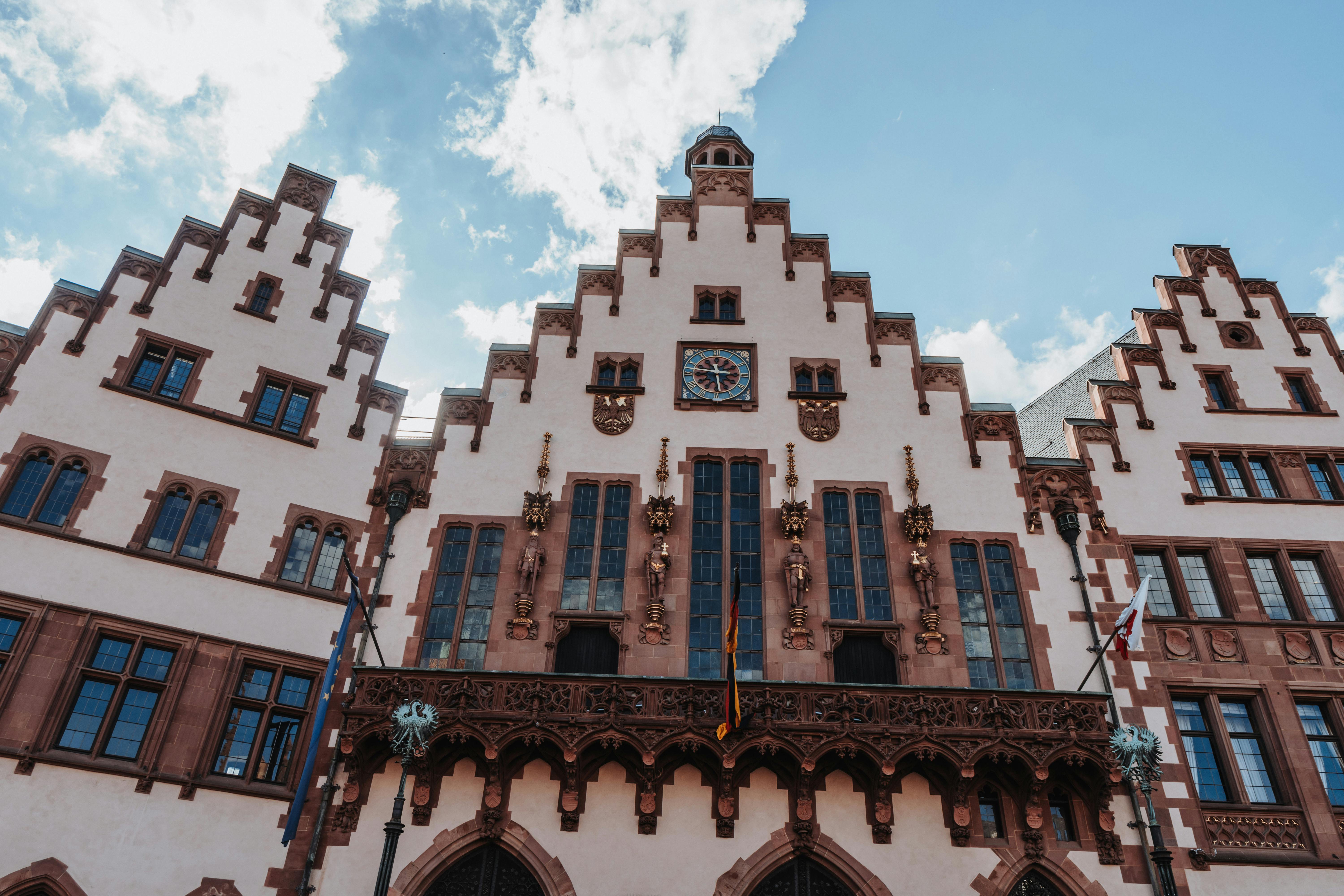
- Opening Hours: City hall open Mon–Fri 10:00 AM–1:00 PM, 2:00–5:00 PM
- Entry Fee : Free to visit square; guided tours available
- Tips: Visit during Christmas market or city festivals
- Best time: Morning or early evening
2. Frankfurt Cathedral (Kaiserdom St. Bartholomäus)
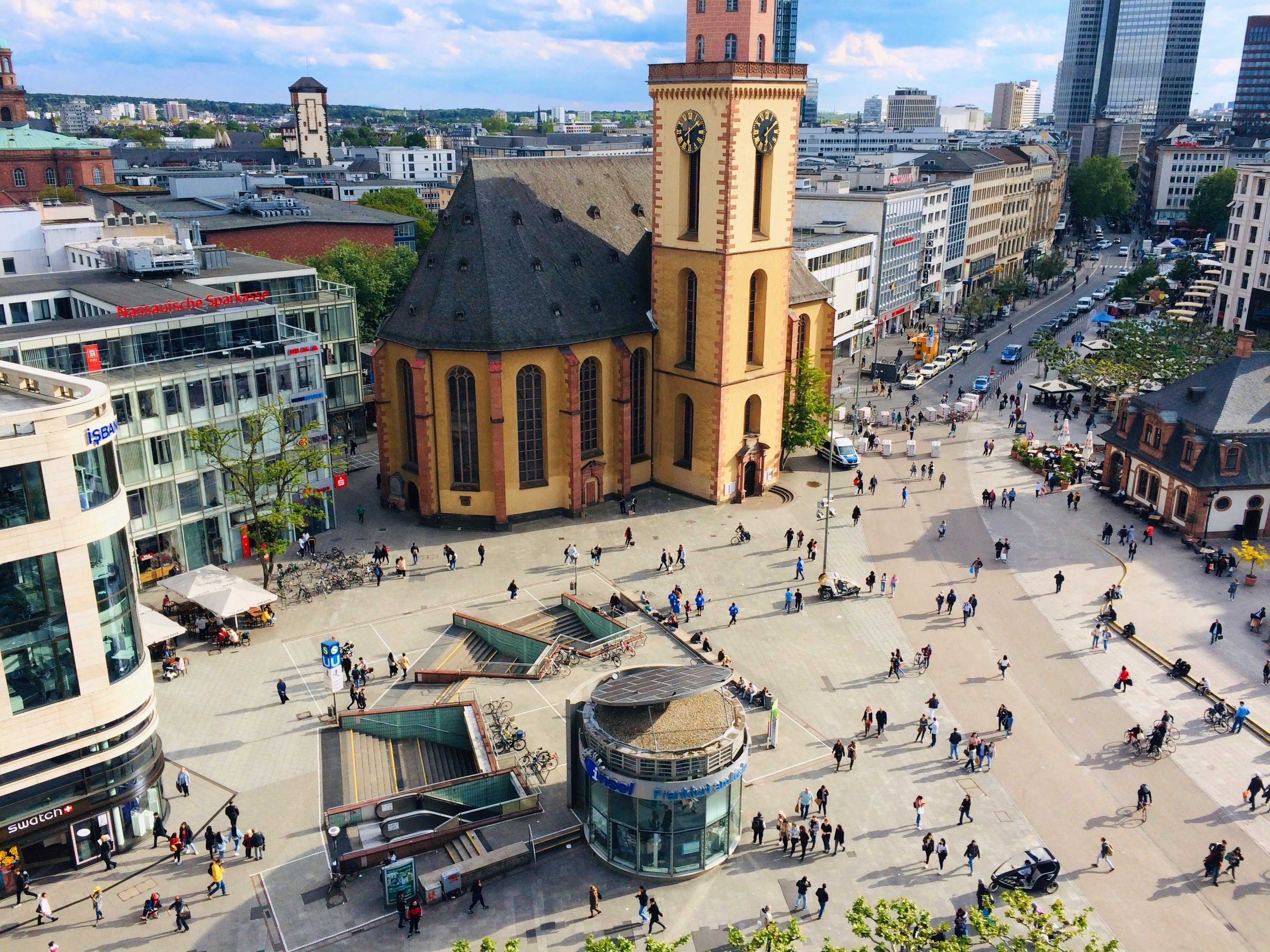
- Opening Hours: 9:00 AM–8:00 PM (hours may vary)
- Entry Fee: Free; tower entry ~€3
- Tips: Climb the tower for city views
- Best time: Morning
3. Städel Museum

- Opening Hours: Tue–Sun 10:00 AM–6:00 PM (Wed & Thu until 9:00 PM)
- Entry Fee: ~€16 (adults)
- Tips: Allow 2–3 hours; check for special exhibitions
- Best time: Weekday mornings
4. Palmengarten (Botanical Garden)
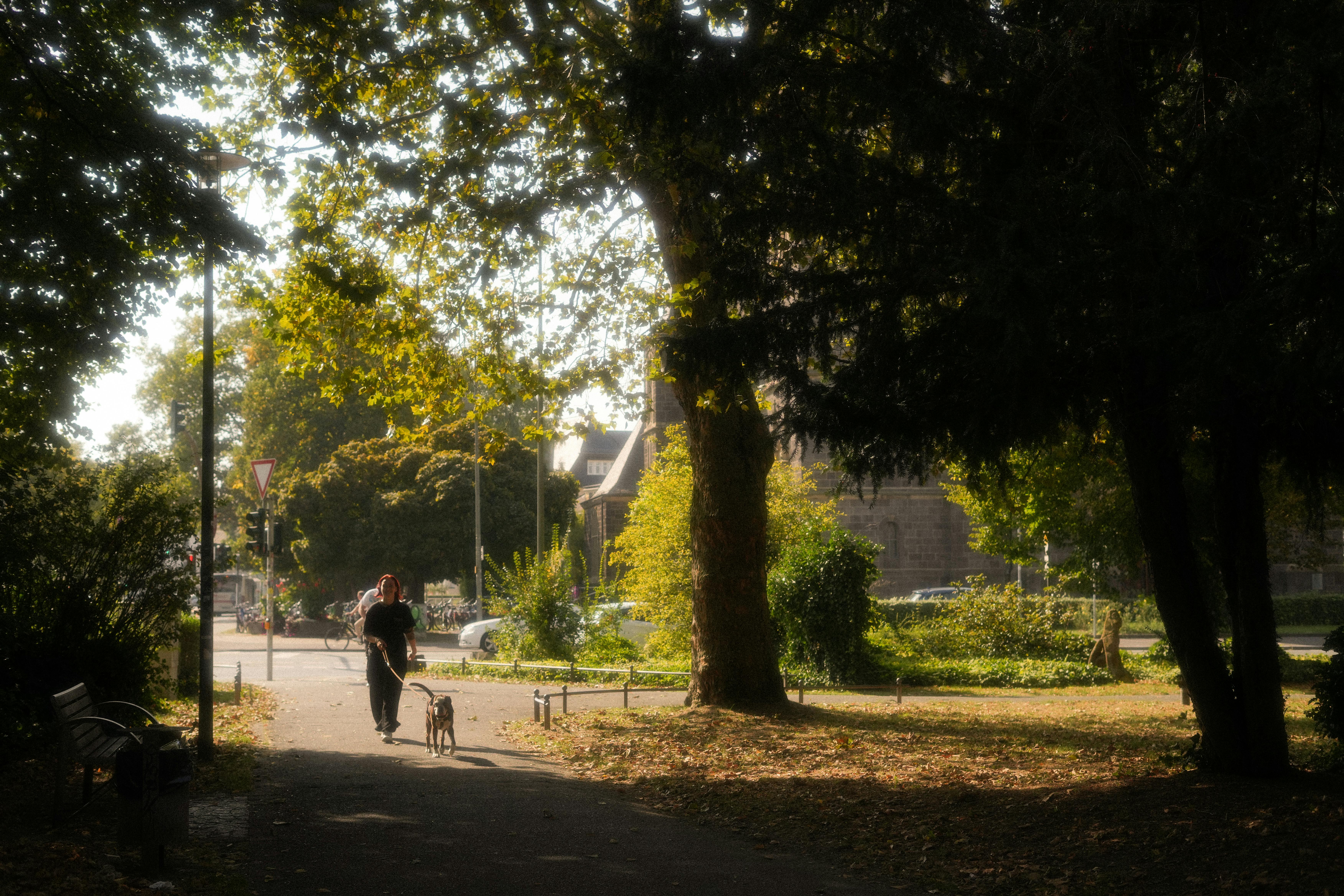
- Opening Hours: 9:00 AM–6:00 PM (seasonal)
- Entry Fee: ~€7–€11
- Tips: Great for families; visit in spring/summer for blooms
- Best time: Late morning
5. Main Tower

- Opening Hours: Sun–Thu 10:00 AM–9:00 PM, Fri–Sat until 11:00 PM
- Entry Fee: ~€9
- Tips: Panoramic city views from the observation deck
- Best time: Sunset
Hidden Gems
- Kleinmarkthalle: Indoor market with local delicacies—try green sauce and apple wine.
- Goethe House: Birthplace of Johann Wolfgang von Goethe; literary museum.
- Museum für Kommunikation: Interactive exhibits on the history of communication.
- Berger Strasse: Trendy street with independent shops, cafés, and bars.
- Insider tip: Stroll along the Museumsufer (Museum Embankment) for lesser-known galleries and riverside views.
Local Cuisine and Dining
- Must-try dishes: Frankfurter Grüne Soße (green sauce), Handkäse mit Musik (cheese with onions), Apfelwein (apple wine), Frankfurter Würstchen.
- Best Restaurants: Apfelwein Wagner (traditional), Kleinmarkthalle, food stalls, Restaurant Medici (modern European), Atschel (apple wine tavern).
- Cafés: Café Karin, Wacker’s Kaffee, Hoppenworth & Ploch.
- Street food: Sausage stands in Römerberg and Zeil.
- Food markets/tours: Kleinmarkthalle, weekly farmers’ markets, culinary walking tours.
Accommodation Options
- Budget: Five Elements Hostel, MEININGER Hotel, easyHotel Frankfurt.
- Mid-range: Motel One Frankfurt-Römer, The Niu Charly, Holiday Inn Express.
- Luxury: Steigenberger Frankfurter Hof, Jumeirah Frankfurt, Sofitel Frankfurt Opera.
- Boutique stays: Libertine Lindenberg, 25hours Hotel The Trip.
- Tips: Stay in Innenstadt (city center) for easy access to attractions; Sachsenhausen for nightlife and local charm.
Transportation
- Getting there: Frankfurt Airport (FRA, major international hub), long-distance trains (Frankfurt Hauptbahnhof), intercity buses.
- Public transport: U-Bahn (metro), S-Bahn (commuter trains), trams, buses—integrated ticketing.
- Taxis/rideshares/bike rentals: Taxis, Uber, Call a Bike, e-scooters.
- Tips: Buy a Frankfurt Card for unlimited public transport and discounts; city is walkable in the center.
Events, Festivals, and Experiences
- Major events: Frankfurt Book Fair (October), Christmas Market (late Nov–Dec), Museumsuferfest (August), International Motor Show (IAA).
- Unique experiences: Apple wine tavern evenings in Sachsenhausen, river cruises on the Main, workshops at local museums, open-air concerts in summer.
Shopping and Souvenirs
- Best shopping: Zeil (main shopping street), Goethestraße (luxury boutiques), MyZeil Mall, Berger Strasse (independent shops).
- Markets: Kleinmarkthalle, flea markets along the river.
- Souvenirs: Apple wine glasses, local mustard, Goethe memorabilia, German chocolates.
Practical Information
- Visa: Schengen visa required for many non-EU visitors; check requirements.
- Weather: Best May–September; winters are cold and damp.
- Language: German is official; English widely spoken in tourism.
- Currency: Euro (€); ATMs common, cards widely accepted.
Travel Tips and Etiquette
- Customs: Greet with a handshake; be punctual; tipping 5–10% is customary in restaurants.
- Safety: Frankfurt is generally safe; watch for pickpockets in crowded areas and around the train station.
- Budget tips: Use the Frankfurt Card for savings; eat at markets and local taverns; many museums offer free or reduced entry on certain days.
Packing and What to Wear
- Spring/Summer: Light layers, rain jacket, comfortable walking shoes.
- Autumn/Winter: Warm layers, waterproof coat, scarf, gloves.
- Dress code: Smart casual for most venues; business attire for upscale restaurants or events.
Itineraries
2-Day Itinerary
- Day 1: Römerberg, Frankfurt Cathedral, Kleinmarkthalle, Main Tower at sunset.
- Day 2: Städel Museum, Palmengarten, Berger Strasse, evening in Sachsenhausen.
4-Day Itinerary
- Days 1–2: As above.
- Day 3: Goethe House, Museum für Kommunikation, Shopping on Zeil.
- Day 4: Day trip to Wiesbaden or Heidelberg, or explore more museums on Museumsufer.
7-Day Itinerary
- Days 1–4: As above.
- Day 5: Visit Höchst district and its castle, relax in Grüneburgpark.
- Day 6: Attend a festival or workshop, explore more neighborhoods.
- Day 7: River cruise on the Main, farewell dinner at a traditional apple wine tavern