

 Start Driving in Guadalajara
Guadalajara, the capital of Jalisco, Mexico, blends its rich cultural heritage with modern urban development, offering a unique mix of historical landmarks, diverse neighborhoods, and a vibrant atmosphere. Situated in western Mexico, Guadalajara provides a captivating mix of traditional Mexican culture and modern dynamism. The Guadalajara Cathedral, a prominent landmark, features stunning architecture and religious significance. The Hospicio Cabanas features stunning historical architecture and cultural exhibits. The Instituto Cultural Cabanas showcases diverse art collections and cultural artifacts. Guadalajara’s culinary scene features a delightful mix of Mexican and Jalisco cuisine, with restaurants serving birria, torta ahogada, and diverse regional specialties. The city’s markets, such as the Mercado Libertad (San Juan de Dios), offer a variety of local produce, artisanal goods, and souvenirs. The parks and surrounding areas provide opportunities for scenic walks, cultural exploration, and outdoor recreation. Guadalajara’s efficient transportation network, including buses, light rail, and taxis, facilitates travel within the city and to surrounding areas. The city experiences a humid subtropical climate, with warm summers and mild winters. Guadalajara’s cultural attractions, such as the various museums and the annual festivals, highlight the city’s historical significance and cultural contributions. The city’s vibrant cultural scene includes festivals, traditional music, and dance, reflecting the region’s diverse traditions. Guadalajara’s blend of cultural richness and modern dynamism creates a unique and appealing destination. The local markets and community events foster a vibrant atmosphere, making Guadalajara a dynamic and culturally rich destination for visitors and residents. Guadalajara is a vital center for technology, commerce, and culture in Mexico, contributing significantly to the country’s national development and economic growth.
Guadalajara: Where Heritage Lives in Every Corner
Guadalajara, the vibrant capital of Jalisco in western Mexico, is a city where colonial elegance, revolutionary history, and a deep-rooted artistic spirit converge. Founded in the 16th century and often called the “Pearl of the West,” Guadalajara is the birthplace of mariachi music, tequila, and some of Mexico’s most beloved traditions. Its lively plazas, colorful markets, and grand cathedrals pulse with local pride, while a cosmopolitan food and arts scene ensures there’s always something new to discover.
Origin And Evolution
- Founded in 1542 by Spanish conquistadors, named after the hometown of Nuño de Guzmán.
- Became the capital of Nueva Galicia in 1560, growing as a center of commerce, agriculture, and culture during the colonial era.
- Played a pivotal role in Mexico’s independence: Miguel Hidalgo established the first revolutionary government here in 1810.
- Flourished during the Porfiriato (late 19th century), with significant growth in industry and education.
- Today, it’s Mexico’s second-largest city, a global cultural hub, and home to prestigious universities and research centers.
What Makes the City Unique or Special
- Birthplace of mariachi music and tequila,icons of Mexican identity.
- Renowned for its colonial architecture, leafy plazas, and vibrant arts scene.
- Hosts major events like the Guadalajara International Film Festival and the world’s largest Spanish-language book fair.
- Known for its festive spirit, flower-decked streets, and the warmth of its people.
Local Culture and Vibe
- Tapatíos (locals) are known for their friendliness and hospitality.
- Daily life revolves around lively plazas, bustling markets, and outdoor cafés.
- Rich traditions in music, dance, and food; mariachi performances and folk dances are common in public spaces.
- A youthful, creative energy thanks to its many universities and cultural institutions.
Best Months to Visit
- October to December: Best weather and festival season—pleasant, dry, and packed with cultural events like Fiestas de Octubre and Día de Muertos.
- December to Easter: Mild winter, busy with local and international visitors.
- Spring (March–May): Warm and lively, but can get hot.
- Avoid: June–September (rainy season).
Top Attractions
1. Guadalajara Cathedral
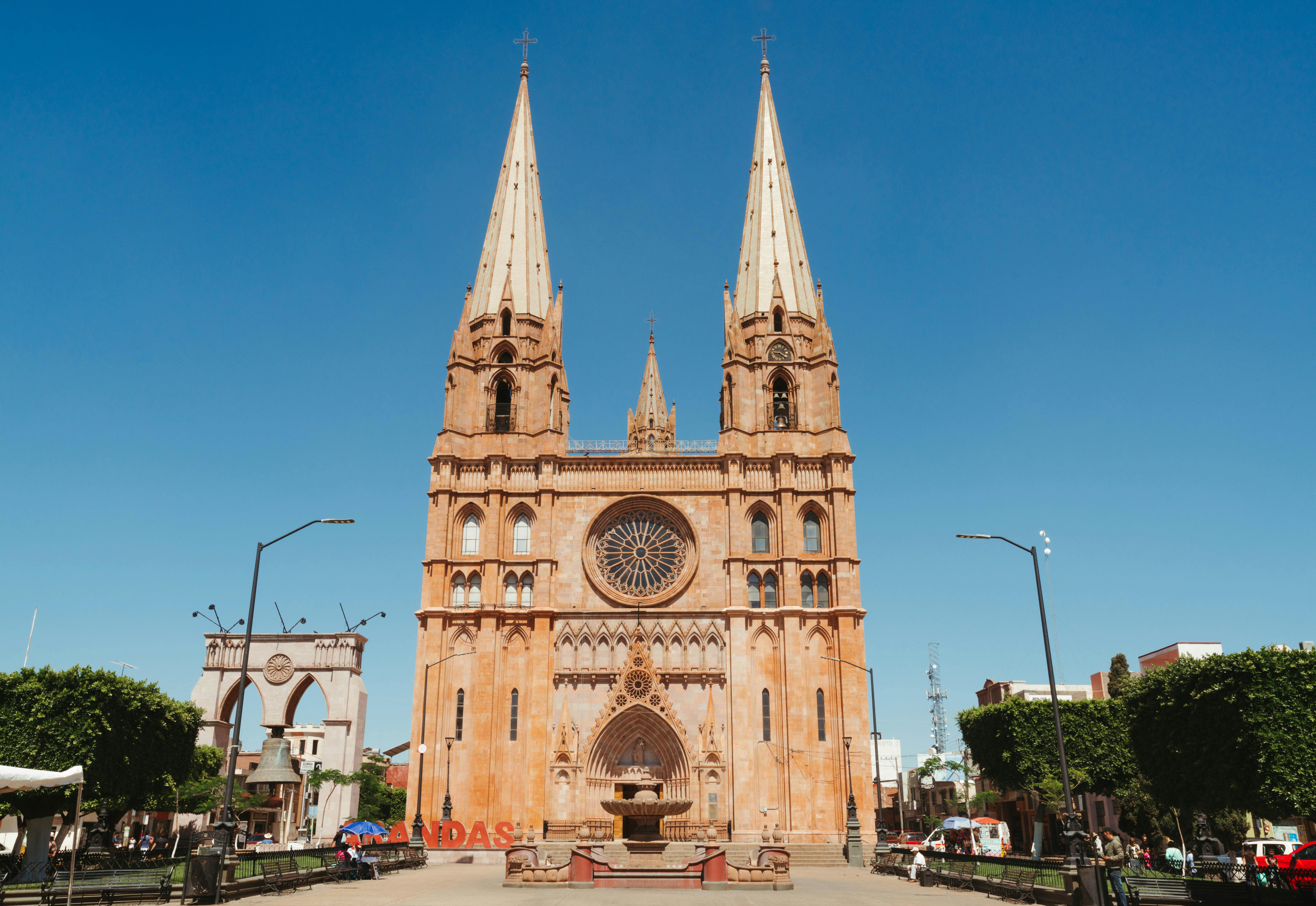
- Opening Hours: 7:00 AM–8:00 PM
- Entry Fee: Free
- Tips: Visit early for quiet reflection; admire the neo-Gothic spires and surrounding plazas.
- Best time: Morning or late afternoon
2. Hospicio Cabañas (Instituto Cultural Cabañas)

- Opening Hours: Tue–Sun 10:00 AM–6:00 PM
- Entry Fee: ~80 MXN
- Tips: UNESCO site with Orozco murals; free on Tuesdays.
- Best time: Late morning
3. Teatro Degollado
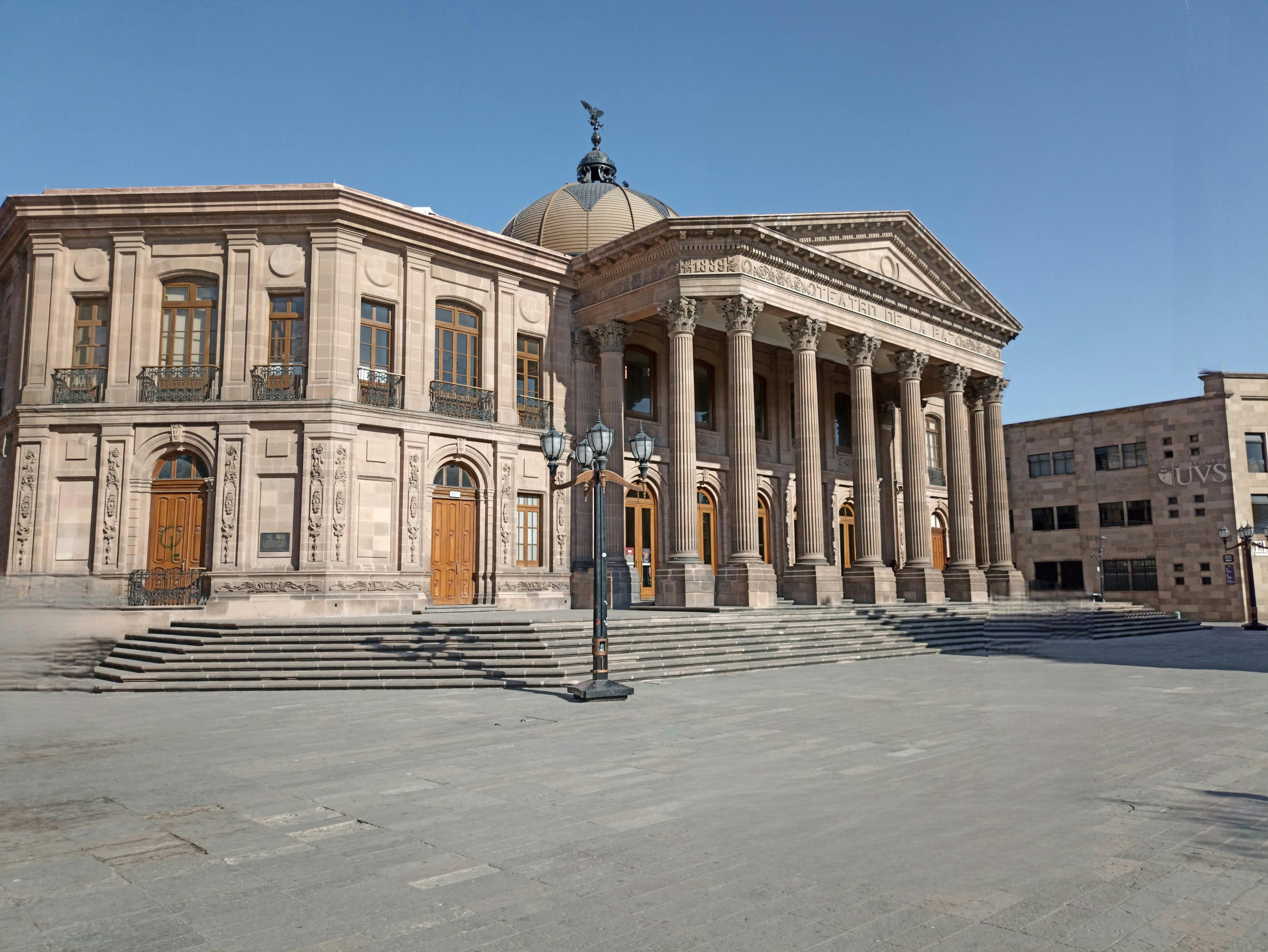
- Opening Hours: Varies by performance; tours available
- Entry Fee : Tour ~30–50 MXN; show tickets vary
- Tips: Check for ballet or orchestra performances.
- Best time: Evening for shows
4. Mercado San Juan de Dios

- Opening Hours: 6:00 AM–8:00 PM
- Entry Fee: Free
- Tips: Largest indoor market in Latin America—great for food, crafts, and people-watching.
- Best time: Morning to midday
5. Plaza de los Mariachis
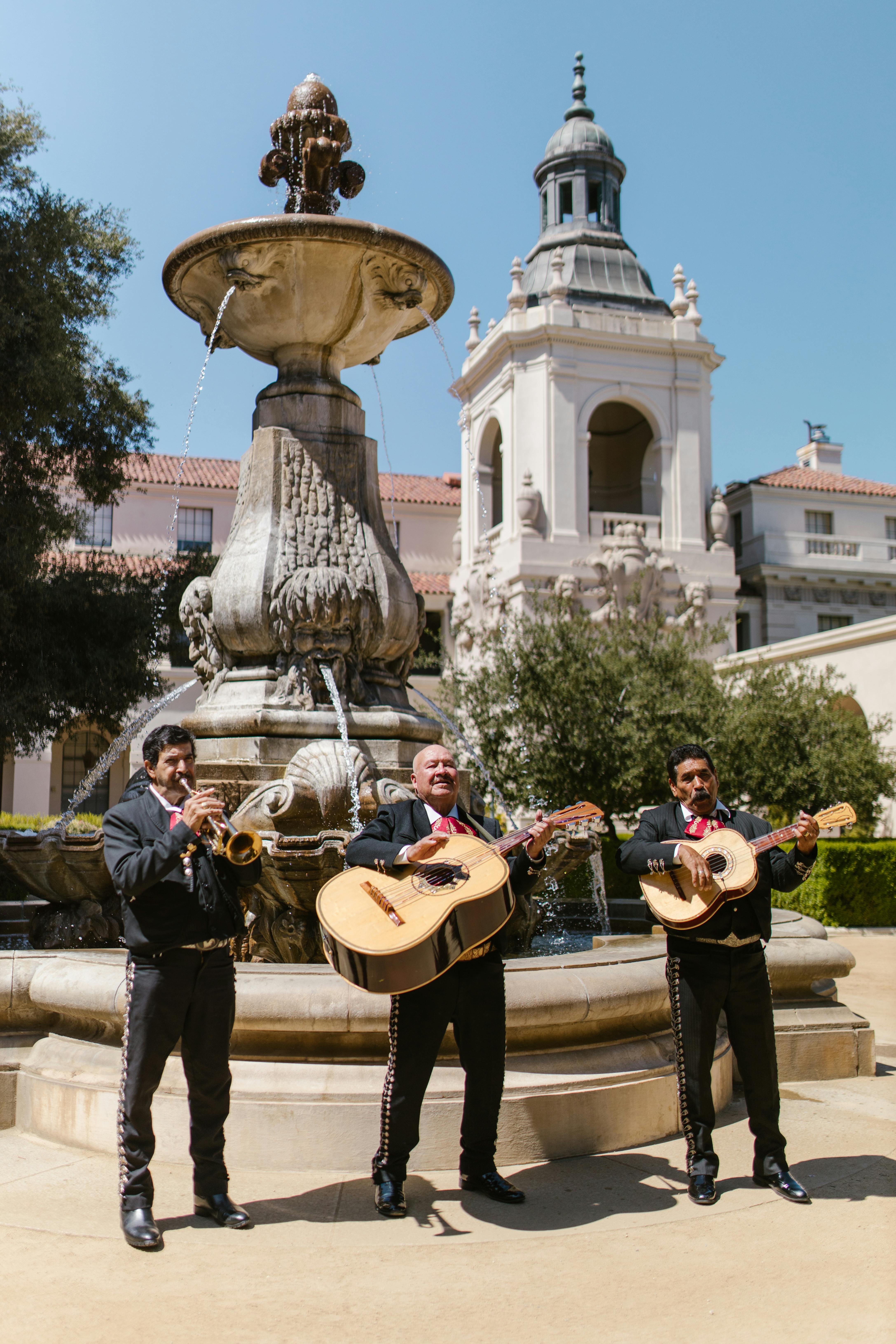
- Opening Hours: Always open (music best in evenings)
- Entry Fee: Free
- Tips: Enjoy live mariachi bands; tip musicians for a serenade.
- Best time: Evening
6. Avenida Chapultepec
- Opening Hours: Always open
- Entry Fee: Free
- Tips: Trendy area for bars, street art, and nightlife.
- Best time: Night
Hidden Gems
- Museo de las Artes Universidad de Guadalajara (MUSA): Modern art in a stunning building; often free exhibits.
- Parque Agua Azul: Lush park with aviary and butterfly house.
- Arena Coliseo: Catch a Lucha Libre wrestling match for a true local experience.
- Tlaquepaque & Tonalá: Artsy suburbs known for crafts, galleries, and weekend markets.
- Insider tip: Visit Plaza Fundadores for evening light shows and local street food.
Local Cuisine and Dining
- Must-try dishes: Birria (spicy stew), tortas ahogadas (drowned sandwiches), carne en su jugo, pozole, jericalla (dessert).
- Best restaurants: Birriería Las 9 Esquinas, La Chata, Santo Coyote, Casa Bariachi (dinner with mariachi).
- Cafés: PalReal, Café Benito, El Terrible Juan.
- Street food: Tacos at Mercado San Juan de Dios, churros in Centro Histórico.
- Food markets/tours: Mercado Libertad (San Juan de Dios), Mercado Corona; join a local food tour for the best bites.
Accommodation Options
- Budget: Hostel Hospedarte Chapultepec, Blue Pepper Hostel, Hotel Perla Central.
- Mid-range: Hotel Morales Historical & Colonial Downtown, NH Collection Guadalajara Centro, Hotel de Mendoza.
- Luxury: Hotel Demetria, Quinta Real Guadalajara, Grand Fiesta Americana.
- Boutique stays: Casa Habita, Villa Ganz.
- Tips: Stay in Centro Histórico for walkable sights, or Chapultepec for nightlife and cafés.
Transportation
- Getting there: Miguel Hidalgo y Costilla International Airport (GDL) with direct flights from major cities; long-distance buses and trains.
- Public transport: Light rail (SITEUR), city buses, and a growing bike-share network.
- Taxis/rideshares: Uber and DiDi widely used; official taxis at the airport.
- Tips: Centro is walkable; use light rail for longer trips; avoid driving in rush hour.
Events, Festivals, and Experiences
- Major events: Fiestas de Octubre (October), Guadalajara International Film Festival (March), International Book Fair (November/December).
- Unique experiences: Lucha libre wrestling, mariachi serenades, tequila distillery tours, folk dance workshops.
Shopping and Souvenirs
- Best shopping: Mercado San Juan de Dios, Tlaquepaque, Tonalá, Andares Mall.
- Souvenirs: Handcrafted ceramics, blown glass, tequila, mariachi hats, local sweets.
Practical Information
- Visa: Most visitors from the US, Canada, EU, and many other countries do not need a visa for stays up to 180 days.
- Weather: Best October–December; year-round spring-like climate; rainy June–September.
- Language: Spanish is official; English spoken in tourist areas.
- Currency: Mexican Peso (MXN); ATMs common; cards widely accepted.
Travel Tips and Etiquette
- Customs: Greet with a handshake or hug; tipping 10–15% is standard in restaurants.
- Safety: Centro is safe but use caution at night; use authorized taxis.
- Budget tips: Eat at markets, use public transit, visit free museums on Sundays.
Packing and What to Wear
- Fall/Winter (Oct–Feb): Light layers, sweater for evenings, comfortable shoes.
- Spring/Summer: Light clothing, sun protection, rain jacket (June–Sept).
- Dress code: Casual for most places; smart casual for upscale dining or shows.
Itineraries
2-Day Itinerary
- Day 1: Centro Histórico Walk (Cathedral, Plaza de Armas, Hospicio Cabañas), Mercado San Juan de Dios, Plaza de los Mariachis.
- Day 2: Tlaquepaque arts district, MUSA, Avenida Chapultepec nightlife.
4-Day Itinerary
- Days 1–2: As above.
- Day 3: Tequila distillery day trip, evening at Arena Coliseo (lucha libre).
- Day 4: Parque Agua Azul, Tonalá crafts market, café hopping.
7-Day Itinerary
- Days 1–4: As above.
- Day 5: Guadalajara Zoo or Michin Aquarium, shopping at Andares Mall.
- Day 6: Folk dance or cooking workshop, visit to Plaza Fundadores.
- Day 7: Day trip to Lake Chapala, farewell dinner with live mariachi.