

 Start Driving in Guwahati, Assam
Guwahati, the largest city in Assam, India, blends its rich historical significance with natural beauty, offering a unique mix of ancient temples, diverse neighborhoods, and a serene atmosphere. Situated along the Brahmaputra River, Guwahati provides a captivating mix of scenic river views and cultural diversity. The Kamakhya Temple, a prominent landmark, features stunning architecture and religious significance. The Umananda Temple features stunning architecture and religious significance. The Assam State Museum showcases the region’s rich history and cultural artifacts. Guwahati’s culinary scene features a delightful mix of Assamese and Indian cuisine, with restaurants serving masor tenga, pithas, and diverse regional specialties. The city’s markets, such as the Fancy Bazaar, offer a variety of local produce, artisanal goods, and souvenirs. The river and surrounding hills provide opportunities for scenic walks, cultural exploration, and outdoor recreation. Guwahati’s efficient transportation network, including buses, trains, and ferries, facilitates travel within the city and to surrounding areas. The city experiences a humid subtropical climate, with hot summers and mild winters. Guwahati’s cultural attractions, such as the various temples and the annual festivals, highlight the city’s historical significance and cultural contributions. The city’s tranquil cultural scene includes festivals, traditional music, and dance, reflecting the region’s diverse traditions. Guwahati’s blend of historical charm and natural beauty creates a unique and appealing destination. The local markets and community events foster a serene atmosphere, making Guwahati a peaceful and culturally rich destination for visitors and residents. Guwahati is a vital center for commerce, transportation, and culture in Northeast India, contributing significantly to the region’s development and economic growth.
Guwahati: A Gentle Harmony of River, Hills, and Heritage
Guwahati, the largest city in Northeast India, is a vibrant gateway to Assam’s rich heritage, spirituality, and natural beauty. With roots tracing back to ancient Kamarupa and a legacy shaped by dynasties, colonial influences, and diverse communities, Guwahati blends centuries-old traditions with dynamic urban life. From the sacred Kamakhya Temple to bustling riverfronts and colorful festivals, the city offers a unique tapestry of history, culture, and warm Assamese hospitality. The best time to visit is between October and April, when the weather is pleasant for exploring temples, markets, and the scenic Brahmaputra.
Brief History and Background
- Name derives from “Guwa” (areca nut) and “haat” (market) – literally “areca nut market”.
- Settlement dates back to at least the 6th century AD, with evidence of earlier habitation during the Shunga-Kushana period (2nd century BCE–1st century CE).
- Ancient capital of the Kamarupa kingdom (4th–12th centuries), a major center of trade, culture, and spirituality.
- Ruled by dynasties like the Palas, Koch, and Ahoms; site of the famous Battle of Saraighat (1671) against the Mughals.
- Became an administrative and commercial hub during British colonial rule, with significant urban development in the 19th and 20th centuries.
- Today, Guwahati is Assam’s commercial, educational, and cultural capital.
What Makes the City Unique or Special
- Ancient temples (Kamakhya, Umananda, Navagraha) and mythological sites.
- Scenic location on the Brahmaputra River, surrounded by hills and forests.
- Blend of indigenous Assamese, tribal, and colonial influences.
- Renowned for vibrant festivals, silk weaving, and traditional crafts.
Local Culture and Vibe
- Melting pot of ethnicities: Assamese, Bodo, Rabha, Karbi, and more.
- Warm, hospitable locals known for their simplicity and courtesy.
- Major festivals: Bihu (Assamese New Year), Ambubachi Mela, Brahmaputra Beach Festival, and Rangoli Utsav.
- Rich traditions in music, dance, handloom weaving (Muga and Eri silk), and cuisine.
Best Months to Visit
- October to April: Pleasant, dry, and ideal for sightseeing and festivals.
- May to September: Hot, humid, and monsoon rains; not recommended for travel.
Top Attractions
1. Kamakhya Temple
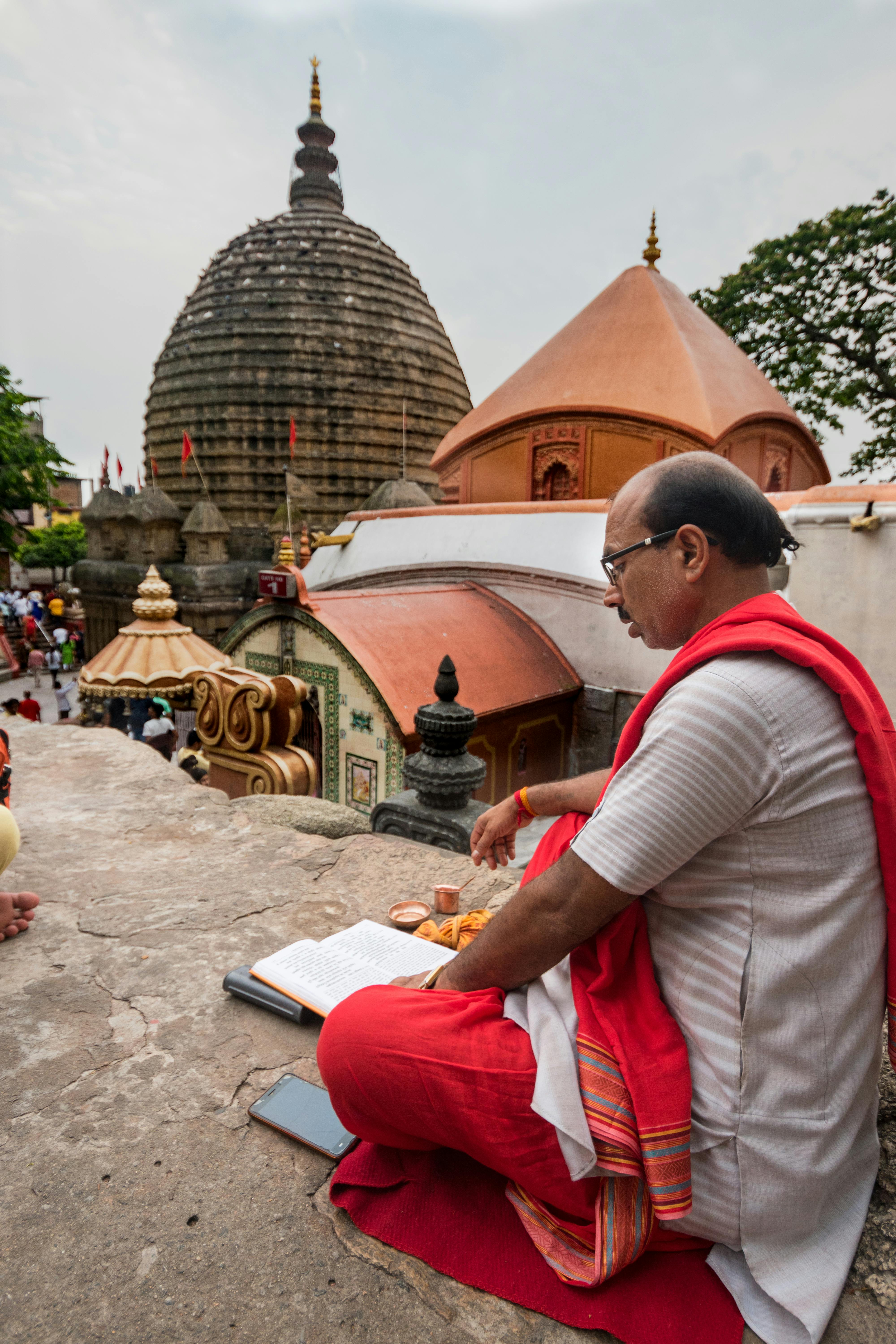
- OpeningHours: 5:30 AM–1:00 PM, 2:30 PM–5:30 PM
- Entry Fee: Free (donations welcome)
- Tips: Arrive early to avoid long queues; dress modestly.
- Best time: Early morning, especially during Ambubachi Mela (June).
2. Umananda Temple (Peacock Island)
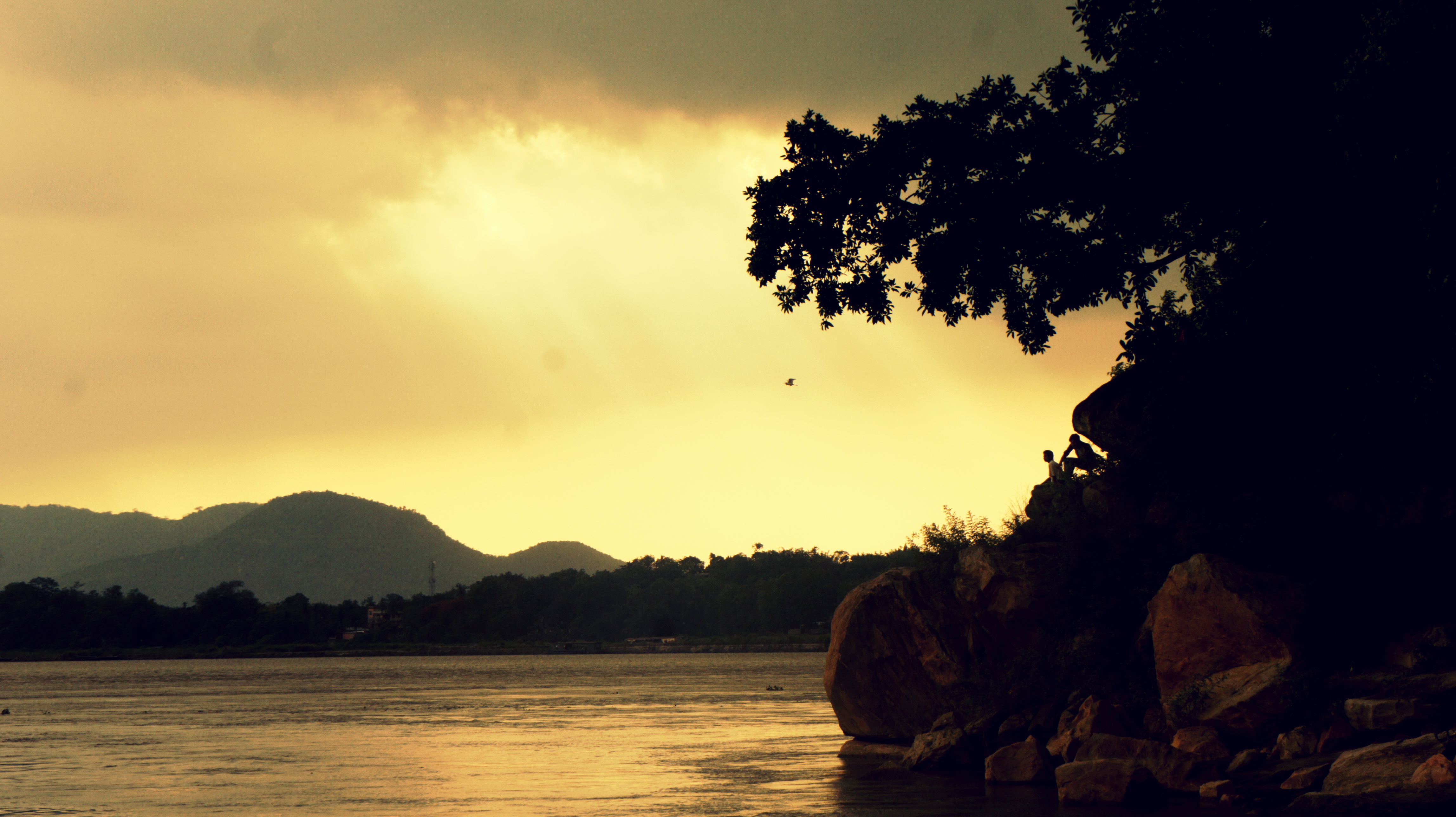
- Opening Hours: 5:30 AM–6:00 PM
- Entry Fee: Free; ferry ticket ~30–50
- Tips: Take a ferry from Kachari Ghat; best during weekdays.
- Best time: Morning or late afternoon.
3. Assam State Museum
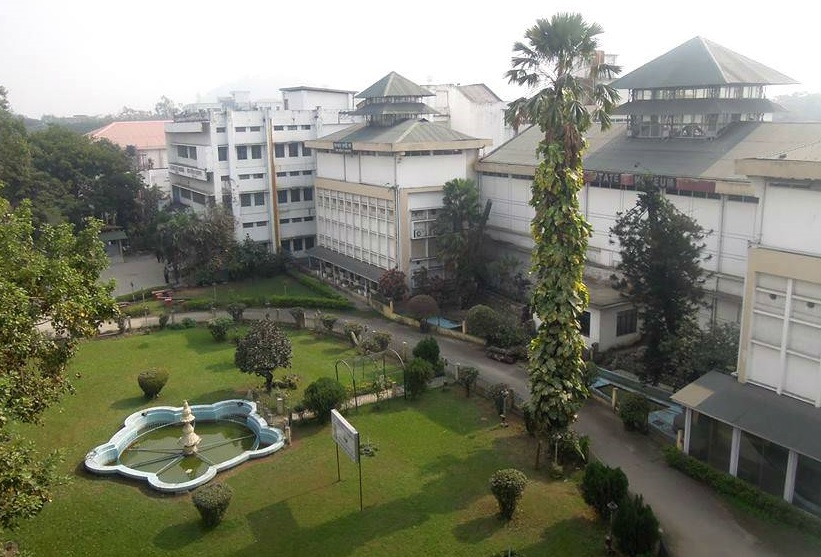
- Opening Hours: 10:00 AM–5:00 PM (closed Mondays)
- Entry Fee: 20 (Indians), 100 (foreigners)
- Tips: Explore Assamese history, art, and culture.
- Best time: Mid-morning.
4. Basistha Ashram

- Opening Hours: 6:00 AM–9:00 PM
- Entry Fee: Free
- Tips: Serene setting with waterfalls; combine with Garbhanga Reserve Forest.
- Best time: Morning.
5. Guwahati Planetarium

- Opening Hours: 11:00 AM–4:00 PM (shows every hour)
- Entry Fee: 30–50
- Tips: English and Assamese shows; great for families.
- Best time: Afternoon.
Hidden Gems
- Navagraha Temple: Ancient astrological temple on Chitrachal Hill; panoramic city views.
- Dighalipukhuri Lake: Boating and peaceful walks; linked to Mahabharata legends.
- Ambari Archaeological Site: Excavations revealing ancient Guwahati.
- Srimanta Sankardev Kalakshetra: Cultural complex with museums, open-air theater, and art.
- Local tips: Visit Fancy Bazaar for local shopping; try street food at Pan Bazaar.
Local Cuisine and Dining
- Must-try dishes: Assam Laksa, Masor Tenga (sour fish curry), Duck curry, Khar, Pitha (rice cakes), bamboo shoot dishes.
- Best restaurants: Paradise, Khorikaa, Heritage Khorikaa, Terra Mayaa (rooftop), Michinga (tribal cuisine).
- Cafés: The Corner Café, Café Hendrix (live music), 11th Avenue Café Bistro.
- Street food: Pani puri, momos, egg rolls at Fancy Bazaar and Pan Bazaar.
- Food markets/tours: Uzan Bazaar Fish Market, Beltola Bazaar for local produce; join a culinary tour for authentic tastes.
Accommodation Options
- Budget: Zostel Guwahati, Hotel Siroy Lily, OYO Rooms.
- Mid-range: Hotel Gateway Grandeur, Kiranshree Portico, Hotel Rajmahal.
- Luxury: Vivanta Guwahati, Radisson Blu, Novotel.
- Hostels/Boutique stays: The Awesome Palace, Treebo Trend Hotels.
- Tips: Stay near Paltan Bazaar or GS Road for transport and dining; Uzan Bazaar for a quieter, local vibe.
Transportation
- Getting there: Lokpriya Gopinath Bordoloi International Airport (20 km from city), Guwahati Railway Station (central), long-distance buses.
- Public transport: City buses, shared auto-rickshaws, e-rickshaws; no metro or trams.
- Taxis/rideshares: Ola, Uber, local taxis; cycle and bike rentals available.
- Tips: Use prepaid taxis from airport/railway; traffic can be heavy during peak hours.
Events, Festivals, and Experiences
- Major events: Bihu (April, January), Ambubachi Mela (June), Brahmaputra Beach Festival (January), Rongali Festival (April).
- Unique experiences: River cruises on the Brahmaputra, silk weaving workshops, Assamese dance/music performances.
Shopping and Souvenirs
- Best shopping: Fancy Bazaar, Pan Bazaar, Paltan Bazaar, GS Road.
- Markets/malls: Central Mall, Sohum Shoppe, Dona Planet.
- Souvenirs: Assam silk (Muga, Eri), bamboo crafts, tea, traditional jewelry, handloom textiles.
Practical Information
- Visa: Most foreign nationals require an Indian visa; e-visa available for many countries.
- Weather: Best October–April; avoid monsoon (May–September).
- Language: Assamese is primary; Hindi and English widely understood.
- Currency: Indian Rupee (); ATMs common; cards accepted in hotels/restaurants, cash for markets.
Travel Tips and Etiquette
- Customs: Greet with “Namaskar”; remove shoes before entering temples; dress modestly.
- Safety: Guwahati is generally safe; take care in crowded markets and at night.
- Budget tips: Use shared autos and buses; eat at local eateries; shop at markets for best deals.
Packing and What to Wear
- Winter (Oct–Feb): Light woolens, layers, comfortable shoes.
- Summer (Mar–May): Cotton clothes, sunhat, sunscreen.
- Monsoon (Jun–Sep): Raincoat/umbrella, waterproof shoes.
- Dress code: Modest attire for temples; casual for city sightseeing.
Itineraries
2-Day Itinerary
- Day 1: Kamakhya Temple, Umananda Temple, Fancy Bazaar shopping, Brahmaputra sunset cruise
- Day 2: Assam State Museum, Srimanta Sankardev Kalakshetra, Dighalipukhuri Lake, Café Hendrix
4-Day Itinerary
- Days 1–2: As above
- Day 3: Navagraha Temple, Basistha Ashram, Pan Bazaar street food
- Day 4: Ambari Archaeological Site, silk weaving workshop, shopping at Pan Bazaar
7-Day Itinerary
- Days 1–4: As above
- Day 5: Day trip to Pobitora Wildlife Sanctuary (rhinoceros safari)
- Day 6: Explore Sualkuchi (silk village), visit tea gardens
- Day 7: Attend a local festival or performance, relax at Uzan Bazaar, farewell dinner