

 Start Driving in Hoi An
Hoi An, a city in central Vietnam, blends its rich historical significance with stunning architectural landscapes, offering a unique mix of historical landmarks, diverse neighborhoods, and a serene atmosphere. Situated along the Thu Bon River, Hoi An provides a captivating mix of scenic river views and cultural diversity. The Hoi An Ancient Town, a prominent landmark, features stunning historical architecture and cultural expressions. The Japanese Covered Bridge features stunning historical architecture and cultural significance. The Cantonese Assembly Hall features stunning historical architecture and cultural exhibits. It’s culinary scene features a delightful mix of Vietnamese and regional cuisine, with restaurants serving cao lau, white rose dumplings, and diverse regional specialties. The city’s markets, such as the Hoi An Central Market, offer a variety of local produce, artisanal goods, and souvenirs. The river and surrounding areas provide opportunities for scenic walks, cultural exploration, and outdoor recreation. It’s efficient transportation network, including bicycles, taxis, and boats, facilitates travel within the city and to surrounding areas. The city experiences a tropical monsoon climate, with warm temperatures year-round. It’s cultural attractions, such as the various historical sites and the annual festivals, highlight the city’s historical significance and cultural contributions. The city’s tranquil cultural scene includes festivals, traditional music, and dance, reflecting the region’s diverse traditions. Hoi An’s blend of historical charm and river beauty creates a unique and appealing destination. The local markets and community events foster a serene atmosphere, making it a peaceful and culturally rich destination for visitors and residents. Hoi An is a vital center for tourism, arts, and culture in central Vietnam, contributing significantly to the country’s national development and economic growth.
Hoi An: Where Lanterns Light the River of Time
Hoi An, a UNESCO World Heritage Site on Vietnam’s central coast, is a mesmerizing town where lantern-lit evenings, ancient architecture, and riverside tranquility create a timeless atmosphere. Once a bustling trading port, Hoi An enchants visitors with its harmonious blend of Chinese, Japanese, and European influences, yellow-walled shop houses, vibrant markets, and a cuisine as diverse as its history.
Overview Of History
- Established as a major Southeast Asian trading port from the 15th to 19th centuries, welcoming merchants from China, Japan, and Europe.
- The town’s prosperity is reflected in its well-preserved architecture—Japanese bridges, Chinese assembly halls, and French colonial buildings.
- Declared a UNESCO World Heritage Site in 1999 for its unique cultural fusion and historic significance.
- Today, Hoi An is famed for its heritage, traditional crafts, and vibrant festivals.
What Makes the City Unique or Special
- Exceptionally well-preserved Old Town with a blend of Asian and European architectural styles.
- Famous for its lantern-lit nights, tailor shops, and riverside setting.
- Unique culinary traditions found nowhere else in Vietnam, such as Cao Lau and white rose dumplings.
- A relaxed pace of life, scenic countryside, and proximity to beautiful beaches.
Local Culture and Vibe
- Life in Hoi An moves at a slower, more contemplative pace.
- Locals are known for their hospitality, craftsmanship, and culinary skills.
- Nightly lantern festivals, bustling markets, and a strong tradition of tailoring and handcrafts.
- The town’s riverside cafés, art galleries, and street food stalls foster a creative, welcoming atmosphere.
Best Months to Visit
- February to May: Best weather—pleasant, dry, and sunny.
- March to June: Peak tourist season, but still comfortable.
- July to September: Transition period; some rain, but still enjoyable evenings.
- October to January: Rainy season, but the Old Town remains charming.
Top Attractions
1. Hoi An Ancient Town
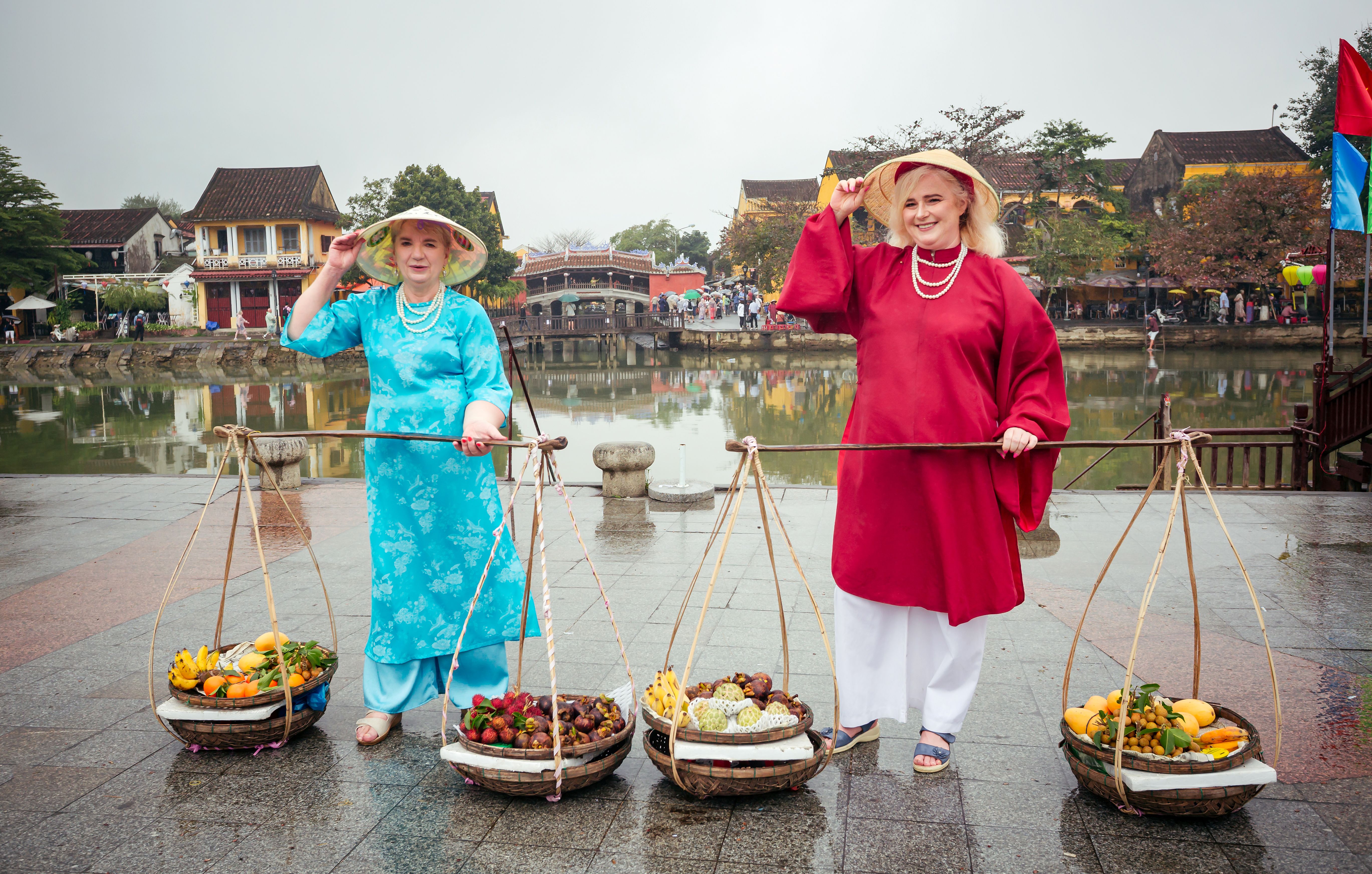
- Opening Hours: Always open; ticketed entry to main sites 7:00 AM–9:30 PM
- Entry Fee: ~120,000 VND (covers several heritage houses, museums, and assembly halls)
- Tips: Visit early morning or evening for fewer crowds and magical lantern lights.
- Best time: Sunset for lantern-lit streets.
2. Japanese Covered Bridge
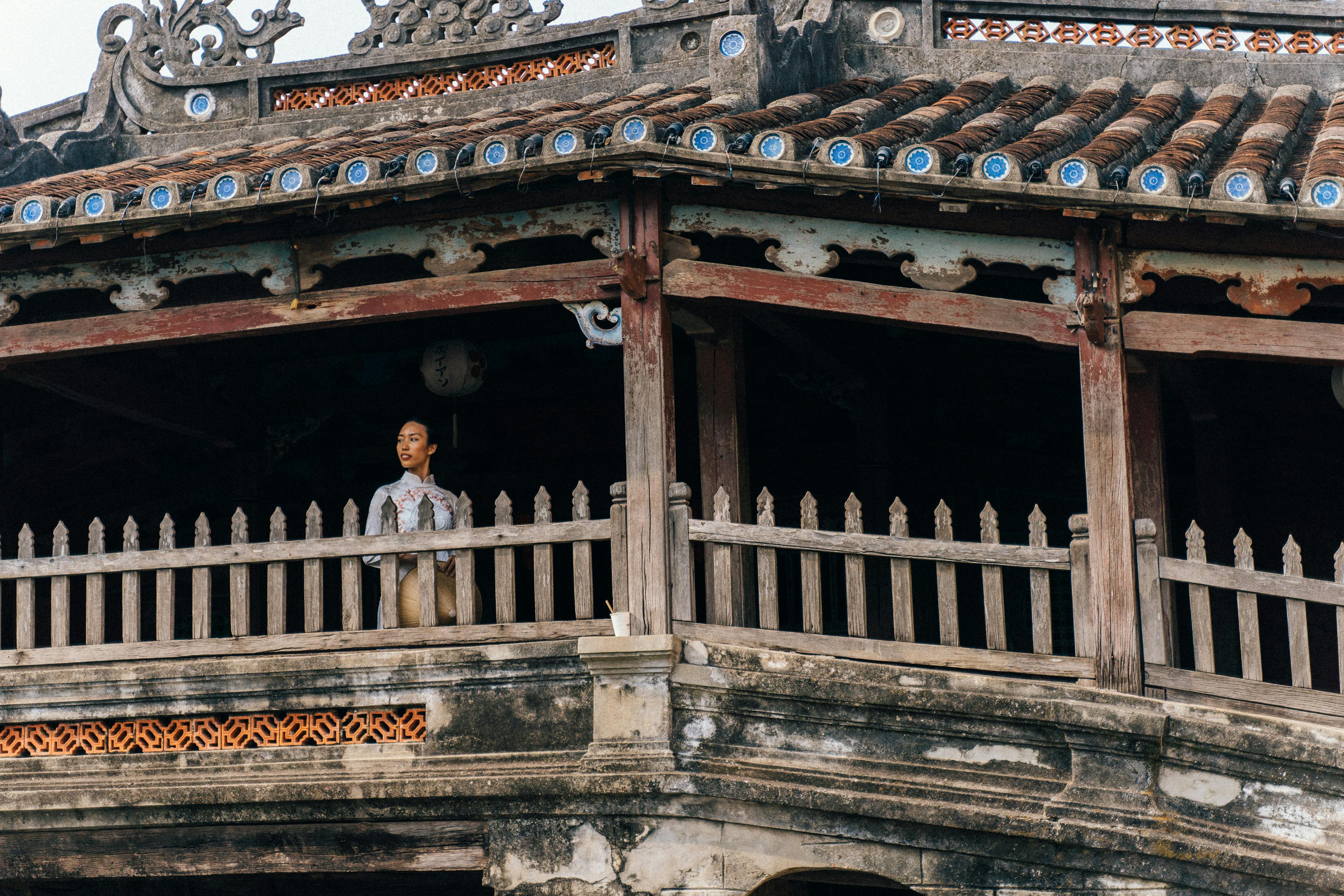
- Opening Hours: 7:00 AM–9:00 PM
- Entry Fee: Included in Old Town ticket.
- Tips: Iconic photo spot; best early morning or at dusk.
3. Tan Ky Old House

- Opening Hours: 8:00 AM–5:00 PM
- Entry Fee: Included in Old Town ticket.
- Tips: Guided tours available; see original antiques and architecture.
4. Phuc Kien (Fujian) Assembly Hall

- Opening Hours: 8:00 AM–5:00 PM
- Entry Fee: Included in Old Town ticket.
- Tips: Ornate Chinese temple; peaceful in the early morning.
5. My Son Sanctuary (day trip)
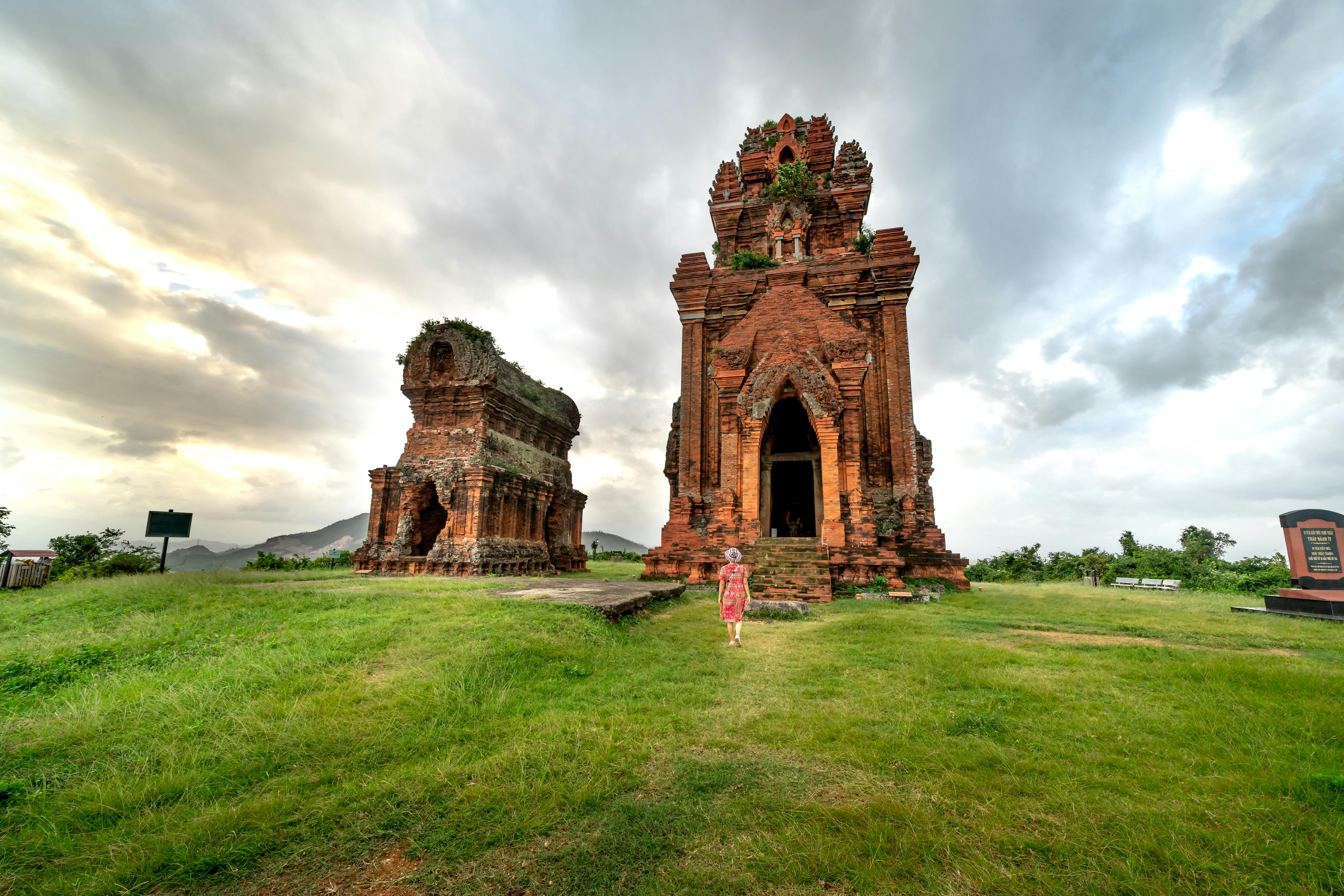
- Opening Hours: 6:00 AM–5:00 PM
- Entry Fee: ~150,000 VND
- Tips: UNESCO site of Cham temples; best early morning to avoid heat.
6. An Bang Beach

- Opening Hours: Always open
- Entry Fee: Free
- Tips: Rent a bike for a scenic ride; enjoy fresh seafood at beachside shacks.
- Best time: Morning or late afternoon.
Hidden Gems
- Museum of Trade Ceramics: Insight into Hoi An’s trading past; quiet and atmospheric.
- Lantern Boat Ride: Glide down the Thu Bon River at night for lantern views.
- Cam Thanh Coconut Village: Eco-tours in round bamboo boats through water in coconut forests.
- Tra Que Vegetable Village: Join a cooking class or learn traditional farming.
- Local tip: Explore countryside lanes by bicycle at sunrise for tranquil scenery.
Local Cuisine and Dining
- Must-try dishes: Cao Lau (noodles with pork and greens), white rose dumplings, Hoanh Thanh (wontons), Banh Mi Hoi An, Mi Quang, fresh seafood.
- Best restaurants: Morning Glory, Miss Ly, Mango Mango, Sakura Restaurant (Japanese-Vietnamese fusion).
- Cafés: Reaching Out Tea House (silent tea experience), 92 Station Café, The Espresso Station.
- Street food: Try stalls in the Central Market and at the night market.
- Food markets/tours: Hoi An Central Market for local produce and snacks; join a guided food tour or cooking class.
Accommodation Options
- Budget: Homestays from 200,000 VND/night; Under The Coconut Tree, Maison de Tau, Tribee Hostels.
- Mid-range: An Bang Beach Hideaway, Vinh Hung Library Hotel, Little Hoi An Boutique Hotel.
- Luxury: Four Seasons The Nam Hai, Anantara Hoi An Resort, La Siesta Hoi An Resort.
- Boutique stays: Heron House, Le Bleu, Hoi An Chic Hotel.
- Tips: Stay in the Old Town for atmosphere, An Bang Beach for relaxation, or Cam Chau for a countryside feel.
Transportation
- Getting there: Fly or take a train/bus to Da Nang (30 km away), then taxi or shuttle to Hoi An.
- Public transport: No metro or trams; local buses connect Da Nang and Hoi An.
- Local transport: Taxis, Grab (rideshare), cyclos, bicycles, and motorbike rentals are widely available.
- Tips: Cycling is popular and safe; walking is best in the Old Town (no cars allowed).
Events, Festivals, and Experiences
- Major events: Full Moon Lantern Festival (monthly), Tet (Lunar New Year), Mid-Autumn Festival, Hoi An International Food Festival.
- Unique experiences: Lantern-making workshops, cooking classes, traditional music and dance performances, basket boat tours.
Shopping and Souvenirs
- Best shopping: Old Town streets, Hoi An Night Market, Central Market.
- Souvenirs: Tailor-made clothes, silk lanterns, ceramics, embroidery, handmade jewelry.
Practical Information
- Visa: Most travelers need an e-visa or visa on arrival; check current regulations.
- Weather: Best February–May; rainy October–January; pack for sudden showers.
- Language: Vietnamese; English widely spoken in tourist areas.
- Currency: Vietnamese Dong (VND); ATMs common; cards accepted in hotels/shops, cash for markets.
Travel Tips and Etiquette
- Customs: Dress modestly in temples; remove shoes before entering homes; greet with a smile.
- Safety: Hoi An is safe; beware of pickpockets in markets.
- Budget tips: Eat at local markets, rent a bike, stay in homestays, and bargain politely in shops.
Packing and What to Wear
- Dry season (Feb–May): Light, breathable clothes, hat, sunscreen, sandals.
- Rainy season (Oct–Jan): Rain jacket, quick-dry clothes, umbrella.
- Dress code: Casual for sightseeing; smart casual for upscale dining; modest attire for temples.
Itineraries
2-Day Itinerary
- Day 1: Explore Ancient Town (Japanese Bridge, Tan Ky House, Phuc Kien Assembly Hall), lantern-lit boat ride, night market.
- Day 2: Cycle to Tra Que Village, cooking class, An Bang Beach, sunset riverside dinner.
4-Day Itinerary
- Days 1–2: As above.
- Day 3: My Son Sanctuary morning tour, Cam Thanh Coconut Village, Reaching Out Tea House.
- Day 4: Tailor shop visit, Central Market food tour, lantern-making workshop, evening at a local café.
7-Day Itinerary
- Days 1–4: As above.
- Day 5: Day trip to Da Nang (Marble Mountains, My Khe Beach), return for lantern festival.
- Day 6: Basket boat tour, art gallery hopping, spa afternoon.
- Day 7: Explore hidden alleys, shop for souvenirs, farewell dinner by the river.