

 Start Driving in Havana
Havana, the capital of Cuba, blends its rich colonial history with a vibrant contemporary culture, offering a unique mix of historical landmarks, diverse neighborhoods, and a lively atmosphere. Situated along the coast of the Gulf of Mexico, Havana provides a captivating mix of scenic sea views and cultural diversity. Old Havana (Habana Vieja), a prominent landmark, features stunning colonial architecture and historical significance. The Malecon, a seaside promenade, features stunning coastal views and cultural expressions. The Museum of the Revolution showcases the region’s revolutionary history and cultural artifacts. Havana’s culinary scene features a delightful mix of Cuban and Caribbean cuisine, with restaurants serving ropa vieja, moros y cristianos, and diverse regional specialties. The city’s markets, such as the Almacenes San Jose Artisans’ Market, offer a variety of local produce, artisanal goods, and souvenirs. The coast and surrounding areas provide opportunities for scenic walks, cultural exploration, and outdoor recreation. Havana’s transportation network, including buses, taxis, and classic cars, facilitates travel within the city and to surrounding areas. The city experiences a tropical savanna climate, with warm temperatures year-round. Havana’s cultural attractions, such as the various historical sites and the annual festivals, highlight the city’s colonial history and cultural contributions. The city’s vibrant cultural scene includes festivals, traditional music, and dance, reflecting the region’s diverse traditions. Havana’s blend of historical charm and Caribbean vibrancy creates a unique and appealing destination. The local markets and community events foster a lively atmosphere, making Havana a dynamic and culturally rich destination for visitors and residents. Havana is a vital center for government, commerce, and culture in Cuba, contributing significantly to the country’s national development and economic growth.
Havana: A City of Rhythm, Ruins, and Radiant Light
Havana, Cuba’s captivating capital, is a city where timeworn colonial facades, the rhythms of salsa, and the gleam of classic cars create an atmosphere unlike anywhere else in the world. Founded in the early 16th century and shaped by Spanish, African, and Caribbean influences, Havana’s vibrant streets pulse with history, creativity, and resilience. Havana promises an unforgettable journey through culture, color, and nostalgia.
Past And Origins
- Founded by the Spanish in 1519 as San Cristóbal de la Habana, Havana quickly became a crucial port for ships crossing between the New and Old Worlds.
- The city flourished as a center of trade, culture, and defense, evidenced by its grand fortresses and colonial mansions.
- Havana’s fortunes rose and fell with sugar booms, pirate raids, and revolutions, culminating in the 1959 Cuban Revolution.
- Today, Havana is a UNESCO World Heritage Site, celebrated for its preserved architecture, rich music scene, and enduring spirit.
What Makes the City Unique or Special
- Iconic 1950s classic cars cruising the streets.
- A blend of Spanish colonial, Art Deco, and modernist architecture.
- World-renowned music and dance—salsa, son, and jazz fill the air.
- A palpable sense of nostalgia and resilience, with locals (habaneros) proud of their heritage.
Local Culture and Vibe
- Life in Havana is lived outdoors: plazas, the Malecón, and lively street corners are social hubs.
- Locals are friendly, passionate about music, and eager to share stories.
- Art, music, and dance are woven into daily life, from impromptu street performances to world-class jazz clubs.
- The city has a laid-back, welcoming vibe, with a strong sense of community.
Best Months to Visit
- November to April: Dry season, pleasantly warm, and ideal for sightseeing and festivals.
- May to October: Hotter and wetter, with a risk of hurricanes (especially August–October).
Top Attractions
1. Old Havana (Habana Vieja)

- Opening Hours: Always open
- Entry Fee: Free to wander; some museums/attractions charge entry.
- Tips: Explore on foot; don’t miss Plaza Vieja, Plaza de la Catedral, and Calle Obispo.
- Best time: Early morning or evening for cooler weather and fewer crowds.
2. Malecón
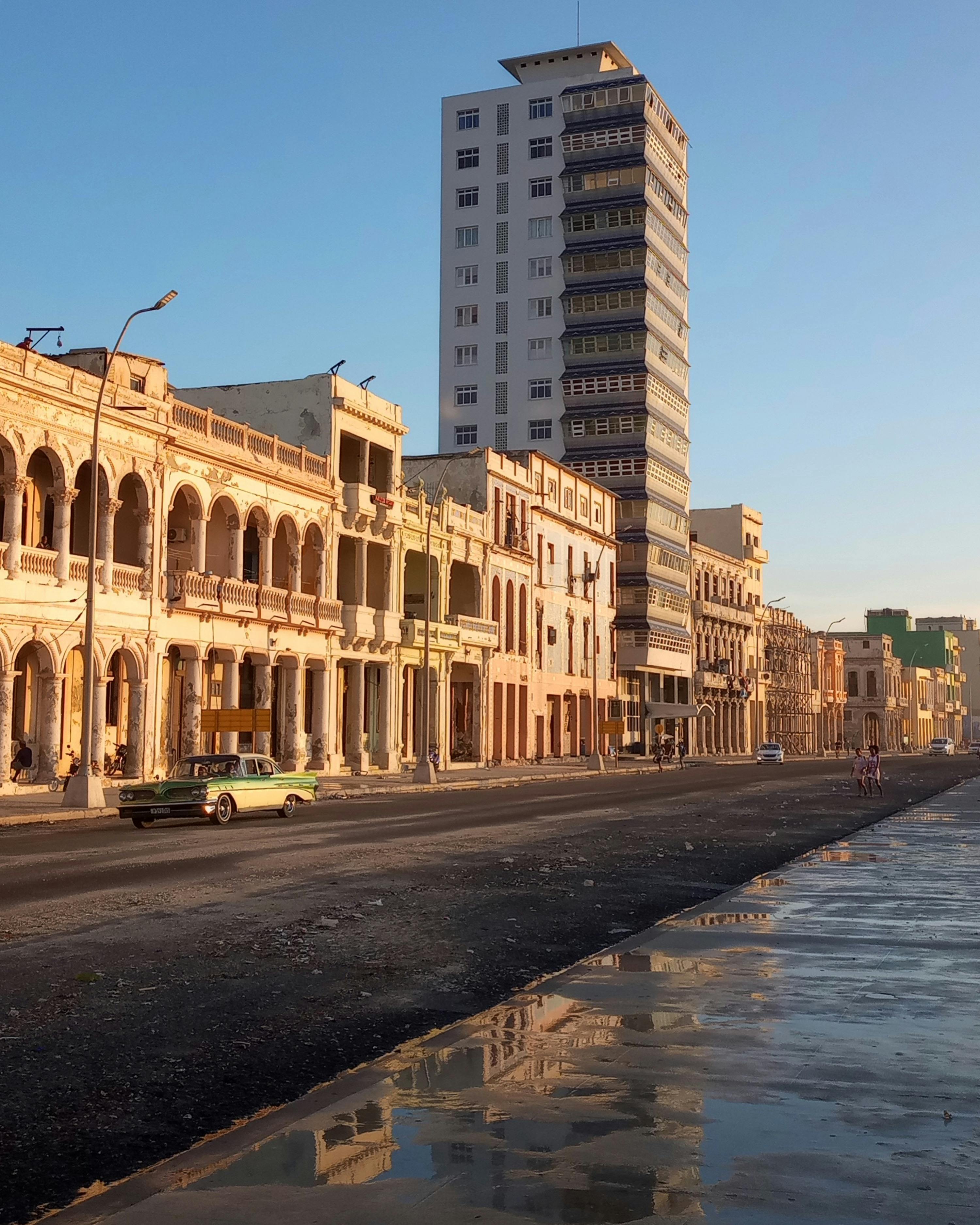
- Opening Hours: Always open
- Entry Fee: Free
- Tips: Go at sunset for stunning views and a lively local scene.
3. Museo de la Revolución

- Opening Hours: 9:30 AM–4:00 PM (Tues–Sun)
- Entry Fee: ~8–10 USD
- Tips: Located in the former Presidential Palace; allow 1–2 hours.
- Best time: Late morning.
4. Castillo de la Real Fuerza

- Opening Hours: 9:00 AM–5:00 PM (Tues–Sun)
- Entry Fee: ~3–5 USD
- Tips: Climb the tower for city views; check out the maritime museum inside.
5. Gran Teatro de La Habana
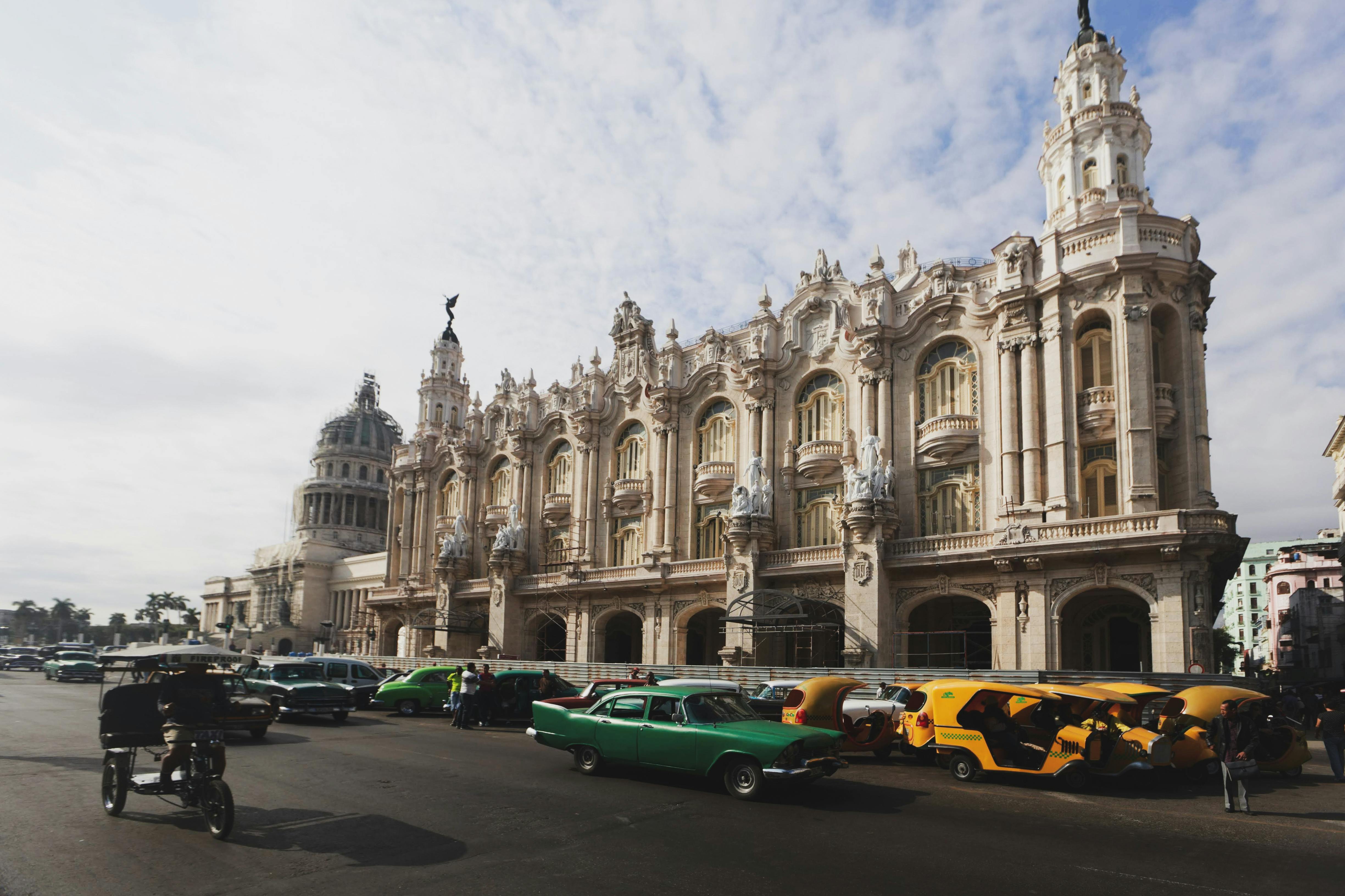
- Opening Hours: Guided tours available; check for performance times.
- Entry Fee: Tour ~5–10 USD; show tickets vary.
- Tips: See a ballet or opera if possible.
6. Classic Car Tour

- Opening Hours: Flexible (usually 1-hour tours)
- Entry Fee: $50–60 per car (not per person)
- Tips: Negotiate the route; book outside Castillo de la Real Fuerza or the Capitol building.
- Best time: Late afternoon for golden hour photos.
Hidden Gems
- Fusterlandia: A whimsical mosaic neighborhood created by artist José Fuster.
- Fábrica de Arte Cubano: Art gallery, nightclub, and cultural center in a converted factory.
- Hemingway’s House (Finca Vigía): The author’s former home, now a museum.
- Almacenes San José: Massive craft market for local art and souvenirs.
- Insider tip: Take a lantern-lit walk along Calle Mercaderes at dusk for a magical Old Havana experience.
Local Cuisine and Dining
- Must-try dishes: Ropa vieja (shredded beef), arroz con pollo, lechón asado (roast pork), tostones, Cuban sandwiches.
- Best restaurants: Doña Alicia, La Guarida (famous rooftop setting), Sibarita Habana, Mojito-Mojito, Sensacioones Restaurant.
- Cafés: Café El Escorial (Plaza Vieja), Café O’Reilly.
- Street food: Try churros, tamales, and pizza from local vendors (avoid tap water and ice).
- Food markets/tours: Central markets and paladares (private restaurants); join a food tour for local flavors.
Accommodation Options
- Budget: Casa particulares (private homestays), Hostal Peregrino, Rolando’s Backpackers.
- Mid-range: Hotel Inglaterra, Hotel Telegrafo, Hotel Ambos Mundos.
- Luxury: Gran Hotel Manzana Kempinski, Iberostar Parque Central, Hotel Saratoga.
- Boutique stays: Casa Vitrales, Malecon 663.
- Tips: Stay in Old Havana for history and walkability; Vedado for nightlife; Miramar for a quieter, upscale stay.
Transportation
- Getting there: José Martí International Airport (direct flights from the Americas and Europe); long-distance buses (Viazul) connect other Cuban cities.
- Public transport: Limited; city buses exist but are crowded and infrequent for tourists.
- Taxis/rideshares: Classic “taxi particular” cars ($5–$10 per ride), government taxis ($10 flat rate), and bicycle taxis for short trips.
- Bike rentals: Available but less common; Havana is best explored on foot or by car.
- Tips: Negotiate taxi fares; use the Malecón as a landmark for navigation; walking is safe and rewarding.
Events, Festivals, and Experiences
- Major events: Havana Carnival (July/August), International Jazz Festival (January), Havana Biennial (art, every two years), Festival del Habano (cigars, February).
- Unique experiences: Buena Vista Social Club live music, salsa dance classes, art gallery visits, local cooking workshops.
Shopping and Souvenirs
- Best shopping: Calle Obispo, Almacenes San José, Plaza de Armas book market.
- Souvenirs: Cuban cigars, rum, handmade crafts, art prints, Che Guevara memorabilia.
Practical Information
- Visa: Most travelers require a tourist card (visa) obtained in advance or at the airport; check current regulations.
- Weather: Best November–April; hot and wet May–October.
- Language: Spanish; limited English in tourist areas.
- Currency: Cuban Peso (CUP); some places accept USD/EUR; bring cash, as cards are often not accepted and ATMs can be unreliable.
- ATMs: Limited; best to bring cash and exchange at official locations.
Travel Tips and Etiquette
- Customs: Greet with a handshake or “buenos días”; locals are warm and curious.
- Safety: Havana is generally safe, with visible police presence; watch for petty theft and avoid drinking tap water.
- Budget tips: Eat at paladares, use shared taxis, and negotiate prices. Avoid street food with questionable hygiene and always drink bottled water.
Packing and What to Wear
- Dry season (Nov–Apr): Light, breathable clothing, hat, sunglasses, sunscreen, comfortable shoes.
- Wet season (May–Oct): Rain jacket, umbrella, quick-dry clothes.
- Dress code: Casual for sightseeing; smart casual for upscale dining or performances.
Itineraries
2-Day Itinerary
- Day 1: Explore Old Havana (Plaza Vieja, Plaza de la Catedral, Calle Obispo), Museo de la Revolución, sunset on the Malecón.
- Day 2: Classic car tour, Fusterlandia, Gran Teatro de La Habana, evening at Buena Vista Social Club.
4-Day Itinerary
- Days 1–2: As above.
- Day 3: Fábrica de Arte Cubano, Hemingway’s House, Almacenes San José market.
- Day 4: Day trip to Playas del Este (beaches), stroll Vedado, salsa class.
7-Day Itinerary
- Days 1–4: As above.
- Day 5: Art gallery hopping, visit Castillo de la Real Fuerza, coffee at Café El Escorial.
- Day 6: Cooking workshop, explore Miramar, evening at a rooftop bar.
- Day 7: Attend a festival or performance, shop for souvenirs, farewell dinner at La Guarida.
Also explore Hanoi and Hoi An