

 Start Driving in Bergen
Bergen, a city in Norway, blends its rich maritime history with stunning fjord landscapes, offering a unique mix of historical landmarks, diverse neighborhoods, and a serene atmosphere. Situated along the Byfjorden fjord, Bergen provides a captivating mix of scenic sea views and cultural diversity. The Bryggen Wharf, a prominent landmark, features stunning historical architecture and cultural significance. The Fløibanen funicular offers panoramic views of the city and surrounding fjords. The Bergen Fish Market features vibrant market activity and seafood offerings. Bergen’s culinary scene features a delightful mix of Norwegian and seafood cuisine, with restaurants serving fiskesuppe, klippfisk, and diverse regional specialties. The city’s markets, such as the Fish Market, offer a variety of local produce, artisanal goods, and souvenirs. The fjords and surrounding mountains provide opportunities for scenic walks, cultural exploration, and outdoor recreation. Bergen’s efficient transportation network, including buses, trams, and ferries, facilitates travel within the city and to surrounding areas. The city experiences a temperate maritime climate, with mild summers and cool winters. Bergen’s cultural attractions, such as the various museums and the annual festivals, highlight the city’s maritime history and cultural contributions. The city’s tranquil cultural scene includes festivals, local events, and artistic expressions, reflecting the region’s diverse traditions. Bergen’s blend of historical charm and fjord beauty creates a unique and appealing destination. The local markets and community events foster a serene atmosphere, making Bergen a peaceful and culturally rich destination for visitors and residents. Bergen is a vital center for maritime activity, tourism, and culture in Norway, contributing significantly to the country’s national development and economic growth.
Bergen – A City Framed by Fjords and Painted in Rain
Bergen, the charming heart of Fjord Norway, is a city where dramatic natural landscapes meet a rich tapestry of history and culture. Known as Norway’s “Gateway to the Fjords,” Bergen enchants visitors with its colorful wooden houses, lively wharves, and a vibrant student population that infuses the city with youthful energy. Surrounded by seven mountains and nestled along the scenic coastline, Bergen offers a captivating blend of outdoor adventure, historic exploration, and a warm, welcoming atmosphere.
Historical Roots and Background
- Founded in 1070 by King Olav Kyrre, Bergen quickly became a key trading hub for the Hanseatic League, especially for dried fish.
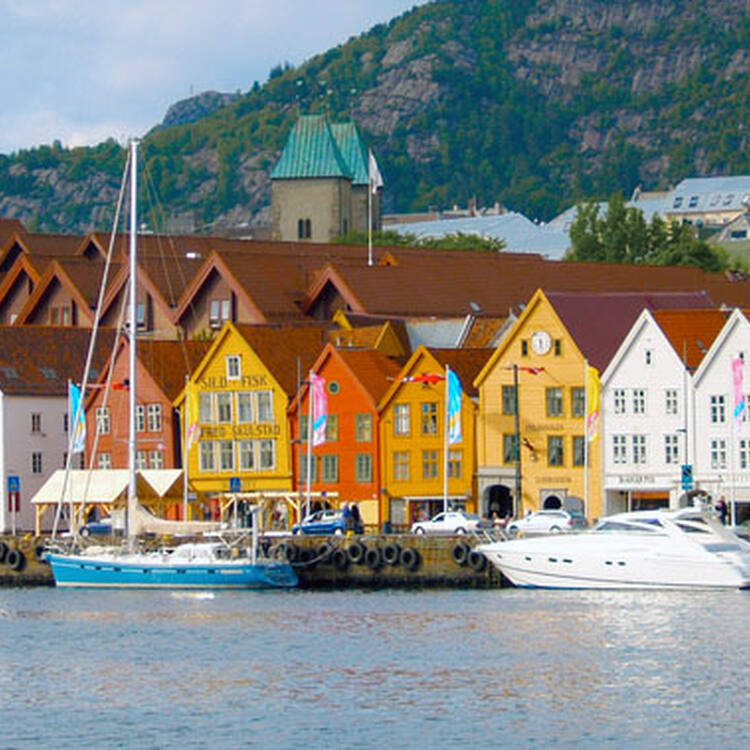
- UNESCO-listed Bryggen Wharf stands as a testament to its medieval maritime heritage.
- Capital of Norway in the 13th century, Bergen was the country’s largest city until the 1830s.
- Today, Bergen is Norway’s second-largest city, celebrated for its cultural diversity and thriving arts scene.
What Makes the City Unique or Special
- UNESCO World Heritage City and European City of Culture.
- Gateway to Norway’s breathtaking fjords—especially Sognefjord and Hardangerfjord.
- Seven mountains surround the city, offering spectacular hiking and panoramic views.
- Small-town vibe despite being a major city, with cozy cafés, shops, and a strong sense of community.
Local Culture and Vibe
- Student town: 10% of residents are students, creating a lively, creative atmosphere.
- Rich musical heritage: Birthplace of composer Edvard Grieg.
- Friendly locals (“Bergensere”) known for their hospitality.
- Year-round festivals, concerts, and exhibitions keep the city buzzing.
Best Months to Visit
- May to September: Warmest and driest months, ideal for outdoor activities and fjord excursions.
- June to August: Peak season with long daylight hours and lively festivals.
- Shoulder seasons (April, October): Fewer crowds, cooler weather, and beautiful autumn colors or spring blooms.
Top Attractions
1. Bryggen Wharf (UNESCO)
- Opening Hours: Always open (shops/museums typically 10:00–18:00)
- Entry Fee: Free to walk; museums ~NOK 100–150
- Tips: Visit early or late to avoid crowds; explore the narrow alleys and artisan shops.
- Best Time: Morning or evening for photography and fewer crowds.
2. Fløibanen Funicular to Mount Fløyen

- Opening Hours: 7:30–23:00 (varies by season)
- Entry Fee: NOK 150–300 round trip
- Tips: Buy tickets online to skip lines; enjoy panoramic views and hiking trails.
- Best Time: Early morning or sunset for the best views.
3. Bergenhus Fortress (Rosenkrantz Tower & Haakon’s Hall)

- Opening Hours: Grounds 6:00–23:00; museums 10:00–16:00 (summer)
- Entry Fee: Grounds free; museums ~NOK 120
- Tips: Guided tours available; climb the tower for impressive views.
- Best Time: Midday for guided tours and museum visits.
4. Fish Market (Fisketorget)

- Opening Hours: 9:00–19:00 (summer), shorter in winter
- Entry Fee: Free
- Tips: Try fresh seafood and local specialties; visit in the morning for the best selection.
- Best Time: Morning for the freshest catch.
5. Edvard Grieg Museum (Troldhaugen)

- Opening Hours: 9:00–18:00 (summer), shorter in winter
- Entry Fee: NOK 130–200
- Tips: Attend a concert in the concert hall; explore the composer’s home and gardens.
- Best Time: Afternoon for concerts and guided tours.
Hidden Gems
- Gamle Bergen Museum (Old Bergen Open-Air Museum): Recreated 19th-century town with costumed guides, open mid-May to mid-September, NOK 170.
- Arboretum and Botanical Garden: Free entry, perfect for a peaceful stroll or picnic.
- Leprosy Museum: Unique look at Bergen’s medical history.
- Ulriken Cable Car: Panoramic mountain views and hiking trails.
- Local Favorites: Stroll along Nordnes Peninsula for quiet parks and sea views.
- Insider Tips: Try a rickshaw ride through the city center; visit Hallaisen for amazing ice cream; don’t miss Trekroneren for reindeer sausages.
Local Cuisine and Dining
- Must-Try Dishes: Fresh seafood (salmon, cod), reindeer stew, Norwegian waffles, cloudberries.
- Best Restaurants: Enhjørningen (seafood), Bryggeloftet (traditional Norwegian), Lysverket (modern Nordic)
- Cafes & Street Food: Kaffebønne (coffee), Godt Brød (bakery), Trekroneren (reindeer hot dogs), Hallaisen (ice cream).
- Food Markets: Bergen Fish Market for fresh seafood and local delicacies.
- Culinary Tours: Join a guided food tour to sample local specialties and learn about Bergen’s culinary history.
Accommodation Options
- Budget: Marken Guesthouse, Citybox Bergen, Bergen Hostel Montana.
- Mid-Range: Hotel Oleana, Clarion Hotel Admiral, Thon Hotel Orion.
- Luxury: Hotel Norge by Scandic, Opus XVI, Det Hanseatiske Hotel.
- Hostels, Guesthouses, Boutique Stays: Zander K, Klosterhagen Hotel, Bergen Børs Hotel.
- Best Areas to Stay: Bryggen (historic), Sentrum (central), Nordnes (quiet, scenic).
Transportation
- Getting to Bergen: International flights to Bergen Airport (BGO); direct trains from Oslo (6–7 hours); long-distance buses from major Norwegian cities.
- Public Transport: Extensive bus network, light rail (Bybanen), and ferries.
- Taxis, Rideshares, Bike Rentals: Taxis and rideshares available; city bikes for rent (Bergen Bysykkel).
- Tips: Use the Skyss app for public transport tickets; walk or bike to explore the compact city center.
Events, Festivals, and Experiences
- Major Annual Events: Bergen International Festival (May/June), Bergen Food Festival (September), Christmas markets (December).
- Unique Experiences: Guided walking tours of Bryggen, fjord cruises (Norway in a Nutshell), Edvard Grieg concerts at Troldhaugen.
- Workshops & Performances: Art and craft workshops, live music in local venues.
Shopping and Souvenirs
- Best Shopping Streets: Torgalmenningen, Strandgaten, Bryggen.
- Markets & Malls: Fish Market, Galleriet (shopping mall), Bergen Storsenter.
- Local Products: Norwegian wool sweaters, handmade ceramics, smoked salmon, cloudberry jam.
Practical Information
- Visa and Travel Regulations: Norway is part of the Schengen Area; check visa requirements based on your nationality.
- Weather and Best Time to Visit: Mild summers (May–September), rainy but mild winters; best to visit May–September.
- Language and Communication: Norwegian is the official language; English widely spoken.
- Currency, ATMs, Payment Methods: Norwegian Krone (NOK); ATMs widely available; credit cards accepted almost everywhere.
Travel Tips and Etiquette
- Local Customs: Tipping is not expected but appreciated for exceptional service; greet with a handshake or nod.
- Safety Advice: Very safe city; watch for pickpockets in crowded areas.
- Budget Tips: Use public transport, eat at food markets, visit free attractions like Bryggen and Bergenhus Fortress.
- Cultural Etiquette: Be punctual, respect personal space, and dress appropriately for the weather.
Packing and What to Wear
- Spring/Summer: Light layers, waterproof jacket, comfortable walking shoes, sunglasses.
- Autumn/Winter: Warm layers, waterproof coat, hat, gloves, scarf, sturdy boots.
- Dress Code: Casual and practical; smart casual for upscale dining.
Itineraries
2-Day Itinerary
- Day 1: Bryggen Wharf, Fish Market, Fløibanen Funicular, Mount Fløyen
- Day 2: Bergenhus Fortress, Edvard Grieg Museum, Nordnes walk
4-Day Itinerary
- Day 1: Bryggen Wharf, Fish Market, Fløibanen Funicular
- Day 2: Bergenhus Fortress, Hanseatic Museum, Nordnes walk
- Day 3: Edvard Grieg Museum, Gamle Bergen Museum, local cafes
- Day 4: Fjord cruise or hiking on Mount Ulriken
7-Day Itinerary
- Days 1–4: As above
- Day 5: Day trip to Hardangerfjord or Sognefjord
- Day 6: Explore local neighborhoods, shopping, and museums
- Day 7: Relax in a local café, revisit favorite spots, or take a guided walking tour.