

 Start Driving in Bangkok
Bangkok, the capital of Thailand, blends its rich historical significance with modern urban development, offering a unique mix of historical landmarks, diverse neighborhoods, and a vibrant atmosphere. Situated along the Chao Phraya River, Bangkok provides a captivating mix of scenic river views and cultural diversity. The Grand Palace, a prominent landmark, features stunning architecture and historical significance. The Wat Arun (Temple of Dawn) features stunning architecture and religious significance. The Chatuchak Weekend Market features vibrant market activity and cultural expressions. Bangkok’s culinary scene features a delightful mix of Thai and international cuisine, with restaurants serving pad thai, tom yum, and diverse culinary offerings. The city’s markets, such as the floating markets, offer a variety of local produce, artisanal goods, and souvenirs. The river and surrounding areas provide opportunities for scenic walks, cultural exploration, and boat tours. Bangkok’s efficient transportation network, including subways, buses, and boats, facilitates travel within the city and to surrounding areas. The city experiences a tropical monsoon climate, with warm temperatures year-round. Bangkok’s cultural attractions, such as the various temples and the annual festivals, highlight the city’s historical significance and cultural contributions. The city’s vibrant cultural scene includes festivals, traditional music, and dance, reflecting the region’s diverse traditions. Bangkok’s blend of historical charm and modern dynamism creates a unique and appealing destination. The local markets and community events foster a vibrant atmosphere, making Bangkok a dynamic and culturally rich destination for visitors and residents. Bangkok is a vital center for commerce, tourism, and culture in Thailand, contributing significantly to the country’s national development and economic growth.
Bangkok: Where Temples Glow Beneath Golden Skies
Bangkok, the vibrant capital and largest city of Thailand, is a dazzling metropolis where ancient traditions and modern life converge on the fertile delta of the Chao Phraya River. Bangkok captivates visitors with its glittering temples, bustling street markets, and a dynamic energy that pulses through its neighborhoods day and night. As the gateway to Southeast Asia ,Bangkok offers an unforgettable blend of heritage, hospitality, and cosmopolitan flair
Historical Snapshot
- Bangkok, officially known as Krung Thep Maha Nakhon, became the capital of Thailand in 1782 under King Rama I.
- Originally a small trading post, it blossomed into a vibrant metropolis and is now the country’s political, economic, and cultural heart.
- The city’s landscape is shaped by royal palaces, Buddhist temples, colonial buildings, and modern skyscrapers.
What Makes the City Unique or Special
- Bangkok is a city of contrasts—ancient temples beside neon-lit nightlife, bustling markets next to luxury malls, and tranquil canals winding through urban chaos.
- It’s renowned for its street food, floating markets, and the Chao Phraya River that weaves through the city.
Local Culture and Vibe
- The city pulses with energy, blending traditional Thai hospitality with a cosmopolitan edge.
- Locals are friendly and deeply respectful of their Buddhist heritage, which is reflected in daily life and festivals.
Best Months to Visit
- November–February: Cool, dry season—best weather and most popular time to visit.
- March–May: Hot season—less crowded but very warm.
- June–October: Rainy season—fewer tourists, but expect short, heavy showers.
Top Attractions – Major Landmarks and Must-See Sights
1.Grand Palace & Wat Phra Kaew
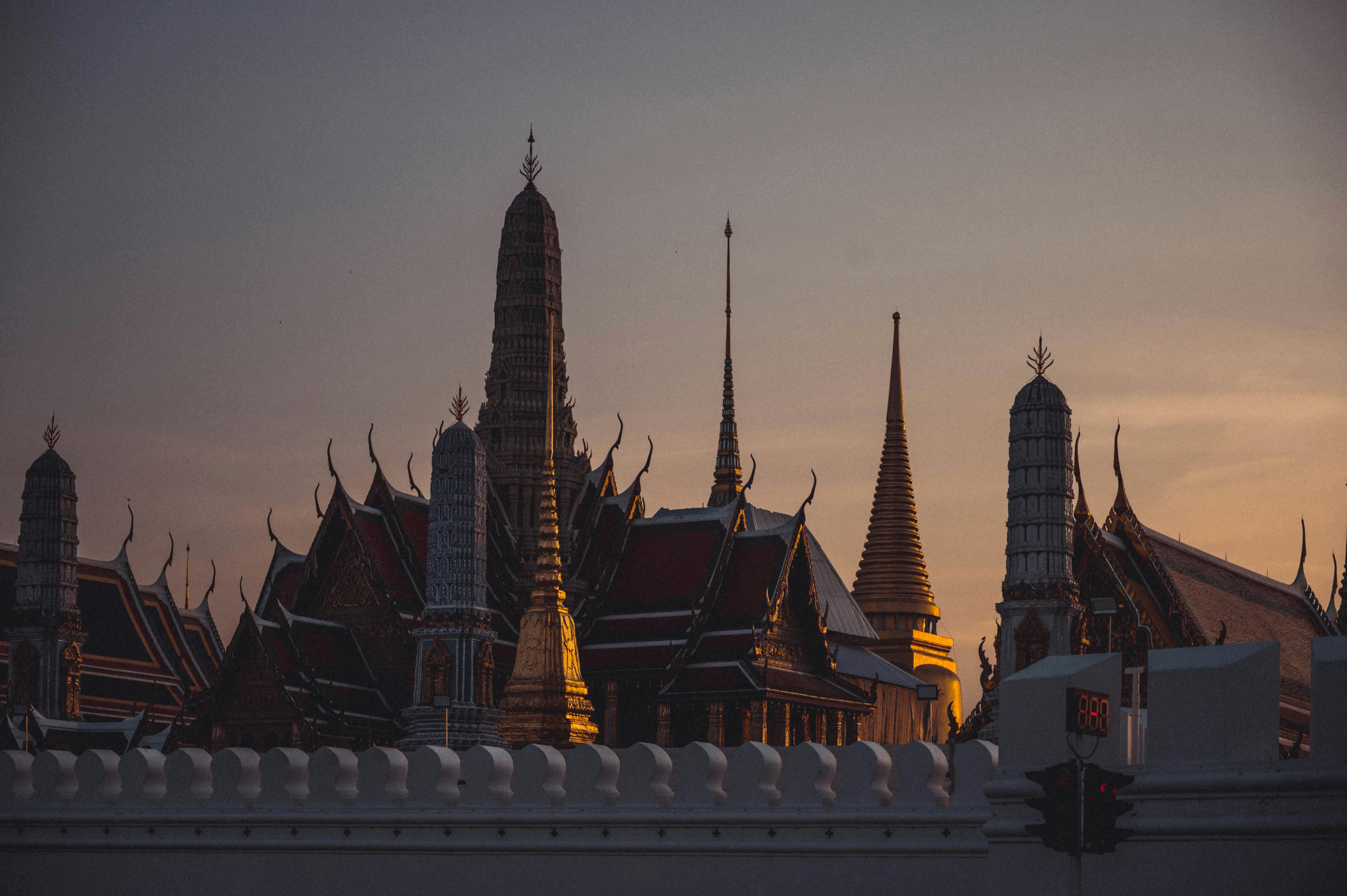
- Opening Hours: 8:30–15:30
- Entry Fee: ~500 THB
- Tips: Dress modestly (no shorts or sleeveless tops); arrive early to avoid crowds.
- Best Time: Morning
2. Wat Pho (Temple of the Reclining Buddha)
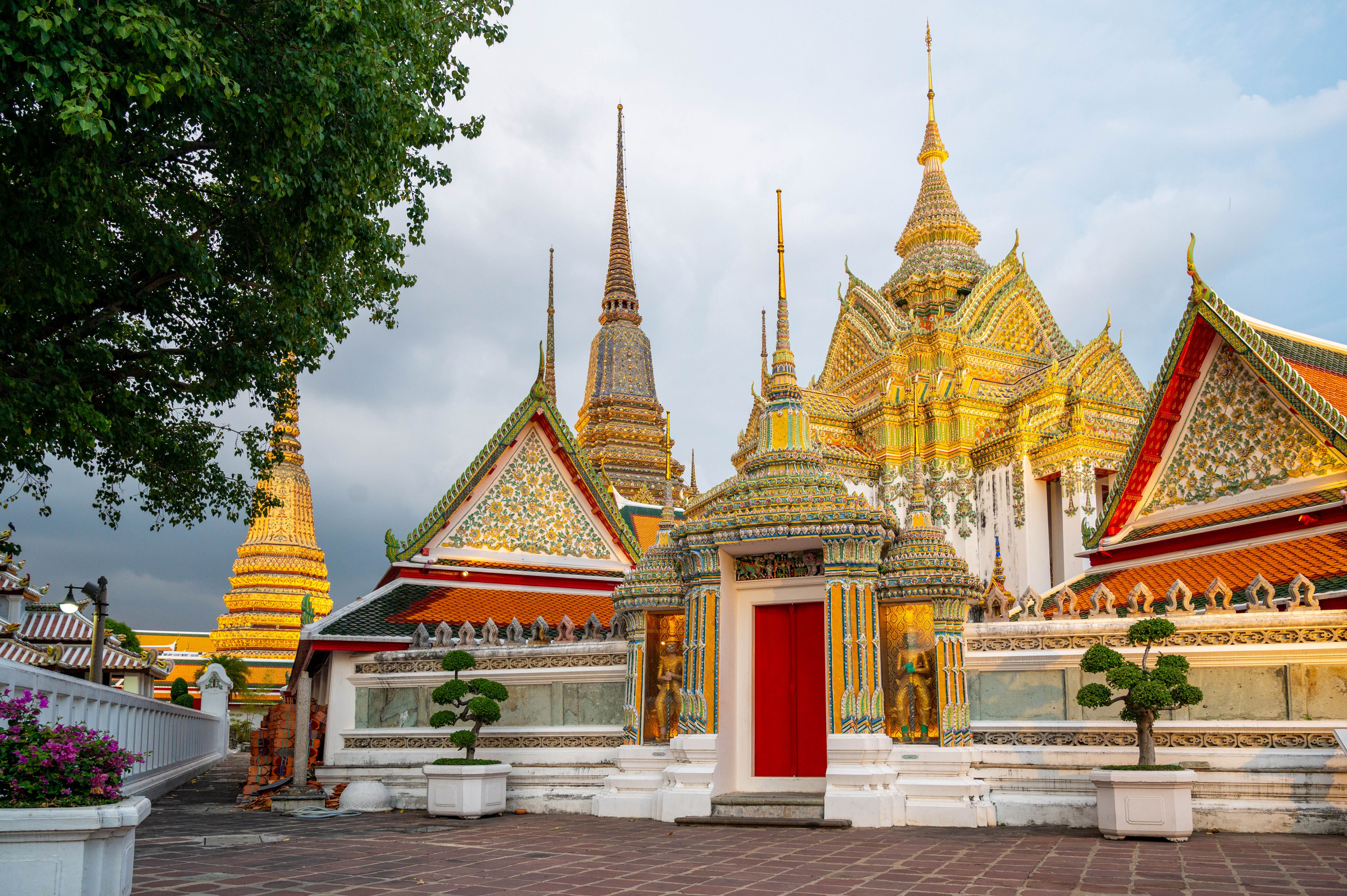
- Opening Hours: 8:00–18:30
- Entry Fee: ~200 THB
- Tips: Don’t miss the massage school; bring socks for temple visits.
- Best Time: Early morning or late afternoon.
3. Wat Arun (Temple of Dawn)
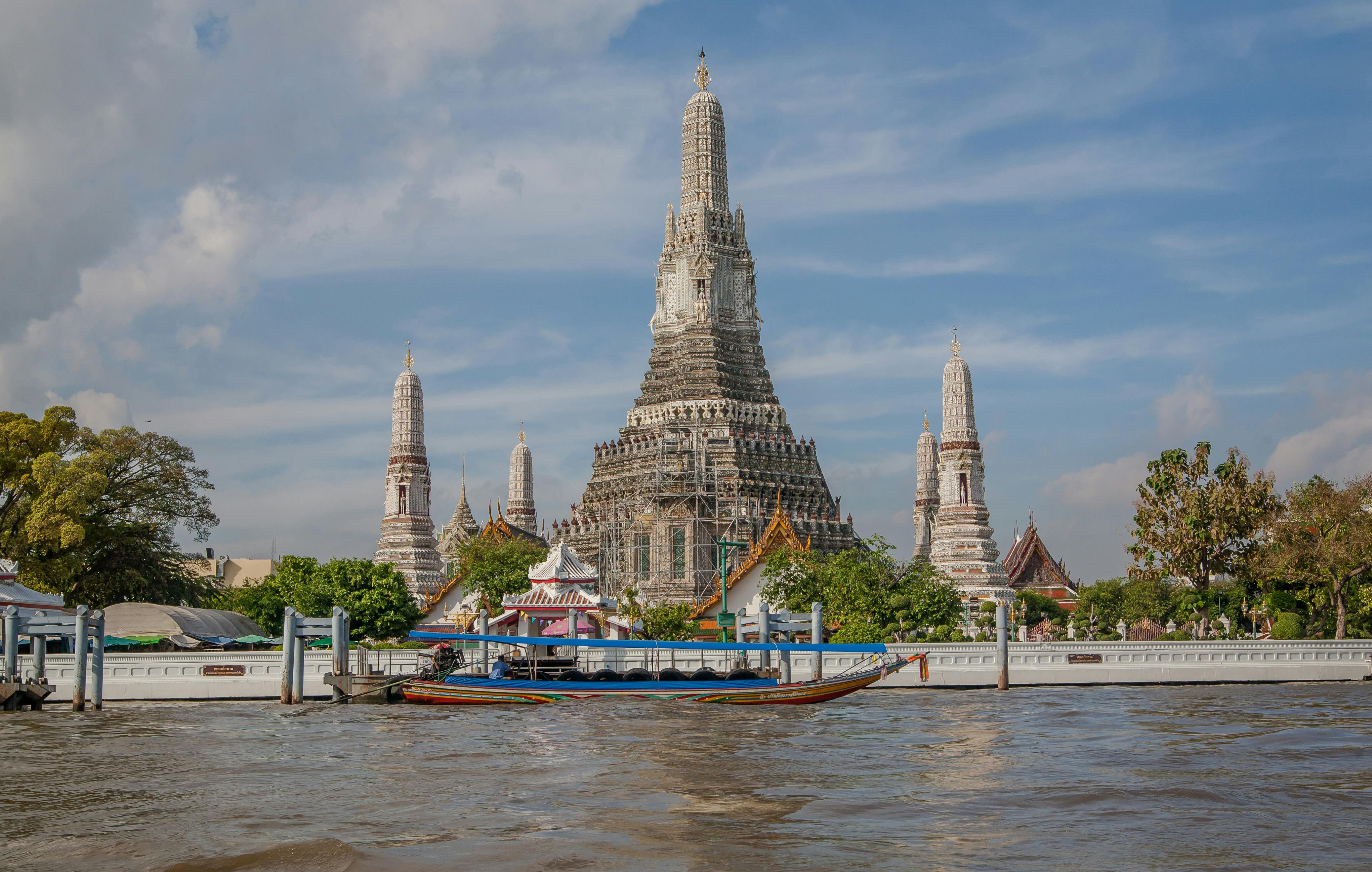
- Opening Hours: 8:00–18:00
- Entry Fee: ~100 THB
- Tips: Take a river ferry for the best approach; climb the central prang for city views.
- Best Time: Early morning or sunset
4. Chatuchak Weekend Market
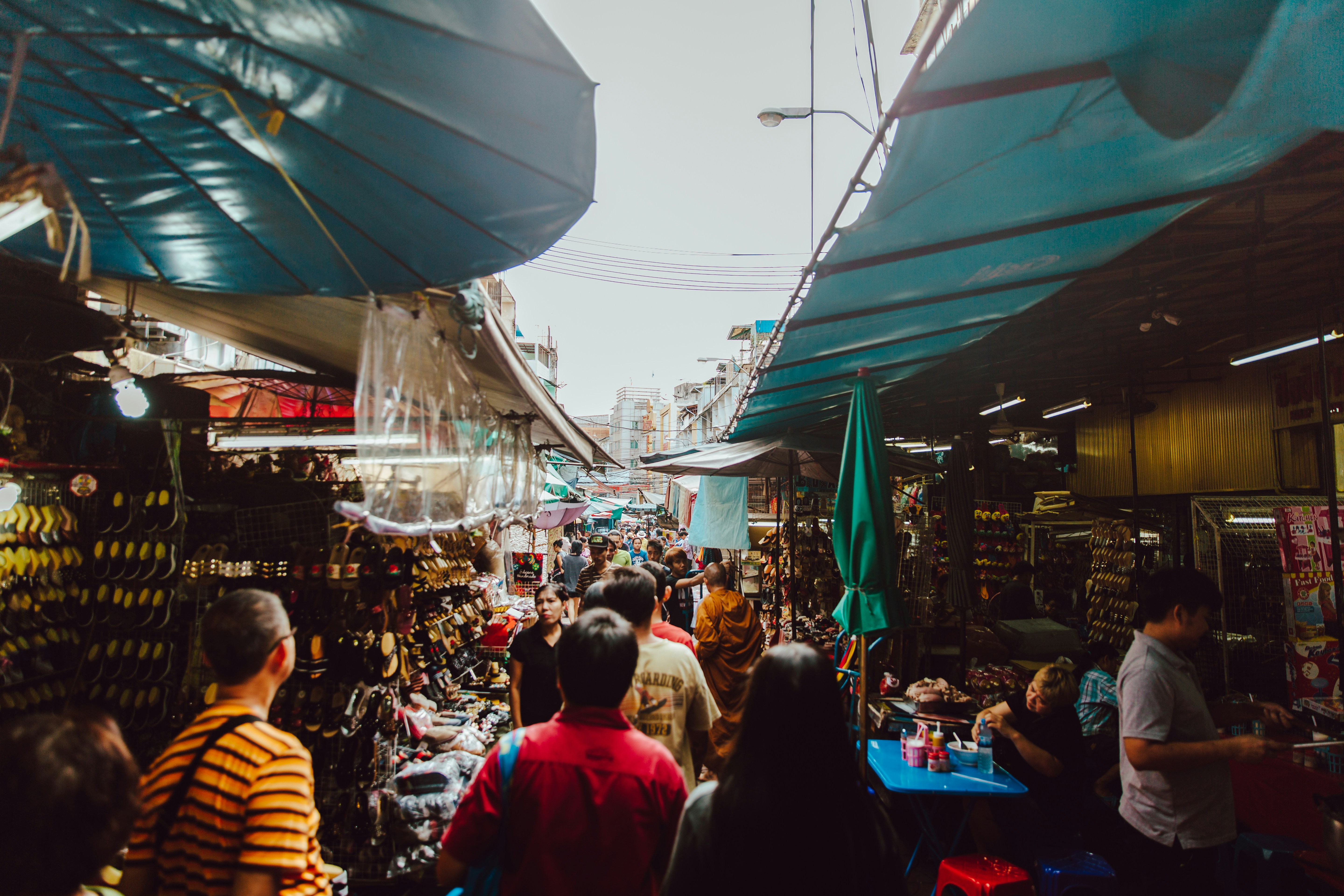
- Opening Hours: Sat–Sun 9:00–18:00
- Entry Fee: Free
- Tips: Wear comfortable shoes; bring cash.
- Best Time: Early morning
5. Jim Thompson House
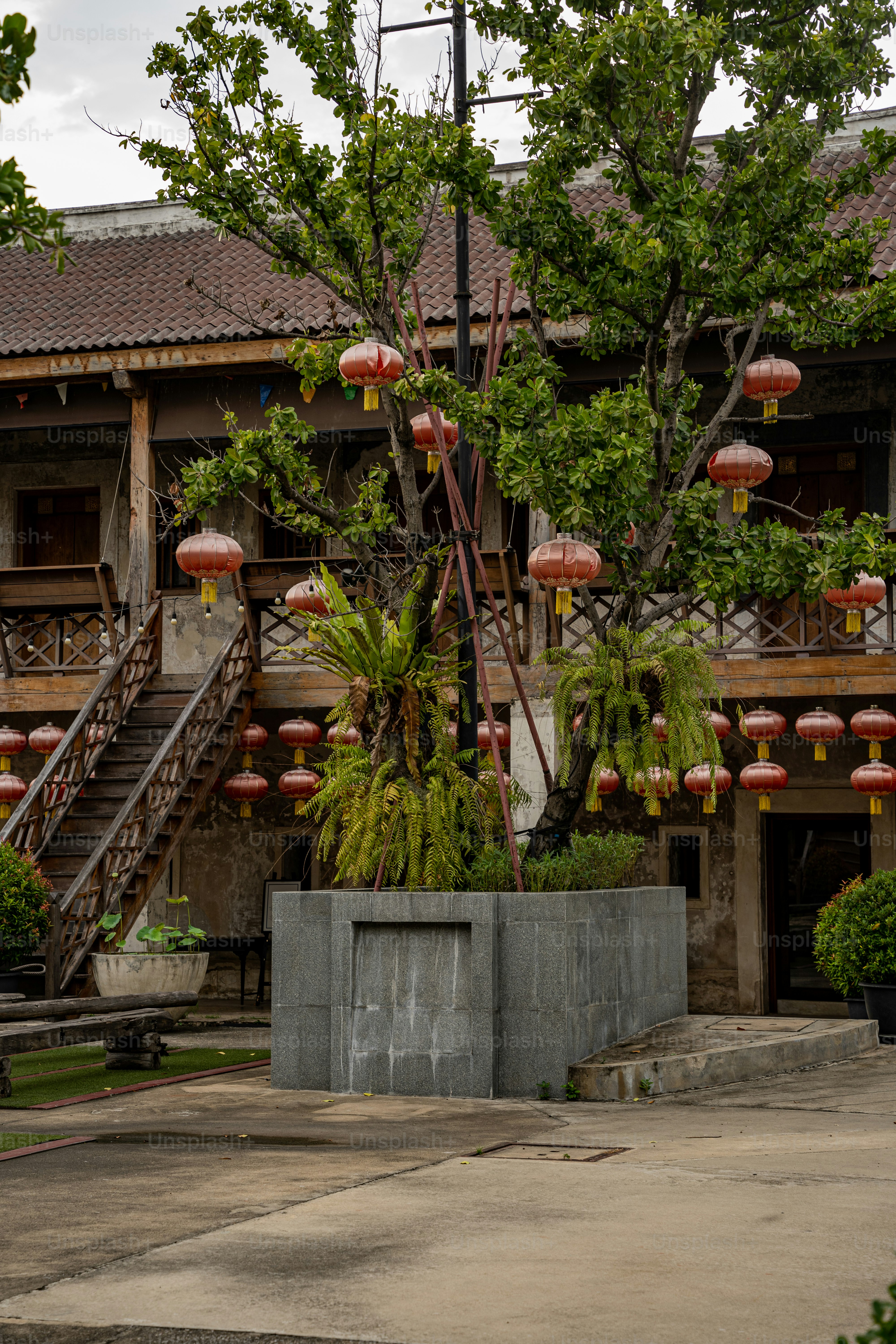
- Opening Hours: 10:00–18:00
- Entry Fee: ~200 THB
- Tips: Guided tours included; photography not allowed inside the house.
- Best Time: Late morning or weekday afternoons
Hidden Gems
Lesser-Known Spots, Quirky Museums, or Unique Experiences
- Bang Krachao: The “green lung” of Bangkok—rent a bike and explore lush parks and floating markets.
- Erawan Museum: Giant three-headed elephant statue housing Thai art and relics.
- Museum of Contemporary Art (MOCA): Modern Thai art in a striking building.
- Talad Rot Fai (Train Night Market): Vintage collectibles, street food, and live music.
Local Favorites and Insider Tips
- Ari Neighborhood: Hip cafes and indie boutiques.
- Soi Rambuttri: Quieter alternative to Khao San Road for relaxed bars and street eats.
- Insider Tip: Take a canal (khlong) boat for a unique perspective on city life.
Local Cuisine and Dining
Must-Try Dishes and Local Specialties
- Pad Thai: Stir-fried noodles with shrimp, tofu, peanuts, and lime.
- Som Tum: Spicy green papaya salad.
- Tom Yum Goong: Hot and sour shrimp soup.
- Mango Sticky Rice: Sweet dessert with coconut milk.
- Boat Noodles: Rich, meaty noodle soup.
Best Restaurants, Cafes, and Street Food Spots
- Jay Fai: Michelin-starred street food (famous for crab omelet).
- Thip Samai: Iconic Pad Thai spot.
- Soi 38 Sukhumvit: Legendary for night street food.
- After You Dessert Café: Famous for Shibuya honey toast.
Recommendations for Food Markets and Culinary Tours
- Or Tor Kor Market: High-quality produce and ready-to-eat Thai food.
- Chinatown (Yaowarat): Street food paradise, especially at night.
- Bangkok Food Tours: Guided tastings in hidden local neighborhoods.
Accommodation Options
Budget
- Hostels: Lub d Bangkok Silom, NapPark Hostel (Khao San).
- Guesthouses: Lamphu Tree House, Green House Bangkok.
Mid-Range
- Hotels: Ibis Styles Bangkok, Amara Bangkok, The Quarter Ari.
- Boutique stays: Cabochon Hotel, The Mustang Nero.
Luxury
- Hotels: Mandarin Oriental, The Siam, Banyan Tree Bangkok.
- Riverside resorts: Anantara Riverside, Shangri-La Hotel.
Tips for Choosing the Best Area to Stay
- Sukhumvit: Nightlife, shopping, and dining.
- Silom/Sathorn: Business district, easy access to BTS/MRT.
- Riverside: Luxury hotels and scenic views.
- Old City (Rattanakosin): Close to temples and historical sites.
Transportation
How to Get to the City
- Flights: Suvarnabhumi (BKK) and Don Mueang (DMK) airports serve international and domestic routes.
- Trains: Hualamphong Station connects to northern and southern Thailand.
- Buses: Mo Chit, Ekkamai, and Sai Tai Mai terminals for intercity travel.
Public Transport Options Within the City
- BTS Skytrain: Fast, air-conditioned, serves major districts.
- MRT Subway: Connects key areas and markets.
- Buses: Extensive but can be confusing for newcomers.
- River ferries: Great for sightseeing and avoiding traffic.
Taxis, Rideshares, and Bike Rentals
- Taxis: Plentiful and metered; avoid rush hour.
- Rideshares: Grab app is widely used.
- Tuk-tuks: Fun for short rides; agree on fare in advance.
- Bike rentals: Available in parks and some neighborhoods.
Tips for Navigating the City
- Use BTS/MRT to skip traffic.
- Carry small change for fares.
- Download offline maps and translation apps.
Events, Festivals, and Experiences
Major Annual Events and Festivals
- Songkran (Thai New Year): April—citywide water fights and celebrations.
- Loy Krathong: November—floating lantern festival on rivers and lakes.
- Chinese New Year: January/February—parades and festivities in Chinatown.
Unique Local Experiences
- Thai cooking classes: Learn to make classic dishes.
- Muay Thai matches: Watch at Rajadamnern or Lumpinee Stadium.
- Traditional puppet shows: At Joe Louis Theater.
Shopping and Souvenirs
Best Shopping Streets, Markets, and Malls
- Siam Square: Trendy fashion and cafes.
- MBK Center: Bargain shopping for electronics and clothes.
- CentralWorld: One of Asia’s largest malls.
- Chatuchak Market: Weekend market for everything under the sun.
Local Products and Souvenirs to Buy
- Thai silk and textiles
- Handmade soaps and spa products
- Ceramics and celadon pottery
- Dried fruits and spices
- Traditional snacks and sweets
Practical Information
Visa and Travel Regulations
- Visa exemption for many nationalities for stays up to 30 days; check requirements before travel.
- Passport must be valid for at least 6 months.
Weather and Best Time to Visit
- Best time: November–February (cool, dry).
- Hot season: March–May.
- Rainy season: June–October.
Language and Communication Tips
- Thai is the official language.
- English is widely spoken in tourist areas.
- Learn basic Thai greetings for a warmer welcome.
Currency, ATMs, and Payment Methods
- Thai Baht (THB) is the currency.
- ATMs are everywhere; credit cards accepted in most hotels and malls.
- Carry cash for markets and street food.
Travel Tips and Etiquette
Local Customs and Cultural Etiquette
- Show respect for monks and temples; remove shoes before entering.
- Avoid touching people’s heads or pointing feet at sacred objects.
- The “wai” (palms together bow) is a traditional greeting.
Safety Advice
- Bangkok is generally safe, but watch for pickpockets in crowded areas.
- Use official taxis or rideshares at night.
How to Save Money and Travel on a Budget
- Eat at street food stalls and local markets.
- Use public transport instead of taxis.
- Look for free temple visits and cultural events.
Packing and What to Wear
Seasonal Packing Lists
- Summer/Hot season: Light, breathable clothing, sunscreen, hat, sunglasses.
- Rainy season: Umbrella or raincoat, quick-dry shoes, light layers.
- Cool season: Light jacket for evenings.
Dress Code Tips for Attractions or Dining
- Temples: Cover shoulders and knees; avoid sleeveless tops and shorts.
- Upscale dining: Smart casual attire.
- Markets and street food: Comfortable, casual wear.
Itineraries
2-Day Itinerary
- Day 1: Grand Palace, Wat Pho, Wat Arun, river ferry ride, Chinatown street food.
- Day 2: Chatuchak Market (weekend), Jim Thompson House, Siam Square shopping, rooftop bar at sunset.
4-Day Itinerary
- Days 1–2: As above.
- Day 3: Bang Krachao bike tour, Erawan Museum, Talad Rot Fai night market.
- Day 4: Thai cooking class, Lumpini Park, explore Ari neighborhood cafes.
7-Day Itinerary
- Days 1–4: As above.
- Day 5: Day trip to Ayutthaya or Damnoen Saduak Floating Market.
- Day 6: Museum of Contemporary Art, spa day, Asiatique riverfront market.
- Day 7: Explore Dusit Palace, final shopping, farewell dinner cruise.