

 Start Driving in Brisbane
Brisbane, the capital of Queensland, Australia, blends its rich historical significance with modern urban development, offering a unique mix of historical landmarks, diverse neighborhoods, and a vibrant atmosphere. Situated along the Brisbane River, Brisbane provides a captivating mix of scenic river views and cultural diversity. The South Bank Parklands features recreational spaces and cultural expressions. The Queensland Museum showcases the region’s history and cultural artifacts. The Story Bridge features stunning architecture and scenic views. Brisbane’s culinary scene features a delightful mix of Australian and international cuisine, with restaurants serving modern Australian cuisine, seafood, and diverse culinary offerings. The city’s markets, such as the South Bank Markets, offer a variety of local produce, artisanal goods, and souvenirs. The river and surrounding parks provide opportunities for scenic walks, cultural exploration, and outdoor recreation. Brisbane’s efficient transportation network, including buses, trains, and ferries, facilitates travel within the city and to surrounding areas. The city experiences a humid subtropical climate, with warm summers and mild winters. Brisbane’s cultural attractions, such as the various museums and the annual festivals, highlight the city’s historical significance and cultural contributions. The city’s vibrant cultural scene includes festivals, concerts, and theaters, reflecting the region’s diverse traditions. Brisbane’s blend of historical charm and modern dynamism creates a unique and appealing destination. The local markets and community events foster a vibrant atmosphere, making Brisbane a dynamic and culturally rich destination for visitors and residents. Brisbane is a vital center for commerce, tourism, and culture in Australia, contributing significantly to the country’s national development and economic growth.
Brisbane: A City That Moves with the Rhythm of the Sun
Brisbane, the sun-drenched capital of Queensland, is a vibrant city where laid-back charm meets modern energy. With over 280 days of sunshine a year, Brisbane invites travelers to explore its lush riverfront parklands, eclectic neighborhoods, and a thriving arts and food scene. Brisbane offers a distinctly Australian experience with a warm, welcoming vibe.
Brief History and Background
- Indigenous Roots: The Brisbane region has been home to the Yugara and Turrbal peoples for thousands of years.
- European Settlement: Recorded history began in 1799 with Matthew Flinders’ exploration. Brisbane was established as a penal colony in 1824 and opened to free settlement in 1838.
- Growth and Modernity: Became a municipality in 1859 and a consolidated metropolitan area in 1924. The city has weathered floods and hosted major events like the 1982 Commonwealth Games, World Expo 88, and the 2014 G20 summit.
- Diverse Heritage: Shaped by convicts, settlers, and waves of immigration, creating a multicultural city.
What Makes the City Unique or Special
- Sunshine and Outdoor Lifestyle: Over 280 days of sun, making outdoor activities year-round.
- River City: The Brisbane River is central to the city’s identity, offering scenic ferry rides, kayaking, and waterfront dining.
- Cultural Diversity: A youthful, multicultural population with vibrant neighborhoods like West End and Fortitude Valley.
- Iconic Wildlife: Home to the world’s largest koala sanctuary and close to world-class beaches and national parks.
- Creative Energy: Thriving arts, music, and festival scene.
Local Culture and Vibe
- Friendly and Relaxed: Known for its laid-back, welcoming atmosphere.
- Artistic and Creative: A hub for artists, musicians, and performers, with galleries, theaters, and festivals.
- Multicultural: Diverse communities and cuisines, especially in West End and Fortitude Valley.
- Sporting Passion: Home to major sporting events and teams, including rugby and cricket.
Best Months to Visit
- Spring (September–November): Warm, sunny, and jacarandas in bloom.
- Autumn (March–May): Mild temperatures, low humidity, and fewer crowds.
- Avoid: Summer (December–February) can be hot, humid, and rainy.
Top Attractions
1. South Bank Parklands
- Opening Hours: 24/7 (some facilities vary)
- Entry Fee: Free (except for some attractions)
- Tips: Visit Streets Beach, picnic in the gardens, and enjoy river views.
- Best Time: Early morning or late afternoon for fewer crowds.
2. Lone Pine Koala Sanctuary
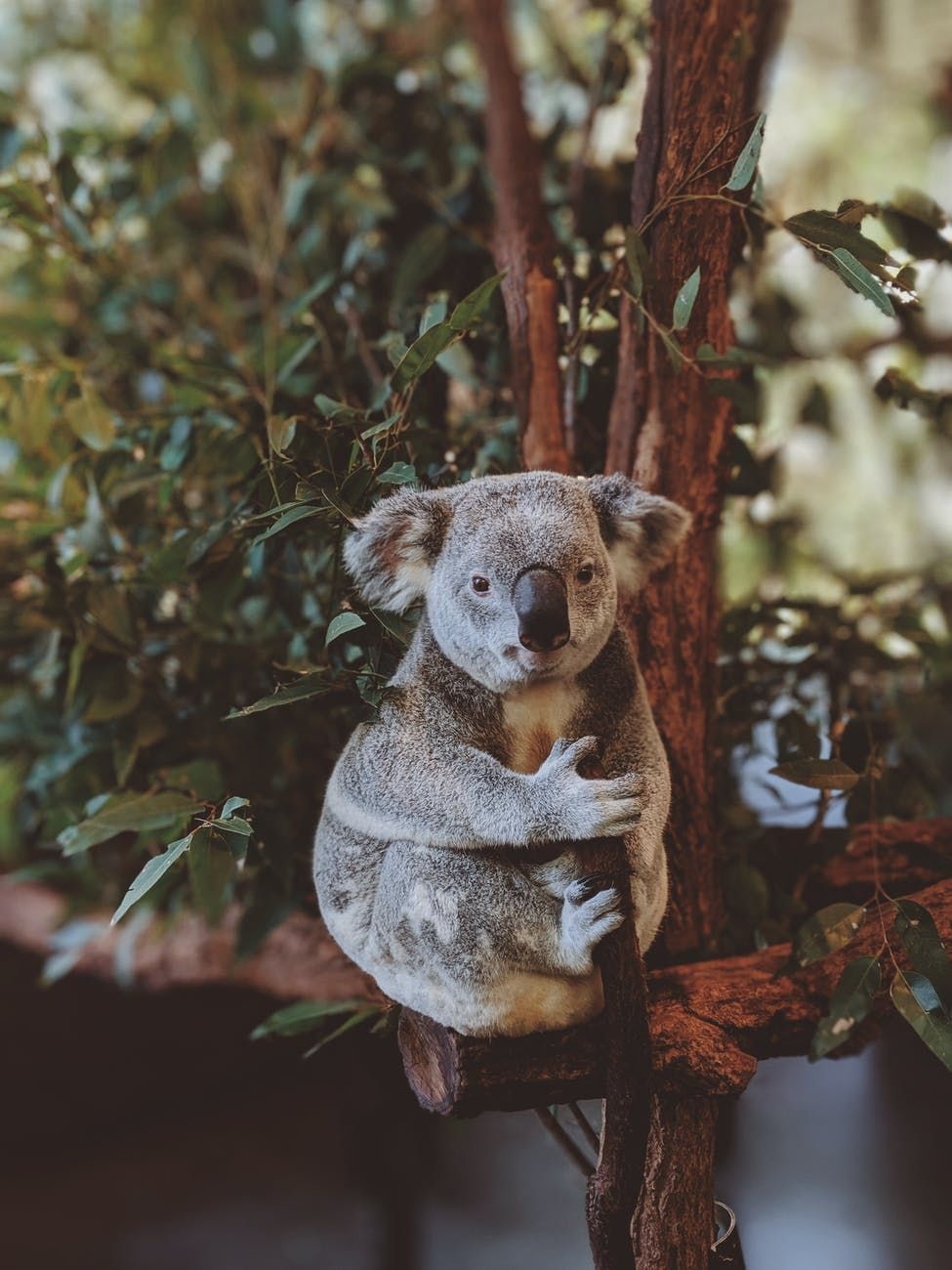
- Opening Hours: 9:00–17:00
- Entry Fee: ~AUD 49 for adults
- Tips: Hold a koala, feed kangaroos, and catch wildlife shows.
- Best Time: Morning for animal encounters.
3. Mt. Coot-tha Lookout

- Opening Hours: 24/7 (café and restaurant hours vary)
- Entry Fee: Free
- Tips: Visit at sunset for panoramic views.
- Best Time: Late afternoon or evening.
4. Queensland Cultural Centre

- Opening Hours: 10:00–17:00 (varies by venue)
- Entry Fee: Free (some exhibitions may charge)
- Tips: Explore the art gallery, museum, and performing arts center.
- Best Time: Weekday mornings.
5. Story Bridge
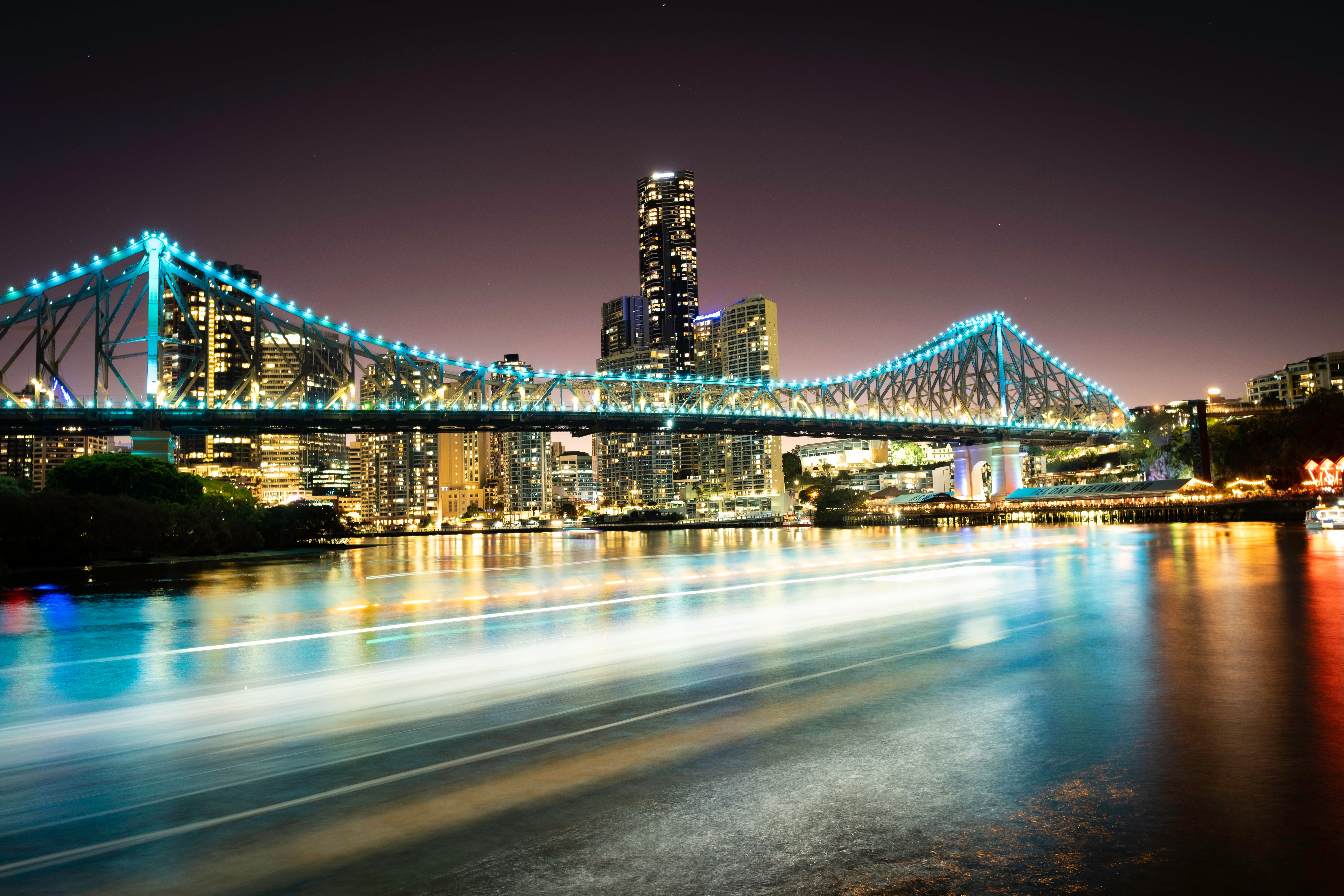
- Opening Hours: Always open (climb tours available)
- Entry Fee: Free to view; climb tours ~AUD 129
- Tips: Book a bridge climb for stunning city views.
- Best Time: Early morning or sunset for climbs.
Hidden Gems
- Eat Street Northshore: Vibrant night market with global street food and live music.
- Boggo Road Gaol: Historic prison with guided tours.
- Opal Museum: Unique gemstone exhibits.
- New Farm Park: Scenic riverside park with rose gardens and picnic spots.
- Kangaroo Point Cliffs: Great for rock climbing and river views.
- Insider Tips: Explore West End’s markets and cafes, visit Fortitude Valley for street art and nightlife.
Local Cuisine and Dining
- Must-Try Dishes: Moreton Bay bugs, Queensland mud crab, lamingtons, pavlova, and craft beer.
- Best Restaurants: Stokehouse Q (riverfront dining), Gerard’s Bistro (Middle Eastern), Greca (Greek).
- Cafes & Street Food: King Arthur Café, The Gunshop Café, Eat Street Northshore.
- Food Markets: West End Markets, Boundary Street Markets, Eat Street Northshore.
- Culinary Tours: Join a food tour of West End or Fortitude Valley.
Accommodation Options
- Budget: Brisbane City YHA, Breeze Lodge, Brisbane Quarters.
- Mid-Range: The Point Hotel, Next Hotel Brisbane, Adina Apartment Hotel Brisbane.
- Luxury: The Calile Hotel, Emporium Hotel, W Brisban.
- Hostels, Guesthouses, Boutique Stays: The Selina Brisbane, Spicers Balfour Hotel, The Fantauzzo.
- Best Areas to Stay: South Bank (central, near attractions), Fortitude Valley (nightlife, arts), West End (multicultural, laid-back).
Transportation
- Getting to Brisbane: International flights to Brisbane Airport; trains and buses from major Australian cities.
- Public Transport: Extensive network of buses, trains, and ferries; use a Go Card for travel.
- Taxis, Rideshares, Bike Rentals: Taxis, Uber, and bike rentals (CityCycle) available.
- Tips: Use the TransLink app for public transport; the CBD is walkable.
Events, Festivals, and Experiences
- Major Annual Events: Brisbane Festival (September), World Science Festival (March), Riverfire (September).
- Unique Experiences: Story Bridge climb, guided walking tours, river cruises, live music in Fortitude Valley.
- Workshops & Performances: Art workshops at GOMA, theater at Queensland Performing Arts Centre.
Shopping and Souvenirs
- Best Shopping Streets: Queen Street Mall, James Street, Brunswick Street.
- Markets & Malls: West End Markets, Eat Street Northshore, Queen Street Mall.
- Local Products: Indigenous art, Australian opals, local honey, handmade crafts.
Practical Information
- Visa and Travel Regulations: Check Australian visa requirements based on nationality.
- Weather and Best Time to Visit: Best in spring and autumn; avoid hot, humid summers.
- Language and Communication: English; locals are friendly and helpful.
- Currency, ATMs, Payment Methods: Australian Dollar (AUD); ATMs widely available; credit cards accepted everywhere.
Travel Tips and Etiquette
- Local Customs: Friendly and informal; tipping is appreciated but not expected.
- Safety Advice: Generally safe; be cautious at night in less-traveled areas.
- Budget Tips: Use public transport, visit free attractions, eat at markets.
- Cultural Etiquette: Respect Indigenous culture and sites; dress casually.
Packing and What to Wear
- Spring/Autumn: Light layers, sunhat, sunglasses, sunscreen.
- Summer: Light, breathable clothing, swimwear, rain jacket.
- Winter: Light jacket, long pants, comfortable shoes.
- Dress Code: Casual for most attractions; smart casual for upscale dining.
Itineraries
2-Day Itinerary
- Day 1: South Bank Parklands, Queensland Cultural Centre, lunch at a riverside café, Mt. Coot-tha Lookout at sunset
- Day 2: Lone Pine Koala Sanctuary, Story Bridge (walk or climb), dinner in Fortitude Valley
4-Day Itinerary
- Day 1: South Bank Parklands, Queensland Cultural Centre, Mt. Coot-tha Lookout
- Day 2: Lone Pine Koala Sanctuary, Story Bridge, Kangaroo Point Cliffs
- Day 3: Explore West End, visit markets, New Farm Park
- Day 4: Eat Street Northshore, Fortitude Valley street art, evening river cruise
7-Day Itinerary
- Days 1–4: As above
- Day 5: Day trip to Moreton Island or North Stradbroke Island
- Day 6: Boggo Road Gaol tour, Opal Museum, shopping at Queen Street Mall
- Day 7: Relax in a local café, revisit favorite spots, or take a guided walking tour
Also explore Boston and Berlin