

 Start Driving in Brussels
Brussels, the capital of Belgium, blends its rich historical significance with modern urban development, offering a unique mix of historical landmarks, diverse neighborhoods, and a vibrant atmosphere. Situated in the heart of Europe, Brussels provides a captivating mix of historical sites and cultural diversity. The Grand Place, a prominent landmark, features stunning architecture and historical significance. The Atomium features stunning modern architecture and cultural exhibits. The Royal Museums of Fine Arts of Belgium showcase the region’s art collections and cultural artifacts. Brussels’s culinary scene features a delightful mix of Belgian and international cuisine, with restaurants serving waffles, mussels, and diverse culinary offerings. The city’s markets, such as the Place du Jeu de Balle flea market, offer a variety of local produce, artisanal goods, and souvenirs. The parks and surrounding areas provide opportunities for scenic walks, cultural exploration, and outdoor recreation. Brussels’ efficient transportation network, including subways, buses, and trams, facilitates travel within the city and to surrounding areas. The city experiences an oceanic climate, with mild summers and cool winters. Brussels’s cultural attractions, such as the various museums and the annual festivals, highlight the city’s historical significance and cultural contributions. The city’s vibrant cultural scene includes festivals, concerts, and theaters, reflecting the region’s diverse traditions. Brussels’s blend of historical charm and modern dynamism creates a unique and appealing destination. The local markets and community events foster a vibrant atmosphere, making Brussels a dynamic and culturally rich destination for visitors and residents. Brussels is a vital center for government, commerce, and culture in Europe, contributing significantly to the region’s development and economic growth.
Brussels: Where Elegance Meets Every Street Corner
Brussels, the capital of Belgium and the de facto capital of the European Union, is a city of delightful contrasts where medieval charm meets modern elegance. Renowned for its ornate guildhalls at the Grand Place, world-class art museums, and a vibrant culinary scene featuring chocolate, waffles, and beer, Brussels offers a rich blend of history, culture, and contemporary energy.
Brief History and Background
- Ancient Origins: Traces its roots to a 10th-century chapel, evolving into a significant medieval trading hub.
- European Influence: Became the capital of the Burgundian Netherlands, later part of the Spanish and Austrian empires, and finally the Kingdom of Belgium in 1830.
- Modern Role: Today, Brussels is a major political, economic, and cultural center, home to the EU and NATO headquarters.
- Cultural Melting Pot: A diverse population with French, Dutch, and international influences.
What Makes the City Unique or Special
- Grand Place: A UNESCO World Heritage site and one of Europe’s most beautiful squares.
- Multilingualism: French and Dutch are official languages; English is widely spoken.
- Art Nouveau Heritage: Home to masterpieces by Victor Horta and other architects.
- Culinary Reputation: Famous for chocolate, waffles, fries, and over 2,000 types of beer.
- Political Significance: Heart of the European Union and international diplomacy.
Local Culture and Vibe
- Multicultural and Open: Welcoming visitors from all over the world.
- Creative and Artistic: Thriving arts scene with galleries, museums, and street art.
- Café Culture: Cozy cafés and lively bars are central to social life.
- Festive Atmosphere: Year-round events, markets, and festivals.
Best Months to Visit
- April to June: Mild weather, blooming gardens, and outdoor events.
- September to October: Pleasant temperatures, fewer crowds, and autumn colors.
- Avoid: July and August can be crowded and humid; winter is cold and gray but festive with Christmas markets.
Top Attractions
1. Grand Place
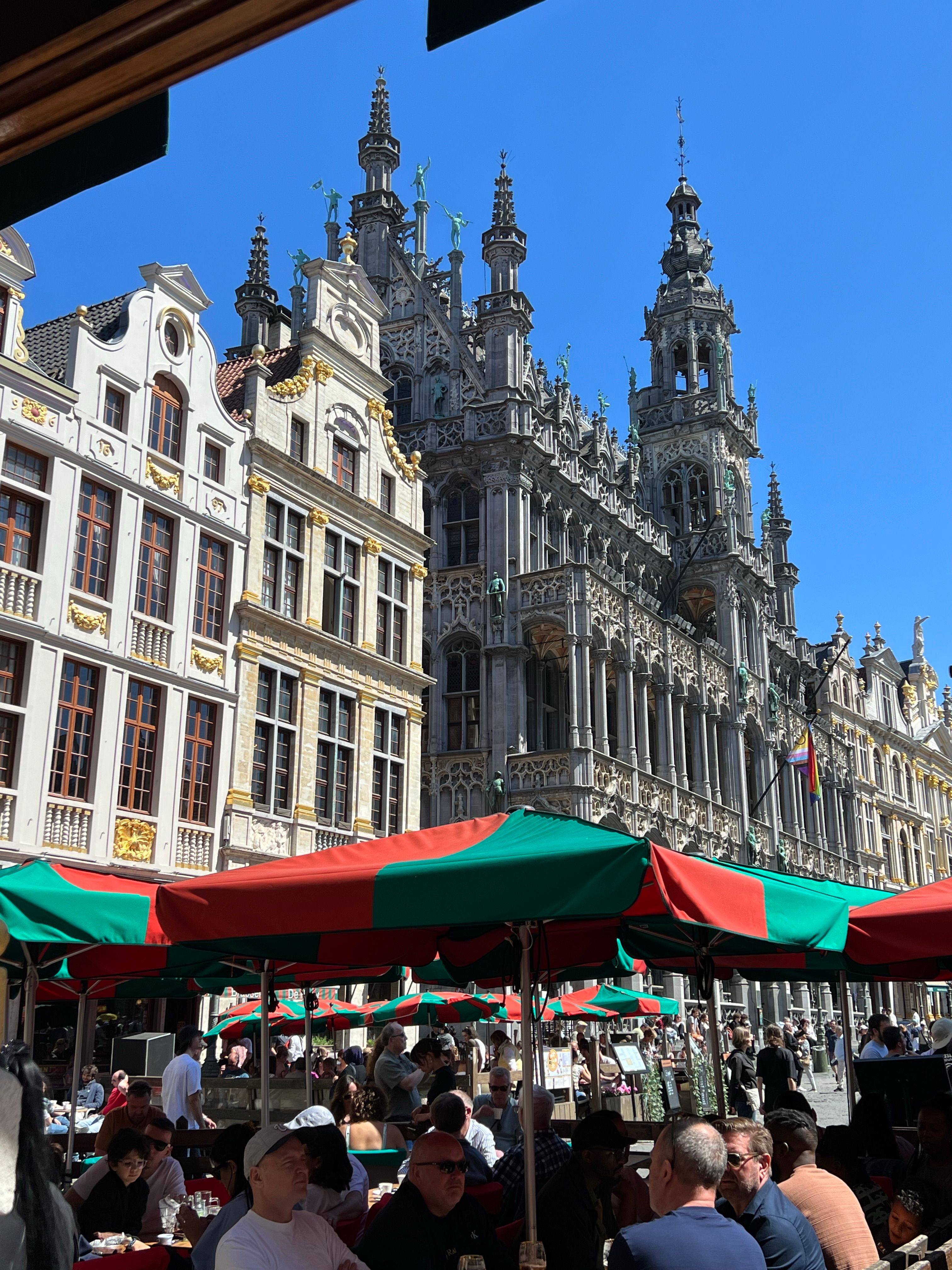
- Opening Hours: Always open
- Entry Fee: Free
- Tips: Visit early morning or at night for fewer crowds; don’t miss the flower carpet in August (biennial)
- Best Time: Early morning or evening
2. Manneken Pis

- Opening Hours: Always open
- Entry Fee: Free
- Tips: Check out his costumes at the nearby museum
- Best Time: Daytime
3. Atomium
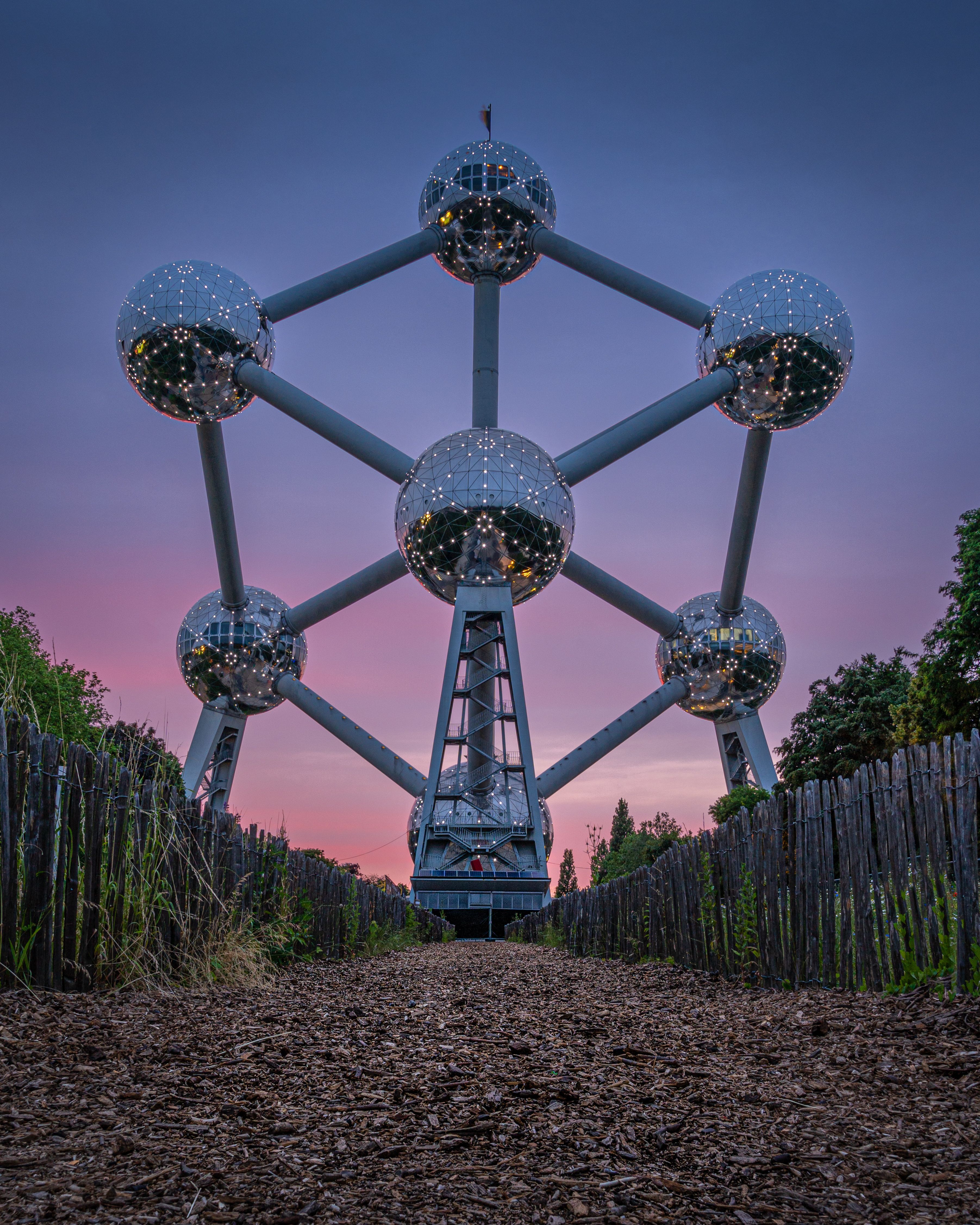
- Opening Hours: 10:00–18:00
- Entry Fee: ~€16
- Tips: Buy tickets online to skip lines; visit the top for panoramic views
- Best Time: Late afternoon
4. Royal Museums of Fine Arts

- Opening Hours: 10:00–17:00 (closed Mondays)
- Entry Fee: ~€15 (varies by collection)
- Tips: Combine with Magritte Museum for a discount
- Best Time: Weekday mornings
5. St. Michael and St. Gudula Cathedral
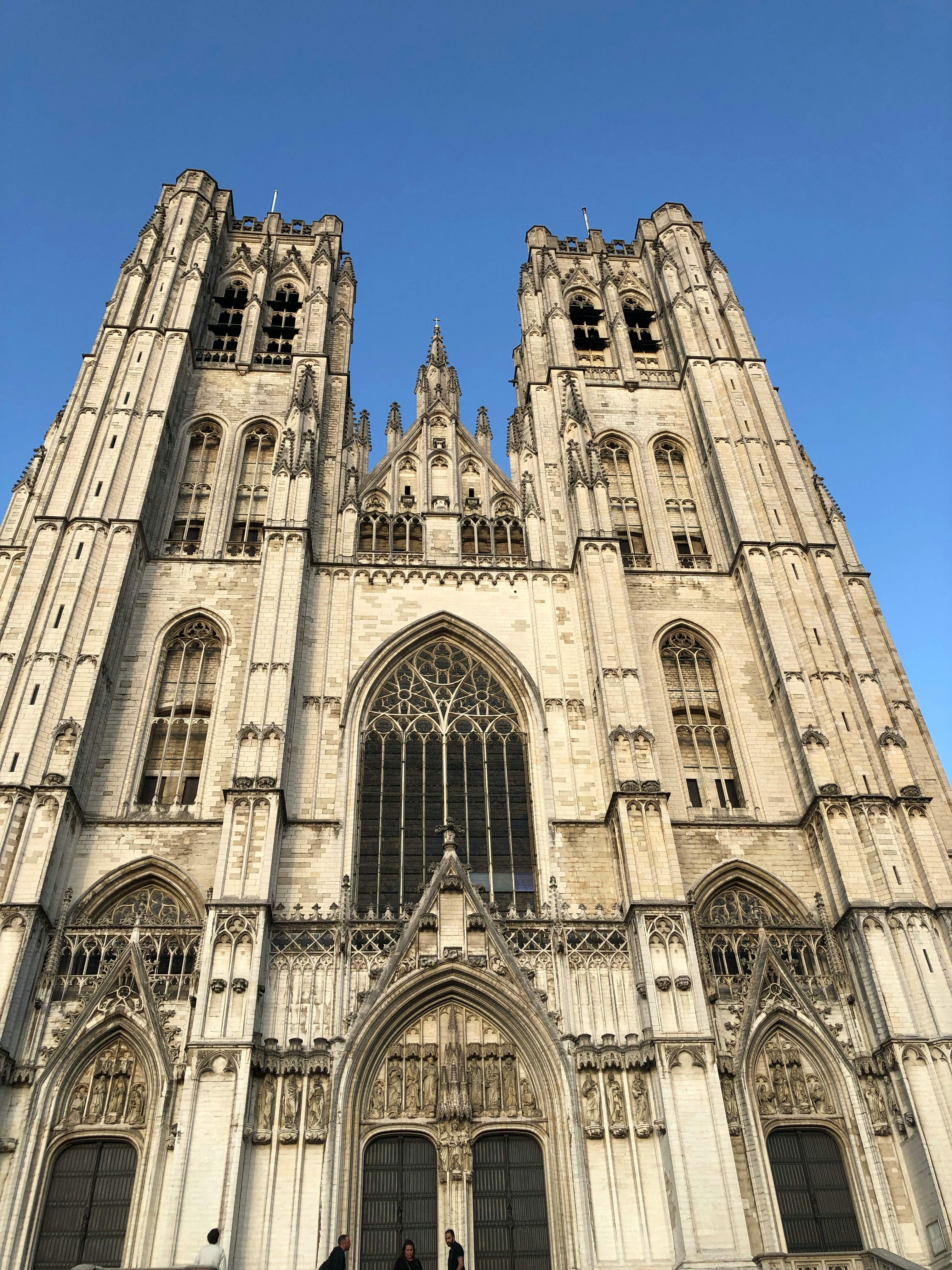
- Opening Hours: 7:00–18:00
- Entry Fee: Free; crypt €3
- Tips: Attend a concert or service for a unique experience
- Best Time: Midday
6. European Parliament

- Opening Hours: 10:00–18:00 (tours at 11:00 and 15:00 on Mondays)
- Entry Fee: Free (book in advance)
- Tips: Check the parliamentary calendar for debates
- Best Time: Weekday mornings
Hidden Gems
- Comic Strip Route: Outdoor murals celebrating Belgium’s comic strip heritage.
- Musical Instruments Museum: Housed in a stunning Art Nouveau building.
- Les Marolles: Historic neighborhood with flea markets and vintage shops.
- Local Favorites: Visit Place Sainte-Catherine for seafood, explore the Sablon for antiques.
- Insider Tips: Try a beer at Delirium Café (over 2,000 types), explore the underground ruins at Coudenberg Palace.
Local Cuisine and Dining
- Must-Try Dishes: Belgian waffles, fries, mussels with fries (moules-frites), stoemp, carbonnade flamande, chocolate, beer.
- Best Restaurants: Chez Léon (mussels), Le Cirio (classic brasserie), Comme Chez Soi (fine dining).
- Cafes & Street Food: Maison Dandoy (waffles), Fritland (fries), Delirium Café (beer).
- Food Markets: Marché du Midi (Sunday market), Place Sainte-Catherine (seafood).
- Culinary Tours: Join a chocolate or beer tasting tour for an authentic experience.
Accommodation Options
- Budget: Meininger Hotel Brussels, 2GO4 Quality Hostel, Sleep Well Youth Hostel.
- Mid-Range: Hotel Amigo, Hotel Bloom!, Thon Hotel EU.
- Luxury: Hotel Metropole, Sofitel Brussels Europe, The Hotel Brussels.
- Hostels, Guesthouses, Boutique Stays: Jam Hotel, Pillows Grand Hotel, The Dominican.
- Best Areas to Stay: Grand Place (central, historic), Sablon (artsy, upscale), Ixelles (trendy, multicultural).
Transportation
- Getting to Brussels: International flights to Brussels Airport; high-speed trains from Paris, Amsterdam, and London.
- Public Transport: Metro, trams, buses; use a MOBIB card for convenience.
- Taxis, Rideshares, Bike Rentals: Uber, Bolt, and local taxis; bike rentals (Villo!).
- Tips: The city center is walkable; use public transport for longer distances.
Events, Festivals, and Experiences
- Major Annual Events: Brussels Flower Carpet (August, biennial), Brussels Jazz Marathon (May), Christmas Markets (December), Ommegang (July).
- Unique Experiences: Guided Art Nouveau tours, chocolate-making workshops, beer tastings.
- Workshops & Performances: Live music at Ancienne Belgique, theater at La Monnaie.
Shopping and Souvenirs
- Best Shopping Streets: Rue Neuve, Avenue Louise, Rue Antoine Dansaert.
- Markets & Malls: Galeries Royales Saint-Hubert, Brussels Stock Exchange area.
- Local Products: Belgian chocolate, beer, lace, comic books, Art Nouveau prints.
Practical Information
- Visa and Travel Regulations: Belgium is part of the Schengen Area; check visa requirements based on nationality.
- Weather and Best Time to Visit: Best in spring and autumn; winter is cold but festive.
- Language and Communication: French and Dutch are official; English widely spoken.
- Currency, ATMs, Payment Methods: Euro (€); ATMs widely available; credit cards accepted everywhere.
Travel Tips and Etiquette
- Local Customs: Greet with a handshake; tipping is appreciated but not mandatory (round up or 10% in restaurants).
- Safety Advice: Beware of pickpockets in crowded areas and transport hubs; keep valuables secure.
- Budget Tips: Use public transport, visit free museums, eat at markets and street food stalls.
- Cultural Etiquette: Respect local languages and customs; dress casually but neatly for attractions and dining.
Packing and What to Wear
- Spring/Autumn: Light layers, waterproof jacket, comfortable walking shoes.
- Summer: Light clothing, sunhat, sunglasses, sunscreen.
- Winter: Warm coat, gloves, scarf, waterproof boots.
- Dress Code: Casual for most attractions; smart casual for upscale dining.
Itineraries
2-Day Itinerary
- Day 1: Grand Place, Manneken Pis, Royal Museums of Fine Arts, dinner at Chez Léon
- Day 2: Atomium, St. Michael and St. Gudula Cathedral, European Parliament, evening at Delirium Café
4-Day Itinerary
- Day 1: Grand Place, Manneken Pis, Royal Museums of Fine Arts
- Day 2: Atomium, St. Michael and St. Gudula Cathedral, European Parliament
- Day 3: Comic Strip Route, Musical Instruments Museum, Les Marolles flea market
- Day 4: Day trip to Bruges or Ghent
7-Day Itinerary
- Days 1–4: As above
- Day 5: Explore Sablon and Ixelles, visit local galleries and cafés
- Day 6: Chocolate or beer tasting tour, shopping at Galeries Royales Saint-Hubert
- Day 7: Relax in a local park, revisit favorite spots, or take a guided walking tour