

 Start Driving in Cape Town
Cape Town, the legislative capital of South Africa, blends its rich historical significance with stunning natural landscapes, offering a unique mix of historical landmarks, diverse neighborhoods, and a vibrant atmosphere. Situated along the Atlantic coast, Cape Town provides a captivating mix of scenic sea views and cultural diversity. Table Mountain, a prominent landmark, features stunning natural landscapes and panoramic views. Robben Island features historical significance and cultural exhibits. The Victoria & Alfred Waterfront features recreational spaces and cultural expressions. Cape Town’s culinary scene features a delightful mix of South African and international cuisine, with restaurants serving seafood, braai, and diverse culinary offerings. The city’s markets, such as the Neighbourgoods Market, offer a variety of local produce, artisanal goods, and souvenirs. The beaches and surrounding mountains provide opportunities for scenic walks, cultural exploration, and outdoor recreation. Cape Town’s efficient transportation network, including buses, trains, and taxis, facilitates travel within the city and to surrounding areas. The city experiences a Mediterranean climate, with mild summers and cool winters. Cape Town’s cultural attractions, such as the various historical sites and the annual festivals, highlight the city’s historical significance and natural beauty. The city’s vibrant cultural scene includes festivals, concerts, and theaters, reflecting the region’s diverse traditions. Cape Town’s blend of historical charm and natural beauty creates a unique and appealing destination. The local markets and community events foster a vibrant atmosphere, making Cape Town a dynamic and culturally rich destination for visitors and residents. Cape Town is a vital center for government, tourism, and culture in South Africa, contributing significantly to the country’s national development and economic growth.
Cape Town: A Coastal Symphony of Land and Sea
Cape Town, South Africa’s “Mother City,” is a breathtaking destination where dramatic mountains, golden beaches, and a vibrant urban culture create an unforgettable travel experience. Cape Town is renowned for its stunning landscapes, rich history, and cosmopolitan vibe. Whether you’re exploring historic neighborhoods, savoring world-class cuisine, or venturing into the wilds of the Cape Peninsula, Cape Town promises adventure, beauty, and a warm welcome at every turn.
Brief History and Background
- Origins: Founded in 1652 by the Dutch East India Company as a refreshment station for ships traveling to the East Indies.
- Colonial Era: Became a key strategic port for European powers, with periods of Dutch and British rule.
- Slavery and Diversity: Importation of slaves from Africa, Madagascar, and Asia created a multicultural society; freed slaves and their descendants shaped neighborhoods like Bo-Kaap.
- Modern Era: Played a central role in South Africa’s history, including the legacy of apartheid and the imprisonment of Nelson Mandela on Robben Island.
- Today: A major political, economic, and cultural center with a reputation for beauty and liberal outlook.
What Makes the City Unique or Special
- Natural Beauty: Table Mountain, beaches, and the Cape Peninsula offer some of the world’s most stunning scenery.
- Cultural Diversity: A melting pot of African, European, and Asian influences.
- Historical Significance: Site of the first European settlement in South Africa and key events in the country’s modern history.
- Outdoor Lifestyle: World-class hiking, surfing, and wildlife experiences.
- Creative Energy: Thriving arts, music, and culinary scenes.
Local Culture and Vibe
- Welcoming and Cosmopolitan: Friendly locals and a relaxed, open atmosphere.
- Creative and Festive: Art galleries, live music, and festivals year-round.
- Café Culture: Bustling coffee shops and markets are central to social life.
- Historical Neighborhoods: Bo-Kaap’s colorful houses and cobbled streets reflect Cape Malay heritage.
- Nightlife: Lively bars, clubs, and beachfront venues.
Best Months to Visit
- November–March: Summer—warm, sunny, and perfect for beaches and outdoor activities.
- April–May, September–October: Shoulder seasons—milder weather, fewer crowds.
- Avoid: June–August (winter)—cooler, rainy, but still pleasant for sightseeing.
Top Attractions
1. Table Mountain
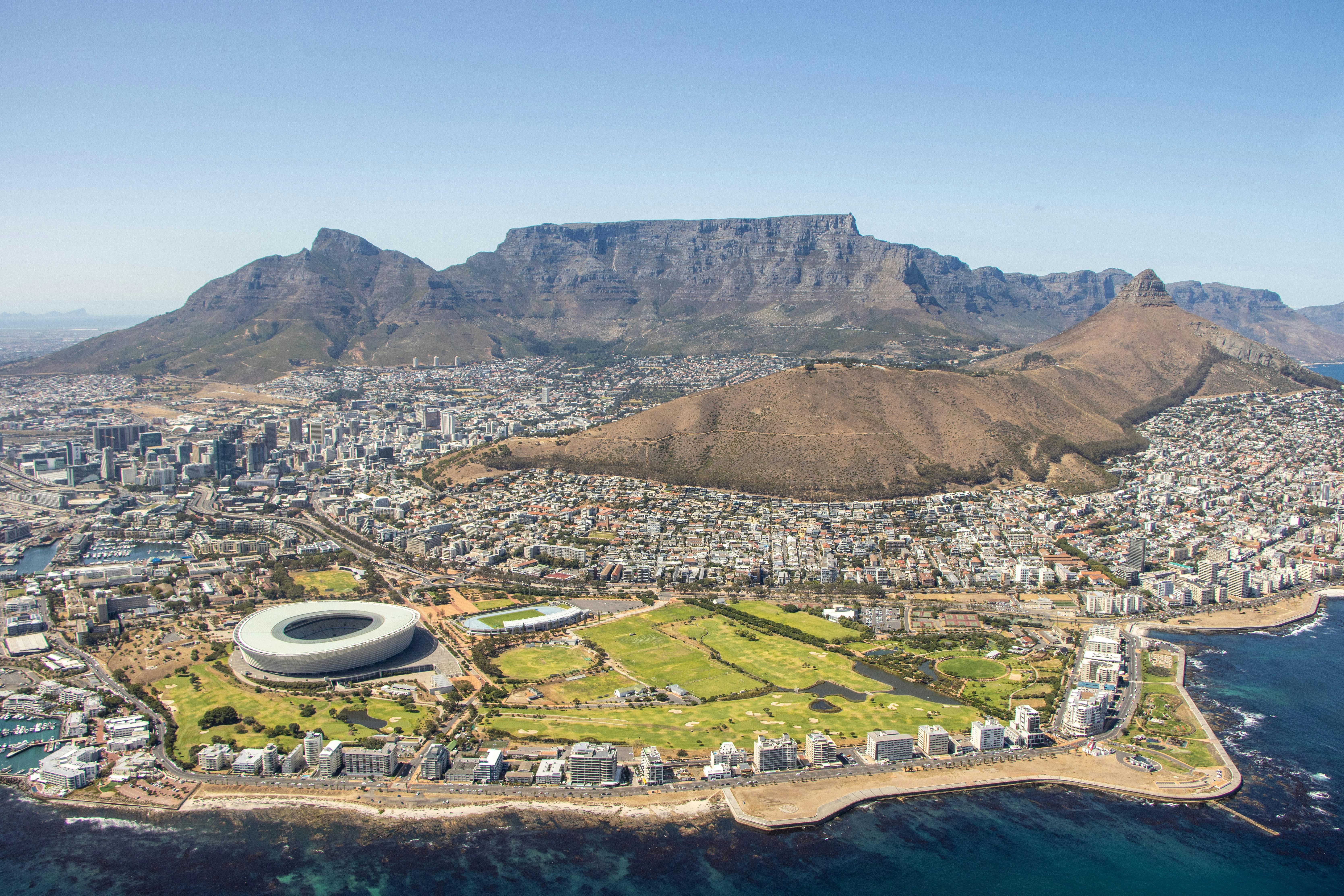
- Opening Hours: Cableway 8:00–19:00 (seasonal)
- Entry Fee: Cableway ~R400 return
- Tips: Book tickets online; weather can change quickly.
- Best Time: Early morning or late afternoon for clear views.
2. Robben Island
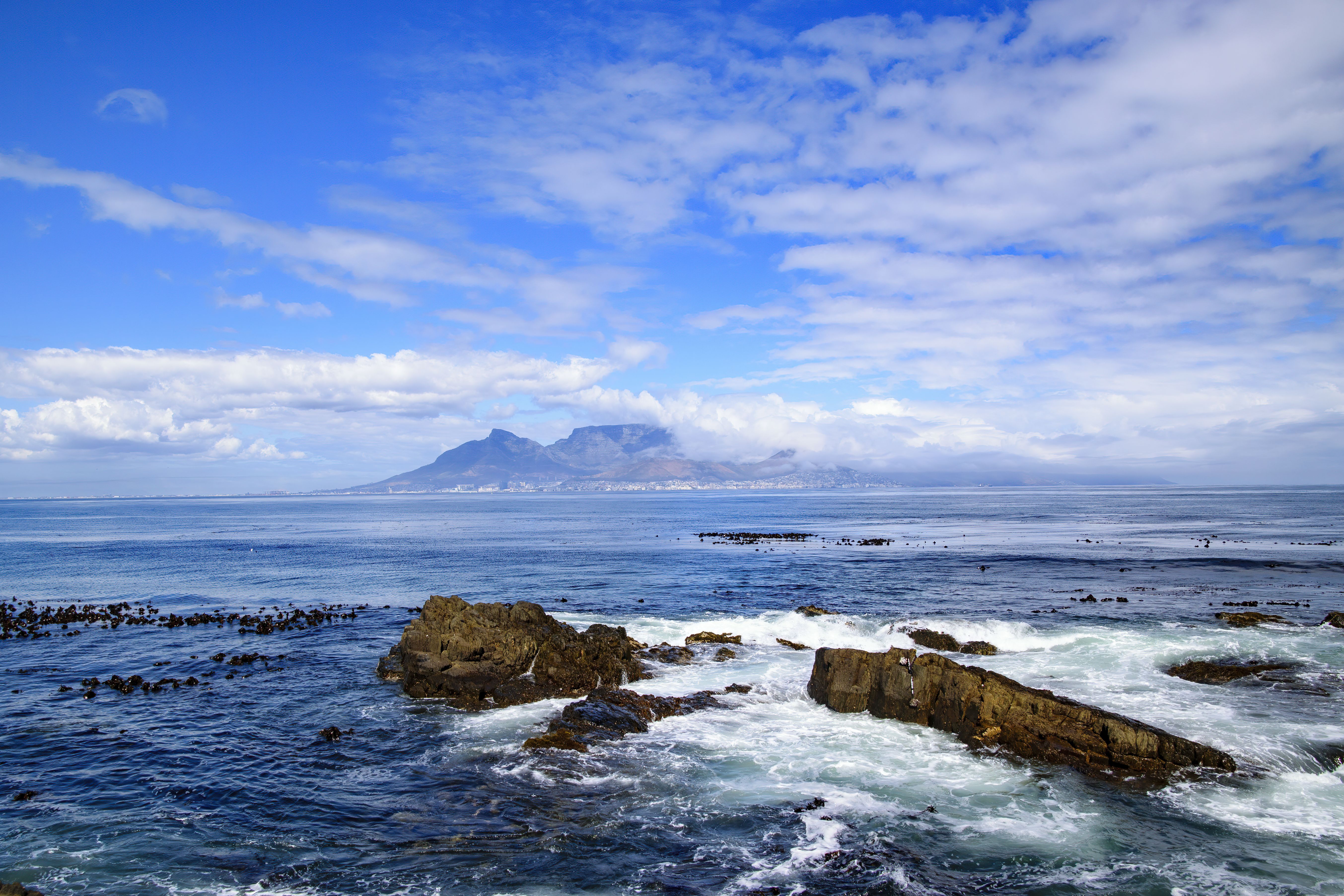
- Opening Hours: Tours at 9:00, 11:00, 13:00, 15:00 (weather dependent)
- Entry Fee: ~R600
- Tips: Book in advance; ferry ride is weather dependent.
- Best Time: Morning tours.
3. V&A Waterfront
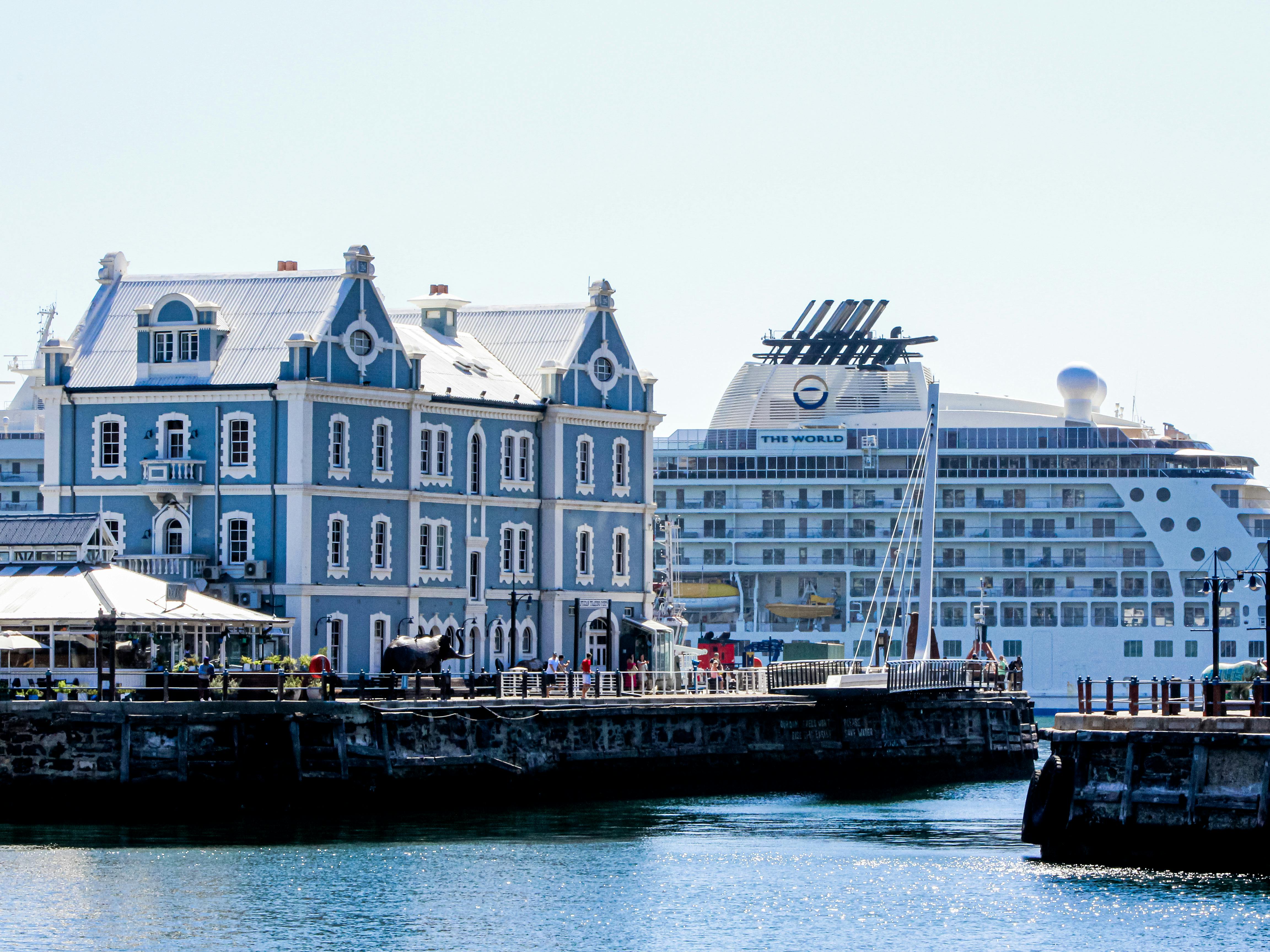
- Opening Hours: Shops 9:00–21:00, restaurants vary
- Entry Fee: Free
- Tips: Great for shopping, dining, and people-watching.
- Best Time: Daytime or evening.
4. Kirstenbosch National Botanical Garden

- Opening Hours: 8:00–19:00 (summer), 8:00–18:00 (winter)
- Entry Fee: ~R220
- Tips: Bring a picnic; check for summer sunset concerts.
- Best Time: Morning or late afternoon.
5. Boulders Beach (Penguin Colony)
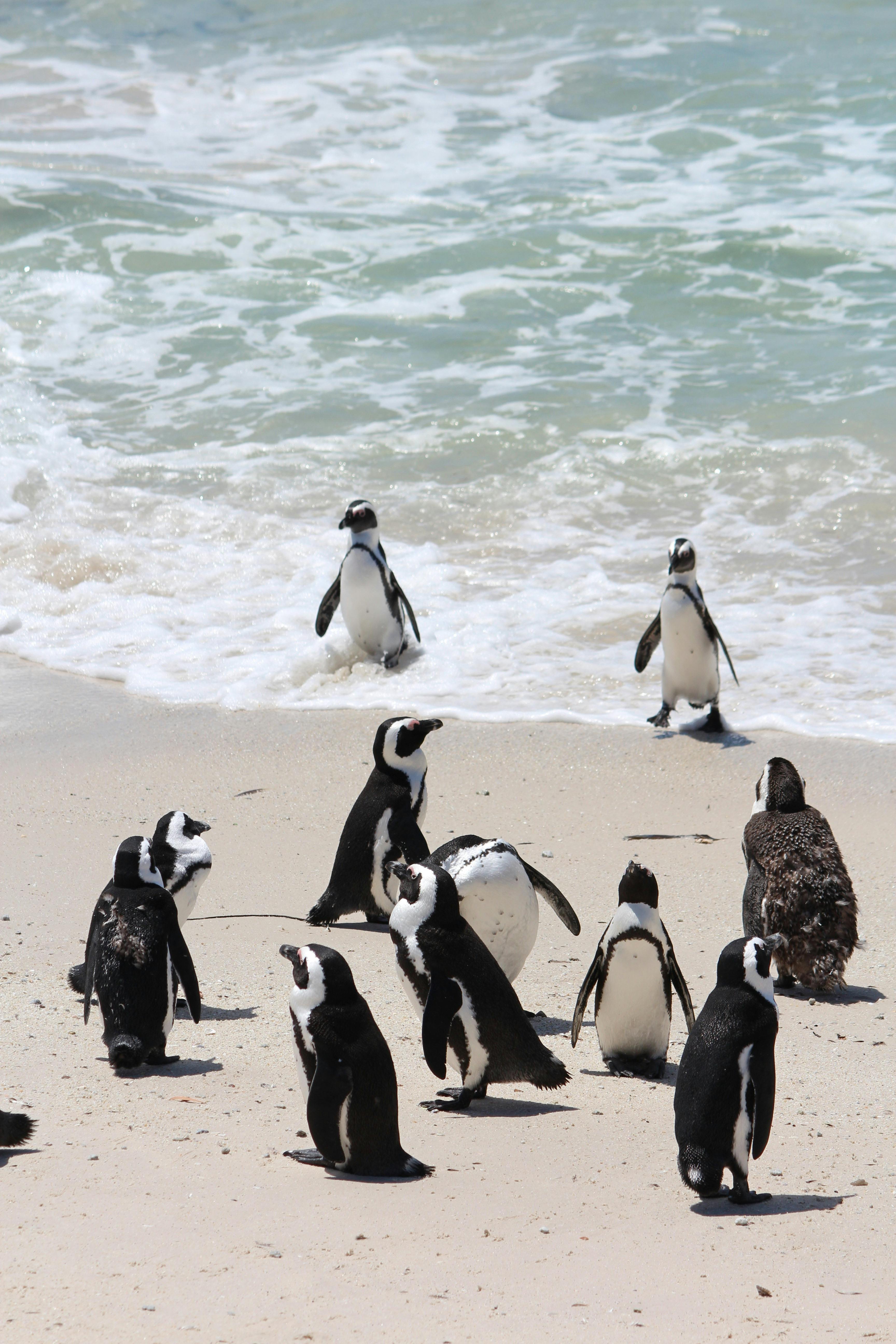
- Opening Hours: 8:00–18:30 (summer), 8:00–17:00 (winter)
- Entry Fee: ~R160
- Tips: Arrive early to see penguins up close.
- Best Time: Morning.
6. Cape of Good Hope

- Opening Hours: 6:00–18:00 (seasonal)
- Entry Fee: ~R370 per car
- Tips: Drive or join a tour; watch for baboons.
- Best Time: Morning or late afternoon.
Hidden Gems
- Bo-Kaap: Colorful historic neighborhood with Cape Malay culture and cuisine.
- District Six Museum: Powerful exhibits on forced removals during apartheid.
- Zeitz MOCAA: Africa’s largest contemporary art museum.
- Local Favorites: Kalk Bay for quirky shops and seafood, Woodstock for street art and markets.
- Insider Tips: Take the City Sightseeing bus for easy exploration, visit the Old Biscuit Mill on weekends.
Local Cuisine and Dining
- Must-Try Dishes: Cape Malay curry, bobotie, braai (barbecue), snoek, malva pudding, rooibos tea.
- Best Restaurants: Gold Restaurant (African cuisine), The Test Kitchen, The Pot Luck Club.
- Cafes & Street Food: Truth Coffee, Jason Bakery, Hout Bay Market for local treats.
- Food Markets: Old Biscuit Mill, Hout Bay Market, Oranjezicht City Farm Market.
- Culinary Tours: Join a food or wine tour for authentic flavors and stories.
Accommodation Options
- Budget: Ashanti Lodge, Never at Home, The Backpack.
- Mid-Range: The Grey Hotel, Blackheath Lodge, The Portswood.
- Luxury: One&Only Cape Town, The Silo Hotel, Cape Grace.
- Hostels, Guesthouses, Boutique Stays: Mojo Hotel, Kloof Street Hotel, Cape Heritage Hotel.
- Best Areas to Stay: City Bowl (central), Camps Bay (beachfront), Green Point (vibrant, close to stadium).
Transportation
- Getting to Cape Town: International flights to Cape Town International Airport; trains and buses from other South African cities.
- Public Transport: MyCiTi buses, Metrorail trains, minibus taxis.
- Taxis, Rideshares, Bike Rentals: Uber, Bolt, metered taxis; bike rentals available.
- Tips: Use Uber for safety and convenience; MyCiTi buses are reliable for main routes.
Events, Festivals, and Experiences
- Major Annual Events: Cape Town International Jazz Festival (March), Cape Town Carnival (March), Kirstenbosch Summer Sunset Concerts (Dec–Apr).
- Unique Experiences: Township tours, wine tasting in Constantia, paragliding from Signal Hill.
- Workshops & Performances: Art workshops, live music, theater productions.
Shopping and Souvenirs
- Best Shopping Streets: Long Street, Kloof Street, Bree Street.
- Markets & Malls: V&A Waterfront, Canal Walk, Old Biscuit Mill.
- Local Products: Rooibos tea, African art, handmade crafts, wine, Cape Malay spices.
Practical Information
- Visa and Travel Regulations: Many nationalities can enter visa-free for up to 90 days; check requirements before travel.
- Weather and Best Time to Visit: Best in summer (Nov–Mar) and shoulder seasons (Apr–May, Sep–Oct).
- Language and Communication: English widely spoken; Afrikaans and Xhosa also common.
- Currency, ATMs, Payment Methods: South African Rand (ZAR); ATMs widely available; credit cards accepted in most places.
Travel Tips and Etiquette
- Local Customs: Friendly and informal; tipping (10–15%) is expected in restaurants.
- Safety Advice: Be cautious in less touristy areas at night; keep valuables secure.
- Budget Tips: Use public transport, eat at markets, visit free attractions like beaches and parks.
- Cultural Etiquette: Respect local customs and diversity; dress modestly in townships and religious sites.
Packing and What to Wear
- Summer: Light clothing, swimwear, sunhat, sunglasses, sunscreen.
- Shoulder Seasons: Light layers, jacket for cooler evenings.
- Winter: Warm layers, waterproof jacket, scarf, gloves.
- Dress Code: Casual for most attractions; smart casual for upscale dining.
Itineraries
2-Day Itinerary
- Day 1: Table Mountain, V&A Waterfront, Robben Island (if time allows)
- Day 2: Cape of Good Hope, Boulders Beach, Kirstenbosch Gardens
4-Day Itinerary
- Day 1: Table Mountain, V&A Waterfront
- Day 2: Robben Island, Bo-Kaap, District Six Museum
- Day 3: Cape of Good Hope, Boulders Beach, Kalk Bay
- Day 4: Kirstenbosch Gardens, Woodstock, Old Biscuit Mill
7-Day Itinerary
- Days 1–4: As above
- Day 5: Wine tasting in Constantia or Stellenbosch
- Day 6: Township tour, paragliding or beach day
- Day 7: Explore hidden gems, revisit favorite spots, or relax in a café