

 Start Driving in Cartagena
Cartagena, a city on the Caribbean coast of Colombia, blends its rich colonial history with modern urban development, offering a unique mix of historical landmarks, diverse neighborhoods, and a vibrant atmosphere. Situated along the Caribbean Sea, Cartagena provides a captivating mix of scenic sea views and cultural diversity. The Old City (Ciudad Amurallada), a prominent landmark, features stunning colonial architecture and historical significance. The Castillo San Felipe de Barajas features stunning historical architecture and cultural exhibits. The Getsemani neighborhood features vibrant cultural expressions and historical significance. Cartagena’s culinary scene features a delightful mix of Colombian and Caribbean cuisine, with restaurants serving seafood, arepas, and diverse regional specialties. The city’s markets, such as the Bazurto Market, offer a variety of local produce, artisanal goods, and souvenirs. The beaches and surrounding islands provide opportunities for scenic walks, cultural exploration, and water sports. Cartagena’s efficient transportation network, including buses and taxis, facilitates travel within the city and to surrounding areas. The city experiences a tropical savanna climate, with warm temperatures year-round. Cartagena’s cultural attractions, such as the various historical sites and the annual festivals, highlight the city’s colonial history and cultural contributions. The city’s vibrant cultural scene includes festivals, traditional music, and dance, reflecting the region’s diverse traditions. Cartagena’s blend of colonial charm and Caribbean beauty creates a unique and appealing destination. The local markets and community events foster a vibrant atmosphere, making Cartagena a dynamic and culturally rich destination for visitors and residents. Cartagena is a vital center for tourism, commerce, and culture in Colombia, contributing significantly to the country’s national development and economic growth.
Cartagena: A Coastal Story Painted in Color and Light
Cartagena de Indias is a dazzling colonial gem on Colombia’s Caribbean coast, where cobblestone streets, colorful facades, and centuries-old fortresses create a magical atmosphere. A UNESCO World Heritage Site, Cartagena enchants visitors with its rich history, vibrant Afro-Caribbean culture, and breathtaking coastal beauty. Whether you’re wandering the walled Old Town, relaxing on golden beaches, or savoring local delicacies, Cartagena offers an unforgettable blend of romance, adventure, and authentic Colombian spirit.
Historical Highlights
- Founded in 1533 by Spanish conquistador Pedro de Heredia, Cartagena quickly became a vital colonial port for trade between the New World and Europe1.
- Strategic Importance: Its location made it a key hub for gold and silver exports, attracting pirates and privateers, which led to the construction of impressive fortifications like the Castillo de San Felipe de Barajas.
- Slave Trade: Cartagena was the largest slave port in South America, shaping its Afro-Caribbean cultural identity.
- Independence: The city played a crucial role in Colombia’s independence, declaring freedom in 1811 and enduring a brutal siege before liberation in 1821.
- UNESCO Recognition: In 1984, Cartagena’s historic center was declared a World Heritage Site for its well-preserved colonial architecture and cultural significance.
What Makes the City Unique or Special
- UNESCO World Heritage Site: Stunning colonial architecture and fortifications.
- Caribbean Setting: Beautiful beaches, turquoise waters, and a tropical climate.
- Afro-Caribbean Culture: Vibrant music, dance, and cuisine influenced by African heritage.
- Colorful Old Town: Cobblestone streets, flower-covered balconies, and lively squares.
- Romantic Atmosphere: Horse-drawn carriages, rooftop bars, and sunset views from the city walls.
Local Culture and Vibe
- Festive and Welcoming: Locals are warm, friendly, and proud of their heritage.
- Music and Dance: Salsa, champeta, and cumbia fill the streets and nightlife.
- Artistic Energy: Street art, galleries, and cultural festivals abound, especially in Getsemaní.
- Café and Market Culture: Bustling cafés, fruit vendors, and vibrant markets.
- Nightlife: Lively bars, clubs, and open-air events.
Best Months to Visit
- December–April: Dry season with sunny skies and warm temperatures,ideal for sightseeing and beaches.
- Avoid: Rainy season (May–November) brings more humidity and occasional downpours, but fewer crowds and lower prices.
Top Attractions
1. Castillo de San Felipe de Barajas
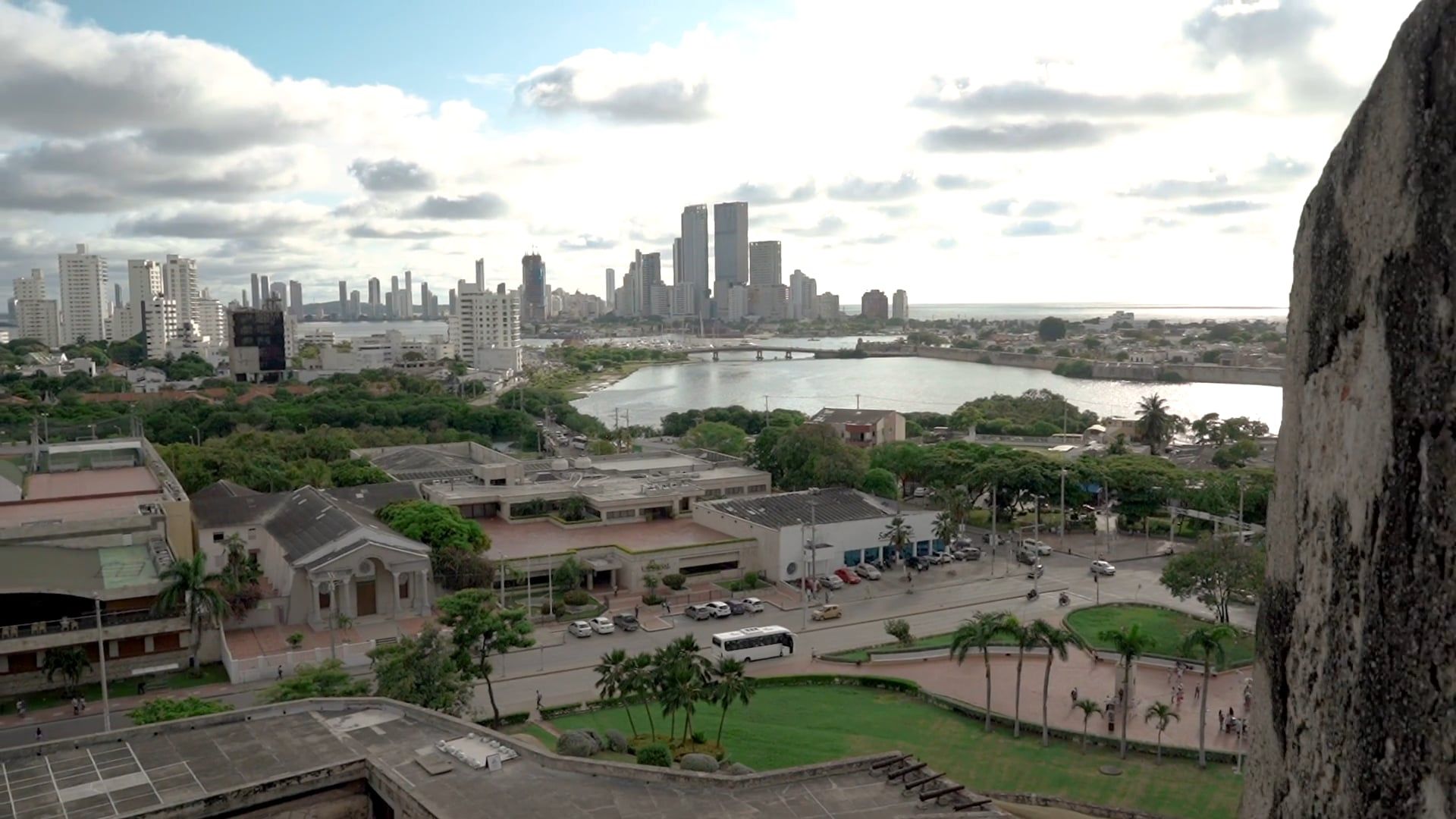
- Opening Hours: 8:00–18:00
- Entry Fee: ~COP 35,000
- Tips: Visit early to avoid heat; explore the tunnels.
- Best Time: Early morning or late afternoon.
2. Old Town (Centro Histórico)
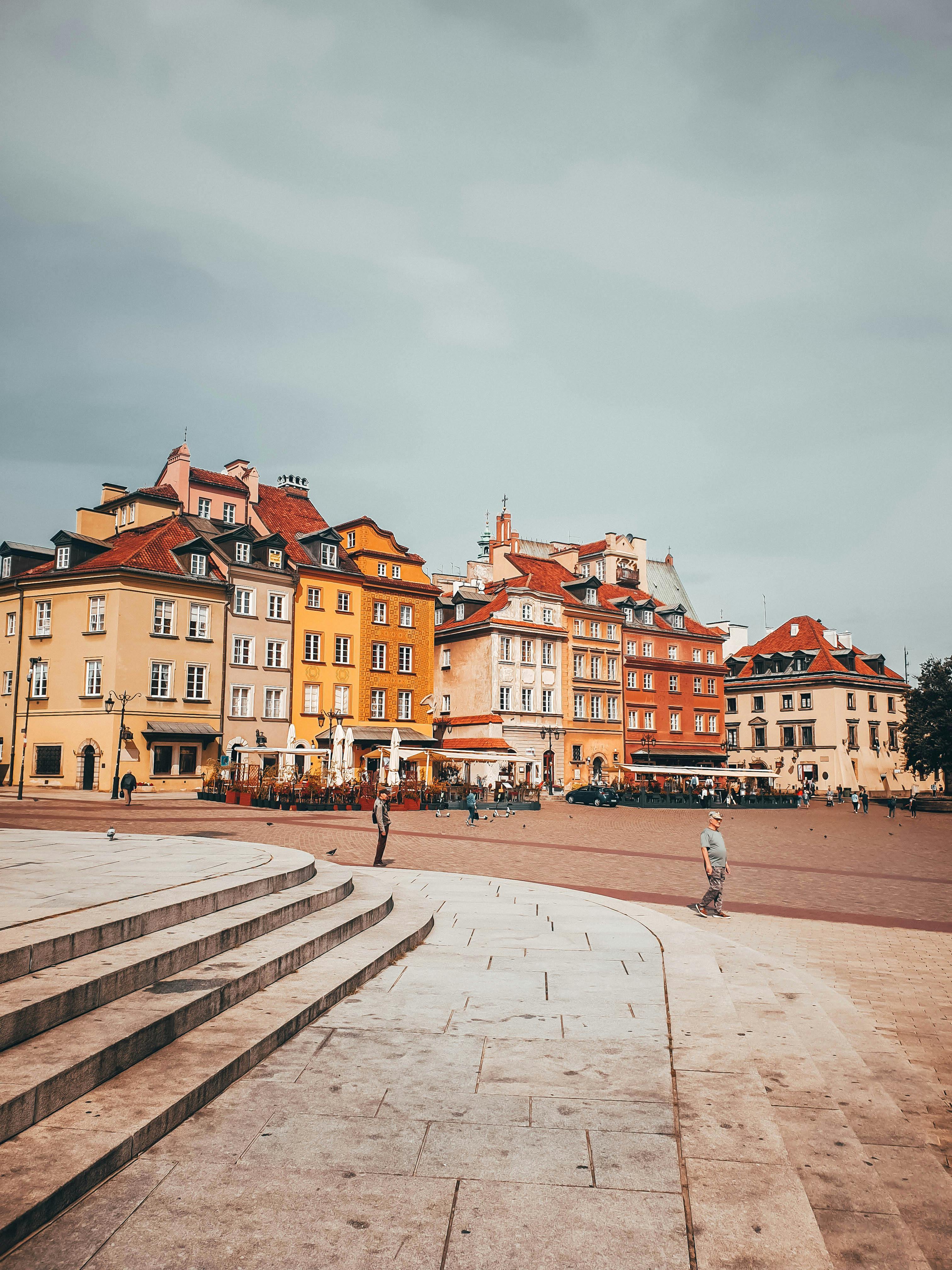
- Opening Hours: Always open (shops/restaurants vary)
- Entry Fee: Free
- Tips: Wander the streets, visit plazas, and enjoy the architecture.
- Best Time: Morning or evening.
3. Torre del Reloj (Clock Tower)
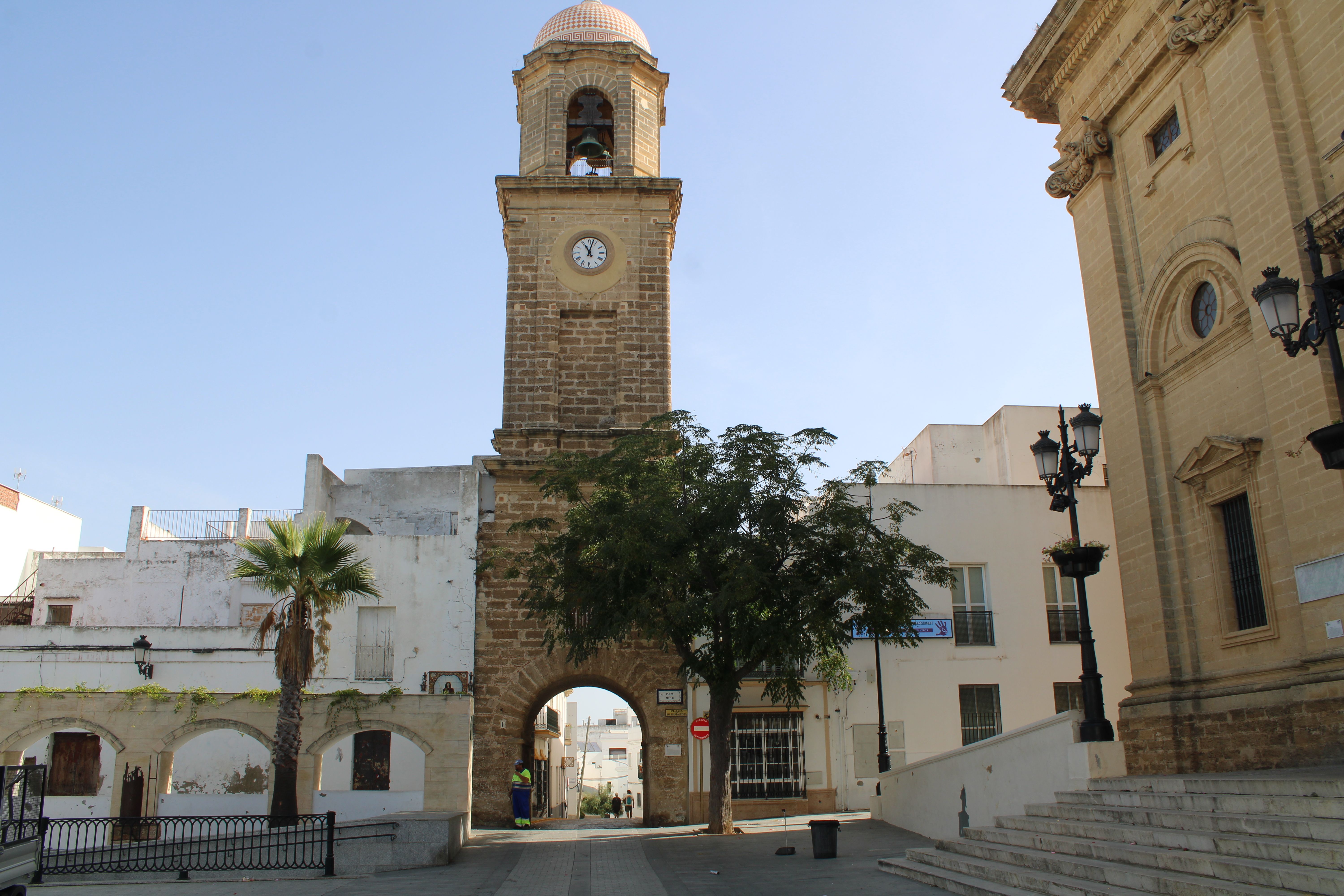
- Opening Hours: Always open
- Entry Fee: Free
- Tips: Iconic photo spot; visit the candy vendors under the arches.
- Best Time: Morning or sunset.
4. Santa Catalina Cathedral

- Opening Hours: 9:00–18:00
- Entry Fee: ~COP 10,000
- Tips: Admire the yellow dome and simple, elegant interior.
- Best Time: Midday for light inside.
5. Playa Blanca

- Opening Hours: Always open
- Entry Fee: Free (pay for chairs/umbrellas)
- Tips: Take a boat or bus; arrive early for best spots.
- Best Time: Morning.
6. Centennial Park

- Opening Hours: Always open
- Entry Fee: Free
- Tips: Great for picnics and people-watching.
- Best Time: Morning or late afternoon.
Hidden Gems
- Bazurto Public Market: Vibrant local market for fresh produce and street food.
- Getsemaní: Colorful neighborhood with street art, live music, and lively bars.
- Convento de la Popa: Hilltop convent with panoramic city views.
- La Boquilla: Afro-Colombian fishing village with drum music and mangrove tours.
- Manga Neighborhood: Residential area with colonial mansions and quiet parks.
- Insider Tips: Explore the city walls at sunset, join a local food or street art tour.
Local Cuisine and Dining
- Must-Try Dishes: Arepas, ceviche, coconut rice, sancocho (hearty stew), empanadas, carimañolas, fresh seafood.
- Best Restaurants: Celele (modern Caribbean), Coroncoro (local favorite), 1533 (authentic and quick).
- Cafes & Street Food: Café Pavia, street vendors in Old Town, fruit stands.
- Food Markets: Bazurto Market, Portal de los Dulces (candy vendors).
- Culinary Tours: Join a market or street food tour for authentic flavors.
Accommodation Options
- Budget: República Hostel, Casa de la Trinidad, Selina Cartagena.
- Mid-Range: Hotel Boutique Las Carretas, Hotel Casa Lola, Hotel Boutique Casa San Agustín.
- Luxury: Casa San Agustín, Hotel Charleston Santa Teresa, Sofitel Legend Santa Clara7.
- Hostels, Guesthouses, Boutique Stays: Casa India Catalina, Hotel Boutique Casa del Coliseo.
- Best Areas to Stay: Old Town (historic, central), Getsemaní (artsy, lively), Bocagrande (beachfront).
Transportation
- Getting to Cartagena: International flights to Rafael Núñez International Airport; buses from major Colombian cities.
- Public Transport: City buses, hop-on hop-off tourist bus.
- Taxis, Rideshares, Bike Rentals: Uber, local taxis; limited bike rentals.
- Tips: Use taxis or rideshares for convenience; Old Town is walkable.
Events, Festivals, and Experiences
- Major Annual Events: Hay Festival (literature, January), International Music Festival (January), Independence Day (November), Cartagena Film Festival (March).
- Unique Experiences: Sunset cruise, salsa dancing, street art tours, Afro-Colombian drum workshops.
- Workshops & Performances: Cooking classes, dance lessons, live music in Getsemaní.
Shopping and Souvenirs
- Best Shopping Streets: Calle de la Mantilla, Calle de la Moneda, Calle Santo Domingo.
- Markets & Malls: Las Bóvedas (crafts), Portal de los Dulces (sweets), Bazurto Market.
- Local Products: Handmade jewelry, mochilas (woven bags), coffee, rum, traditional sweets.
Practical Information
- Visa and Travel Regulations: Many nationalities can enter visa-free for up to 90 days; check requirements before travel.
- Weather and Best Time to Visit: Best in December–April (dry season).
- Language and Communication: Spanish is official; English spoken in tourist areas.
- Currency, ATMs, Payment Methods: Colombian Peso (COP); ATMs widely available; credit cards accepted in most places.
Travel Tips and Etiquette
- Local Customs: Friendly and informal; tipping (10%) is appreciated.
- Safety Advice: Be cautious at night in less touristy areas; keep valuables secure.
- Budget Tips: Eat at markets and street stalls, use public transport, visit free attractions.
- Cultural Etiquette: Dress modestly in religious sites; greet with a smile and handshake.
Packing and What to Wear
- Dry Season: Light, breathable clothing, swimwear, sunhat, sunglasses, sunscreen.
- Rainy Season: Light rain jacket, quick-dry clothes, umbrella.
- Dress Code: Casual for most attractions; smart casual for upscale dining.
Itineraries
2-Day Itinerary
- Day 1: Old Town, Castillo de San Felipe, Torre del Reloj, sunset on the city walls
- Day 2: Getsemaní, Santa Catalina Cathedral, Playa Blanca
4-Day Itinerary
- Day 1: Old Town, Castillo de San Felipe, Torre del Reloj
- Day 2: Getsemaní, Santa Catalina Cathedral, sunset cruise
- Day 3: Playa Blanca, Centennial Park, local market visit
- Day 4: Convento de la Popa, Bazurto Market, shopping in Las Bóvedas
7-Day Itinerary
- Days 1–4: As above
- Day 5: Day trip to Rosario Islands or La Boquilla (mangrove tour)
- Day 6: Explore Manga neighborhood, cooking class or dance lesson
- Day 7: Revisit favorite spots, relax at the beach, or join a street art tour