

 Start Driving in Jaipur, Rajasthan
Jaipur, the capital of Rajasthan, India, blends its rich historical significance with modern urban development, offering a unique mix of historical landmarks, diverse neighborhoods, and a vibrant atmosphere. Situated in the desert region of Rajasthan, Jaipur provides a captivating mix of ancient sites and cultural diversity. The Amber Fort, a prominent landmark, features stunning historical architecture and cultural significance. The City Palace features stunning historical architecture and cultural exhibits. The Hawa Mahal (Palace of Winds) features stunning historical architecture and cultural expressions. Jaipur’s culinary scene features a delightful mix of Rajasthani and Indian cuisine, with restaurants serving dal baati churma, laal maas, and diverse regional specialties. The city’s markets, such as the Johari Bazaar, offer a variety of local produce, artisanal goods, and souvenirs. The forts and surrounding areas provide opportunities for scenic walks, cultural exploration, and outdoor recreation. Jaipur’s efficient transportation network, including buses, taxis, and auto-rickshaws, facilitates travel within the city and to surrounding areas. The city experiences a semi-arid climate, with hot summers and mild winters. Jaipur’s cultural attractions, such as the various historical sites and the annual festivals, highlight the city’s historical significance and cultural contributions. The city’s vibrant cultural scene includes festivals, traditional music, and dance, reflecting the region’s diverse traditions. Jaipur’s blend of historical charm and modern dynamism creates a unique and appealing destination. The local markets and community events foster a vibrant atmosphere, making Jaipur a dynamic and culturally rich destination for visitors and residents. Jaipur is a vital center for tourism, commerce, and culture in Rajasthan, contributing significantly to India’s national development and economic growth.
Jaipur: A City of Palaces, Light, and Timeless Grace
Jaipur, the vibrant capital of Rajasthan, is a dazzling blend of history, culture, and modernity. Known as the “Pink City” for its iconic salmon-hued buildings, Jaipur enchants visitors with majestic forts, grand palaces, bustling bazaars, and warm hospitality. Whether you’re exploring ancient monuments, savoring royal cuisine, or shopping for exquisite handicrafts, Jaipur offers an unforgettable journey into the heart of India’s royal heritage.
Historical Overview
Founded in 1727 by Maharaja Sawai Jai Singh II, Jaipur was one of the first planned cities in India.
- Designed by architect Vidyadhar Bhattacharya, the city features wide streets and a grid layout.
- Pink City Legacy: In 1876, the city was painted pink to welcome Prince Albert; the tradition continues today.
- Royal Heritage: Jaipur remains home to the erstwhile royal family and is celebrated for its forts, palaces, and vibrant culture.
- Cultural Melting Pot: Influenced by Rajput, Mughal, and British architectural styles.
What Makes the City Unique or Special
- Iconic Pink City: Unique terracotta-pink buildings throughout the old city.
- Majestic Forts and Palaces: Amer Fort, City Palace, and Hawa Mahal are world-renowned.
- Rich Craft Traditions: Famous for textiles, jewelry, and handicrafts.
- UNESCO Sites: Jantar Mantar, an astronomical observatory, is a UNESCO World Heritage Site.
- Festive Atmosphere: Year-round cultural events, festivals, and markets.
Local Culture and Vibe
- Warm Hospitality: Locals are friendly and proud of their heritage.
- Festive Spirit: Colorful festivals, music, dance, and traditional performances.
- Artistic Energy: Galleries, workshops, and live music in heritage hotels and cafes.
- Café and Market Culture: Bustling bazaars and rooftop restaurants are central to social life.
- Royal Legacy: The city’s royal family still resides in the City Palace complex.
Best Months to Visit
- October–March: Pleasant weather, ideal for sightseeing and outdoor activities.
- Avoid: April–June (hot and dry), July–September (monsoon season, but less crowded).
Top Attractions
1. Amer Fort

- Opening Hours: 8:00–17:30 (last entry 17:00)
- Entry Fee: ~500 (foreigners), ~100 (Indians); additional for light and sound show
- Tips: Arrive early to avoid crowds; explore the mirror palace (Sheesh Mahal).
- Best Time: Early morning or late afternoon.
2. Hawa Mahal (Palace of Winds)

- Opening Hours: 9:00–16:30
- Entry Fee: ~200 (foreigners), ~50 (Indians)
- Tips: Visit early for best photos; explore the nearby bazaars.
- Best Time: Morning.
3. City Palace
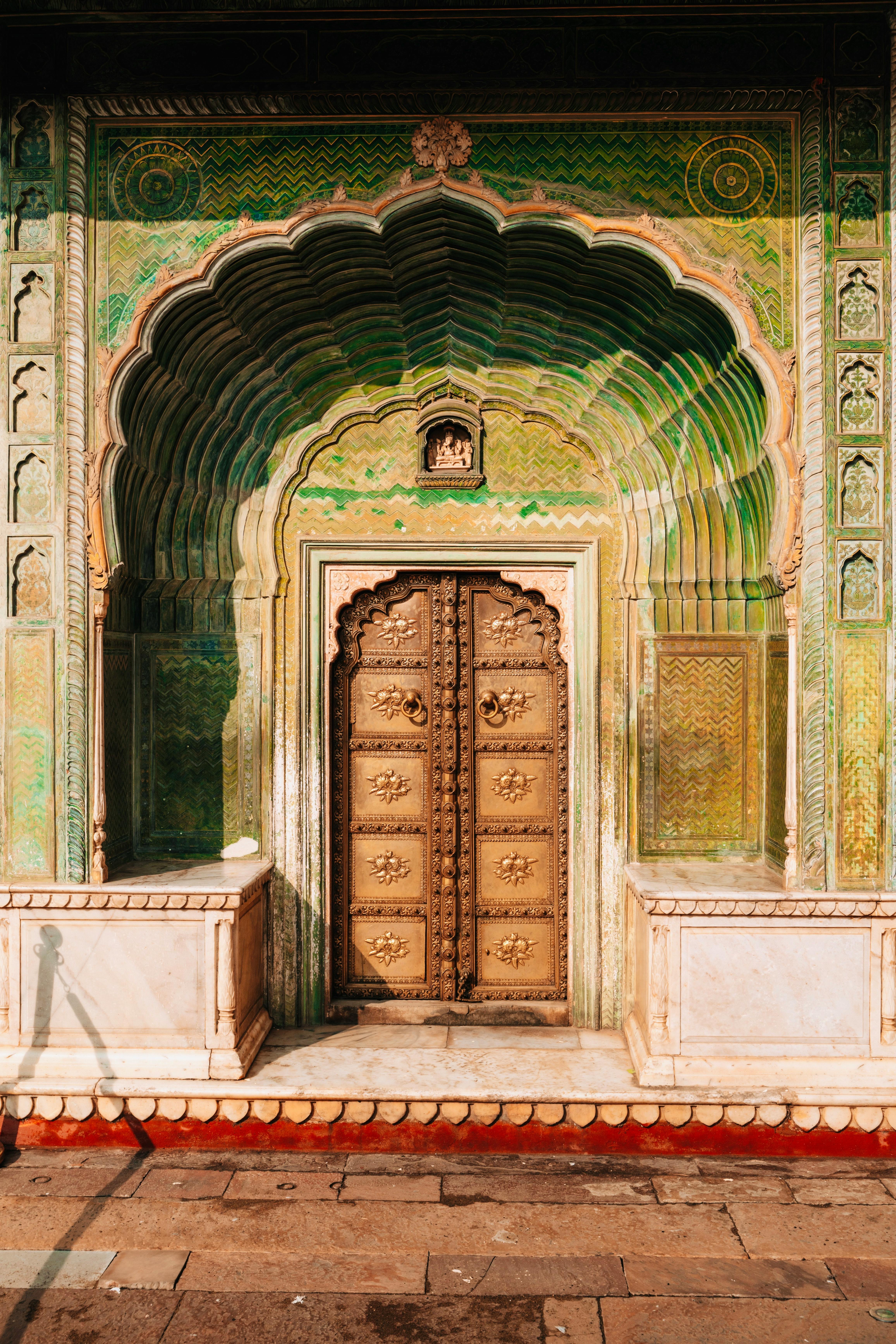
- Opening Hours: 9:30–17:00
- Entry Fee: ~700 (foreigners), ~400 (Indians)
- Tips: Allocate 2–3 hours; visit the museum and royal residences.
- Best Time: Morning.
4. Jantar Mantar
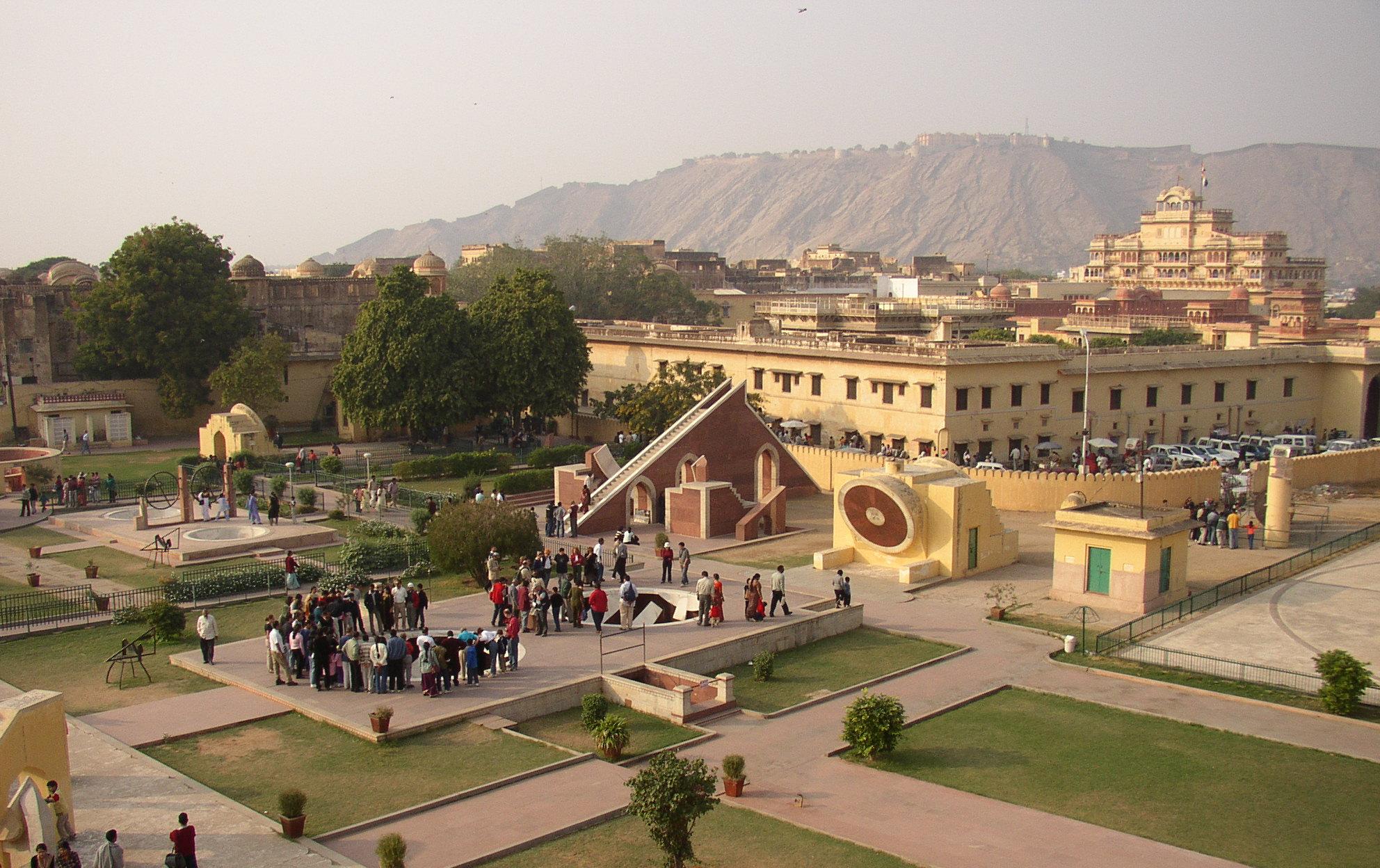
- Opening Hours: 9:00–17:00
- Entry Fee: ~200 (foreigners), ~50 (Indians)
- Tips: Guided tours available; fascinating astronomical instruments.
- Best Time: Morning or late afternoon.
5. Jal Mahal

- Opening Hours: View from outside only
- Entry Fee: Free (no entry inside)
- Tips: Best viewed at sunrise or sunset.
- Best Time: Sunrise or sunset.
6. Nahargarh Fort

- Opening Hours: 10:00–17:30
- Entry Fee: ~200 (foreigners), ~50 (Indians)
- Tips: Panoramic city views; great for sunset.
- Best Time: Late afternoon or sunset.
Hidden Gems
- Galtaji Temple (Monkey Temple): Scenic temple complex with natural springs and monkeys.
- Jaigarh Fort: Less crowded than Amer Fort, with the world’s largest cannon.
- Abhaneri Stepwell: Day trip destination with impressive ancient architecture.
- Local Favorites: Chokhi Dhani for Rajasthani food and cultural performances.
- Insider Tips: Explore the lesser-known Panna Meena ka Kund stepwell; visit the Anokhi Museum of Hand Printing for textile lovers.
Local Cuisine and Dining
- Must-Try Dishes: Dal baati churma, laal maas, ghewar, pyaaz kachori, ker sangri.
- Best Restaurants: 1135 AD (Amer Fort), Suvarna Mahal (Rambagh Palace), Laxmi Misthan Bhandar (LMB).
- Cafes & Street Food: Tapri Central, Wind View Café, Old Take Away for kachori and lassi.
- Food Markets: Bapu Bazaar, Johri Bazaar, Tripolia Bazaar.
- Culinary Tours: Join a food walk or cooking class to experience authentic Rajasthani flavors.
Accommodation Options
- Budget: Zostel Jaipur, Hotel Pearl Palace, Moustache Hostel.
- Mid-Range: Hotel Umaid Bhawan, Alsisar Haveli, Hotel Diggi Palace.
- Luxury: Rambagh Palace, The Oberoi Rajvilas, Taj Rambagh Palace.
- Hostels, Guesthouses, Boutique Stays: The Hosteller Jaipur, Madhuban Boutique Hotel, Samode Haveli.
- Best Areas to Stay: Old City (central, historic), Bani Park (quiet, upscale), C-Scheme (modern, convenient).
Transportation
- Getting to Jaipur: International flights to Jaipur International Airport; trains and buses from major Indian cities.
- Public Transport: City buses, auto-rickshaws, cycle rickshaws.
- Taxis, Rideshares, Bike Rentals: Uber, Ola, local taxis; limited bike rentals.
- Tips: Use auto-rickshaws or taxis for sightseeing; central attractions are walkable; hire a car for day trips.
Events, Festivals, and Experiences
- Major Annual Events: Jaipur Literature Festival (January), Teej Festival (monsoon), Gangaur Festival (March–April), Kite Festival (January).
- Unique Experiences: Hot air ballooning, Jhalana Leopard Safari, heritage walks, traditional puppet shows.
- Workshops & Performances: Block printing workshops, miniature painting classes, folk dance performances.
Shopping and Souvenirs
- Best Shopping Streets: Bapu Bazaar, Johri Bazaar, MI Road.
- Markets & Malls: World Trade Park, Pink Square Mall, Tripolia Bazaar.
- Local Products: Handmade textiles, blue pottery, jewelry, leather goods, miniature paintings.
Practical Information
- Visa and Travel Regulations: Most visitors need an e-visa or visa on arrival; check requirements before travel.
- Weather and Best Time to Visit: Best in October–March; avoid summer and monsoon for extreme weather.
- Language and Communication: Hindi and Rajasthani are official; English widely spoken.
- Currency, ATMs, Payment Methods: Indian Rupee (INR); ATMs widely available; credit cards accepted in most places.
Travel Tips and Etiquette
- Local Customs: Dress modestly at religious sites; remove shoes before entering temples.
- Safety Advice: Beware of pickpockets in crowded areas; use official taxis or rideshares at night.
- Budget Tips: Eat at local eateries and street stalls, use public transport, visit free attractions.
- Cultural Etiquette: Greet with a smile; tipping is appreciated but not mandatory.
Packing and What to Wear
- Winter (Oct–Mar): Light layers, jacket for cooler evenings, comfortable walking shoes.
- Summer (Apr–Jun): Light, breathable clothing, sunhat, sunglasses, sunscreen.
- Monsoon (Jul–Sep): Light rain jacket, quick-dry clothes, umbrella.
- Dress Code: Modest attire for temples and religious sites; casual for most attractions.
Itineraries
2-Day Itinerary
- Day 1: Amer Fort, Nahargarh Fort, Jal Mahal (view from outside), City Palace, Jantar Mantar
- Day 2: Hawa Mahal, Bapu Bazaar, Johri Bazaar, evening at Chokhi Dhani
4-Day Itinerary
- Day 1: Amer Fort, Nahargarh Fort, Jal Mahal
- Day 2: City Palace, Jantar Mantar, Hawa Mahal
- Day 3: Jaigarh Fort, Galtaji Temple, shopping at Bapu Bazaar and Johri Bazaar
- Day 4: Day trip to Abhaneri Stepwell, evening cultural show or food tour
7-Day Itinerary
- Days 1–4: As above
- Day 5: Explore Panna Meena ka Kund, Anokhi Museum, local markets
- Day 6: Jhalana Leopard Safari, hot air ballooning, or heritage walk
- Day 7: Relax at a heritage hotel, revisit favorite spots, or attend a festival/workshop