

 Start Driving in Jakarta
Jakarta, the capital of Indonesia, blends its rich historical significance with modern urban development, offering a unique mix of historical landmarks, diverse neighborhoods, and a vibrant atmosphere. Situated along the coast of Java, Jakarta provides a captivating mix of urban energy and cultural diversity. The National Monument (Monas), a prominent landmark, features stunning architecture and national significance. The National Museum of Indonesia showcases the region’s rich history and cultural artifacts. The Jakarta Old Town (Kota Tua) features stunning historical architecture and cultural expressions. Jakarta’s culinary scene features a delightful mix of Indonesian and international cuisine, with restaurants serving nasi goreng, gado-gado, and diverse regional specialties. The city’s markets, such as the Pasar Baru, offer a variety of local produce, artisanal goods, and souvenirs. The coast and surrounding areas provide opportunities for scenic walks, cultural exploration, and outdoor recreation. Jakarta’s efficient transportation network, including buses, trains, and the Jakarta MRT, facilitates travel within the city and to surrounding areas. The city experiences a tropical monsoon climate, with warm temperatures year-round. Jakarta’s cultural attractions, such as the various museums and the annual festivals, highlight the city’s historical significance and cultural contributions. The city’s vibrant cultural scene includes festivals, traditional performances, and modern art, reflecting the region’s diverse traditions. Jakarta’s blend of historical charm and modern dynamism creates a unique and appealing destination. The local markets and community events foster a vibrant atmosphere, making Jakarta a dynamic and culturally rich destination for visitors and residents. Jakarta is a vital center for government, commerce, and culture in Indonesia, contributing significantly to the country’s national development and economic growth.
Jakarta Travel Guide: The Unfiltered City That Refuses to Be Ignored
You step off the plane at Soekarno-Hatta, and the air hits you like a warm, spiced towel: thick, fragrant, alive. Before you have even hailed a Grab, you hear the distant call to prayer threading through the roar of motorbikes, smell grilled satay drifting from a roadside cart, and watch a gleaming glass tower catch the light right next to a Dutch colonial warehouse that has been standing since the 1600s. Jakarta does not ease you in. It grabs you by the collar from the first second and does not let go for the rest of the trip.
This is a city of 33 million people and a thousand simultaneous conversations. It was the beating commercial heart of the Dutch East Indies, a revolutionary staging ground for Indonesian independence, and today one of Southeast Asia’s most exciting food and nightlife capitals. It ranked 16th globally in the 2024/2025 TasteAtlas Awards, beating Singapore. Its bar scene has representation at the World Class bartending championships. Architects of international repute have left their fingerprints on its skyline.
Jakarta does not make the journey easy. Traffic is legendary. The humidity is relentless. The city is vast and sprawling in ways that can frustrate first-timers. But if you come prepared, you will find a metropolis that is raw, generous, contradictory, and completely, stubbornly itself. This guide gives you everything you need to do Jakarta right.

Best Months to Visit Jakarta
Jakarta sits just 6 degrees south of the equator, which means two things: it is always hot, and the seasons are defined by rain rather than temperature.
Dry Season: June to September This is the sweet spot. June through August delivers the lowest humidity, the clearest skies, and the most comfortable conditions for walking the old town or exploring open-air markets. June also coincides with the Jakarta Fair, the city’s massive birthday celebration (more on that below). July and August are peak months; book accommodation early.
Shoulder Season: May and October May is largely dry and less crowded than July. October marks the beginning of the wet season, but rain remains intermittent and brief. Both months offer good value on hotels.
Wet Season: November to April Downpours are daily but rarely last more than two or three hours. Temperatures stay around 27-32 degrees Celsius. If you do visit during this window, build flexibility into your itinerary and check flood advisories, particularly in January and February when flooding can disrupt movement across certain parts of the city. The upside: hotel rates drop significantly, and major attractions are noticeably less crowded.
Avoid: The weeks around Eid al-Fitr (date shifts annually). Millions of Jakartans leave the city for their hometowns, which means transport is chaotic in both directions and many local restaurants and smaller businesses temporarily close.
Top Attractions in Jakarta
Monas (National Monument)

The landmark that defines the skyline. The 132-meter obelisk, crowned with a gold-plated flame, sits at the centre of Merdeka Square and is as much a living park as it is a monument. Below ground, a museum traces Indonesia’s road to independence through detailed dioramas. The viewing platform at the top delivers one of the city’s best panoramas on a clear day.
- Opening hours: Daily 8 am to 3 pm (closed on the last Monday of each month)
- Entry fee: Approximately Rp 15,000 (around USD 1) for access to the observation deck
- Pro-tip: Buy a JakCard (Jakarta’s electronic money card) before you visit. Cardholders can skip the ticket counter queue and go directly to the entrance gate. Arrive before 9 am on weekdays to avoid school groups. The National Library of Indonesia, a 24-storey building just a short walk away, offers a similar free panoramic view from its rooftop for those who register as members with a valid ID.
Kota Tua (Old Batavia)

The ghost of the Dutch colonial empire, beautifully preserved. The cobblestone square of Fatahillah Square is flanked by 17th- and 18th-century buildings that once housed the offices of the VOC, the most powerful trading company in history. The Jakarta History Museum (Museum Fatahillah) is housed in the old City Hall. Toko Merah, a red Dutch-era mansion on the canal, is one of the most photogenic buildings in the city.
- Jakarta History Museum opening hours: Tuesday to Sunday, 9 am to 3 pm
- Entry fee: Rp 5,000 (locals), Rp 20,000 (foreigners)
- Pro-tip: Come on a Sunday morning. Jalan Gajah Mada and the surrounding streets are partially car-free, the square fills with locals cycling on the iconic rental bicycles, and street food vendors set up early. The quality of light for photography is exceptional before 10 am.
Istiqlal Mosque
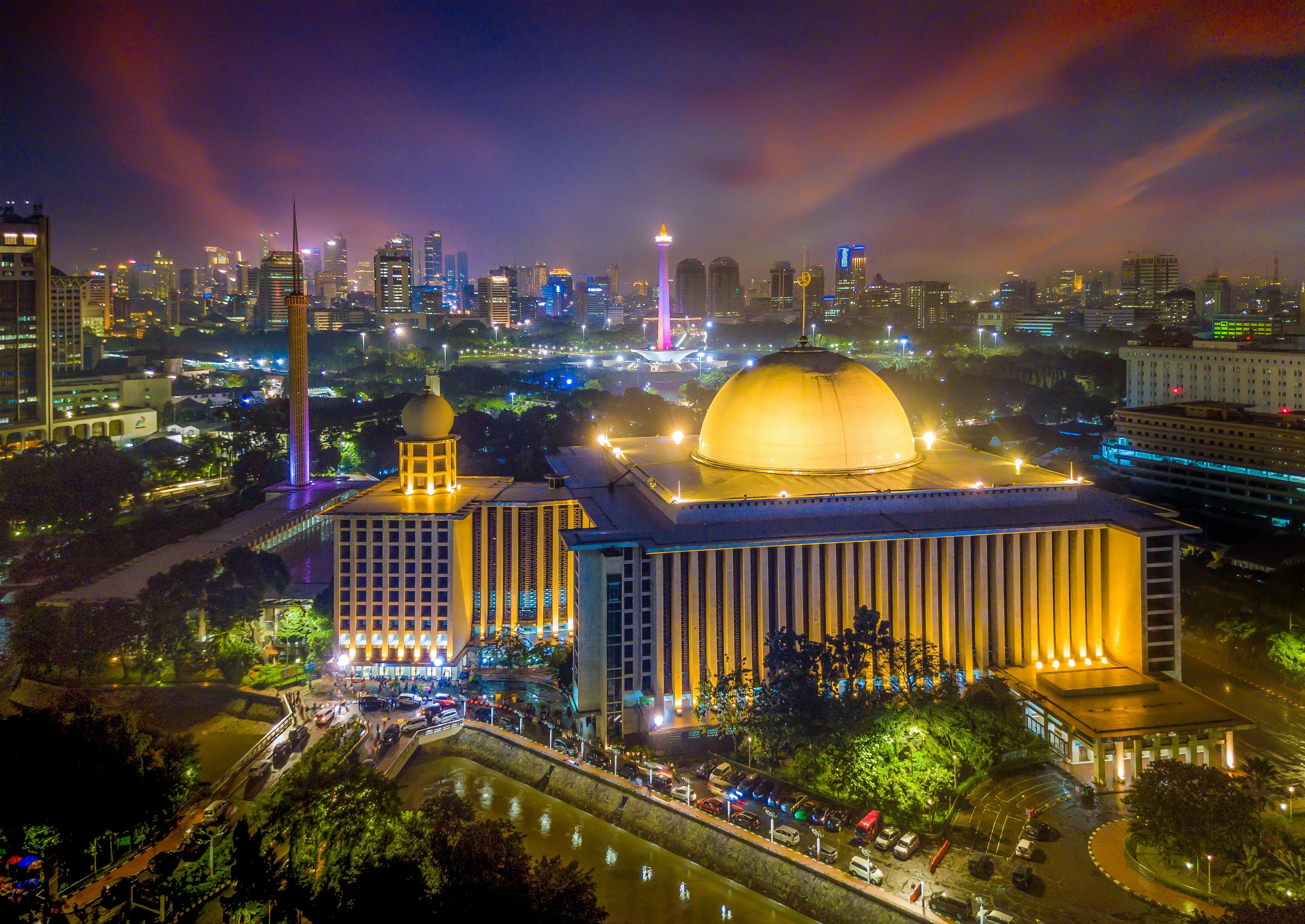
The largest mosque in Southeast Asia. Built directly across the street from Jakarta Cathedral in a deliberate architectural expression of interfaith coexistence, Istiqlal can accommodate more than 200,000 worshippers. Non-Muslim visitors are warmly welcomed outside of prayer times.
- Opening hours: Daily, outside of the five daily prayer times
- Entry fee: Free. Free guided tours are available on request.
- Pro-tip: Dress modestly; sarongs and headscarves are available at the entrance for those who need them. Visit early in the morning for the calmest atmosphere.
Museum MACAN (Museum of Modern and Contemporary Art in Nusantara)
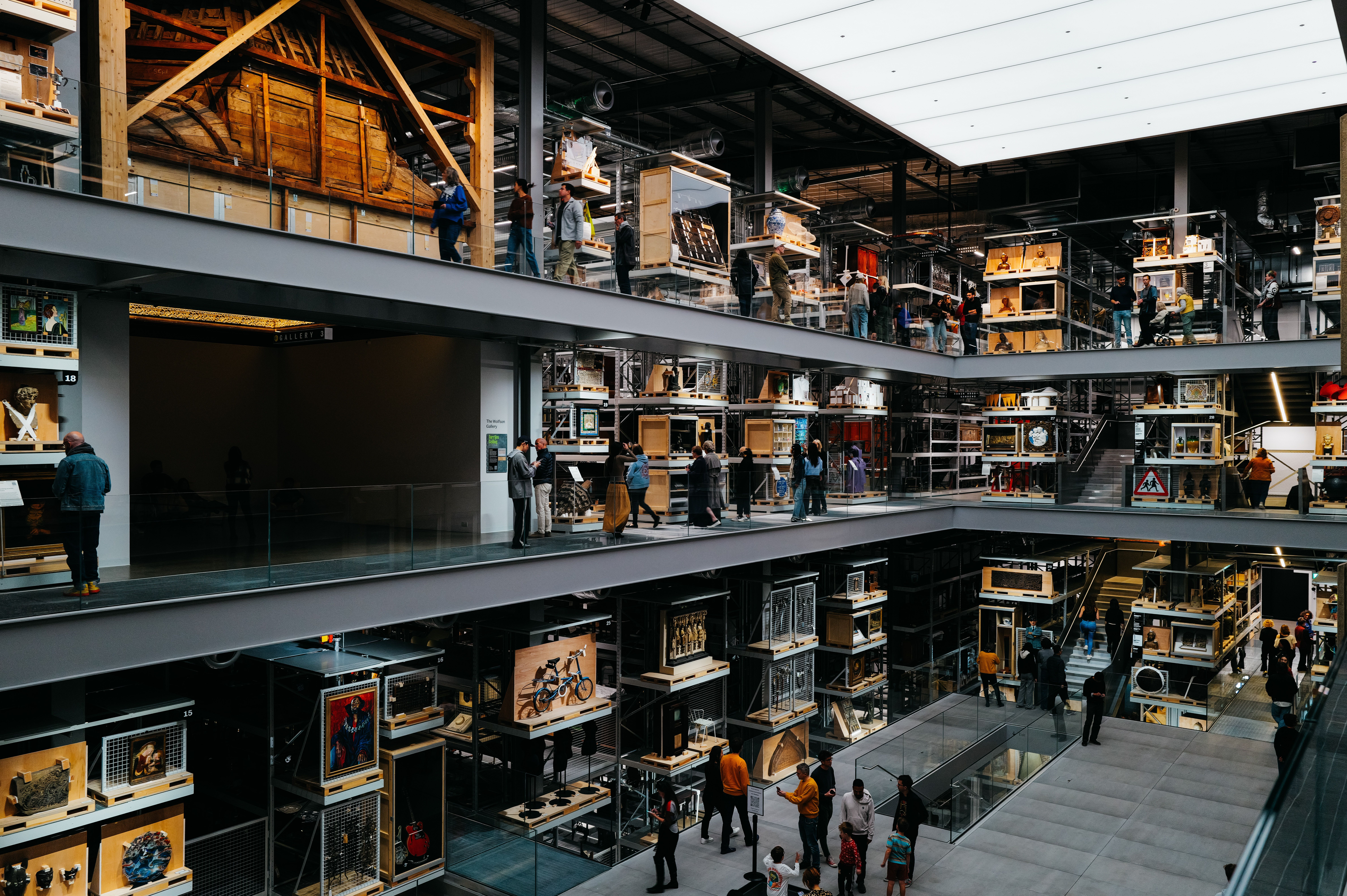
The best art museum in the city, full stop. MACAN holds a significant collection of Indonesian and international modern and contemporary art, including works by Southeast Asian artists rarely seen outside the region.
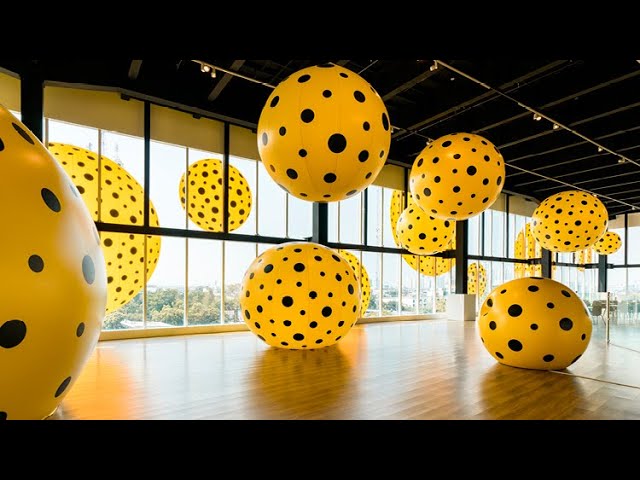
Temporary exhibitions rotate regularly and consistently host international-caliber shows.

- Opening hours: Tuesday to Friday 10 am to 7 pm; Saturday and Sunday 10 am to 8 pm; closed Monday
- Entry fee: Rp 60,000 to Rp 150,000, depending on the exhibitions
- Pro-tip: Book tickets online via Traveloka or the MACAN website before arriving. Exhibitions sell out on weekends.
Sunda Kelapa Harbour
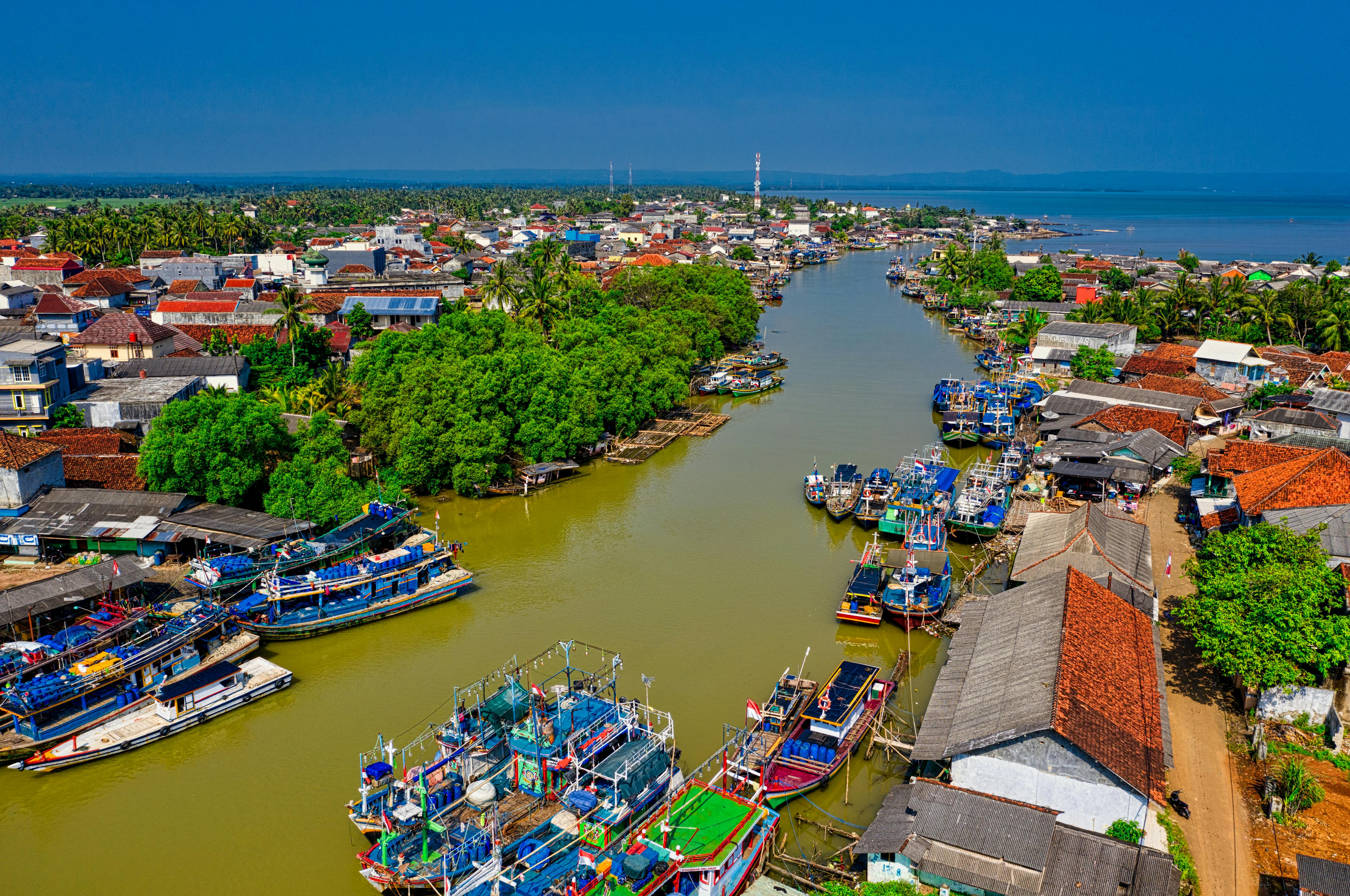
A working port that has been operating since the 15th century, today it is one of the last places in the world where traditional Bugis pinisi schooners still load and unload cargo by hand. Watching these enormous wooden vessels being offloaded by men in flip-flops moving sacks of rice across gangplanks is a completely arresting scene.
- Opening hours: Best visited in the morning when the loading activity is highest
- Entry fee: Rp 5,000
- Pro-tip: Combine this with Kota Tua on the same morning; they are within walking distance of each other. Hire a small boat from the dock (Rp 50,000 to 80,000 per person) to see the harbor from the water.
Hidden Gems
M Bloc Space (South Jakarta)
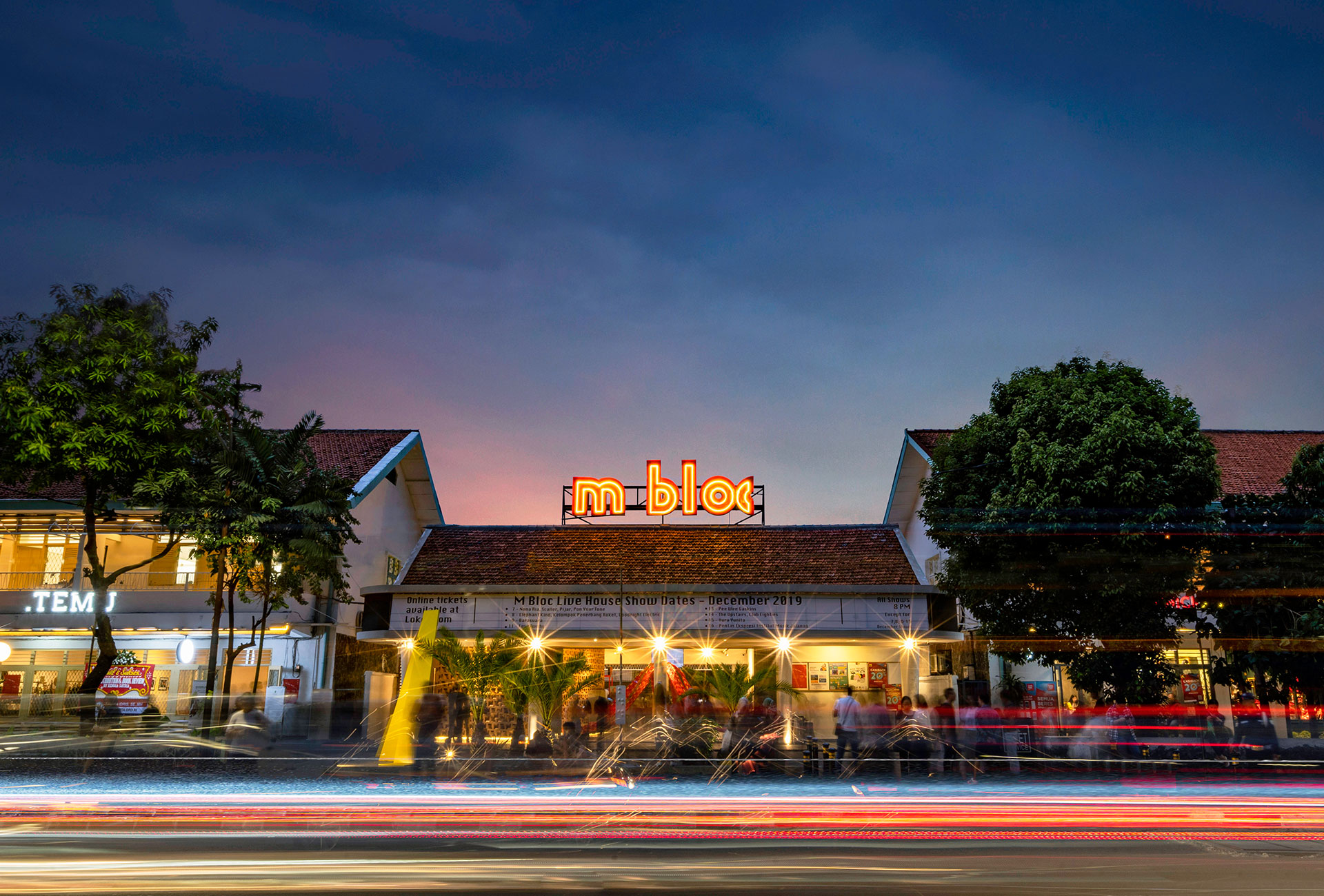
Jalan Panglima Polim, Kebayoran Baru, used to be a government office compound. Now it is the most interesting few blocks of retail and F&B in Jakarta: indie record stores, specialty coffee roasters, vinyl listening bars, local fashion labels, weekend art markets, and one of the city’s best live music venues. This is where young creative Jakarta comes to spend its weekends, and it feels nothing like a tourist attraction because it is not one. Show up Saturday afternoon and stay for the evening.
Pasar Santa
A traditional wet market in South Jakarta that a generation of young entrepreneurs colonized in 2014 by renting its cheap stalls for startups, food projects, and vintage shops. The result is a layered, slightly chaotic indoor market where you can buy a kilogram of shallots, a rare Japanese jazz record, a craft beer, and a bowl of mie ayam within a radius of 20 meters.

Kawisari Menteng
Tucked into the tree-lined streets of Menteng, this coffee destination sources its beans from one of Java’s oldest plantations, founded in 1870 and still using traditional harvest methods. The café serves Indonesian fare alongside its coffee, including nasi besek bebek goreng lengkuas: duck marinated in galangal, served in woven bamboo with sambal matah. It is the kind of place where a 15-minute coffee break turns into two hours.

Pos Bloc Jakarta
A 1920s Dutch post office building in Pasar Baru that has been transformed into a creative food and cultural hub while preserving its original architecture in full. The high ceilings, original tile floors, and wood-paneled counters make it one of the most photogenic interiors in the city. The food tenants change seasonally, but the space itself is the reason to come.

Cuisine and Dining
Jakarta ranked 16th globally for cuisine in the 2024/2025 TasteAtlas Awards, making it the top-ranked city in all of Southeast Asia. Here is what that actually means at street level.
Must-Try Dishes
- Nasi Goreng: Indonesia’s iconic fried rice, best eaten from a street cart (known as a kaki lima) between 10 pm and 2 am when the city’s late-night food scene peaks.
- Soto Betawi: Jakarta’s own version of the Indonesian soto tradition: a rich, coconut-milk-based soup with beef, offal, and tomato, topped with crispy potato chips and sambal. This is the city’s soul food.
- Gado-Gado: Blanched vegetables, tofu, and boiled egg in a peanut sauce that is earthy, sweet, and a little spicy all at once. Every warung has its own version.
- Martabak: Street-food royalty in two forms. The savoury version is a thick egg-and-meat-stuffed pancake. The sweet version, loaded with chocolate, cheese, peanuts, or Nutella and condensed milk, is Indonesia’s answer to the French crepe and is far better than it sounds.
- Kerak Telor: The Betawi street snack of sticky rice, egg, dried shrimp, and fried shallots cooked over charcoal in a wok. It smells extraordinary and is only really found at Jakarta Fair and around Kota Tua.
- Es Teler: A cold dessert drink of coconut, avocado, jackfruit, and sweetened condensed milk over shaved ice. Essential in the midday heat.
Budget Dining
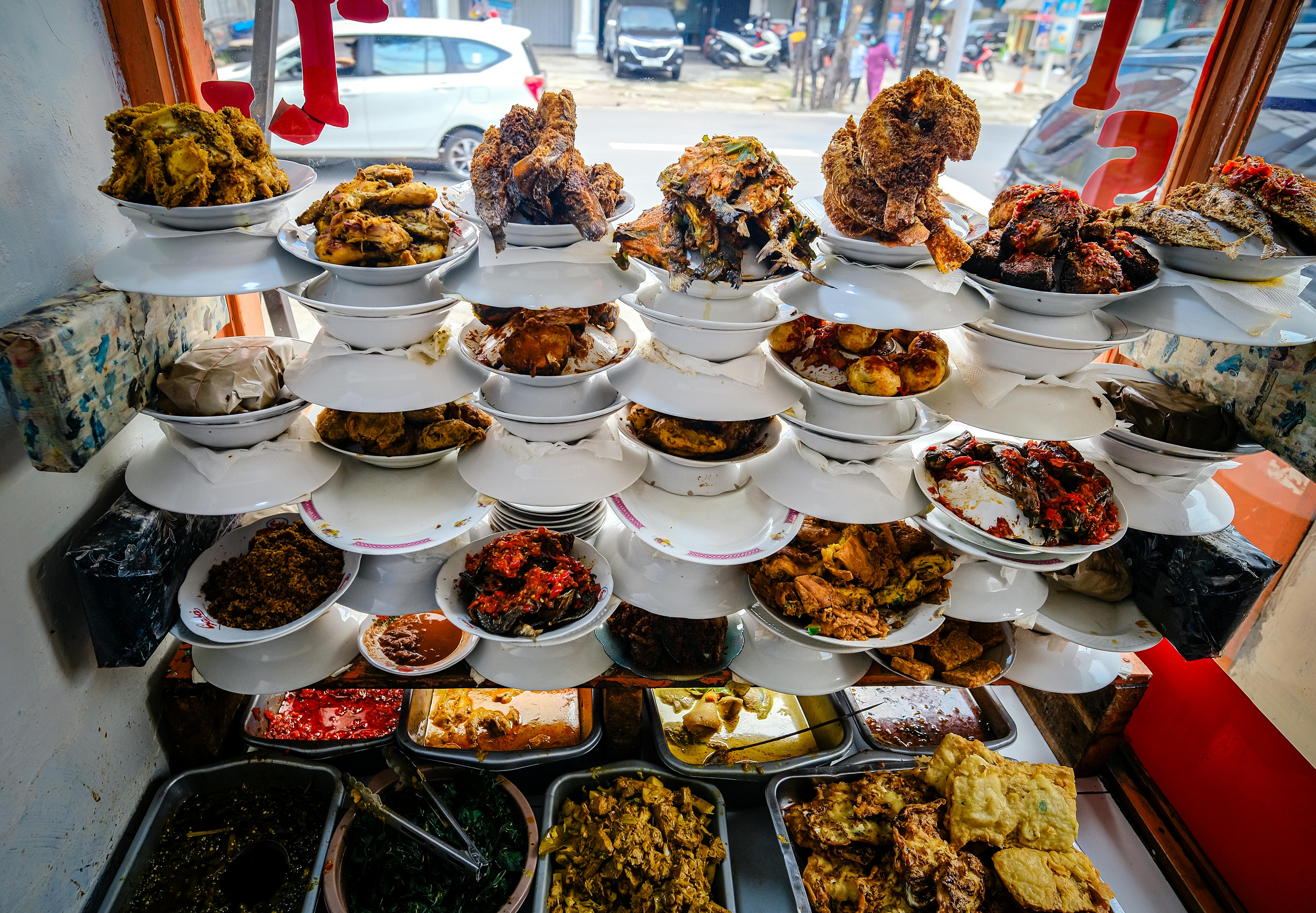
Warung Nasi Betawi Mpok Nori (Menteng) is a legendary local institution for Soto Betawi. The space is spartan, the menu is short, and the food is extraordinary. Lunch with rice and a drink runs about Rp 35,000.
Pasar Minggu Night Market (South Jakarta) Not a single restaurant but an evening market where Rp 15,000 to 30,000 buys a full plate of anything from nasi padang to grilled corn to fresh-squeezed sugarcane juice. Go on a weekday evening to avoid the weekend crush.
Warung Pak Doel (Kota Tua area): the standard-bearer for kerak telor in its original neighborhood. Find the cart parked near Fatahillah Square most mornings.
Mid-Range Dining
Lara Djonggrang (Menteng, Central Jakarta) The interior feels like a Javanese temple was transported wholesale into the city: antique statues, carved wood, flickering lamps, and courtyards planted with frangipani. The menu is a guided tour through Indonesia’s regional cuisines, served in sharing platters from different islands. This is the right place to eat rendang, ikan bakar, and nasi tumpeng in an atmosphere that matches the food.
Tugu Kunstkring Paleis (Menteng) is a 1914 Dutch colonial building that has been turned into a gallery, cultural venue, and restaurant. The kitchen serves Indonesian and Western dishes in a genuinely beautiful setting. The colonial-era architecture has been restored with care, and the art on the walls is worth lingering over.
Kawisari Menteng (Menteng) is mentioned under Hidden Gems, but equally valid here. Exceptional coffee, exceptional Indonesian food, exceptional atmosphere. Lunch for two runs Rp 200,000 to 350,000.
Fine Dining
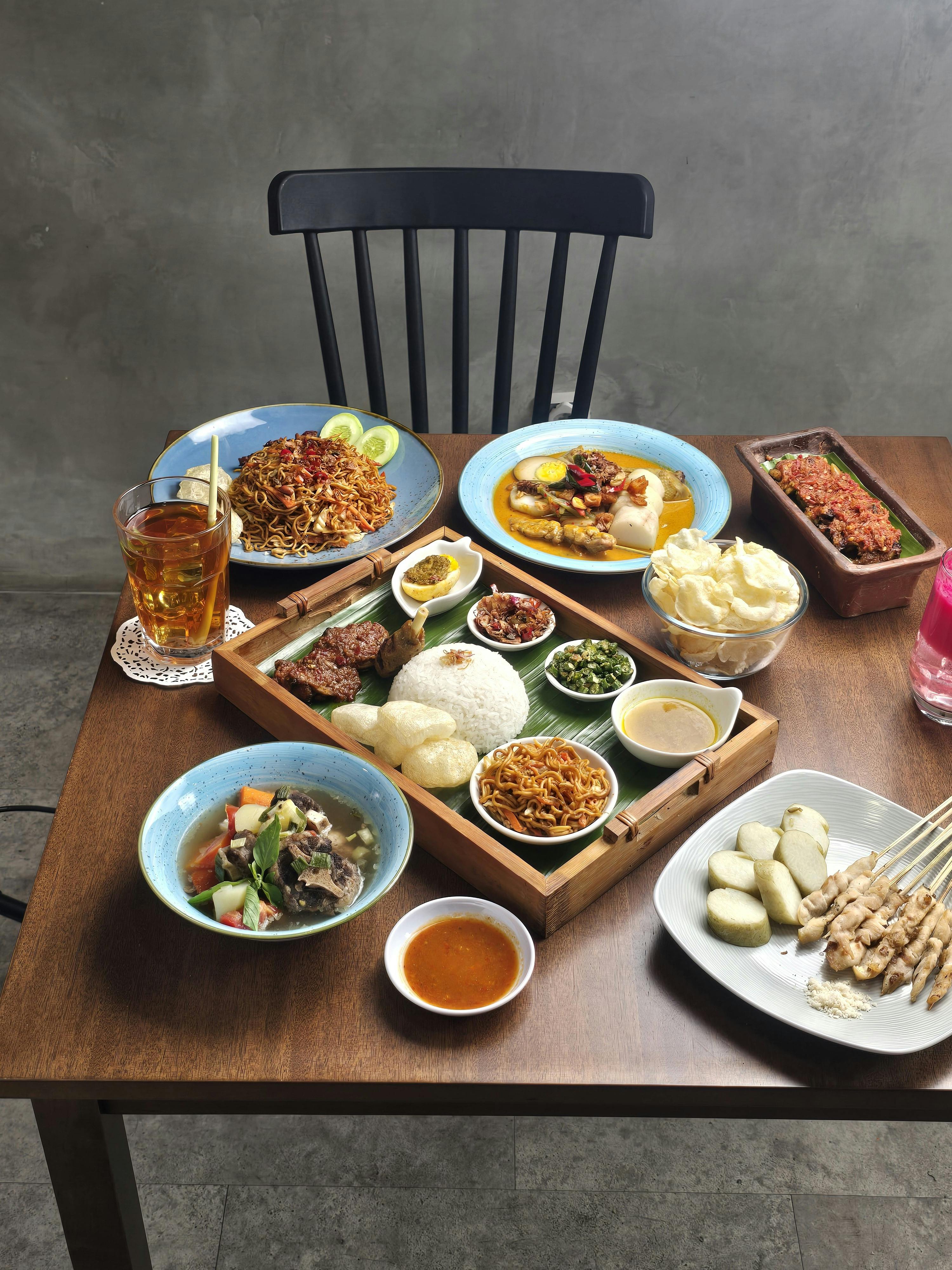
August (SCBD, South Jakarta) August made Asia’s 50 Best Restaurants list in 2024, just two years after opening. Chef Hans Christian and restaurateur Budi Cahyadi combine global techniques with the depth of Indonesia’s spice traditions to produce results that feel both intellectually rigorous and emotionally satisfying. The 12-course tasting menu runs Rp 1.25 million; the 16-course is Rp 1.65 million. Book at least two weeks ahead.
Plataran Dharmawangsa (Kebayoran Baru, South Jakarta) A luxurious Javanese joglo house with intricate wood carvings, batik décor, and a garden that keeps the city noise out. The menu curates Indonesia’s regional culinary heritage with modern refinement. This is fine dining in the Indonesian idiom, not a Western template applied to local ingredients.
Henshin (West Jakarta, 67th floor) is a multi-level food and beverage destination with 360-degree panoramic views of Jakarta’s skyline. The 68th floor offers an open-kitchen fine dining concept; the 67th floor is a more relaxed bar and lounge. The view alone is worth the price of a cocktail.
Market Recommendations
- Pasar Baru: Jakarta’s oldest market, dating to 1820, in a pedestrian-only shopping area. Go for fabrics, batik, vintage cameras, and street food.
- Pasar Santa: South Jakarta’s creative market, good for coffee, vinyl, vintage clothing, and lunch.
- Pasar Minggu: Best evening market for street food in the city’s south.
Accommodation
Budget (Hostels and Guesthouses)
Where to stay: Cikini (Central Jakarta) and Jalan Jaksa (Central Jakarta) are the traditional budget hubs. Cikini is livelier, closer to food options, and better connected to the MRT.
- Bunk Menteng: A clean, well-located hostel in the Menteng neighborhood with air-conditioned dorms and private rooms. Proximity to Cikini MRT station is a significant practical advantage.
- Ibis Budget Jakarta Cikini: More of a guesthouse than a hostel, reliably clean, in a walkable area.
Budget range: Rp 150,000 to Rp 400,000 per night.
Mid-Range (Boutique Hotels)
Where to stay: Menteng and Kebayoran Baru in South Jakarta. Both are residential, green, and quiet compared to the business districts, with easy access to dining, coffee shops, and cultural sites.
- The Hermitage, a Tribute Portfolio Hotel (Menteng): A restored 1930s Dutch colonial building turned boutique hotel. The architecture is the attraction. Walk to the Istiqlal Mosque, the National Museum, and Menteng Park.
- Morrissey Hotel (Central Jakarta): Design-forward mid-range option near the Thamrin corridor with an excellent breakfast spread.
Mid-range budget range: Rp 500,000 to Rp 1,500,000 per night.
Luxury
Where to stay: SCBD (South Central Business District) in South Jakarta for proximity to the city’s best restaurants and bars. Central Jakarta, around Thamrin, for proximity to Monas and cultural sites.
- Mandarin Oriental Jakarta (Thamrin, Central Jakarta): The landmark luxury address in the city for several decades. Impeccable service, a beautiful pool, and the best location in Central Jakarta.
- The Ritz-Carlton Pacific Place (SCBD, South Jakarta): If you intend to spend evenings at August, Henshin, or the cocktail bars of Senopati, this is the most logical luxury base.
- Four Seasons Hotel Jakarta (Kuningan, South Jakarta): Newer and architecturally striking, set inside a mixed-use tower with direct access to the city’s best mall.
Luxury range: Rp 2,500,000 to Rp 8,000,000 per night and above.
Transportation
Getting to Jakarta
By Air: Soekarno-Hatta International Airport (CGK) is the main gateway. It is one of Southeast Asia’s busiest airports and is well-connected to destinations across Asia, the Middle East, Europe, and Australia. Terminal 3 serves Garuda Indonesia and most international carriers; Terminal 2 serves domestic Garuda flights; Terminal 1 handles other domestic airlines.
Airport to City: The Railink Airport Train is the fastest and most reliable connection to central Jakarta. It runs from Terminals 1, 2, and 3 to the BNI City station (Sudirman corridor) in around 40 minutes, with tickets costing Rp 70,000. From BNI City, the MRT connects directly to the rest of the city. For late arrivals when the train is not running (last departure from the airport is around 10 pm), Blue Bird taxis are the reliable choice; fares to central Jakarta range from Rp 200,000 to Rp 250,000. Grab and Gojek ride-hailing apps also operate at the airport, with fares of around Rp 300,000 to Rp 350,000 before toll fees.

Getting Around the City
MRT Jakarta: The North-South Line runs from Lebak Bulus in South Jakarta through SCBD, Senayan, Sudirman, and Thamrin to Kota in the north. It is clean, air-conditioned, punctual, and a genuine game-changer for getting between South and Central Jakarta. Fares are Rp 3,000 to Rp 14,000. Purchase a JakCard for tap-in/tap-out access.
TransJakarta (BRT): The Bus Rapid Transit network covers routes the MRT does not reach, including East and West Jakarta. It is slower than the MRT but comprehensive and cheap (flat fare around Rp 3,500). Use the same JakCard.
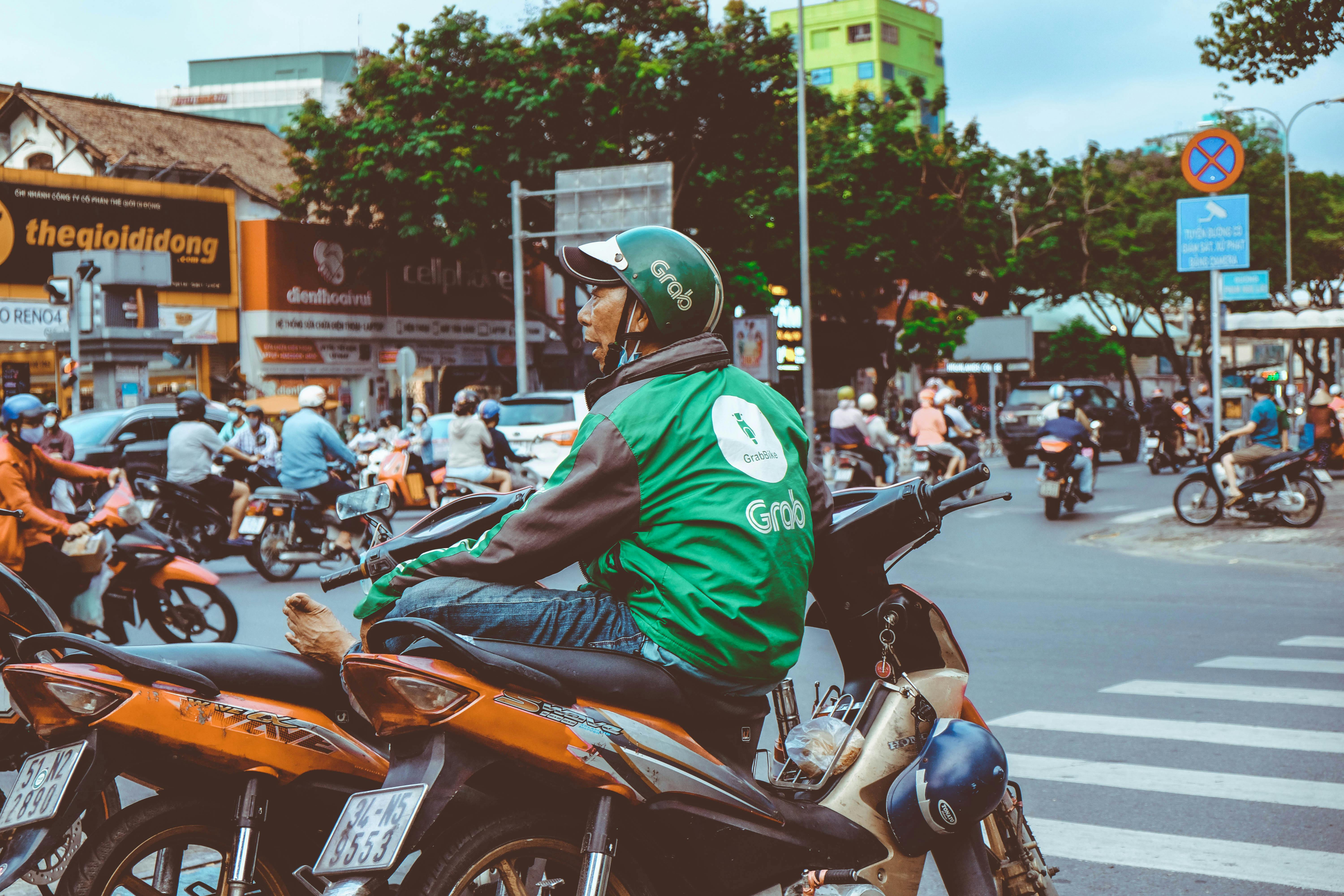
Grab and Gojek: The two dominant ride-hailing apps. Essential for any destination not easily reached by rail. Both work reliably throughout the city and are significantly cheaper than traditional taxis. Budget Rp 30,000 to Rp 80,000 for most cross-city journeys.
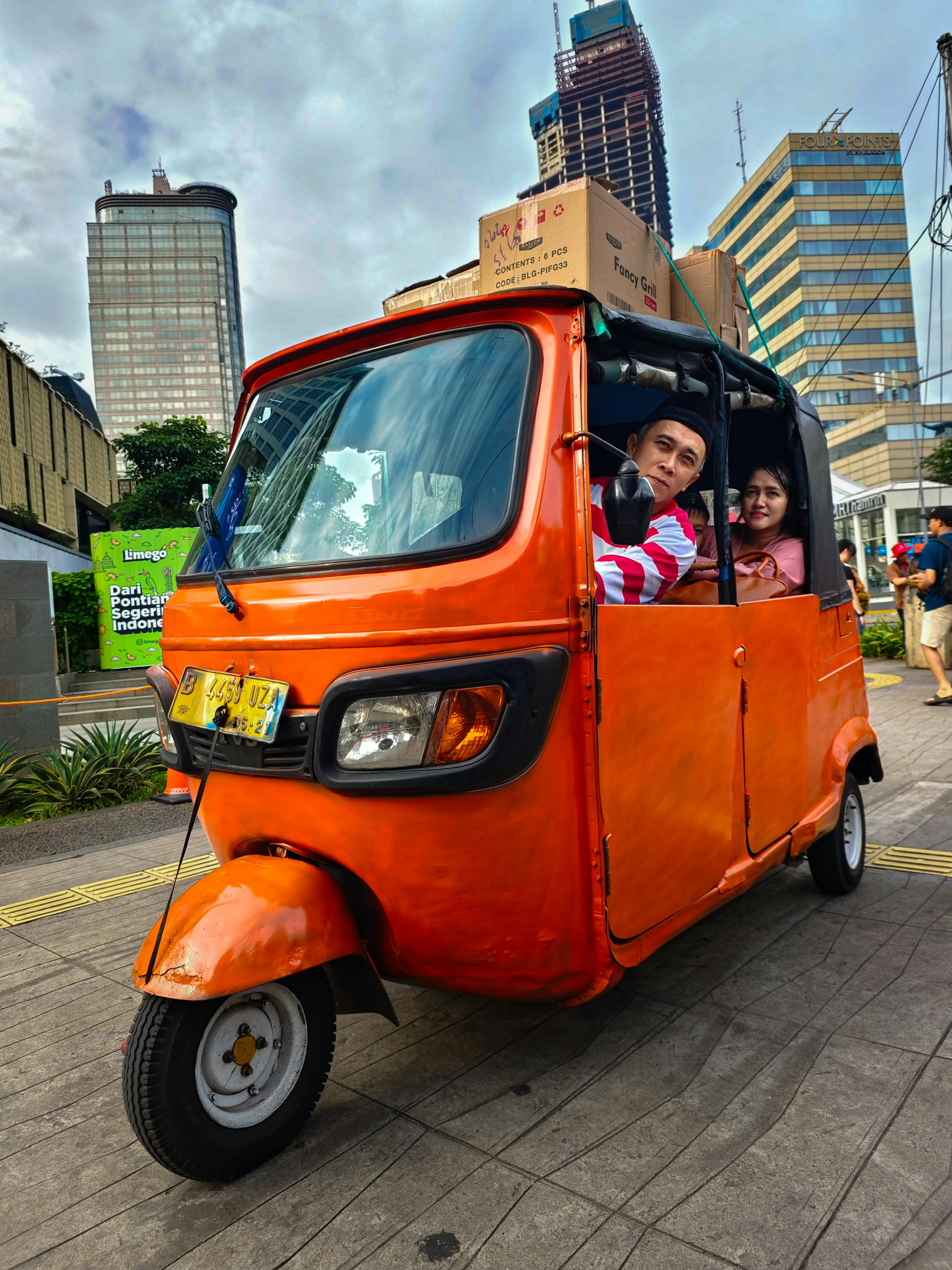
Ojek (Motorcycle Taxi): Available through both Gojek and Grab. The fastest way to cut through traffic in congested areas. Helmets are always provided and recommended for experienced urban travelers.
Avoid: Driving yourself, especially during weekday rush hours (7 am to 9 am and 4 pm to 7 pm). Jakarta’s traffic congestion is among the worst in the world during these windows. Build your daily itinerary to either avoid crossing the city during peak hours or commit to public transport.
Events and Festivals
Jakarta Fair (Pekan Raya Jakarta)
When: Mid-June to mid-July, annually (tied to Jakarta’s anniversary on June 22) Where: JIExpo Kemayoran, North Jakarta

The largest annual event in Indonesia and the longest-running multi-product exhibition in Southeast Asia. The Jakarta Fair has roots in a colonial-era market called Pasar Gambir. Still, its modern incarnation is a blend of a trade expo, a food festival, and a massive live music venue. Over its roughly 25-day run, millions of Jakartans descend on JIExpo Kemayoran to buy goods from local producers, try regional foods, watch live performances from Indonesia’s biggest artists, and ride carnival attractions. For travelers visiting in June or July, this is unmissable. Try the kerak telor, the martabak, and the regional food stalls from outside Java.
Java Jazz Festival
When: Early March, annually Where: Jakarta International Expo, Kemayoran

One of the largest jazz festivals in the world, drawing international headliners alongside Indonesia’s best musicians across more than 10 stages over three days. The programming is broad enough to include blues, soul, R&B, and funk alongside mainstream jazz. Book tickets well in advance through GoTix or Loket.com.
Djakarta Warehouse Project (DWP)
When: December, annually Where: Beach City, Ancol, North Jakarta

Indonesia’s flagship electronic music festival is one of the biggest in Southeast Asia. Three days of headline DJs across multiple stages at a beach venue in north Jakarta. Draws an international crowd. Tickets sell out months in advance.
Indonesia Independence Day
When: August 17, annually
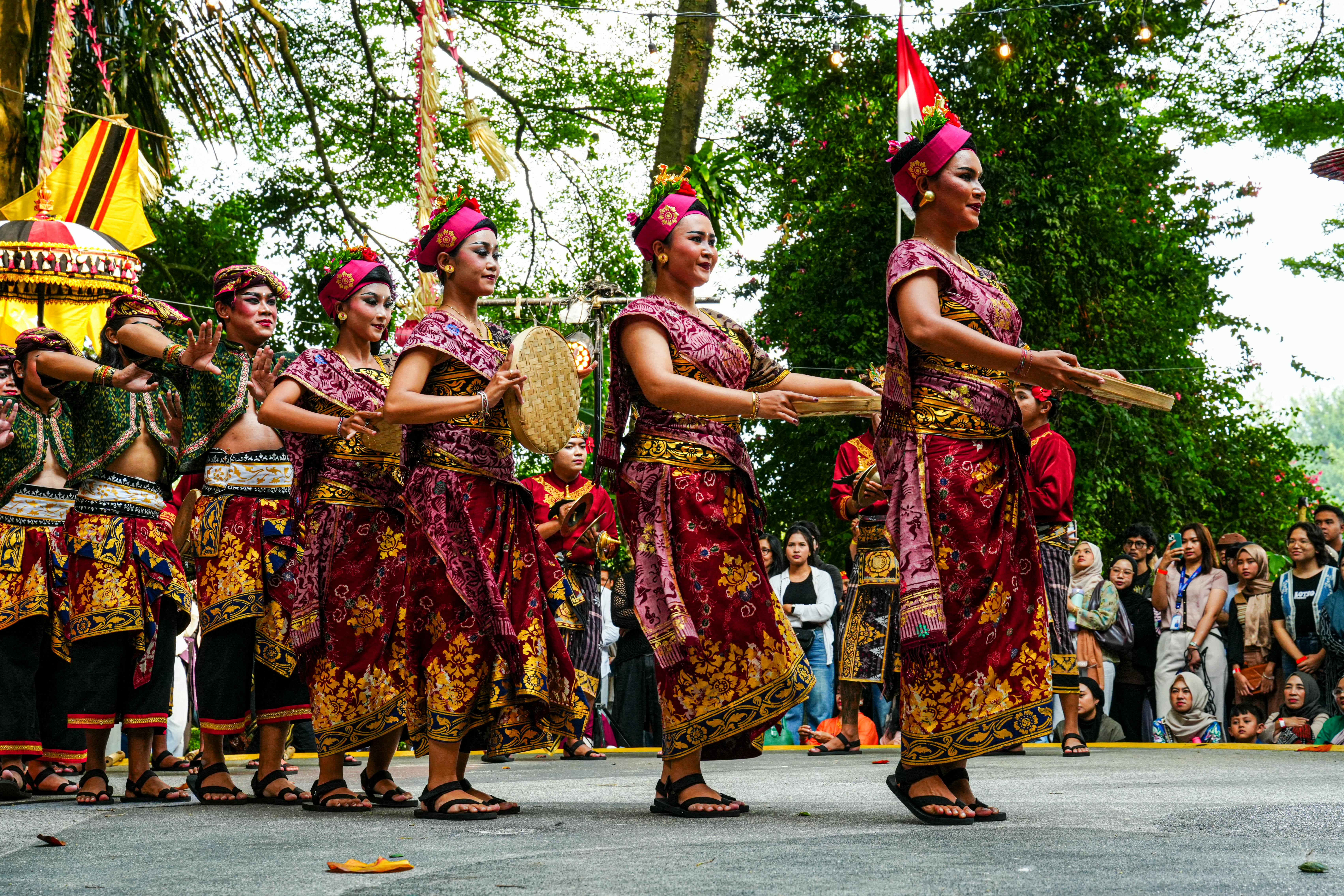
The whole city celebrates. Neighborhoods compete in traditional games (lomba 17 Agustusan), including greased-pole climbing, sack races, and tug-of-war. The main military parade happens at Merdeka Palace. The atmosphere in residential kampung areas is infectious and accessible.
Shopping
Best Shopping Streets and Areas
Jalan Surabaya (Menteng, Central Jakarta) A street market entirely given over to antiques, vintage collectibles, old batik, brasswork, wayang puppets, and curiosities from across the archipelago. Prices require negotiation; that is, half the experience. It is open daily, busiest on weekends.

Pasar Baru (Central Jakarta) Jakarta’s oldest market, has been operating since 1820. The pedestrian street is dense with fabric merchants, tailors who can make clothes overnight, vintage camera stalls, and fresh flower vendors. Good for batik yardage at prices lower than the tourist shops.
Grand Indonesia Mall and Plaza Indonesia (Thamrin, Central Jakarta). Side by side on Jalan Thamrin, these two malls cover every major international and local retail brand. Grand Indonesia has the better food court. Plaza Indonesia offers a better selection of luxury brands.
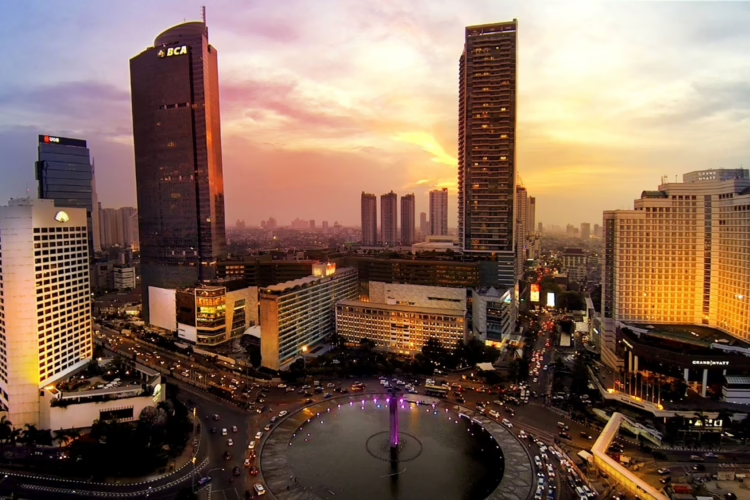
M Bloc Space (South Jakarta) The best destination for Indonesian independent fashion labels, vinyl records, specialty ceramics, and design-led souvenirs that you will not find in airport duty-free shops.
Best Souvenirs to Bring Home
- Batik cloth or batik garments (buy by the meter at Pasar Baru or Jalan Surabaya for the best value, or visit the Batik Keris shops for ready-to-wear)
- Wayang kulit shadow puppets from Jalan Surabaya’s antique market
- Kopi Luwak or single-origin Java coffee from Kawisari Menteng or specialty roasters in M Bloc Space
- Sambal kemasan (jarred sambal) from supermarkets or food markets; brands like Sambal Bu Rudy are widely sold and travel well
- Indonesian spice blends (bumbu) packaged for home use; widely available at Carrefour or Hero supermarkets
Practical Information
Visa
Most nationalities can enter Indonesia visa-free for stays up to 30 days, or obtain a Visa on Arrival (VOA) at Soekarno-Hatta Airport for stays up to 30 days (extendable once for a further 30 days). The VOA costs approximately USD 35. Citizens of a small number of countries require a visa in advance; check with the Indonesian Embassy or the official immigration website before travel. Indonesia’s visa rules are updated periodically, so always verify the current requirements before booking.
Currency
The Indonesian Rupiah (IDR). As of early 2026, approximately Rp 16,000 equals USD 1. ATMs are widely available throughout Jakarta. Major hotels, malls, and restaurants accept Visa and Mastercard; smaller warungs, markets, and street food vendors are cash-only. Carry a mix of small-denomination cash for street food and transport.
Language
Indonesian (Bahasa Indonesia) is the official language. English is widely spoken in hotels, restaurants, and tourist areas. Taxi and ride-hailing drivers may have limited English; having a destination written in Indonesian (or using map apps with Indonesian addresses) is practical.
Safety
Jakarta is generally safe for tourists. Standard urban precautions apply: stay alert in crowded markets and transport hubs where pickpocketing can occur, secure bags in busy areas, and use official taxis (Blue Bird) or ride-hailing apps rather than unmarked vehicles. Drink bottled or filtered water exclusively. Traffic can pose a genuine hazard to pedestrians; use designated crossings and bridges where available. Political demonstrations occur periodically; as a visitor, stay clear of them.
Health
No mandatory vaccinations are required for entry, but Hepatitis A, Typhoid, and routine vaccinations are recommended. Dengue fever is present in Jakarta; mosquito repellent is useful, particularly during the wet season. Pack any prescription medications with documentation. Travel insurance with medical evacuation cover is strongly recommended.
Local Etiquette
Greetings: A slight bow with the right hand over the heart (salam) is the respectful local greeting. Handshakes are common in business contexts, but wait for a local to initiate the handshake.
Religion: Indonesia has the world’s largest Muslim population, and Jakarta reflects this. Dress modestly when visiting mosques; cover shoulders and knees at a minimum. During the call to prayer (adhan), lower your voice in the vicinity of mosques. During Ramadan, avoid eating, drinking, or smoking in public during daylight hours out of respect.

Temples and sacred spaces: Remove shoes before entering mosques, temples, or private homes. Observe any signage about photography.
Photographs: Always ask before photographing people, particularly in market settings and at religious sites. Most Jakartans are happy to be photographed, but a brief verbal request or a gesture goes a long way.
Tipping culture: Not mandatory but increasingly appreciated in nicer restaurants (10% is generous). Ride-hailing apps allow you to tip in-app; rounding up to the nearest Rp 5,000 is common. Hotel porters and housekeeping appreciate Rp 10,000 to 20,000 per service. Street food vendors: no tipping expected.
Left hand: Avoid passing money, food, or objects with the left hand, which is considered unclean in Indonesian custom. Use the right hand or both hands.
Bargaining: Expected and required at markets like Jalan Surabaya and most street vendors. In malls and fixed-price shops, prices are set. Starting at 50% of the asking price and settling around 60-70% is a reasonable approach.
Packing List
For Any Season
- Lightweight, breathable clothing (linen or moisture-wicking synthetic fabrics; avoid denim in the heat)
- Modest clothing options for mosque and temple visits (long trousers or sarong, tops that cover shoulders)
- Comfortable walking shoes with grip (cobblestones in Kota Tua, wet pavements in rainy season)
- Portable umbrella or compact rain jacket (always useful, essential in the wet season)
- Sunscreen SPF 50+ (equatorial UV is intense even on overcast days)
- Insect repellent containing DEET
- Small backpack for day trips
- Power bank (long days out in a city where phone navigation is essential)
- Cash in small denominations for street food and markets
- Reusable water bottle (to fill at hotel; avoid tap water)
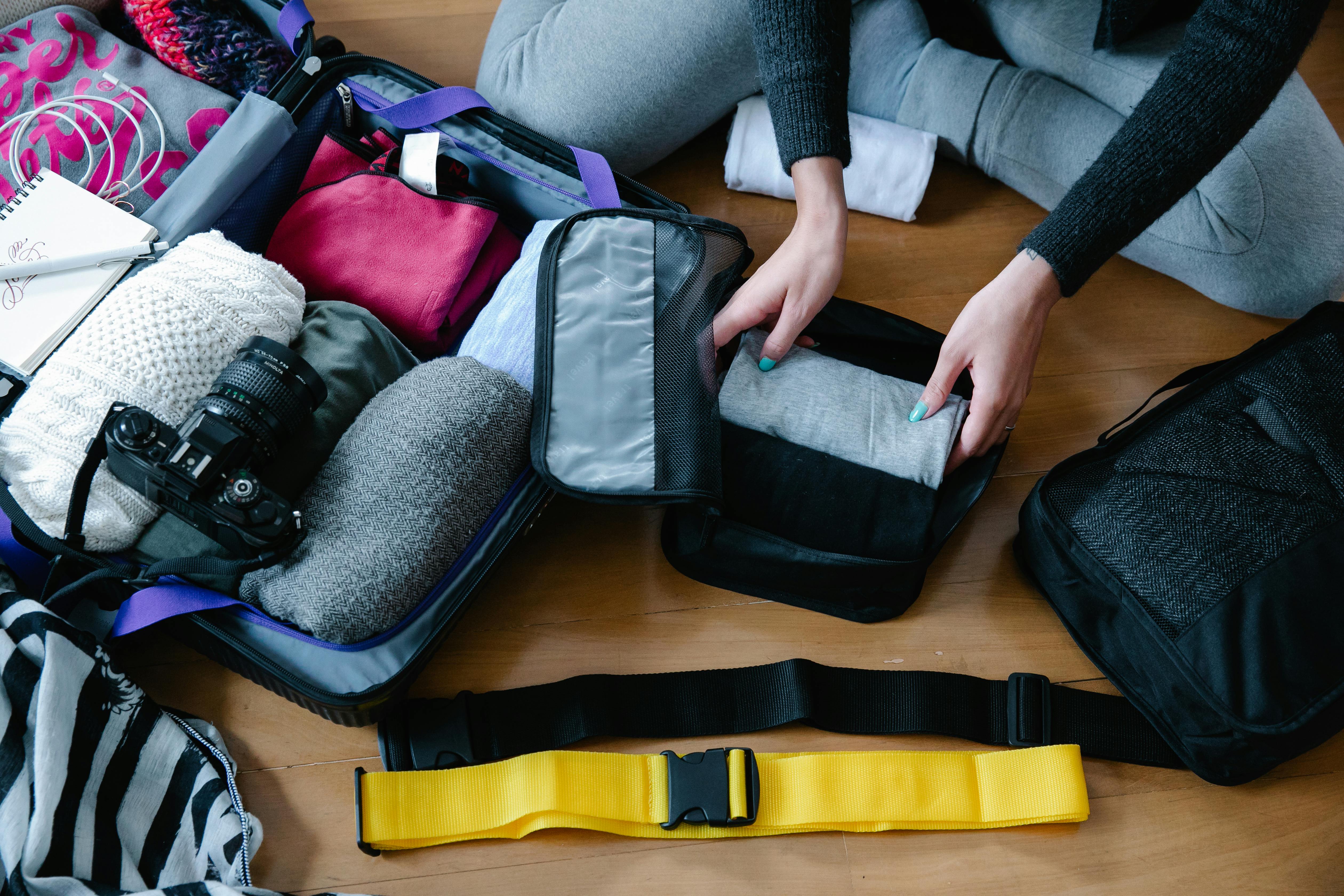
For Wet Season (November to April) Add:
- Waterproof sandals or water-resistant shoes (flooding can make pavements unpredictable)
- Quick-dry clothes
- Ziplock bags for electronics
For Dry Season (June to September) Add:
- Lightweight sun hat
- Extra sunscreen
Itineraries
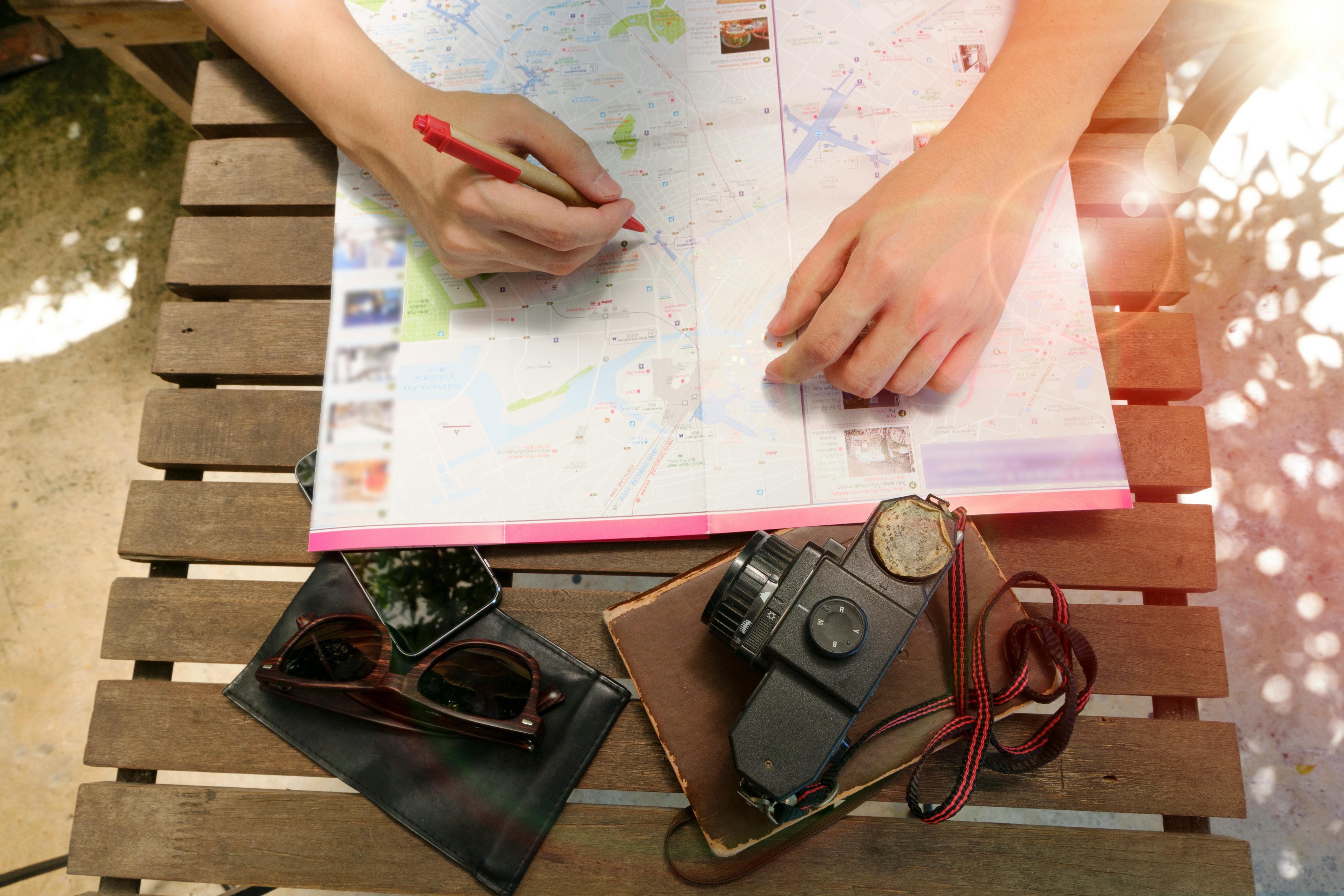
2-Day Itinerary: The Essentials
Day 1: History, Heritage, and the Old City
Start early (7 am) to beat the heat and the crowds. Take the MRT to Kota station and walk to Sunda Kelapa Harbour for the morning loading activity. At 8 am, walk south to Kota Tua. Spend an hour in Fatahillah Square, explore the exterior of Toko Merah, and visit the Jakarta History Museum when it opens at 9 am. By 11 am, walk to a nearby warung for soto Betawi before the midday heat peaks.
Take a Grab to Istiqlal Mosque and its opposite neighbour, Jakarta Cathedral, for a combined 45-minute visit. Lunch at a Menteng warung (arrive by 1 pm before the kitchen closes for service). In the afternoon, visit the National Museum adjacent to Monas (it is open until 4 pm). Walk to Monas for a sunset view from the observation deck (close before 3 pm).
Dinner: Lara Djonggrang in Menteng for a full introduction to Indonesian regional food in an atmosphere that earns it. Book a table in advance.
Day 2: South Jakarta, Culture, and the Contemporary City
Breakfast at a specialty coffee shop in Menteng or Gunawarman. Mid-morning: Museum MACAN (open from 10 am). Spend two hours. Lunch in the SCBD area near the museum: mid-range options are plentiful.
Afternoon: Head to M Bloc Space in Kebayoran Baru for record-flipping, coffee, and independent retail. Walk or grab a cab to Pasar Santa for a contrast: different energy, same creative spirit. By late afternoon, visit Jalan Surabaya for the antique market, which winds down around 5 pm.
Evening: Cocktails at The Cocktail Club above PIERRE in Senopati, then dinner at one of the restaurants along Jalan Senopati, which has the city’s highest concentration of quality mid-range and fine dining in a walkable strip.
4-Day Itinerary: Jakarta in Depth
Day 1: Kota Tua and the North
Follow the Day 1 plan from the 2-day itinerary above in its entirety.
Day 2: Central Jakarta and Culture
Morning: Monas at opening (8 am) to avoid queues and heat. Spend an hour at the museum below and the observation deck above. Walk to the National Museum (open from 8 am), Indonesia’s finest ethnographic and archaeological collection covering the entire archipelago, for at least two hours.
Lunch: Return to Menteng for Soto Betawi or visit Pasar Baru for lunch options and post-lunch browsing of the market stalls. Afternoon: Kawisari Menteng for coffee and a break from the heat. Late afternoon: Pos Bloc Jakarta in Pasar Baru for the architecture and atmosphere.
Dinner: Tugu Kunstkring Paleis for Indonesian-Western cuisine in the restored 1914 Dutch colonial building.
Day 3: South Jakarta and the Contemporary Scene
Morning: Museum MACAN (from 10 am). Lunch in SCBD. Afternoon: M Bloc Space and Pasar Santa. The creative energy peaks in the late afternoon as local foot traffic increases.
Early evening: Wander Jalan Surabaya for antiques. Golden hour: rooftop drinks. The bar at Henshin (67th floor) is one of the more dramatic places in the city to watch the sun go down over Jakarta’s skyline.
Dinner: August if you have booked ahead. Alternatively, choose a restaurant along the Senopati/Gunawarman strip in South Jakarta.
Day 4: Kepulauan Seribu (Thousand Islands) Day Trip
Jakarta sits on a bay studded with hundreds of small islands, some only 45 minutes away by fast boat from Muara Angke harbour (North Jakarta). Pulau Tidung and Pulau Pramuka are the most accessible islands and offer white-sand beaches, snorkeling, and village life for a day trip that is essentially the antithesis of central Jakarta. Boats leave early (7 am) and return by late afternoon. Pack sunscreen, snorkeling gear, and cash. This is a total decompression day.
Evening back in Jakarta: simple street food near your hotel. The city will feel different after a day at sea.
7-Day Itinerary: The Full Jakarta Experience
Day 1: Kota Tua and the North, as per the 2-day itinerary.
Day 2: Central Jakarta History Trail, as per the 4-day itinerary.
Day 3: South Jakarta Contemporary, as per the 4-day itinerary.
Day 4: Thousand Islands Day Trip, as per the 4-day itinerary.
Day 5: Art, Markets, and the Betawi Neighbourhoods
Morning: Visit Taman Suropati in Menteng (the neighbourhood park that anchors Jakarta’s most beautiful residential precinct) for a 45-minute walk before the heat rises. Then walk to the surrounding Menteng streets to see early-20th-century Dutch colonial private houses still standing in various states of elegant decay.
Mid-morning: Jalan Surabaya antique market for a thorough browse. Lunch: Plataran Dharmawangsa for an elevated Indonesian lunch in the joglo setting.
Afternoon: Head to Ragunan Zoo in South Jakarta, Indonesia’s oldest zoo with extensive green space and more than 2,000 species. This is much more a park than a zoo; locals bring picnics. Take a Grab (30-40 minutes from Kebayoran Baru).
Evening: Return to the city. Dinner at a warung-style restaurant in the back streets of Menteng for the most unfiltered local food experience of the trip.
Day 6: West Jakarta, Chinatown, and the Glodok District
Morning: Glodok, Jakarta’s Chinatown. Start at Vihara Dharma Bhakti, a Chinese Buddhist temple dating to 1650 and still an active place of worship. The temple interior is a dense landscape of incense, red lanterns, and offerings, arrestingly beautiful in the morning light. Walk the surrounding lanes for dim sum breakfast (arrive by 8 am; places fill and empty fast).
Mid-morning: Explore the Petak Sembilan market in Glodok, a wet market and herb market where stalls sell traditional Chinese medicinal ingredients alongside fresh produce. The sensory overload is intentional and complete.
Lunch: Pantjoran Tea House on Gang Gloria, a beautifully restored colonial building serving tea, dim sum, and Peranakan food.
Afternoon: Return to Kota Tua for anything you missed on Day 1, or visit the Wayang Museum near Fatahillah Square to see one of the finest collections of traditional shadow puppets in Indonesia.
Evening: Rooftop cocktails at a Kota Tua bar, then dinner in the growing number of restaurants colonizing the old colonial buildings along the canal.
Day 7: Slow Morning, Shopping, Departure Prep
Slow morning: Specialty coffee in Gunawarman or Kemang (South Jakarta’s expat neighbourhood, dense with good cafés and indie restaurants). Browsing time at Grand Indonesia or Plaza Indonesia for any last retail needs. Lunch at one of the food court options inside the malls (some of Jakarta’s best soto and nasi padang are served in mall food courts at remarkably high quality). Early afternoon: return to your hotel, repack, and prepare for departure. Allow substantial time for the airport journey, particularly on weekday afternoons.
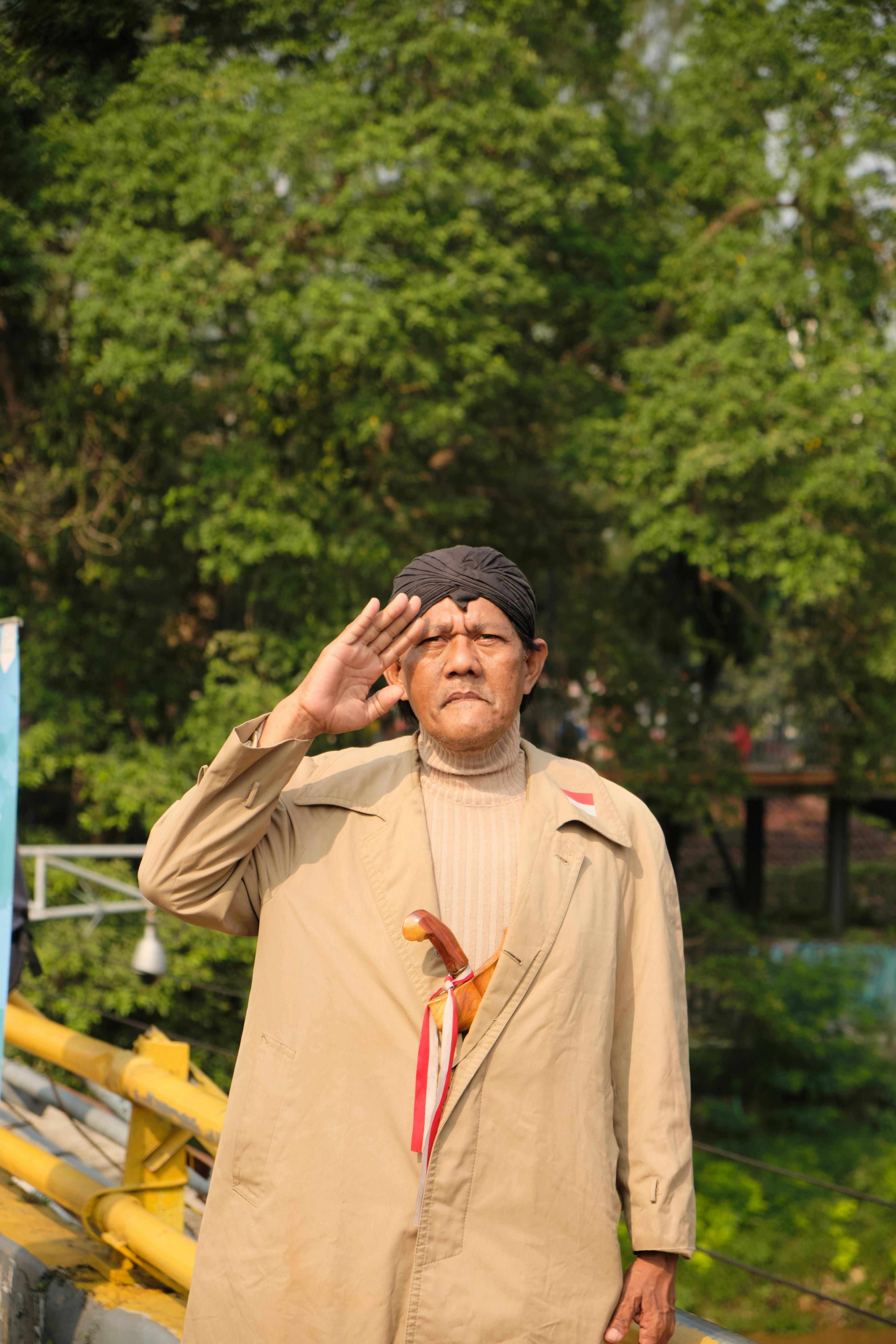
Jakarta does not always make things easy. The traffic will occasionally defeat you, the scale will occasionally overwhelm you, and the heat will test your patience on days when every plan requires crossing the city. But the food will keep compensating, the people will keep surprising you with warmth, and the city’s sheer aliveness will keep pulling you back out of the air-conditioning and into the streets. Go with enough time to let it reveal itself, and Jakarta will be one of the more rewarding cities you have ever spent a week in.