

 Start Driving in Chennai
Chennai, formerly Madras, the capital of Tamil Nadu, India, blends its rich historical significance with modern urban development, offering a unique mix of historical landmarks, diverse neighborhoods, and a vibrant atmosphere. Situated along the Coromandel Coast, Chennai provides a captivating mix of scenic sea views and cultural diversity. The Fort St. George, a prominent landmark, features stunning historical architecture and governmental significance. The Kapaleeshwarar Temple features stunning architecture and religious significance. The Government Museum Chennai showcases the region’s rich history and cultural artifacts. Chennai’s culinary scene features a delightful mix of South Indian and international cuisine, with restaurants serving dosa, idli, and diverse culinary offerings. The city’s markets, such as the Pondy Bazaar, offer a variety of local produce, artisanal goods, and souvenirs. The beaches and surrounding areas provide opportunities for scenic walks, cultural exploration, and outdoor recreation. Chennai’s efficient transportation network, including subways, buses, and trains, facilitates travel within the city and to surrounding areas. The city experiences a tropical savanna climate, with hot summers and warm winters. Chennai’s cultural attractions, such as the various historical sites and the annual festivals, highlight the city’s historical significance and cultural contributions. The city’s vibrant cultural scene includes festivals, traditional music, and dance, reflecting the region’s diverse traditions. Chennai’s blend of historical charm and modern dynamism creates a unique and appealing destination. The local markets and community events foster a vibrant atmosphere, making Chennai a dynamic and culturally rich destination for visitors and residents. Chennai is a vital center for commerce, technology, and culture in Tamil Nadu, contributing significantly to India’s national development and economic growth.
Chennai: A Coastal Soul Shaped by Heritage and Heat
Chennai, the dynamic capital of Tamil Nadu, is a captivating blend of ancient tradition and modern progress. Set along the Coromandel Coast on the Bay of Bengal, this city,formerly known as Madras,offers a lively mix of historic temples, colonial architecture, golden beaches, and a thriving arts and culinary scene. From the bustling markets of George Town to the serene shores of Marina Beach, Chennai welcomes travelers with warmth, diversity, and a unique South Indian spirit.
Brief History and Background
- Ancient Roots: Chennai’s history traces back over a thousand years, with surrounding villages predating the city itself.
- Colonial Era: Established as a British trading post in 1639, Chennai grew into a major colonial city with significant Portuguese, Dutch, and French influences.
- Modern Development: Today, Chennai is India’s fourth-largest city and a hub for technology, industry, and culture.
- Cultural Melting Pot: Home to Tamil, Telugu, and other communities, with a legacy shaped by trade, religion, and colonial heritage.
What Makes the City Unique or Special
- Coastal Setting: Stunning beaches like Marina Beach, the second-longest urban beach in the world.
- Cultural Legacy: Renowned for its classical music, dance (especially during Margazhi season), and vibrant festivals.
- Architectural Diversity: Ancient Dravidian temples, colonial-era buildings, and modern skyscrapers.
- Culinary Tradition: Famous for South Indian vegetarian cuisine, filter coffee, and street food.
- Artistic Vibrancy: Thriving arts scene with galleries, museums, and live performances.
Local Culture and Vibe
- Warm and Welcoming: Locals are friendly and proud of their heritage.
- Festive Atmosphere: Year-round festivals, especially Margazhi (Dec–Jan) and Pongal (January).
- Café and Market Culture: Bustling markets, coffee shops, and street food stalls.
- Artistic Energy: Classical music, dance, and theater are integral to city life.
- Coastal Lifestyle: Beaches are social hubs for families, joggers, and food vendors.
Best Months to Visit
- November–February: Cool, pleasant weather—ideal for sightseeing and outdoor activities.
- Avoid: April–June (hot and humid), September–October (monsoon rains).
Top Attractions
1. Marina Beach
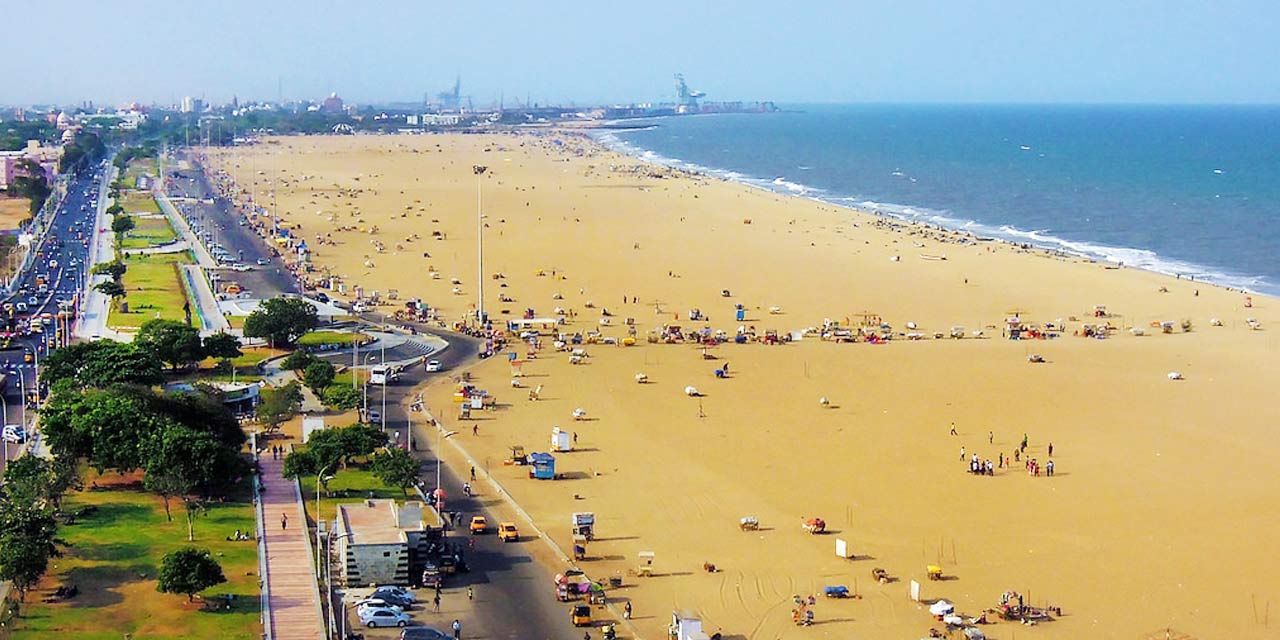
- Opening Hours: Always open
- Entry Fee: Free
- Tips: Visit early morning or sunset for cooler temperatures and vibrant crowds.
- Best Time: Early morning or late evening.
2. Kapaleeshwarar Temple

- Opening Hours: 5:00–12:00, 16:00–21:00
- Entry Fee: Free (donations welcome)
- Tips: Remove shoes before entering; visit during festivals for special rituals.
- Best Time: Early morning or evening.
3. Fort St. George
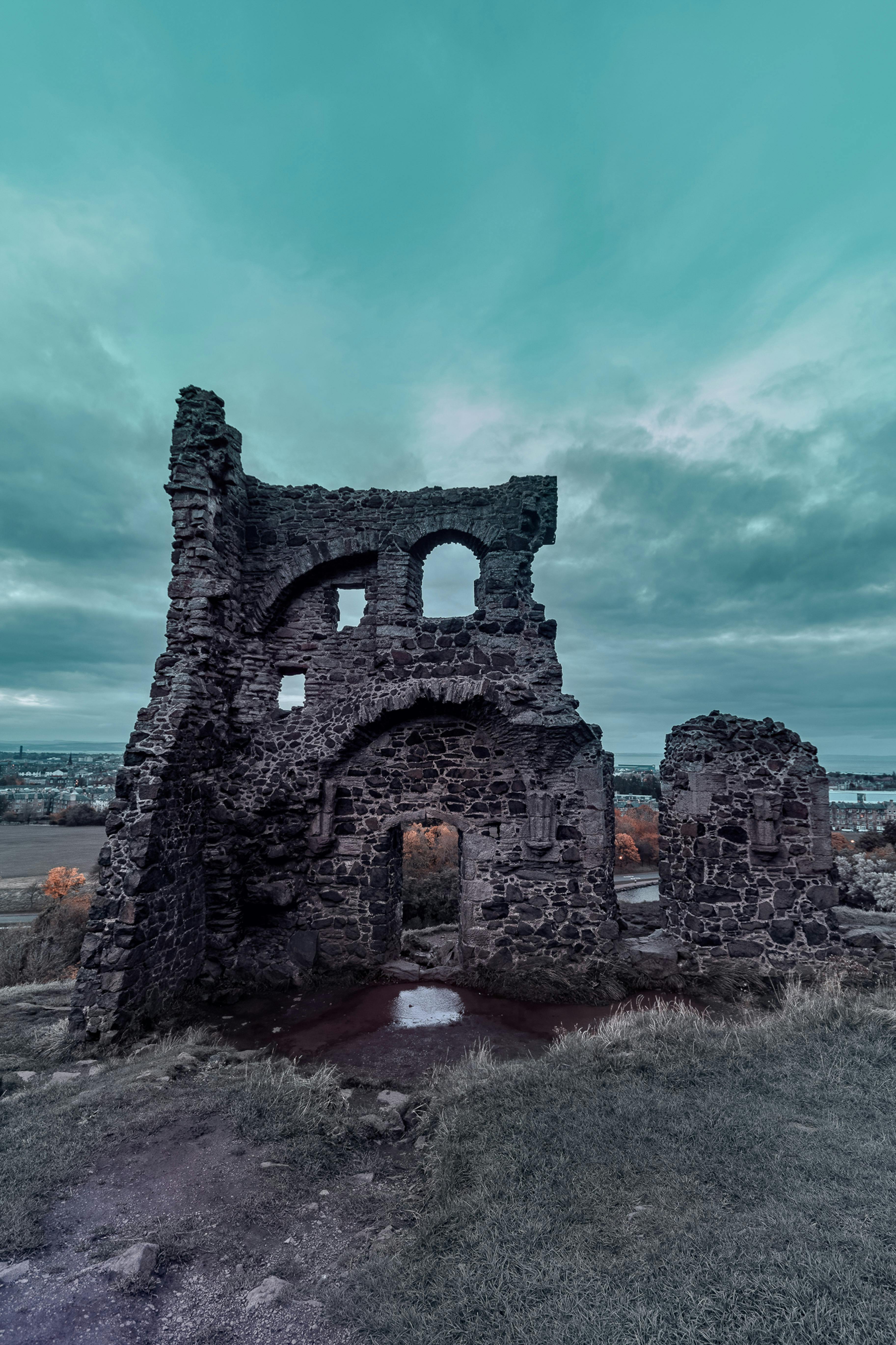
- Opening Hours: 9:00–17:00 (closed Fridays)
- Entry Fee: ~INR 15
- Tips: Explore the museum for colonial history; photography allowed.
- Best Time: Morning.
4. Government Museum

- Opening Hours: 9:30–17:00 (closed Fridays)
- Entry Fee: ~INR 20
- Tips: Allocate 2–3 hours; great for history and art lovers.
- Best Time: Morning or early afternoon.
5. Guindy National Park

- Opening Hours: 9:00–17:30 (closed Tuesdays)
- Entry Fee: ~INR 30
- Tips: Bring water and sunscreen; good for families.
- Best Time: Morning.
6. San Thome Basilica

- Opening Hours: 6:00–18:00
- Entry Fee: Free
- Tips: Dress modestly; photography allowed.
- Best Time: Morning or late afternoon.
Hidden Gems
- DakshinaChitra Heritage Museum: Living museum of South Indian culture, crafts, and performances.
- Elliot’s Beach: Quieter alternative to Marina Beach, popular with locals.
- George Town: Historic neighborhood with colonial architecture, spice markets, and street food.
- Local Favorites: Triplicane for Parthasarathy Temple and local eateries; Mylapore for temple walks and filter coffee.
- Insider Tips: Join a street food tour in Sowcarpet; visit during Margazhi festival for music and dance.
Local Cuisine and Dining
- Must-Try Dishes: Idli, dosa, vada, sambar, rasam, filter coffee, Chettinad chicken, seafood.
- Best Restaurants: Murugan Idli Shop, Saravana Bhavan, Annalakshmi, Buhari Hotel.
- Cafes & Street Food: Ratna Café, Adyar Ananda Bhavan, street stalls at Marina Beach and George Town.
- Food Markets: Sowcarpet, Mylapore market, George Town bazaars.
- Culinary Tours: Sowcarpet street food walking tour, cooking classes with local chefs.
Accommodation Options
- Budget: Zostel Chennai, Treebo Trend, The Savera Hotel.
- Mid-Range: Radisson Blu GRT, Hyatt Regency, The Accord Metropolitan.
- Luxury: ITC Grand Chola, The Leela Palace, Taj Coromandel.
- Hostels, Guesthouses, Boutique Stays: The Hosteller, FabHotel, The Park Chennai.
- Best Areas to Stay: T. Nagar (shopping), Mylapore (cultural), Egmore (central, near transport).
Transportation
- Getting to Chennai: International and domestic flights to Chennai International Airport; trains and buses from major Indian cities.
- Public Transport: MTC buses, Chennai Metro, suburban trains.
- Taxis, Rideshares, Bike Rentals: Ola, Uber, auto-rickshaws (bargain for fares); limited bike rentals.
- Tips: Use metro for long distances; auto-rickshaws for short trips; avoid peak-hour buses.
Events, Festivals, and Experiences
- Major Annual Events: Margazhi Festival (Dec–Jan), Pongal (Jan), Chennai Music Season, Chennai International Film Festival.
- Unique Experiences: Classical music and dance performances, heritage walks, cooking classes, street food tours.
- Workshops & Performances: Art workshops, Bharatanatyam dance lessons, live concerts.
Shopping and Souvenirs
- Best Shopping Streets: T. Nagar (Ranganathan Street), Pondy Bazaar, Mount Road.
- Markets & Malls: T. Nagar market, Phoenix MarketCity, Express Avenue.
- Local Products: Silk sarees, handmade crafts, spices, traditional jewelry, filter coffee.
Practical Information
- Visa and Travel Regulations: Most visitors need an e-visa or visa on arrival; check requirements based on nationality.
- Weather and Best Time to Visit: Best in November–February; avoid summer and monsoon.
- Language and Communication: Tamil and English widely spoken; locals are helpful.
- Currency, ATMs, Payment Methods: Indian Rupee (INR); ATMs widely available; credit cards accepted in most places.
Travel Tips and Etiquette
- Local Customs: Remove shoes before entering temples; dress modestly in religious sites.
- Safety Advice: Beware of pickpockets in crowded areas; use official taxis or rideshares.
- Budget Tips: Eat at local eateries and street stalls, use public transport, visit free attractions.
- Cultural Etiquette: Greet with a smile and “Vanakkam”; tipping is appreciated but not mandatory.
Packing and What to Wear
- November–February: Light, breathable clothing, sunhat, sunglasses, sunscreen.
- March–June: Light, loose clothing, umbrella, water bottle.
- July–October: Light rain jacket, quick-dry clothes, umbrella.
- Dress Code: Modest attire for temples and religious sites; casual for most attractions.
Itineraries
2-Day Itinerary
- Day 1: Marina Beach, Kapaleeshwarar Temple, Mylapore market, San Thome Basilica
- Day 2: Fort St. George, Government Museum, George Town, evening at Elliot’s Beach
4-Day Itinerary
- Day 1: Marina Beach, Kapaleeshwarar Temple, Mylapore market
- Day 2: Fort St. George, Government Museum, George Town
- Day 3: Guindy National Park, DakshinaChitra Heritage Museum, Elliot’s Beach
- Day 4: Shopping in T. Nagar, Parthasarathy Temple, local food tour
7-Day Itinerary
- Days 1–4: As above
- Day 5: Day trip to Mahabalipuram (UNESCO heritage site)
- Day 6: Explore Triplicane, attend a cultural performance or workshop
- Day 7: Relax at the beach, revisit favorite spots, or take a cooking class