

 Start Driving in Ho Chi Minh – Saigon
Ho Chi Minh City, formerly Saigon, the largest city in Vietnam, blends its rich historical significance with modern urban development, offering a unique mix of historical landmarks, diverse neighborhoods, and a vibrant atmosphere. Situated along the Saigon River, city provides a captivating mix of scenic river views and cultural diversity. The Independence Palace, a prominent landmark, features stunning historical architecture and cultural exhibits. The War Remnants Museum showcases the region’s war history and cultural artifacts. The Notre-Dame Cathedral Basilica of Saigon features stunning architecture and religious significance. It’s culinary scene features a delightful mix of Vietnamese and regional cuisine, with restaurants serving pho, banh mi, and diverse regional specialties. The city’s markets, such as the Ben Thanh Market, offer a variety of local produce, artisanal goods, and souvenirs. The river and surrounding parks provide opportunities for scenic walks, cultural exploration, and outdoor recreation. Ho Chi Minh City’s efficient transportation network, including buses, taxis, and motorbikes, facilitates travel within the city and to surrounding areas. The city experiences a tropical savanna climate, with warm temperatures year-round. Ho Chi Minh City’s cultural attractions, such as the various historical sites and the annual festivals, highlight the city’s historical significance and cultural contributions. The city’s vibrant cultural scene includes festivals, traditional performances, and modern art, reflecting the region’s diverse traditions. It’s blend of historical charm and modern dynamism creates a unique and appealing destination. The local markets and community events foster a vibrant atmosphere, making it a dynamic and culturally rich destination for visitors and residents. Ho Chi Minh City is a vital center for commerce, industry, and culture in Vietnam, contributing significantly to the country’s national development and economic growth.
Start Driving in Ho Chi Minh – Saigon
Ho Chi Minh City, formerly Saigon, the largest city in Vietnam, blends its rich historical significance with modern urban development, offering a unique mix of historical landmarks, diverse neighborhoods, and a vibrant atmosphere. Situated along the Saigon River, city provides a captivating mix of scenic river views and cultural diversity. The Independence Palace, a prominent landmark, features stunning historical architecture and cultural exhibits. The War Remnants Museum showcases the region’s war history and cultural artifacts. The Notre-Dame Cathedral Basilica of Saigon features stunning architecture and religious significance. It’s culinary scene features a delightful mix of Vietnamese and regional cuisine, with restaurants serving pho, banh mi, and diverse regional specialties. The city’s markets, such as the Ben Thanh Market, offer a variety of local produce, artisanal goods, and souvenirs. The river and surrounding parks provide opportunities for scenic walks, cultural exploration, and outdoor recreation. Ho Chi Minh City’s efficient transportation network, including buses, taxis, and motorbikes, facilitates travel within the city and to surrounding areas. The city experiences a tropical savanna climate, with warm temperatures year-round. Ho Chi Minh City’s cultural attractions, such as the various historical sites and the annual festivals, highlight the city’s historical significance and cultural contributions. The city’s vibrant cultural scene includes festivals, traditional performances, and modern art, reflecting the region’s diverse traditions. It’s blend of historical charm and modern dynamism creates a unique and appealing destination. The local markets and community events foster a vibrant atmosphere, making it a dynamic and culturally rich destination for visitors and residents. Ho Chi Minh City is a vital center for commerce, industry, and culture in Vietnam, contributing significantly to the country’s national development and economic growth. Ho Chi Minh City(Saigon) : A Living Blend of Past and Pulse
Ho Chi Minh City, still affectionately called Saigon by locals, is Vietnam’s largest metropolis and a dazzling fusion of old and new. Once a Khmer fishing village, then a French colonial jewel, and now a dynamic economic powerhouse, the city pulses with energy, history, and creativity. From its French-era boulevards and vibrant street markets to its soaring skyscrapers and world-class cuisine, Ho Chi Minh City is a place where tradition meets modernity at every turn. The city’s warm hospitality, rich cultural tapestry, and non-stop buzz make it an unforgettable destination for travelers seeking both adventure and authenticity.
Brief History and Background
- Originally part of the Khmer kingdom, the region became Vietnamese in the 17th century.
- French colonial influence began in the 18th century, leaving a legacy of architecture and culture.
- Known as Saigon, it was the capital of South Vietnam until 1975, when it was renamed after reunification.
- Today, it’s a thriving economic and cultural hub, often called the “Pearl of the East”.
What Makes the City Unique or Special
- Striking blend of French colonial, Chinese, and modern Vietnamese influences in architecture, food, and lifestyle.
- Birthplace of iconic Vietnamese street food and a global coffee culture.
- Home to vibrant street markets, world-class museums, and a dynamic nightlife.
- The city’s energy is palpable: motorbikes, neon lights, and a youthful, entrepreneurial spirit.
Local Culture and Vibe
- Harmonious blend of tradition and modernity; East meets West in daily life.
- Locals are famously friendly, open-minded, and welcoming to visitors.
- Bustling markets, trendy cafés, and a thriving arts and live music scene.
- Festivals like Tet (Lunar New Year) and Mid-Autumn Festival are celebrated citywide, with both locals and tourists joining in.
Best Months to Visit
- December to April: Dry season, pleasant temperatures (28–33°C), low humidity,ideal for sightseeing and day trips.
- January–February: Coolest, driest months, but avoid Tet (Lunar New Year) unless you want to experience the festival, as many businesses close.
- May to November: Rainy season, fewer tourists, lower prices, brief afternoon downpours.
Top Attractions
1. War Remnants Museum
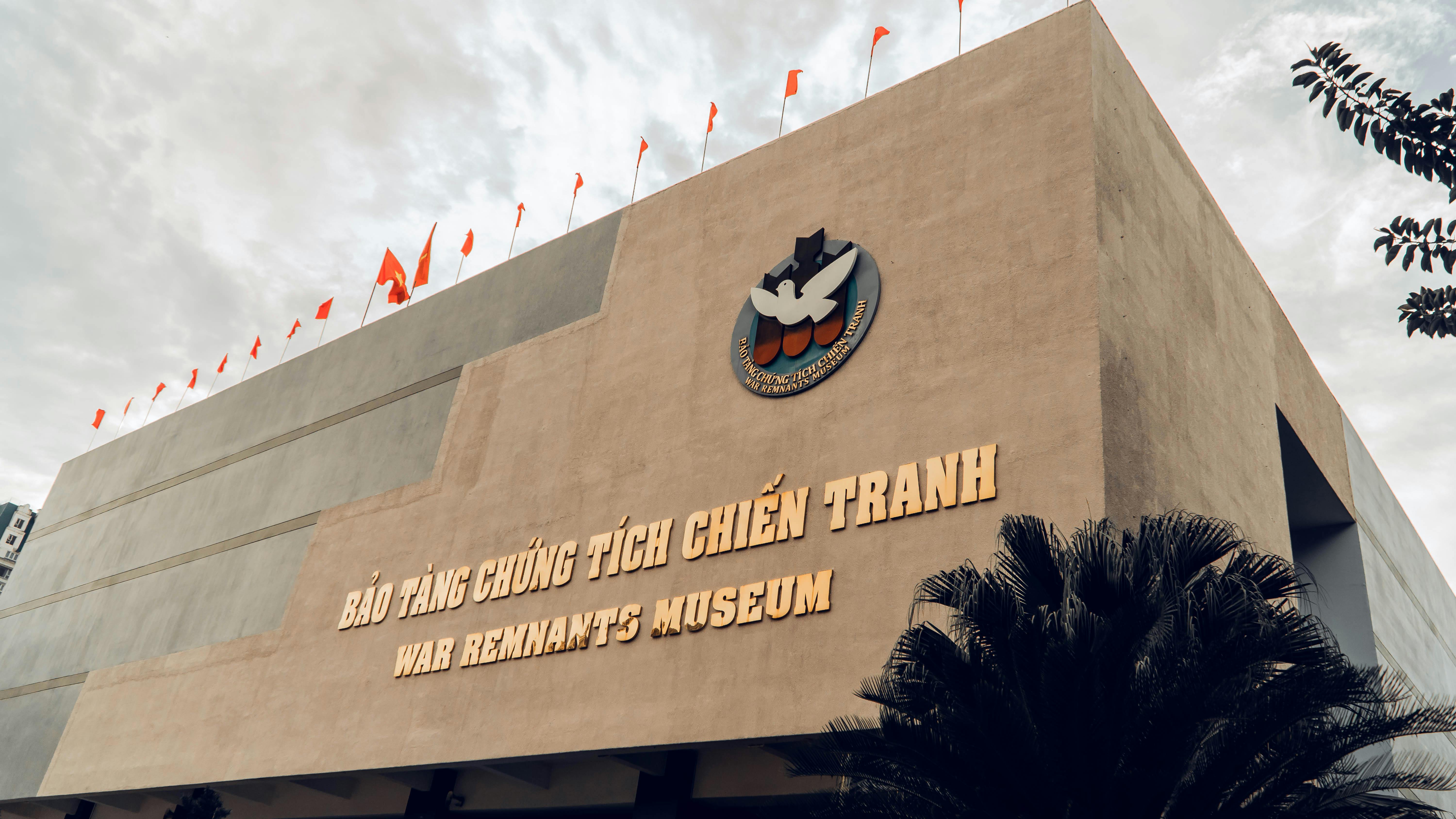
- Opening Hours: 7:30 AM–5:30 PM
- Entry Fee: 40,000 VND
- Tips: Some exhibits are graphic; audio guides available; allow 1–2 hours.
- Best time: Morning to avoid crowds and heat.
2. Independence Palace (Reunification Palace)
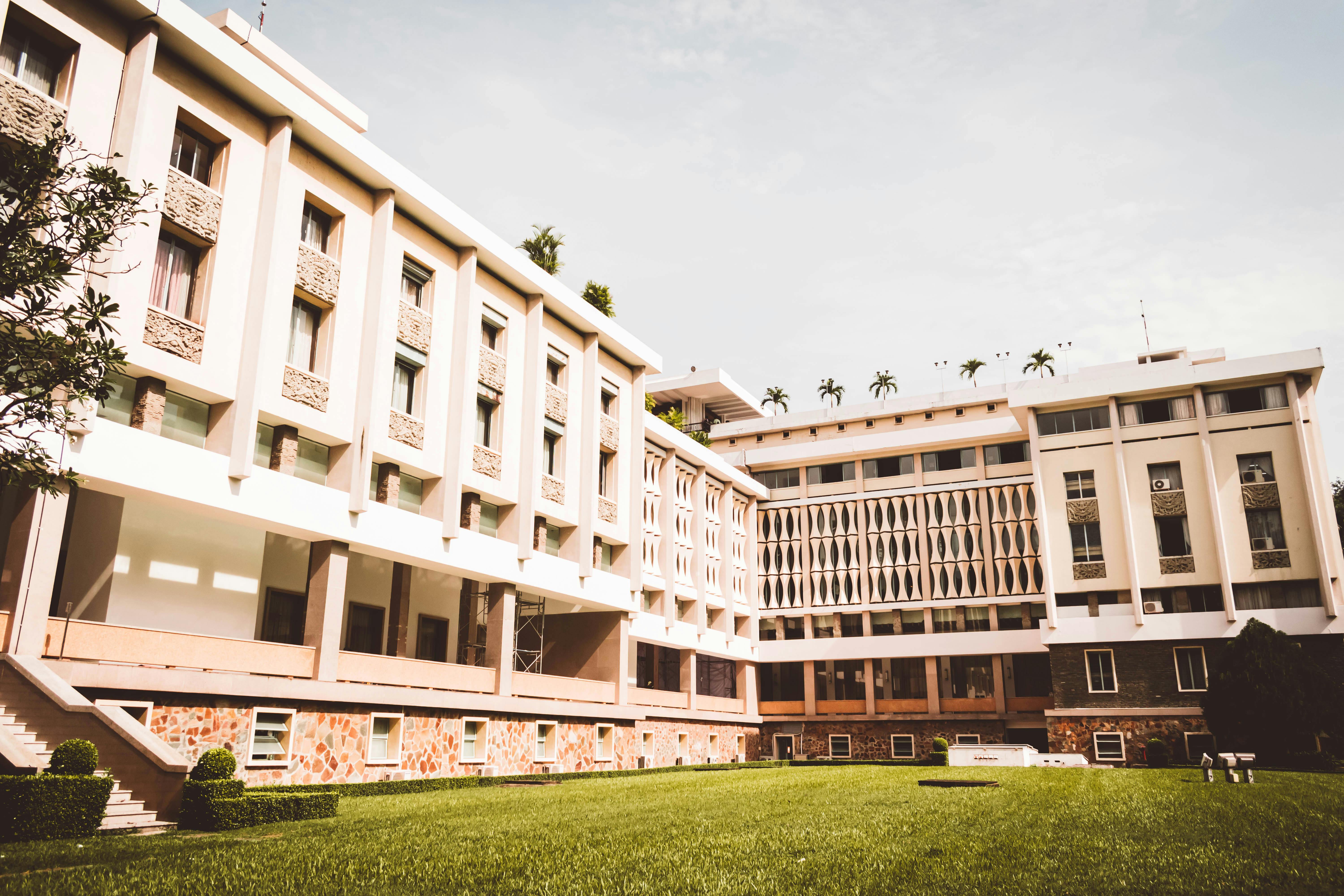
- Opening Hours: 8:00 AM–5:00 PM (last entry 4:00 PM)
- Entry Fee : 65,000 VND
- Tips: Guided tours recommended; check out the war command bunker.
- Best time: Early morning.
3. Notre-Dame Cathedral Basilica of Saigon & Central Post Office

- Opening Hours: Cathedral exterior only (under renovation); Post Office: 7:00 AM–7:00 PM
- Entry Fee : Free
- Tips: Beautiful French colonial architecture; combine both in one visit.
- Best time: Morning.
4. Ben Thanh Market
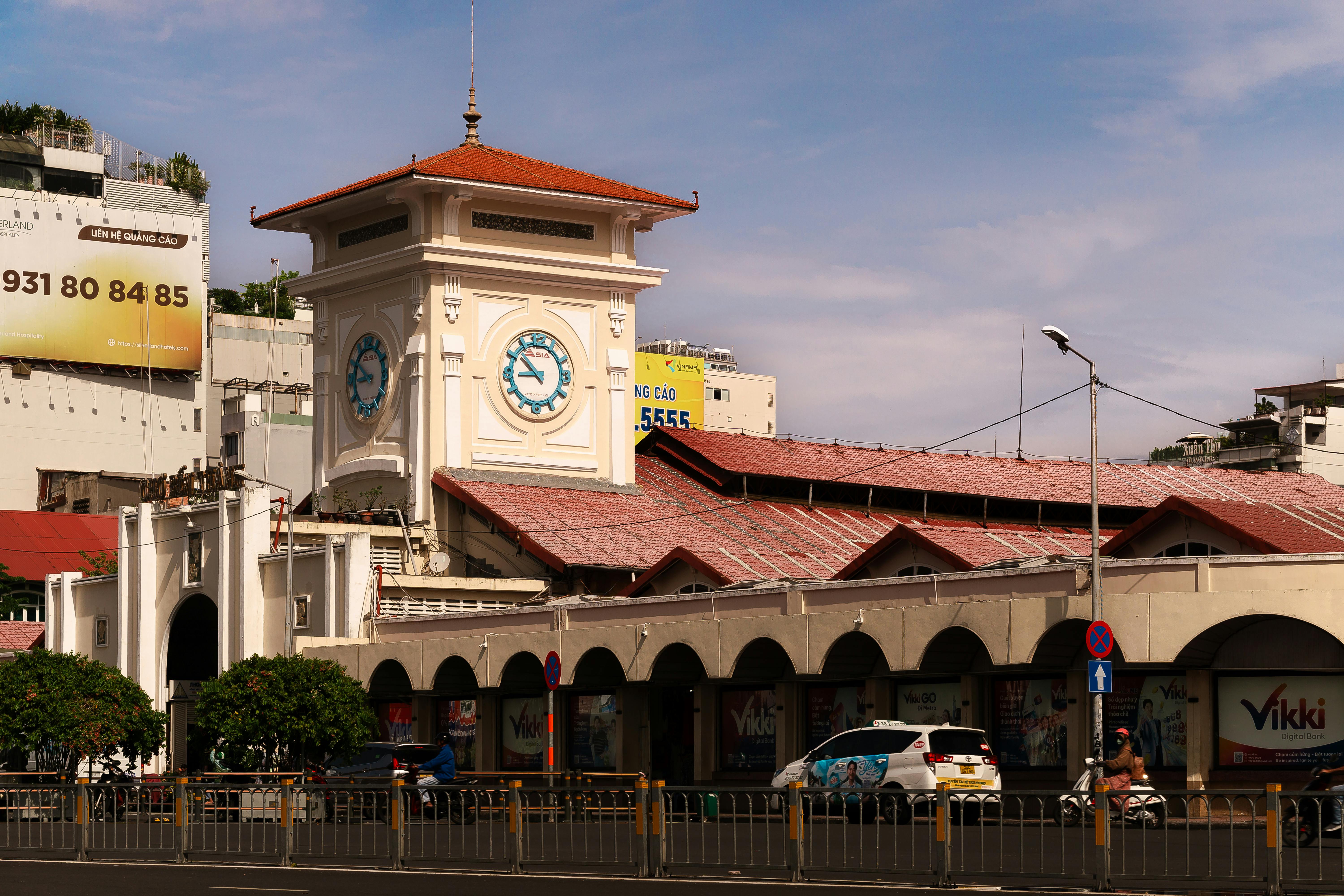
- Opening Hours: 6:00 AM–6:00 PM (night market until 10:00 PM)
- Entry Fee: Free
- Tips: Bargain for souvenirs; try local street food.
- Best time: Late afternoon for food stalls.
5. Cu Chi Tunnels (day trip)

- Opening Hours: 7:00 AM–5:00 PM
- Entry Fee: 110,000 VND
- Tips: Book a guided tour; wear comfortable clothes.
- Best time: Morning, especially during the dry season.
Hidden Gems
- FITO Museum (Museum of Traditional Vietnamese Medicine)
- Hours: 8:30 AM–5:00 PM
- Entry: 180,000 VND
- Tips: Located in District 10, off the tourist path; fascinating exhibits on herbal medicine.
- Cholon (Chinatown) & Binh Tay Market: Explore temples, traditional medicine shops, and authentic Chinese-Vietnamese cuisine.
- Jade Emperor Pagoda: Ornate Taoist temple, less crowded than city center sites.
- Acoustic Bar & Yoko Café: Live local music in cozy venues.
- Nguyen Hue Walking Street: Bustling pedestrian boulevard with street performances and night lights.
- Local tip: Try a sunset drink at a rooftop bar like Chill Skybar for panoramic city views.
Local Cuisine and Dining
- Must-try dishes: Pho (noodle soup), Banh mi (baguette sandwich), Com tam (broken rice), Goi cuon (spring rolls), Hu tieu (noodle soup), Ca phe sua da (iced coffee).
- Best restaurants: Pho Hoa Pasteur (pho), Banh Mi Huynh Hoa (banh mi), Cuc Gach Quan (Vietnamese home-style), Secret Garden (rooftop Vietnamese).
- Cafés: The Workshop, L’Usine, Shin Coffee.
- Street food spots: Ben Thanh Market, Vinh Khanh Street (seafood), District 4 night markets.
- Food markets/tours: Ben Thanh Market, Binh Tay Market; join a street food tour for local favorites.
Accommodation Options
- Budget: The Hideout Hostel, Saigon Backpackers Hostel, Town House 50.
- Mid-range: Silverland Yen Hotel, Liberty Central Saigon Citypoint, Fusion Suites Saigon.
- Luxury: The Reverie Saigon, Park Hyatt Saigon, Hotel des Arts Saigon.
- Boutique stays: Villa Song Saigon, The Myst Dong Khoi.
- Tips: District 1 is best for first-timers (central, walkable); District 3 for a local vibe and quieter nights.
Transportation
- Getting there: Tan Son Nhat International Airport (SGN) with direct flights from major Asian and global cities; long-distance trains and buses connect from across Vietnam.
- Public transport: City buses, new metro lines (limited but expanding), cyclos (cycle rickshaws).
- Taxis/rideshares: Vinasun, Mai Linh (reliable taxis); Grab and Be (rideshare apps).
- Bike rentals: Available at hostels and hotels; traffic is hectic—ride with caution.
- Tips: Use Grab for convenience; walking is best in District 1; avoid rush hour (7–9 AM, 5–7 PM).
Events, Festivals, and Experiences
- Major events: Tet (Lunar New Year, Jan/Feb), Nguyen Hue Flower Festival, Mid-Autumn Festival, Ao Dai Festival, International Music Festival.
- Unique experiences: A O Show at Saigon Opera House (contemporary circus), cooking classes, Vespa food tours, Mekong Delta day trips.
Shopping and Souvenirs
- Best shopping: Ben Thanh Market, Saigon Square, Vincom Center, Takashimaya, Nguyen Trai Street (fashion).
- Souvenirs: Lacquerware, silk scarves, Vietnamese coffee, ao dai (traditional dress), hand-embroidered goods.
Practical Information
- Visa: Most travelers require an e-visa or visa on arrival; check current regulations.
- Weather: Best December–April (dry, mild), hottest March–May, wettest June–October.
- Language: Vietnamese; English widely spoken in tourist areas.
- Currency: Vietnamese Dong (VND); ATMs common; cards accepted in hotels/shops, cash for markets.
Travel Tips and Etiquette
- Customs: Dress modestly for temples; remove shoes before entering homes/temples; greet with a smile or slight bow.
- Safety: Watch for pickpockets in crowded areas; traffic is busy—cross streets carefully.
- Budget tips: Eat street food, use public buses, negotiate prices in markets, and stay in hostels or guesthouses.
Packing and What to Wear
- Dry season (Dec–Apr): Light, breathable clothes, sunhat, sunglasses, sunscreen, comfortable shoes.
- Rainy season (May–Nov): Umbrella/rain jacket, quick-dry clothes, waterproof shoes.
- Dress code: Casual for sightseeing; smart casual for upscale restaurants or shows; modest attire for religious sites.
Itineraries
2-Day Itinerary
- Day 1: War Remnants Museum, Notre-Dame Cathedral, Central Post Office, Ben Thanh Market, Nguyen Hue Walking Street.
- Day 2: Cu Chi Tunnels (morning tour), Jade Emperor Pagoda, rooftop bar at sunset.
4-Day Itinerary
- Days 1–2: As above.
- Day 3: Cholon (Chinatown), Binh Tay Market, FITO Museum, local music café.
- Day 4: Mekong Delta day trip or cooking class, shopping at Saigon Square.
7-Day Itinerary
- Days 1–4: As above.
- Day 5: Day trip to Can Gio Biosphere Reserve or Vung Tau beach.
- Day 6: Art gallery hopping in District 3, spa afternoon, Ao Dai Festival (if in season).
- Day 7: Explore District 5 temples, farewell dinner and live music.