

 Start Driving in Kuala Lumpur
Kuala Lumpur, the capital of Malaysia, blends its rich historical significance with modern urban development, offering a unique mix of historical landmarks, diverse neighborhoods, and a vibrant atmosphere. Situated at the confluence of the Klang and Gombak rivers, Kuala Lumpur provides a captivating mix of urban energy and cultural diversity. The Petronas Twin Towers, a prominent landmark, feature stunning modern architecture and panoramic views. The Batu Caves feature stunning religious architecture and cultural significance. The National Museum of Malaysia showcases the region’s rich history and cultural artifacts. Kuala Lumpur’s culinary scene features a delightful mix of Malaysian and international cuisine, with restaurants serving nasi lemak, satay, and diverse culinary offerings. The city’s markets, such as the Central Market, offer a variety of local produce, artisanal goods, and souvenirs. The parks and surrounding areas provide opportunities for scenic walks, cultural exploration, and outdoor recreation. Kuala Lumpur’s efficient transportation network, including subways, buses, and trains, facilitates travel within the city and to surrounding areas. The city experiences a tropical rainforest climate, with warm temperatures year-round. Kuala Lumpur’s cultural attractions, such as the various temples and the annual festivals, highlight the city’s historical significance and cultural contributions. The city’s vibrant cultural scene includes festivals, traditional performances, and modern art, reflecting the region’s diverse traditions. Kuala Lumpur’s blend of historical charm and modern dynamism creates a unique and appealing destination. The local markets and community events foster a vibrant atmosphere, making Kuala Lumpur a dynamic and culturally rich destination for visitors and residents. Kuala Lumpur is a vital center for government, commerce, and culture in Malaysia, contributing significantly to the country’s national development and economic growth.
Kuala Lumpur Travel Guide: Everything You Need to Know Before You Go
Imagine standing at the base of two towers that once held the title of world’s tallest buildings, watching their steel and glass facades catch the last light of a tropical sunset. Below you, the smell of roti canai frying on a tawa drifts up from a mamak stall. Somewhere behind you, a muezzin calls from a mosque while a Chinese temple drums welcome a festival procession. This is Kuala Lumpur, abbreviated to “KL” by everyone who has ever lived here, and that abbreviation says something important: this city belongs to its people, not its postcards.

KL is a place that refuses to be categorized. Founded in the 1850s at the muddy confluence of the Klang and Gombak rivers (the name literally means “muddy confluence”), it grew from a tin-mining settlement into a colonial administrative hub, a post-independence capital, and now one of Southeast Asia’s most dynamic megacities. What you get from this layered history is a city where a 130-year-old kopitiam sits in the shadow of a 452-meter skyscraper, where Malay, Chinese, Indian, and Orang Asli cultures have spent generations borrowing, blending, and arguing with each other’s food, architecture, and festivals. The result is not a smooth fusion but something more honest and alive: a city with genuine edges, real neighborhoods, and extraordinary things to eat around every corner.

Best Months to Visit Kuala Lumpur
KL sits just 3 degrees north of the equator, which means one thing: it is always hot, and it can rain at any time. That said, timing your visit can make a real difference to your comfort.
December to February is the sweet spot. Temperatures hover between 23°C and 32°C (73°F to 90°F), humidity drops slightly, and the northeast monsoon keeps the city center cooler without drenching it. January and February also coincide with the Chinese New Year, when Chinatown and the malls put on spectacular light displays.
May and June offer relatively dry weather by KL standards, and school holidays in Malaysia make the city especially lively.

March to April and September to October are transition months with unpredictable downpours, usually in the late afternoon. Rain here is theatrical but brief, and most locals simply wait it out under a coffee shop awning.
Avoid July and August if you dislike sweating through your shirt before 9 AM, and note that Ramadan (dates shift annually) brings reduced hours at some food stalls but also some of the city’s most beautiful bazaar scenes.
Top Attractions in Kuala Lumpur
Petronas Twin Towers (KLCC)
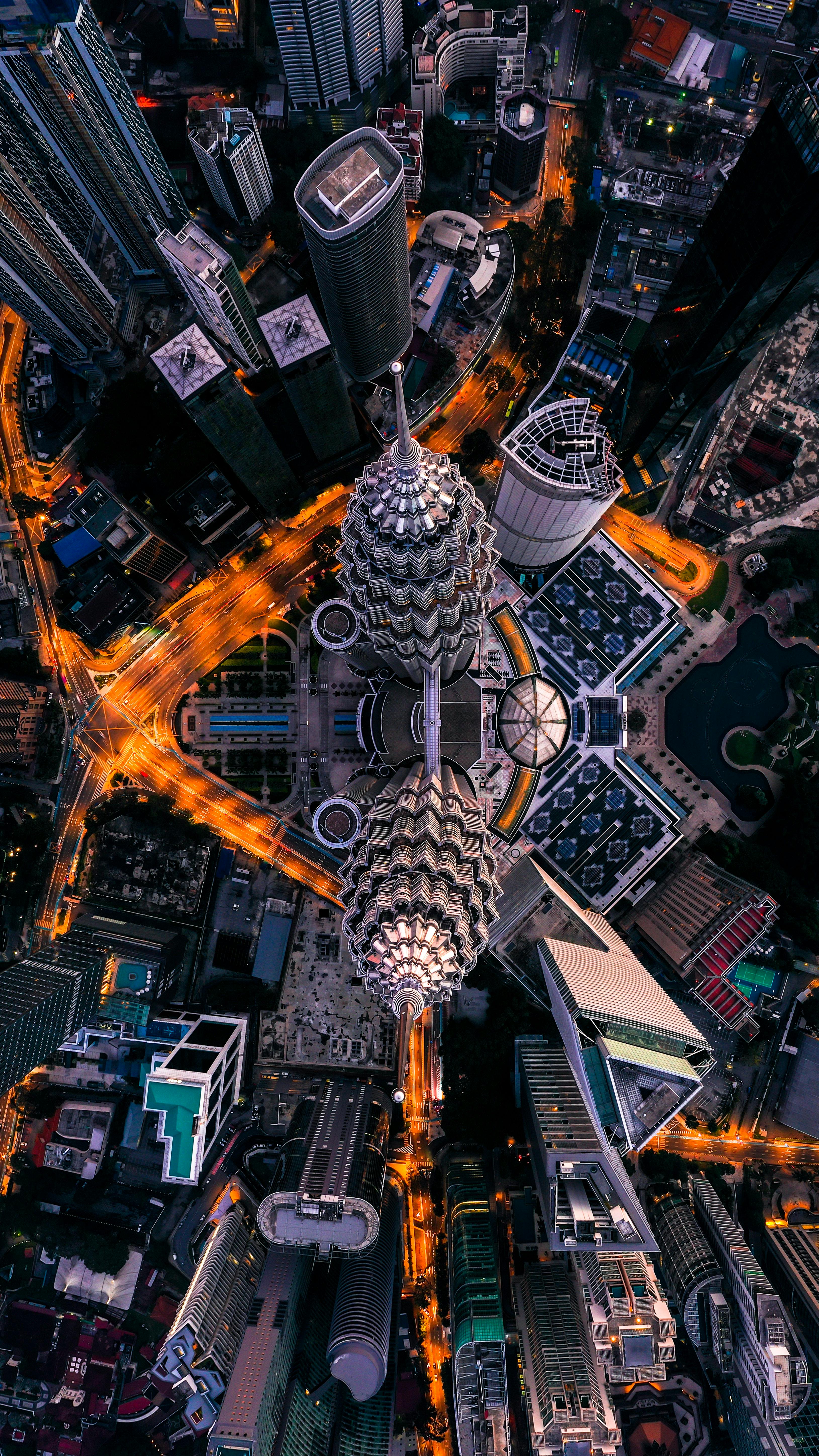
The towers remain the defining image of modern Malaysia and, frankly, they deserve the hype. At 452 meters and 88 floors each, connected by a double-decker SkyBridge at floors 41 and 42, they are a genuine feat of engineering designed by architect Cesar Pelli with Islamic geometric motifs woven through the facade.
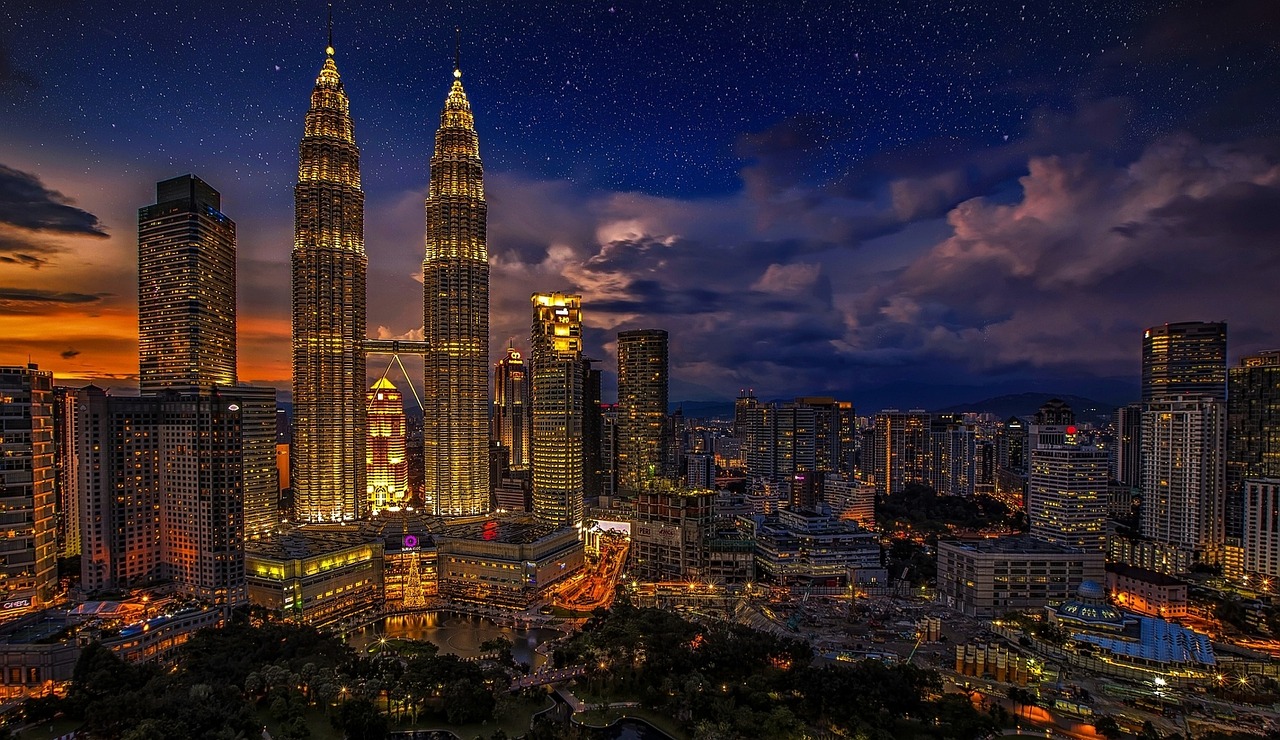
- Opening Hours: Tuesday to Sunday, 9:00 AM to 9:00 PM. Closed most Mondays (check the official website for the 2nd and 4th Monday openings).
- Entry Fees: Approximately RM 85 for adults (foreign visitors) for the Sky Experience package, including the SkyBridge and Observation Deck on the 86th floor. Book well in advance at the official site: eticket.petronastwintowers.com.my
- Pro-tip: Slots sell out days in advance, especially on weekends. Book the earliest morning slot on a Tuesday or Wednesday to avoid the longest queues. Arrive 15 minutes before your time slot, or you will forfeit entry with no refund. If you miss the indoor experience, the KLCC Park below offers unobstructed tower views for free, day or night.
Menara KL (KL Tower)
Standing 421 meters tall and ranked among the world’s tallest freestanding towers, Menara KL offers arguably better views of the city than the Petronas Towers because you can actually see the Petronas Towers from here.
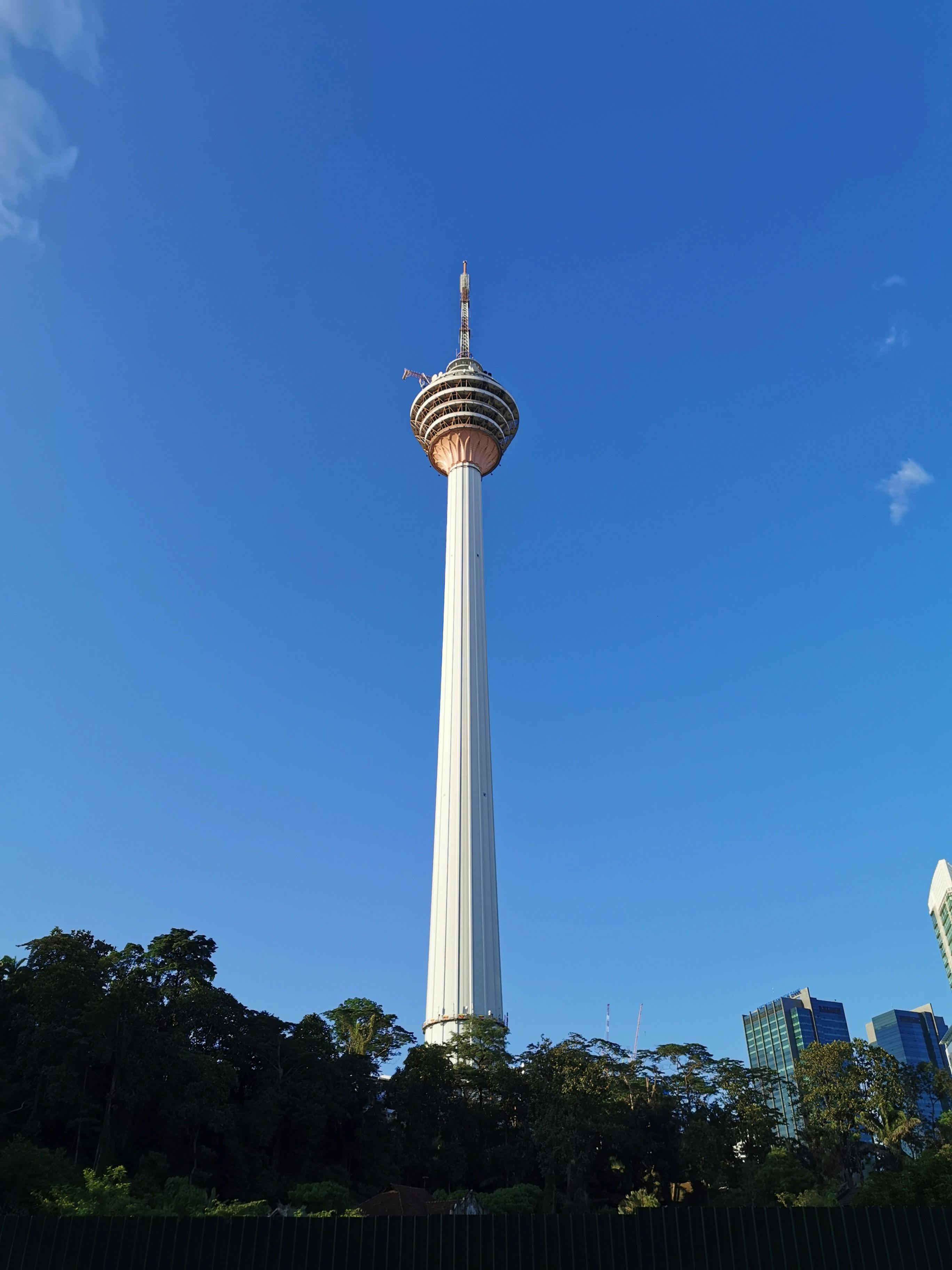
- Opening Hours: Daily, 9:00 AM to 10:00 PM
- Entry Fees: Approximately RM 49 for foreign adults (Observation Deck); RM 99 for the SkyDeck open-air platform
- Pro-tip: Book online via Klook for discounted rates. Combine your visit with a walk through the Bukit Nanas Forest Reserve at the tower’s base, one of the oldest gazetted forest reserves in Malaysia, and a completely surreal experience in the middle of a city.
Batu Caves
About 13 kilometers north of the city center, Batu Caves is a series of limestone cave temples dedicated to Lord Murugan, announced from the highway by a 42.7-meter gilded statue. The 272 steps to the main Temple Cave are steep, colorful, and often populated with monkeys. The Dark Cave beneath is a separate, scientifically significant ecosystem with rare blind cave creatures.
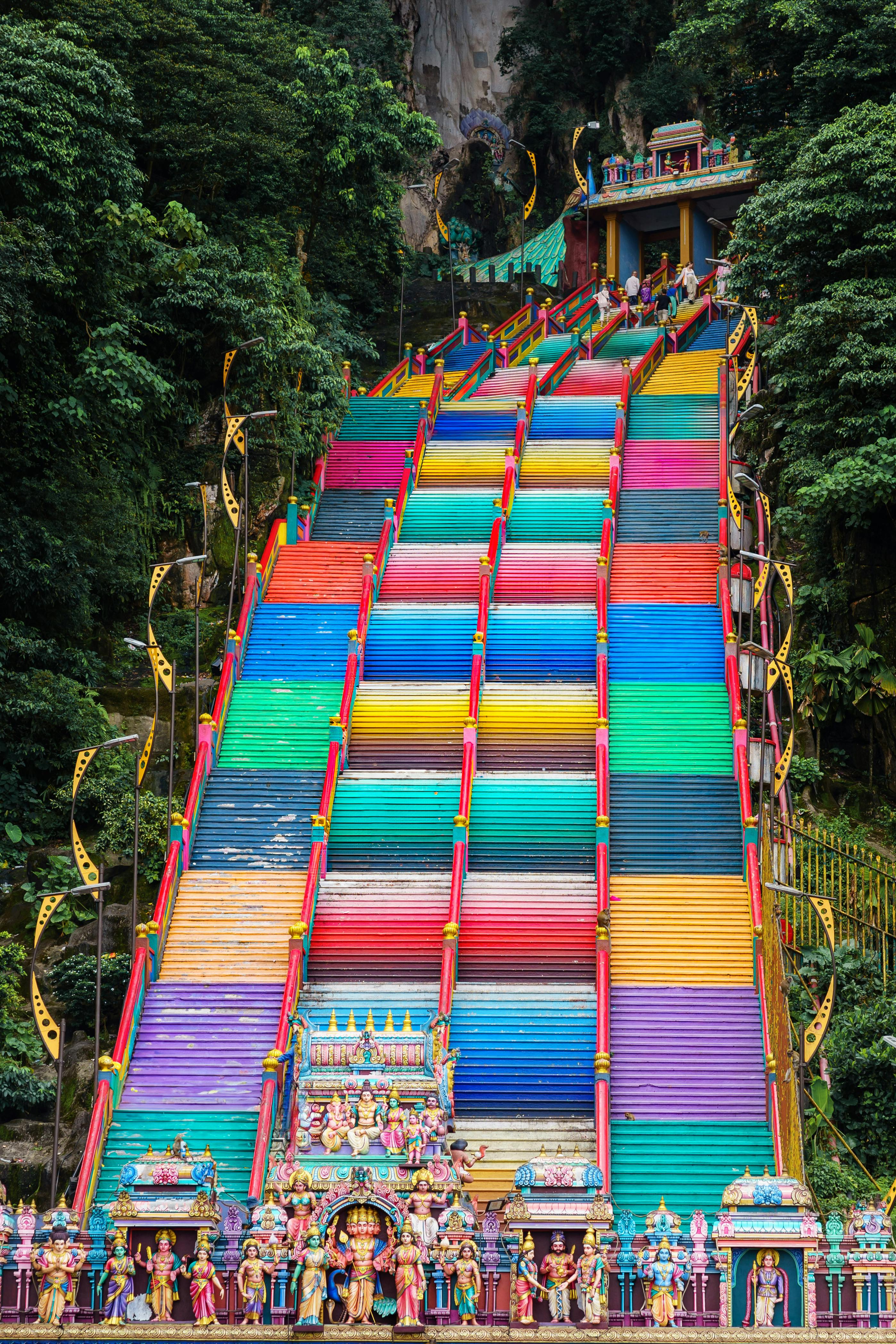
- Opening Hours: Daily, 6:00 AM to 9:00 PM
- Entry Fees: The Main Temple Cave is free. Dark Cave guided tours cost approximately RM 35 for adults and RM 25 for children.
- Pro-tip: Come before 9:00 AM if you want photographs without crowds and decent light on the steps. The annual Thaipusam festival (January or February, depending on the Hindu calendar) draws nearly a million pilgrims and is one of the most extraordinary spectacles in Southeast Asia. Take the KTM Komuter train from KL Sentral directly to Batu Caves station (approximately 30 minutes, RM 2.60) and skip the parking nightmare entirely.
Merdeka Square (Dataran Merdeka)
This is where Malaysia declared independence from Britain on August 31, 1957, and where a 95-meter flagpole flies the national flag above a manicured lawn at the Royal Selangor Club. The surrounding colonial architecture, including the mock-Tudor Selangor Club building and the Moorish Kuala Lumpur City Hall, tells the story of a city that traded one identity for another and kept the buildings.
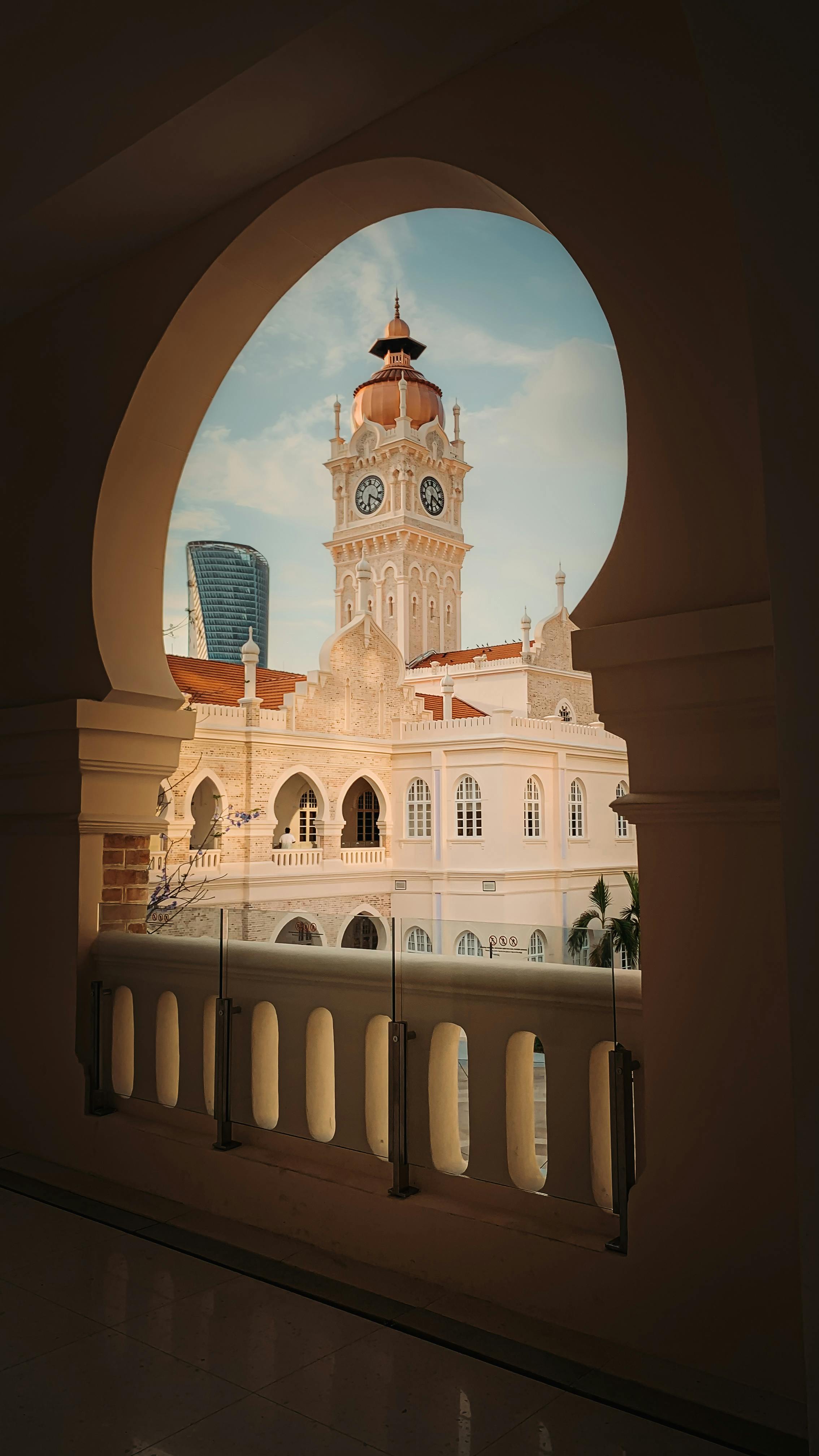
- Opening Hours: Open 24 hours
- Entry Fees: Free
- Pro-tip: Walk across to the National Mosque (Masjid Negara) and the Islamic Arts Museum Malaysia nearby, both within a 10-minute walk. The Islamic Arts Museum houses one of the finest collections of Islamic art and architecture in Asia and charges a modest entry fee of approximately RM 14 for foreign adults.
Thean Hou Temple
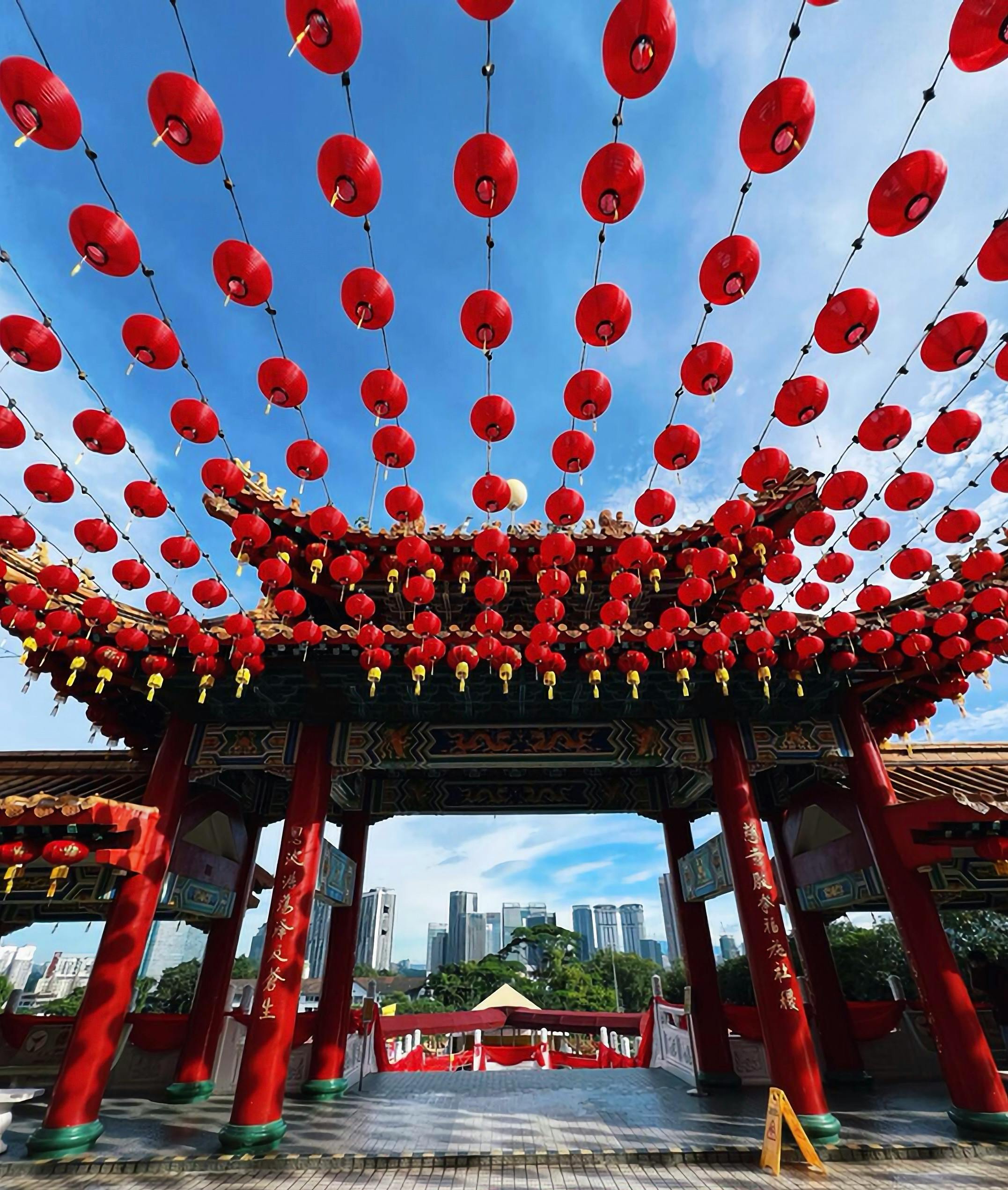
Six tiers, dedicated to the Chinese sea goddess Mazu, overlooking the city from Robson Heights. This is one of the largest Chinese temples in Southeast Asia, and it is dramatically beautiful when lit at night.

- Opening Hours: Daily, 8:00 AM to 10:00 PM
- Entry Fees: Free
- Pro-tip: Visit in the early evening to catch both the daylight and the illuminated nighttime version. The temple is particularly stunning during the Chinese New Year and the Mid-Autumn Festival.
Chinatown (Petaling Street)
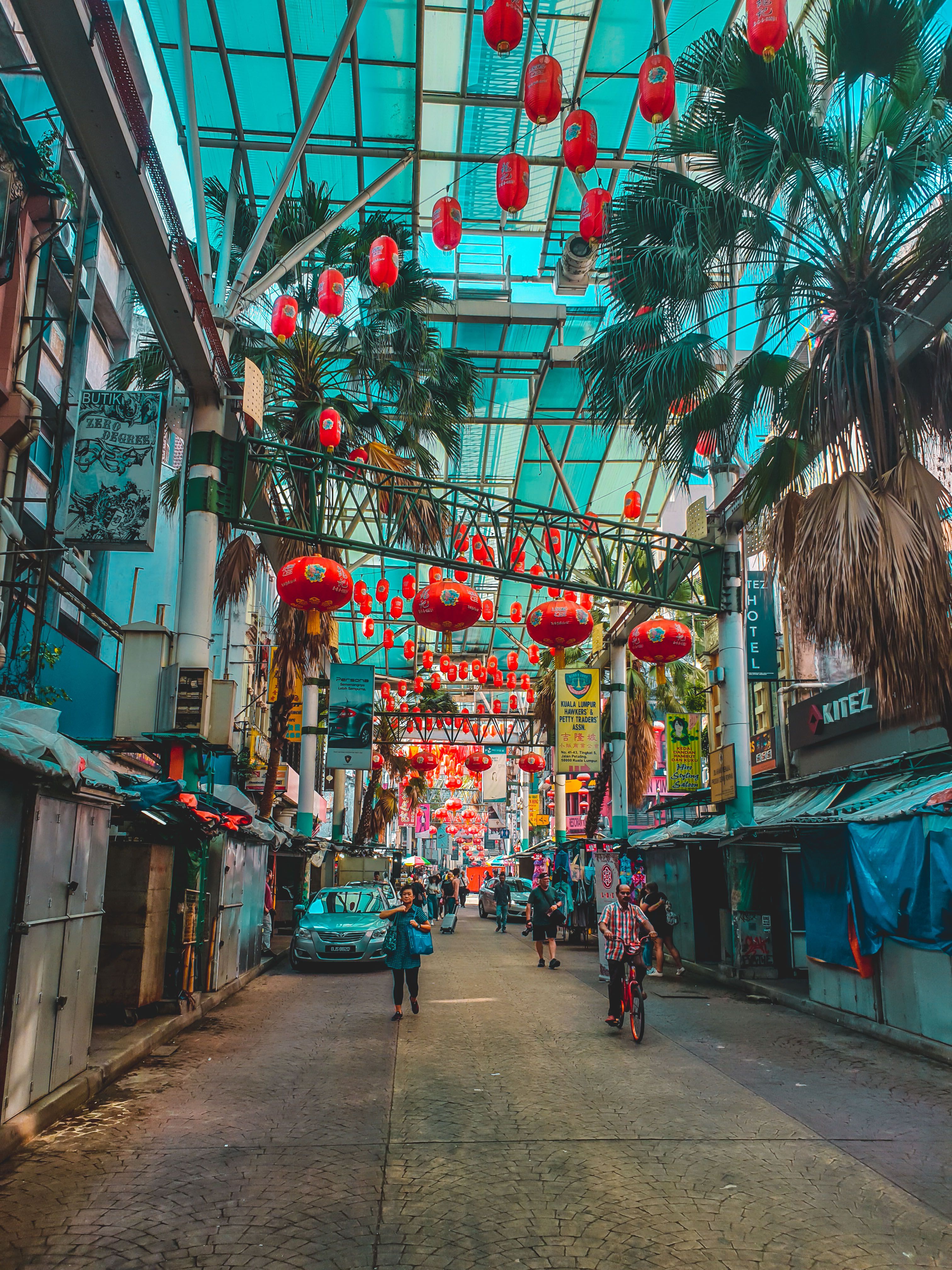
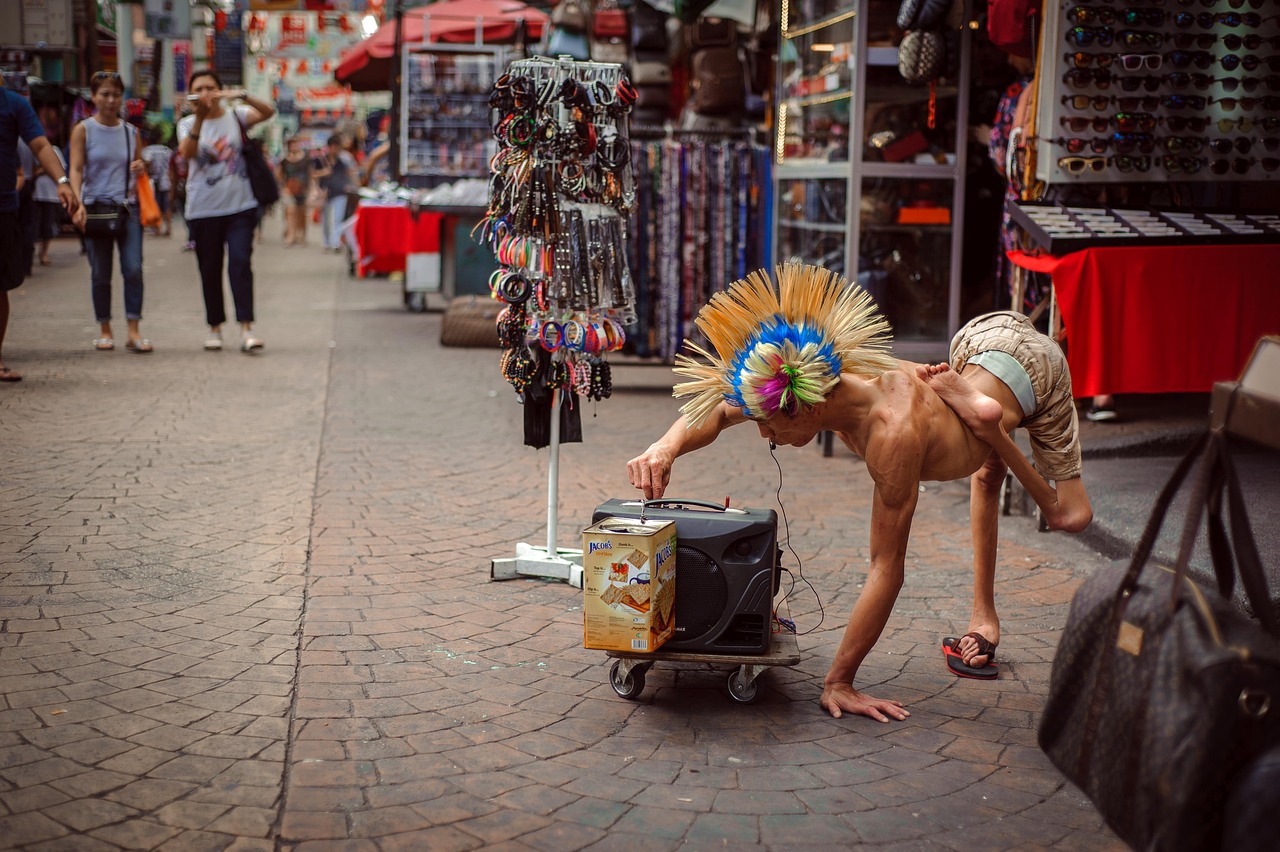
Petaling Street is Chinatown’s spine, a covered market street lined with stalls selling everything from cheap electronics to imitation goods to genuinely excellent street food. It is touristy, yes, but it is also a working neighborhood where elderly residents do their morning Tai Chi and dim sum orders come in thick exercise books.
- Opening Hours: Stalls begin early in the morning; the street market runs until late at night
- Entry Fees: Free
- Pro-tip: The real finds are in the surrounding lanes and alleyways, particularly Kwai Chai Hong, a restored heritage alley with murals, art deco shopfronts, and a handful of good cafes. Get here before 10 AM to beat the tour groups.
Hidden Gems
Kampung Baru
This is the oldest Malay village in KL, a designated agricultural settlement since 1900 that somehow survived as the city grew up around it. Walking Kampung Baru today means traditional timber houses on stilts sitting meters from glass towers, nasi lemak stalls that open before dawn and sell out before breakfast ends, and the kind of neighborhood feeling that central KL lost decades ago. The Kampung Baru Bazaar on Sunday mornings is the best street food market in the city, full of pasar malam classics and home-cooked Malay dishes you will not find anywhere near the tourist trail.

Chow Kit Market
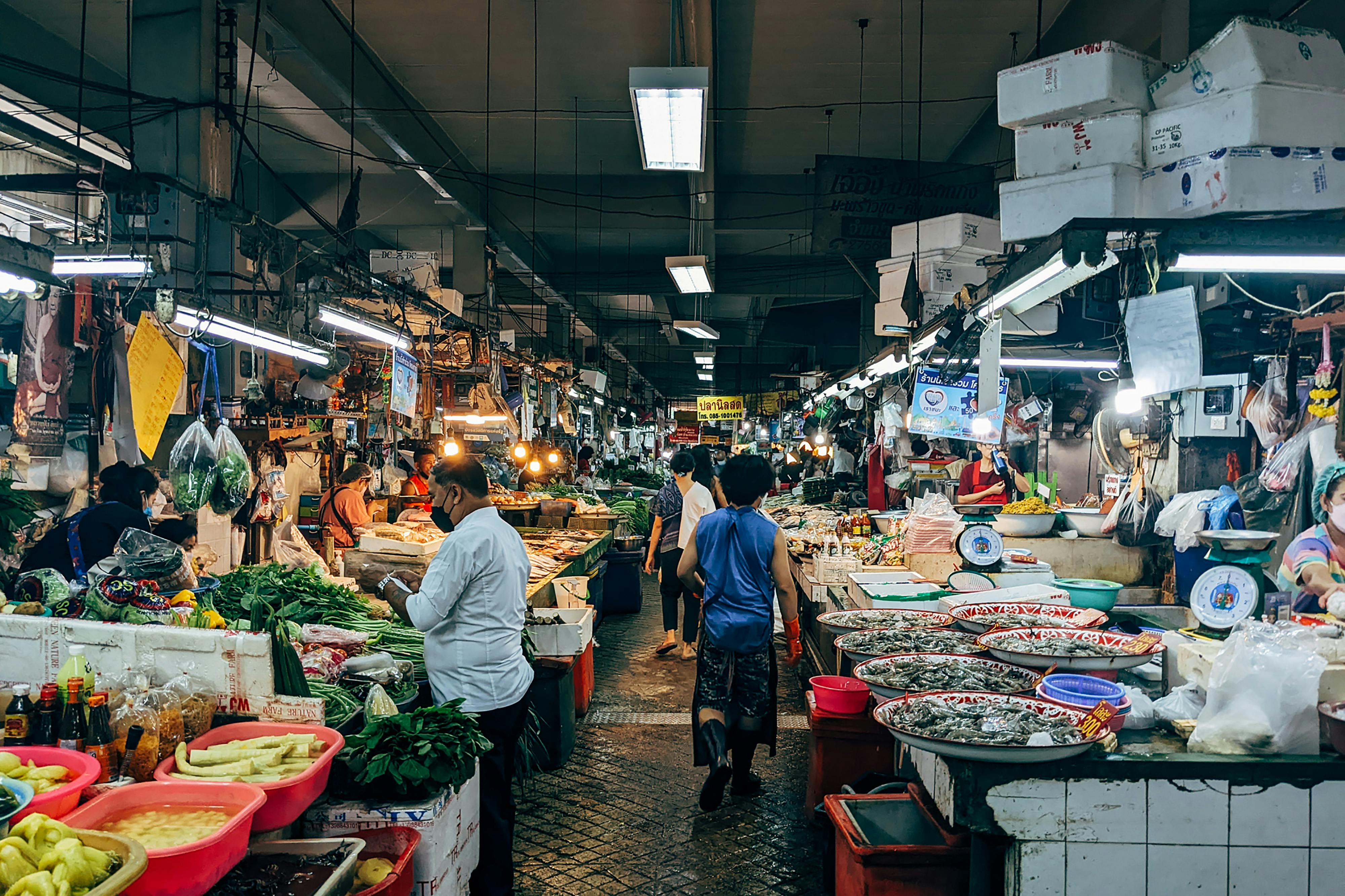
Anthony Bourdain came here. That should tell you enough. Chow Kit is KL’s largest surviving wet market, a maze of butchers, fishmongers, and vegetable vendors that operates with a focused intensity from before dawn until midday. The surrounding streets are home to the city’s most authentic Malay and Indonesian street food, including satay stalls that fire up the charcoal before most people have finished breakfast. It is loud, it smells strongly, and it is exactly the kind of place that reminds you food is serious business.
Bukit Nanas Forest Reserve
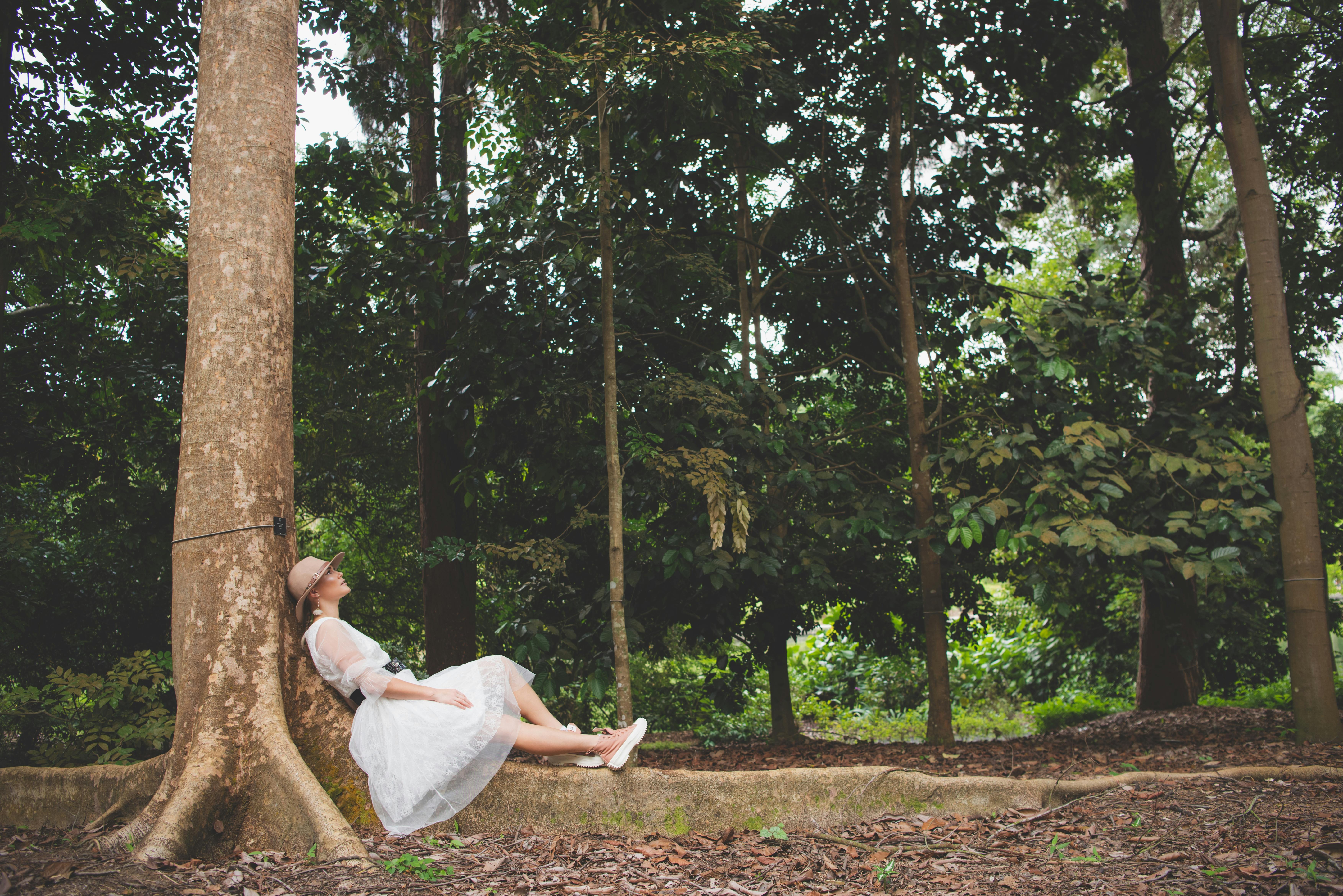
A 10.5-hectare patch of actual rainforest in the center of the city, gazetted in 1906 and somehow never cleared. Walking the trails here, with gibbons in the canopy above and the KL skyline visible through the trees, is genuinely disorienting. Entrance is free, the trails take between 30 and 60 minutes, and it connects directly to the KL Tower base.
Bangsar
The neighborhood where KL’s creative class, expats, and well-traveled locals actually live. Bangsar has excellent independent coffee shops, some of the city’s best mid-range restaurants, a proper wet market, and a Sunday-morning book market at Amcorp Mall (actually in nearby Petaling Jaya, a short ride away) that is worth the detour for secondhand books and vinyl. The area around Jalan Telawi is particularly good for evening eating and drinking without the Bukit Bintang tourist crowds.

Cuisine and Dining
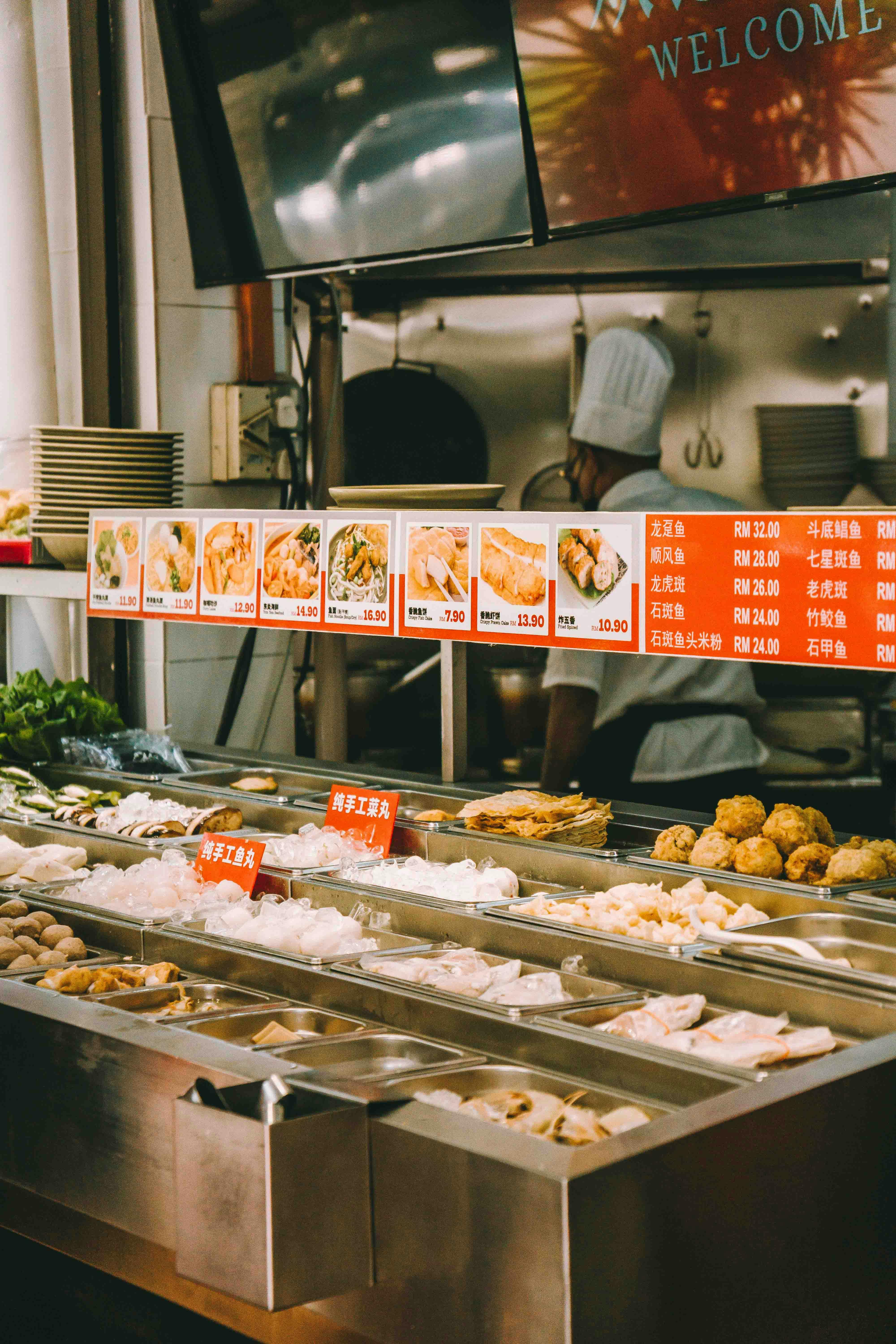
KL’s food scene is the product of three major culinary traditions, Malay, Chinese, and South Indian, plus decades of cross-pollination that have produced dishes that belong entirely to Malaysia. The city also holds seven Michelin-starred restaurants as of the 2025 Michelin Guide, making it a serious fine-dining destination.
Must-Try Dishes
- Nasi Lemak: The national dish. Fragrant rice steamed in coconut milk and pandan leaves, served with crispy anchovies, roasted peanuts, cucumber, a hard-boiled egg, and fiery sambal. Every stall makes it differently, which is the point.
- Roti Canai: Flaky, layered flatbread cooked on a tawa and served with dhal or curry for dipping. It is one of the great breakfasts, costs about RM 1.50, and is available around the clock at every mamak (Indian-Muslim) restaurant in the city.
- Char Kway Teow: Flat rice noodles stir-fried at high heat with prawns, egg, Chinese sausage, and bean sprouts. The “wok hei,” the scorched, smoky breath of the wok, is everything.
- Laksa: In KL, this usually means curry laksa, a rich coconut milk broth with noodles, tofu puffs, prawns, and cockles. Every cook has a slightly different recipe, and most are fiercely protective of it.
- Bak Kut Teh: Pork ribs slow-cooked in a herbal broth, served with rice and youtiao (fried dough sticks). A Sunday morning institution, especially in the Klang Valley.
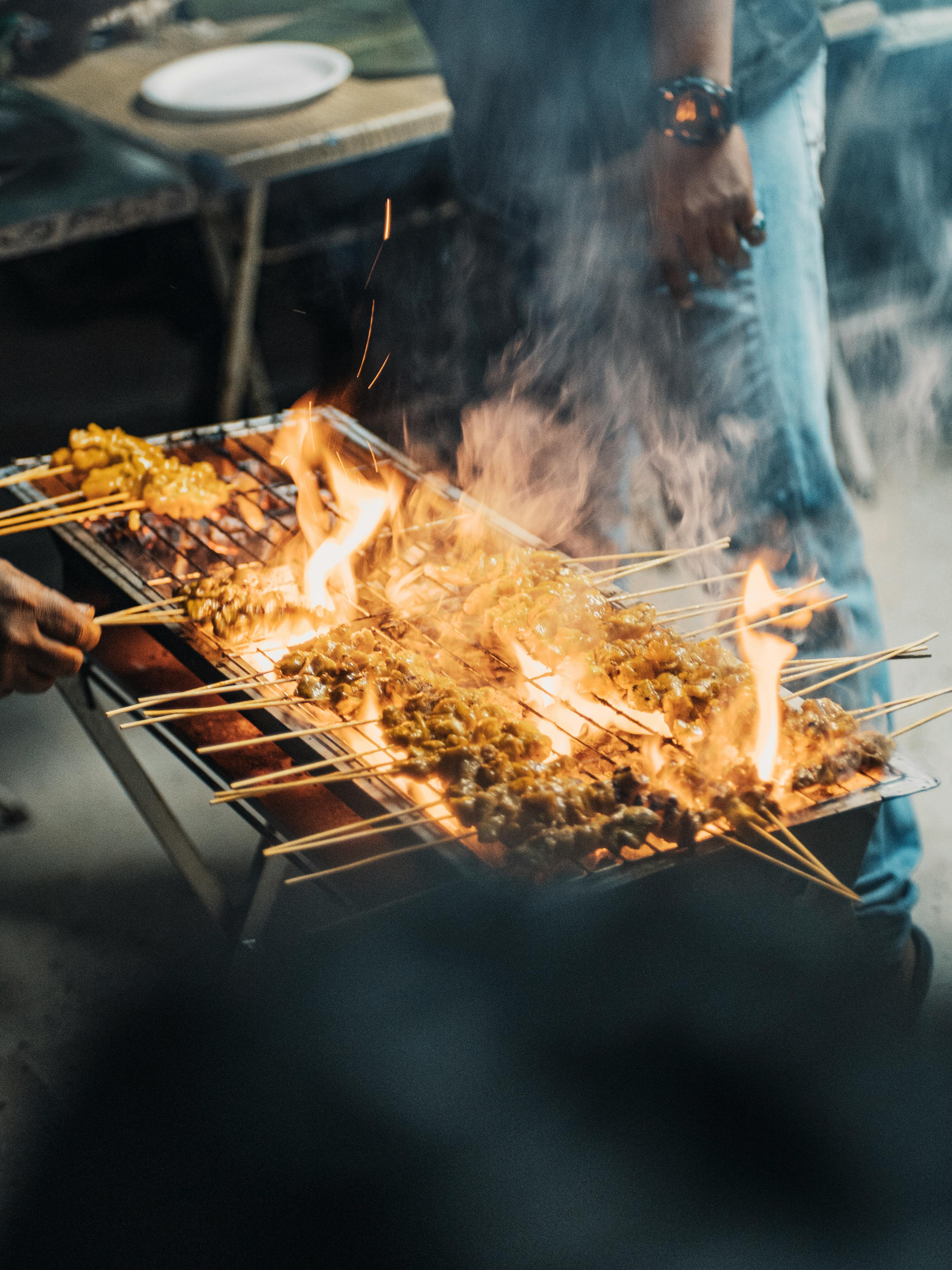
- Satay: Charcoal-grilled skewers of marinated chicken, beef, or lamb served with compressed rice, cucumber, and peanut sauce. The version at Kajang, a short train ride from KL, is legendary.
- Cendol: A cold dessert of pandan-flavored jelly noodles in coconut milk with palm sugar syrup and shaved ice. Essential in the heat.
- Teh Tarik: “Pulled tea,” a frothy, sweet milk tea made by pouring between two cups from a height. The unofficial national drink, available everywhere, costs about RM 2.
Budget Dining (Under RM 20 per person)
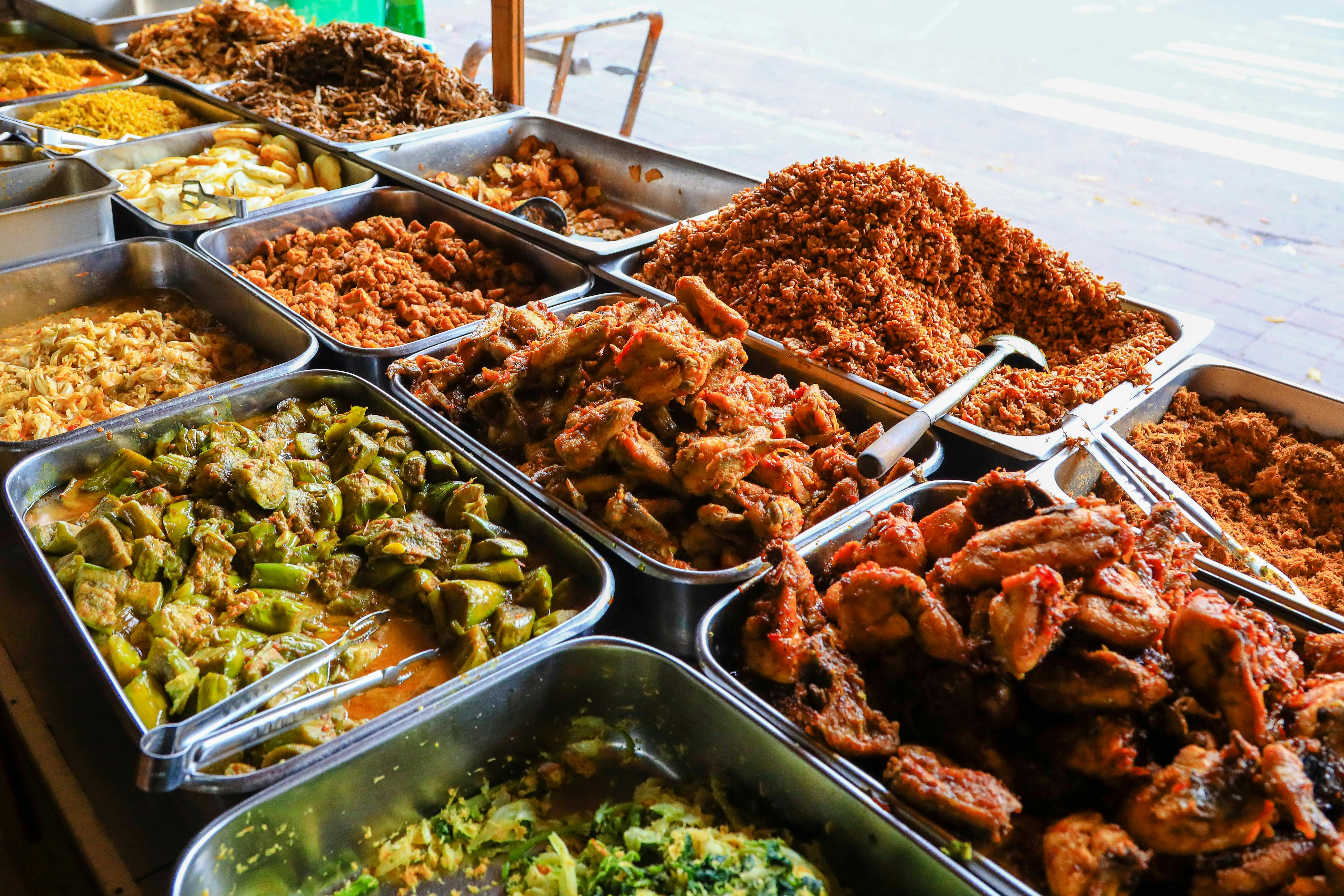
- Nasi Lemak Tanglin (Kompleks Makan Tanglin): One of the city’s most celebrated versions of the national dish. Open 7 AM to 1 PM daily. A full plate with sides costs approximately RM 5 to 8.
- Kin Kin Restaurant (multiple locations): Famous for its signature dry Chili Pan Mee, springy handmade noodles with minced pork, a poached egg, and a house-made chili mix that is quietly addictive.
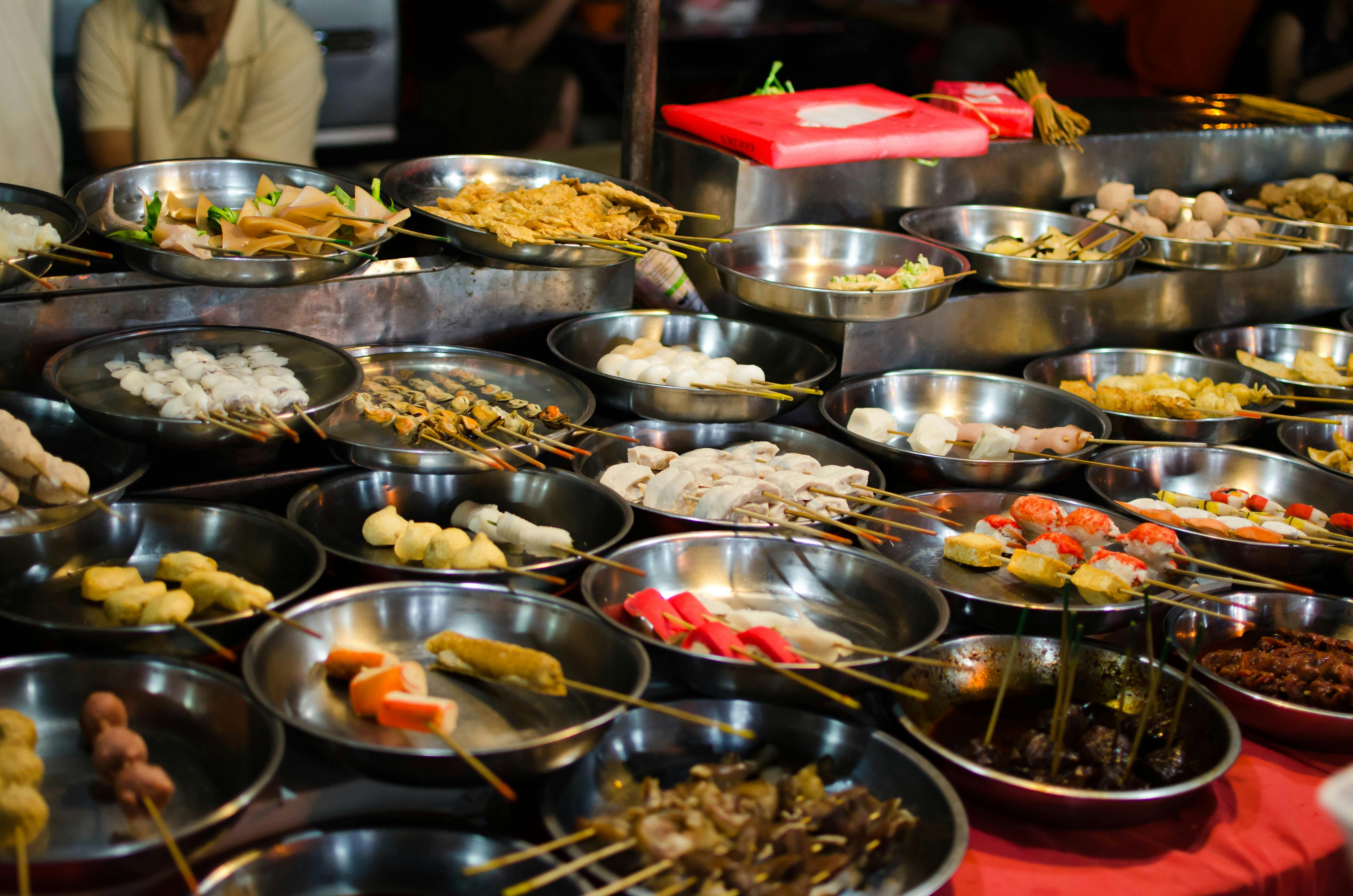
- Jalan Alor Food Street (Bukit Bintang): KL’s most famous night market street, a long row of open-air Chinese seafood and hawker stalls that fire up after 6 PM. It is tourist-heavy and slightly overpriced by local standards, but the atmosphere is genuine and the food, particularly the BBQ chicken wings at Wong Ah Wah, is excellent.
- Lot 10 Hutong Food Court (Bukit Bintang): An air-conditioned underground food court that aggregates iconic hawker stalls from across the Klang Valley. Excellent for roast duck, dim sum, and Hainanese chicken rice under one roof.
Mid-Range Dining (RM 50 to 150 per person)
- Ember (Jalan Perak, KLCC area): Michelin-selected. A modern Asian restaurant centered on charcoal cooking with locally sourced, seasonal ingredients. The atmosphere is laid-back, but the food is serious. Book ahead.
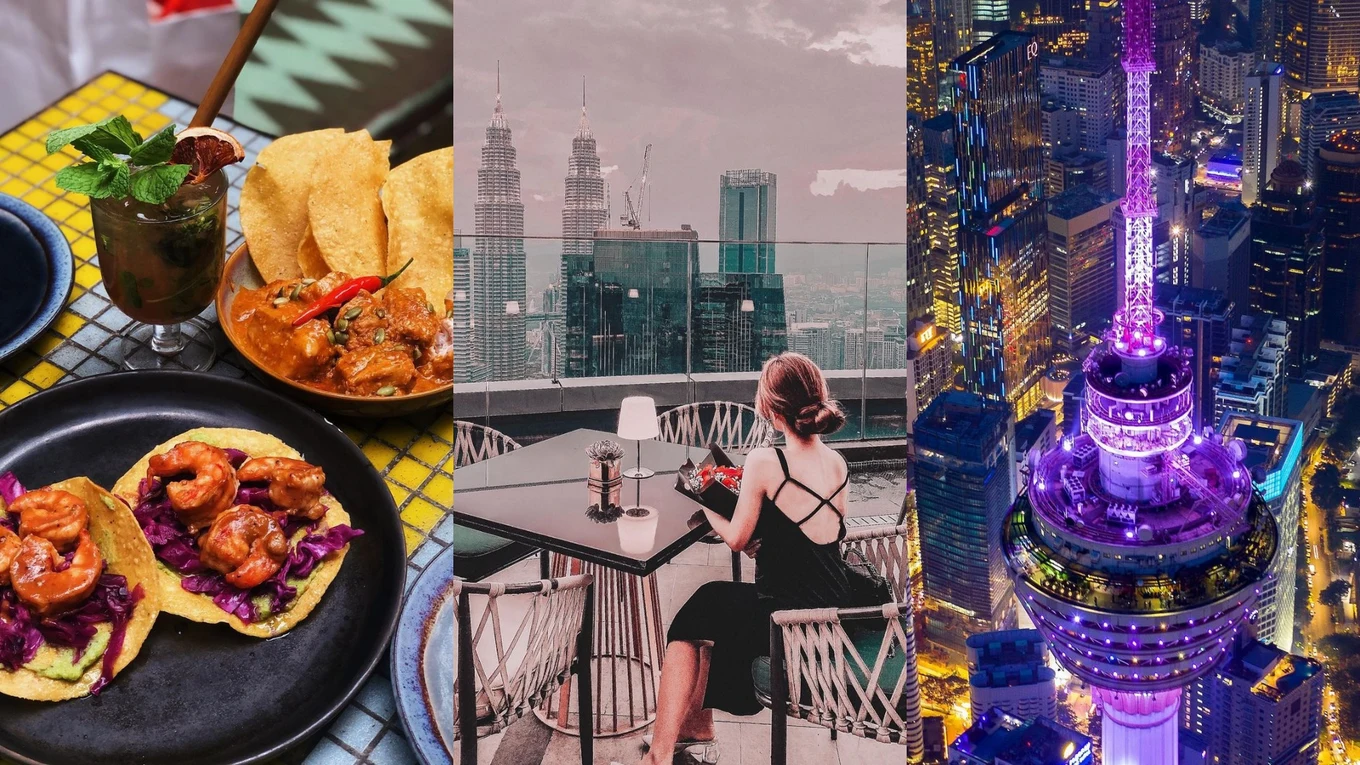
- Cantaloupe (Troika Sky Dining, Persiaran KLCC): Contemporary European dishes with a panoramic city view and the Petronas Towers framed in the window. Best at sunset. The bar is excellent.
- DC by Darren Chin (one Michelin Star): Contemporary French-influenced fine dining from one of Malaysia’s most acclaimed chefs. Technically a fine-dining venue, but the set lunch menus bring it into the accessible mid-range.
Fine Dining
- Dewakan (Naza Tower, Jalan Persiaran KLCC): Two Michelin Stars plus Malaysia’s first-ever Michelin Green Star, awarded in 2025. Chef Darren Teoh works with hyper-local, foraged, and indigenous Malaysian ingredients, including species most Malaysians have never tasted, to produce tasting menus that read like a map of the country’s biodiversity. The 11-course menu is priced at approximately RM 300; the 17-course at approximately RM 370. Located on the 48th floor with panoramic city views. Book weeks in advance.
- Beta (Jalan Perak, one Michelin Star): Chef Raymond Tham deconstructs Malaysian classics into precise, beautiful plates. Familiar flavors rendered unrecognizable and then made perfect again.
- Molina (The Face Suites, one Michelin Star, 2025 Opening of the Year): A French-Nordic-Asian fusion restaurant on the 51st floor, opened in 2024 and awarded a star almost immediately. Chef Guillaume Depoortere brings restrained European technique to Southeast Asian ingredients with striking results.
Market Recommendations
- Chow Kit Wet Market: The real deal for fresh produce, meat, and surrounding street stalls. Best before noon.
- Jalan Alor: Evening hawker street, Bukit Bintang. Nightly from around 6 PM.
- Kampung Baru Sunday Market: Sunday mornings only. Authentic Malay bazaar food with minimal tourist traffic.
- Petaling Street Market: Daily, with the best hawker food in the surrounding alleyways rather than on the main street itself.
Accommodation
Budget (Hostels and Guesthouses)
Stay in Chinatown (Petaling Street / Bukit Bintang border) for budget-friendly options with immediate access to street food and the city’s cultural core.
- Mingle Hostel (Chinatown): Long-standing backpacker favorite with private rooms, dorms, a rooftop hot tub, and a location within walking distance of most central attractions. Dorms from approximately RM 40; private rooms from RM 100.
- Reggae Mansion (Chinatown): A large, social hostel with multiple floors, a rooftop bar, and organized city tours. Good for solo travelers. Dorms from approximately RM 50.
- BackHome KL (Chinatown): A quieter, more design-focused budget option in a restored heritage shophouse. From approximately RM 45 for dorms.

Mid-Range (Boutique Hotels)
Stay in Bangsar for a local residential feel with excellent restaurants and nightlife. KLCC and Bukit Bintang for central access to major attractions.
- The Yard Boutique Hotel (Chow Kit): A beautifully restored heritage building in an underrated neighborhood. Rooms from approximately RM 200 per night.
- Almari Boutique Hotel (Bangsar): Small, design-forward property popular with regional travelers and creatives. Well-located for the Bangsar dining scene. From approximately RM 180.
- Hotel Stripes Kuala Lumpur (Jalan Kamunting, KLCC): Autograph Collection property in a restored Art Deco building. Great design, excellent location, and a genuine sense of place. From approximately RM 350.

Luxury
Stay in KLCC for tower views and direct mall access, or Bukit Bintang for walkability to the city’s best dining.
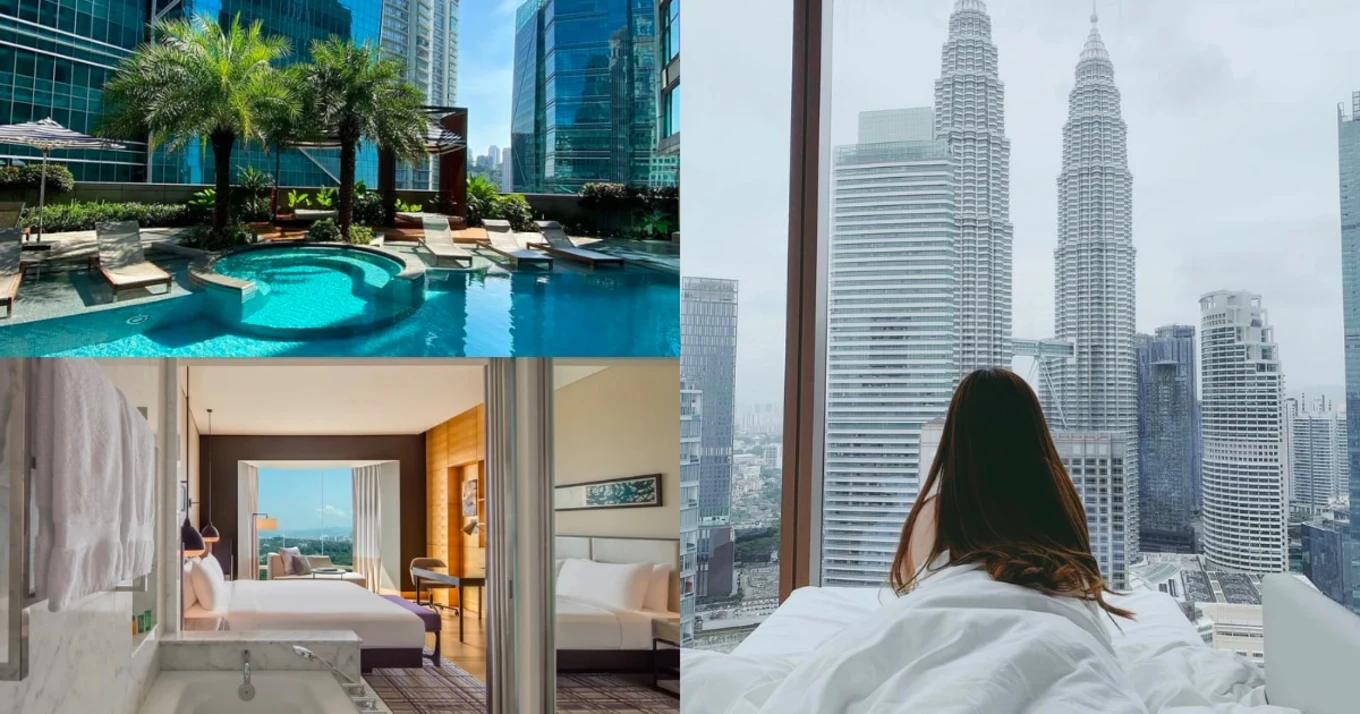
- Mandarin Oriental Kuala Lumpur (KLCC): A landmark property directly connected to Suria KLCC mall with Petronas Towers views from the upper floors. Rooms typically range from RM 700 to 1,200 per night. The Michelin Guide awards ceremony was held here in 2025.
- The Ruma Hotel and Residences (KLCC): A newer luxury property with thoughtful Malaysian design details, an excellent rooftop pool, and some of the best staff in the city. From approximately RM 600 per night.
- Rosewood Kuala Lumpur (Jalan Kia Peng): Opened in 2022 and immediately established as one of the city’s best, with an extraordinary bar program, multiple dining concepts, and a level of detail that justifies the rates, from approximately RM 1,000 per night.
Transportation
Getting to Kuala Lumpur
By Air: Kuala Lumpur International Airport (KLIA) is Malaysia Airlines’ main hub and handles most international flights. Budget carriers use KLIA2, a separate terminal on the same site. The airport is approximately 57 kilometers south of the city center.

- KLIA Ekspres train: The fastest option. Runs every 15 to 30 minutes between KLIA/KLIA2 and KL Sentral in approximately 28 to 30 minutes. Tickets cost approximately RM 55 for adults (one way). Buy online in advance for slight discounts.

- Grab (rideshare): Metered, predictable, and available immediately on arrival. Budget RM 60 to 100 for a standard car to central KL, depending on traffic.
- Airport Coach buses: Available from both terminals to multiple points in central KL, approximately RM 12 to 15. Slower but budget-friendly.
Getting Around Kuala Lumpur
Touch ‘n Go Card: Pick one up at any train station upon arrival. This prepaid card works across the MRT, LRT, Monorail, KTM Komuter, RapidKL buses, and even some parking facilities. Tap in, tap out. Single train fares run from approximately RM 1.10 to RM 7.50 depending on distance.
MRT (Mass Rapid Transit): The most modern part of the network, with two operational lines connecting central KL to the suburbs. The Putrajaya Line, opened in phases in 2022 and 2023, is Malaysia’s first driverless automated metro. Clean, air-conditioned, and reliable.
LRT (Light Rail Transit): Three lines (Kelana Jaya, Ampang, and Sri Petaling) covering central and suburban KL. The Kelana Jaya Line is the most useful for tourists, stopping at KLCC (Petronas Towers) and Bangsar.
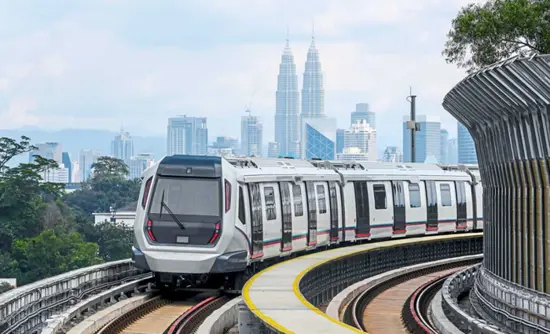
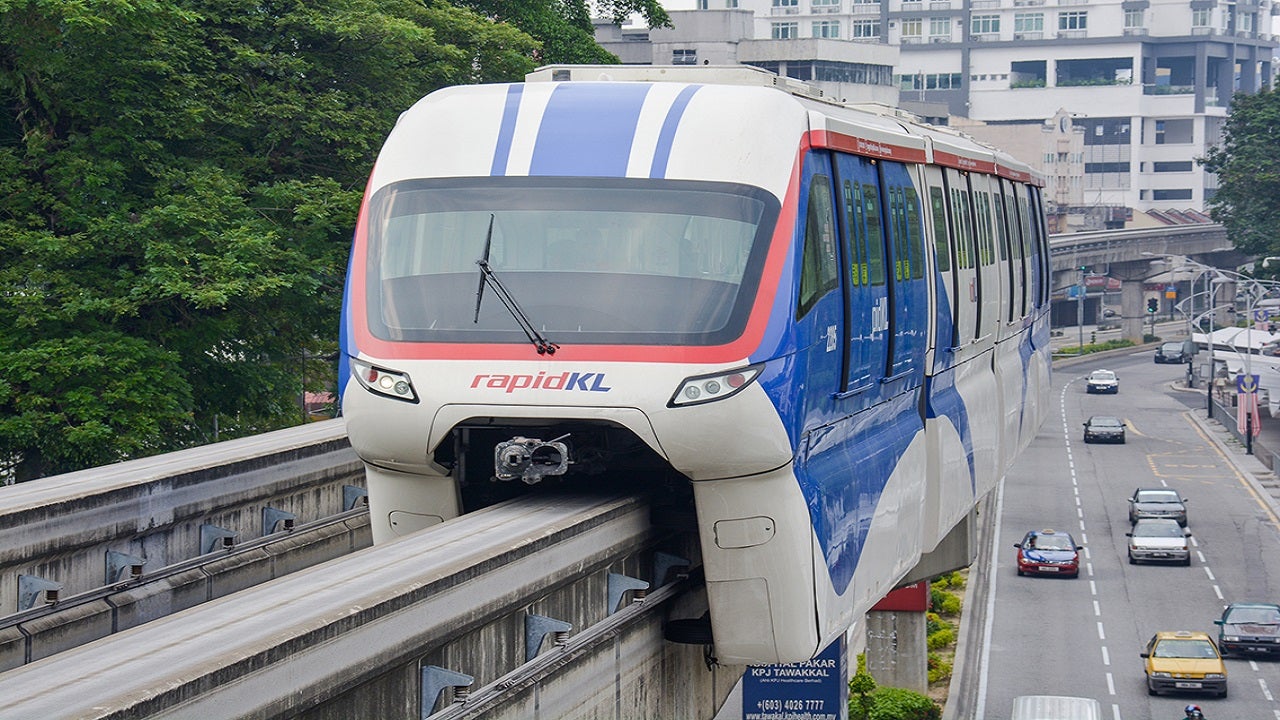
KL Monorail: An elevated single line running through Bukit Bintang and Chow Kit. Excellent for the shopping and dining districts.
KTM Komuter: The suburban commuter rail. Take this to Batu Caves (direct from KL Sentral, approximately 30 minutes, RM 2.60).
Go KL Free Bus: A city bus service covering major tourist zones, including Bukit Bintang, KLCC, Chinatown, and the Lake Gardens. Non-Malaysians pay RM 1 per ride via cashless payment. Route maps are available on Google Maps and the GoKL app.
Grab: The dominant rideshare app in Malaysia. Download before arrival, register a payment method, and use it for any journey where the train does not reach. Cheaper and more reliable than street taxis.
MyCity Tourist Pass: A 1-day or 3-day unlimited travel pass covering LRT, MRT, Monorail, and RapidKL buses. Available at train station service counters and loaded onto a Touch ‘n Go card.
Events and Festivals
Thaipusam (January or February)
Thaipusam at Batu Caves is one of the most spectacular religious events in Southeast Asia. Tamil Hindu devotees carry kavadis (elaborate wooden structures pierced through the skin) up the 272 steps to the Temple Cave as acts of devotion and penance, accompanied by hundreds of thousands of spectators and an atmosphere that is simultaneously intense, joyful, and deeply moving. The procession begins at the Sri Maha Mariamman Temple in Chinatown and moves to Batu Caves overnight. Arrive before dawn to watch the procession and climb early before the heat builds.
Chinese New Year (January or February)
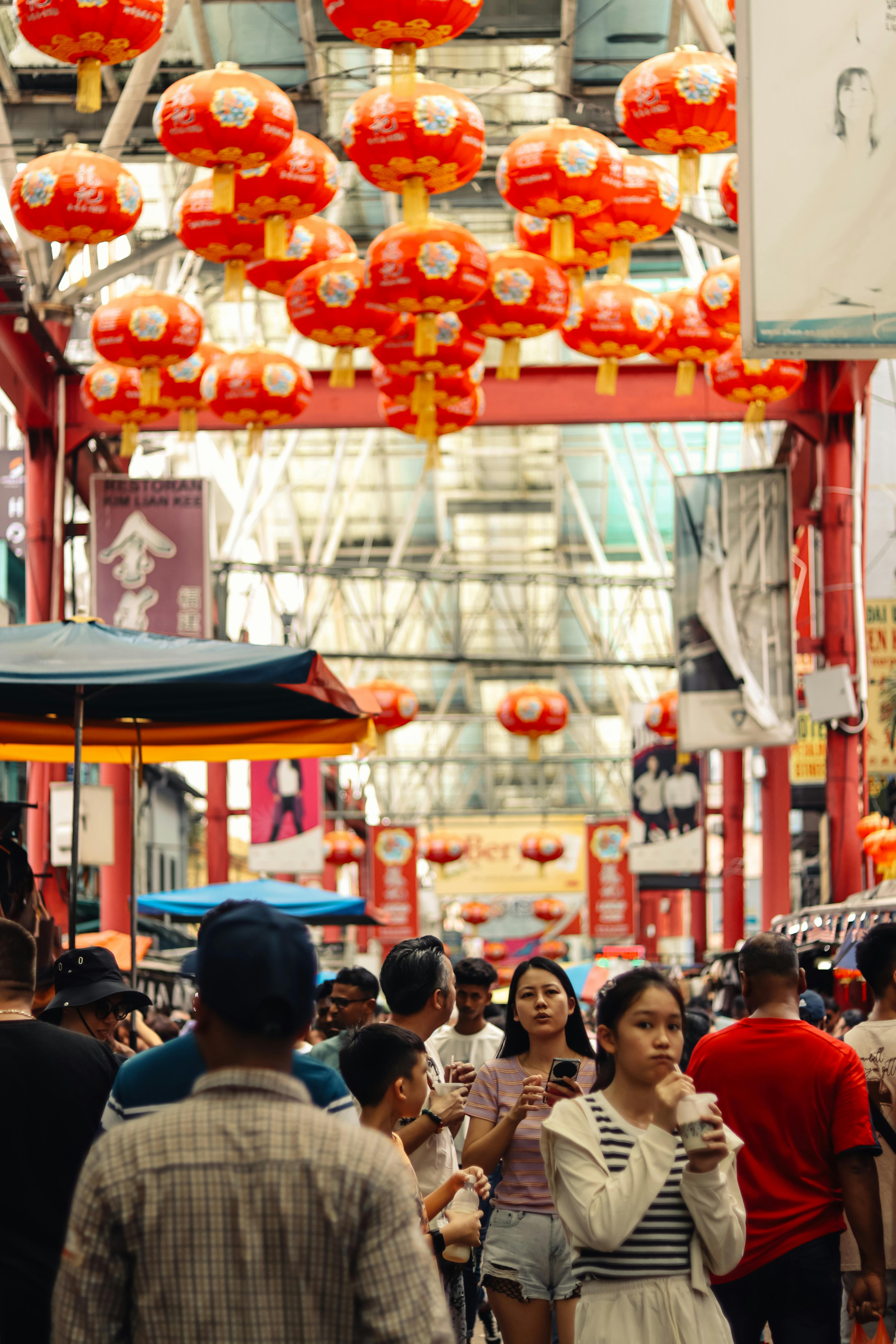
Chinatown transforms with lanterns, lion dances, and midnight fireworks for about two weeks around the Lunar New Year. The best experience is the Chee Cheong Kai celebrations in Petaling Street, where entire streets are closed for performances and food bazaars. Many restaurants close on the first two days, but markets and food stalls are often at their most atmospheric.
Malaysia Independence Day Celebration (August 31)
Dataran Merdeka hosts the country’s National Day parade with military processions, cultural performances, and a fireworks display. The surrounding heritage district fills up with street parties the night before. This is the best time to understand KL’s particular brand of multicultural nationalism: deeply felt, sometimes complicated, and expressed primarily through food.

Shopping
Best Shopping Areas
Bukit Bintang: KL’s main shopping corridor runs from Pavilion KL through Lot 10, Fahrenheit 88, and Starhill Gallery down to Berjaya Times Square. This strip covers everything from H&M to Balenciaga and is also home to the Bukit Bintang street food stretch along Jalan Alor.
KLCC (Suria KLCC): The mall at the base of the Petronas Towers is Malaysia’s most prestigious retail address. High-end brands, a solid food court, Kinokuniya (one of the best English-language bookshops in Southeast Asia on the upper floors), and the reassurance of air conditioning during a rainstorm.
Petaling Street (Chinatown): Budget shopping for fabrics, imitation goods, and cheap electronics. The real treasures are the traditional medicine shops, fabric vendors, and antique dealers on the surrounding streets.
Jalan Masjid India and Brickfields (Little India): Silk saris, gold jewelry, incense, banana leaf restaurants, and the best range of Indian spices and cooking ingredients in the city.
What to Buy
- Batik fabric and clothing: Malaysian batik uses a wax-resist printing technique, producing geometric and floral patterns quite different from Javanese batik. The best shops are in Chinatown and Jalan Masjid India. A good-quality batik shirt runs RM 60 to RM 200.
- Pewterware: Royal Selangor is the world’s largest pewter manufacturer, headquartered in KL. The flagship store in Setapak offers factory tours. Prices start from RM 30 for smaller pieces.
- Petronas Twin Towers merchandise: The official gift shop at the towers’ concourse level carries quality items, including metal scale models, prints, and branded goods. More tasteful than most souvenir shops.
- Local coffee (Kopi): Malaysian robusta-heavy kopi from the kopitiam tradition is distinctive, strong, and excellent. Vacuum-packed bags from Chow Kit market or Old Town White Coffee make excellent portable souvenirs.
- Traditional Malay crafts: Songket silk weaving, keris knife handles, and woven mengkuang baskets are available at the Central Market (Pasar Seni) on the riverbank, a heritage art deco building turned craft and cultural market open daily.
Practical Information
Visa
Most nationals from the European Union, the UK, the USA, Australia, Canada, and most ASEAN countries can enter Malaysia visa-free for stays of up to 90 days. Indian, Chinese, and many other nationals can apply for eVisas online. Always verify current requirements on the official Immigration Department of Malaysia website (imi.gov.my) before travel, as policies change.
Currency
The Malaysian Ringgit (RM or MYR) is the national currency. As of early 2026, approximate exchange rates are RM 4.5 to 1 USD, RM 5.6 to 1 GBP, and RM 4.8 to 1 EUR, though these fluctuate. ATMs are widespread and accept international cards. Avoid currency exchange booths at the airport, which offer poor rates; use airport ATMs or exchange on Jalan Bukit Bintang instead. Most restaurants, hotels, and shopping malls accept Visa and Mastercard. Street stalls and markets remain cash-only.
Language
Bahasa Malaysia (Malay) is the official language. English is widely spoken throughout KL, particularly in tourist areas, hotels, shopping malls, and by most educated younger Malaysians. Menu boards, signage, and transport information are typically in both English and Malay. Mandarin and Tamil are also widely spoken in their respective communities.

Safety
KL is generally safe for tourists. The primary concerns are petty theft (bag-snatching and pickpocketing) in crowded areas like Chinatown, Jalan Alor, and bus terminals, particularly at night. Do not leave bags draped over chairs or hanging on scooter-accessible sides. Avoid carrying your passport as a daily document; leave it in the hotel safe and carry a photocopy. Traffic is the greatest risk: KL drivers are aggressive, and pedestrian crossings are sometimes theoretical.
Emergency number: 999 (police, fire, ambulance). Tourist Police are stationed near major attractions.
Etiquette
Shoes off: Remove footwear before entering private homes and many traditional restaurants. Look for the pile of shoes outside the door.
Right-hand only: In Malay and Indian etiquette, the left hand is considered unclean. Use the right hand to pass food, receive change, or greet someone.
Dress code at religious sites: Cover shoulders and knees when visiting mosques, temples, and Hindu shrines. Many sites provide sarongs and headscarves at the entrance for visitors who need them.

No public affection: Physical affection between couples (including same-sex couples, where public displays could attract legal attention) is best kept private in public spaces.
Head touching: Never touch another person’s head, including children’s. The head is considered sacred in both Malay and Buddhist/Hindu traditions.
Pointing: Use your thumb or an open hand rather than your index finger when indicating directions or people.
Tipping: Malaysia has no strong tipping culture. Most upscale restaurants and hotels automatically add a 10% service charge and an 8% SST (Sales and Service Tax). At hawker stalls and casual restaurants, tipping is not expected. Rounding up a taxi fare or leaving small change at a mid-range restaurant is appreciated but not obligatory. If a server has been exceptional, RM 5 to 20 at a mid-range establishment is generous and always welcome.
Alcohol: Malaysia is a predominantly Muslim country. Alcohol is available in non-halal restaurants, bars, supermarkets, and hotel outlets but is not served in Muslim-owned establishments. Do not bring your own alcohol into a restaurant without checking with the restaurant first.
Packing List
Year-Round Essentials
- Lightweight breathable clothing: Linen, light cotton, and technical fabrics. Dark colors hide sweat better than you might want to admit.
- Compact umbrella or poncho: The afternoon downpours are short but fierce. A packable poncho takes up less space than an umbrella.
- Comfortable walking shoes: KL involves a lot of walking between transport hubs. Avoid flip-flops for extended walking days; the storm drains have a way of finding bare toes.
- Modest cover-up layer: A light scarf or a thin long-sleeved shirt for mosque and temple visits, and for Arctic air-conditioning in malls and restaurants.

- Touch ‘n Go card: Purchase at the airport; makes all train and bus travel frictionless.
- Grab app: Download before you land. Works immediately with an international number.
- Power adapter: Malaysia uses three-pin plugs (Type G, same as the UK). Voltage is 240V/50Hz.
- Sunscreen and lip balm with SPF: The equatorial UV index is brutal even on overcast days.
- Electrolyte tablets or sachets: Sweating in 35°C humidity depletes you faster than you expect.
- Reusable water bottle: Tap water in KL is technically treated, but most people drink filtered or bottled water. Staying hydrated is genuinely important.
- Hand sanitizer and tissues: Not all street-food spots have well-stocked bathrooms.
Itineraries
2-Day KL Itinerary
Day 1: Colonial Core, Chinatown, and Skyline
Morning (8:00 AM): Start with breakfast at a Chinatown kopitiam near Petaling Street. Kaya toast with butter, a soft-boiled egg in dark soy, and a cup of kopi-o (black coffee) is the traditional opening. Walk Petaling Street before the tour groups arrive, then cut through to Kwai Chai Hong alley for murals and heritage shopfronts.
Late Morning (10:00 AM): Take the LRT or a short Grab to Merdeka Square. Walk the colonial precinct, taking in the Royal Selangor Club, Dataran Merdeka itself, and the facade of the Sultan Abdul Samad Building. Cross to the Islamic Arts Museum Malaysia (approximately RM 14 entry) for the finest collection of Islamic art and decorative objects in Southeast Asia.
Lunch (12:30 PM): Walk ten minutes to Brickfields (Little India) for banana leaf rice at a South Indian restaurant. Sri Nirwana Maju on Jalan Travers is a local institution: endless rice refills, vegetable curries, papadam, and the option of adding lamb or fish curry.
Afternoon (2:30 PM): Take the Monorail from KL Sentral or Hang Tuah to Bukit Bintang for an afternoon exploring the shopping corridor. If you need air conditioning, Pavilion KL and Suria KLCC are both worth at least an hour.
Late Afternoon (5:00 PM): Head to KLCC Park for the best free views of the Petronas Towers. Grab a fresh coconut from a park vendor and wait for the golden hour light to hit the towers.
Evening (7:00 PM): If you booked in advance, use your Petronas Twin Towers Sky Experience ticket for the 86th floor and SkyBridge visit (open until 9 PM). If not, walk through the park and watch the illuminated towers from below; it is honestly just as spectacular.
Dinner (9:00 PM): Jalan Alor Food Street for an outdoor hawker dinner: BBQ chicken wings from Wong Ah Wah, stir-fried seafood, and cold Chrysanthemum tea. Budget RM 40 to 70 per person.
Day 2: Temples, Caves, and Fine-Dining
Morning (7:00 AM): Take the KTM Komuter from KL Sentral to Batu Caves (30 minutes, RM 2.60). Climb the 272 steps early for decent light and thinner crowds. Allow 1.5 hours, including the Temple Cave.
Mid-Morning (10:00 AM): Return to KL and take a Grab to Thean Hou Temple in Robson Heights. The architecture is remarkable, and the city views from the upper terraces are worth the trip.
Lunch (12:00 PM): Head to Bangsar by LRT (Bangsar station on the Kelana Jaya Line). Explore Jalan Telawi for good cafe-style lunches and fresh-pressed juice. Sambal Hijau on Jalan Kemuja does excellent Malay home cooking.
Afternoon (2:00 PM): Walk or Grab to the National Mosque (Masjid Negara) for a free guided tour. Then visit Bukit Nanas Forest Reserve at the base of KL Tower (free entry). Walk the short trails and look up: you are in a 130-million-year-old rainforest with skyscrapers visible through the trees.
Late Afternoon (4:30 PM): Ascend KL Tower (Menara KL) for city views at a slightly lower price than the Petronas Towers. The SkyDeck open-air experience is particularly good at this hour.
Dinner (7:00 PM): If budget allows, book ahead for a tasting menu at Dewakan (two Michelin Stars, approximately RM 300 to 370 per person) or Beta (one Michelin Star). For a more accessible option, Cantaloupe at Troika delivers a similar skyline experience with modern European food from approximately RM 150 per person.
4-Day KL Itinerary
Follow the 2-day itinerary as Days 1 and 2, then add:
Day 3: Kampung Baru, Chow Kit, and Kampung Attap
Morning (7:30 AM): Walk Kampung Baru while the morning market is active. Buy nasi lemak from one of the long-running stalls on Jalan Raja Muda Musa and eat it on a plastic stool with locals heading to work. This is the meal that explains KL.
Mid-Morning (10:00 AM): Grab a bite at Chow Kit Market. Explore the wet market stalls methodically, watching the fish vendors, the herb sellers, and the rojak stall at the market edge. This is not a comfortable tourist experience, and it is better for it.
Lunch (12:00 PM): Eat at the surrounding Chow Kit hawker stalls: char kway teow, curry laksa, or grilled stingray with sambal from the cluster of stalls behind the market. Budget RM 15 to 25.
Afternoon (2:00 PM): Take the MRT to Muzium Negara (National Museum) near KL Sentral. The permanent exhibition on Malaysian history from prehistoric times through independence is well-curated and air-conditioned. Entry is approximately RM 5 for foreign adults.
Late Afternoon (4:00 PM): Walk to the nearby Lake Gardens (Perdana Botanical Garden) for a quiet hour among hornbills, monitor lizards, and the 12,000-species KL Butterfly Park (separate entry approximately RM 30 for adults).
Evening (7:00 PM): Dinner at Ember in the KLCC area (Michelin-selected; book ahead) or explore the Alor-Changkat corridor in Bukit Bintang, where Changkat Bukit Bintang offers a concentrated strip of bars and restaurants in heritage bungalows.
Day 4: Day Trip to Putrajaya and Kajang
Morning (8:30 AM): Take the MRT Putrajaya Line to Putrajaya, Malaysia’s federal administrative capital, an entirely planned city built from scratch in the 1990s in the jungle south of KL. The Putra Mosque (free entry), with its rose-tinted dome reflected in the man-made lake, and the Palace of Justice, are architecturally extraordinary in an almost surreal way. Boat rides on Putrajaya Lake operate from approximately RM 10 per person.
Lunch (1:00 PM): Backtrack to Kajang by KTM Komuter (direct from Putrajaya/Cyberjaya Sentral to Kajang, approximately 20 minutes). Kajang is Malaysia’s satay capital. Haji Samuri Satay and Sate Kajang Hj. Samuri are the two most famous names: charcoal-grilled skewers of beef, chicken, and rabbit served with compressed rice, raw shallots, cucumber, and peanut sauce. A full meal for two with drinks runs approximately RM 30 to 50.
Afternoon (3:00 PM): Return to KL by KTM Komuter to KL Sentral. Spend the afternoon at Central Market (Pasar Seni) on the riverbank for last-day souvenir shopping: batik, pewterware, Orang Asli crafts, and Malaysian coffee.
Evening (7:00 PM): Sunset cocktails at Marini’s on 57 (Level 57, Menara 3 PETRONAS), a rooftop bar with the most celebrated view of the Petronas Towers in the city. Expect to spend RM50 to RM100 per cocktail, but the view is worth every Ringgit. End the night back in Chinatown for a final bowl of wonton noodles or a late-night roti canai at a 24-hour mamak.

7-Day KL Itinerary
Follow Days 1 through 4 as above, then add:
Day 5: Bangsar, Petaling Jaya, and TTDI
Morning (9:00 AM): Explore Bangsar’s Sunday Farmers Market (or mid-week, the Bangsar Village wet market) for local produce, artisan bread, and excellent coffee at independent cafes.
Late Morning (11:00 AM): Grab or LRT to Taman Tun Dr. Ismail (TTDI), a quiet residential neighborhood with KL’s best independent bookshops, design studios, and the celebrated Kin Kin Restaurant for chili pan mee.
Afternoon (1:00 PM): Head to Petaling Jaya (PJ) for the Amcorp Mall Sunday Flea Market (Sundays only; antique books, vintage vinyl, old coins, and postcards). Then walk to Damansara Uptown for coffee and the PJ food scene, notably Sri Nirwana Maju for banana leaf rice (if you skipped it on Day 1).
Evening (7:00 PM): Return to KL for dinner at one of the Michelin-starred venues not yet visited.
Day 6: Architecture, Art, and River Walk
Morning (9:00 AM): Join a Heritage KL walking tour (various operators offer 3-hour guided tours for approximately RM 50 to 150 per person) covering the colonial core, Masjid Jamek (the city’s oldest mosque, recently restored), the Klang and Gombak river confluence, and the Indian and Chinese trade district architecture.
Lunch (12:30 PM): Try Jalan Masjid India for North Indian food and murtabak (stuffed pancake) at the legendary Restoran Deen Maju, or a similar place.
Afternoon (2:00 PM): Visit Galeri Petronas (free entry, Level 3 Suria KLCC) for contemporary Malaysian and Southeast Asian art. Then walk to ILHAM Gallery on Jalan Binjai for more serious contemporary art in a beautiful converted heritage space (also free).
Late Afternoon (5:00 PM): Relax in KLCC Park or at a cafe. The park has a wading pool, a fountain show at 8 PM and 9 PM, and a jogging track, which KL office workers heavily use in the early evening.
Evening (7:00 PM): Craft cocktails at Bar Trigona in the Four Seasons (KLCC), one of Asia’s best bars, using Malaysian-foraged ingredients and jungle honey from Trigona stingless bees. Follow with dinner in Bukit Bintang.
Day 7: Slow Morning, Escape Options, and Departure
Morning (8:00 AM): A slow breakfast at your chosen kopitiam. This is the morning to do nothing structured: wander the neighborhood, revisit a stall that impressed you on Day 1, or spend two hours with a second coffee and a book.
Late Morning (10:30 AM): Depending on departure time, consider a half-day trip to Genting Highlands (an hour by bus or cable car from KL, a literal cloud-wrapped theme park and casino resort on a 1,800-meter mountain peak) or Forest Research Institute Malaysia (FRIM) in Kepong for a canopy walkway through primary rainforest (approximately 30 minutes by Grab from central KL).
Afternoon: Head to the airport via KLIA Ekspres from KL Sentral. Allow 1.5 hours before your flight departure for check-in and immigration.
Entry fees and transport prices are accurate as of early 2026 and subject to change. Always verify current visa requirements on the official Immigration Department of Malaysia website before travel. Petronas Twin Towers tickets must be booked in advance at the official site; third-party sellers charge significant markups.