

 Start Driving in Kyiv/Kiev
Kyiv, the capital of Ukraine, blends its rich historical significance with modern urban development, offering a unique mix of historical landmarks, diverse neighborhoods, and a vibrant atmosphere. Situated along the Dnieper River, Kyiv provides a captivating mix of scenic river views and cultural diversity. The Kyiv Pechersk Lavra, a prominent landmark, features stunning religious architecture and historical significance. St. Sophia’s Cathedral features stunning historical architecture and cultural exhibits. The Maidan Nezalezhnosti (Independence Square) features stunning urban architecture and cultural expressions. Kyiv’s culinary scene features a delightful mix of Ukrainian and international cuisine, with restaurants serving varenyky, borscht, and diverse regional specialties. The city’s markets, such as the Bessarabsky Market, offer a variety of local produce, artisanal goods, and souvenirs. The river and surrounding parks provide opportunities for scenic walks, cultural exploration, and outdoor recreation. Kyiv’s efficient transportation network, including subways, buses, and trams, facilitates travel within the city and to surrounding areas. The city experiences a humid continental climate, with warm summers and cold winters. Kyiv’s cultural attractions, such as the various museums and the annual festivals, highlight the city’s historical significance and cultural contributions. The city’s vibrant cultural scene includes festivals, concerts, and theaters, reflecting the region’s diverse traditions. Kyiv’s blend of historical charm and modern dynamism creates a unique and appealing destination. The local markets and community events foster a vibrant atmosphere, making Kyiv a dynamic and culturally rich destination for visitors and residents. Kyiv is a vital center for government, commerce, and culture in Ukraine, contributing significantly to the country’s national development and economic growth.
Kyiv Travel Guide: Ukraine’s Ancient Capital That Refuses to Stand Still
There is a city on the Dnipro River where golden domes catch the afternoon light above Soviet-era apartment blocks, where a MasterChef winner reinvents borscht for the 21st century just a few blocks from 11th-century mosaics, and where people eat dinner to the quiet hum of an air-raid alert app running in the background. That city is Kyiv, and it is unlike anywhere else on earth.
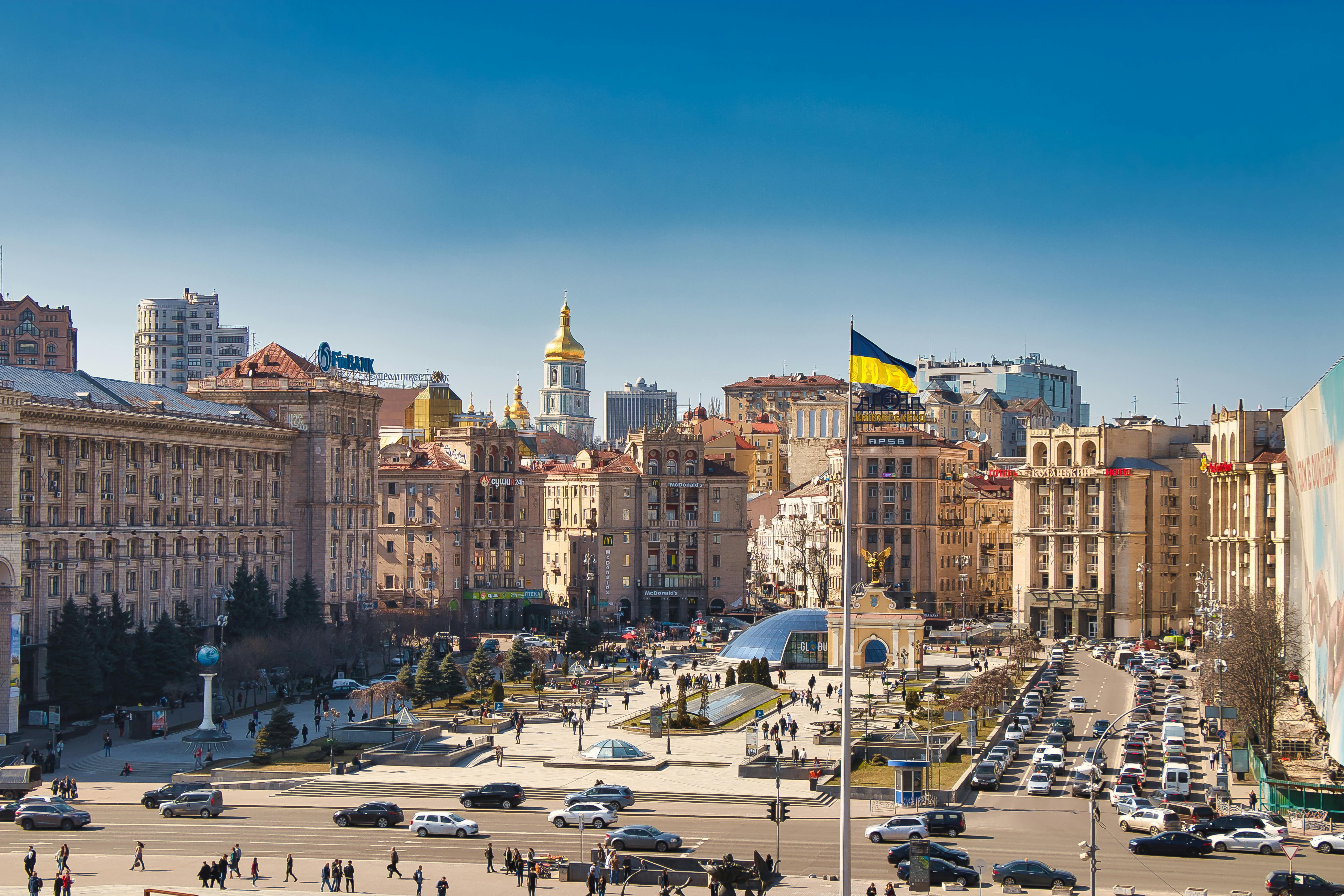
Founded more than 1,500 years ago, Kyiv is one of Eastern Europe’s oldest capitals. It was the cradle of the Kyivan Rus civilization, a seat of Orthodox Christianity, a target of Mongol destruction, a jewel of the Cossack Hetmanate, a Soviet showcase, and the epicenter of two popular revolutions in living memory. Every era has left something visible: a Byzantine mosaic here, a Stalinist boulevard there, a brutalist monument next to a baroque bell tower. The city’s DNA is layered, defiant, and deeply proud.
Visiting Kyiv in 2026 is not a conventional tourist experience. Ukraine remains under martial law due to Russia’s ongoing invasion, airspace is closed to commercial flights, and most Western governments advise against non-essential travel. Yet Kyiv’s museums, restaurants, bars, and cultural spaces remain open. The metro runs. Weekend markets fill up. Concerts happen in underground parking lots. The city has chosen to keep living, loudly. For travelers who understand the risks and prepare responsibly, Kyiv offers a depth of experience that is genuinely impossible to replicate anywhere else.

Critical Safety Notice: Before any trip to Ukraine, check the current travel advisory issued by your government. Most countries maintain a “Do Not Travel” or equivalent warning for Ukraine. Ukrainian airspace remains closed; entry is by land only, primarily via Poland, Slovakia, Hungary, Romania, or Moldova. War-risk travel insurance is mandatory upon entry. Download the Air Alert app before you arrive. Register with your embassy upon entry.
Best Months to Visit
Kyiv has a humid continental climate, which means proper seasons, each with a distinct character.
May and June are the sweet spot. Temperatures settle between 18 and 25 degrees Celsius, chestnut trees bloom along Khreshchatyk, and the city feels most alive. This is also when outdoor terraces open across Podil and the Old Town districts.
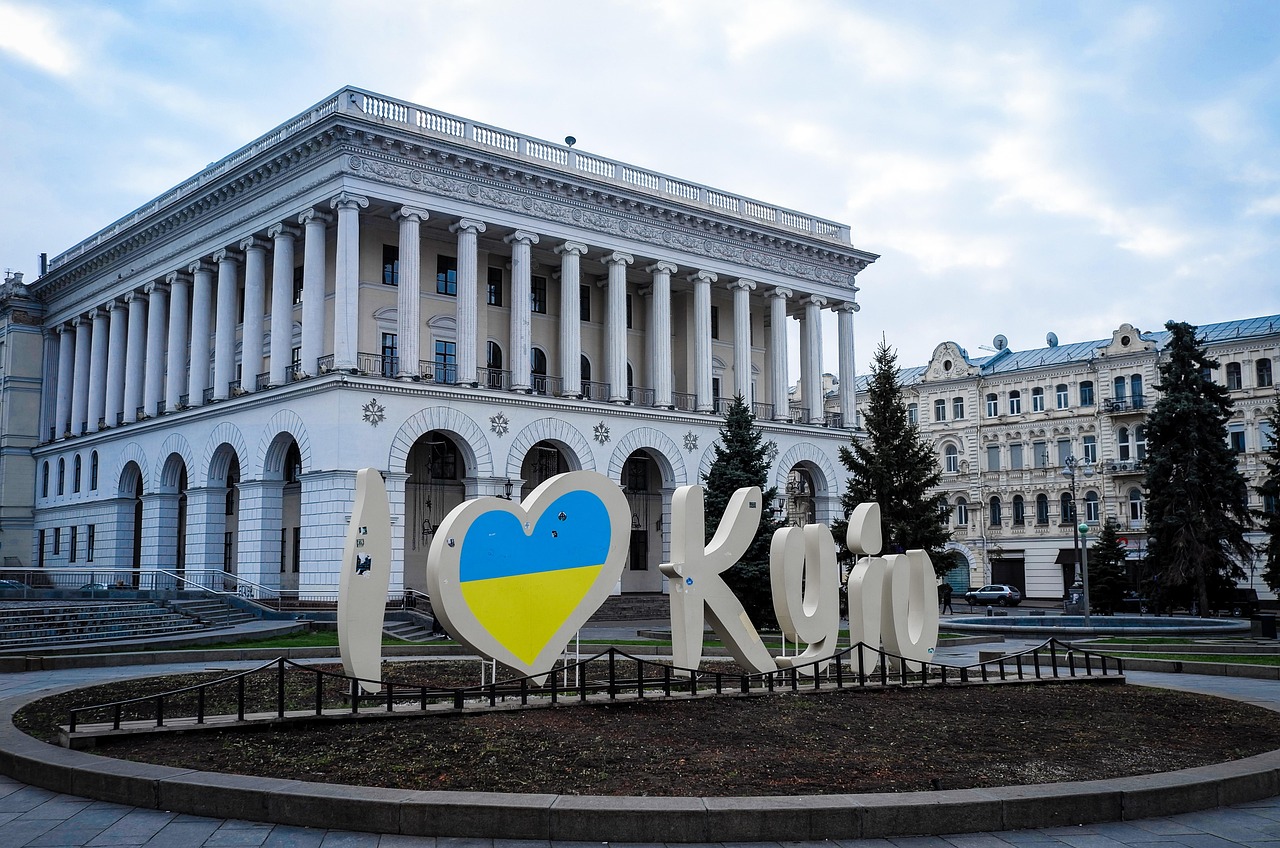
September and October offer a softer version of the same appeal. Temperatures are mild (12 to 20 degrees), the summer crowds thin out, and the chestnuts turn golden along every major boulevard. Early October is arguably the most photogenic month in the city.
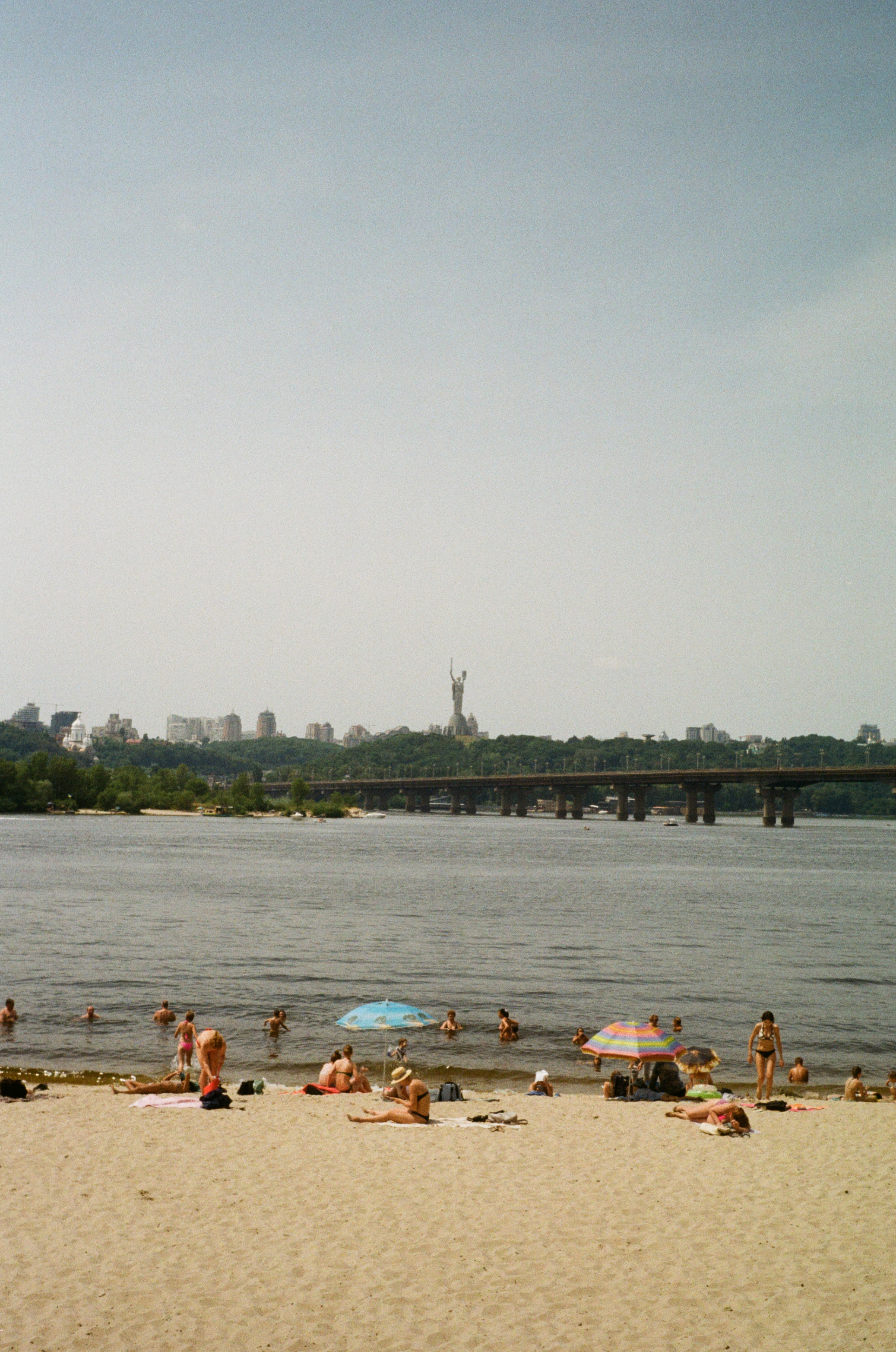
July and August are warm and occasionally humid, with temperatures pushing 30 degrees. The city does not slow down, but it can feel heavier. That said, summer evenings on the Dnipro riverbank are genuinely magical.
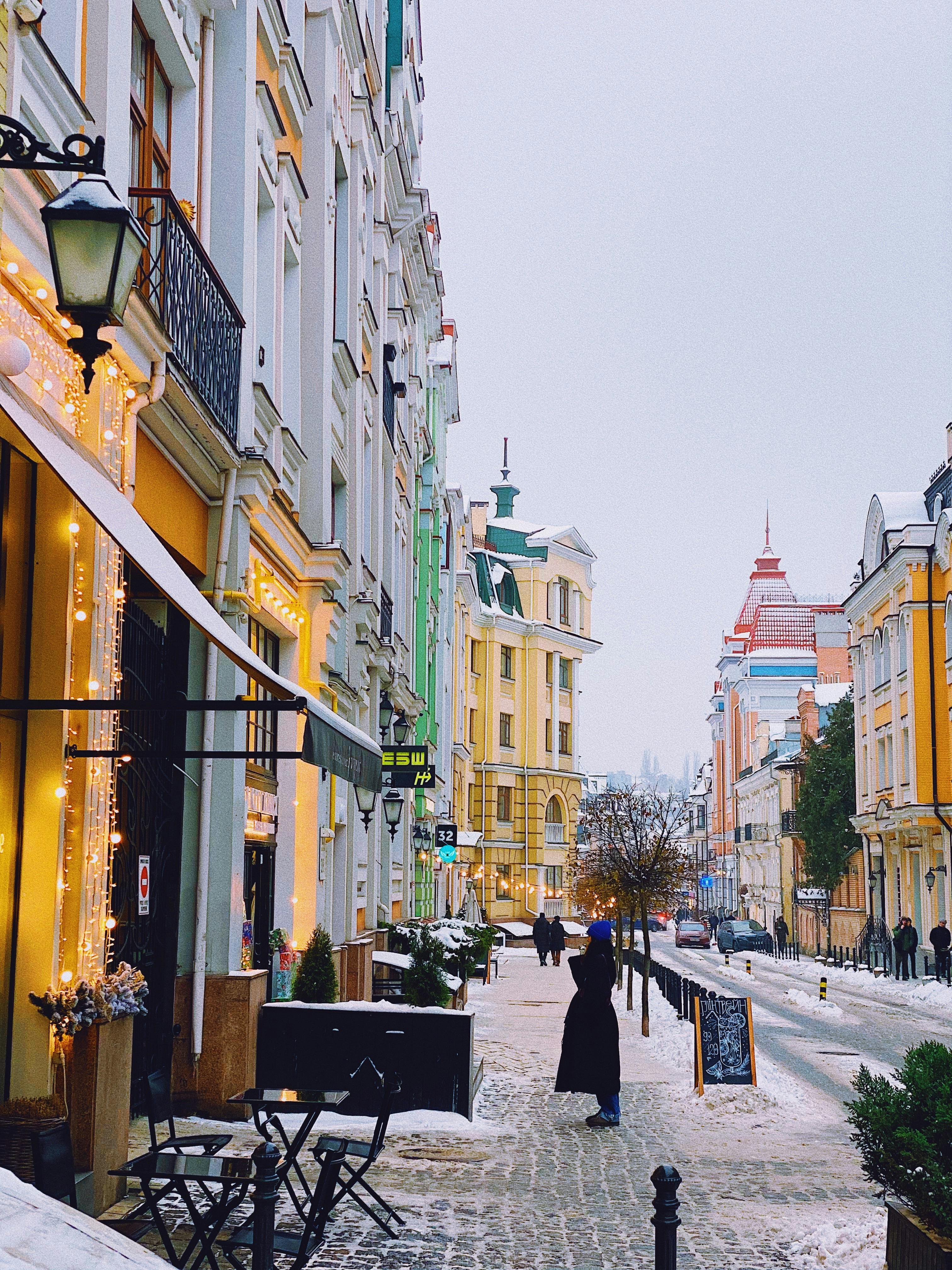
Winter (December to February) brings heavy snowfall, temperatures that regularly dip below zero, and a certain atmospheric bleakness that is either romantic or punishing depending on your tolerance. Accommodation prices drop significantly. Crowds thin to almost nothing.
Avoid traveling during major Ukrainian holidays without planning around them: Easter week sees significant price spikes and many businesses close.
Top Attractions
Kyiv Pechersk Lavra (Monastery of the Caves)
The Kyiv Pechersk Lavra is the city’s anchor attraction and a UNESCO World Heritage Site. The sprawling hilltop complex combines golden-domed churches, a working Orthodox monastery, museum buildings, and the famous cave network: narrow, candlelit underground tunnels dug by monks in the 11th century, housing the mummified remains of saints and abbots behind glass in small alcoves. Walking those caves with a candle in a crowd of pilgrims is one of the more viscerally memorable experiences available to any traveler in Eastern Europe.

- Hours: Upper Lavra grounds open daily 9:00 AM to 7:00 PM; caves open approximately 9:00 AM to 5:00 PM (confirm on the official website as hours have varied)
- Entry Fees: Grounds entry is free; cave access is approximately 100 UAH (around USD 2.50); individual museum buildings charge 50 to 120 UAH each
- Pro-tip: Visit on a Tuesday or Wednesday morning to avoid weekend pilgrim crowds. Dress code is strictly enforced: shoulders and knees covered for all genders. Bring a scarf. Photography inside the caves is restricted and treated seriously.
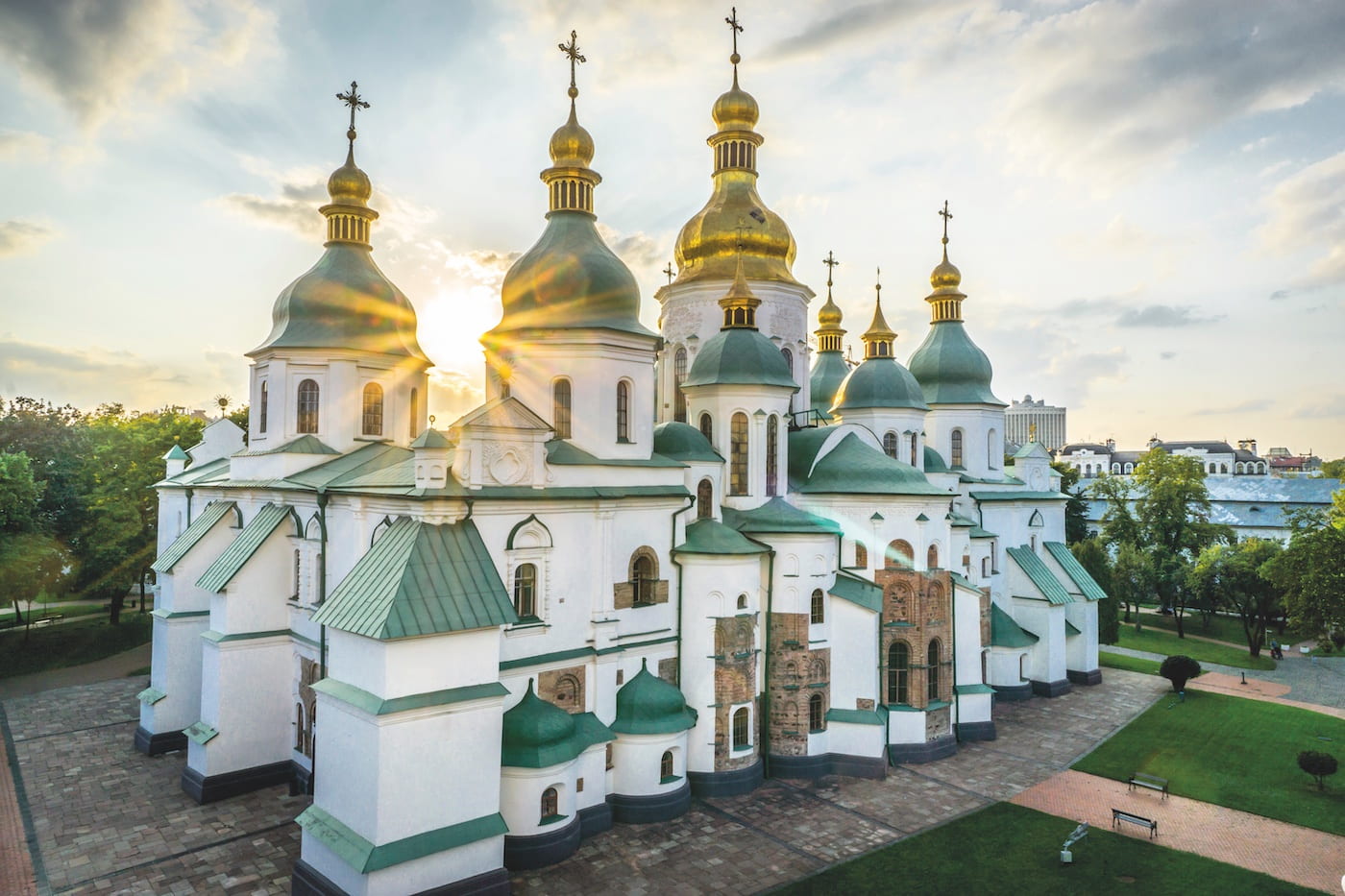
Saint Sophia’s Cathedral
Saint Sophia’s Cathedral predates almost everything else standing in Kyiv. Built in 1037, it contains the finest surviving collection of 11th-century Byzantine mosaics and frescoes outside of Istanbul. The gold-haloed Christ of the central apse mosaic, known locally as the “Indestructible Wall,” has stared down nine centuries of invasions, fires, and regime changes without cracking. The cathedral complex also includes the 76-meter bell tower, which offers the best panoramic view of central Kyiv.
- Hours: Wednesday to Monday, 10:00 AM to 6:00 PM; closed Tuesday
- Entry Fees: Approximately 200 UAH for the cathedral (around USD 5); an additional 150 UAH for the bell tower
- Pro-tip: Buy your bell tower ticket first, separately from the main cathedral ticket, as the windows sometimes close early. The climb is steep but takes only about 10 minutes.
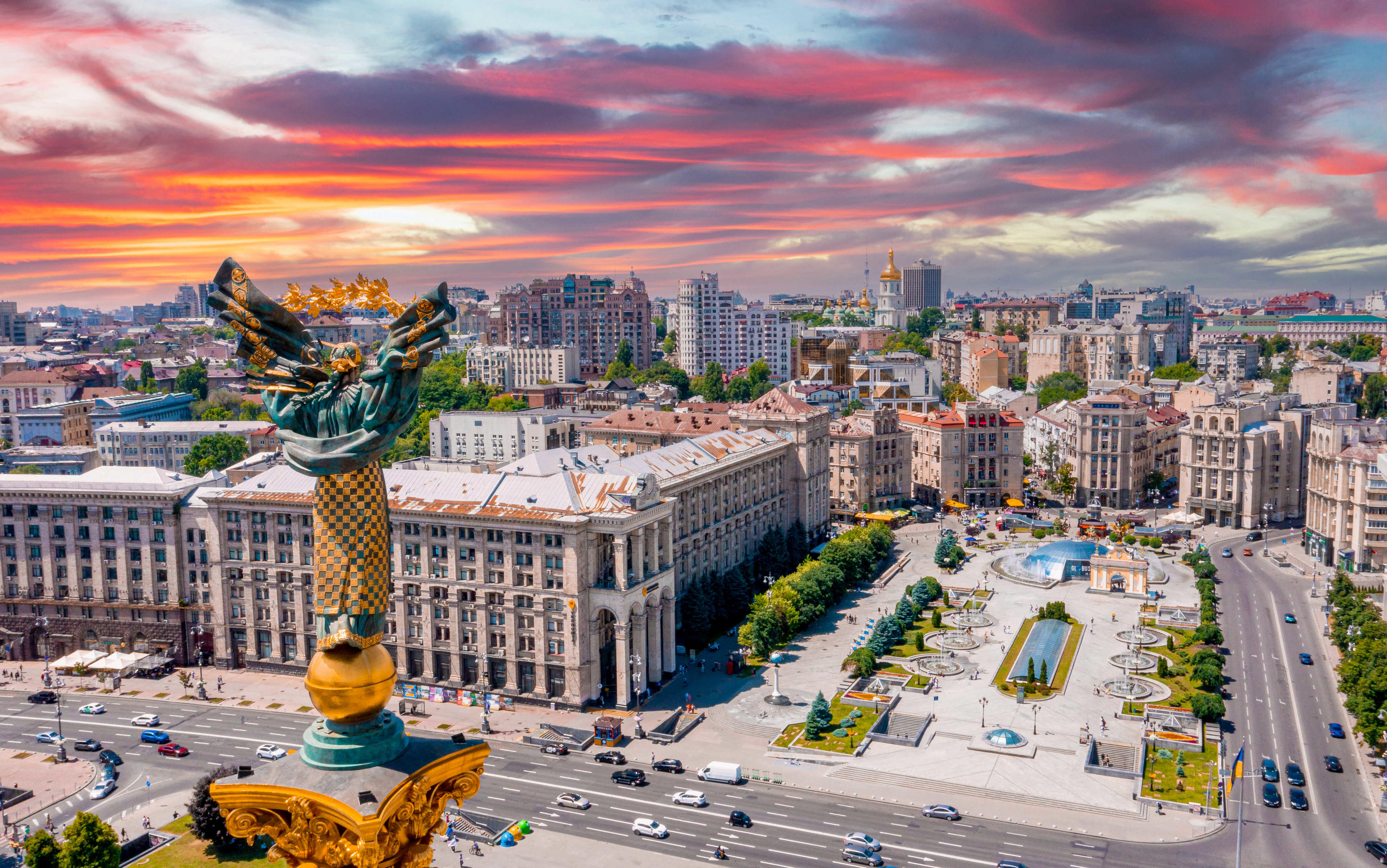
Maidan Nezalezhnosti (Independence Square)
Maidan Nezalezhnosti is not merely a square: it is the emotional center of modern Ukraine. The site of the 2004 Orange Revolution and the 2014 Euromaidan Revolution, which toppled the pro-Russian Yanukovych government, the Maidan is ringed by memorials to those killed in the uprisings. The Independence Monument column stands at the center, flanked by fountains. On weekends, it becomes a gathering point where the city’s mood is most palpable.
- Hours: Open at all times
- Entry Fees: Free
- Pro-tip: The underground passage beneath the square contains the Last Barricade restaurant, which doubles as a museum of the 2014 revolution. It requires a password to enter (ask your hotel or check current listings before you go).
The Motherland Monument
At 102 meters tall, the Motherland Monument towers over the Pechersk hills, stainless steel sword raised above the Dnipro. She sits atop the Museum of the History of Ukraine in the Second World War, which documents Ukraine’s catastrophic losses in WWII with an extensive collection of weapons, photographs, and personal effects. The upper observation deck inside the statue offers the most dramatic long-lens view of the river available in the city.

- Hours: Tuesday to Sunday, 10:00 AM to 5:00 PM
- Entry Fees: Museum approximately 80 UAH; observation deck approximately 200 UAH
- Pro-tip: Visit on a clear day, obviously. The deck gives you a direct sightline down the Dnipro for several kilometers in each direction.
Andriyivskyy Descent (St. Andrew’s Descent)
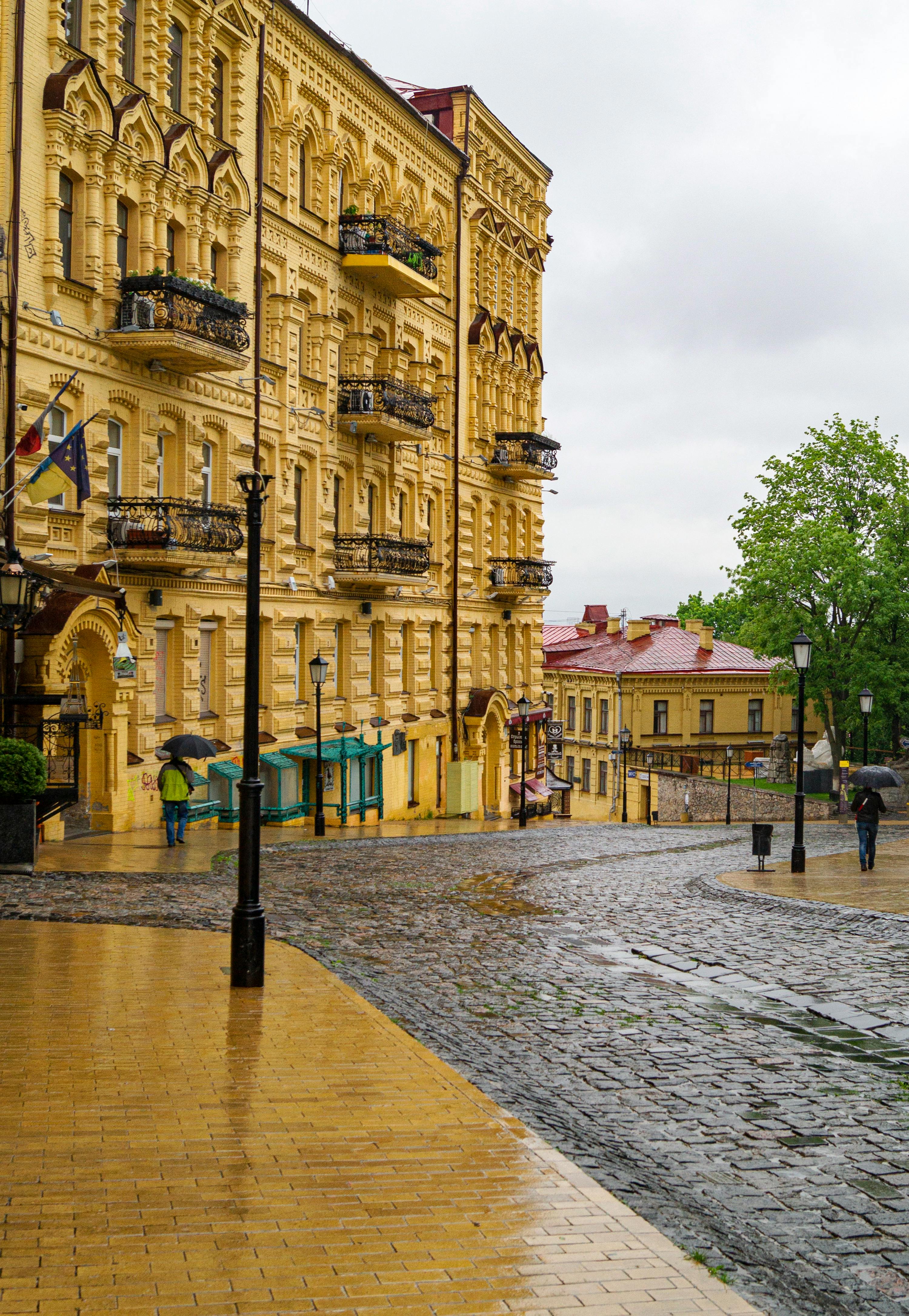
Andriyivskyy Descent is Kyiv’s most characterful street: a steep, cobblestoned slope connecting the upper city to the riverside Podil district, lined with art galleries, studios, antique dealers, and small cafes. At the top stands St. Andrew’s Church, a baroque confection designed by Italian architect Bartolomeo Rastrelli in the 1750s, which perches above the city like an ornate exclamation point.

- Hours: Street open at all times; St. Andrew’s Church opens approximately 10:00 AM to 6:00 PM (hours can vary)
- Entry Fees: Church entry approximately 20 UAH; street is free
- Pro-tip: Come on a Saturday morning when artists set up easels and vendors lay out Soviet memorabilia, hand-painted ceramics, and embroidery. The descent is steep: wear shoes with grip.
Hidden Gems
The House with Chimeras (Budynok z Khymeramy)
Tucked beside the Presidential Administration building on Bankova Street, the House with Chimeras is one of the most extraordinary pieces of Art Nouveau architecture in Eastern Europe. Built by architect Vladislav Horodetsky between 1901 and 1903, the facade is covered in bas-relief sculptures of rhinoceroses, crocodiles, frogs, and sea monsters climbing the walls. Horodetsky reportedly designed the creatures to mock a critic who said building on the soft slope would be impossible (“even rhinoceroses could not live there,” the critic supposedly said). The building is technically an official reception venue and can only be viewed from outside, but the exterior alone is worth the detour.

Podil District
Podil is the historic merchant quarter at the bottom of Andriyivskyy Descent, and it is where Kyiv’s most interesting everyday life happens. The main square, Kontraktova Ploshcha, hosts a daily market and is surrounded by 18th- and 19th-century merchant townhouses. The district has become the epicenter of the city’s independent restaurant, bar, and gallery scene. Spend an afternoon here wandering the side streets between Sagaidachnoho Street and the river embankment.

Pyrohiv Open-Air Folk Architecture Museum
On the southern edge of the city, the Pyrohiv Museum spreads across 150 hectares of wooded hills, with more than 300 original wooden buildings relocated from across Ukraine: mills, churches, farmhouses, and entire village complexes from different regions and centuries. Most visitors to Kyiv never make it here, which is their loss. On summer weekends, costumed artisans demonstrate traditional crafts.

- Getting there: Take the metro to Lybidska station, then bus 27 or taxi; allow 30 minutes from the center
- Entry: Approximately 100 UAH

The Besarabsky Market
Most tourists walk past the Besarabsky Market on Khreshchatyk without going inside. That is a significant mistake. Built in 1912 inside a wrought-iron pavilion, this covered market is where Kyiv’s cooks have shopped for generations. The stalls sell everything from fresh carp to smoked meats, pickled everything, local honey, dried mushrooms by the kilogram, and enough salo (cured pork fat) to insulate a house. It is also one of the better places to have a quick, cheap, and thoroughly local lunch at the counters inside.

Cuisine and Dining
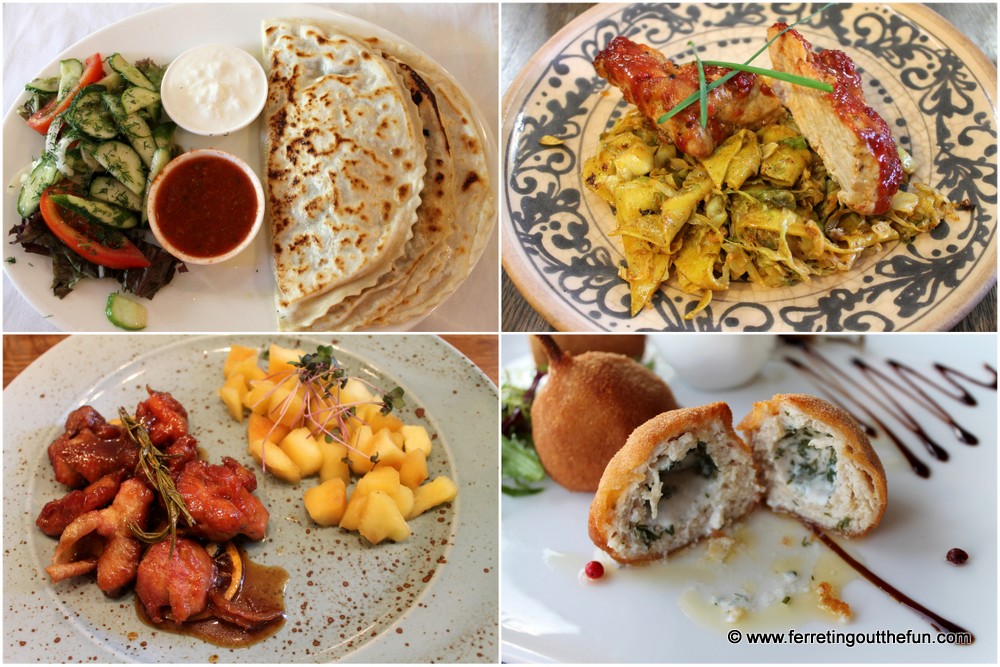
Ukrainian food is built on the logic of a hard climate and long winters: fat, protein, fermentation, and heat. It is not subtle cooking, but at its best, it is deeply satisfying.

Must-Try Dishes
- Borscht: The national soup, and Ukraine’s. A rich, garnet-colored broth built from beets, cabbage, carrots, onion, potato, and usually pork or beef, finished with a spoonful of smetana (sour cream) and served with pampushky (small garlic-glazed bread rolls). UNESCO recognized Ukrainian borscht as intangible cultural heritage in 2022. Each cook has a different recipe. Argue about whose is best.
- Varenyky: Boiled dumplings with fillings that range from mashed potato with fried onion to cottage cheese, sauerkraut, mushrooms, or sweet cherries. Often served with sour cream. The closest analogy is Polish pierogi, but the dough is slightly different, and the fillings skew more sour.
- Chicken Kyiv: The dish that carries the city’s name. A chicken breast pounded flat, wrapped around cold herb butter, breaded, and fried. When you cut it open, the butter spills out. It was likely invented in the Tsarist-era Saint Petersburg, but Kyiv adopted it entirely.
- Deruny: Thick potato pancakes, fried until the edges are properly crunchy, served with sour cream or mushroom sauce.
- Holubtsi: Cabbage leaves stuffed with rice and minced meat, braised in tomato sauce. Grandmotherly in the best possible sense.
- Salo: Cured pork fat, sliced thin and served cold on dark bread with garlic. An acquired taste, emphatically Ukrainian, absolutely worth trying once.
- Kyivska Torte: The city’s signature cake, made with hazelnut meringue layers and buttercream, was developed at the Roshen confectionery in 1956. Buy a slice at any confectionery or take a whole boxed cake home.

Budget Dining
Puzata Hata is a cafeteria-style chain that feeds most of Kyiv’s working population at lunch. The food is unpretentious, portions are enormous, and a full meal rarely exceeds 150 UAH (under USD 4), with multiple locations throughout the center.
Borsch Cafe, a small, no-frills spot near Khreshchatyk metro station, is known by regulars for serving one of the more consistent bowls of borscht in the city center. Expect to spend under 200 UAH.
Spotykach on Rohnidynska Street offers quality Ukrainian food at honest prices with a slightly hipster aesthetic. The borscht popsicles (an oddity that actually works) and classic varenyky share the menu with craft beers and fusion snacks. A full meal runs 300 to 500 UAH.
Mid-Range Dining
Kanapa on Andriyivskyy Descent is the benchmark mid-range Ukrainian restaurant in the city. The borscht arrives served inside a hollowed cabbage head. The varenyky are made with seasonal fillings. The wine list focuses on Ukrainian producers, which are better than most visitors expect. Reserve a table for the weekend. Budget 600-1,000 UAH per person.
Korchma Taras Bulba has multiple locations and leans into Ukrainian folk decor with embroidered tablecloths, wooden beams, and live traditional music on weekends. The food is hearty and crowd-pleasing: solyanka, halushky, shashlyk, and a very good green borscht (made with sorrel instead of beets), budget 500 to 800 UAH per person.
Musafir specializes in Crimean Tatar cuisine, a tradition displaced from its homeland and now finds a second home in Kyiv. Chebureks (deep-fried pastry pockets with meat or cheese), manty (steamed dumplings), and pilaf are the things to order. It is unlike anything else in the city. Budget 400-700 UAH per person.

Fine Dining
100 Rokiv Tomu Vpered (translated: “100 Years Ago in the Future”) on Volodymyrska Street is the project of Chef Ievgen Klopotenko, the MasterChef Ukraine winner who has become the most prominent voice for redefining Ukrainian culinary identity. The mission is to recover pre-Soviet Ukrainian food traditions and reimagine them for a contemporary table. The tasting menu is the move. Budget 1,200-2,000 UAH per person.
Pervak on Rohnidynska Street offers the most lavish traditional Ukrainian dining experience in the city. The building is spread across several floors of themed rooms, decorated with antiques that evoke early-20th-century Kyiv. Live folk music plays in the evenings. The borscht with salo and pampushky is excellent. Budget 800-1,500 UAH per person.

Market Recommendations
Besarabsky Market (covered, central, excellent for produce and snacks). Zhytniy Market in Podil for a less touristic, more workaday food market experience. Petrivka Book Market (primarily books and stationery, with surrounding vendors selling dried herbs, jams, and traditional food items).

Accommodation
Budget: Hostels and Guesthouses
Where to stay: Podil district for a lively, local neighborhood feel; Shevchenkivskyi district for proximity to the university and museum quarter.
Look for options around Kontraktova Ploshcha in Podil, where a wave of budget guesthouses and small apartments has developed to serve the growing number of aid workers, journalists, and independent travelers in the city. Hostel dorm beds typically run 500 to 800 UAH per night (USD 12 to 20). The Kyiv PASS (available in 24-, 48-, and 72-hour versions at 447, 746, and 1,045 UAH, respectively) bundles free metro rides, attraction discounts, and an audio guide, and is worth considering for stays of two or more days.

Mid-Range: Boutique Hotels
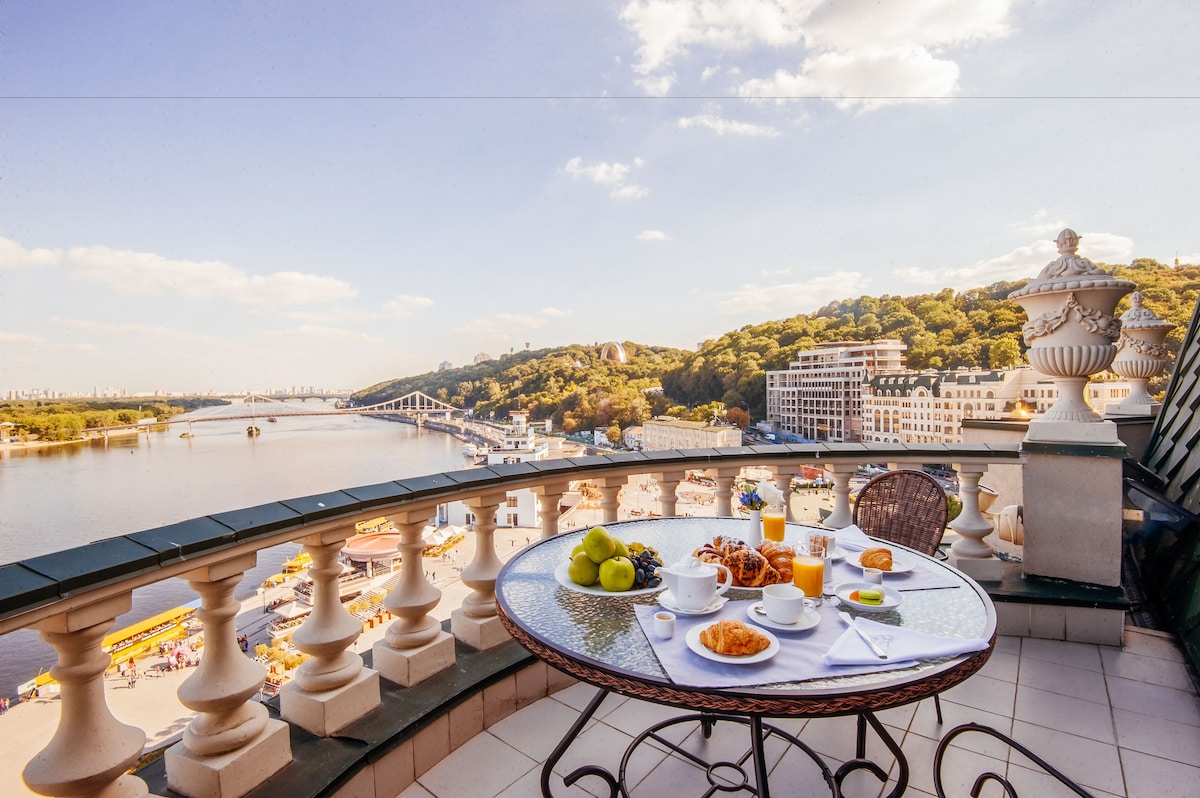
Where to stay: Lypky district, the elegant tree-lined neighborhood around the Mariinsky Park, is the best mid-range address in Kyiv. It puts you within walking distance of the Lavra, the Motherland Monument, and the Pechersk metro station. Expect to pay 1,200 to 2,500 UAH per night (USD 30 to 65) for a comfortable hotel room in this bracket.
Older buildings along Khreshchatyk and Velyka Vasylkivska Street also host mid-range options with excellent central access.

Luxury Hotels
Where to stay: The central Pecherskyi and Shevchenkivskyi districts hold Kyiv’s five-star inventory.
The InterContinental Kyiv and the Hilton Kyiv are the two most established international luxury hotels in the city, both within walking distance of the main sights. Rooms start at around 4,500 UAH per night (USD 110-130). Both properties have on-site shelters, which is worth knowing in the current context.
Important note for all accommodation: When booking, verify that the property has access to a shelter (ukryttia) and ask about the protocol if an air raid alert sounds overnight.
Transportation
Getting to Kyiv
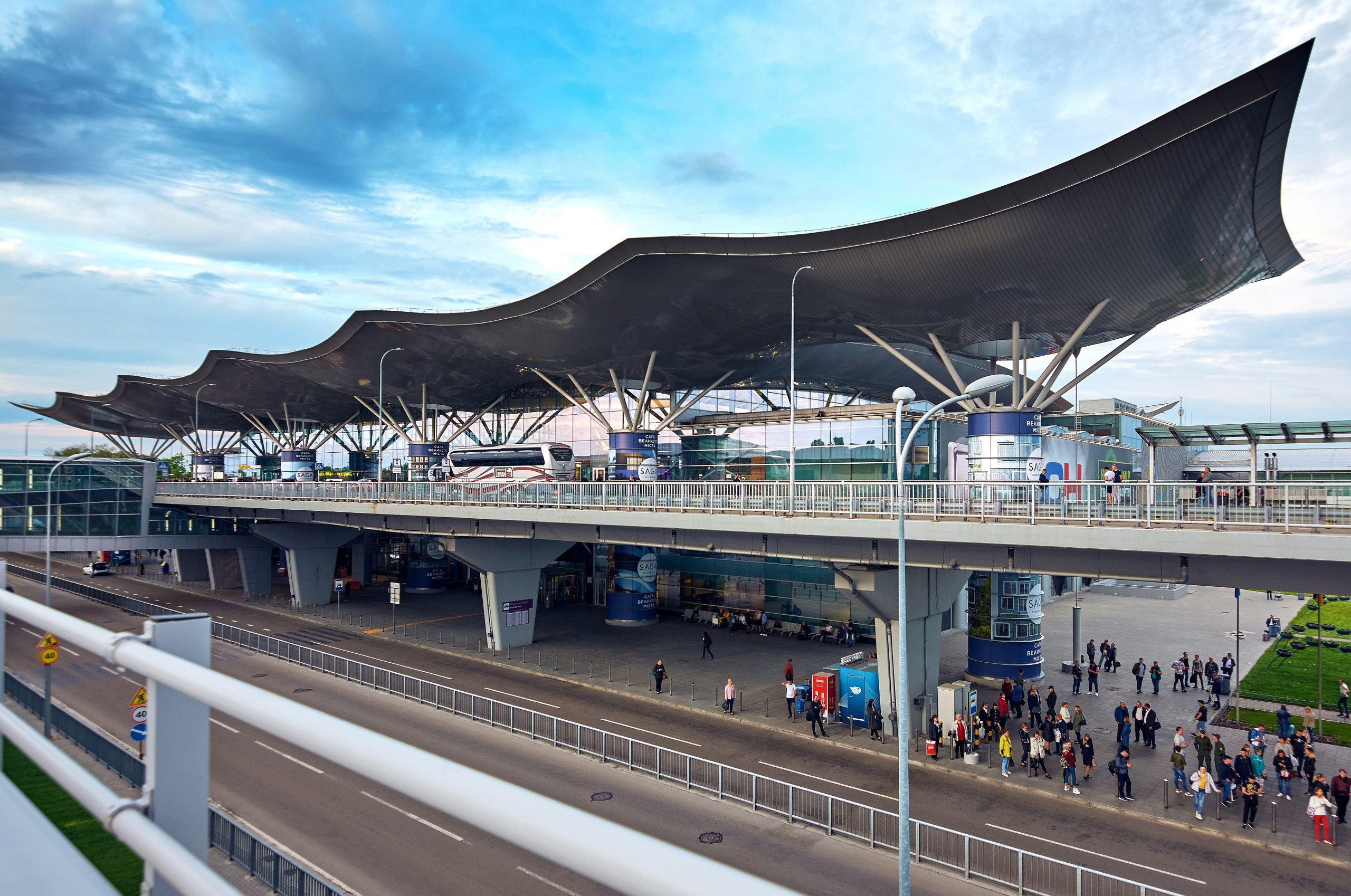
Ukrainian airspace has been closed to commercial aviation since February 2022. There are no direct flights to Kyiv or any other Ukrainian city. All travelers must arrive overland.
The most popular route is by train from Warsaw or Przemysl (Poland) across the border to Lviv, and then onward by overnight train to Kyiv. Ukrzaliznytsia (Ukrainian Railways) operates regular inter-city trains, including Intercity+ express services between Lviv and Kyiv (approximately 5 to 6 hours) and overnight sleeper trains from multiple Polish border cities. Book through the Ukrzaliznytsia website or app. International bus services (including FlixBus routes) connect Kyiv with Warsaw, Krakow, Budapest, and Bucharest, though journey times are long.
Border crossing: The Medyka-Shehyni crossing (on foot, then bus/train connection to Lviv) and the Krakowiec-Korczowa crossing (for cars and buses) are the most trafficked from Poland. Queues can be significant. Plan for 2 to 4 hours at the border on a slow day, more on a busy one.
Getting Around Kyiv
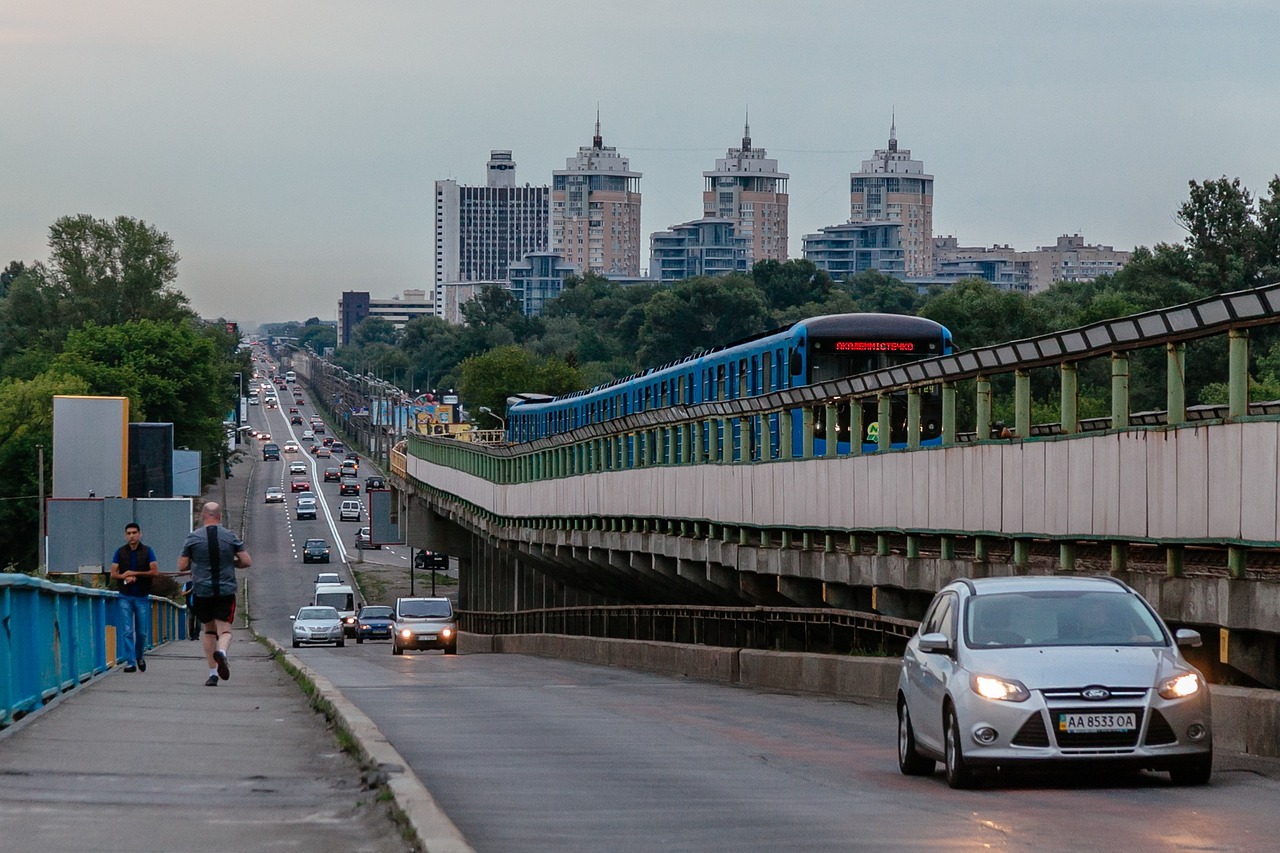
Metro: Kyiv’s three-line metro is clean, punctual, very cheap (approximately 8 to 10 UAH per trip), and covers all the major tourist districts. The stations on the deep Sviatoshynsko-Brovarska (Red) line are architectural monuments in themselves, particularly Zoloti Vorota and Arsenalna (reportedly the deepest metro station in the world at 105 meters underground). The system uses tokens purchased at ticket windows; contactless payment is also now available at some stations. Lines run approximately from 5:30 AM to midnight.
Apps: Uklon is the dominant local ride-hailing app and is cheaper than Uber, which also operates in Kyiv. Always use app-based taxis rather than unmarked street cabs.
On foot: The central districts (Pechersk, Podil, Shevchenkivskyi) are highly walkable. The city is hilly in places, and comfortable shoes with ankle support will serve you better than anything fashionable.
Bikes: A bike-share scheme operates seasonally in the warmer months, primarily along the Dnipro embankment, useful for flat stretches.
Air raid alerts: If a siren sounds, move immediately to the nearest metro station or designated shelter. The metro stations double as bomb shelters. This is not theoretical: it will likely happen during any stay of more than a few days.
Events and Festivals
Kyiv Day (Last Weekend of May)
The city’s annual birthday celebration fills Khreshchatyk and Maidan Nezalezhnosti with outdoor concerts, street food stalls, and public performances. Since 2022, the celebrations have taken on a more explicitly patriotic character, but the festive energy remains genuine.

Christmas and New Year (December 31 to January 7)
Ukraine officially celebrates Christmas on January 7 by the Eastern Orthodox calendar (though the government moved the official public holiday to December 25 in 2023 to align with Western tradition, many traditions still follow the old date). The period between December 31 and January 7 fills Kyiv with illuminated decorations, outdoor skating rinks in Sofiyska Square, and festive markets. Despite the war, Kyiv has made an effort to maintain visible celebrations as a statement of normalcy.

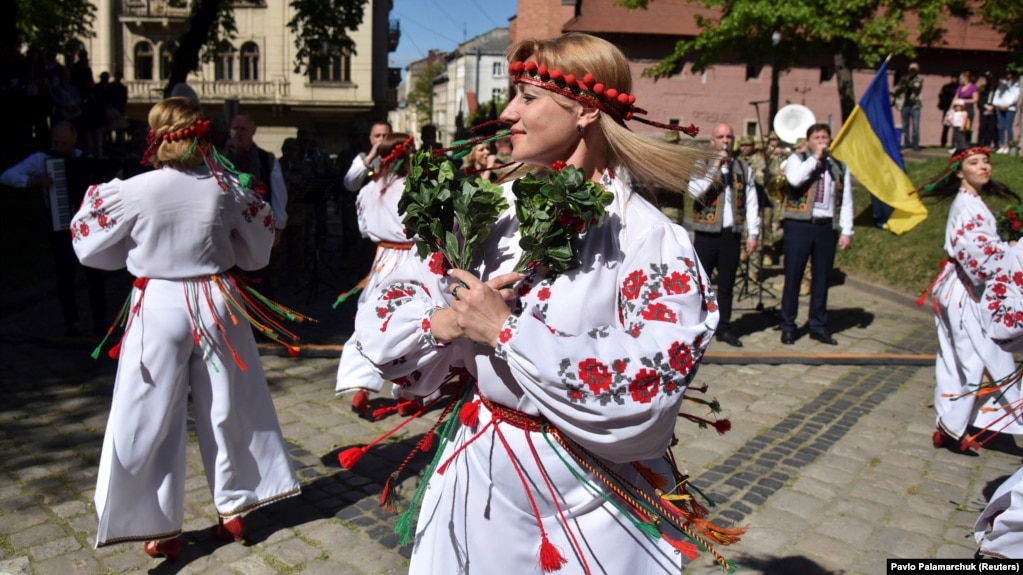
Vyshyvanka Day (Third Thursday of May)
On this day, Ukrainians wear vyshyvanka, the traditional embroidered shirt, everywhere: to work, on the metro, in restaurants. It transforms into an informal national day of cultural pride that is also extremely photogenic. Walking around the city on Vyshyvanka Day, you will see more patterned linen than you thought possible.
Shopping
What to Buy
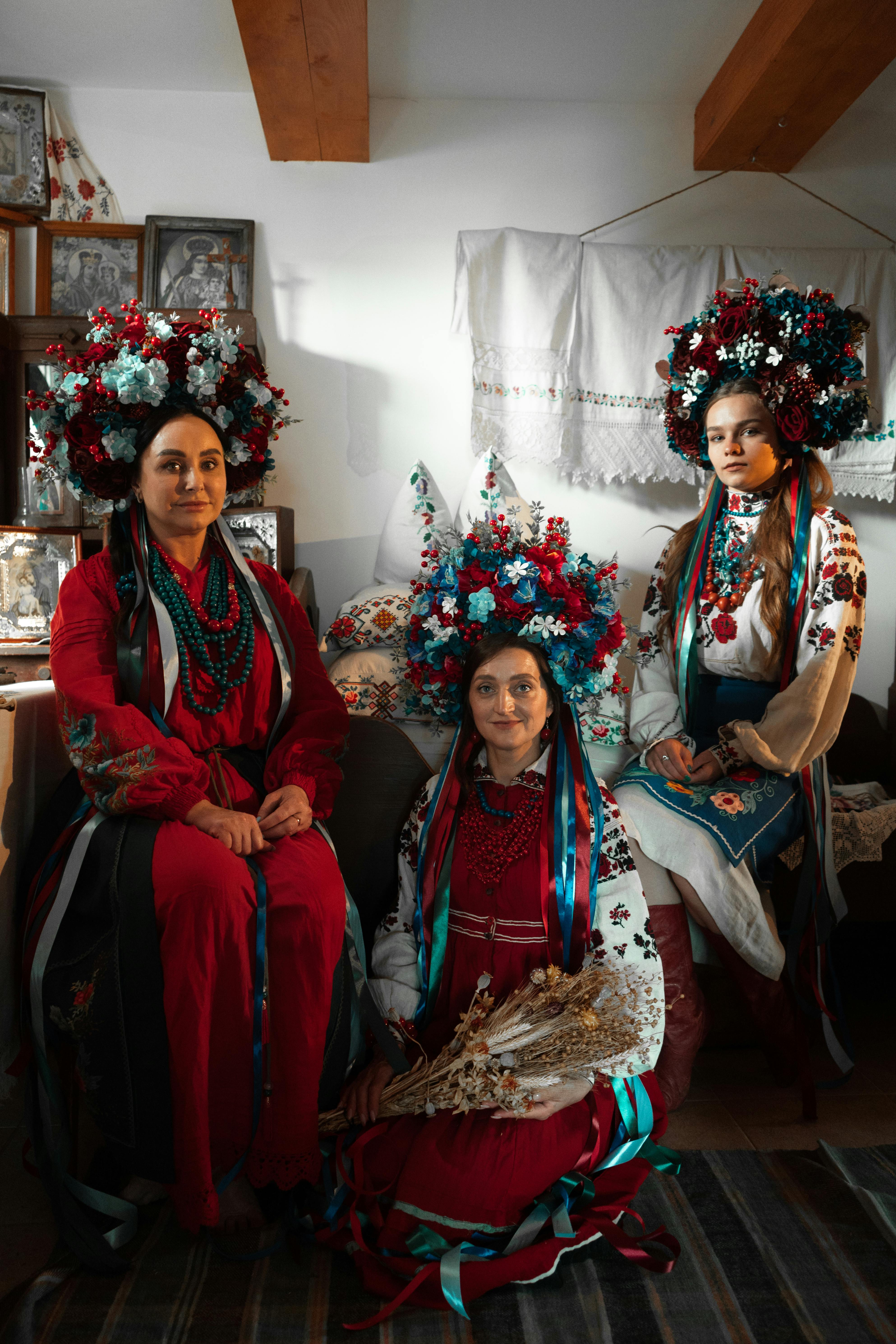
- Vyshyvanka (embroidered clothing): The traditional Ukrainian embroidered shirt is both genuinely wearable and deeply meaningful. Quality varies enormously. Seek hand-embroidered pieces over machine-made versions; Andriyivskyy Descent has a range of quality, while the Besarabsky Market area has cheaper machine options.
- Petrykivka painted items: The Petrykivka decorative painting style (UNESCO-recognized) produces vivid floral patterns on wooden bowls, boxes, spoons, and tiles. Legitimate handmade pieces are sold on Andriyivskyy Descent.
- Honchar ceramics: Ukrainian regional pottery traditions produce distinctive earthenware. The Honchar Ukrainian Folk Art Museum has a shop attached to it.
- Ukrainian honey and preserves: Besarabsky Market is the best place to buy buckwheat honey, linden honey, and fruit preserves directly from producers.
- Kyivska Torte: The boxed version makes an excellent, if fragile, souvenir. Buy from the Roshen flagship confectionery stores.
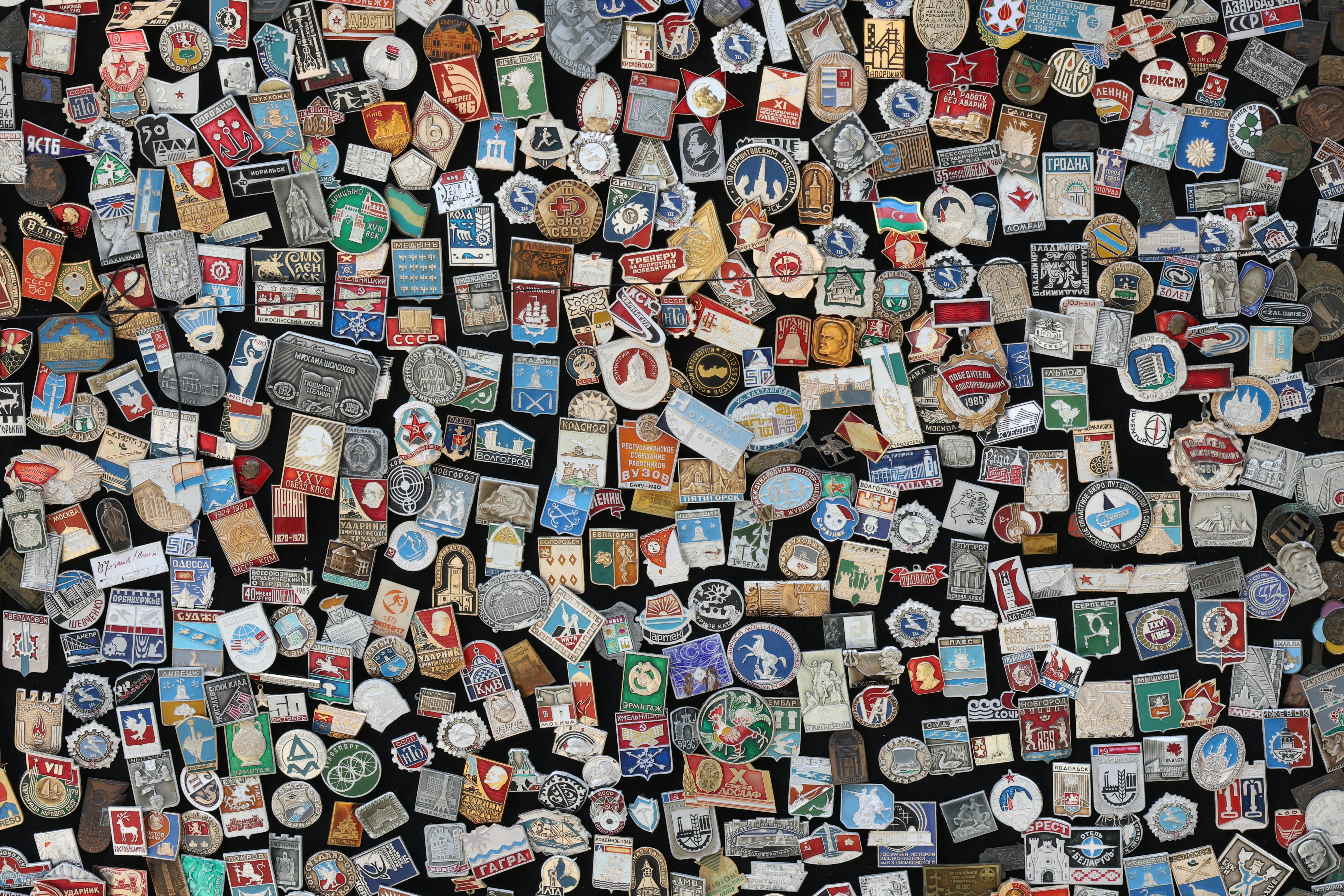
- Soviet memorabilia: Andriyivskyy Descent vendors sell vintage enamel badges, Soviet-era postcards, military pins, and porcelain. Quality varies. Bargaining is expected.
Best Streets and Markets
Andriyivskyy Descent for art, crafts, and antiques. Khreshchatyk Street (pedestrianized on weekends) for mainstream shopping and people-watching. Passage arcade off Khreshchatyk for a beautifully restored 19th-century shopping gallery. Petrivka Book Market (a short metro ride north) for an overwhelming selection of Ukrainian and Russian books, maps, and stationery.
Practical Information
Visa and Entry
Citizens of EU countries, the UK, the USA, Canada, Australia, Japan, and most other Western nations can enter Ukraine visa-free for up to 90 days within any 180 days. A valid passport with at least six months of remaining validity is required. War-risk health insurance is now required as a document at the border. Standard travel insurance policies do not cover military conflict; you must specifically purchase a policy that includes war-zone coverage. Verify current requirements with your government and the Ukrainian Ministry of Foreign Affairs before travel, as rules are subject to change under martial law.
Currency
The Ukrainian hryvnia (UAH) is the official currency. As of early 2026, the exchange rate is approximately 40-42 UAH per USD 1. ATMs are widely available in Kyiv and generally work with international cards. Credit cards are accepted at most restaurants and shops in the city center. Carry some cash for markets and smaller establishments. Do not exchange money at the border or airport; use bank ATMs in the city center for the best rates.
Language
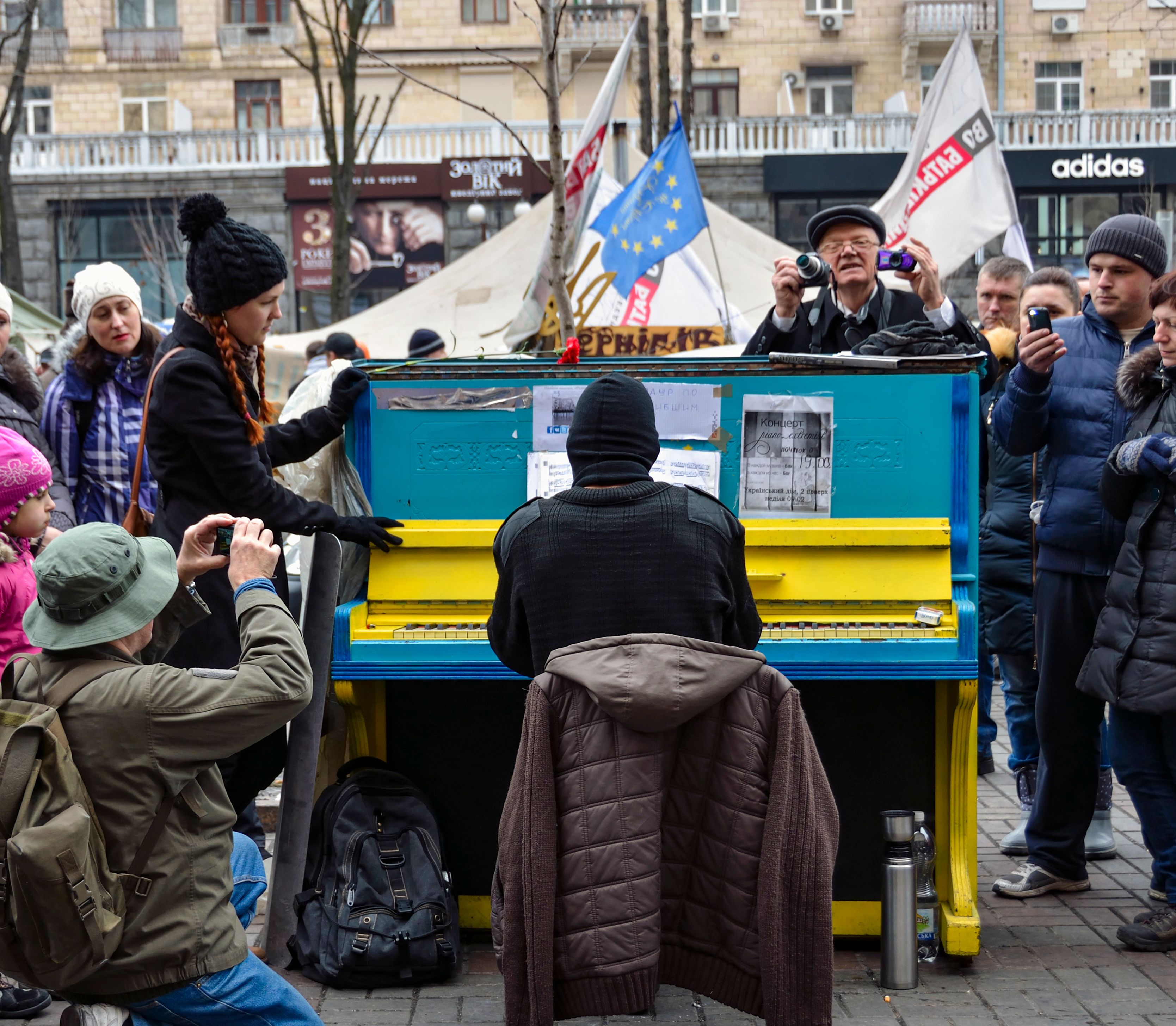
Ukrainian is the official and predominant language, and its use has accelerated sharply since 2022 as part of a cultural and political shift away from Russian. Many Kyivans who previously spoke Russian daily have switched to Ukrainian. English is increasingly spoken by younger people working in hospitality and tourism, but it is not universal. The Google Translate camera function is extremely useful for menus and signs, most of which are in Ukrainian. Learning a handful of words (dyakuyu for thank you, bud’ laska for please, vybachte for excuse me) will be genuinely appreciated.
Safety (In the Current Context)
Kyiv is a city under the constant ambient threat of missile and drone attack. The practical effect for visitors is the air raid siren, which can sound at any hour of the day or night. When it does, you should move immediately to the nearest metro station (all stations double as shelters) or your hotel’s designated shelter. The all-clear is typically announced within 30 to 90 minutes, though attacks and debris can occur before and after the alert window.
Street crime in Kyiv is low. Petty theft is occasionally reported around busy tourist areas, as in any major city. Unmarked taxis and aggressive currency exchanges near tourist spots are the main scams to avoid. Use Uklon or Uber. The city operates a curfew (hours vary; check local announcements; typically midnight to 5:00 AM as of early 2026) during which outdoor movement is restricted.
Local Etiquette
Hospitality is taken seriously. If a Ukrainian invites you to their home, bring something: a cake, wine, or flowers. Only odd numbers of flowers; even numbers are for funerals.
Shoes off indoors. Remove your shoes when entering a Ukrainian home. Most households keep indoor slippers near the door for guests.
Tipping: Tipping is customary in restaurants and not included in the bill. Ten to fifteen percent is standard and appreciated. In cafes and street-food settings, rounding up the bill is sufficient. Taxi drivers through apps do not expect tips but appreciate them.

Language sensitivity: Do not assume Ukrainians want to speak Russian. Since 2022, addressing someone in Russian without asking first can be seen as disrespectful. A simple “Чи говорите ви англійською?” (Do you speak English?) in Ukrainian, or defaulting to English as a neutral language, is the appropriate approach for visitors.
The war is not a topic for conversation to approach lightly. Many Kyivans have lost family members, homes, or friends. If the subject comes up, listen more than you speak.
Dress in churches and monasteries: Covered shoulders and knees for all visitors. Many sites provide shawls at the entrance. Removing hats is required for men.
Packing List
Year-Round Essentials
- Documents: Passport with six-plus months validity; printed copies of your insurance policy (war-risk coverage); hotel booking confirmation; embassy contact numbers written down on paper
- Power bank: Power cuts are frequent and sometimes extended. A high-capacity power bank is not optional.
- Cash in hryvnia: Carry at least two to three days’ worth of spending money as a buffer against ATM outages
- Air Alert app: Downloaded and notifications enabled before you cross the border

Spring (April to June)
Layers for morning and evening temperatures, a waterproof jacket, comfortable walking shoes with ankle support, and sunscreen for May and June.
Summer (July to August)
Lightweight clothing, a light layer for air-conditioned restaurants and metro cars (which run cold), good walking shoes, and high SPF sunscreen.
Autumn (September to November)
A medium-weight jacket from September; a proper coat from October. Waterproof footwear from October onward. Umbrella.
Winter (December to March)
A heavy insulated coat, thermal base layers, waterproof insulated boots, a hat, a scarf, and gloves are not suggestions but necessities. January temperatures regularly reach minus 10 to minus 15 degrees Celsius.
Itineraries
2-Day Kyiv Itinerary
Day 1: The Old City and the Monastery
Start your morning at Saint Sophia’s Cathedral, arriving when it opens at 10:00 AM to beat the tour groups. Spend an hour with the mosaics and climb the bell tower. Walk five minutes to St. Michael’s Golden-Domed Monastery (rebuilt in the 1990s after Soviet demolition, and free to enter). Head down Andriyivskyy Descent, pausing for coffee at any of the small cafes midway down. At the bottom, turn into Podil district and find lunch at Spotykach or browse the stalls at Kontraktova Ploshcha.
In the afternoon, walk up to Maidan Nezalezhnosti and along Khreshchatyk. On weekends, the street is closed to traffic and becomes a promenade. Stop at the Besarabsky Market for snacks and atmosphere, dinner at Kanapa (book ahead).
Day 2: The Lavra and Pechersk
Devote your morning to Kyiv Pechersk Lavra, arriving at 9:00 AM. Allow two to three hours for the upper complex and caves. Walk uphill to the Motherland Monument and the Museum of the History of Ukraine in WWII for early afternoon. Take a taxi or bus back toward the center; stop at the House with Chimeras on Bankova Street on the way. Late afternoon: pick up souvenirs on Andriyivskyy Descent or at the Passage arcade off Khreshchatyk. Final dinner at Pervak for the full old-Kyiv experience.

4-Day Kyiv Itinerary
Day 1: Old Town and Podil
Follow the Day 1 plan from the 2-day itinerary above. End your evening with a walk along the Podil riverbank.

Day 2: Pechersk and Monuments
Follow the Day 2 plan from the 2-day itinerary. Add a visit to Mariinsky Park and the exterior of the Mariinsky Palace in the late afternoon before dinner.

Day 3: Pyrohiv and a Slower Pace
Take the metro to Lybidska and a bus to the Pyrohiv Open-Air Museum for the morning. Spend two to three hours wandering the village complexes. Return to the city center for a long lunch at 100 Rokiv Tomu Vpered (book in advance). Afternoon: explore the Lypky district on foot, dip into the National Museum of Ukrainian History (on Volodymyrska Hill, above the Dnipro), and end the afternoon at the National Art Museum of Ukraine (admission 120 UAH, free on the first Wednesday of the month).
Day 4: Shevchenkivskyi District and Departure Prep
The morning belongs to the Shevchenkivskyi district: the tree-lined boulevard along Taras Shevchenko Boulevard, the red-brick Taras Shevchenko National University building, and the university’s Botanical Garden (free and underrated for a quiet hour). Lunch at Musafir for Crimean Tatar cuisine. Afternoon: pick up any remaining shopping on Andriyivskyy Descent, pack a Kyivska Torte from a Roshen shop, and take a final evening stroll along Khreshchatyk.
7-Day Kyiv Itinerary
Days 1 and 2: Follow the 2-day itinerary above.
Day 3: Pyrohiv and the Art Scene
The Pyrohiv museum in the morning (see Day 3 of the 4-day itinerary). Afternoon: PinchukArtCentre (free contemporary art gallery on Velyka Vasylkivska Street, one of Eastern Europe’s most respected contemporary art spaces) and the Mystetskyi Arsenal cultural center in Pechersk, which hosts rotating major exhibitions in a repurposed 18th-century arsenal building.

Day 4: University District and Cultural Institutions
Shevchenkivskyi district in depth: the university building, the National Museum of Ukrainian History, and the Taras Shevchenko National Museum (dedicated to the poet who is the cornerstone of Ukrainian national identity). Afternoon: the Kyiv Opera House (Taras Shevchenko National Academic Opera and Ballet Theatre). Check the current schedule and book tickets in advance. An evening at the opera or ballet for 300 to 800 UAH is one of the great value cultural experiences available in Kyiv.
Day 5: Day Trip Suggestion: Chernihiv or Pereyaslav
Chernihiv, 140 kilometers north of Kyiv, is one of Ukraine’s oldest cities and home to extraordinary 11th- and 12th-century churches that survived the Mongol invasion. Accessible by bus (approximately 2.5 hours each way). Note: Chernihiv suffered significant damage from Russian occupation in early 2022, and the city and surrounding areas require careful safety assessment before visiting. Confirm the conditions with your accommodation before going.
Alternatively, the National Historical and Ethnographic Reserve Pereyaslav (70 km southeast of Kyiv) features another large open-air museum of traditional Ukrainian architecture, less visited than Pyrohiv.
Day 6: Podil Deep Dive and Dnipro
Spend the full morning in Podil: walk every side street between Sahaidachnoho and Naberezhno-Khreshchatytska, visit the Kyiv Mohyla Academy (one of the oldest universities in Eastern Europe), and browse the specialist stalls at the Petrivka Book Market via metro (Petrivka station). Afternoon: take a riverside walk along the Dnipro embankment between Poshtova Ploshcha and the Pedestrian Bridge, which offers fine views of the river islands. Cross if you feel like it. Dinner at Khutorets na Dnipri for a meal on the river itself.
Day 7: Unfinished Business and Farewell
Use the morning to revisit anything you missed or to linger in the places you loved. A second visit to Besarabsky Market is almost mandatory: buy honey, pickles, and dried mushrooms to take home. Pick up your final souvenirs. Have a long lunch somewhere you have come to like. Take a final walk up to the Volodymyr Hill viewpoint above the Dnipro, where a gilded statue of the Christianizer of Rus stands watching the river that the city has watched for 1,500 years.
A Final Word
Kyiv is a city in the middle of the most significant European land war since 1945. Visiting requires preparation, honest risk assessment, and respect for the people who are living something that visitors are only passing through. But if you go, and go with open eyes, you will find a city of extraordinary depth: ancient, modern, battle-scarred, and stubbornly, defiantly alive. The mosaics in Saint Sophia have survived nine centuries. The metro still runs. The borscht is still being made. That is Kyiv.
Travel information is current to early 2026. Entry rules, safety conditions, opening hours, and prices in Ukraine are subject to change at short notice due to the ongoing conflict. Always verify current conditions through official government sources and reputable Ukrainian travel platforms before booking or traveling.