

 Start Driving in Lviv
Lviv, a city in western Ukraine, is a cultural gem known for its rich history, architectural splendor, and vibrant arts scene. Situated on the banks of the Poltva River, Lviv offers a unique blend of Eastern European charm and cosmopolitan flair. The Lviv Old Town, a UNESCO World Heritage Site, with its cobblestone streets, Renaissance architecture, and charming cafes, transports visitors back in time. The Lviv Opera House, a magnificent architectural masterpiece, and the Lviv High Castle, offering panoramic views of the city, are iconic landmarks. Lviv’s museums, such as the Lviv National Art Gallery and the Lviv Historical Museum, house invaluable artifacts that offer insights into the city’s history and culture. The city’s coffee culture is legendary, with numerous cafes serving specialty brews and delectable pastries. Lviv’s culinary scene is diverse, offering everything from traditional Ukrainian cuisine to international flavors. The city’s vibrant festivals, such as the Lviv City Day and the Lviv Coffee Festival, attract visitors from around the globe. Travelers should be aware of the current security situation and exercise extreme caution when traveling in Ukraine. The public transportation system, including trams, buses, and trolleybuses, usually makes getting around the city convenient, but current conditions may affect service. The currency is the Ukrainian Hryvnia (UAH), and Ukrainian is the primary language. Due to the ongoing conflict, travel advisories should be consulted before any travel plans are made.
Lviv: The City That Refuses to Be Forgotten
A comprehensive travel guide to Ukraine’s cultural capital — cafés humming with jazz, baroque skylines, centuries of layered history, and a spirit that war cannot dim.
There is a moment that hits every first-time visitor to Lviv, usually somewhere between the second coffee and the third cobblestoned alley: the realization that this city operates on a completely different frequency from the rest of Eastern Europe. It is not the architecture, although the Gothic towers, Italian courtyards, and Viennese facades are extraordinary. It is the defiant warmth of the place. Lviv has been fought over by Poles, Habsburgs, Soviets, Nazis, and now Russia, and each chapter has left scar tissue that the city wears like jewelry. The result is a densely layered, stubbornly alive urban organism where a 14th-century Armenian cathedral sits a three-minute walk from a craft beer hall decorated like a guerrilla bunker, and where a barista will discuss the Third Wave coffee movement in the same breath as Ukrainian resistance poetry.

Right now, in 2025–2026, coming to Lviv also carries weight. Ukraine’s airspace remains closed; the war continues in the east. But Lviv, some 1,000 kilometers from the front lines, is open, fully functional, and quietly grateful for every visitor who shows up. Hotels are operating. Museums are lit. Jazz is playing in the courtyards. When you buy a coffee here, you are doing something small and significant at the same time.
Important Safety Note: Ukraine is under martial law. Lviv is located in western Ukraine and is considered the country’s safest major city for international visitors. However, air raid alerts can occur. Download the “Повітряна Тривога” (Air Raid Alert) app immediately upon arrival, locate your hotel’s shelter during check-in, and always carry your physical passport. A nightly curfew (currently 00:00–05:00 in most regions) is in effect — verify current hours with your accommodation on arrival. Multiple Western governments maintain “Do Not Travel” advisories for Ukraine; review your own government’s current guidance before booking.
A Brief DNA of the City
Founded in the mid-13th century by Galician-Volhynian prince Danylo Halytskyi (who named it after his son Lev, or “Lion”), Lviv grew into a major trading hub on the route between Western Europe and the Black Sea. By the 15th century, it had accumulated Armenian, Jewish, Polish, German, and Ukrainian communities, each leaving distinct architectural and culinary fingerprints. Four centuries of Polish rule shaped the city’s Catholic identity and urban grid. Then came the Habsburgs: under Austro-Hungarian administration from 1772 to 1918, Lviv (then called Lemberg) got a tramway system, coffeehouses, an opera house, and the confident civic air of a second-tier imperial capital. The Soviet period suppressed Ukrainian cultural expression but failed to erase it. Post-independence Lviv became the incubator of modern Ukrainian identity — and after Russia’s 2022 full-scale invasion, the city became a symbol of national resilience and a refuge for hundreds of thousands of displaced Ukrainians from the east.
It’s Old Town — a UNESCO World Heritage Site since 1998 — contains the highest concentration of historic monuments in all of Ukraine.
Best Months to Visit
Lviv rewards visitors year-round, but some seasons are considerably more comfortable than others.
May–June (Best Overall): The city shakes off winter and bursts with outdoor life. Temperatures sit between 18–24°C. Café terraces fill up, Market Square regains its rhythm, and the Carpathian day trips are ideal. Crowds are manageable.
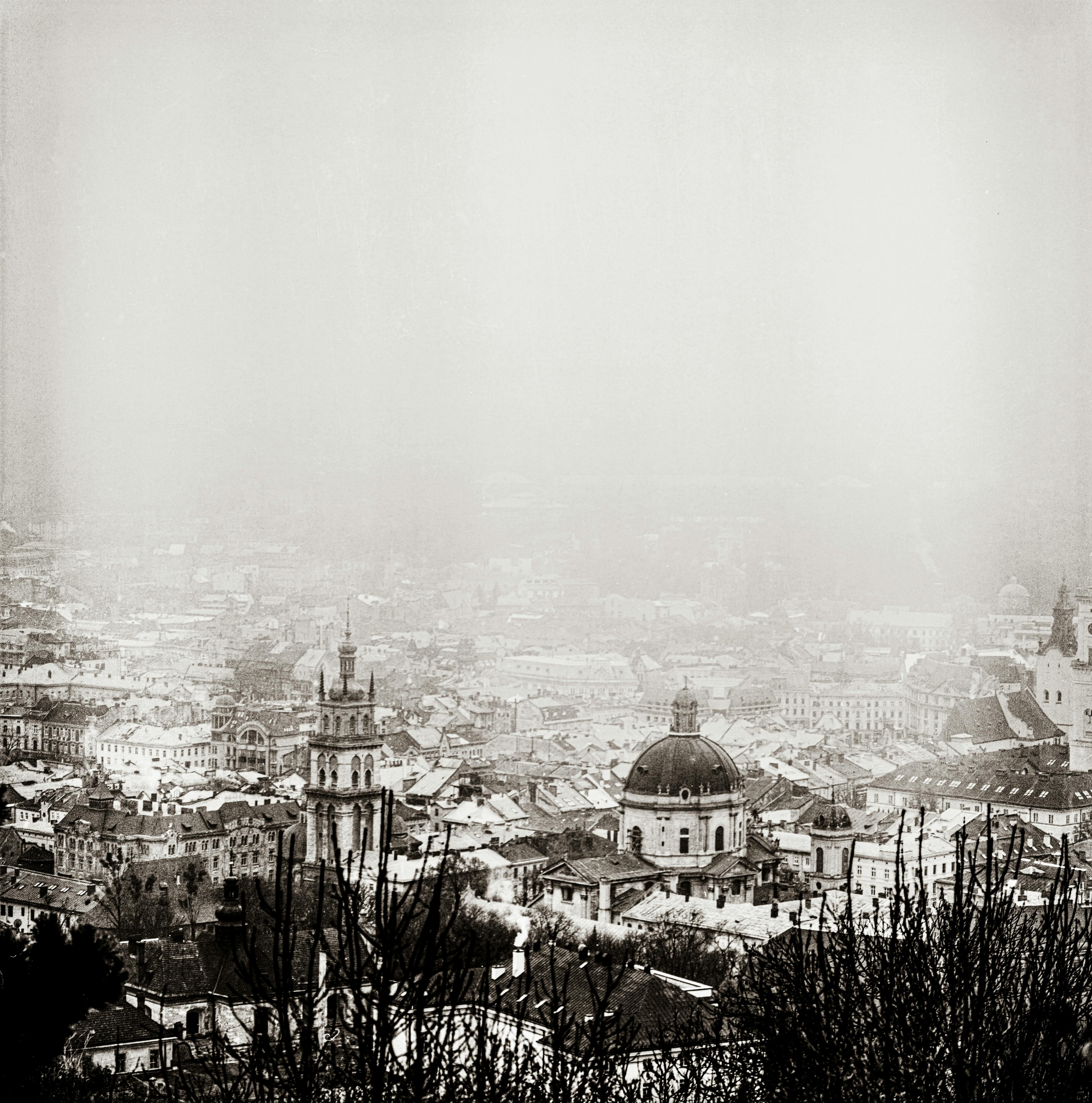
July–August (Peak Summer): Warmest and busiest, with average daytime temperatures around 23–26°C. Expect more tourists (increasingly, wartime solidarity travelers from Poland and Western Europe), higher accommodation rates, and more frequent afternoon thunderstorms. Still excellent.
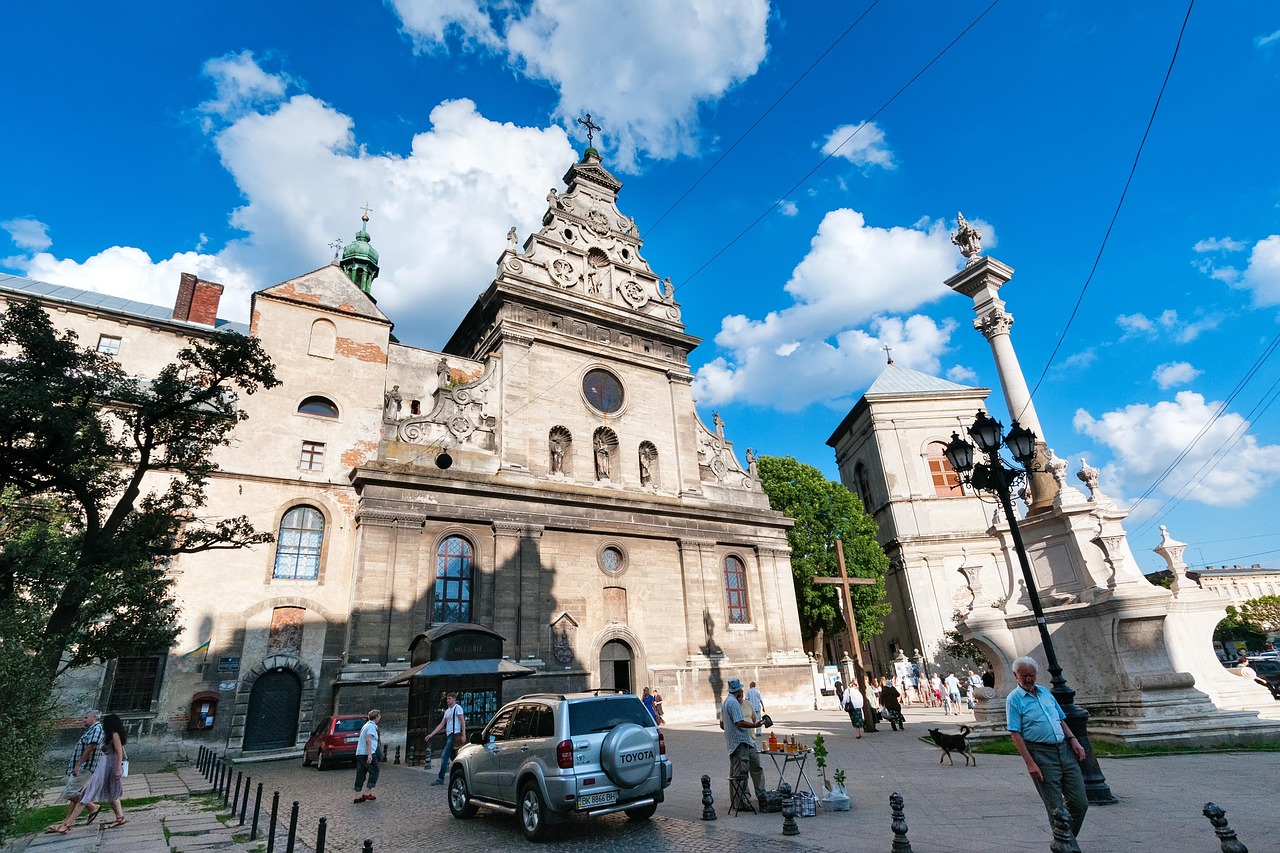
September–October (Golden Autumn): Arguably the most beautiful month visually — the city’s trees turn amber and copper, the summer crowds thin, and the weather (14–20°C) is ideal for walking. The Jazz Festival typically falls in September.
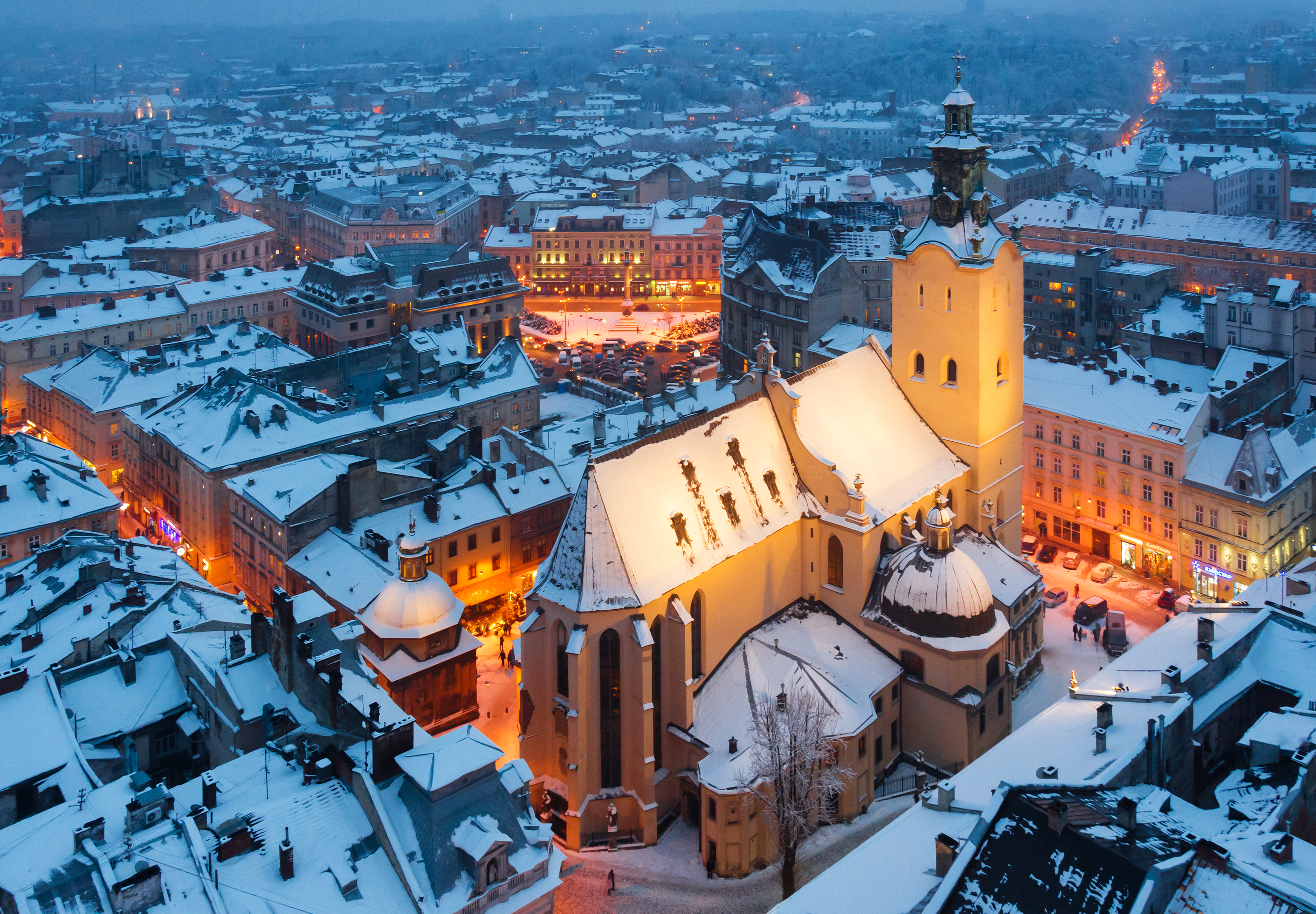
November–March (Winter): Cold and occasionally snowy, with temperatures dipping to -5 to -10°C in January–February. The Christmas Market on Rynok Square (mid-November through January) is genuinely magical. Pack heavy layers. Icy cobblestones are a real hazard.
Skip: The Easter spike in April, when prices briefly jump and accommodation books out quickly due to Ukrainian Orthodox and Greek Catholic celebrations.
Top Attractions
Rynok Square (Market Square)
The irreplaceable starting point. One of the finest examples of Central European Renaissance urban planning, Rynok Square has been the commercial and social heart of Lviv since the 14th century. The square’s merchant houses — 44 of them, each originally belonging to a different wealthy family — wrap around a central Town Hall tower that you can climb for panoramic views of the Old Town’s rooftops and spires.

- Town Hall Tower: Open Tuesday–Sunday, 10:00–18:00 (last entry 17:30); approximately 50 UAH admission
- Pro-tip: Arrive at 8:30–9:00 AM before the tour groups descend. The square at dawn, with the mist still sitting between the towers, is something else entirely.
Lviv National Opera and Ballet Theatre
One of the most beautiful opera houses in Europe and among Ukraine’s most recognized architectural landmarks. The 1900 neo-Rococo building — named after opera singer Solomiya Krushelnytska, born near Lviv — continues to run performances throughout the wartime period, a fact locals cite with quiet pride.

- Performances: Check the official theatre website for the current schedule; tickets typically 150–800 UAH depending on the production and seat tier
- Tours of the interior: Available on non-performance afternoons; approximately 80 UAH
- Pro-tip: Attend a performance rather than just photographing the façade from Freedom Avenue. Even if you don’t speak Ukrainian, the repertoire is international, and the building will take your breath away. Dress smartly — locals do.
Lychakiv Cemetery
This is not a place most people expect to love, but almost everyone does. Lychakiv is one of Europe’s oldest and most atmospheric cemeteries, founded in 1786, where extraordinarily sculpted 19th-century tombs sit beneath a canopy of ancient trees. The cemetery is now an open-air sculpture museum and the resting place of Ukrainian cultural heroes, Polish intellectuals, and Habsburg-era notables. Recent sections also contain graves of soldiers killed in the current war — a somber but important contemporary layer.

- Hours: Daily 09:00–18:00; 50 UAH admission
- Pro-tip: Pick up the map at the entrance rather than wandering without direction. The carved angels and weeping figures at the far northeastern section are among the finest funerary sculptures on the continent.
High Castle Hill (Vysoky Zamok)
The ruins of the original 14th-century castle — dismantled by the Austrians — sit atop a steep wooded hill offering the single best panoramic view of Lviv: a horizon of green copper domes, baroque towers, and red-tiled rooftops stretching in every direction. The climb takes 20–30 minutes from the Old Town.
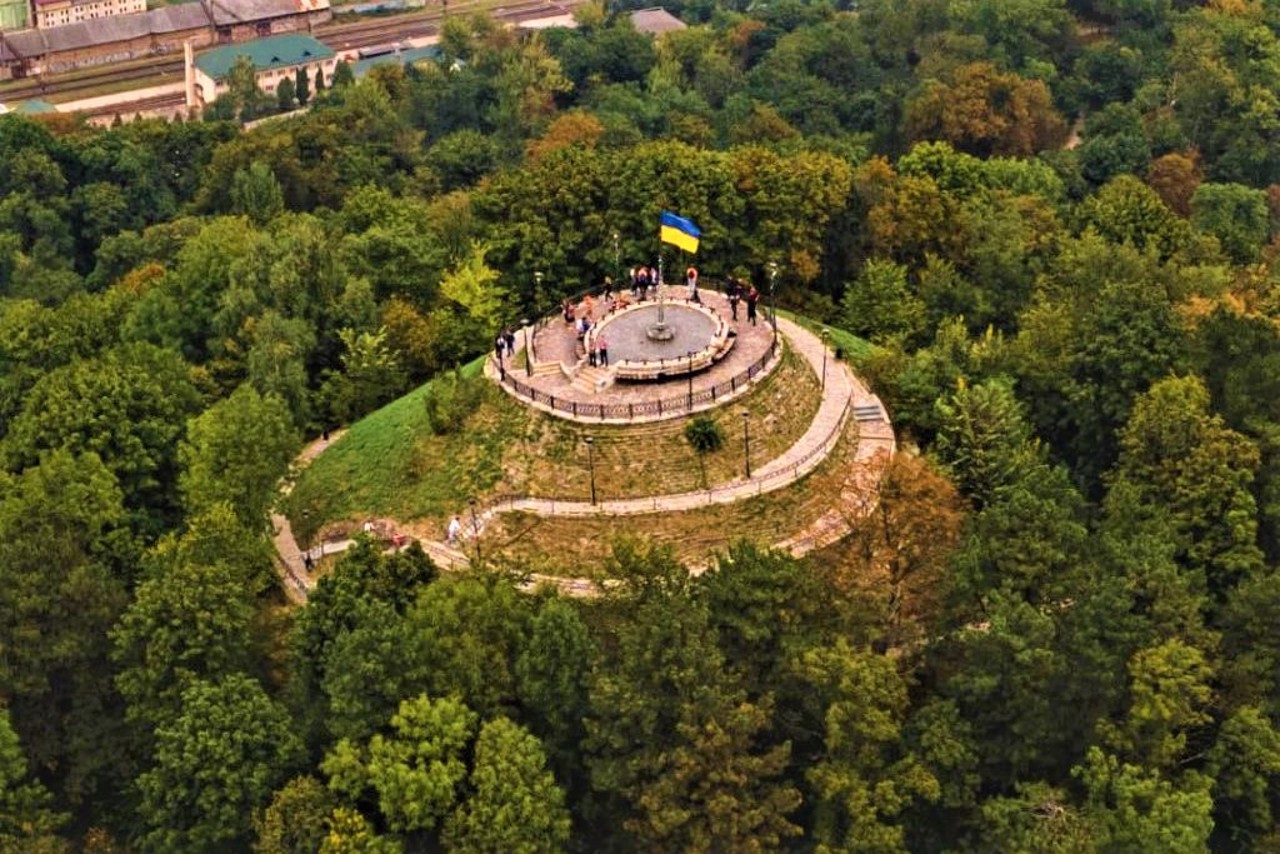
- Free to access; always open
- Pro-tip: Sunset hike. The light that hits the Old Town’s spires at golden hour from this vantage point is exceptional. Bring a bottle of local wine.
St. George’s Cathedral
The spiritual headquarters of the Greek Catholic Church — a faith unique to this corner of Europe that blends Byzantine Orthodox rites with Catholic papal allegiance. The 18th-century baroque cathedral, sitting on a hill slightly west of the Old Town, was the subject of fierce Soviet efforts at suppression and emerged from that period with its congregation intact. The interior is heavy with incense and candlelight; the carved St. George on the exterior gable is among the finest Baroque sculptures in Ukraine.

- Free entry; modest dress required
- Pro-tip: Visit during a Sunday morning liturgy for a genuinely moving cultural experience. The choir is extraordinary.
Armenian Cathedral
Founded in 1363, this is one of the oldest continuously functioning churches in Ukraine. The cathedral courtyard — a maze of low arched passageways, crumbling gravestones inscribed in the 54-letter Armenian alphabet, and quiet corners — transports you to a Caucasian city that no longer exists. Lviv once had a thriving Armenian merchant community; this cathedral is their most lasting presence.

- Free entry; respectful attire required
- Pro-tip: The courtyard is the discovery, not just the nave. Spend time tracing the Armenian inscriptions on the gravestones.
Boim Chapel
A pocket-sized masterpiece. Built in the early 17th century as a private tomb for a wealthy Hungarian merchant family, the Boim Chapel is smothered in stone carvings — biblical scenes, grotesque faces, decorative medallions — crammed into a façade barely 10 meters wide. It is considered one of the finest examples of Renaissance funerary art in Eastern Europe.
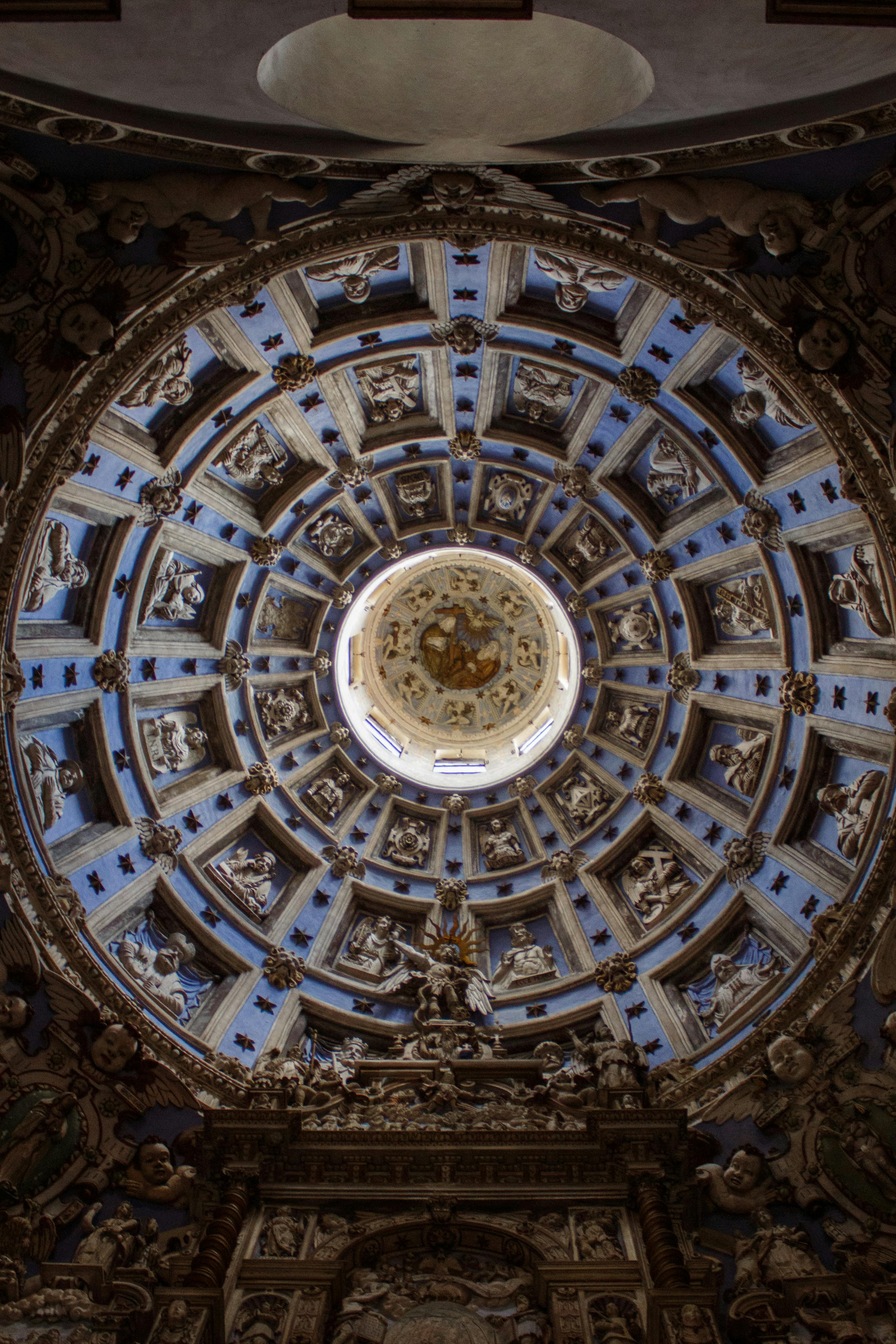
- Open Thursday–Sunday, 10:00–17:00; approximately 40 UAH
Hidden Gems
Dzyga Art Café
Tucked into a courtyard off Virmenska Street, Dzyga has been Lviv’s creative nerve center since the late Soviet era. Part gallery, part concert venue, part café, it hosts rotating art exhibitions, poetry slams, and jazz evenings with a casualness that suggests the culture here is not performed for visitors but simply lived. The coffee is good; the atmosphere is irreplaceable. Locals in their 40s and 50s who shaped Lviv’s post-independence cultural scene still gather here. It feels like an insider in Lviv in a way that Rynok Square no longer can.

The Italian Courtyard (Italiisky Dvir)
Virtually invisible from the street — you enter through an archway on Rynok Square — this small Renaissance courtyard is the only Italian-style loggia courtyard surviving in Ukraine. Built by Italian architects in the 16th century for a wealthy Lviv merchant family, it stood forgotten inside a communist-era government building for decades. It was only restored and opened to visitors in the 2000s. The proportions are perfect; the setting is shaded and quiet.

- Part of the Historical Museum complex; approximately 50 UAH combined entry
Pharmacy Museum (Apteka-Muzey)
The former medieval pharmacy at Drukarska 2 operated from the 1730s until the 1990s; it now functions as both a working pharmacy and a museum of pharmaceutical history. Downstairs, display cases contain antique glass vessels, alchemical apparatus, and 18th-century medical recipes. The attached café serves pastries based on historical recipes. It is one of those Lviv places that exists at the exact intersection of quirky, beautiful, and historically serious.

- Hours: Monday–Saturday 10:00–19:00; free to enter the museum section**
Stryiskyi Park in the Morning
Lviv’s largest and oldest park — designed by a French landscape architect in the 1880s — is where the city exhales. At 7:00 AM on a weekday, when the paths are occupied only by power-walking grandmothers and the occasional dog, the park’s layered topography of ponds, bridges, and copper beeches shows you a Lviv that the guidebooks don’t photograph. The park is also the site of the Museum of Folk Architecture and Life (Shevchenkivskyi Hai), an open-air collection of traditional wooden Ukrainian structures from across Western Ukraine. The windmills and log churches at dawn are remarkably atmospheric.

Cuisine & Dining
Must-Try Dishes
- Borscht (Борщ): Beetroot soup with a complexity that varies enormously by cook and season. The Lviv version often comes with a small dumpling of mushrooms inside.
- Varenyky (Вареники): Stuffed dumplings, the Ukrainian answer to pierogi, filled with potato and cheese, cherries, or sauerkraut. The correct accompaniment is sour cream, not butter.
- Banush: A Hutsul-origin cornmeal porridge from the Carpathians, rich with sour cream and topped with fried mushrooms and sheep’s cheese. Heavy, warming, and magnificent.
- Salo: Cured pork fat, the Ukrainian national provocation. Usually eaten with black bread and raw garlic; one of those foods that sounds confronting and tastes extraordinary.
- Lviv Cheesecake (Syrnik): Dense, creamy, not overly sweet, distinct from the airy New York style. Every good café has its own version.
- Medovyk: Layered honey cake with thin, crisp pastry layers and a cream filling. The best versions require 24 hours of rest for the layers to absorb the cream.

Restaurants
Budget
- Puzata Hata (Пузата Хата) — The beloved national cafeteria chain. Take a tray, queue past the glass cases, point at what looks good, and pay under 200 UAH for a full meal. The food is genuine, the variety is impressive (borscht, cutlets, salads, varenyky, roasted meats), and the atmosphere is cheerfully chaotic. Perfect for a quick, authentic lunch.
- Varenychna No.1 — A small, buzzy chain of dumpling houses where you choose your filling and watch the varenyky assembled behind the counter. Excellent value; expect queues at lunchtime.
Mid-Range
- Kryivka — The legendary themed restaurant hidden beneath Market Square (enter through “The Most Expensive Restaurant in Lviv” and give the password “Slava Ukraini” at the door). Underground bunker decor, UPA insurgent-army memorabilia, servers in period uniform, a complimentary shot of horilka on entry, and remarkably good Ukrainian food at fair prices. Inescapably touristy; also inescapably fun. Reserve ahead.
- Baczewski Restaurant — Named after the famous 19th-century Lviv vodka producer, Baczewski specializes in Galician cuisine with genuine historical research behind the menu. The interior is pre-war Lemberg: dark wood, tiled floors, oil paintings. Try the zrazy (stuffed beef rolls) or the goose in plum sauce.
- Kyrpa — Quieter and more grown-up than Kryivka, with thoughtful Ukrainian cooking that goes beyond the standard tourist repertoire. The seasonal menus have included duck with buckwheat and wild mushrooms, and cured salmon with pickled beets — the sort of dishes that remind you Galicia has its own serious culinary tradition.
Fine Dining
- Mons Pius — Lviv’s most photogenic restaurant, set in the Armenian courtyard garden with a retractable glass roof and candlelit tables tucked between medieval walls. The cooking is contemporary Ukrainian with French technique — exceptional steaks, refined vegetable preparations, and a wine list that takes Ukrainian and Georgian wines seriously. Reserve weeks in advance.
- Urban Space 100 — A social enterprise restaurant where 100% of profits fund civic initiatives across Ukraine. The rooftop terrace offers some of the best views of the Old Town; the kitchen delivers ambitious contemporary European cuisine. The model has inspired similar restaurants in other Ukrainian cities.
The Coffee Culture
Lviv’s claim to being the coffee capital of Ukraine is serious and historically grounded. The city’s coffee culture developed under Austro-Hungarian rule in the 19th century and never quite left. Today, it is reinvented, intensified, and theatricized.
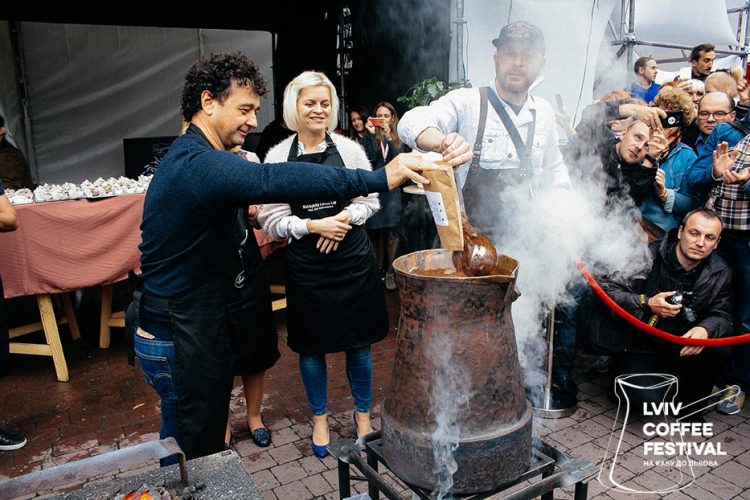
- Lviv Coffee Mining Manufacture (Lvivska Kopalnya Kavy) — The flagship experience. Coffee is theatrically “mined” from underground on Rynok Square; there are over 30 coffee drinks, an underground tasting cave, freshly roasted beans sold by weight, and a labyrinthine interior of exposed stone and wooden beams. Touristy, yes — but the coffee is genuinely excellent, and the roasting is done properly.
- Black Honey — For when you want outstanding specialty coffee without performance. Clean, minimal, modern, friendly. Multiple locations across the center; the Brativ Rohatyntsiv Street branch is the best.
- Virmenka (Вірменка) — The city’s oldest surviving coffeehouse, open since 1979. Coffee is brewed in the traditional Eastern manner, on hot sand. Seven tables, decades of memory, and a clientele that ranges from elderly regulars to young hipsters who know what they’re doing.
- Lviv Handmade Chocolate — Buy the dark chocolate with sea salt and cardamom. Full stop.
Accommodation
Where to Stay
Old Town is the prime location for first-time visitors — walkable to every major attraction, atmospheric, and well-served by restaurants. Expect to pay a premium.
The Prospekt Svobody (Freedom Avenue) corridor is excellent for those who want central access with slightly more space and easier navigation for trams and rideshares.
Shevchenkivskyi District (slightly north of the center) offers better value, a genuine local neighborhood feel, and good access to Stryiskyi Park.
Budget (Hostels & Guesthouses)
- Old City Hostel — One of Ukraine’s longest-running hostels, located inside a beautifully preserved 16th-century building, a five-minute walk from Rynok Square. Dorms from approximately €8–12/night. The communal kitchen and common room have become a meeting point for traveling journalists, volunteers, and backpackers.
- Dream Hostel Lviv — Part of a reliable Ukrainian chain with consistently clean facilities, good security, and friendly English-speaking staff. Dorms from €7–€ 10; privates from €20–€ 30.
Mid-Range (Boutique Hotels)
- Hotel Pid Zolotoyu Rozoyu (“Under the Golden Rose”) — Occupying a building adjacent to the site of Lviv’s historic Golden Rose synagogue (destroyed in WWII), this intimate boutique hotel manages to be architecturally thoughtful without being heavy-handed about the history. 15 rooms, excellent breakfasts, prime Old Town location. From approximately €60–90/night.
- Vintage Boutique Hotel — Installed in a meticulously restored 19th-century townhouse with individually decorated rooms drawing on different periods of Lviv’s history. The Habsburg-era room with its iron bedframe and parquet floor is particularly good. From approximately €55–80/night.
Luxury
- Opera Passage Hotel & Apartments — Steps from the Opera House, with a spa, rooftop bar, and rooms that combine period architecture with contemporary design. The breakfast spread is excellent. From approximately €100–160/night. Recent travelers particularly praise staff for their wartime professionalism and warmth.
- Edem Resort Hotel — Located slightly outside the Old Town in a park setting, with a swimming pool, spa facilities, and multiple restaurant concepts. Better for those arriving by car or who want more of a resort atmosphere alongside city access. From approximately €90–140/night.
Transportation
Getting to Lviv
Ukraine’s airspace remains closed due to the ongoing war. There are no commercial flights.

By Train (Recommended):
- From Kraków, Poland: The most popular international route. Take an overnight or day train from Kraków Główny to Przemyśl (1.5 hours), then cross the Ukrainian border on foot or by international train to Lviv. The Przemyśl–Lviv international rail service runs several times daily; journey time is approximately 2.5 hours. Book tickets with Ukrzaliznytsia (Ukrainian Railways) through their official website or app.
- From Warsaw: Warsaw–Lviv via Przemyśl; total journey approximately 8–10 hours.
- From Bucharest: Via Chernivtsi, approximately 14 hours.
- From Budapest: Via Chop/Záhony border crossing; approximately 9–12 hours total.
By Bus: FlixBus, Polskibus, and Ukrainian coach operators run Kraków–Lviv, Warsaw–Lviv, and other cross-border routes. Slower than a train but often easier to book at short notice.
By Car: You can drive across the border at multiple land crossings (Medyka/Shehyni is the most popular for Poland). Expect queues. A Ukrainian SIM card with data is essential for navigation.
Getting Around Lviv
On foot: The Old Town is entirely and comfortably walkable. Most major attractions are within 30 minutes on foot of Rynok Square.
Trams: Lviv’s historic tram network is an experience in itself — slow, loud, and occasionally overheated, but charming and functional. Line 6 connects the main train station to the Old Town. Single ride costs approximately 8–12 UAH.

Bolt/Uber: Both operate reliably in Lviv. Fares within the city center are typically 60–150 UAH. Always use the app rather than street-hailing taxis.
Bicycle: The city has expanded its cycling infrastructure significantly in recent years. Bike rental is available at several points in the Old Town; the terrain around the Old Town is hilly but manageable.
Events & Festivals
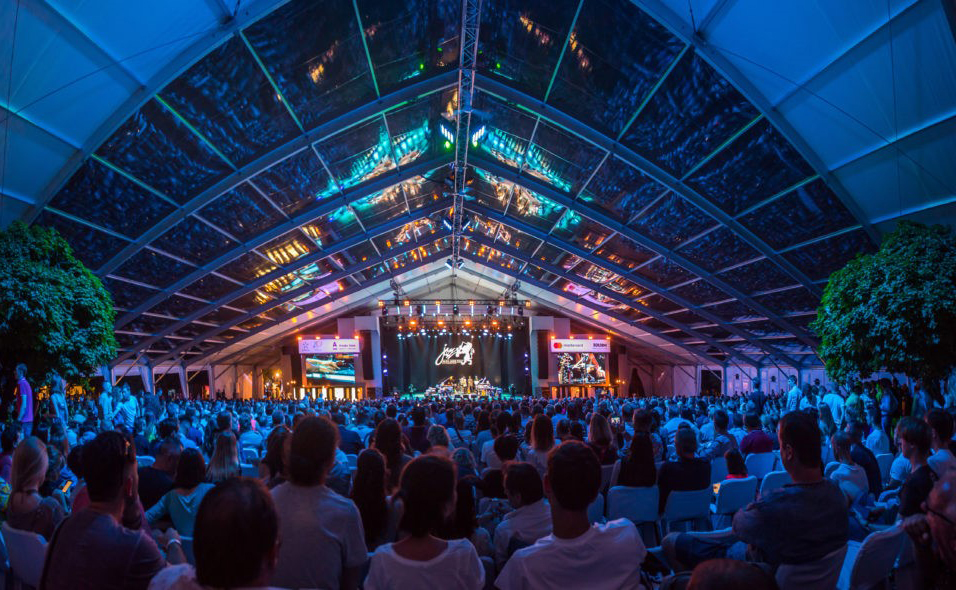
Lviv Jazz Festival (September) — One of Ukraine’s premier jazz events, typically held over three days in September, transforming courtyards, squares, and concert halls across the Old Town into outdoor stages. International and Ukrainian artists; free open-air stages alongside ticketed indoor performances.
Lviv Coffee Festival (October) — An entire weekend dedicated to Ukraine’s coffee capital living up to its title. Specialty roasters, barista competitions, tastings, and coffee-themed markets take over Market Square and the surrounding streets.
Christmas Market on Rynok Square (Mid-November–January) — One of the most atmospheric Christmas markets in Eastern Europe, with hand-crafted wooden stalls selling embroidery, carved ornaments, honey products, and mulled wine. The tree at the center of the square, and the way the market lights reflect off the baroque merchant houses, is genuinely stunning in the snow.

Shopping
Best Streets & Markets
Virmenska Street (Armenian Street): The best single street for browsing antique shops, art galleries, ceramics, and amber jewelry. The entire street has an artisan character that has resisted souvenirification.
Rynok Square surrounds: Concentrated tourist shopping — painted eggs (pysanky), embroidered linens, and Ukrainian-language books — but also some genuinely good amber and enamelwork jewelry if you look past the first row of stalls.
Vernisazh Market (near Ivan Franko Park): A weekend flea market and artists’ bazaar where you can find vintage Soviet-era objects, Ukrainian folk art, old postcards, and works by local artists. Saturday and Sunday mornings are best.
What to Buy
- Pysanky (Писанки): Hand-painted Easter eggs using a wax-resist technique. The traditional Ukrainian motifs take craftspeople days to complete; look for hand-made rather than mass-produced versions.
- Vyshyvanka fabric: Embroidered textile panels and garments featuring traditional regional patterns. Each village historically had its own pattern language.
- Lviv Coffee Beans: Freshly roasted, bagged by weight at the Lviv Coffee Mining Manufacture or Lviv Coffee Workshop — a better souvenir than any airport duty-free could offer.
- Lviv Handmade Chocolate: Dark chocolate bars in unusual flavor combinations (lavender and sea salt, cardamom and orange peel). Buy directly from their shops; they are also widely available across the city.
- Ukrainian Ceramics: The Hutsul ceramic tradition from the Carpathian region produces distinctive geometric-patterned pottery. Available at the better craft shops on Virmenska.
- Ukrainian-language Books: Buying Ukrainian literature in its original language is considered a meaningful act of cultural support. The bookshop on Rynok Square has a good selection.
Practical Information
Visa & Entry
Citizens of the EU, UK, USA, Canada, Japan, South Korea, and many other countries can enter Ukraine visa-free for up to 90 days within 180 days. Your passport must be valid for at least six months beyond your intended departure date.
Travel insurance with war-risk coverage is mandatory to enter Ukraine under the current martial law regulations. Standard travel insurance is not sufficient. Providers like World Nomads offer appropriate coverage; verify explicitly that your policy covers Ukraine during active conflict conditions.
Bring printed and digital copies of all documentation: passport, insurance, accommodation booking, and travel plans.
Currency
Ukraine uses the Ukrainian Hryvnia (UAH). As of 2025, the exchange rate fluctuates around 40–42 UAH to the US dollar; verify before travel.
- Credit cards (Visa and Mastercard) are widely accepted at restaurants, hotels, and shops in central Lviv.
- Cash is useful for small vendors, market stalls, public transport, and some smaller cafés.
- Exchange currency at official bank exchange offices (банк, обмін валют). Do not exchange on the street.
- ATMs (bankomats) are widely available in the center; Monobank and PrivatBank ATMs are generally reliable.
Language
Ukrainian is the primary language, now more than ever — the war has significantly accelerated a shift away from Russian in daily life. English is spoken to a useful degree by hotel staff, younger restaurant workers, and those in the tourism sector. Beyond the main tourist zones, carry a translation app.
Useful Ukrainian phrases:
- Дякую (Dyakuyu) — Thank you
- Будь ласка (Bud’ laska) — Please / You’re welcome
- Вибачте (Vybachte) — Excuse me / Sorry
- Скільки коштує? (Skilky koshtuye?) — How much does it cost?
- Слава Україні! (Slava Ukrayini!) — Glory to Ukraine! (The national greeting and response in the current period; locals will appreciate you using it)
Safety Specifics
- Download the “Повітряна Тривога” air raid alert app immediately on arrival
- Learn the location of your hotel’s shelter on check-in — all hotels have designated shelters
- Curfew is currently midnight–5:00 AM in most western Ukrainian regions; verify current hours on arrival
- Carry your physical passport at all times — this is a legal requirement under martial law
- Do not photograph military checkpoints, soldiers, weapons systems, or infrastructure of strategic importance
- Emergency number: 112 (unified emergency response)
Etiquette
Greetings: A firm handshake is standard between strangers; close friends exchange kisses on the cheek. The formal greeting is “Dobriy den” (Good day); the informal is “Pryvit” (Hi).
At religious sites: Cover shoulders and knees (women) and remove hats (men) when entering Orthodox or Greek Catholic churches. Greek Catholic churches follow the Byzantine rite but are in full communion with Rome; they appreciate the same respect as any Catholic place of worship.

Flowers: If visiting someone’s home, bring an odd number of flowers (even numbers are for funerals). This matters.
Conversation: Lviv residents are happy to discuss Ukrainian history, culture, and identity. On the current war, most will have direct personal experience — family members who have served, relatives displaced from eastern Ukraine. Listen more than you speak.
Photography: Always ask before photographing individuals. Street scenes are fine; pointing a camera at people without acknowledgment is considered rude.

Tipping Culture: Tipping is appreciated but not expected to the degree it is in North America. 10% is standard and well-received at sit-down restaurants. Round up taxi fares. Leave something for hotel housekeeping.
Language politics: Do not assume people speak Russian, and do not initiate conversation in Russian. Ukrainian is both the official language and, at this moment in history, a politically and personally significant choice. English is a perfectly acceptable starting point.
Packing List
All Seasons
- Passport (physical copy, never leave at hotel)
- Travel insurance documents (printed and digital) with explicit war-risk coverage
- Power adapter (Ukraine uses Type C/F European plugs, 220V)
- Portable battery/power bank (for air alert apps during outages)
- Comfortable walking shoes — cobblestones are hard on feet and ruthless to wheeled luggage
Spring / Summer (May–August)
- Lightweight layers (evenings can be cool even in summer)
- Rain jacket or packable umbrella
- Sunscreen (the Old Town offers less shade than you expect)
- Light cotton or linen clothing
Autumn (September–October)
- Mid-weight jacket
- Scarf and light gloves for evenings
- Waterproof shoes (autumn rains can make cobblestones slippery)
Winter (November–March)
- Heavy winter coat (temperatures reach -10°C)
- Thermal underlayers
- Waterproof, insulated boots with good grip — icy cobblestones cause real falls
- Wool hat, scarf, gloves
- Hand warmers
Itineraries
2-Day Itinerary: The Essential Lviv
Day 1: Old Town Immersion
Morning: Begin with coffee at Virmenka on Armenian Street — the sand-brewed coffee is the correct breakfast for a 700-year-old city. Walk to Rynok Square before the tours arrive, and climb the Town Hall Tower for your first aerial orientation of the Old Town. Spend an hour simply walking the square’s perimeter, reading the merchant house façades.
From the square, walk two minutes to the Italian Courtyard — the hidden Renaissance loggia that most people miss.
Late Morning: Head north on Armenian Street to the Armenian Cathedral and its extraordinary gravestone-paved courtyard. Continue to the Boim Chapel for its astonishing stone-carving surface.

Afternoon: Lunch at Kryivka — accept the experience’s theatrical nature and enjoy a proper Ukrainian meal underground. Walk up to High Castle Hill for the afternoon view; the climb is 25 minutes, but the perspective is worth it.
Return to the Old Town for coffee at the Lviv Coffee Mining Manufacture — go into the underground tasting section.
Evening: Check the Opera House schedule and attend a performance if one is running. If not, dinner at Baczewski Restaurant for Galician cuisine in a pre-war Lemberg atmosphere. Finish at Dzyga if there’s live music.
Day 2: Beyond the Square
Morning: Early start at Stryiskyi Park and the Museum of Folk Architecture and Life (open from 10:00; arrive when the wooden windmills are still in morning mist). Walk back through the park towards the city.
Mid-Morning: St. George’s Cathedral on the hill to the west — ideally during or just after Sunday morning liturgy if timing allows. Walk back east through the Halytskyi district, pausing at the Pharmacy Museum on Drukarska Street.
Afternoon: Lunch at Kyrpa for thoughtful contemporary Ukrainian cooking. Spend the afternoon on Virmenska Street browsing ceramics, amber, and gallery shops. Buy pysanky, coffee beans, and chocolate.
Late Afternoon: Lychakiv Cemetery — a minimum of 1 hour here. Exit via the eastern gate and take a tram back to the center.
Evening: Dinner at Mons Pius in the Armenian courtyard (book well ahead). End the evening at Black Honey or a courtyard bar on Lesi Ukrainky Street.
4-Day Itinerary: Lviv in Depth
Follow the 2-day itinerary above for Days 1 and 2, then:
Day 3: Lviv’s Cultural Layer Cake
Morning: The Lviv History Museum (several interconnected buildings around the Old Town, including the Black House and Italian Palace) provides the full chronological context for what you’ve been looking at all week. Budget two hours.
Visit the Lviv National Museum on Svobody Avenue for the finest collection of Ukrainian medieval icons outside of Kyiv — the 15th and 16th-century pieces are exceptional.
Afternoon: Walk to the Beer Brewing Museum (Brewery “Lvivske”) in Shevchenkivskyi District for a tour of one of Ukraine’s oldest operating breweries, followed by a tasting in the atmospheric cellar.

Lunch at Gasova Lampa (Kerosene Lamp Restaurant) — the entire interior is lit by oil lamps; the Ukrainian home cooking is excellent.
Evening: The Lviv Philharmonic occasionally holds evening chamber concerts in the gorgeous 19th-century concert hall. Check the schedule. Otherwise, explore the Jazz Club Dzyga or the bar scene around Lesi Ukrainky Street.
Day 4: Castles of the Lviv Region
Full-Day Excursion: The Lviv region features three extraordinary Renaissance-era castles that can be combined into a single guided day trip from the city. Book through the Lviv Tourism Information Center on Rynok Square 1 (open 09:00–18:00 daily).
- Olesko Castle — One of Ukraine’s oldest surviving castles, with 13th-century origins, with a restored interior housing art collections from the Lviv Galleries. Set on a solitary hill above a lake.
- Zolochiv Castle — A 17th-century fortress complex with the extraordinary Chinese Cabinet, one of only three Chinese-style interior rooms in Europe.
- Pidhirtsi Castle — The most romantic of the three: a ruined but atmospheric 17th-century Baroque palace surrounded by formal gardens, sitting silent in the rolling fields.

Guided tours depart daily from the Tourism Center; approximately 800 UAH per person, transport included.
Return to Lviv for a final dinner at Urban Space 100 — an excellent choice for a last night, both for the food and because the profits go directly to Ukrainian civil society.
7-Day Itinerary: Full Western Ukraine
Days 1–4: Lviv
Follow the 4-day itinerary above in full.
Day 5: Carpathian Foothills — Skole & Tustan
Full Day Excursion: Drive or take a guided tour (approximately 2.5 hours each way) to the village of Tustan in the Carpathian foothills. The medieval rock fortress of Tustan — carved directly into towering sandstone cliffs in the 9th–14th centuries — is one of the most dramatic historical sites in Western Ukraine and completely unknown to most Western travelers. The surrounding forest is beautiful for walking.
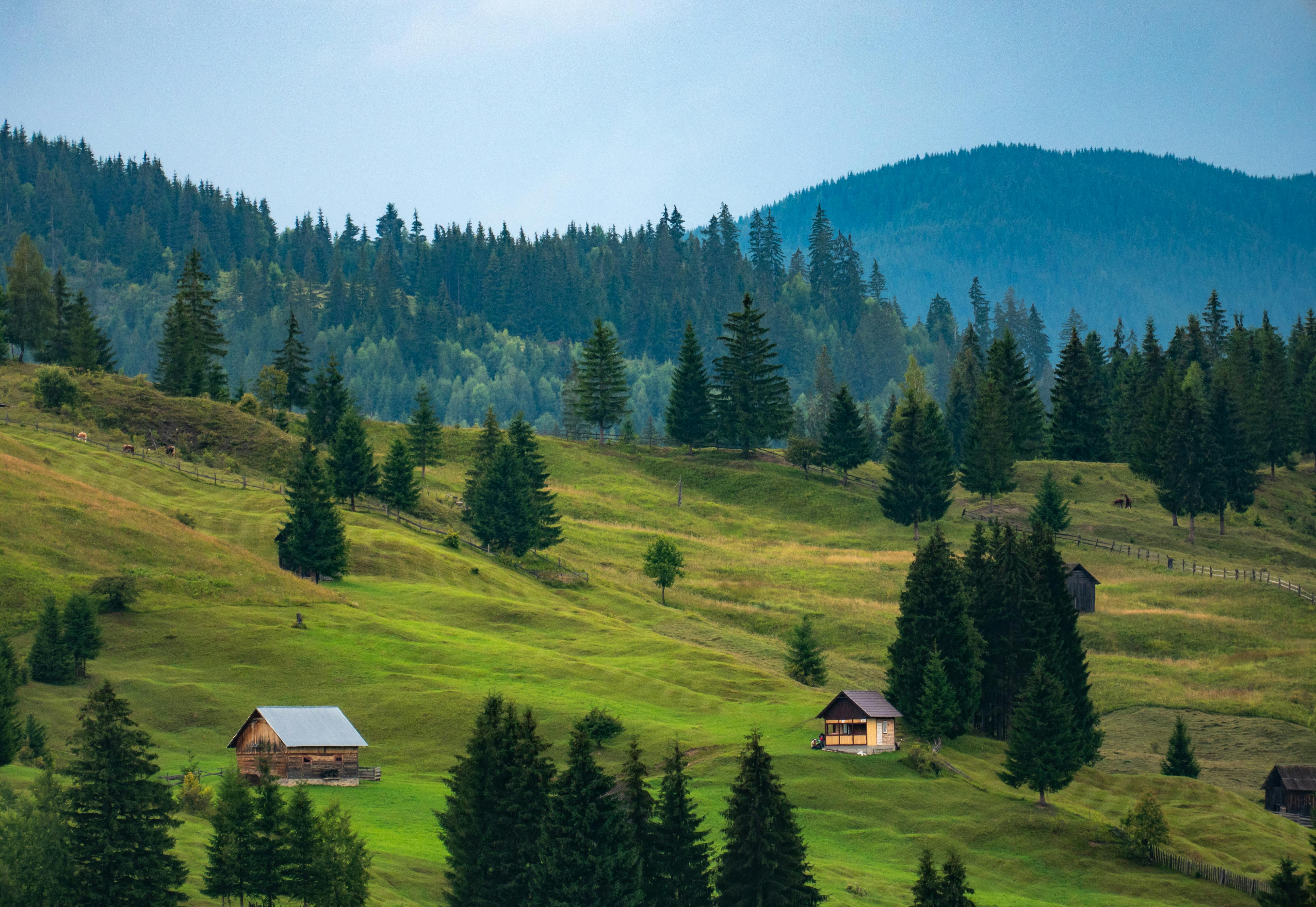
On the return journey, stop in Skole, a Carpathian resort town on the Opir River, for lunch at a traditional kolyba (mountain inn) serving Hutsul mountain cuisine: banush, brynza (sheep’s cheese), and smoked meats.
Return to Lviv by evening.
Day 6: Carpathian Mountains — Day Hike
Full Day Excursion: The Skolivski Beskydy Natural Park, approximately 100km south of Lviv, offers excellent one-day hiking in genuine Carpathian mountain terrain without requiring overnight camping gear. The park contains the Guk Waterfall trail and panoramic ridgeline walks with views across forested valleys.
Several Lviv-based operators run guided day trips in summer and early autumn (approximately 800–1,000 UAH). In winter, the same operators run trips to the Slavske ski resort.
Return to Lviv for a final evening of jazz, a parting coffee at Virmenka, and whatever Mons Pius still has on the late menu.
Day 7: Departure Day — Slow Morning
No rushing. Final morning coffee on Rynok Square; last pastry from the pharmacy museum café; a final walk up the cobblestoned lanes of the Armenian quarter. Visit Lviv Coffee Workshop to stock up on roasted beans for the journey. Then: train west, through Przemyśl and into Poland, carrying whatever part of 
Last updated: April 2026. Entry requirements, ticket prices, and safety conditions in Ukraine are subject to change. Always verify current information with official sources and your government’s travel advisory before booking.
Always check current curfew hours, air alert protocols, and entry requirements with your accommodation immediately upon arrival in Lviv.