

 Start Driving in Los Angeles, California
Los Angeles, la ciudad de los angeles, es una metropolis vibrante y diversa situada en la costa oeste de Estados Unidos. Conocida por ser la capital mundial del entretenimiento, Los Angeles ofrece una mezcla unica de glamour, cultura y belleza natural. Hollywood, con su iconico Paseo de la Fama y sus estudios de cine, es el corazon de la ciudad, un lugar donde se respira la magia del cine. El Observatorio Griffith, situado en la cima de una colina, ofrece vistas panoramicas de la ciudad y del famoso letrero de Hollywood. El Getty Center, un complejo arquitectonico impresionante, alberga una valiosa coleccion de arte europeo. Las playas de Los Angeles, como Santa Monica y Venice Beach, son destinos populares para relajarse, tomar el sol y practicar deportes acuaticos. El muelle de Santa Monica, con su parque de atracciones y su ambiente festivo, es un lugar emblematico de la ciudad. Los Angeles tambien es un paraiso para los amantes de la gastronomia, con una amplia oferta de restaurantes que van desde los puestos de comida callejera hasta los restaurantes de alta cocina. La ciudad es famosa por su diversidad cultural, que se refleja en sus barrios etnicos, como Chinatown, Koreatown y Little Tokyo. El sistema de transporte publico de Los Angeles, que incluye autobuses y el metro, facilita el desplazamiento por la ciudad y sus alrededores. El clima mediterraneo de Los Angeles, con veranos calidos e inviernos suaves, lo convierte en un destino atractivo durante todo el ano. La moneda es el dolar estadounidense (USD), y el ingles es el idioma principal. Los mejores momentos para visitarla son durante la primavera y el otono, cuando el clima es templado y agradable.
Lisbon: The Atlantic City That Rewires Your Senses
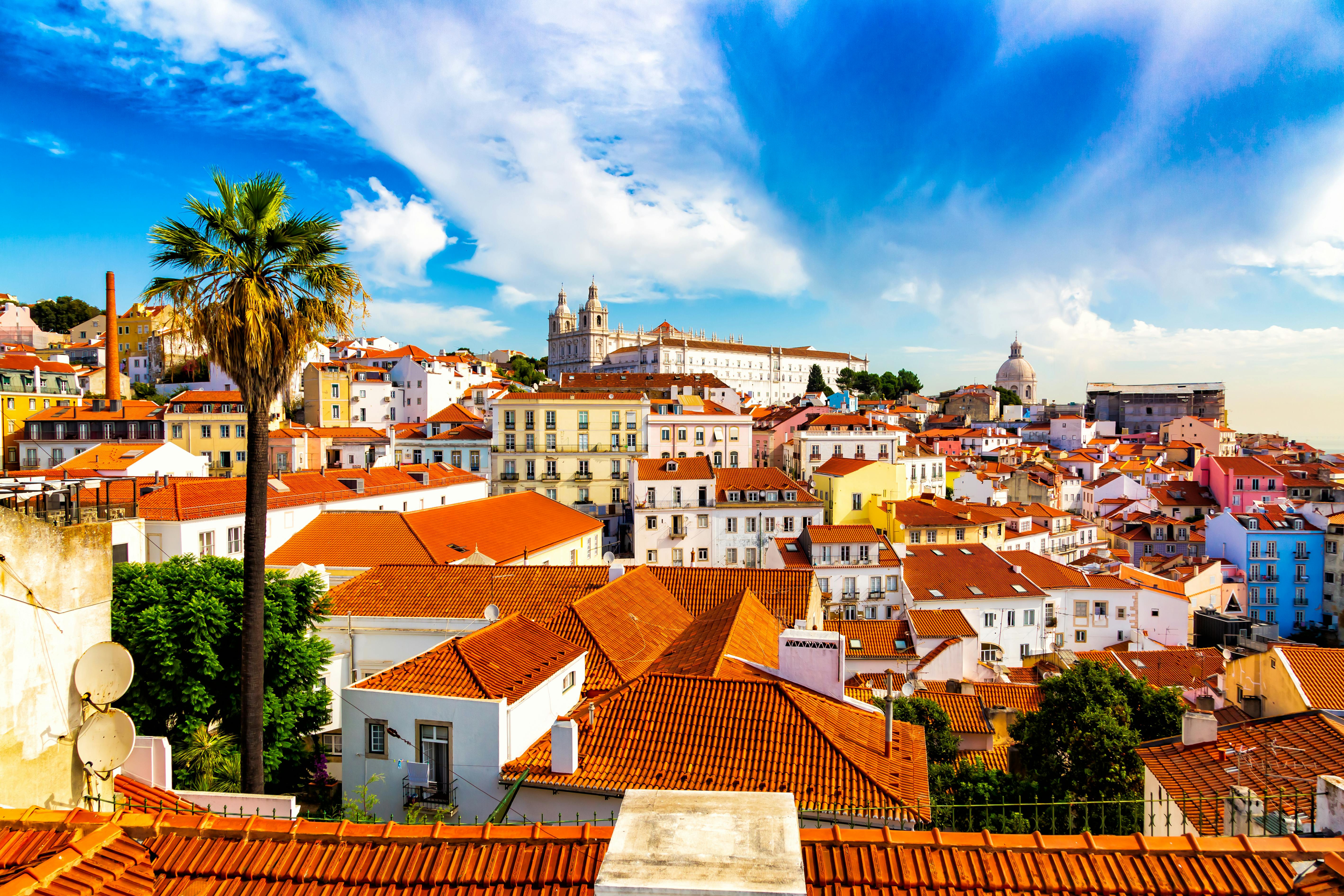
The first thing Lisbon does is disorient you — beautifully. You step out of a metro station expecting a European capital and instead find yourself on a steep cobblestone lane, watching an ancient yellow tram groan around a corner, the smell of grilled sardines drifting up from a street vendor two floors below, and a horizon that ends not in more city, but in the wide, silver gleam of the Tagus River meeting the Atlantic. Lisbon doesn’t announce itself. It just arrives, fully formed, strange and gorgeous.
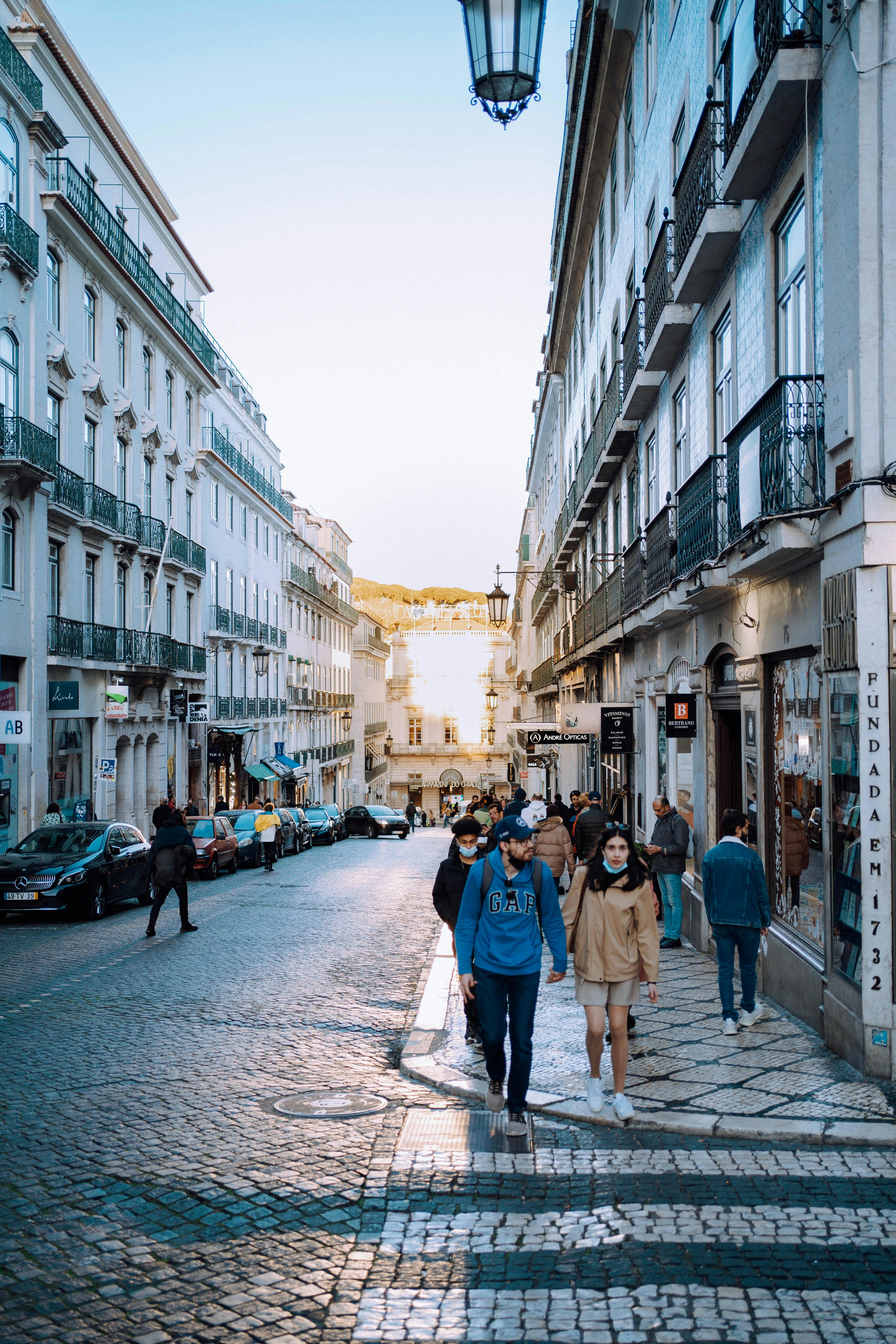
Portugal’s capital sits at the southwestern tip of continental Europe, draped across seven hills with a swagger earned over six centuries of global empire. The Phoenicians traded here. The Moors named it Lissabon. The Portuguese used it as the launchpad for expeditions that remapped the world. And then, in 1755, an earthquake, tsunami, and fire leveled most of it, only for the city to rebuild within 60 years into a neoclassical grid of wide pombaline avenues and ornate baroque churches, all wrapped within the medieval Moorish bones that the disaster couldn’t reach.

What makes Lisbon feel different from any other European capital is its emotional texture. The Portuguese concept of saudade, an untranslatable longing for things beautiful and lost, permeates everything here, from the blue-and-white azulejo tiles plastered on every surface, to the wail of a fado singer at midnight in Alfama, to the way the light falls golden on the river at dusk. This is a city where melancholy and joy seem to occupy the same room, and somehow it makes life feel more vivid.
Best Months to Visit
Lisbon’s climate is one of Europe’s most forgiving, but timing matters.
March to May (Spring — Best Overall): The city is green, flower-draped, and relatively uncrowded. Temperatures range from 15°C to 22°C. Café terraces fill up, the light is extraordinary, and hotel prices haven’t hit summer peaks. April is particularly lovely — the 25th of April is a national holiday (Carnation Revolution Day), and the city celebrates with real energy.
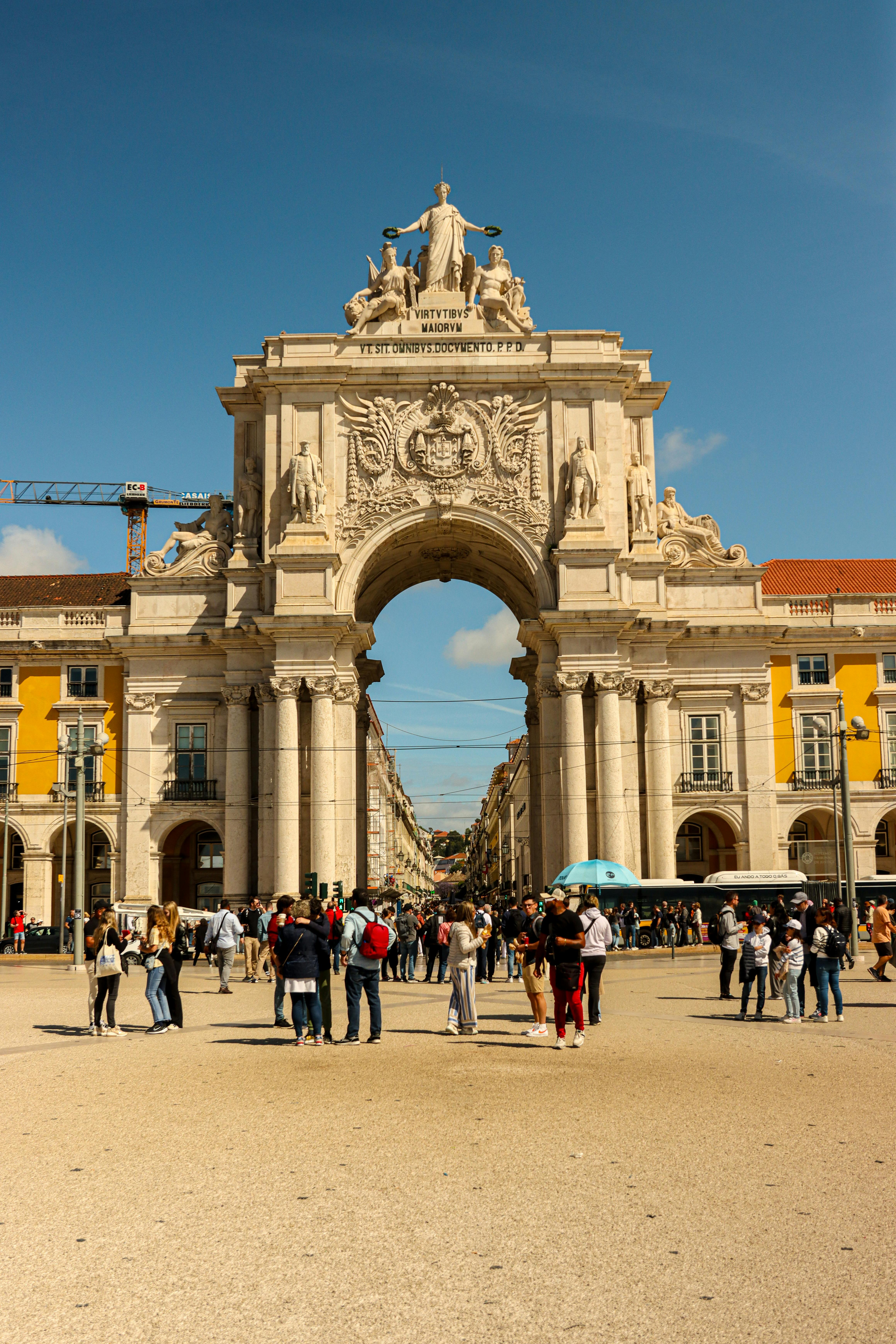
June to August (Summer — Peak Season): Hot (up to 35°C in July-August), crowded, and expensive, especially in Alfama and Belém. That said, the Santo António Festival in mid-June is unmissable. If you visit in summer, book accommodation three to four months in advance and arrive at major attractions before 9:30 am.
September to October (Autumn — Runner-Up): Arguably the best-kept secret. Crowds thin out, temperatures drop to a comfortable 20–26°C, the sea is still warm enough to swim at Cascais, and prices fall. The city feels like it exhales.

November to February (Winter — Budget Pick): Mild by northern European standards (rarely below 10°C), but rainy and occasionally cold. The upside: accommodation costs drop 40–60%, major attractions are virtually queue-free, and you’ll find yourself in cafés the locals actually use. Many museums offer free entry on the first Sunday of each month, and in winter, that’s a genuine gift.
Top Attractions
Jerónimos Monastery (Mosteiro dos Jerónimos)
District: Belém | Hours: Tue–Sun 9:30 am5:30 pm (closed Mondays & public holidays) | Entry: €18 adults
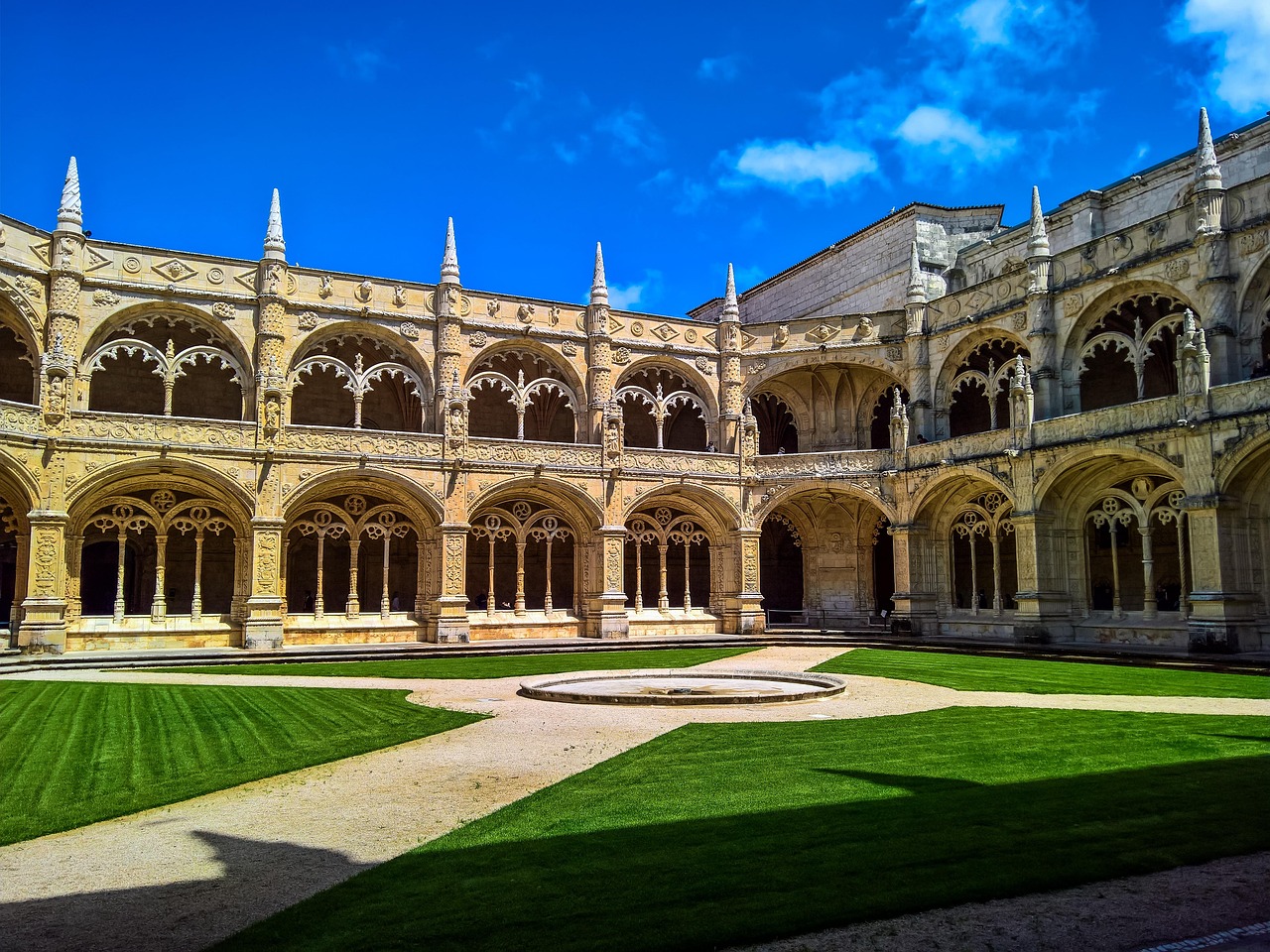
Manuel, I commissioned this monastery in 1502 to honor Vasco da Gama’s return from India, and the Portuguese poured the proceeds of the spice trade directly into its construction. The result is Manueline Gothic at its most audacious — stone carved into ropes, armillary spheres, coral, and sea creatures, as if the building is trying to describe the ocean in architecture. The cloister is one of the most serene spaces in Europe.
Pro-tip: The monastery guarantees skip-the-line access with the Lisboa Card. Otherwise, book timed entry online in advance — walk-up queues in peak season can exceed an hour. Arrive right at 9:30 am when the doors open; tour groups typically arrive by 10:30 am.
São Jorge Castle (Castelo de São Jorge)
District: Alfama | Hours: Daily 9 am to 9 pm (Nov–Feb closes 6 pm) | Entry: €15 adults (€7.50 youth 13–25, €12.50 seniors)

The Moorish castle that crowns Alfama’s highest point is as much a viewpoint as a historical site. The terrace walls offer the best panoramic sweep of the city; you can trace the Tagus all the way to the Cristo Rei statue on the far bank, and see Belém’s outline in the western haze. Inside, the ruins of the medieval royal palace and a small archaeological museum tell the city’s layered history from the Phoenicians to Pombal.
Pro-tip: Don’t take Tram 28 directly to the castle; it’s pickpocket-heavy at peak hours and doesn’t drop you at the entrance anyway. Walk up from Alfama in the morning, buy tickets online to skip the queue, and time your visit to reach the terrace around golden hour (6–7 pm in summer) for photographs that will embarrass everything else in your camera roll.
Belém Tower (Torre de Belém)
District: Belém | Hours: Tue–Sun 10 am–5:30 pm | Entry: €15 adults
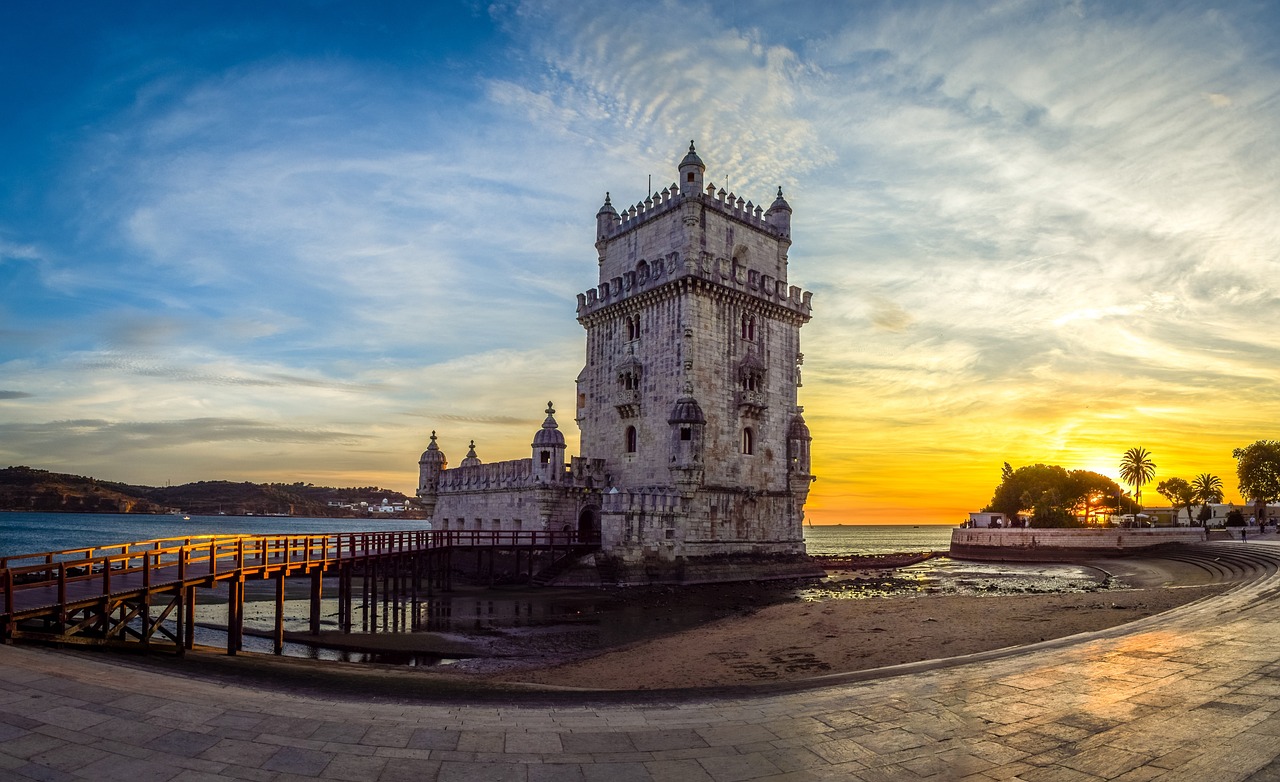
Probably Lisbon’s most-photographed monument — a 16th-century fortified tower standing mid-river, its Manueline lace-work in limestone still crisp after five hundred years. The interior is tight, and the views from the top are good but not exceptional. Most visitors find the exterior more rewarding than the climb.
Pro-tip: Buy tickets online and visit on a weekday morning. The tower gets oppressively crowded by 11 am. Combine it with a visit to Jerónimos Monastery (a 10-minute walk) and the MAAT museum on the same day to make a full Belém circuit.
The National Tile Museum (Museu Nacional do Azulejo)
District: Xabregas | Hours: Tue–Sun 10 am to 6 pm| Entry: €10 adults
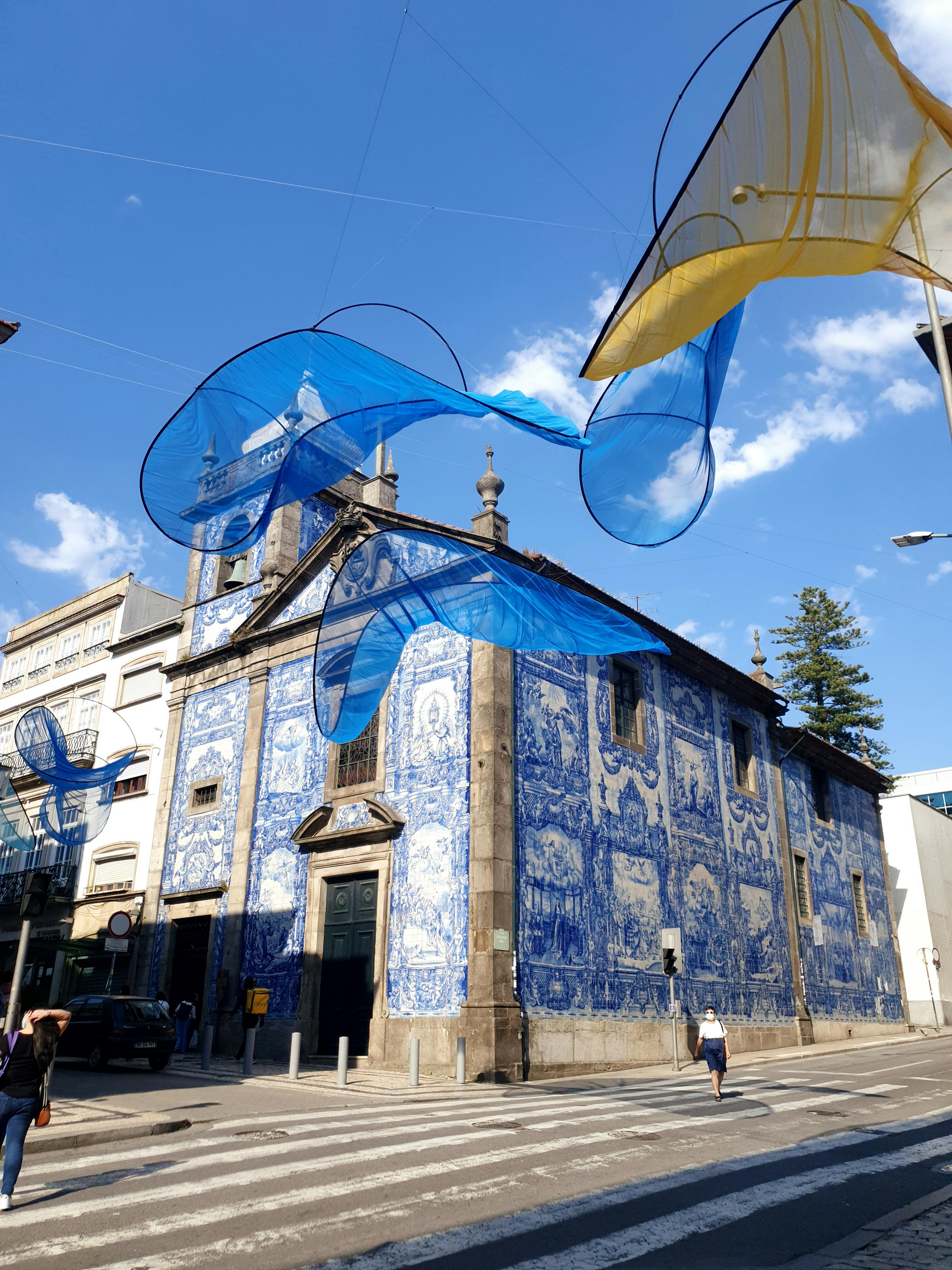
Housed in a former 16th-century convent, this museum explains what Lisbon looks like. Azulejo tiles — those vivid blue-and-white geometric and pictorial ceramic panels covering everything from church walls to metro stations — are Portugal’s most distinctive art form, and this collection traces them from 15th-century geometric Moorish patterns through baroque excess to the contemporary. The 1755 panoramic tile panel of pre-earthquake Lisbon is alone worth the trip.
Pro-tip: This museum is consistently undervisited compared to Belém. Go on a Tuesday or Wednesday afternoon, and you’ll practically have it to yourself. Free on the first Sunday of each month.
Santa Justa Lift (Elevador de Santa Justa)
District: Baixa | Hours: Daily 7 am–11 pm | Entry: €5.30 single (covered by day transport pass and Lisboa Card)
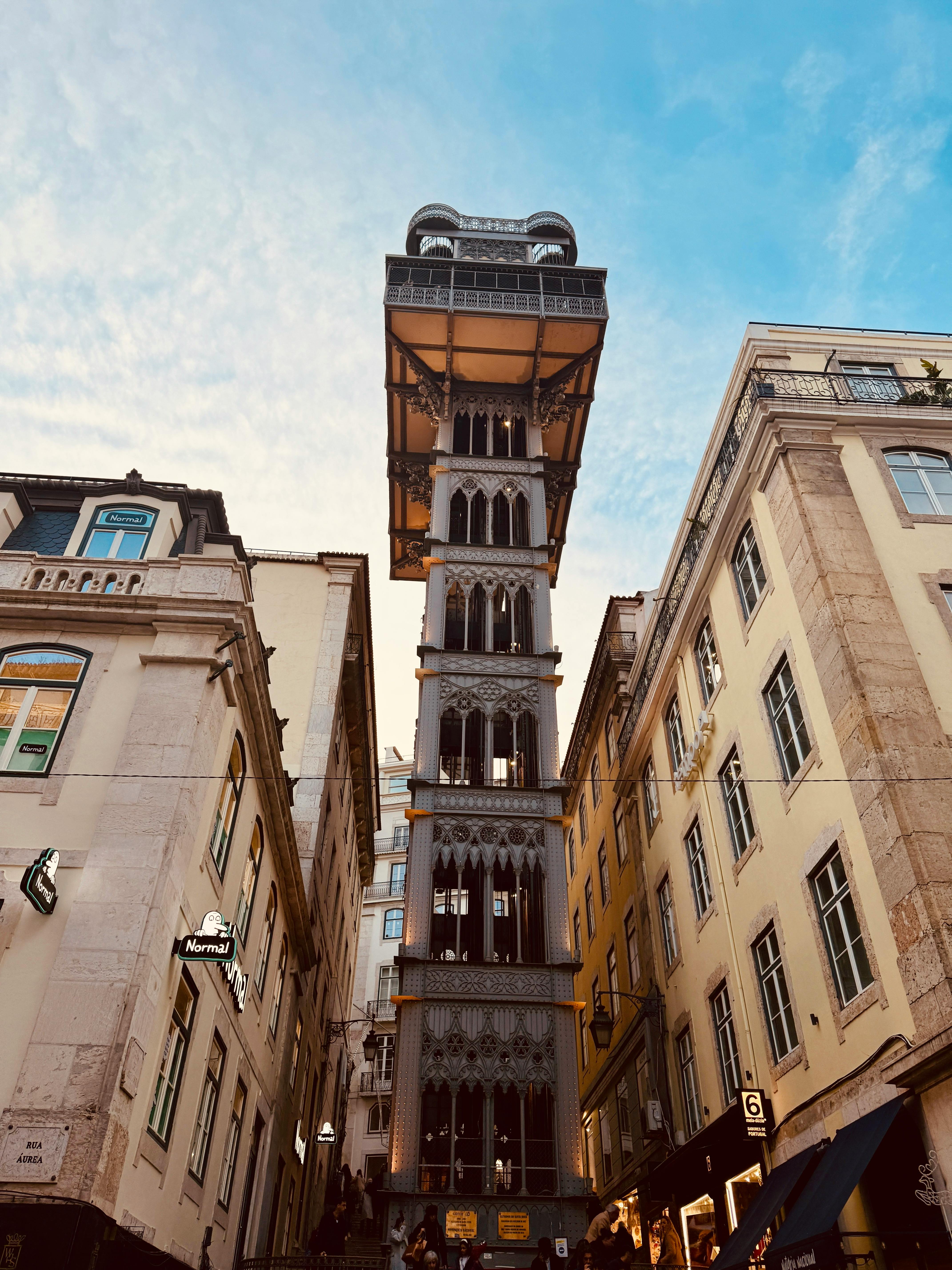
A neo-Gothic iron elevator built in 1902 to connect the lower Baixa grid with the hilltop Chiado neighborhood. The engineer was a student of Gustave Eiffel, and it shows; the structure has an elegant, almost Parisian obsession with decorative ironwork. The viewing platform at the top offers one of the best angles on Rossio Square and the castle.
Pro-tip: The lift queue can stretch for 45 minutes on summer afternoons. The view from the top is identical to the free viewpoint at the Convento do Carmo ruins (a 10-minute uphill walk via Chiado). Many locals skip the lift entirely and walk up — then take the lift down for the experience.
Monument to the Discoveries (Padrão dos Descobrimentos)
District: Belém | Hours: Tue–Sun 10 am–7 pm | Entry: €10 adults
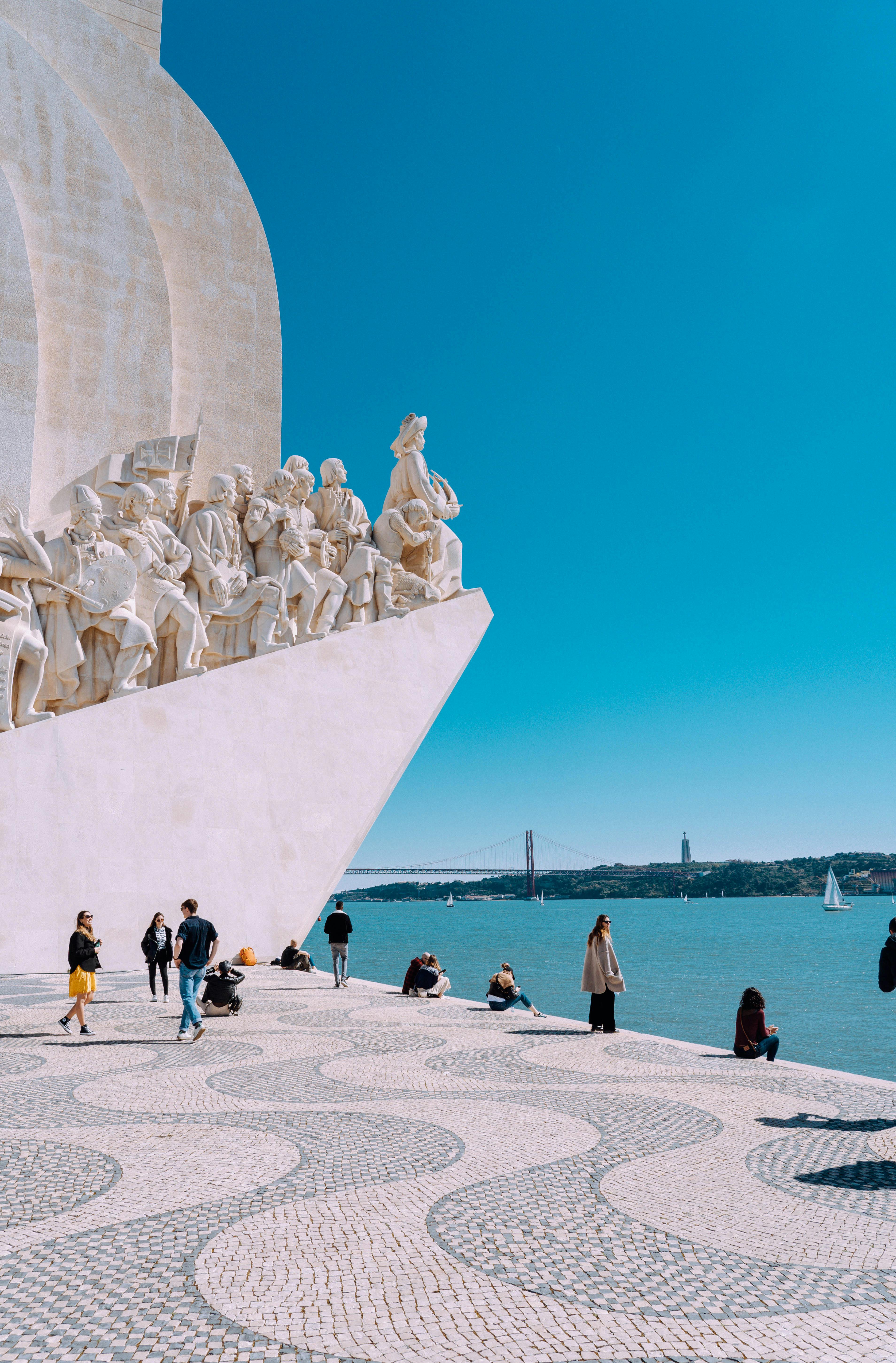
A 52-meter modernist limestone prow thrusting into the Tagus, built in 1960 to mark 500 years since the death of Henry the Navigator. Thirty-three historical figures — navigators, cartographers, missionaries, artists — stand in formation on its flanks. The rooftop lift offers outstanding river views. On the pavement below, a large compass rose mosaic maps the routes of the Portuguese explorers.
Hidden Gems
Jardim do Torel
District: Intendente/Mouraria | Free

Most tourists know Miradouro da Graça and Portas do Sol. Still, Jardim do Torel, a small, shaded park in the Torel, reached via the Lavra Funicular (Lisbon’s least-used lift), offers comparable views with almost no company. The park has a tiny café, stone benches under ancient trees, and a serene distance from the sightseeing circuit below. It’s the kind of place where you find retired men playing cards and parents pushing prams. Go in the afternoon with a book and a pastel de nata.
Mouraria
District: Mouraria | Free to wander
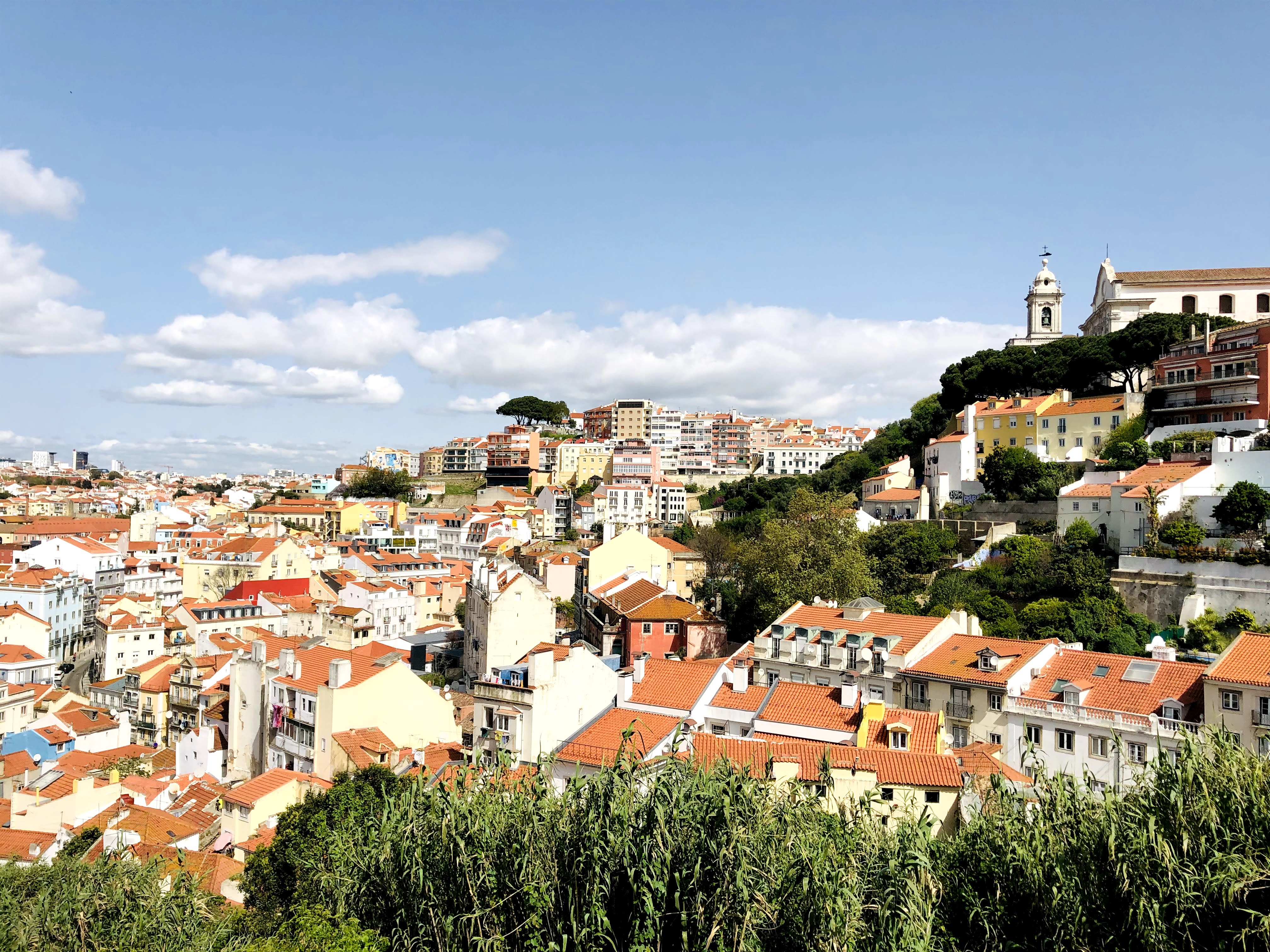
While Alfama absorbs the tourist traffic, Mouraria, the neighborhood the Moors were confined to after the 1147 Christian reconquest, is where Lisbon’s most interesting daily life plays out. Today, it’s a genuinely multicultural pocket: South Asian spice shops, Mozambican restaurants, Chinese grocery stores, and traditional tascas exist within a few streets of each other. The Largo do Intendente square has been beautifully restored and is surrounded by affordable restaurants. Fado is said to have been born in the streets of Mouraria, and the neighborhood still takes that seriously; the Grupo Desportivo da Mouraria hosts free monthly fado shows open to all.
LX Factory (Fábrica de Braço de Prata)
District: Alcântara | Market: Sundays 10 am–6 pm

A former 19th-century industrial textile complex that independent shops, restaurants, bookshops, design studios, and creative agencies have colonized. During the week, it functions as a creative campus; on Sundays, it becomes an outdoor market with vintage clothing, handmade ceramics, street food, and live music. The Ler Devagar bookshop inside, a vast two-level space crammed with books, a bicycle hanging from the ceiling, and a record collection, is one of the best independent bookshops in Europe.
Prazeres Cemetery (Cemitério dos Prazeres)
District: Campo de Ourique | Hours: Daily 9 am–5 pm | Free
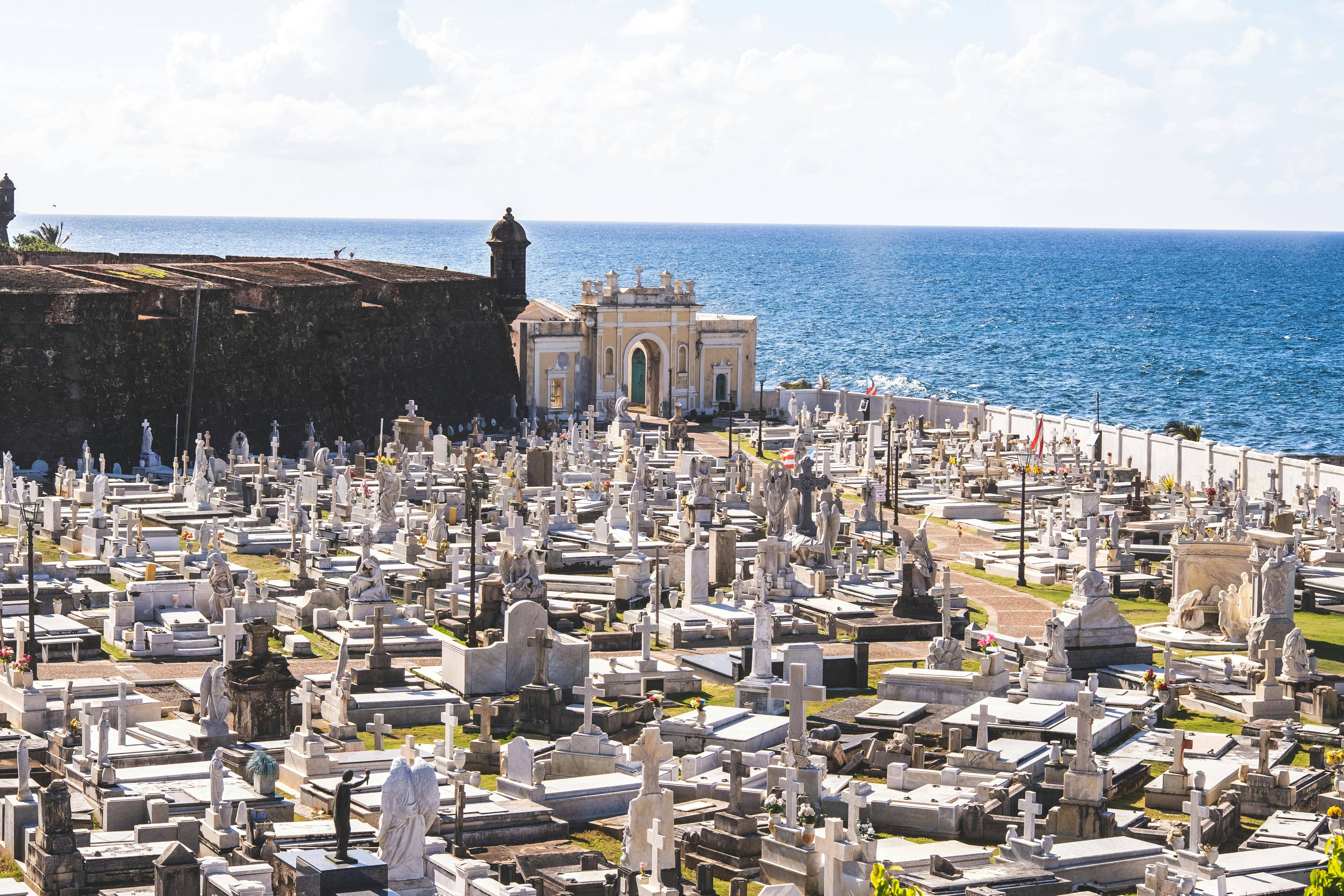
Lisbon’s main 19th-century cemetery is one of the city’s great overlooked spaces, a vast, melancholic garden of elaborate neoclassical mausoleums, overgrown with bougainvillea and inhabited by cats. The family tombs of aristocrats, fado stars, and politicians sit alongside modest graves, all weathered to the same grey dignity. The Prazeres neighborhood surrounding it is one of the city’s most authentic: local pastelarias, traditional tascas without English menus, and a Saturday street market on Rua Saraiva de Carvalho.
Cuisine & Dining
Lisbon’s food culture is built on a handful of powerful ideas: the sea, good olive oil, honest bread, and the patience to salt and dry things properly. The city doesn’t chase trends; it has bacalhau (salt cod), which has been prepared in at least a thousand distinct recipes for five centuries, and it’s confident that’s enough.
Must-Try Dishes
- Pastel de nata — The custard tart that colonized the world. Flaky pastry shell, silky egg custard, blistered on top. Best eaten warm with a dusting of cinnamon. The original, from Pastéis de Belém (Rua de Belém 84–92), has been made to the same recipe since 1837.
- Bacalhau à Brás — Shredded salt cod scrambled with eggs, thin matchstick fries, and black olives. Salty, rich, almost impossibly comforting.
- Caldo verde — A dark green kale soup with chorizo and potato: the national soup, and one of the great soups anywhere.
- Polvo à lagareiro — Octopus roasted with garlic-crushed potatoes in a heavy pour of olive oil. Order this wherever you see it.
- Prego — A beef steak sandwich, often with garlic, mustard, and sometimes a fried egg—a working-class institution.
- Ginjinha — A sour cherry liqueur, served in a tiny shot glass, sometimes with a cherry floating inside. Drink it at a hole-in-the-wall bar in Rossio; the custom is to buy one and drink it on the pavement.
- Petiscos — Portuguese tapas. A selection of small dishes: codfish fritters (pastéis de bacalhau), marinated anchovies, chouriço, sheep’s cheese, lupini beans (tremoços), tinned sardines.
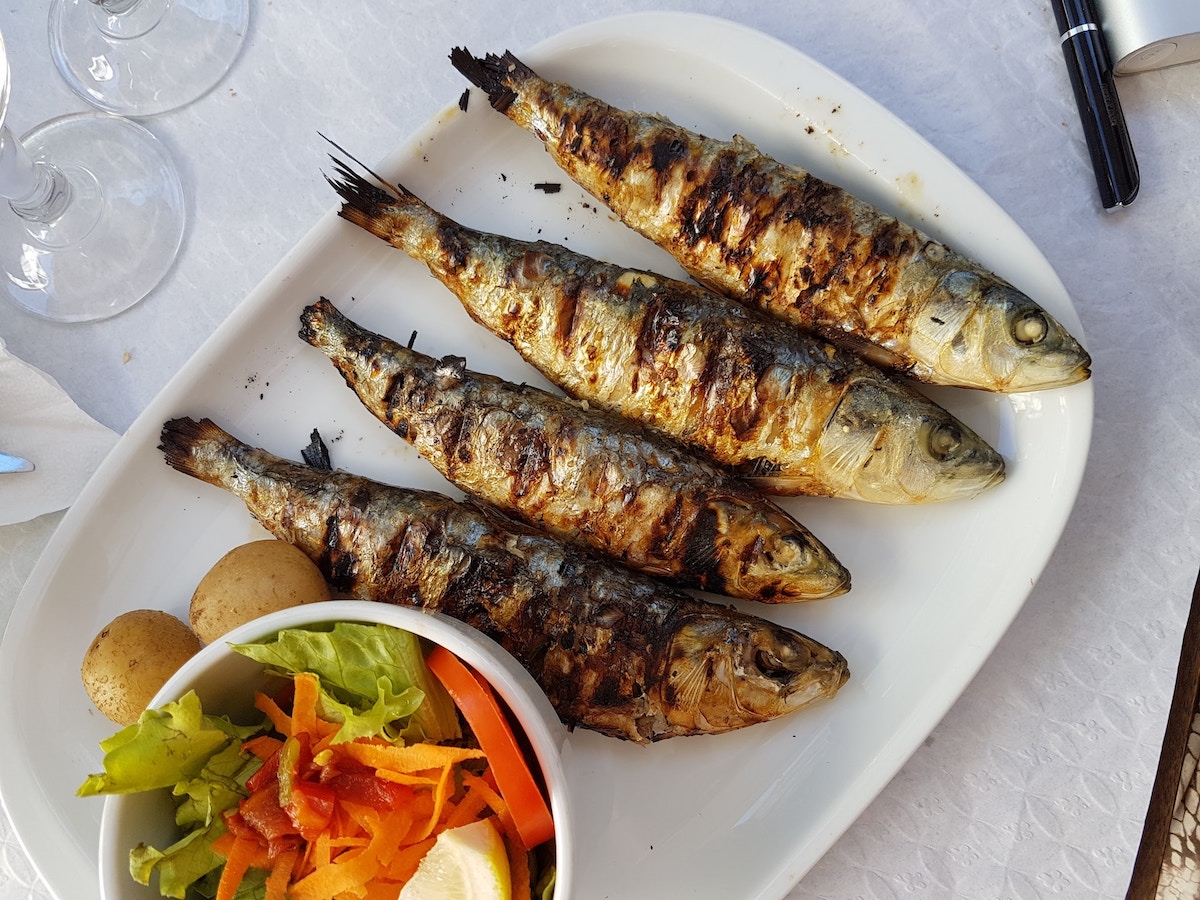
Budget Dining (Under €15/person)
A Cevicheria do Rei (Rua Nova do Carvalho, Cais do Sodré) — Tiny counter-service spot serving the best-value ceviche and seafood petiscos in the city. Queue or arrive early.
Mercado da Ribeira / Time Out Market (Avenida 24 de Julho) — The covered market hall has been joined by the Time Out Market, a curated food hall with 40+ vendors. Yes, it’s touristy, but the food quality is genuinely high, and it’s an efficient way to sample multiple Portuguese producers in one sitting. Eat at the edge of the hall to get seats more easily.
Cervejaria Ramiro (Avenida Almirante Reis 1, Arroios) — Technically mid-range, but the classic order, beer, clams, tiger prawns, comes in under €20 if you’re disciplined. A Lisbon institution since 1956, beloved by locals and Anthony Bourdain alike. Queue for a table (no reservations) or arrive at 6:30 pm when it opens.
Tasca do Chico (Rua do Diário de Notícias 39, Bairro Alto) — Cash only. Fado vadio (amateur fado) on Monday and Wednesday evenings. Order a carafe of house wine and a plate of petiscos and stay as long as the music plays. One of the most authentic evenings in Lisbon for under €20.
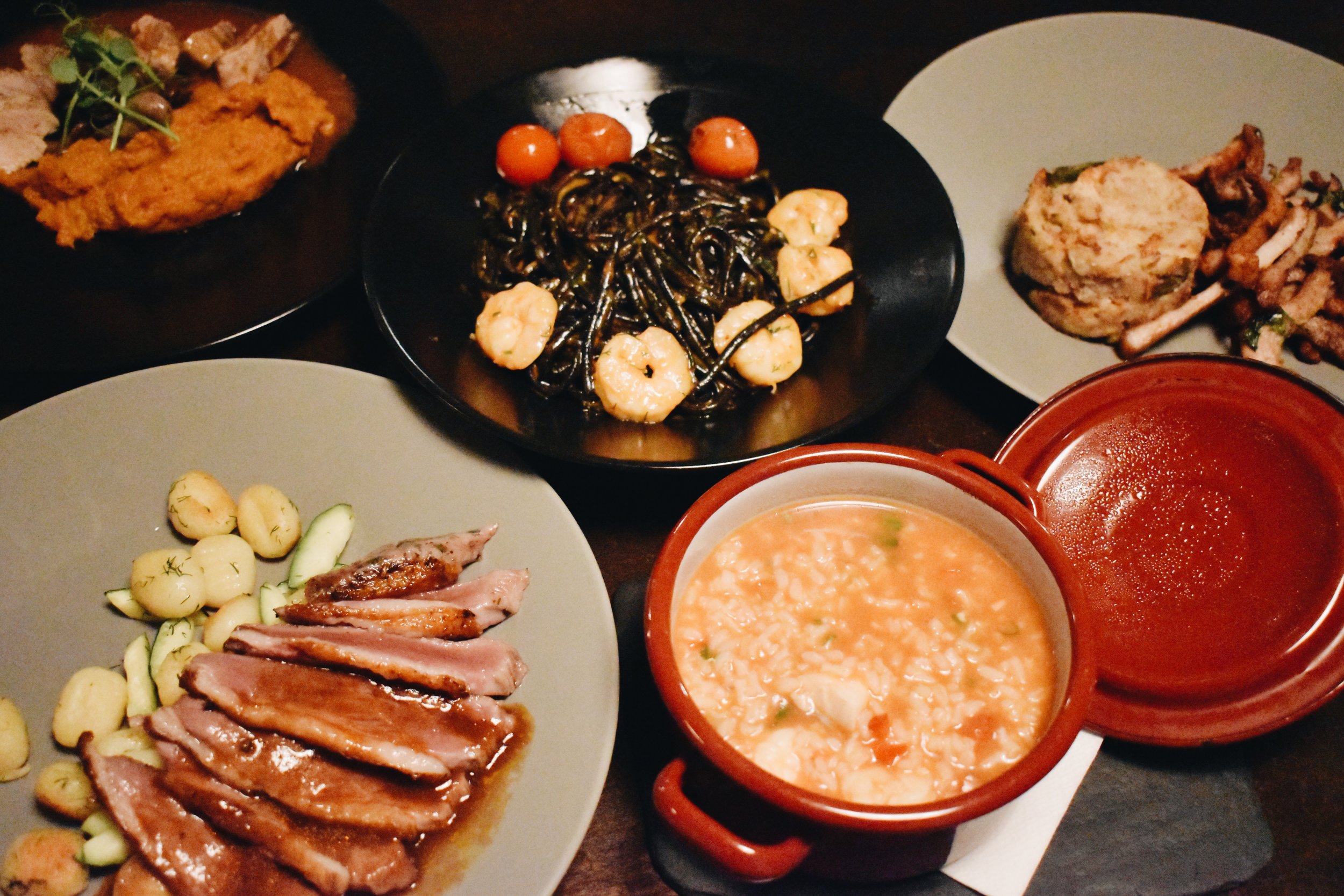
Mid-Range Dining (€25–50/person)
O Velho Eurico (Rua Nova do Carvalho 18, Cais do Sodré) — A quirky, warmly lit tasca serving grilled sardines, bacalhau, and traditional desserts like leite creme and arroz doce (rice pudding). Reservations are recommended in the evening.
Taberna da Rua das Flores (Rua das Flores 103, Chiado) — Small, serious, no shortcuts. The menu changes with the market, but always centers on slow-cooked meats, aged cheeses, and tinned fish served as a proper course. One of the best tascas in the city.
Canto do Poeta (Fado dinner show, Alfama) — A well-regarded fado house that manages to take the food seriously rather than treating it as a warm-up act. Three-course dinner with live fado; book ahead.
Fine Dining (€70+/person)
Belcanto (Largo de São Carlos 10, Chiado) — Chef José Avillez holds two Michelin stars and has elevated Portuguese flavors such as bacalhau, game birds, and Alentejo wine into an experience that feels simultaneously modern and rooted in the country’s culinary memory. The tasting menu (€185) needs to be booked two to three months in advance in peak season.
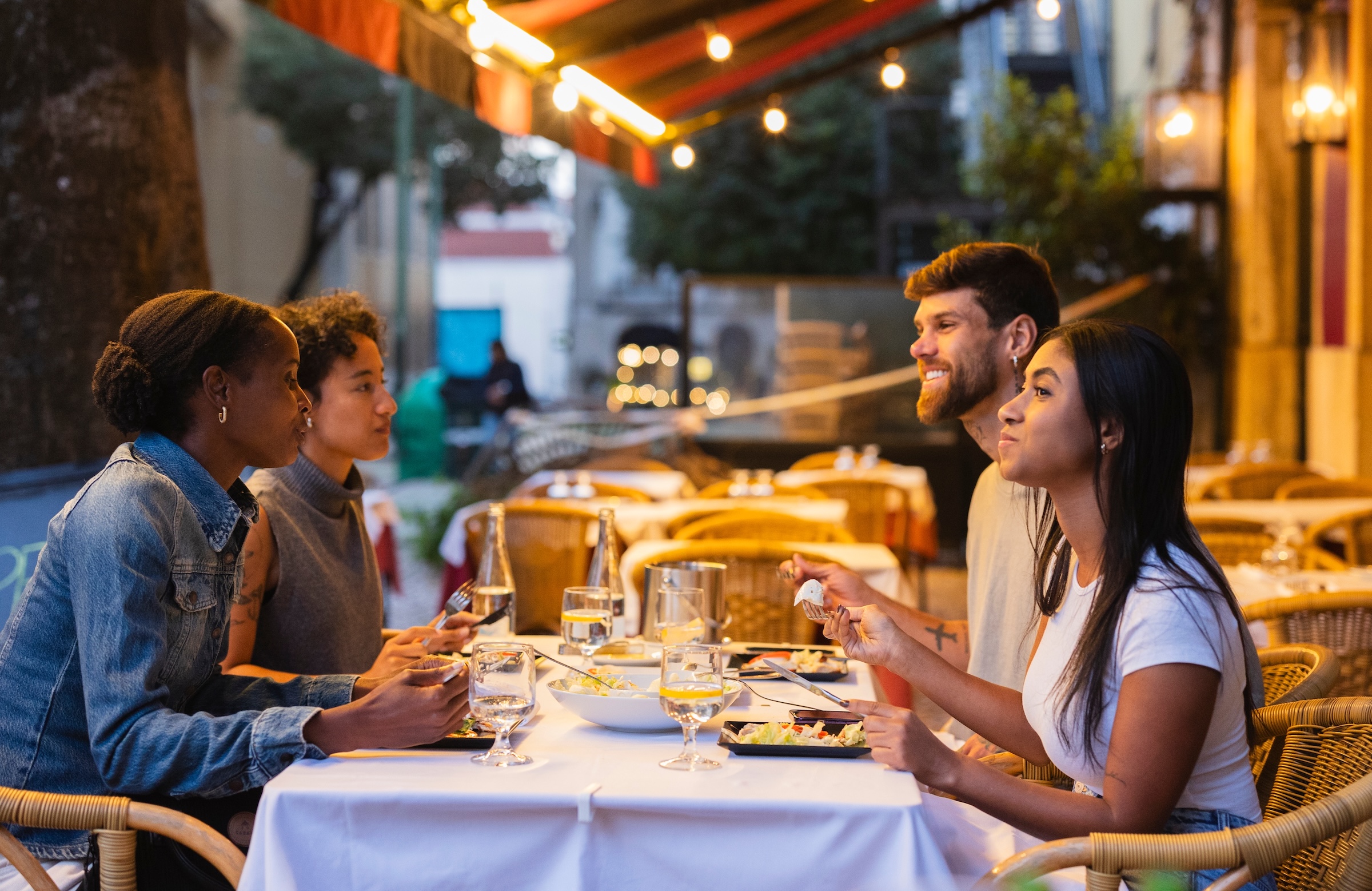
Alma (Rua Anchieta 15, Chiado) — One Michelin star. Chef Henrique Sá Pessoa works with Atlantic fish and regional products in a way that feels more personal and less theatrical than Belcanto. Slightly easier to book.
Mesa de Frades (Rua do Paraíso 15, Alfama) — Housed in a former 18th-century chapel, this fado-and-dining experience is the most romantic evening you can have in Lisbon. The food leans toward traditional haute cuisine (€30–35 per person); the fado is serious and unhurried.
Markets
Mercado de Campo de Ourique (Rua Coelho da Rocha, Campo de Ourique) — The authentic neighborhood market, away from tourist circuits: fresh produce, good fishmongers, a cheese counter, and a small café. Saturday mornings are busiest and best.

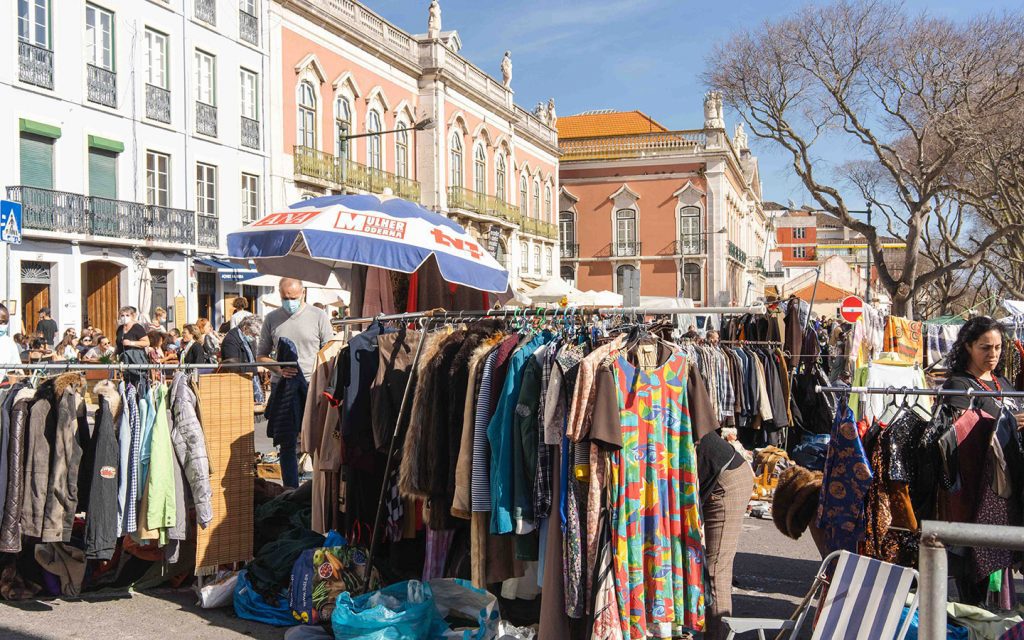
Feira da Ladra (Campo de Santa Clara, Graça) — Lisbon’s sprawling flea market, held every Tuesday and Saturday: vintage goods, second-hand books, antique tiles, handmade lace, and a great deal of bric-à-brac. Go early for the best finds; stay for the bifanas (pork sandwiches) sold from the vans at the perimeter.
Accommodation
By Area
Stay in Chiado/Bairro Alto if you want walkable nightlife, galleries, and restaurants — the creative and social center of the modern city, and convenient to everything.
Stay in Alfama/Graça for atmosphere and proximity to fado houses — but note the steep hills and limited metro access.
Stay in Baixa (downtown grid) for maximum tourist convenience — central, flat, and boring, but an excellent base if you’re here for only one or two nights.
Stay in Príncipe Real for boutique luxury, tree-lined streets, antique shops, and the best selection of mid-range restaurants without tourist pricing.
Stay in Belém if you’re visiting for more than four days and want a quieter base with river views — but account for the 25-minute commute to central Lisbon.

Budget (Under €50/night for dorms, €80 for doubles)
The Independente Hostel & Suites (Rua de São Pedro de Alcântara 81, Príncipe Real) — A beautifully restored 19th-century mansion with one of the best breakfast terrace views in the city. The hostel dorms and affordable suites share the building; the design and atmosphere punch far above the price point.

Home Lisbon Hostel (Rua de São Nicolau 13, Baixa) — Well-located, social, with a well-regarded free family dinner each evening — a genuine way to meet other travelers rather than stare at your phone.
Sunset Destination Hostel (Rua das Flores 44, Chiado) — Rooftop terrace, central location, clean dorms. Often cited as one of Lisbon’s best social hostels.
Mid-Range Boutique (€100–200/night)
Solar do Castelo (Rua das Cozinhas 2, Alfama) — Built within the walls of São Jorge Castle, this 14-room boutique hotel is probably the most extraordinary location of any mid-range property in the city. Stone walls, antique furniture, and a small courtyard garden. Book the castle-view rooms.

Bairro Alto Hotel (Praça Luís de Camões 2, Chiado) — The grande dame of Lisbon’s boutique scene. Forty-seven rooms across two 18th-century buildings, with a rooftop bar that locals actually use. The design is quietly excellent rather than aggressively trendy.
The Lisbonaire Apartments (Rua das Gáveas, Bairro Alto) — Self-contained apartments for two to six people in an 18th-century building, with the kind of thick walls and terracotta tiles you can only get from a genuinely old building. Good for families or groups.
Luxury (€250+/night)
Bairro Alto Hotel (premium rooms) — At this tier, the corner suites with Tagus river views justify the price.

Torel 1884 (Rua Câmara Pestana 32, Intendente) — A converted palace in an up-and-coming neighborhood, with a rooftop pool, individually decorated rooms, and an art collection that extends beyond the lobby. The neighborhood is gritty and authentic — an increasingly rare combination with this level of comfort.
Memmo Alfama (Travessa das Merceeiras 27, Alfama) — A design hotel tucked into the hillside with a horizon pool overlooking the Tagus. Forty-two rooms, quiet, intensely atmospheric. One of the best hotel rooftops in Europe for a sundowner.
Getting There & Getting Around
Getting to Lisbon
By Air: Humberto Delgado Airport (LIS) sits 7km from the city center — one of Europe’s most central airports. Most major European hubs have direct connections; transatlantic flights come primarily from the US East Coast (New York, Boston, Miami, Washington), Brazil, and Canada.
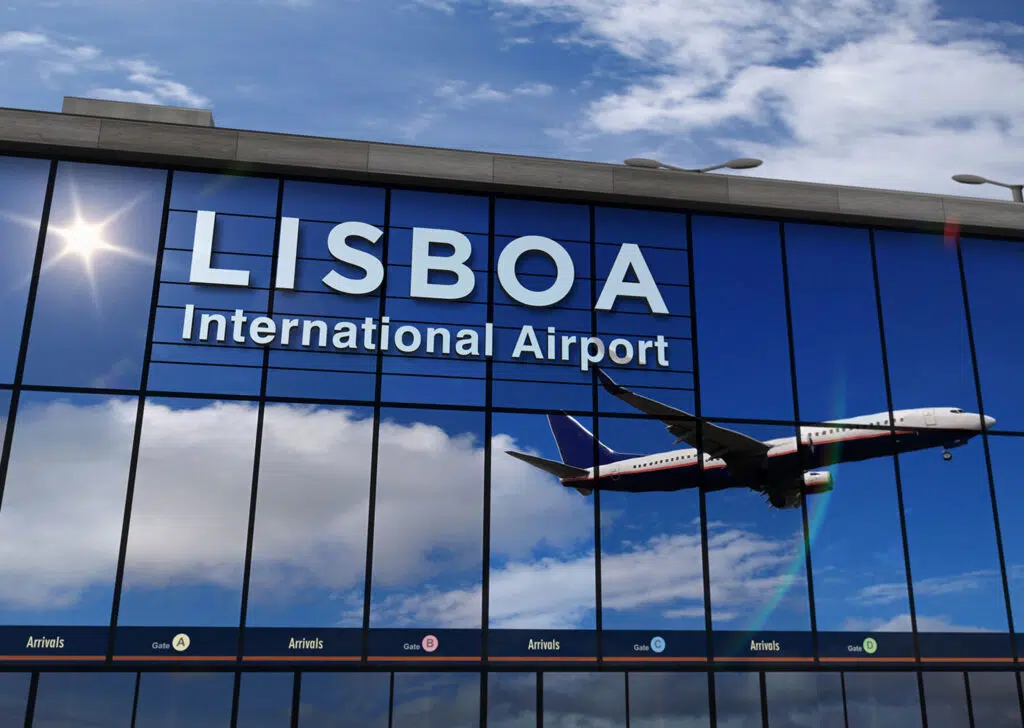
From the airport: The Metro Red Line (Vermelha) runs directly from the Oriente, Alameda, and Marquês de Pombal stations. The journey to central Baixa takes about 25 minutes; a single fare costs €1.66 on a Navegante card. A daytime taxi or Bolt/Uber to central Lisbon costs approximately €12–17; night rates (9 pm–6 am) run €17–20.
By Train from Porto: The Alfa Pendular high-speed train covers the 313km in around 2h45, with multiple departures daily. The CP Intercidades takes around 3h30 and costs significantly less. Book through CP (comboios.pt).
By Train from Madrid: The Lusitânia overnight sleeper train runs from Madrid to Lisbon (€60–90 in a couchette); the journey takes about 10 hours. An excellent way to avoid flying if you’re connecting from Spain.
Getting Around Lisbon
Metro: Four lines (Blue, Yellow, Green, Red) connecting the main neighborhoods efficiently. Fares are €1.66 per journey on a Navegante card (€0.50 deposit) or €1.85 for a paper ticket. A 24-hour day pass costs €6.40; a weekly pass costs €15.20.

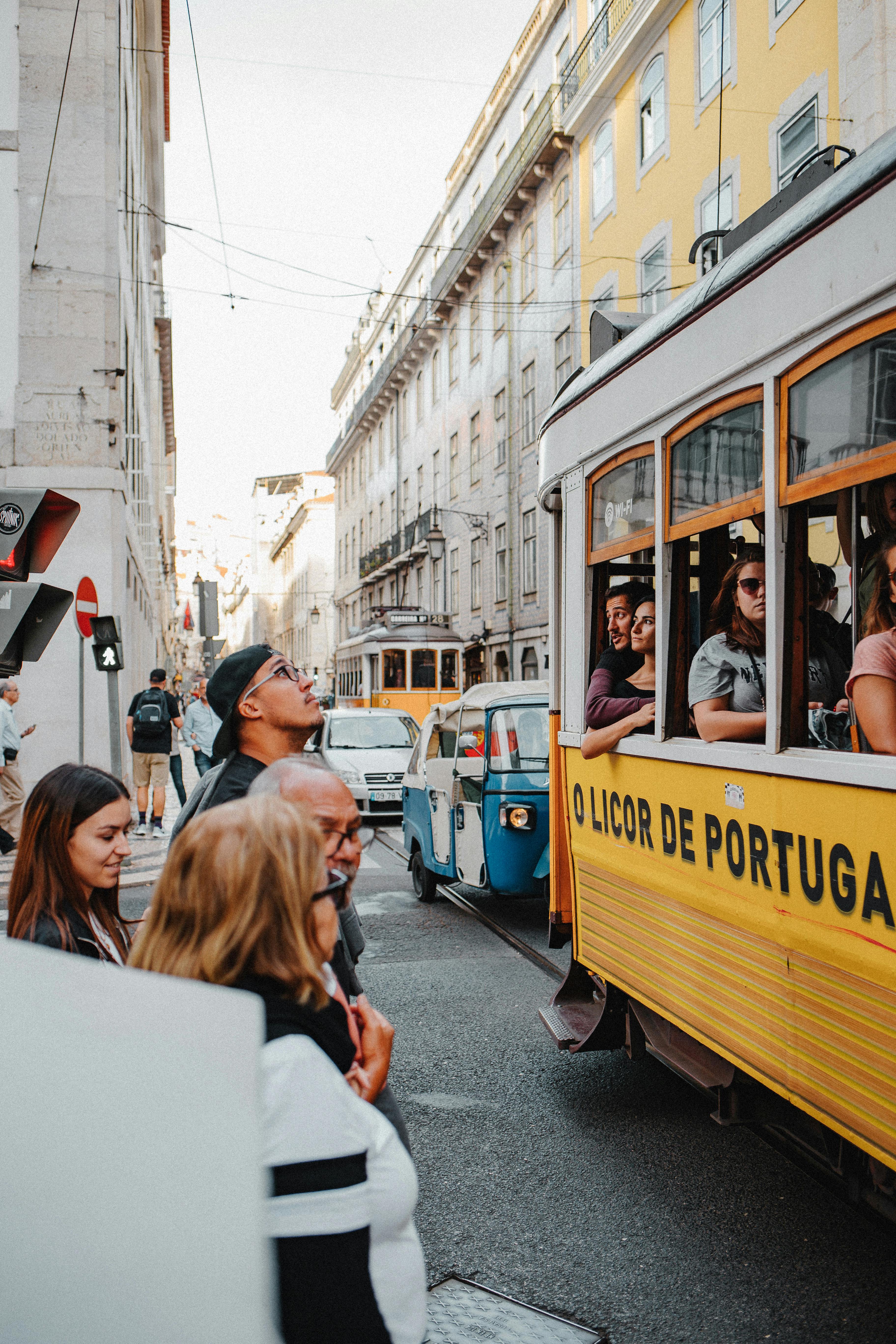
Trams: The historic yellow trams are genuine working transport, not museum pieces. Tram 28 is famous but crushingly crowded and heavily targeted by pickpockets. For a more authentic tram experience, take Tram 15E to Belém (less crowded) or the 28E on an early Tuesday morning. The Bica Funicular (Rua de São Paulo) and Glória Funicular (Praça dos Restauradores) are the most useful hill-connectors; both accept the Navegante card.

Lisboa Card: The official tourist pass (€31/24h, €50/48h, €63/72h) covers unlimited public transport, including trains to Sintra and Cascais, plus free entry to 52 museums and attractions. It pays for itself quickly if you’re visiting three or more paid attractions per day. Skip-the-line access is guaranteed at Jerónimos Monastery.
Ferries: The Cais do Sodré–Cacilhas ferry costs €1.50 one way and provides spectacular river views of the city. The 15-minute crossing is one of the best things you can do in Lisbon for €3 return.
Walking: Lisbon is a walking city — in the flat Baixa grid and along the riverfront. The hills require patience and decent shoes. Download Citymapper for reliable transit directions.
Bikes & Scooters: GIRA is Lisbon’s public bike-share network (€2 per 45-minute ride, or €15/week). The riverside cycle path from Cais do Sodré to Belém (about 8km) is one of the city’s great pleasures. Electric scooters (Bolt, Lime) are widely available.
Taxis & Rideshare: Bolt is typically cheaper than Uber in Lisbon. Base fare is around €3.25 + €0.47/km. Hail yellow-and-green taxis on the street or use the Táxi app.
Events & Festivals
Festas de Lisboa / Santo António (June 12–13)
The city’s biggest annual party, honoring Lisbon’s patron saint with a week of street festivals, sardine grilling, marchas populares (neighborhood parades), and dancing in every bairro. On the night of June 12–13, Alfama, Mouraria, and Graça transform into block parties where the whole neighborhood descends to grill sardines over open charcoal and drink cheap red wine until dawn. This is the closest Lisbon gets to unrestricted joy. Book accommodation months ahead.

Lisbon Book Fair (Feira do Livro) (Late May–Early June)
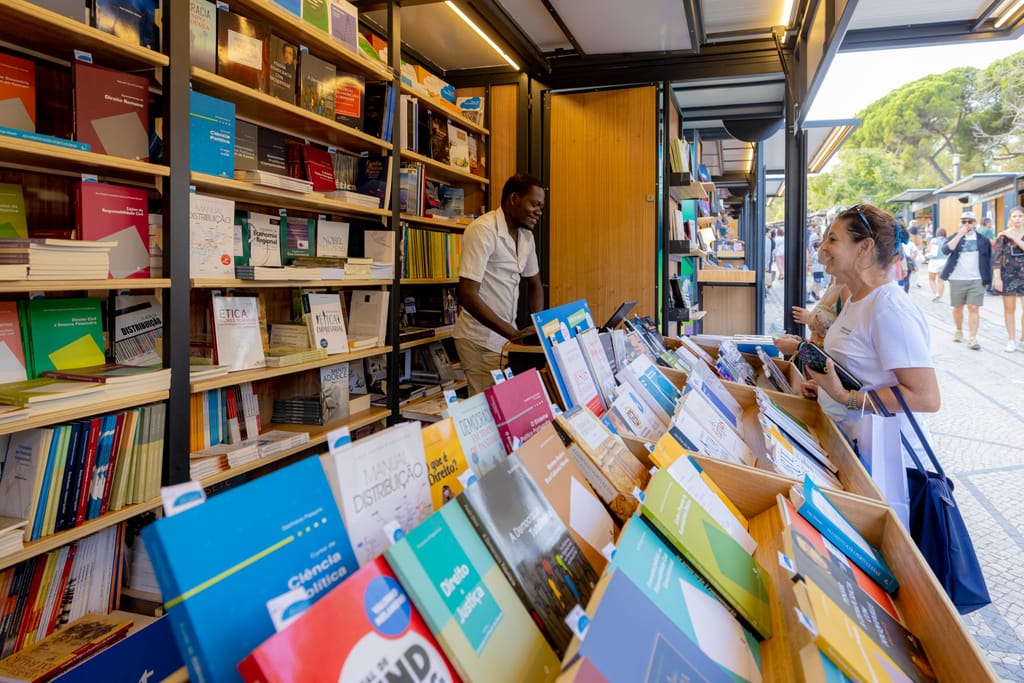
Every year since 1930, the Parque Eduardo VII has been filled with book stalls, publishers, and readers for two weeks. Free to enter; a gentle, civilized counterpoint to the tourist circuit.
Rock in Rio Lisboa (Biennial — Even Years, June)
One of Europe’s largest music festivals is held on the Bela Vista Park site in Parque das Nações. The 2026 edition will have international headliners across multiple stages; check the festival website for lineup and tickets. If you’re in Lisbon for a June weekend in an even-numbered year, book far in advance — it affects hotel prices citywide.

NOS Alive (July, Algés)
A three-day summer music festival on the riverfront at Algés (30 minutes from central Lisbon by train) consistently draws major international acts across rock, indie, and electronic stages. Recent headliners have included Blur, Foo Fighters, and Lana Del Rey.
Peixe em Lisboa (April)
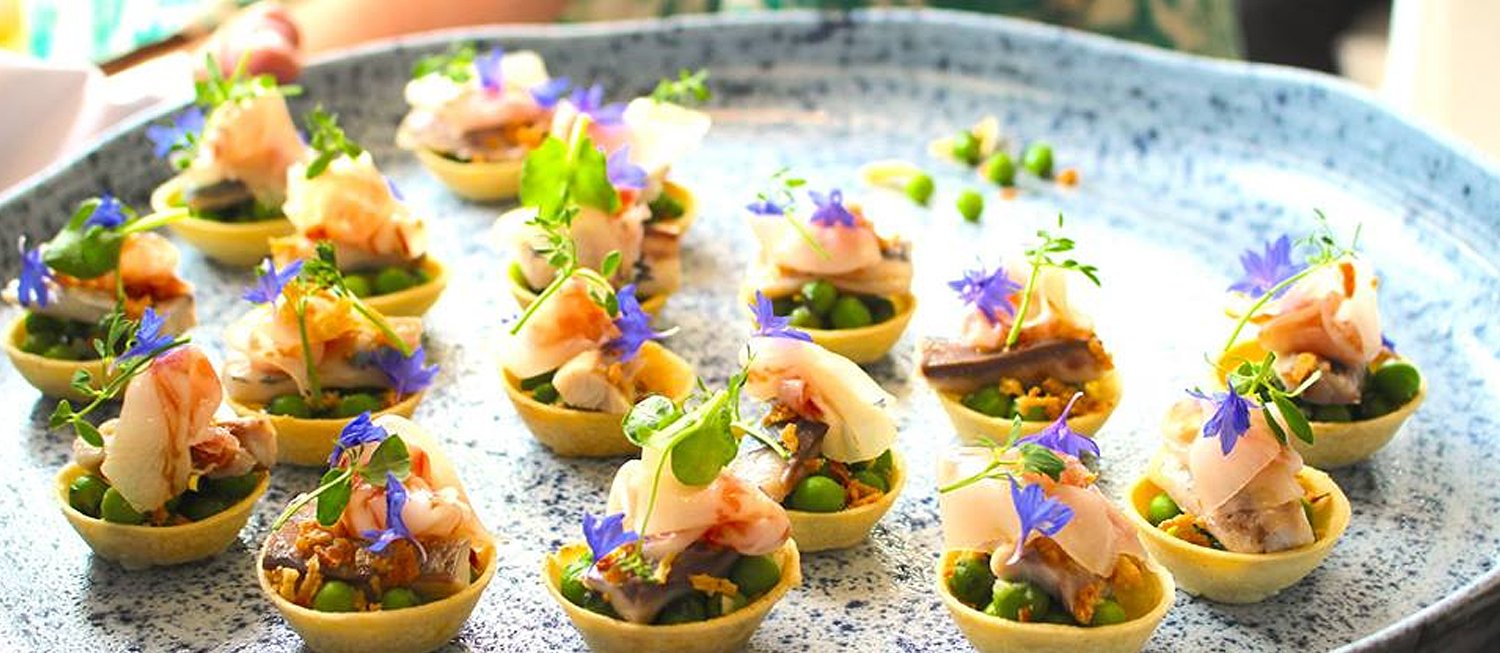
A seafood festival is held in the Pavilhão Carlos Lopes near Parque Eduardo VII. Chefs from across Portugal present a week of dinners, demos, and market days. An extraordinary showcase of what Portuguese kitchens can do with the Atlantic’s catch.
Shopping
Lisbon’s best shopping is in independent stores, not malls. The city has resisted the generic European high-street takeover better than most, partly because rents in its most atmospheric streets remained low enough for small operators to survive.
Best Shopping Streets & Areas
Rua do Carmo & Rua Garrett (Chiado): The traditional, elegant shopping street, lined with old-school Portuguese brands — Vista Alegre for fine porcelain, Livraria Bertrand (the world’s oldest operating bookshop, open since 1732), and quality fashion boutiques.
Rua da Rosa (Bairro Alto): Independent clothing boutiques, vintage shops, and small galleries in the neighborhood that bridges Chiado’s elegance and Bairro Alto’s rougher edges.
LX Factory (Sundays, Alcântara): The Sunday market is the best place in Lisbon to find handmade goods, vintage clothing, ceramics, and independent designers.
Feira da Ladra (Campo de Santa Clara, Tues & Sat): The flea market for antiques, vintage tiles, and second-hand books. Arrive early.
Rua do Arsenal & Rua Aurea (Baixa): The main tourist shopping artery — practical for convenience, but more chain-heavy.
Best Local Souvenirs
- Azulejo tiles — Buy antique originals at the Feira da Ladra, or handmade reproductions from Sant’Anna (Chiado, since 1741). Avoid the mass-produced tiles sold in tourist shops near São Jorge Castle.
- Portuguese tinned fish (conservas) — Tins of sardines, tuna, mackerel, and octopus in olive oil, packaged in beautiful retro designs. Conserveira de Lisboa (Rua dos Bacalhoeiros 34, Alfama) is the original; Sol e Pesca (Cais do Sodré) stocks a wider range with more design-conscious packaging.
- Cork products — Portugal produces 50% of the world’s cork. Well-designed bags, wallets, and accessories are available at O Corvo (Rua do Corvo, Intendente) and throughout LX Factory.
- Vinho verde — The young, slightly sparkling white wine from the Minho region. Buy at a proper wine shop: Garrafeira Nacional (Rua de Santa Justa, Baixa) has been selecting Portuguese wine since 1927.
- Fado CDs and vinyl — Pick up recordings of Amália Rodrigues, Mariza, or Ana Moura at Discoteca do Carmo (Rua do Carmo, Chiado) or the Museu do Fado shop.
- Ginjinha — The sour cherry liqueur in a small bottle makes an excellent (and airport-legal) gift.
Practical Information
Visa
Portugal is part of the Schengen Area. EU/EEA/Swiss citizens require only a valid ID. Citizens of the US, UK, Canada, Australia, and most Latin American countries can enter visa-free for up to 90 days within any 180 days. Citizens of India and many other countries require a Schengen visa, which can be applied for at the Portuguese consulate.
Currency
Euro (€). ATMs (Multibanco) are everywhere; use bank-affiliated machines rather than independent ATMs (marked with private operators) to avoid fees of €3–5 per withdrawal. Most restaurants and shops accept contactless payment; smaller tascas and markets often prefer cash. Tipping is not mandatory, but rounding up or leaving 5–10% at restaurants is appreciated.
Language
Portuguese. English is widely spoken in tourist-facing businesses, hotels, and among younger Lisboetas. Outside tourist areas — and particularly in traditional tascas — basic Portuguese will earn immediate goodwill. “Por favor” (please), “obrigado/a” (thank you, male/female), and “uma bica, por favor” (an espresso, please) are a start.
Safety
Lisbon is one of Western Europe’s safer capitals. The main genuine risks are pickpocketing on Tram 28 (particularly between Martim Moniz and Alfama), in Rossio Square, and around Jerónimos Monastery during peak hours. Use a front-pocket wallet or a secure bag. Drug dealers in Bairro Alto at night are persistent but not aggressive; they decline firmly and walk on. Scooters on cobblestone streets are a pedestrian hazard. Watch the curb when crossing.
Health
Pharmacies (farmácias) are widely available and well-stocked; pharmacists in Portugal have significant prescribing authority for minor ailments. EU citizens should carry their EHIC card; others should have travel insurance. Medicines tend to be expensive — bring adequate supplies from home.
Etiquette
Fado concerts: When the music starts, the room goes quiet. No talking, minimal movement, no flash photography. Applause comes after the song ends, not during the performance. A singer who moves you to silence is the highest compliment.
Café culture: Espresso (uma bica) is drunk standing at the counter in traditional cafés — it’s cheaper that way and the correct local form. Sitting at a table adds a small surcharge. Take your time. No one is rushing you.
Greetings: Two kisses on the cheek (starting left) for women greeting anyone, and men greeting women. Men shake hands. Don’t skip the greeting — entering a shop or restaurant without acknowledging the owner is rude.

Tipping: Rounding up or leaving 5–10% at sit-down restaurants is polite but not expected. Tip guides on walking tours (€10–15 is standard on a free tour). No tipping is expected at the bar or for coffee.
Mealtimes: Lunch runs from 1 pm to 3 pm; dinner rarely starts before 8 pm and often goes to 11 pm. Restaurants that serve before 7:30 pm are generally catering to tourists and are priced accordingly. Eat when the locals eat.
The prato do dia (daily special): Most traditional restaurants offer a three-course lunch special, starter, main, dessert, or coffee, for €8–13. It is almost always the best value in the building and uses that day’s freshest ingredients.
Packing List
Year-Round Essentials
- Comfortable walking shoes with ankle support (cobblestones are gorgeous and punishing)
- A compact daypack with an anti-theft zip — particularly for Tram 28
- Reusable water bottle (tap water in Lisbon is good and free)
- Sunglasses and SPF 30+ (the Lisbon light is intense even in winter)
- A light jacket for evenings (river breezes drop the temperature after dark, even in summer)
Spring/Autumn Additions
- A compact waterproof rain passes quickly, but can arrive without notice
- Layers: mornings can be 12°C, afternoons 24°C in April
Summer Additions
- High SPF sunscreen and a hat: the summer sun on limestone and tile is merciless
- A refillable water bottle is essential: drink before you’re thirsty
- Light linen or cotton clothing
Winter Additions
- A proper waterproof jacket rather than an umbrella (hills and wind make umbrellas impractical)
- Warm mid-layer: November–February evenings can feel genuinely cold in the wind
Itineraries
2-Day Lisbon Itinerary
Day 1: Belém & Chiado
Morning: Take the 15E tram or a Bolt to Belém. Arrive at Pastéis de Belém at 9 am for the original custard tart (yes, before anything else — the queue grows fast). Cross the road to Jerónimos Monastery for opening at 9:30 am with pre-booked tickets or a Lisboa Card; spend 90 minutes inside. Walk 10 minutes along the river to the Monument to the Discoveries, then another 5 minutes to Belém Tower. Quick look at the exterior, or climb inside if you’ve pre-booked tickets.

Afternoon: Walk east along the riverside path to the MAAT (Museum of Art, Architecture and Technology, free on Sundays), housed in a beautiful former power station. Take the 15E tram back to Cais do Sodré; explore the Mercado da Ribeira for lunch. Walk up to Chiado via the Santa Justa Elevator (or walk the Rua Garrett alternative). Browse Livraria Bertrand and the tile shops on Rua do Carmo.
Evening: Pre-dinner ginjinha at a Rossio counter bar. Dinner at Taberna da Rua das Flores (book ahead). Walk down to Bairro Alto for the night — pick a bar on Rua da Atalaia and let the evening develop. Or book Tasca do Chico for fado vadio on Monday/Wednesday.
Day 2: Alfama, Mouraria & Príncipe Real
Morning: Walk from your accommodation toward Mouraria — get coffee at a local café off Largo do Intendente. Climb through Alfama to São Jorge Castle (book online). Spend 90 minutes on the ramparts. Walk down through Alfama’s lanes toward the Museu do Fado (Largo do Chafariz de Dentro, €10).
Afternoon: Take Tram 28 (the early afternoon is less chaotic) or walk west to the Convento do Carmo ruins; the earthquake-destroyed Gothic nave now houses an anthropological museum and is one of Lisbon’s most haunting spaces (€5). Walk through Príncipe Real to browse the antique shops and the Saturday market. Coffee at Magnolia Café or Hello, Kristof (the best pastry shop in the neighborhood).
Evening: Dinner at a mid-range restaurant in Príncipe Real or Chiado. If you haven’t done fado yet, book a show at Mesa de Frades in Alfama and reserve in advance.
4-Day Lisbon Itinerary
Days 1–2: Follow the 2-day itinerary above.
Day 3: Sintra Day Trip
Take the CP train from Rossio station (40 minutes, every 30 minutes, €2.30 each way; covered by Lisboa Card). Sintra is a UNESCO World Heritage hilltown 30km from Lisbon, dotted with eccentric 19th-century palaces built by royals and wealthy romantics. The priorities: Palácio Nacional de Sintra (the town palace, ornate 16th-century tile halls, €10); Quinta da Regaleira (a neo-Manueline estate with Masonic symbolism, hidden grottos, and an inverted tower well that descends into the earth, €10); and Palácio da Pena (a polychrome fantasy palace on the hilltop, €20 full visit / €10 grounds only spectacular but crowded). Buy palace tickets online in advance. Eat at a café in the old town; travesseiros (puff-pastry pillows with almond cream) are the local specialty.

Day 4: Parque das Nações & Eastern Lisbon
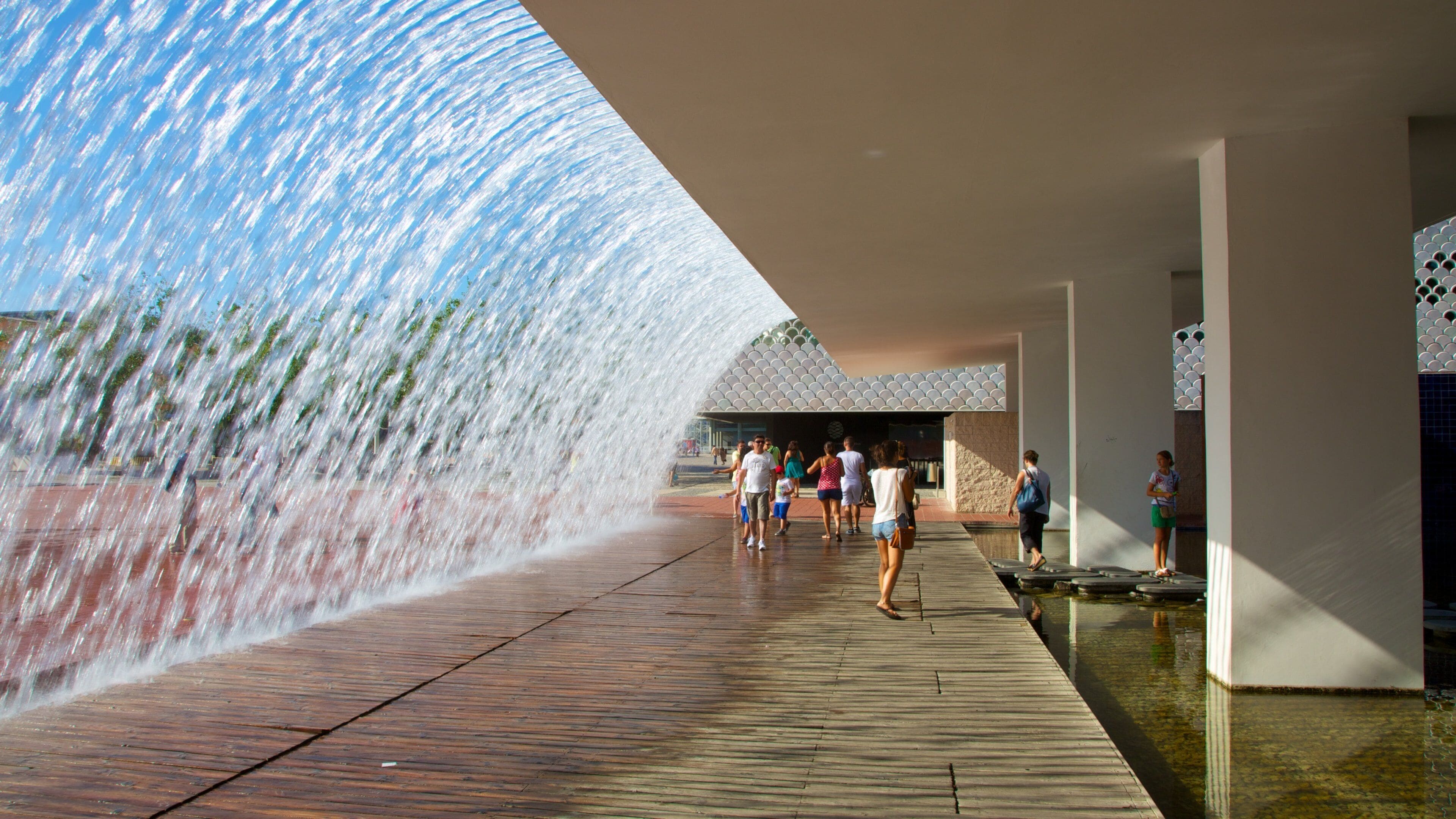
Morning: Take the Red metro line to Oriente station — one of the most beautiful train stations in Europe, designed by Santiago Calatrava, with all vaulted concrete trees. Explore Parque das Nações (the waterfront district built for Expo 1998): the Lisbon Oceanarium (€25 adults — Europe’s best, worth the price), the Cable Car over the Tagus, and the riverfront promenade.
Afternoon: Take the metro back to Intendente to explore Mouraria properly. Seek out the Museu Nacional do Azulejo (Xabregas, metro Sta Apolónia + 10-minute walk, €10) in the late afternoon — less crowded and the light through the convent’s baroque church is extraordinary.
Evening: Dinner in Mouraria or the revived Martim Moniz area. The Tasca da Esquina (Rua Domingos Sequeira) in Campo de Ourique does outstanding traditional cuisine for mid-range prices.
7-Day Lisbon Itinerary
Days 1–4: Follow the 4-day itinerary above.
Day 5: Cascais & Estoril

Take the coastal train from Cais do Sodré station (40 minutes, €2.45 each way, runs every 20 minutes; covered by Lisboa Card). The train hugs the river, then the Atlantic coast, passing palaces, beaches, and sea cliffs. Cascais is a former fishing village turned elegant resort town with good seafood restaurants, a working harbor, and the dramatic Boca do Inferno sea caves (2km walk from the station). Estoril, one stop before Cascais, is home to the famous casino and Belle Époque architecture. Swim at Praia de Cascais or the wilder Praia do Guincho (taxi from Cascais, 10km). Lunch at Mar do Inferno restaurant (seafood, mid-range, Avenida Rei Humberto II de Itália, Cascais).
Day 6: Setúbal Peninsula & Arrábida
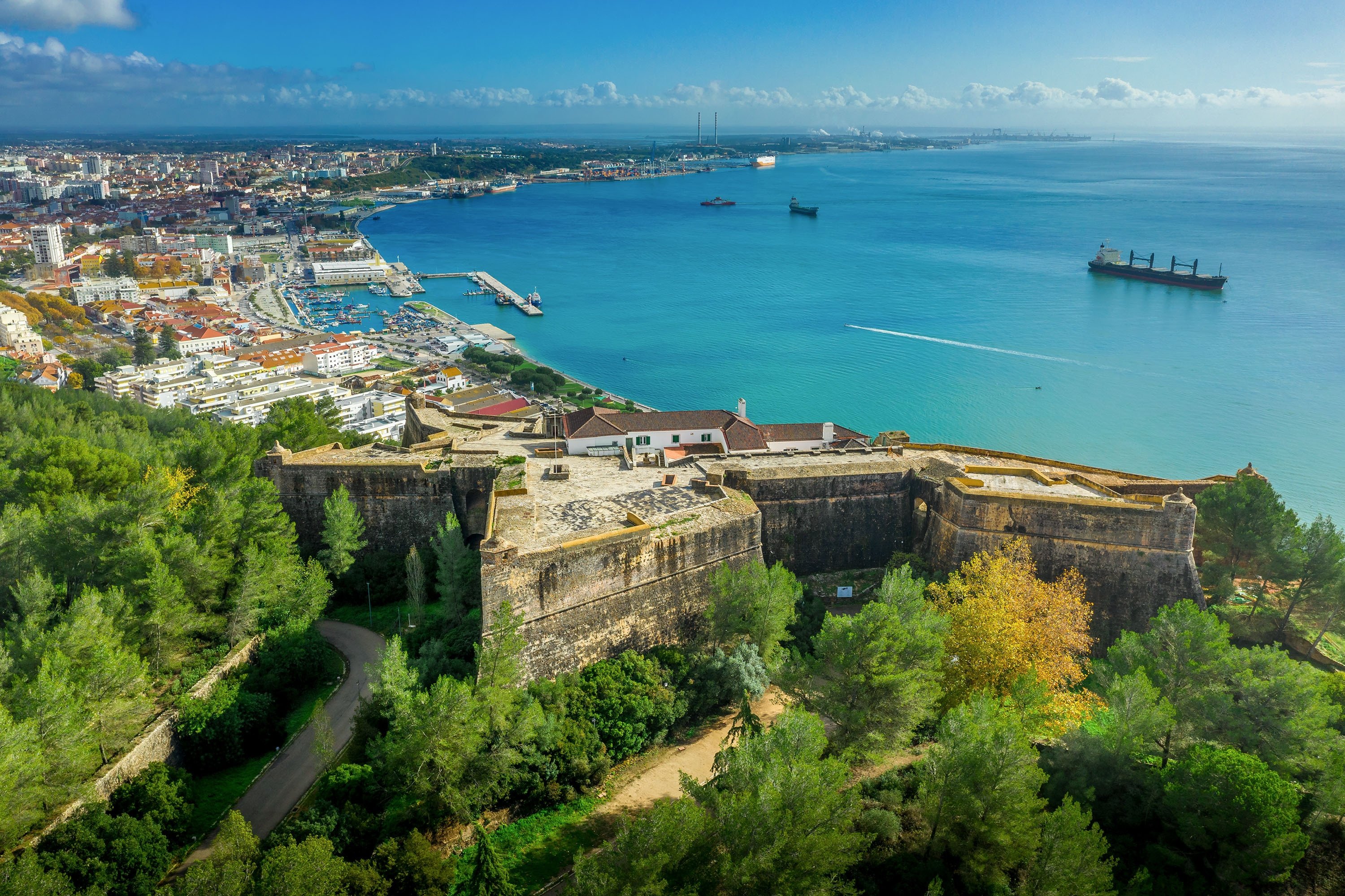
This requires more planning — rent a car from central Lisbon (budget €40–60 for the day) or book a group tour. The Serra da Arrábida is a limestone ridge running along the coast 40km south of Lisbon, its southern slopes dropping into the clearest blue water in Portugal. The beaches — Portinho da Arrábida, Galapinhos, Galapinhos — are genuinely Mediterranean in appearance and far less visited than the Algarve. Bring snorkeling gear. Stop in Setúbal for a lunch of choco frito (fried cuttlefish) at a local fish restaurant.
Day 7: Campo de Ourique & Final Exploration
Morning: Sleep in. This is your buffer day. Spend a slow morning at Jardim do Torel with a coffee and the view. Browse the Prazeres Cemetery and the neighborhood shops of Campo de Ourique — one of Lisbon’s best-preserved everyday neighborhoods, with independent bakeries, a traditional market, and restaurants used almost exclusively by locals.

Afternoon: Return to anything you missed or loved on a previous day. The Gulbenkian Museum (Avenida de Berna, €10) — if you haven’t gone — contains one of the great private art collections in Europe, from Egyptian scarabs to Lalique jewelry. The garden surrounding it is superb for a final Lisbon afternoon.
Evening: Dinner at a restaurant you’ve been saving. If budget allows: Belcanto. Otherwise, return to whichever spot felt most alive on your first night.
Lisbon is one of those cities that gives more the slower you move through it. The tiles, the hills, the light, the music — they’re all built for a pace that rewards attention. Go slowly. Drink your bica standing at the counter. Listen when the fado starts. Let the city arrive at its own speed.
Last updated: April 2026. Entry fees and transport prices are subject to change; verify current prices on official attraction and transport websites before travel.