

 Start Driving in Beijing
Beijing, the capital of China, blends its rich historical significance with modern urban development, offering a unique mix of historical landmarks, diverse neighborhoods, and a vibrant atmosphere. Situated on the North China Plain, Beijing provides a captivating mix of ancient sites and cultural diversity. The Forbidden City, a prominent landmark, features stunning imperial architecture and historical significance. The Great Wall of China features stunning historical architecture and cultural significance. The Temple of Heaven features stunning architecture and religious significance. Beijing’s culinary scene features a delightful mix of Chinese and international cuisine, with restaurants serving Peking duck, dumplings, and diverse culinary offerings. The city’s markets, such as the Wangfujing Snack Street, offer a variety of local produce, artisanal goods, and souvenirs. The parks and surrounding areas provide opportunities for scenic walks, cultural exploration, and outdoor recreation. Beijing’s efficient transportation network, including subways, buses, and trains, facilitates travel within the city and to surrounding areas. The city experiences a continental monsoon climate, with hot summers and cold winters. Beijing’s cultural attractions, such as the various historical sites and the annual festivals, highlight the city’s historical significance and cultural contributions. The city’s vibrant cultural scene includes festivals, traditional performances, and modern art, reflecting the region’s diverse traditions. Beijing’s blend of ancient history and modern dynamism creates a unique and historically significant destination. The local markets and community events foster a vibrant atmosphere, making Beijing a dynamic and culturally rich destination for visitors and residents. Beijing is a vital center for government, commerce, and culture in China, contributing significantly to the country’s national development and economic growth.
Beijing: A Timeless Capital Carved in History
Beijing, China’s capital for over 800 years, is a city where ancient imperial grandeur and modern dynamism seamlessly blend. Home to UNESCO World Heritage Sites like the Forbidden City and the Great Wall, Beijing offers a unique journey through millennia of history, vibrant local culture, and world-renowned cuisine. Whether you’re exploring historic hutongs, marveling at futuristic architecture, or indulging in Peking duck, Beijing promises unforgettable experiences for every traveler.
Historical Highlights
- Ancient Roots: Beijing’s history dates back 3,000 years, serving as a regional center long before becoming the capital of the Yuan Dynasty in 1271.
- Imperial Capital: Key dynasties—Yuan, Ming, and Qing—ruled from Beijing, leaving behind monumental palaces, temples, and the Forbidden City.
- Modern Era: Today, Beijing is China’s political, cultural, and educational hub, with a population reflecting diverse ethnicities and a thriving urban scene.
What Makes the City Unique or Special
- Rich Historical Legacy: World-class landmarks and UNESCO sites.
- Cultural Melting Pot: Mix of Han, Manchu, and other ethnic influences.
- Dynamic Contrast: Ancient hutongs alongside modern skyscrapers and art districts.
- Global Metropolis: Center for politics, business, and culture.
Local Culture and Vibe
- Traditional Arts: Peking opera, calligraphy, tea ceremonies.
- Community Life: Explore hutongs for authentic local experiences.
- Festive Atmosphere: Major festivals like Chinese New Year and Mid-Autumn Festival.
- Friendly Locals: Known for hospitality and humor.
Best Months to Visit
- Spring (April–May): Mild weather, blooming flowers, fewer crowds.
- Autumn (September–October): Cool, clear skies, ideal for sightseeing.
- Avoid: Winter (cold, polluted) and summer (hot, humid, crowded).
Top Attractions
1. Forbidden City

- Opening Hours: 8:30–17:00 (summer), 8:30–16:30 (winter)
- Entry Fee: CNY 60–80
- Tips: Book tickets in advance online; arrive early to avoid crowds.
- Best Time: Early morning, spring or autumn.
2. Great Wall (Badaling/Mutianyu)

- Opening Hours: 7:00–18:00 (varies)
- Entry Fee: CNY 40–60
- Tips: Visit on weekdays; early morning or late afternoon.
- Best Time: Spring or autumn, weekday mornings
3. Temple of Heaven
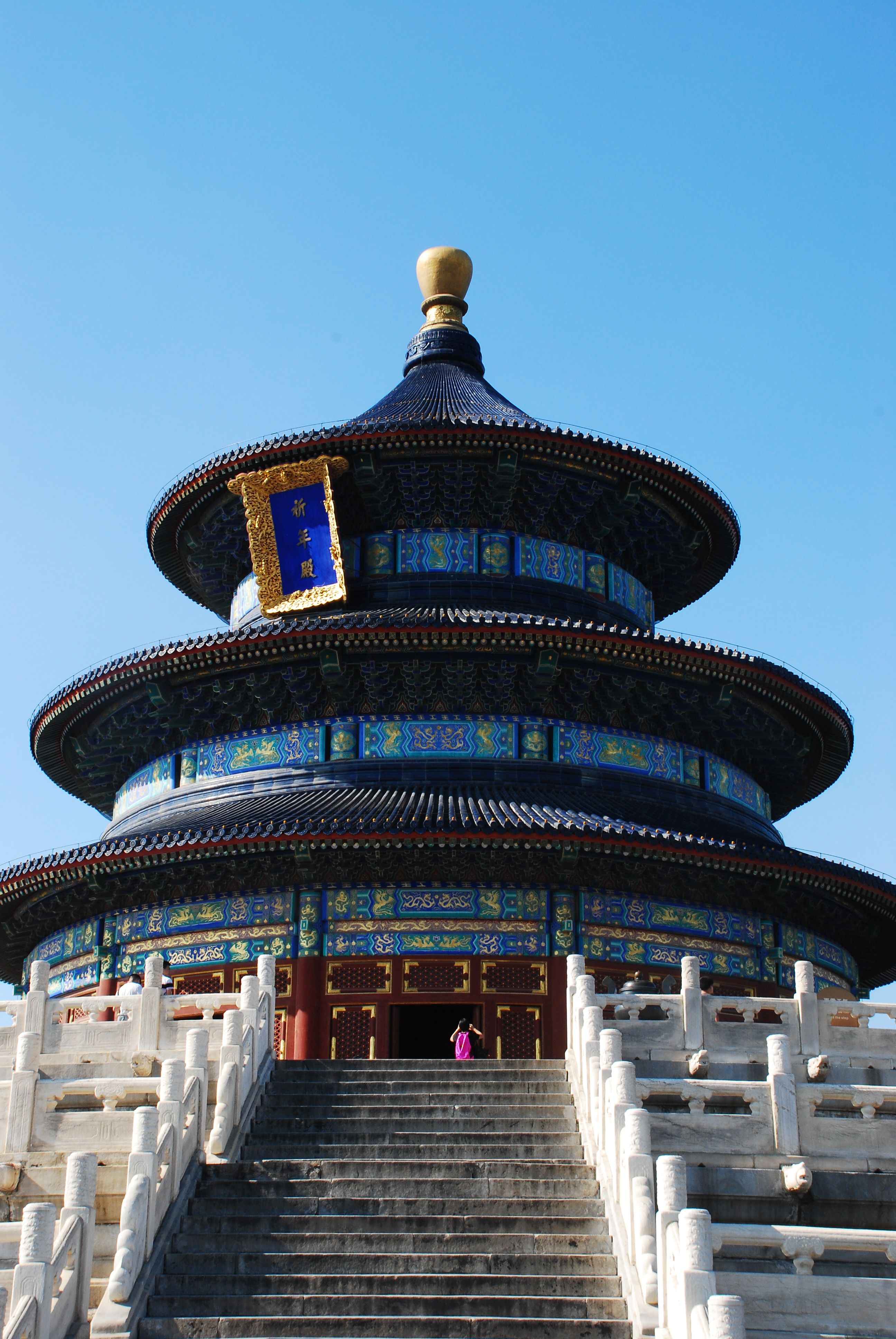
- Opening Hours: 8:00–17:30
- Entry Fee: CNY 15–34
- Tips: Visit at sunrise for local activities.
- Best Time: Spring or autumn.
4. Summer Palace
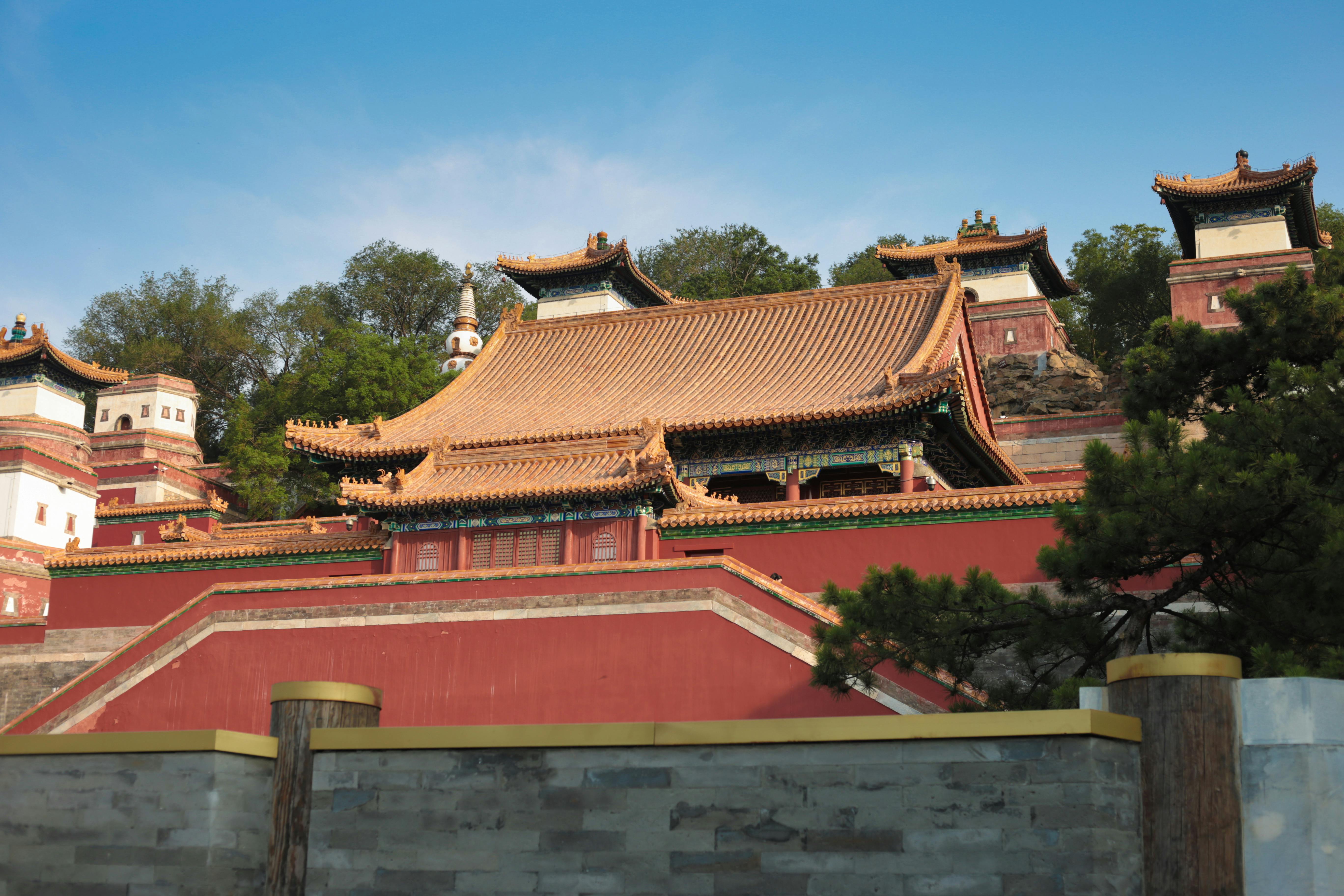
- Opening Hours: 6:30–18:00 (summer), 7:00–17:00 (winter)
- Entry Fee: CNY 30–60
- Tips: Explore the lake and gardens.
- Best Time: Spring or autumn, early or late in the day.
5. Tiananmen Square

- Opening Hours: 24/7 (reservation required)
- Entry Fee: Free
- Tips: Reserve online in advance; visit early morning or evening.
- Best Time: Spring or autumn.
Hidden Gems
- Lama Temple (Yonghe Temple): Stunning Tibetan Buddhist temple with intricate art.
- 798 Art District: Contemporary galleries in a former factory complex.
- Drum and Bell Towers: Historic towers with panoramic views.
- Hutong Walking Tours: Explore hidden alleys and local life.
- Insider Tips: Try a rickshaw ride through hutongs for a unique perspective.
Local Cuisine and Dining
- Must-Try Dishes: Peking duck, Zhajiang noodles, candied hawthorn, dumplings.
- Best Restaurants: Da Dong, Liqun Roast Duck, Black Sesame Kitchen.
- Cafes & Street Food: Nanluoguxiang snack street, Wangfujing Night Market.
- Food Markets: Donghuamen Night Market, Sanyuanli Market.
- Culinary Tours: Join a hutong food tour for authentic flavors.
Accommodation Options
- Budget: Hostels in Dongcheng or Xicheng (e.g., Peking International Youth Hostel).
- Mid-Range: Boutique hotels in hutongs (e.g., The Orchid Hotel).
- Luxury: Five-star hotels like The Peninsula or Aman at Summer Palace.
- Best Areas to Stay: Dongcheng (central, near Forbidden City), Xicheng (hutongs), Chaoyang (modern, business district)6.
Transportation
- Getting to Beijing: International flights to Beijing Capital or Daxing Airport; high-speed trains from major Chinese cities.
- Public Transport: Extensive metro, buses, and trams; use a rechargeable Yikatong card.
- Taxis & Rideshares: Affordable taxis; Didi (Chinese Uber) widely used.
- Bike Rentals: Mobike and Ofo bikes available.
- Tips: Download offline maps; avoid rush hour.
Events, Festivals, and Experiences
- Major Events: Chinese New Year (Jan/Feb), Mid-Autumn Festival (Sept/Oct), National Day (Oct).
- Unique Experiences: Peking opera, tea ceremonies, calligraphy workshops, hutong cooking classes.
- Performances: Red Theatre, Chaoyang Theatre, Liyuan Theatre (book ahead).
Shopping and Souvenirs
- Best Shopping Streets: Wangfujing, Qianmen, Nanluoguxiang.
- Markets & Malls: Silk Market, Panjiayuan Antique Market, The Place Mall.
- Local Products: Silk, tea, calligraphy sets, jade, traditional snacks.
Practical Information
- Visa: Most travelers need a tourist visa; apply in advance.
- Weather: Spring and autumn are best; winter is cold, summer is hot and humid.
- Language: Mandarin is the main language; basic phrases helpful.
- Currency: Renminbi (CNY); ATMs widely available; credit cards accepted in major places.
- Payment Methods: Cash for small vendors; mobile payments (WeChat Pay, Alipay) common.
Travel Tips and Etiquette
- Local Customs: Respect elders, avoid sensitive political topics.
- Safety: Generally safe; watch for pickpockets in crowded areas.
- Budget Tips: Use public transport, eat street food, visit free attractions.
- Cultural Etiquette: Accept business cards with both hands; don’t stick chopsticks upright in rice.
Packing and What to Wear
- Spring/Autumn: Light jacket, comfortable shoes, sunscreen.
- Summer: Light clothing, hat, sunglasses, umbrella.
- Winter: Heavy coat, gloves, scarf, thermal layers.
- Dress Code: Modest attire for temples and palaces; smart casual for upscale restaurants.
Itineraries
2-Day Itinerary
- Day 1: Forbidden City, Tiananmen Square, Jingshan Park, Wangfujing Night Market
- Day 2: Great Wall (Badaling or Mutianyu), Summer Palace
4-Day Itinerary
- Day 1: Forbidden City, Tiananmen Square, Jingshan Park
- Day 2: Great Wall (Badaling or Mutianyu)
- Day 3: Temple of Heaven, Summer Palace, Hutong walking tour
- Day 4: 798 Art District, Lama Temple, Nanluoguxiang
7-Day Itinerary
- Days 1–4: As above
- Day 5: Drum and Bell Towers, Houhai Lake, local markets
- Day 6: Day trip to Ming Tombs or Fragrant Hills Park
- Day 7: Shopping, leisure, or revisit favorite spots