

 Start Driving in Beirut
Beirut, the capital of Lebanon, is a city that has risen from the ashes of conflict to become a vibrant cultural and commercial hub, offering a unique blend of historical landmarks, diverse neighborhoods, and a thriving nightlife scene. Situated on the shores of the Mediterranean Sea, Beirut offers a captivating blend of urban amenities and natural beauty. The National Museum of Beirut showcases the country’s rich history and cultural heritage, featuring artifacts from various civilizations. The Mohammad Al-Amin Mosque, a magnificent structure, is a symbol of the city and a testament to its religious diversity. The Gemmayzeh and Mar Mikhael districts, known for their lively bars and restaurants, offer a vibrant nightlife scene. Beirut’s culinary scene is a gastronomic delight, featuring a diverse array of restaurants serving traditional Lebanese dishes, such as hummus, tabbouleh, and shawarma, alongside international cuisine. The city’s markets, such as the Souk el Tayeb, offer a variety of local produce, handicrafts, and souvenirs. The nearby beaches offer opportunities for swimming, sunbathing, and water sports. Beirut’s transportation network, comprising buses, taxis, and ride-sharing services, ensures convenient travel within the city and to surrounding areas. Travelers should be prepared for potential traffic congestion and political instability. The currency is the Lebanese Pound (LBP), and Arabic is the primary language. The most favorable times to visit are during the spring and autumn months, when the weather is mild and pleasant. Beirut, a city of resilience, has overcome numerous challenges to rebuild its identity. The city’s historical sites, like the Roman Baths and the Martyrs’ Square, reflect its rich past. The vibrant cultural scene, with its theaters, art galleries, and music venues, showcases the city’s artistic spirit. The Corniche, a scenic waterfront promenade, offers stunning views of the Mediterranean Sea. The city’s parks and green spaces, like the Rene Moawad Garden, provide a welcome respite from the urban hustle. Beirut, a city of contrasts, offers a complex and rewarding experience. The city’s architectural landscape reflects a mix of modern and traditional styles. The hospitality of the Lebanese people is renowned. Beirut, a hub of innovation, is a center for media and design.
Beirut: A Coastal Soul Shaped by Time and Strength
Beirut, Lebanon’s vibrant capital, is a city of resilience and reinvention, where ancient history and contemporary culture collide along the sparkling Mediterranean coast. Known as the “Paris of the East,” Beirut dazzles with its eclectic architecture, thriving arts scene, and legendary hospitality. From Roman ruins and Ottoman-era mosques to buzzing nightlife and world-class cuisine, Beirut offers a dynamic and unforgettable experience for every traveler.
Historical Roots and Background
- Ancient Origins: Founded as a base for the ancient Phoenician civilization; later occupied by the Romans and renamed Berytus.
- Cosmopolitan Legacy: Beirut has been shaped by centuries of diverse influences, including Roman, Ottoman, and French colonial eras.
- Modern History: Despite enduring civil war and recent crises, the city remains a cultural and commercial hub, celebrated for its liberal spirit and multicultural identity.
- Key Features: Well-preserved Roman baths, aqueducts, and a historic natural harbor.
What Makes the City Unique or Special
- Cultural Melting Pot: A mix of religions, ethnicities, and traditions.
- Architectural Diversity: Blends ancient ruins, Ottoman mosques, French colonial buildings, and modern skyscrapers.
- Legendary Nightlife and Cuisine: Renowned for its lively bars, clubs, and exceptional Lebanese food.
- Resilient Spirit: Continues to thrive despite past and present challenges.
Local Culture and Vibe
- Open and Welcoming: Locals are known for their warmth, hospitality, and love of socializing.
- Artistic Energy: A thriving scene for music, art, and literature.
- Café Culture: Coffeehouses and patisseries are central to daily life.
- Festive Atmosphere: Year-round events, from film festivals to music concerts.
Best Months to Visit
- Spring (April–May): Mild weather, blooming landscapes, fewer crowds.
- Autumn (September–November): Pleasant temperatures, clear skies, ideal for sightseeing.
- Avoid: Hot, humid summers and cool, rainy winters.
Top Attractions
1. National Museum of Beirut

- Opening Hours: 9:00–17:00 (closed Mondays)
- Entry Fee: ~LBP 5,000–10,000 (varies)
- Tips: Don’t miss the Phoenician and Roman collections.
- Best Time: Late morning or early afternoon.
2. Mohammad Al-Amin Mosque
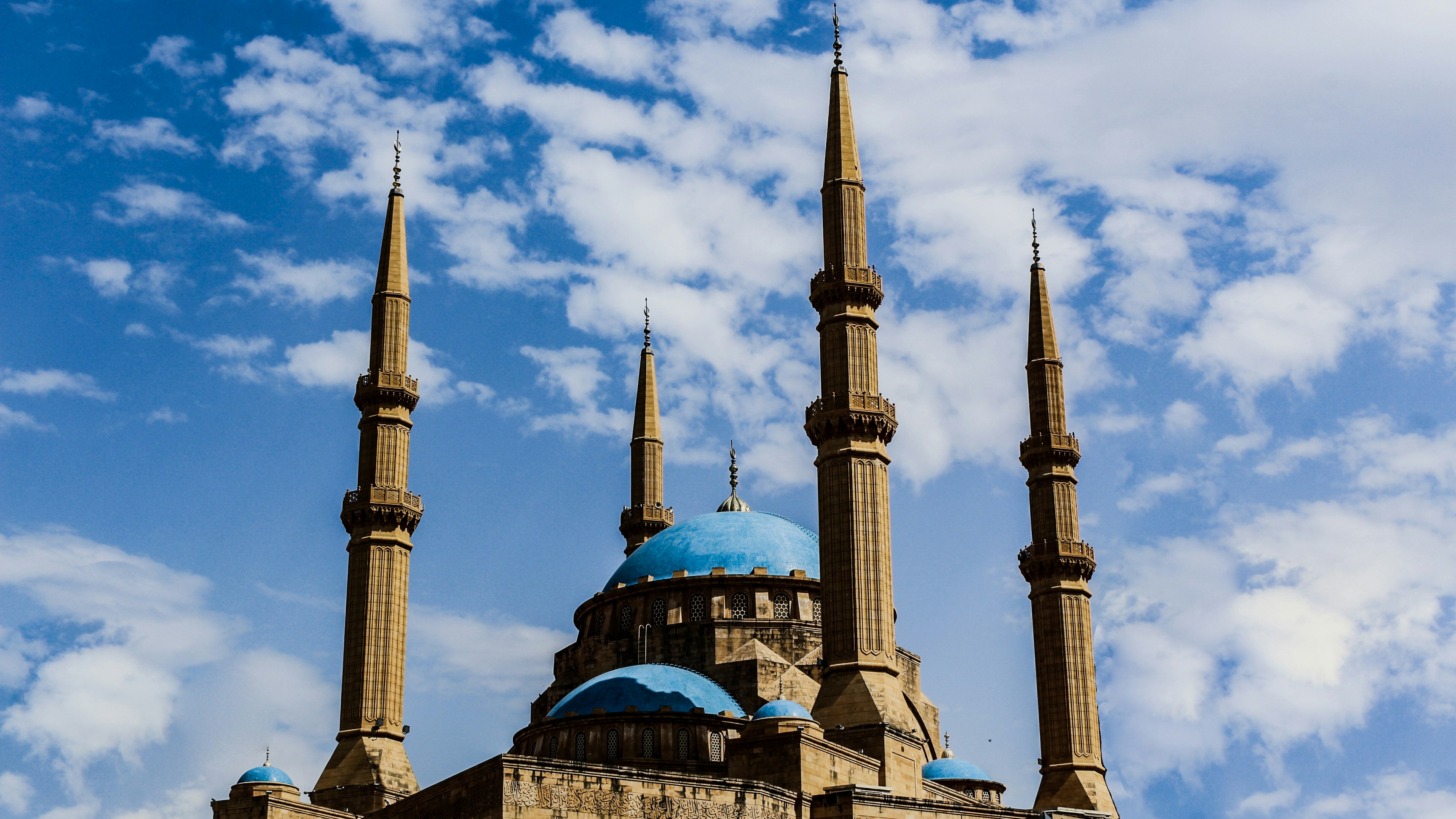
- Opening Hours: Outside prayer times (check locally)
- Entry Fee: Free (donations welcome)
- Tips: Dress modestly; photography allowed.
- Best Time: Early morning or late afternoon.
3. Beirut Souks
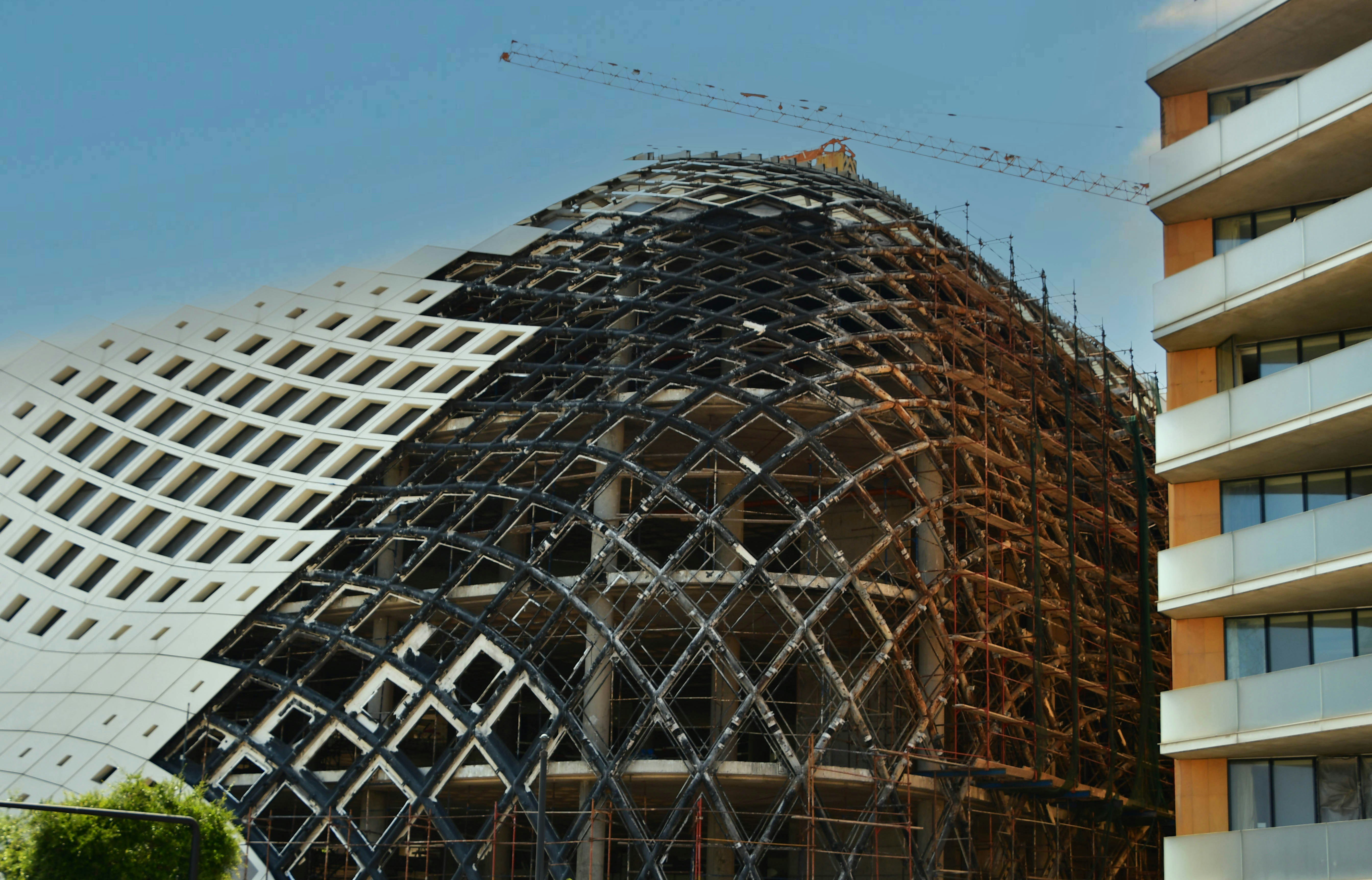
- Opening Hours: 10:00–22:00 (varies by shop)
- Entry Fee: Free
- Tips: Great for shopping and people-watching.
- Best Time: Late afternoon or evening.
4. Raouche Rock (Pigeon Rocks)
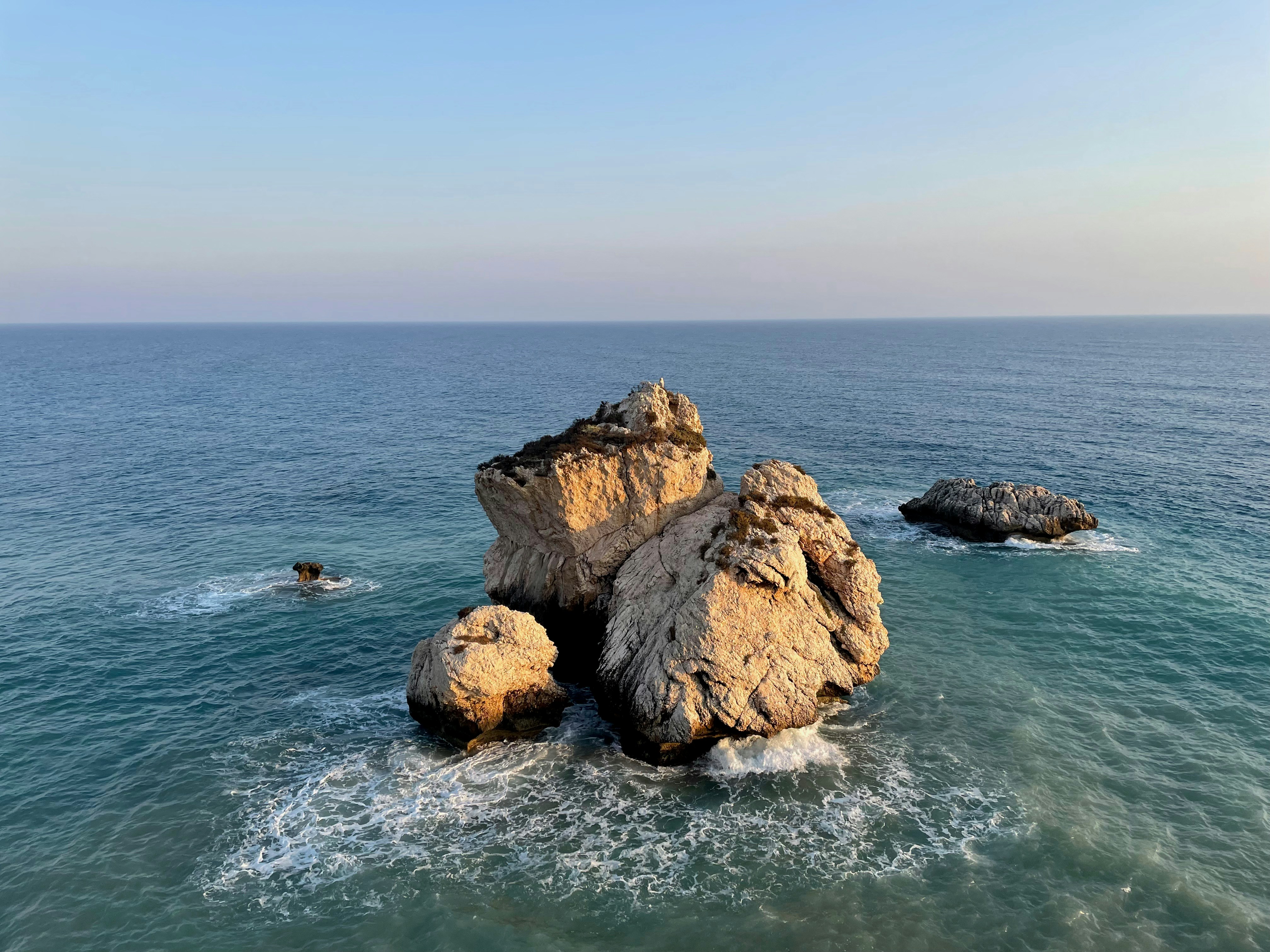
- Opening Hours: Always open
- Entry Fee: Free
- Tips: Visit at sunset for stunning views.
- Best Time: Sunset.
5. Sursock Museum
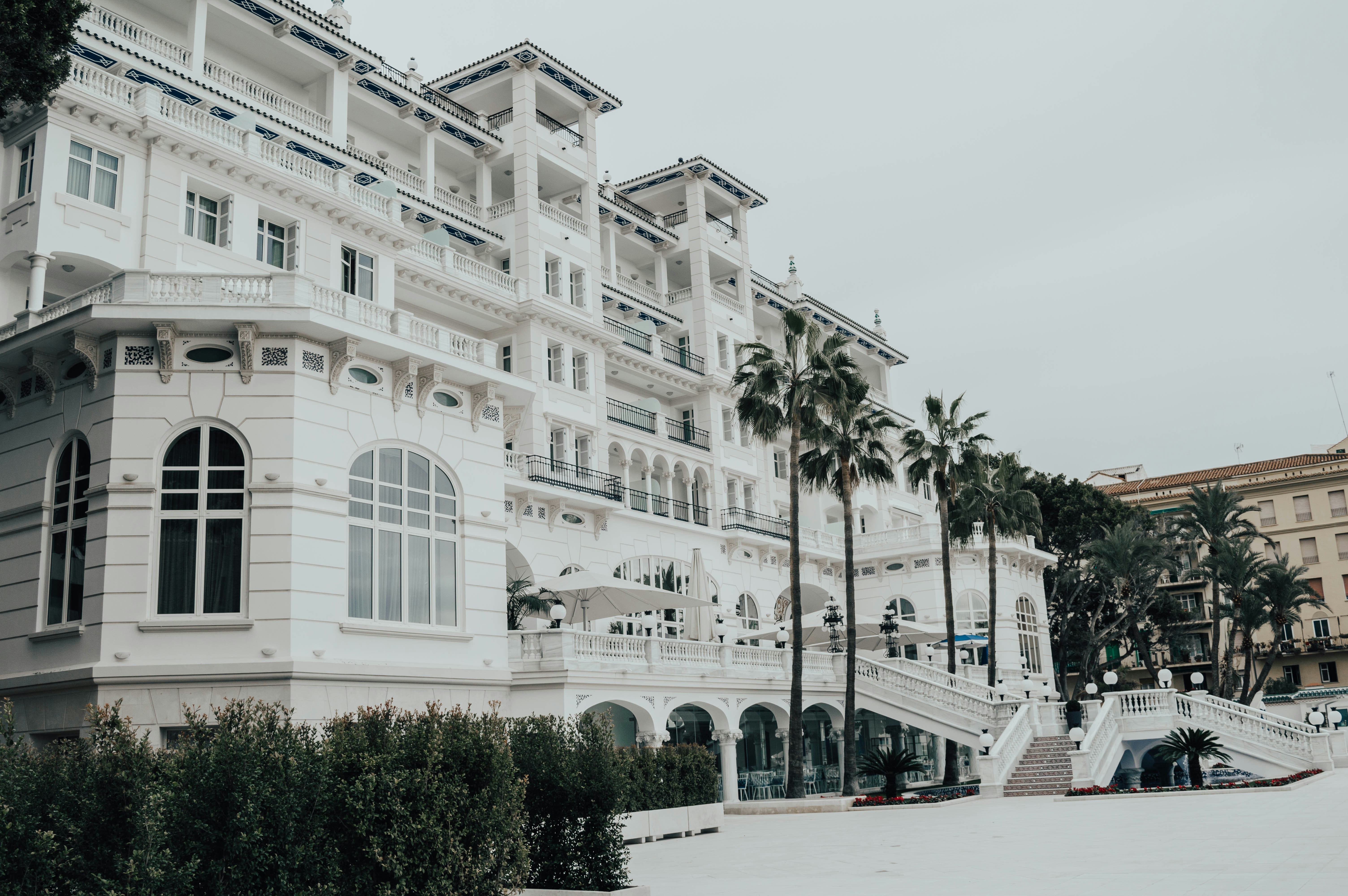
- Opening Hours: 10:00–18:00 (closed Mondays)
- Entry Fee: ~LBP 10,000
- Tips: Check for temporary exhibitions.
- Best Time: Late morning or early afternoon.
6. Jeita Grotto (day trip)
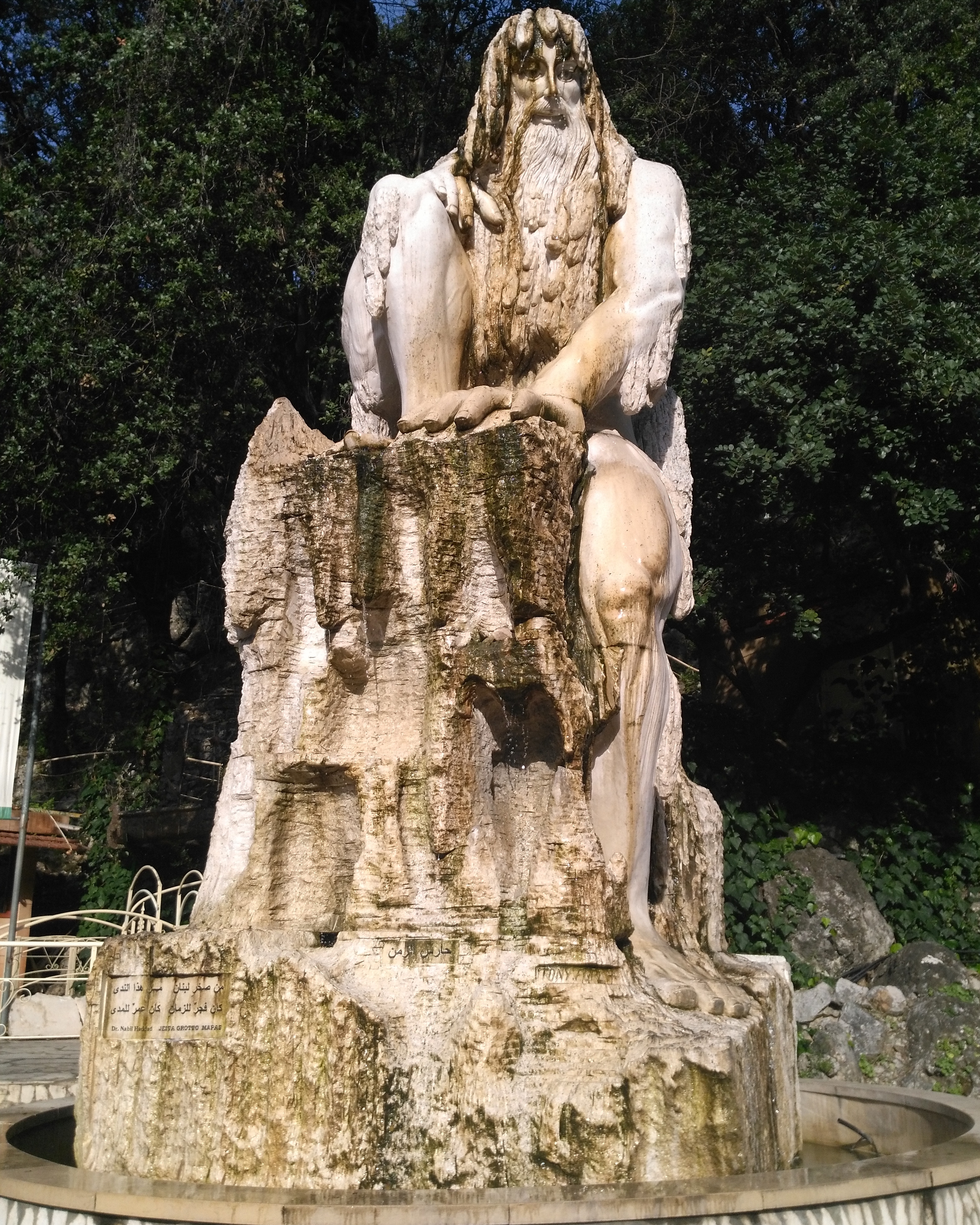
- Opening Hours: 9:00–17:00 (closed Mondays in winter)
- Entry Fee: ~LBP 40,000 (includes cable car)
- Tips: Photography is not allowed inside the caves.
- Best Time: Early morning to avoid crowds.
Hidden Gems
- Marché Urbain: Trendy market for local designers and crafts.
- Hello My Loaf: Artisan sourdough bakery.
- Ezzo for Antiques: Unique vintage finds.
- Beyt Sirena: Local dining hotspot.
- Aura Gems: Quirky café in Hamra.
- Assabil Public Library: Community hub with events.
- Insider Tips: Explore street art alleys in Mar Mikhael; visit Mansion Blatt for creative coworking spaces.
Local Cuisine and Dining
- Must-Try Dishes: Fattet Hummus, Baba Ganoush, Samke Harra, Moghrabieh, Sfiha, Knafeh, Shish Barak, Kibbeh Arnabieh, Manakish, Kebab Halabi.
- Best Restaurants: Em Sherif Café, BBQ Al Halabi, Al Ajami.
- Cafes & Street Food: Zaatar W Zeit (Sfiha), Kabab 365 (Kebab Halabi), Sugar Shake (smoothies/frozen yogurt).
- Food Markets: Beirut Souks, local bakeries for Manakish.
- Culinary Tours: Consider a guided food tour for authentic flavors and stories.
Accommodation Options
- Budget: Cosmopolitan Hotel, Gems Hotel.
- Mid-Range: Hotel Cavalier, Hotel Mediterranee Beyrouth, The Smallville Hotel.
- Luxury: Lancaster Eden Bay Hotel, Intercontinental Phoenicia, Le Royal Hotel.
- Hostels, Guesthouses, Boutique Stays: Saifi Urban Gardens, The Smallville Hotel.
- Best Areas to Stay: Downtown (central, historic), Hamra (artsy, lively), Gemmayzeh (trendy, nightlife).
Transportation
- Getting to Beirut: International flights to Beirut–Rafic Hariri International Airport; buses from neighboring countries.
- Public Transport: Buses and shared taxis (“service” taxis) are common; no metro or trams.
- Taxis, Rideshares, Bike Rentals: Taxis and rideshares (Allo Taxi, Uber, Bolt); limited bike rentals.
- Tips: Negotiate taxi fares in advance; use Google Maps for navigation.
Events, Festivals, and Experiences
- Major Annual Events: Beirut International Film Festival, Beirut Design Week, Al Bustan Festival (classical music).
- Unique Experiences: Guided walking tours of historic districts, paragliding off the Lady of Lebanon, partying at the port, exploring religious and architectural landmarks.
- Workshops & Performances: Art workshops, live music in Hamra and Mar Mikhael.
Shopping and Souvenirs
- Best Shopping Streets: Hamra Street, Bliss Street, Mar Mikhael.
- Markets & Malls: Beirut Souks, ABC Mall Achrafieh, ABC Mall Verdun.
- Local Products: Handmade crafts, olive oil, za’atar, Lebanese sweets (Knafeh, baklava), silver jewelry.
Practical Information
- Visa and Travel Regulations: Check visa requirements based on nationality; many nationalities can get a visa on arrival.
- Weather and Best Time to Visit: Spring (April–May) and autumn (September–November) are best.
- Language and Communication: Arabic is official; French and English widely spoken.
- Currency, ATMs, Payment Methods: Lebanese Pound (LBP) and USD accepted; ATMs widely available; credit cards accepted in major establishments.
Travel Tips and Etiquette
- Local Customs: Greet with a handshake; respect religious sites; tipping (10–15%) is appreciated.
- Safety Advice: Central districts are generally safe; avoid demonstrations and border areas; keep valuables secure.
- Budget Tips: Eat at local bakeries and street food stalls; use shared taxis; stay in budget or mid-range hotels.
- Cultural Etiquette: Dress modestly in religious sites; be mindful of local customs and traditions.
Packing and What to Wear
- Spring/Autumn: Light layers, comfortable walking shoes, light jacket.
- Summer: Light clothing, sunhat, sunglasses, sunscreen.
- Winter: Warm layers, waterproof jacket, scarf, gloves.
- Dress Code: Modest attire for mosques and churches; smart casual for upscale dining.
Itineraries
2-Day Itinerary
- Day 1: National Museum, Mohammad Al-Amin Mosque, Beirut Souks, Raouche Rock at sunset
- Day 2: Sursock Museum, Hamra Street, Mar Mikhael for nightlife
4-Day Itinerary
- Day 1: National Museum, Mohammad Al-Amin Mosque, Beirut Souks
- Day 2: Sursock Museum, Hamra Street, Mar Mikhael
- Day 3: Day trip to Jeita Grotto and Byblos
- Day 4: Explore hidden gems, local markets, and cafes
7-Day Itinerary
- Days 1–4: As above
- Day 5: Trip to Baalbek (Roman ruins)
- Day 6: Relax at beach clubs, visit local art galleries
- Day 7: Shopping, revisit favorite spots, or take a culinary tour
Also explore Beijing and Bergen