

 Start Driving in Budapest
Budapest, the capital of Hungary, blends its rich historical significance with modern urban development, offering a unique mix of historical landmarks, diverse neighborhoods, and a vibrant atmosphere. Situated along the Danube River, Budapest provides a captivating mix of scenic river views and cultural diversity. The Buda Castle, a prominent landmark, features stunning architecture and historical significance. The Hungarian Parliament Building features stunning architecture and governmental significance. The Szechenyi Thermal Bath features stunning architecture and recreational spaces. Budapest’s culinary scene features a delightful mix of Hungarian and international cuisine, with restaurants serving goulash, chimney cake, and diverse culinary offerings. The city’s markets, such as the Great Market Hall, offer a variety of local produce, artisanal goods, and souvenirs. The river and surrounding parks provide opportunities for scenic walks, cultural exploration, and outdoor recreation. Budapest’s efficient transportation network, including subways, buses, and trams, facilitates travel within the city and to surrounding areas. The city experiences a humid continental climate, with warm summers and cold winters. Budapest’s cultural attractions, such as the various historical sites and the annual festivals, highlight the city’s historical significance and cultural contributions. The city’s vibrant cultural scene includes festivals, concerts, and theaters, reflecting the region’s diverse traditions. Budapest’s blend of historical charm and modern dynamism creates a unique and appealing destination. The local markets and community events foster a vibrant atmosphere, making Budapest a dynamic and culturally rich destination for visitors and residents. Budapest is a vital center for government, commerce, and culture in Hungary, contributing significantly to the country’s national development and economic growth.
Budapest- A City of Bridges, Baths, and Timeless Grace
Budapest, often called the “Paris of the East,” is a city where grand architecture, world-famous thermal baths, and a vibrant cultural scene blend seamlessly along the banks of the Danube River. With its stunning parliament building, historic Buda Castle, and lively ruin bars, Budapest offers a captivating mix of old-world charm and modern energy, making it one of Europe’s most enchanting destinations for travelers seeking history, relaxation, and unforgettable experiences.
City’s Legacy
- Ancient and Medieval Roots: Settled by Celts and Romans, Budapest became a significant city under the Kingdom of Hungary in the Middle Ages.
- Ottoman and Habsburg Rule: The city was shaped by Ottoman occupation in the 16th–17th centuries and later by Habsburg influence as part of the Austro-Hungarian Empire.
- Modern Era: Buda and Pest united in 1873; Budapest flourished as a cultural and economic hub until World War II and the Communist era.
- Contemporary City: Since the 1990s, Budapest has reinvented itself as a dynamic European capital, known for its resilience, creativity, and hospitality.
What Makes the City Unique or Special
- Architectural Splendor: Iconic landmarks like the Hungarian Parliament, Buda Castle, and Fisherman’s Bastion.
- Thermal Baths: Over 100 natural thermal springs, with historic baths such as Széchenyi and Gellért offering relaxation and healing.
- River Danube: The river divides the city into Buda (hilly, historic) and Pest (flat, lively), each with its own character.
- Cultural Vibrancy: Renowned for its music, art, and vibrant nightlife, including the famous ruin bars.
- Affordable Luxury: Compared to other European capitals, Budapest offers excellent value for dining, accommodation, and attractions.
Local Culture and Vibe
- Welcoming and Lively: Locals are friendly, and the city has a relaxed, cosmopolitan atmosphere.
- Creative Energy: Thriving arts scene, street art, and innovative gastronomy.
- Café Culture: Historic coffeehouses and modern cafés are central to social life.
- Festive Spirit: Year-round festivals, concerts, and markets.
- Nightlife: Famous for its ruin bars and live music venues.
Best Months to Visit
- Spring (April–June): Mild weather, blooming gardens, and fewer crowds.
- Autumn (September–October): Pleasant temperatures, vibrant fall colors, and shorter lines at attractions.
- Avoid: Winter can be cold and gray, but Christmas markets are charming. Summer is hot and crowded.
Top Attractions
1. Hungarian Parliament Building
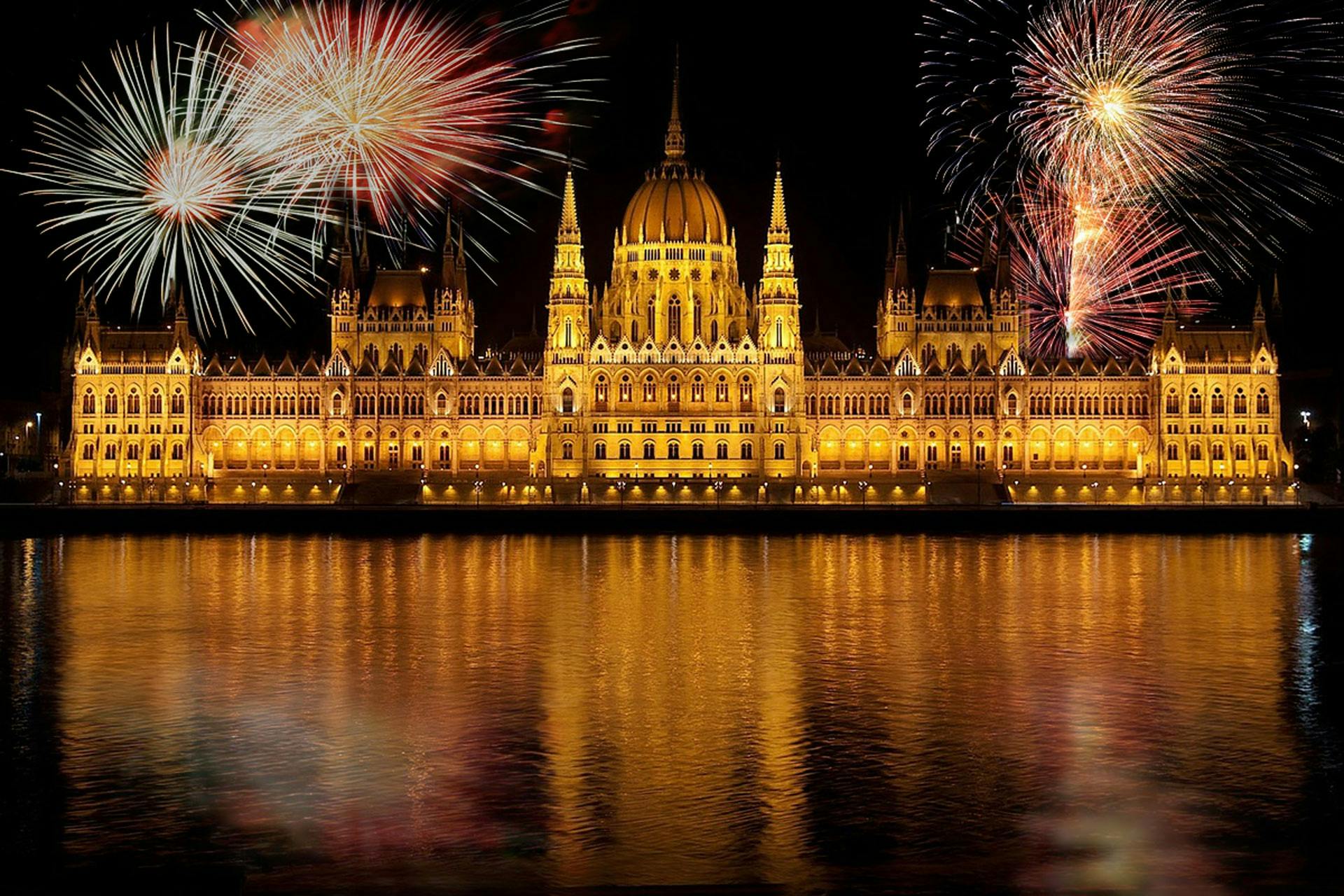
- Opening Hours: 8:00–18:00 (tours available)
- Entry Fee: ~HUF 10,000 for guided tours
- Tips: Book tickets online in advance; arrive early for best views.
- Best Time: Morning tours for fewer crowds.
2. Buda Castle
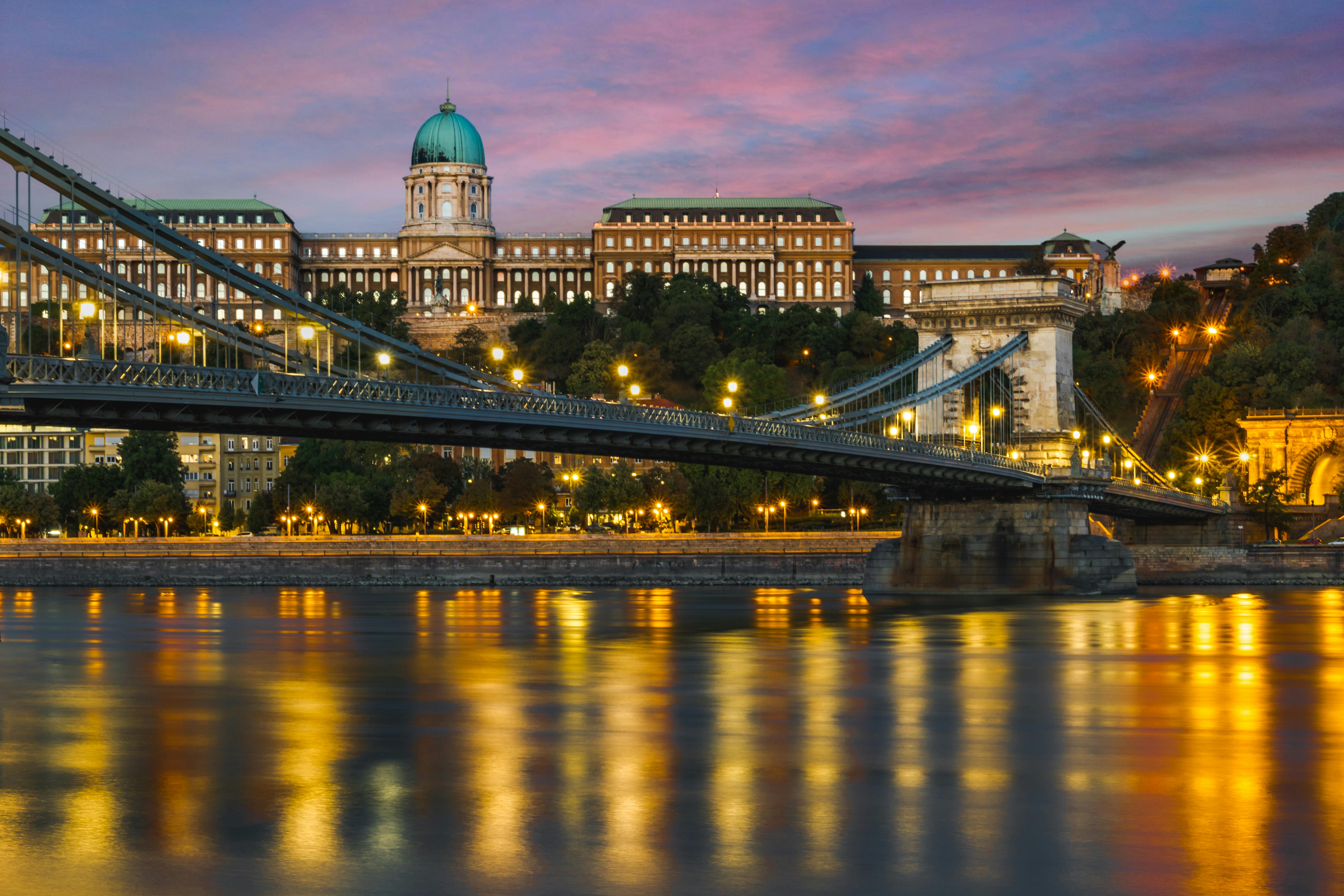
- Opening Hours: 10:00–18:00 (varies by museum)
- Entry Fee: Free for castle grounds; museums ~HUF 3,000–6,000
- Tips: Take the funicular or walk up for panoramic views.
- Best Time: Late afternoon for sunset.
3. Fisherman’s Bastion
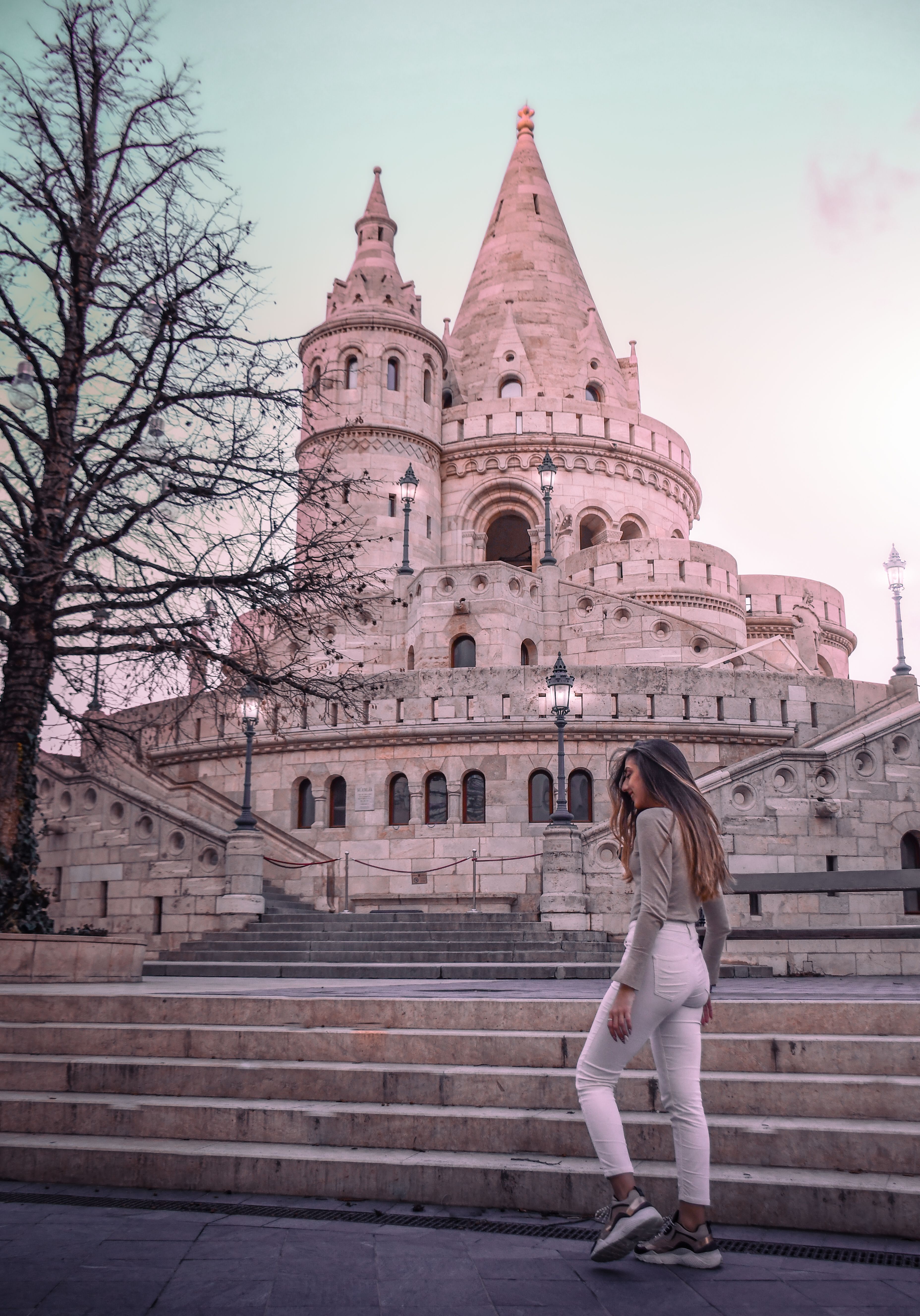
- Opening Hours: Always open (upper terrace may charge)
- Entry Fee: Free for most areas; upper terrace ~HUF 1,000
- Tips: Visit early or at night for fewer crowds.
- Best Time: Sunrise or sunset.
4. Széchenyi Thermal Bath

- Opening Hours: 6:00–22:00
- Entry Fee: ~HUF 7,000–9,000
- Tips: Bring your own towel and flip-flops; visit on weekdays for a quieter experience.
- Best Time: Morning or late evening.
5. St. Stephen’s Basilica
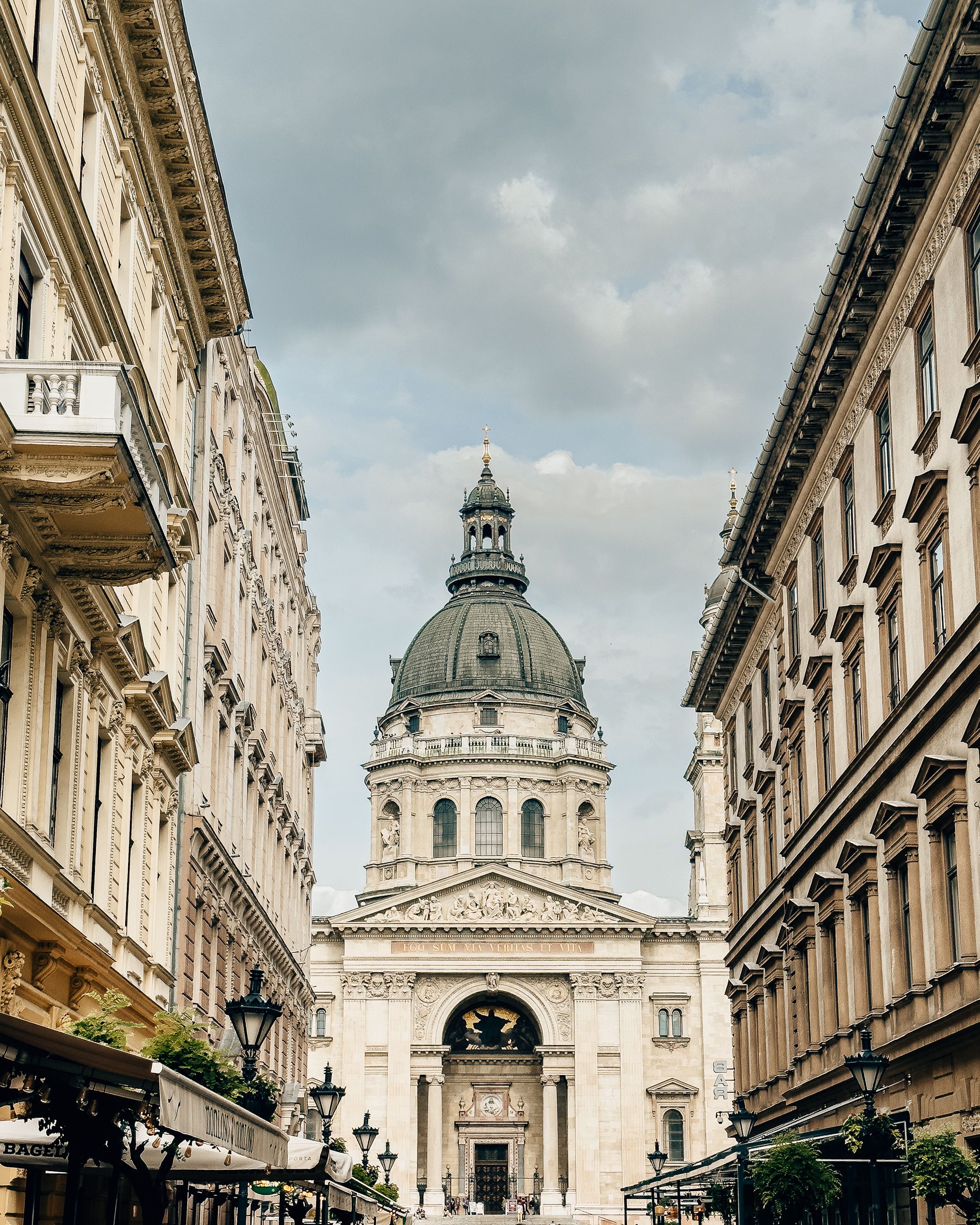
- Opening Hours: 9:00–17:00 (varies by season)
- Entry Fee: ~HUF 2,500
- Tips: Climb to the dome for city views.
- Best Time: Midday for light inside.
6. Central Market Hall
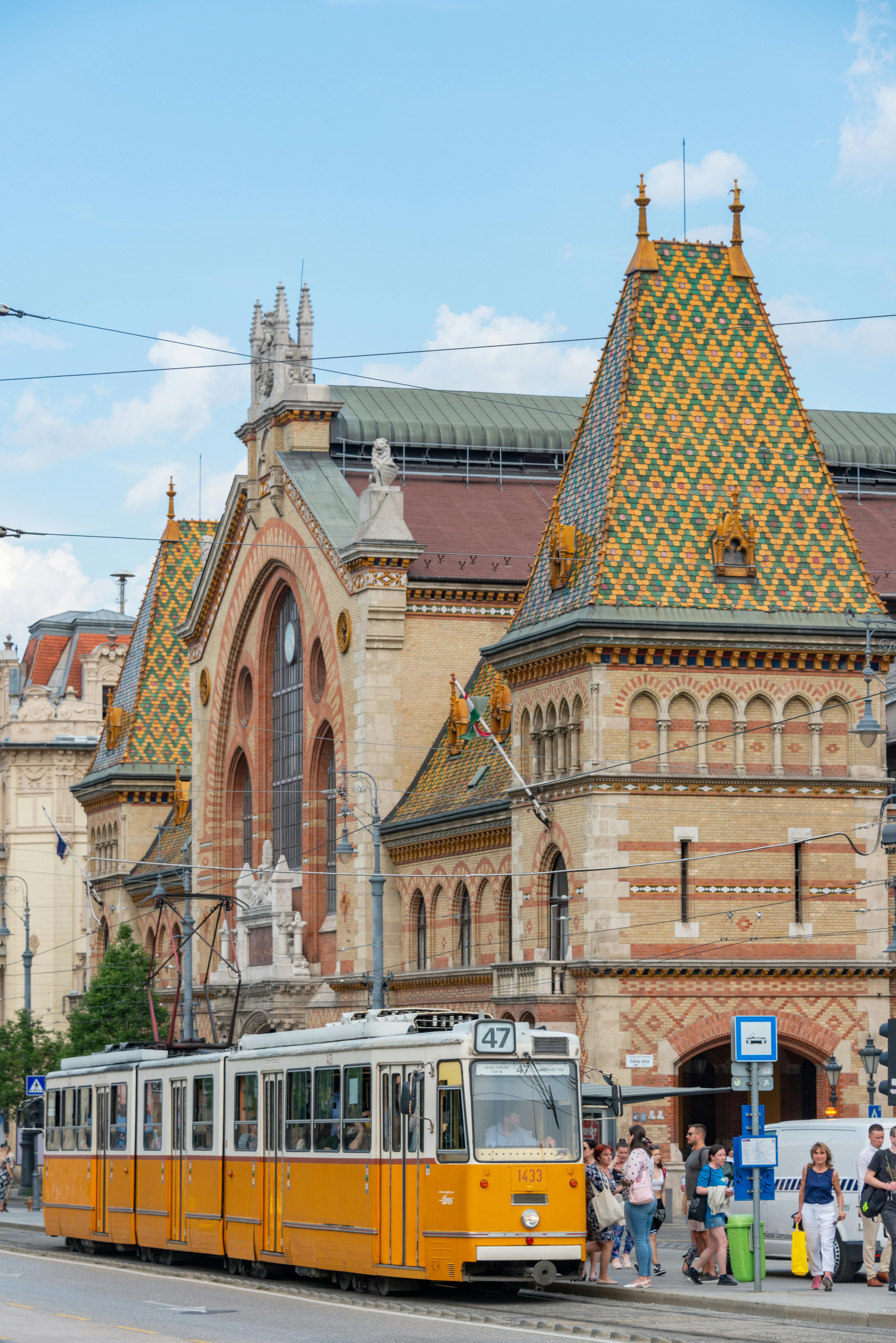
- Opening Hours: 6:00–18:00 (closed Sundays)
- Entry Fee: Free
- Tips: Try local snacks and buy souvenirs on the upper floor.
- Best Time: Late morning.
Hidden Gems
- Hospital in the Rock: Cold War-era nuclear bunker and hospital museum.
- Memento Park: Open-air museum of Communist-era statues.
- Margaret Island: Peaceful park island with gardens, pools, and bike rentals.
- Ruin Bars: Unique nightlife spots in abandoned buildings (start with Szimpla Kert).
- Local Favorites: Tram 2 for scenic Danube views, Zugliget Chairlift for panoramic city vistas.
- Insider Tips: Explore the Jewish Quarter for street art and cafés, visit lesser-known baths like Lukács or Rudas.
Local Cuisine and Dining
- Must-Try Dishes: Goulash, chicken paprikash, lángos (fried dough), chimney cake (kürtőskalács), dobos torte.
- Best Restaurants: Hungarikum Bisztro, Menza, Zsivány Bisztró, Főőrség Étterem és Kávéház.
- Cafes & Street Food: Central Market Hall stalls, Street Food Karaván, Ruszwurm Confectionery.
- Food Markets: Central Market Hall, Hold Street Market.
- Culinary Tours: Join a food or wine tasting tour for authentic Hungarian flavors.
Accommodation Options
- Budget: Maverick Hostel, Pal’s Hostel, Meininger Hotel Budapest.
- Mid-Range: Hotel Moments, Pest-Buda, Maison Bistro & Hotel.
- Luxury: Four Seasons Hotel Gresham Palace, Hotel Clark, Baltazar Budapest.
- Hostels, Guesthouses, Boutique Stays: Hotel Rum, Brody House, Hotel Palazzo Zichy.
- Best Areas to Stay: District V (central, near attractions), District VII (Jewish Quarter, nightlife), Buda (quiet, historic).
Transportation
- Getting to Budapest: International flights to Budapest Ferenc Liszt Airport; trains and buses from major European cities.
- Public Transport: Metro, trams, buses, and suburban trains (HÉV); use a BudapestGO pass for convenience.
- Taxis, Rideshares, Bike Rentals: Bolt, Uber; bike rentals (MOL Bubi).
- Tips: The city center is walkable; public transport is efficient and affordable.
Events, Festivals, and Experiences
- Major Annual Events: Budapest Spring Festival (March–April), Sziget Festival (August), Budapest Wine Festival (September), Christmas Markets (December).
- Unique Experiences: Thermal bath visits, Danube river cruises, guided walking tours, ruin bar hopping.
- Workshops & Performances: Folk dance shows, wine and cheese tastings, art workshops.
Shopping and Souvenirs
- Best Shopping Streets: Váci Street, Andrássy Avenue, Király Street.
- Markets & Malls: Central Market Hall, WestEnd City Center, Arena Plaza.
- Local Products: Paprika, Tokaji wine, Herend porcelain, embroidered textiles, chimney cakes.
Practical Information
- Visa and Travel Regulations: Hungary is part of the Schengen Area; check visa requirements based on nationality.
- Weather and Best Time to Visit: Best in spring and autumn; winter is cold but festive.
- Language and Communication: Hungarian is official; English widely spoken in tourist areas.
- Currency, ATMs, Payment Methods: Hungarian Forint (HUF); ATMs widely available; credit cards accepted in most places.
Travel Tips and Etiquette
- Local Customs: Greet with a handshake; tipping is appreciated (10% in restaurants).
- Safety Advice: Generally safe; beware of pickpockets in crowded areas and on public transport.
- Budget Tips: Use public transport, eat at markets and street food stalls, visit free attractions.
- Cultural Etiquette: Dress modestly in churches; be punctual for tours and reservations.
Packing and What to Wear
- Spring/Autumn: Light layers, waterproof jacket, comfortable walking shoes.
- Summer: Light clothing, sunhat, sunglasses, sunscreen.
- Winter: Warm coat, gloves, scarf, waterproof boots.
- Dress Code: Casual for most attractions; smart casual for upscale dining.
Itineraries
2-Day Itinerary
- Day 1: Hungarian Parliament, St. Stephen’s Basilica, Central Market Hall, ruin bar in the evening
- Day 2: Buda Castle, Fisherman’s Bastion, Széchenyi Thermal Bath, Danube cruise
4-Day Itinerary
- Day 1: Hungarian Parliament, St. Stephen’s Basilica, Central Market Hall
- Day 2: Buda Castle, Fisherman’s Bastion, Matthias Church
- Day 3: Széchenyi Thermal Bath, Heroes’ Square, City Park, Vajdahunyad Castle
- Day 4: Jewish Quarter, ruin bars, shopping on Váci Street, evening river cruise
7-Day Itinerary
- Days 1–4: As above
- Day 5: Day trip to Szentendre or Visegrád (Danube Bend)
- Day 6: Margaret Island, lesser-known baths (Lukács or Rudas), local food tour
- Day 7: Explore hidden gems (Memento Park, Hospital in the Rock), revisit favorite spots, or relax in a café
Also explore Brisbane and Brussels