

 Start Driving in Cairo
Cairo, the capital of Egypt, blends its rich ancient history with modern urban development, offering a unique mix of historical landmarks, diverse neighborhoods, and a vibrant atmosphere. Situated along the Nile River, Cairo provides a captivating mix of ancient sites and cultural diversity. The Pyramids of Giza, a prominent landmark, feature stunning ancient architecture and historical significance. The Egyptian Museum showcases the region’s rich history and cultural artifacts. The Citadel of Saladin features stunning architecture and historical significance. Cairo’s culinary scene features a delightful mix of Egyptian and Middle Eastern cuisine, with restaurants serving koshary, ful medames, and diverse regional specialties. The city’s markets, such as the Khan el-Khalili bazaar, offer a variety of local produce, artisanal goods, and souvenirs. The Nile and surrounding areas provide opportunities for scenic walks, cultural exploration, and river cruises. Cairo’s efficient transportation network, including subways, buses, and taxis, facilitates travel within the city and to surrounding areas. The city experiences a hot desert climate, with extremely hot summers and mild winters. Cairo’s cultural attractions, such as the various ancient sites and the annual festivals, highlight the city’s historical significance and cultural contributions. The city’s vibrant cultural scene includes festivals, traditional music, and dance, reflecting the region’s diverse traditions. Cairo’s blend of ancient history and modern dynamism creates a unique and historically significant destination. The local markets and community events foster a vibrant atmosphere, making Cairo a dynamic and culturally rich destination for visitors and residents. Cairo is a vital center for government, commerce, and culture in Egypt, contributing significantly to the country’s national development and economic growth.
Cairo: Where Ancient Stones Hold Endless Secrets
Cairo, the sprawling capital of Egypt, is a mesmerizing blend of ancient wonders and vibrant modern life. Home to the iconic Pyramids of Giza and the Sphinx, as well as a labyrinth of historic mosques, bustling markets, and the mighty Nile River, Cairo offers an unforgettable journey through millennia of history, culture, and tradition. Whether you’re exploring legendary archaeological sites, savoring world-class street food, or navigating the city’s energetic streets, Cairo promises a travel experience like no other.
Historical Introduction
- Ancient Roots: Founded near the ancient city of Memphis, Cairo has been a hub of civilization for over 4,000 years.
- Islamic Era: Became a major center of Islamic culture and learning after the Arab conquest in the 7th century.
- Modern City: Today, Cairo is Africa’s largest city and Egypt’s political, cultural, and economic heart, home to over 20 million people.
- UNESCO Heritage: Historic Cairo is a UNESCO World Heritage site, renowned for its Islamic architecture and medieval history.
What Makes the City Unique or Special
- Pyramids of Giza: One of the Seven Wonders of the Ancient World.
- Cultural Melting Pot: Mix of ancient Egyptian, Islamic, Coptic, and modern influences.
- Nile River: Lifeblood of the city, offering scenic cruises and sunset felucca rides.
- Vibrant Street Life: Bustling bazaars, lively cafés, and a dynamic arts scene.
- Historic Mosques and Churches: Architectural masterpieces from different eras.
Local Culture and Vibe
- Warm Hospitality: Locals are friendly and welcoming to visitors.
- Religious Diversity: Home to significant Muslim and Coptic Christian communities.
- Café Culture: Traditional ahwas (coffeehouses) are social hubs.
- Festive Atmosphere: Year-round festivals, music, and dance performances.
- Nightlife: Lively evenings, especially during Ramadan and public holidays.
Best Months to Visit
- October–April: Mild temperatures, ideal for sightseeing (avoid extreme heat and crowds).
- Ramadan: Unique cultural experience, but some attractions may have limited hours.
- Avoid: May–September, when temperatures soar above 35°C (95°F).
Top Attractions
1. Pyramids of Giza & Sphinx
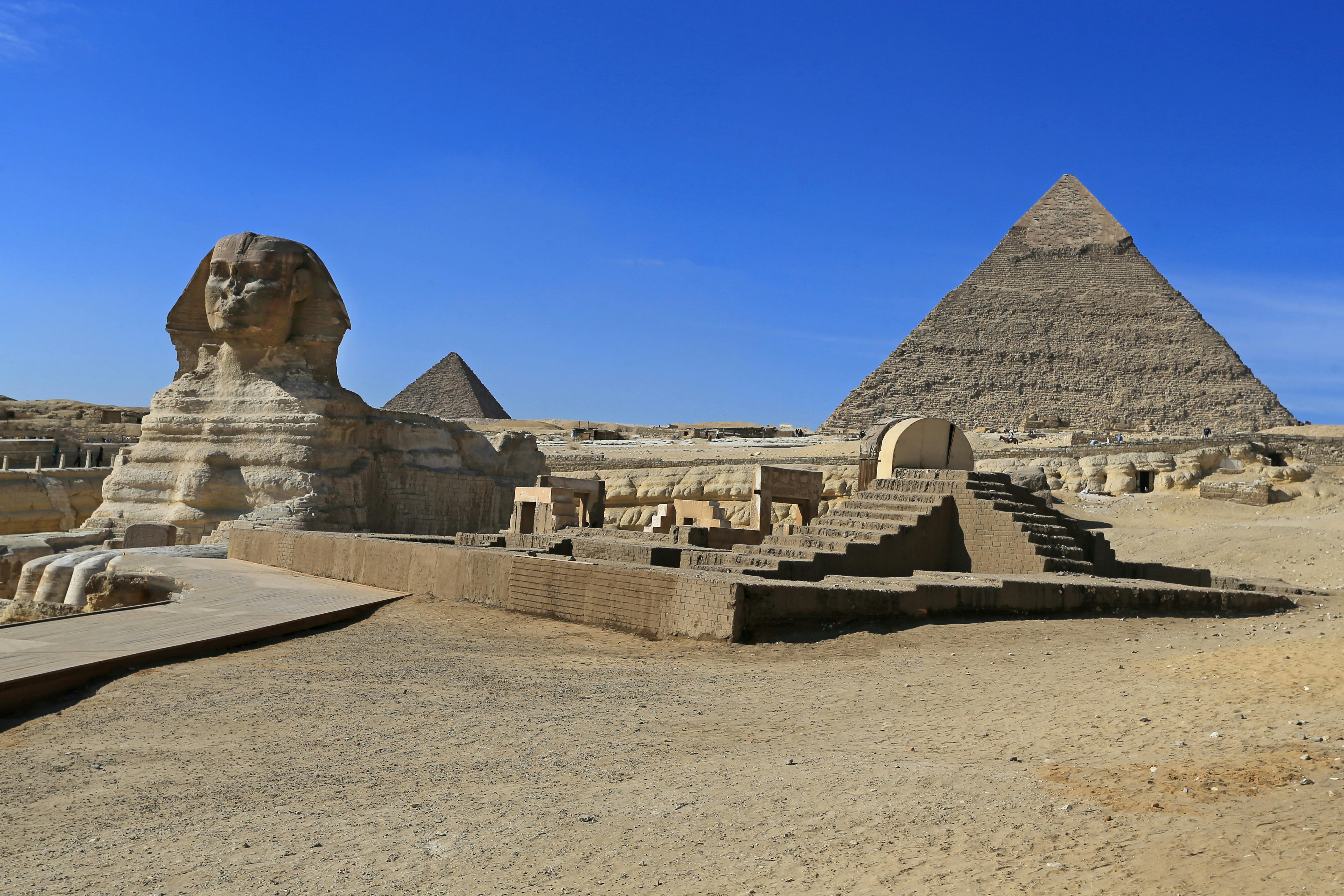
- Opening Hours: 8:00–17:00 (winter), 7:00–19:00 (summer)
- Entry Fee: ~EGP 360 for main area, extra for pyramids interior
- Tips: Arrive early to avoid crowds and heat; camel rides available but negotiate price.
- Best Time: Early morning or late afternoon.
2. Egyptian Museum

- Opening Hours: 9:00–17:00 (closed some holidays)
- Entry Fee: ~EGP 300
- Tips: Guided tours recommended for context; Tutankhamun gallery is a highlight.
- Best Time: Weekday mornings.
3. Khan el-Khalili Bazaar
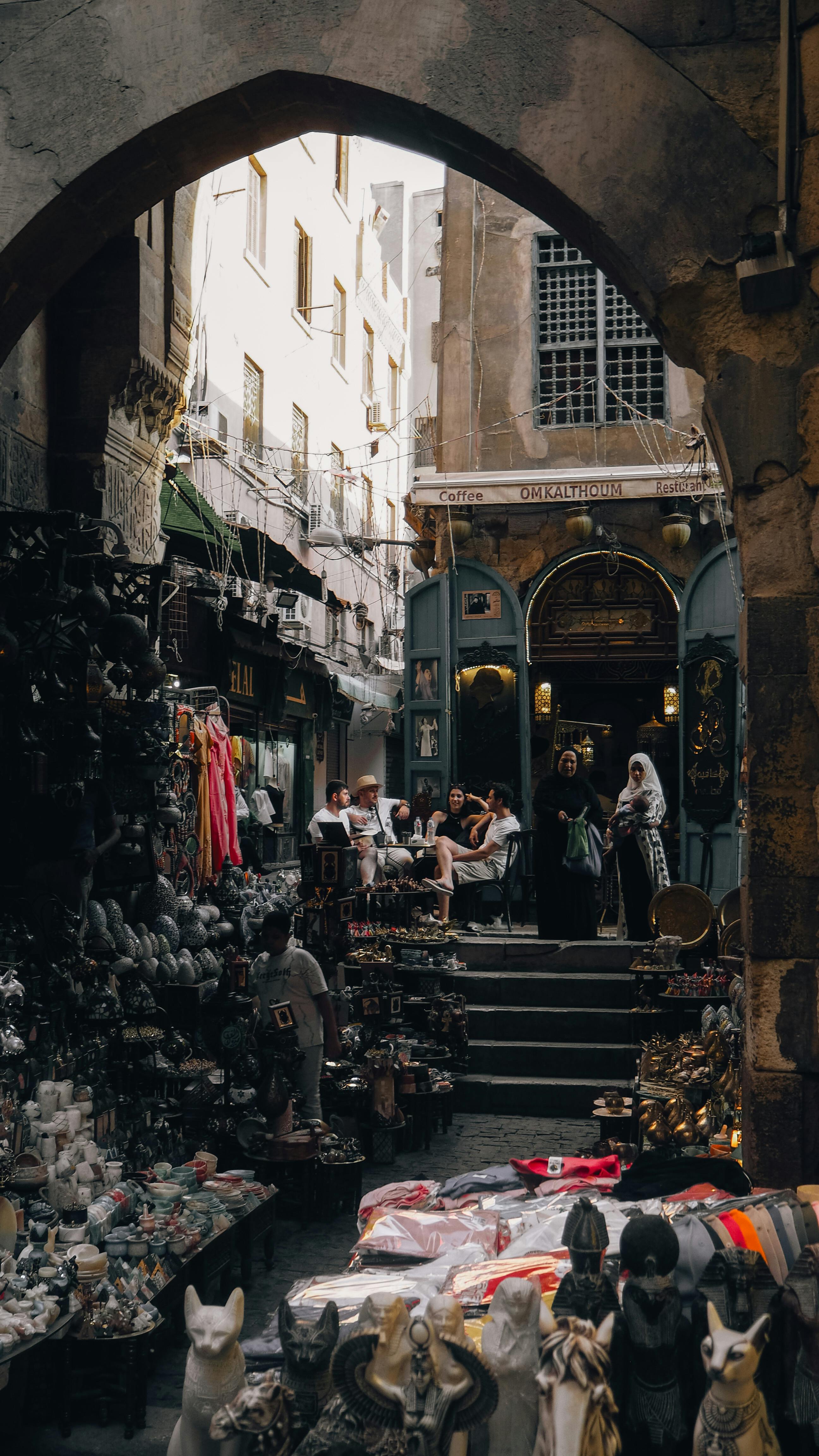
- Opening Hours: 9:00–21:00 (shops vary)
- Entry Fee: Free
- Tips: Bargain for souvenirs; try local tea at El Fishawy Café.
- Best Time: Late afternoon or evening.
4. Citadel of Saladin & Mosque of Muhammad Ali
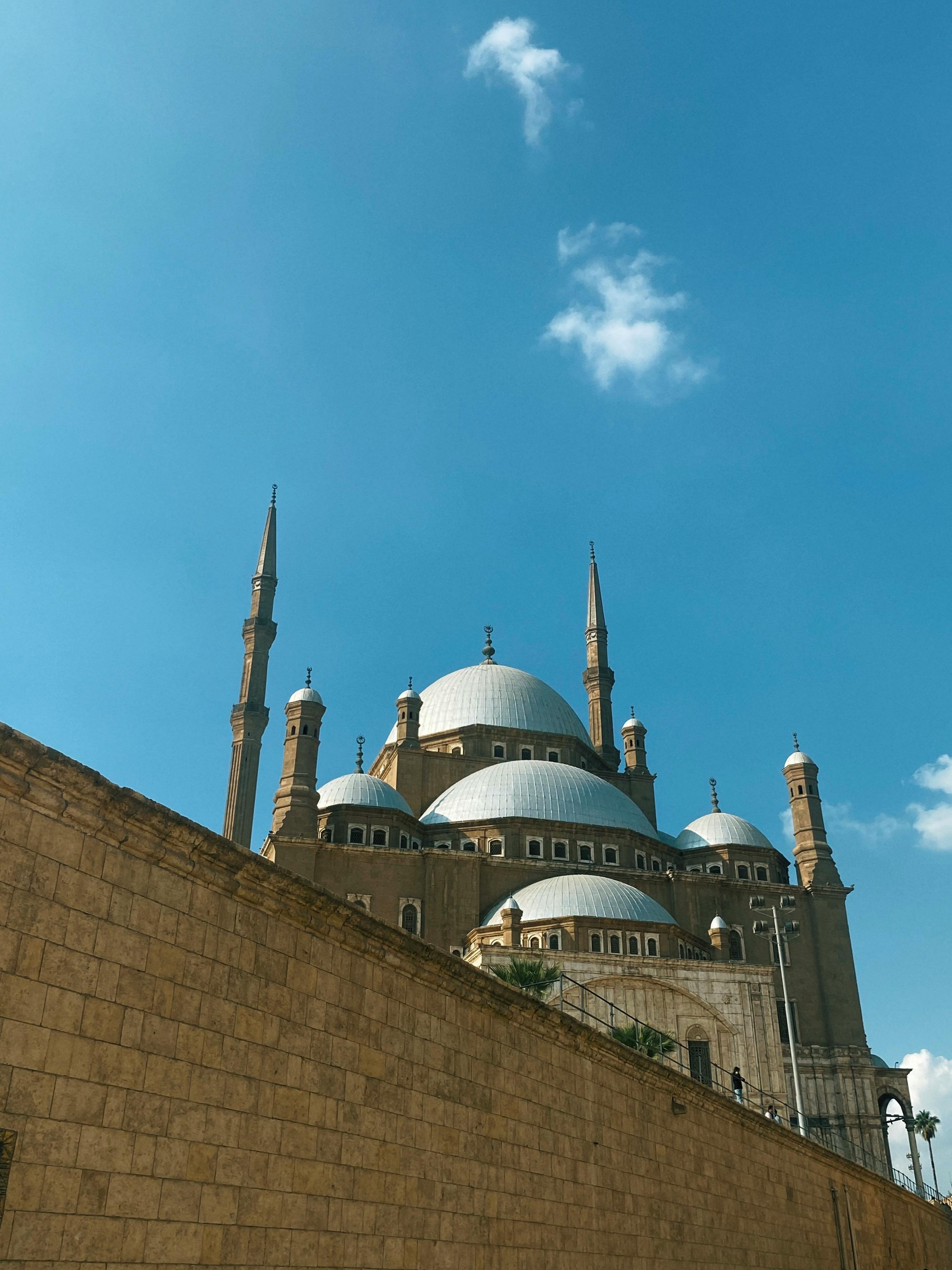
- Opening Hours: 8:00–17:00
- Entry Fee: ~EGP 180
- Tips: Panoramic city views; dress modestly.
- Best Time: Morning.
5. Coptic Cairo (Hanging Church, Ben Ezra Synagogue)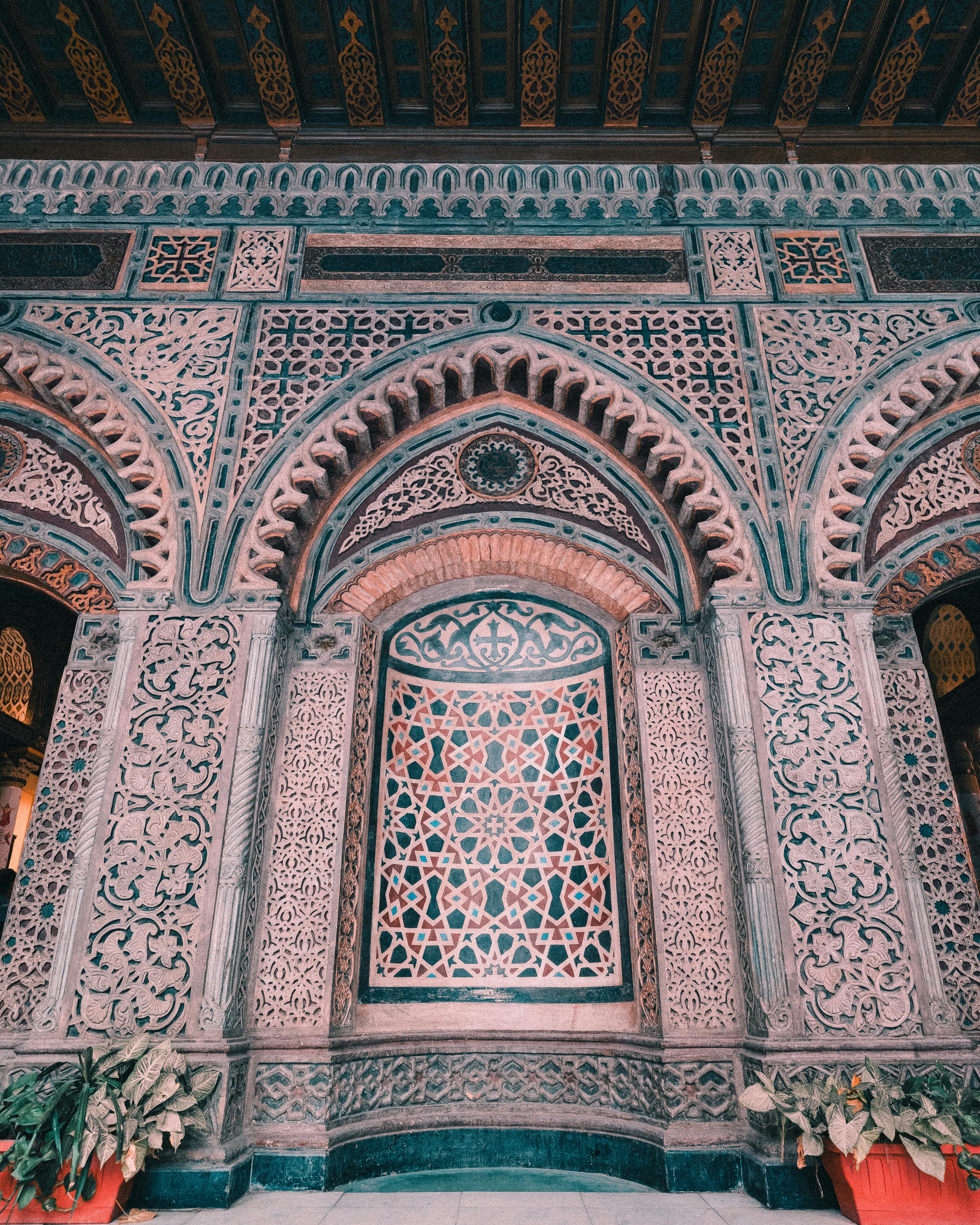
- Opening Hours: 9:00–16:00 (varies by site)
- Entry Fee: Free or small donation
- Tips: Explore the ancient churches and synagogue.
- Best Time: Midday.
6. Al-Azhar Park
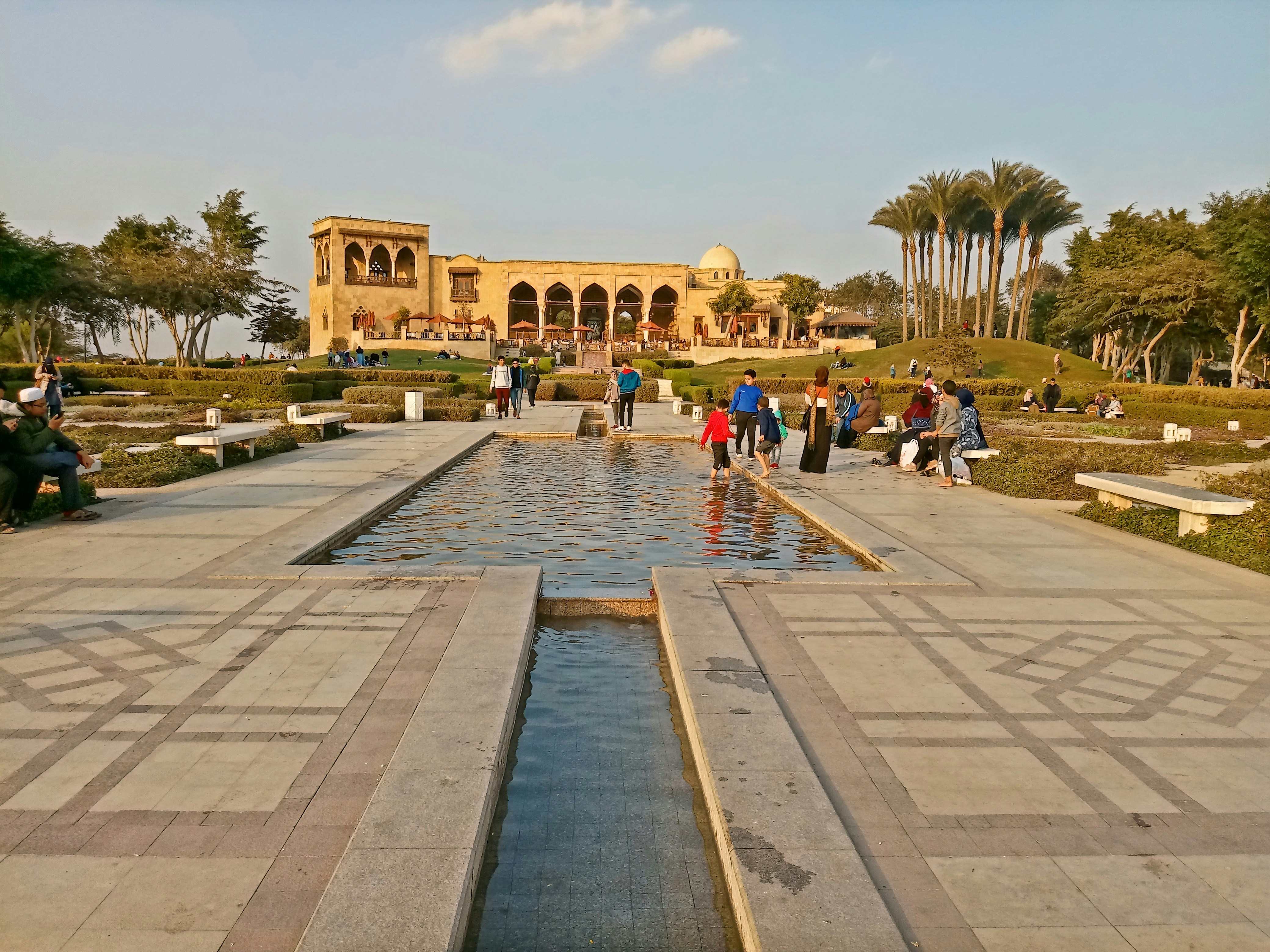
- Opening Hours: 9:00–23:00
- Entry Fee: ~EGP 15
- Tips: Great for relaxing and sunset views.
- Best Time: Late afternoon.
Hidden Gems
- Manial Palace: Royal palace with lush gardens and Islamic art.
- Museum of Islamic Art: Extensive collection of Islamic artifacts.
- Cairo Tower: Panoramic city views (less crowded than Citadel).
- Local Favorites: Walk along the Nile Corniche, visit Zamalek for trendy cafés.
- Insider Tips: Explore Islamic Cairo’s lesser-known mosques, take a felucca ride at sunset.
Local Cuisine and Dining
- Must-Try Dishes: Koshari (rice, lentils, pasta, crispy onions), ful medames (fava beans), taameya (Egyptian falafel), molokhia (jute leaf soup), basbousa (semolina cake).
- Best Restaurants: Abou El Sid (Egyptian cuisine), Felfela (casual, local dishes), Zooba (modern Egyptian street food).
- Cafes & Street Food: El Horreya (local favorite), Koshari Abou Tarek, street vendors for taameya and ful.
- Food Markets: Khan el-Khalili, Souq Al Fustat.
- Culinary Tours: Join a food tour for authentic local flavors and insights.
Accommodation Options
- Budget: Dahab Hostel, Cairo Hostel, Freedom Hostel.
- Mid-Range: Le Riad Hotel de Charme, Hotel Longchamps, Talisman Hotel.
- Luxury: Four Seasons Hotel Cairo at Nile Plaza, Kempinski Nile Hotel, Marriott Mena House.
- Hostels, Guesthouses, Boutique Stays: Casa D’Or, Villa Belle Époque, Zamalek area for boutique options.
- Best Areas to Stay: Downtown (central, historic), Zamalek (quiet, upscale), Garden City (Nile views).
Transportation
- Getting to Cairo: International flights to Cairo International Airport; trains and buses from major Egyptian cities.
- Public Transport: Metro (women-only cars available), buses, microbuses.
- Taxis, Rideshares, Bike Rentals: Uber, Careem, local taxis; bike rentals less common but available in some areas.
- Tips: Use rideshare apps for safety and fixed fares; avoid unmarked taxis.
Events, Festivals, and Experiences
- Major Annual Events: Cairo International Film Festival (November), Ramadan (dates vary), Sham el-Nessim (spring festival, public holiday).
- Unique Experiences: Felucca ride on the Nile, sound and light show at Pyramids, traditional music and dance performances.
- Workshops & Performances: Art workshops, calligraphy classes, Sufi dance shows.
Shopping and Souvenirs
- Best Shopping Streets: Khan el-Khalili, Zamalek, Downtown.
- Markets & Malls: Khan el-Khalili, City Stars Mall, Cairo Festival City Mall.
- Local Products: Papyrus art, alabaster carvings, spices, perfumes, handmade jewelry.
Practical Information
- Visa and Travel Regulations: Many nationalities can get a visa on arrival or e-visa; check latest requirements before travel.
- Weather and Best Time to Visit: Best in October–April; avoid extreme summer heat.
- Language and Communication: Arabic is official; English widely spoken in tourist areas; learn basic Arabic greetings.
- Currency, ATMs, Payment Methods: Egyptian Pound (EGP); ATMs widely available; credit cards accepted in hotels and upscale restaurants..
Travel Tips and Etiquette
- Local Customs: Dress modestly, especially at religious sites; remove shoes when entering mosques.
- Safety Advice: Beware of pickpockets in crowded areas; avoid demonstrations; use official taxis or rideshares7.
- Budget Tips: Eat at local eateries, use public transport, bargain at markets.
- Cultural Etiquette: Greet with “As-salamu alaykum”; tipping is expected for services.
Packing and What to Wear
- Spring/Autumn: Light layers, comfortable walking shoes, sunhat, sunglasses.
- Summer: Light, breathable clothing, sunscreen, water bottle.
- Winter: Light jacket, scarf for cooler evenings.
- Dress Code: Modest clothing for mosques and churches; casual for most attractions.
Itineraries
2-Day Itinerary
- Day 1: Pyramids of Giza & Sphinx, Egyptian Museum, Khan el-Khalili Bazaar
- Day 2: Citadel of Saladin, Coptic Cairo, Nile felucca ride
4-Day Itinerary
- Day 1: Pyramids of Giza & Sphinx, Egyptian Museum
- Day 2: Khan el-Khalili Bazaar, Islamic Cairo (Al-Azhar, historic mosques)
- Day 3: Citadel of Saladin, Coptic Cairo, Nile felucca ride
- Day 4: Al-Azhar Park, Zamalek, local markets or shopping
7-Day Itinerary
- Days 1–4: As above
- Day 5: Day trip to Memphis, Saqqara, and Dahshur
- Day 6: Museum of Islamic Art, Cairo Tower, Manial Palace
- Day 7: Explore hidden gems, revisit favorite spots, or relax by the Nile
Also explore Buenos Aires and Budapest