

 Start Driving in Buenos Aires
Buenos Aires, the capital of Argentina, blends its rich historical significance with modern urban development, offering a unique mix of historical landmarks, diverse neighborhoods, and a vibrant atmosphere. Situated along the Rio de la Plata, Buenos Aires provides a captivating mix of scenic waterfront views and cultural diversity. The Casa Rosada, a prominent landmark, features stunning architecture and governmental significance. The Teatro Colon features stunning architecture and cultural performances. The Recoleta Cemetery features stunning architecture and historical significance. Buenos Aires’s culinary scene features a delightful mix of Argentine and international cuisine, with restaurants serving steak, empanadas, and diverse culinary offerings. The city’s markets, such as the San Telmo Market, offer a variety of local produce, artisanal goods, and souvenirs. The parks and surrounding areas provide opportunities for scenic walks, cultural exploration, and outdoor recreation. Buenos Aires’ efficient transportation network, including subways, buses, and trains, facilitates travel within the city and to surrounding areas. The city experiences a humid subtropical climate, with warm summers and mild winters. Buenos Aires’s cultural attractions, such as the various historical sites and the annual festivals, highlight the city’s historical significance and cultural contributions. The city’s vibrant cultural scene includes festivals, concerts, and theaters, reflecting the region’s diverse traditions. Buenos Aires’s blend of historical charm and modern dynamism creates a unique and appealing destination. The local markets and community events foster a vibrant atmosphere, making Buenos Aires a dynamic and culturally rich destination for visitors and residents. Buenos Aires is a vital center for government, commerce, and culture in Argentina, contributing significantly to the country’s national development and economic growth.
Buenos Aires – A City of Tango, Light, and Timeless Soul
Buenos Aires, often called the “Paris of South America,” is a city bursting with European elegance, Latin passion, and a vibrant urban energy. Buenos Aires captivates visitors with its rich culture, diverse cuisine, and a nightlife that truly never sleeps. Whether you’re exploring colorful street art, sipping Malbec, or joining locals for a football match, Buenos Aires offers an unforgettable experience for every traveler.
Brief History and Background
- Founded in 1536 by Spanish explorer Pedro de Mendoza, Buenos Aires became the capital of Argentina in 1880 after a turbulent history of colonial rule, independence, and civil war.
- European Influence: The city’s architecture, culture, and lifestyle reflect strong Italian, Spanish, and French influences, especially from waves of 19th- and 20th-century immigration.
- Modern Metropolis: Today, Buenos Aires is Argentina’s largest city and a major cultural, economic, and political hub, home to over a third of the country’s population.
What Makes the City Unique or Special
- Tango Capital: Buenos Aires is the birthplace of tango, with live performances and lessons available throughout the city.
- Architectural Marvels: Stunning French-style palaces, Italianate mansions, and art nouveau buildings.
- Vibrant Neighborhoods: Each barrio (neighborhood) has its own distinct character, from the historic San Telmo to the trendy Palermo.
- Culinary Scene: Renowned for its beef, Malbec wine, and Italian-inspired cuisine.
- Green Spaces: Lush parks and plazas, such as Bosques de Palermo and Plaza de Mayo.
- Sports Passion: Home to legendary football teams like Boca Juniors and River Plate.
Local Culture and Vibe
- Passionate and Welcoming: Locals are friendly, expressive, and proud of their city.
- Café Culture: Historic cafés are social hubs for conversation, people-watching, and lingering over coffee.
- Artistic Energy: Thriving theater, music, and street art scenes.
- Nightlife: The city comes alive at night, with bars, clubs, and milongas (tango dance halls) open until the early hours.
Best Months to Visit
- Spring (September–November): Mild weather, blooming jacaranda trees, and fewer crowds.
- Autumn (March–May): Pleasant temperatures, colorful foliage, and a relaxed atmosphere.
- Avoid: Summer (December–February) can be hot and humid; winter (June–August) is cooler but still lively.
Top Attractions
1. Teatro Colon
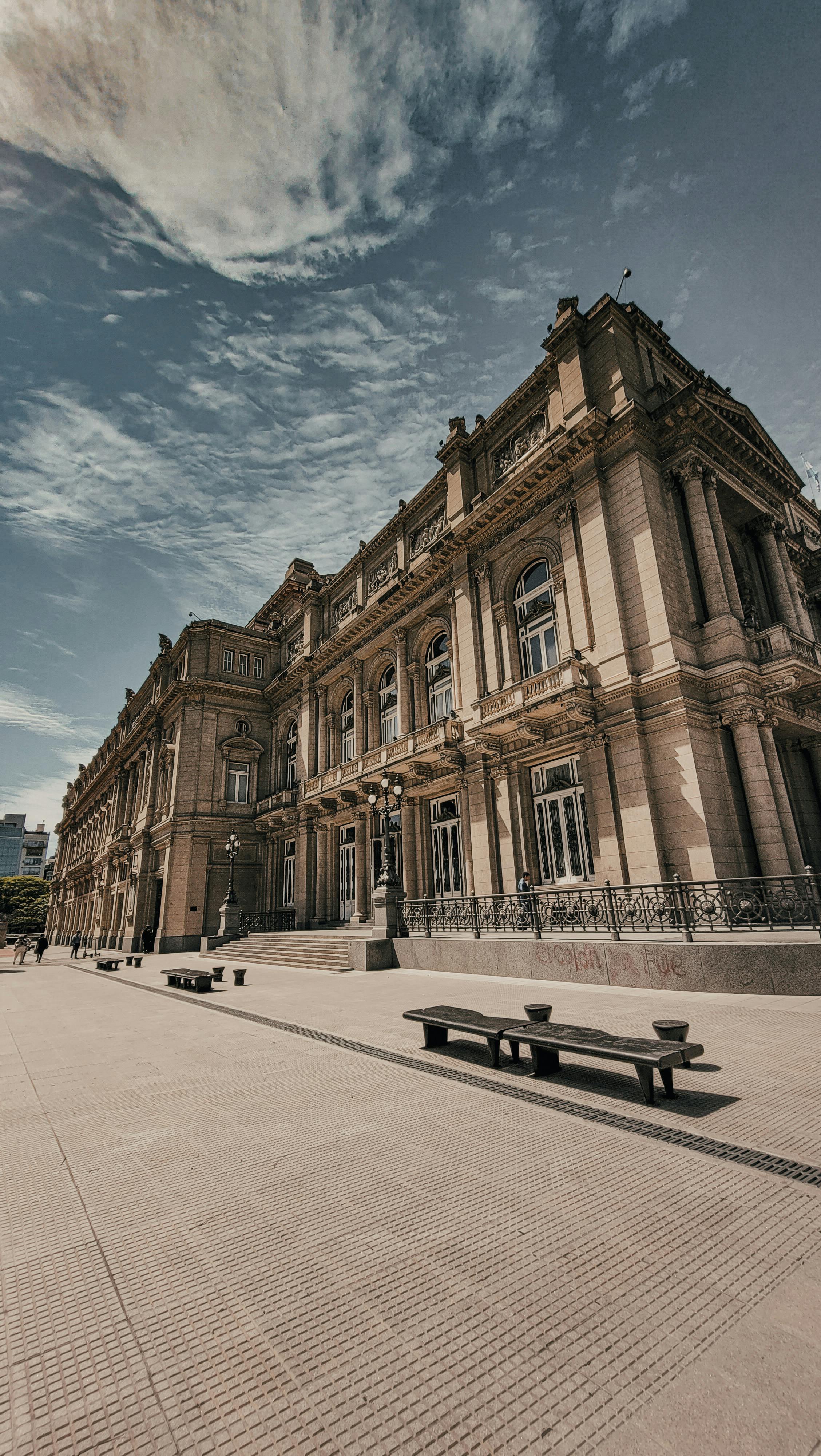
- Opening Hours: 9:00–17:00 (tours available)
- Entry Fee: ~ARS 10,000 (varies by tour)
- Tips: Book guided tours in advance; English tours available.
- Best Time: Weekday mornings for fewer crowds.
2. Recoleta Cemetery
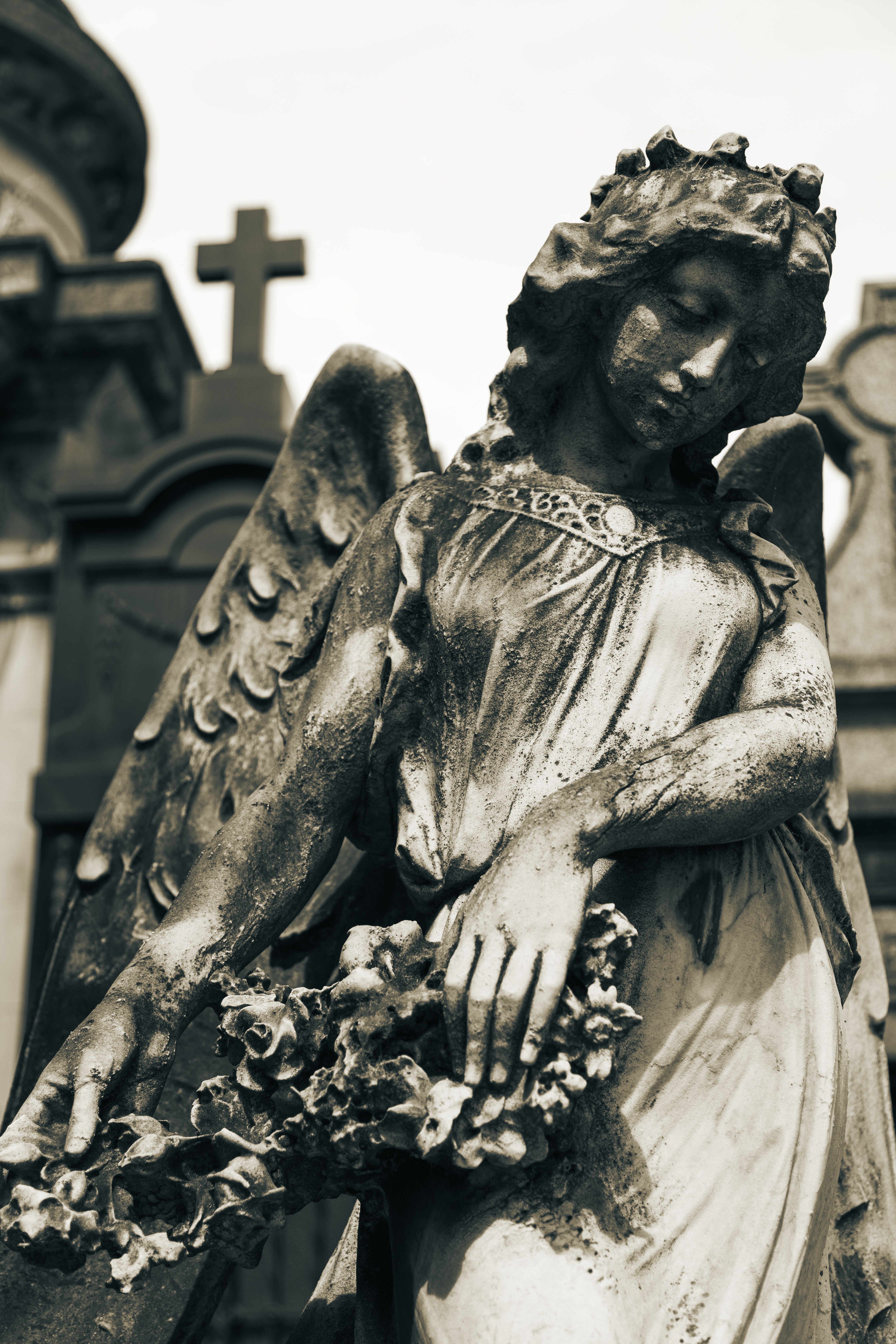
- Opening Hours: 7:00–17:30
- Entry Fee: Free
- Tips: Guided tours recommended for history and notable tombs.
- Best Time: Late morning or early afternoon.
3. La Boca & Caminito
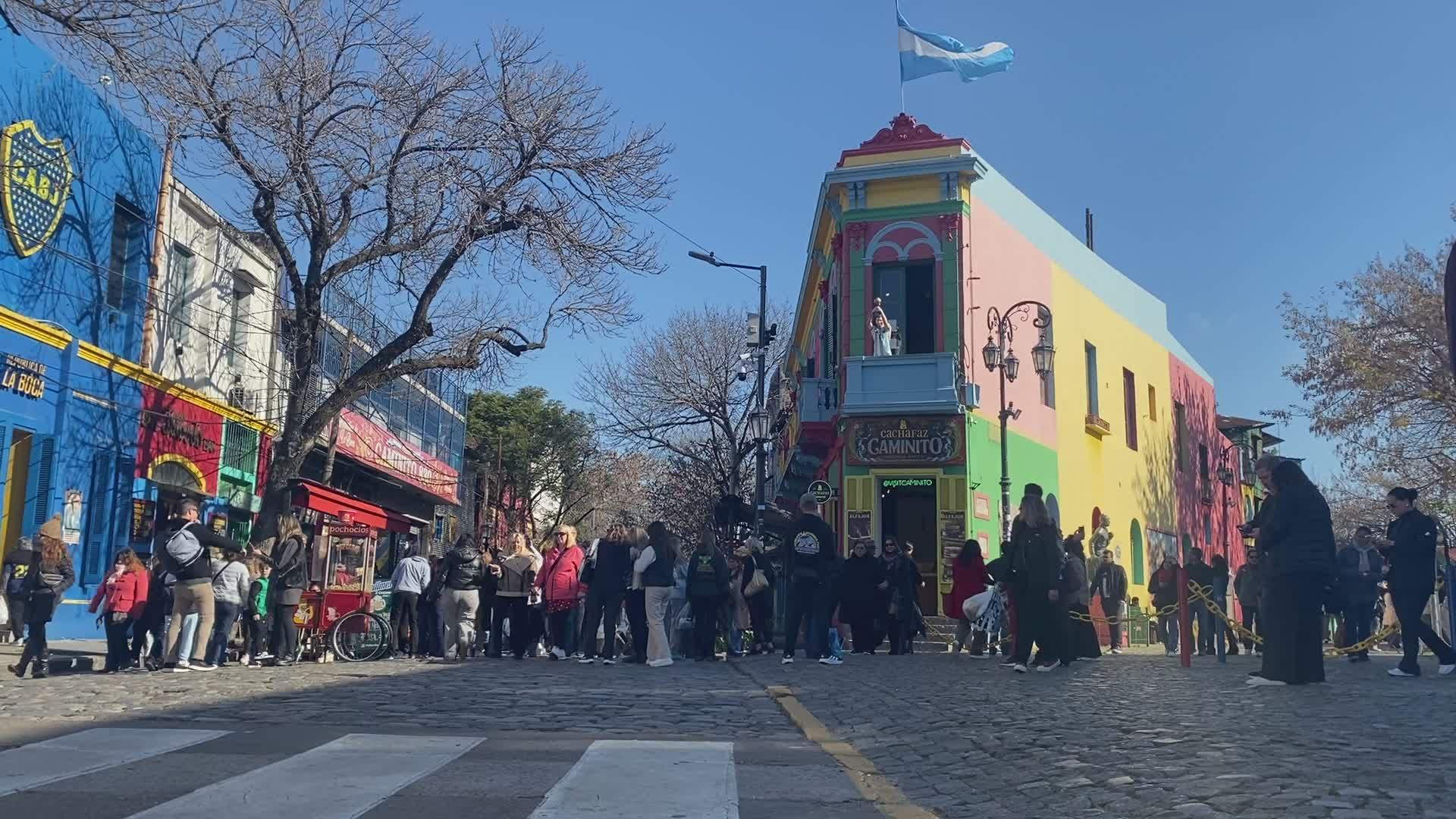
- Opening Hours: Always open (shops/restaurants vary)
- Entry Fee: Free
- Tips: Visit during the day for safety; colorful murals and tango dancers.
- Best Time: Late morning or early afternoon.
4. San Telmo Market
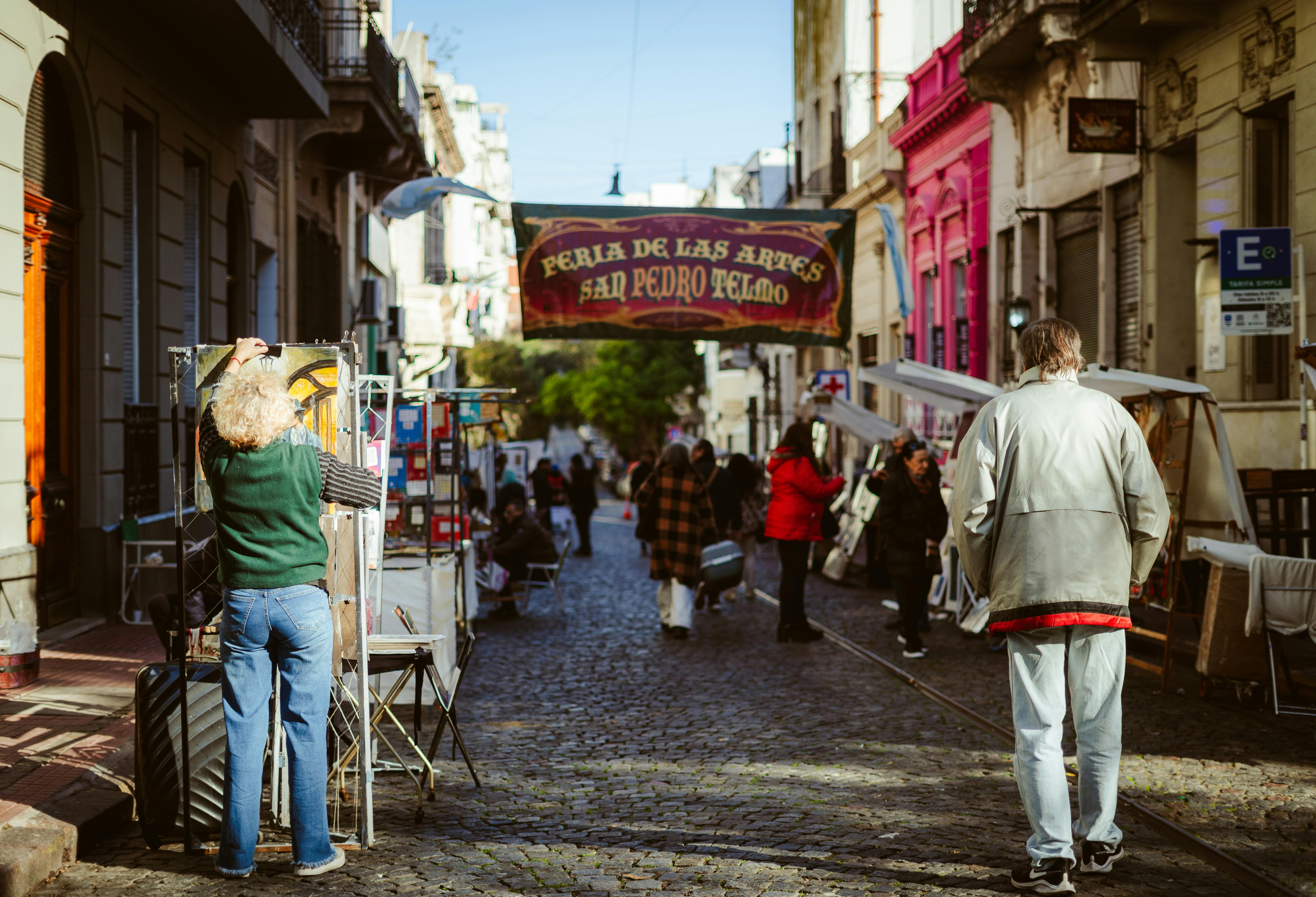
- Opening Hours: 10:00–17:00 (Sundays for main market)
- Entry Fee: Free
- Tips: Arrive early for the best selection; try street food.
- Best Time: Sunday mornings.
5. MALBA (Museum of Latin American Art)
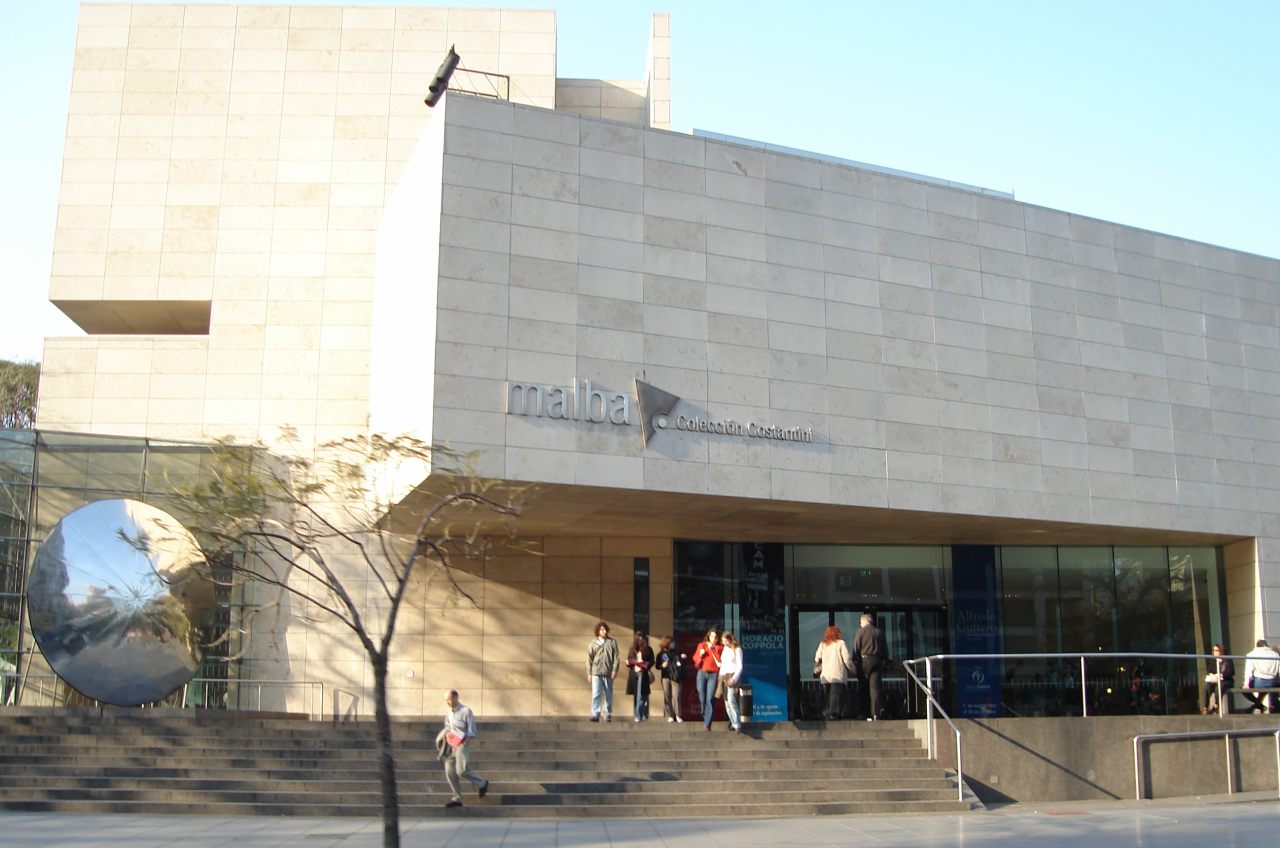
- Opening Hours: 12:00–20:00 (closed Tuesdays)
- Entry Fee: ~ARS 4,000
- Tips: Check for temporary exhibitions.
- Best Time: Weekday afternoons.
6. El Ateneo Grand Splendid
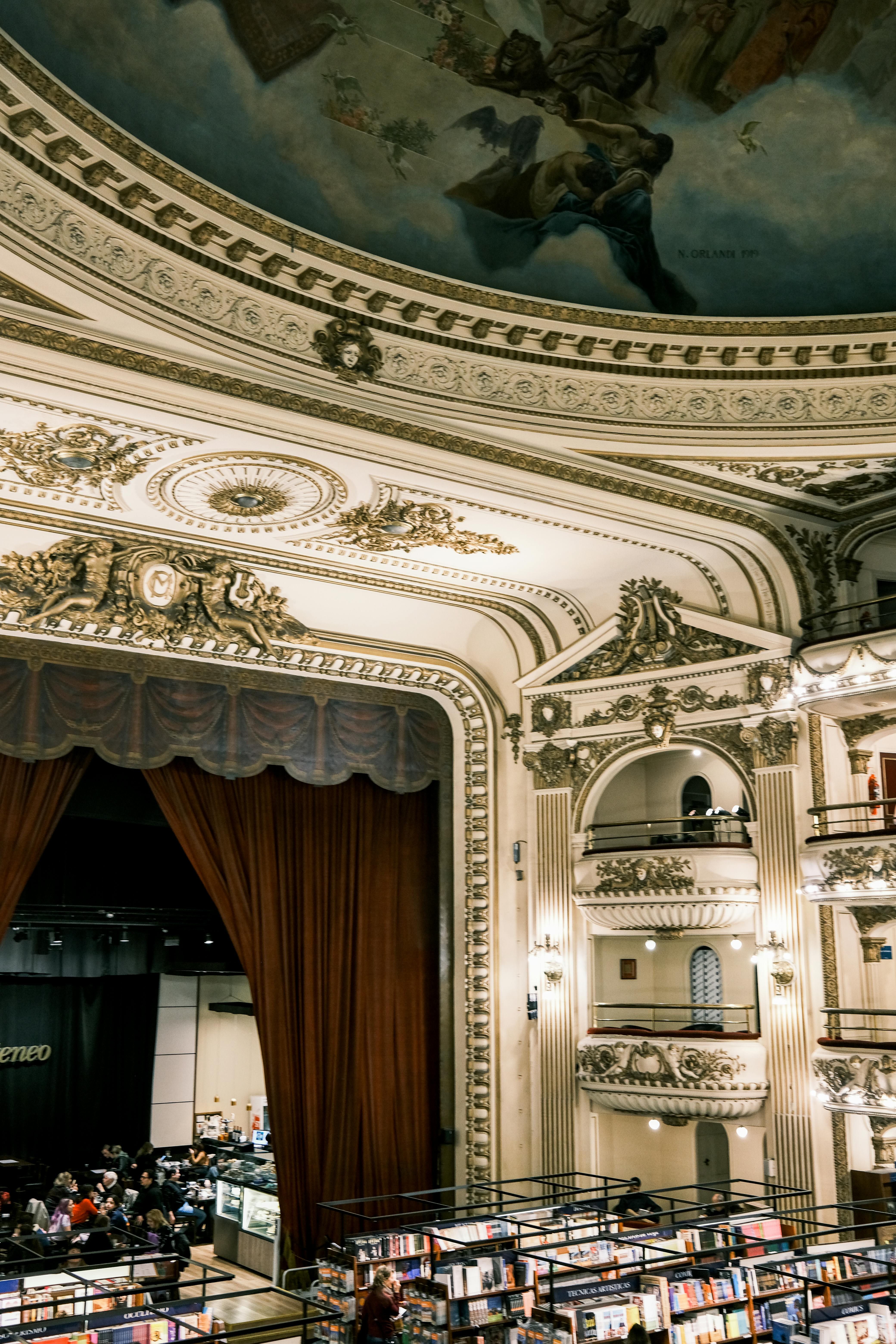
- Opening Hours: 9:00–22:00
- Entry Fee: Free
- Tips: Enjoy a coffee in the former theater.
- Best Time: Early morning or late evening.
Hidden Gems
- Usina del Arte: Former power plant turned arts center with free performances.
- Barolo Palace: Unique Italian-style tower with panoramic views (guided tours only).
- Ecological Reserve (Reserva Ecológica Costanera Sur): Urban nature reserve with walking trails and birdwatching.
- Local Favorites: Stroll along Puerto Madero waterfront, visit the Japanese Garden in Palermo.
- Insider Tips: Explore street art in Palermo Soho, join a free walking tour, and try a mate (herbal tea) in a local park.
Local Cuisine and Dining
- Must-Try Dishes: Asado (barbecue), empanadas, choripán (sausage sandwich), milanesa, dulce de leche desserts, gelato.
- Best Restaurants: Fervor (steak), Sanjuanino (empanadas), Don Julio (grilled meats), Mishiguene (Jewish-Argentine fusion).
- Cafes & Street Food: Café Tortoni (historic café), Choripanera at San Telmo Market, Rapanui (gelato).
- Food Markets: San Telmo Market, Mercado de San Nicolás, Feria de Mataderos (weekends).
- Culinary Tours: Join a food or wine tasting tour for authentic flavors and insights.
Accommodation Options
- Budget: Milhouse Hostel, America del Sur Hostel, Che Lulu Hostel.
- Mid-Range: Hotel Intersur Recoleta, Ayres de Recoleta, Duque Hotel Boutique & Spa.
- Luxury: Alvear Palace Hotel, Four Seasons Buenos Aires, Palacio Duhau – Park Hyatt.
- Hostels, Guesthouses, Boutique Stays: Home Hotel, Legado Mítico, Magnolia Hotel Boutique.
- Best Areas to Stay: Recoleta (elegant, central), Palermo (trendy, nightlife), San Telmo (historic, bohemian).
Transportation
- Getting to Buenos Aires: International flights to Ezeiza (EZE) or Aeroparque (AEP) airports; buses and trains from other Argentine cities.
- Public Transport: Metro (Subte), buses, commuter trains; use SUBE card for fares.
- Taxis, Rideshares, Bike Rentings: Uber, Cabify, and local taxis; bike rentals (EcoBici).
- Tips: The city center is walkable; use public transport for longer distances; always have small bills for taxis.
Events, Festivals, and Experiences
- Major Annual Events: Buenos Aires Tango Festival (August), Feria de Mataderos (weekends), Buenos Aires International Book Fair (April–May), Christmas Markets (December).
- Unique Experiences: Tango shows and lessons, football matches (Boca Juniors, River Plate), street art tours, milongas (tango dance halls).
- Workshops & Performances: Theater at Teatro Colón, live music, art workshops, and free cultural events.
Shopping and Souvenirs
- Best Shopping Streets: Calle Florida, Avenida Santa Fe, Palermo Soho.
- Markets & Malls: Galerías Pacífico, Alto Palermo Shopping, San Telmo Market.
- Local Products: Leather goods, mate cups and gourds, tango shoes, Malbec wine, dulce de leche, alfajores.
Practical Information
- Visa and Travel Regulations: Check visa requirements based on nationality; many countries can enter visa-free for tourism.
- Weather and Best Time to Visit: Best in spring and autumn; avoid hot, humid summers and cool winters.
- Language and Communication: Spanish is official; English is spoken in tourist areas.
- Currency, ATMs, Payment Methods: Argentine Peso (ARS); ATMs widely available; credit cards accepted, but cash is often preferred for small purchases.
Travel Tips and Etiquette
- Local Customs: Greet with a kiss on the cheek; tipping is appreciated (10% in restaurants).
- Safety Advice: Generally safe; beware of pickpockets in crowded areas and on public transport.
- Budget Tips: Use public transport, eat at markets and street food stalls, visit free attractions.
- Cultural Etiquette: Dress casually but neatly; dinner is late (after 9:00 PM).
Packing and What to Wear
- Spring/Autumn: Light layers, comfortable walking shoes, light jacket.
- Summer: Light, breathable clothing, sunhat, sunglasses, sunscreen.
- Winter: Warm coat, gloves, scarf, waterproof boots.
- Dress Code: Casual for most attractions; smart casual for upscale dining15.
Itineraries
2-Day Itinerary
- Day 1: Recoleta Cemetery, Teatro Colón, Plaza de Mayo, El Ateneo Grand Splendid
- Day 2: La Boca & Caminito, San Telmo Market, tango show in the evening
4-Day Itinerary
- Day 1: Recoleta Cemetery, Teatro Colón, Plaza de Mayo, El Ateneo Grand Splendid
- Day 2: La Boca & Caminito, San Telmo Market, MALBA
- Day 3: Palermo Soho (shopping and street art), Bosques de Palermo, Puerto Madero
- Day 4: Football match or street art tour, Feria de Mataderos (if weekend), tango lesson
7-Day Itinerary
- Days 1–4: As above
- Day 5: Day trip to Tigre Delta or Colonia (Uruguay)
- Day 6: Ecological Reserve, Barolo Palace, Usina del Arte
- Day 7: Explore hidden gems, revisit favorite spots, or relax in a café