

 Start Driving in Monaco
Monaco, a sovereign city-state on the French Riviera, blends its rich historical significance with luxurious modern development, offering a unique mix of historical landmarks, exclusive neighborhoods, and a glamorous atmosphere. Situated along the Mediterranean coast, Monaco provides a captivating mix of scenic sea views and cultural diversity. The Prince’s Palace of Monaco, a prominent landmark, features stunning historical architecture and cultural significance. The Monte Carlo Casino features stunning architecture and entertainment. The Oceanographic Museum of Monaco showcases diverse marine life and cultural exhibits. Monaco’s culinary scene features a delightful mix of French and Mediterranean cuisine, with restaurants serving seafood, Nicoise specialties, and diverse culinary offerings. The city’s markets, such as the Condamine Market, offer a variety of local produce, artisanal goods, and souvenirs. The coast and surrounding areas provide opportunities for scenic walks, cultural exploration, and yachting. Monaco’s efficient transportation network, including buses and local roads, facilitates travel within the city-state and to surrounding areas. The city-state experiences a Mediterranean climate, with hot summers and mild winters. Monaco’s cultural attractions, such as the various museums and the annual Monaco Grand Prix, highlight the city-state’s historical significance and luxurious lifestyle. The city-state’s glamorous cultural scene includes festivals, concerts, and exclusive events, reflecting the region’s diverse traditions. Monaco’s blend of historical charm and modern luxury creates a unique and appealing destination. The local markets and community events foster an exclusive atmosphere, making Monaco a dynamic and culturally rich destination for visitors and residents. Monaco is a vital center for finance, tourism, and luxury in Europe, contributing significantly to the region’s economic growth and cultural prestige.
MONACO: 2 Square Kilometers That Punch Like a Heavyweight
You step off the train at Monaco-Monte Carlo station and something shifts. The air is salt-tinged and warm, the streets are immaculate, and somewhere nearby an engine — probably something Italian and worth more than a house — thrums past with theatrical authority. This is Monaco: 2.02 square kilometers of sheer, deliberate audacity wedged between the Maritime Alps and the Mediterranean Sea.
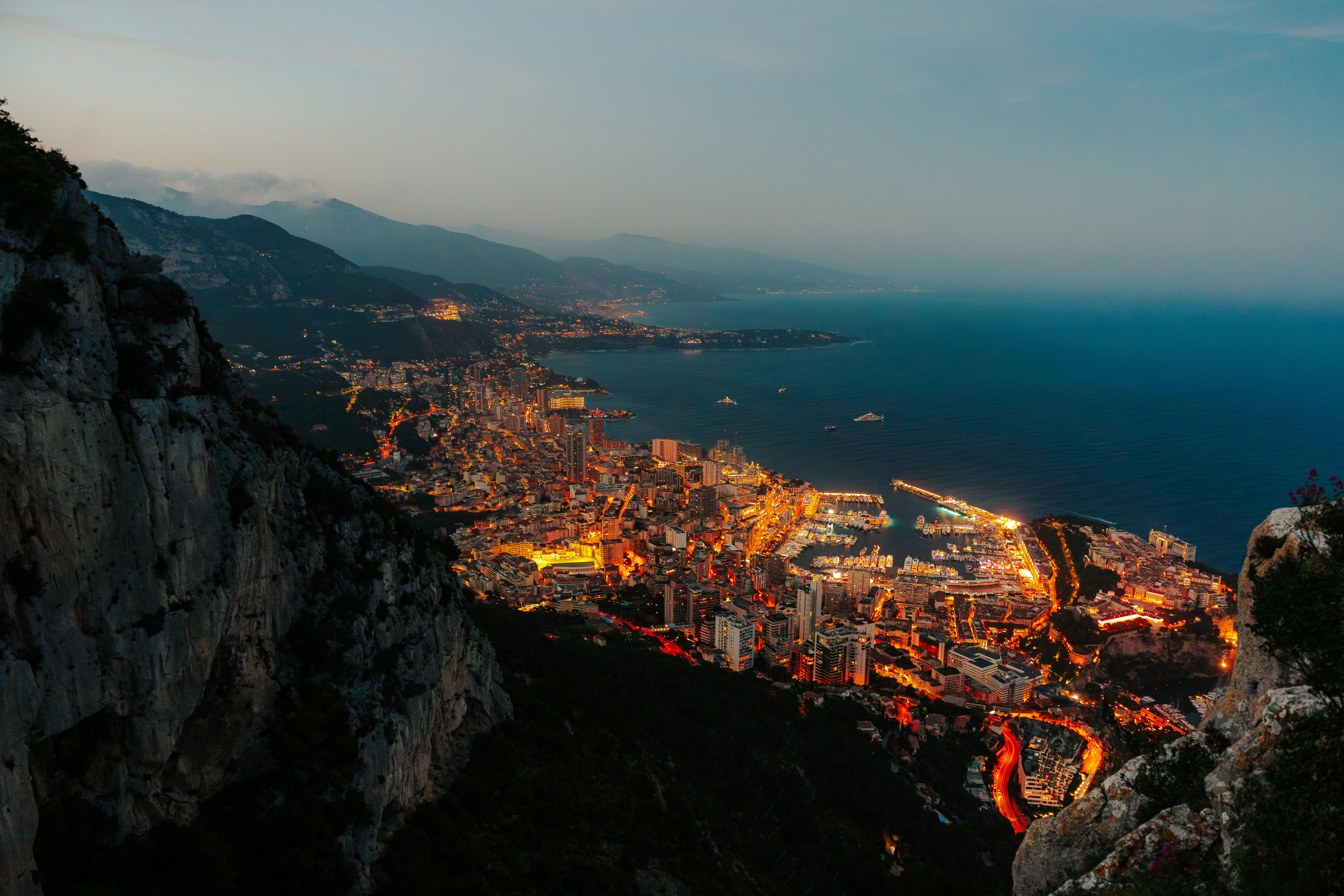
The principality’s DNA was shaped by centuries of Grimaldi rule — the same dynasty that has governed since François Grimaldi slipped through the gates of the Genoese fortress in 1297 disguised as a Franciscan monk. Today, Prince Albert II steers this ship of state with a mixture of diplomatic finesse and environmental advocacy, overseeing a territory that packs one of the world’s most concentrated mixes of wealth, culture, and motorsport legend into a space smaller than Central Park.
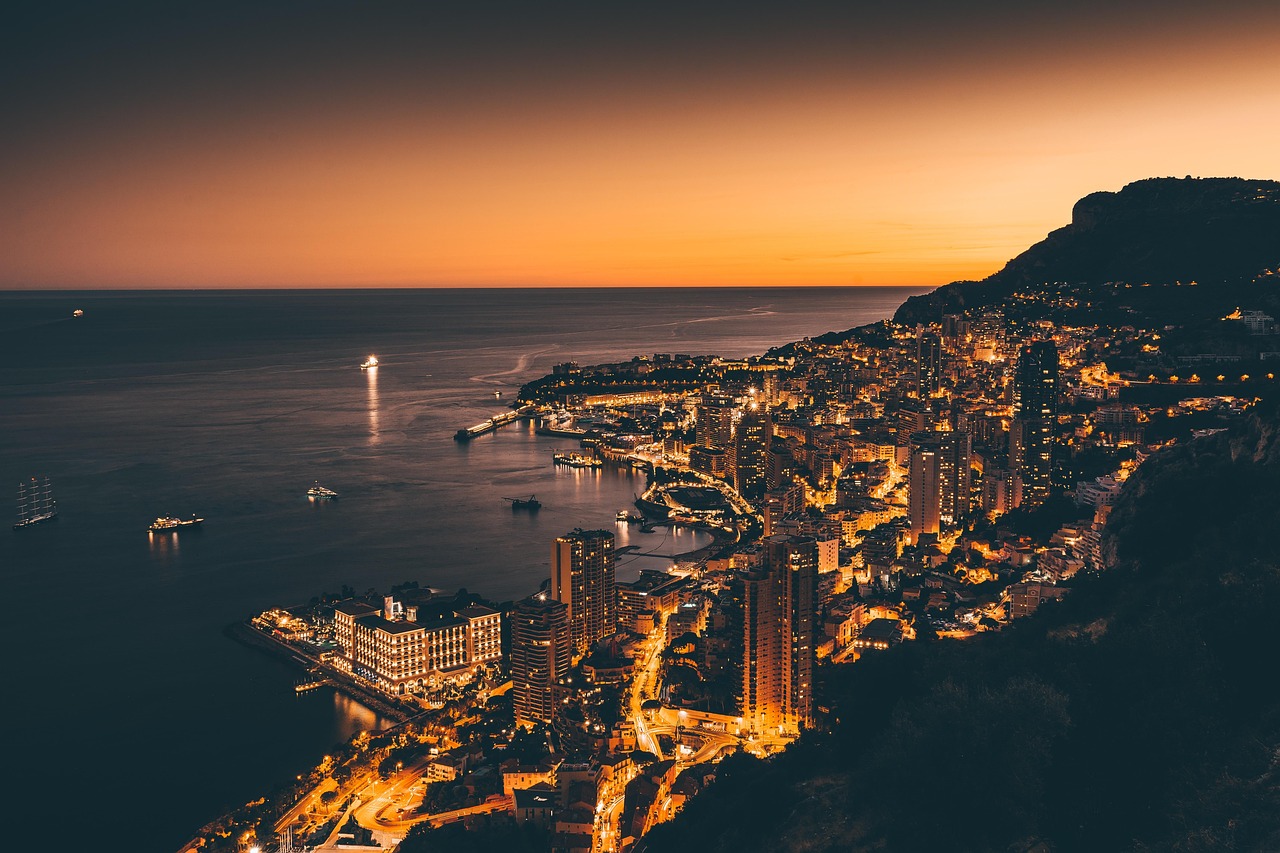
But Monaco is not a theme park for the mega-rich, even if it sometimes plays one on TV. Beneath the superyachts and the casino chandeliers lies a working city with an old town of genuine medieval character, world-class science museums, four distinct gardens, and a local cuisine rooted in the flavors of Liguria and Provence. The trick is knowing where to look — and that is precisely what this guide is for.
Quick Facts | |
Capital District | Monaco-Ville (The Rock) |
Official Language | French (Italian and Monegasque also spoken) |
Currency | Euro (€) |
Time Zone | CET / CEST (UTC+1 / UTC+2) |
Population | approx. 39,000 |
Best Months to Visit
Monaco’s Mediterranean climate is genuinely exceptional: more than 300 days of sunshine per year, mild winters, and hot summers tempered by sea breezes. Timing your visit around the seasons and the events calendar makes a significant difference.
April & October (The Sweet Spots)
Temperatures hover between 16°C and 22°C, hotel rates drop by 15–25% compared to peak season, and the streets are pleasingly unencrowded. April, in particular, turns Monaco’s gardens into a riot of color. October brings a golden, lingering warmth that makes the coastal walks genuinely magical.
May (The Grand Prix Month — Go If You Can Afford It)
The Formula 1 Grand Prix typically takes place across the third weekend of May, transforming the principality into the world’s most glamorous outdoor motorsport arena. It is one of the great spectacles on earth. It is also the most expensive time to be here by some margin — hotel rates spike dramatically, grandstand tickets range from €100 to over €1,000, and even watching from the hillside at Rocher carries a festive energy. Book everything at least six months in advance.

June to September (Peak Summer)
Expect temperatures reaching 30°C, packed beaches at Larvotto, and the highest hotel prices of the year. It is still wonderful — Monaco in summer is Monaco at its most itself — but budget travelers should either come prepared or stay in Nice and commute.
November to March (The Quiet Season)
Prices fall, crowds evaporate, and the old town takes on a quieter, more contemplative character. Winter temperatures rarely drop below 10°C. It is a surprisingly pleasant time to visit if your goal is the museums, the architecture, and the restaurants rather than the beach.
Top Attractions
Monte Carlo Casino (Casino de Monte-Carlo)
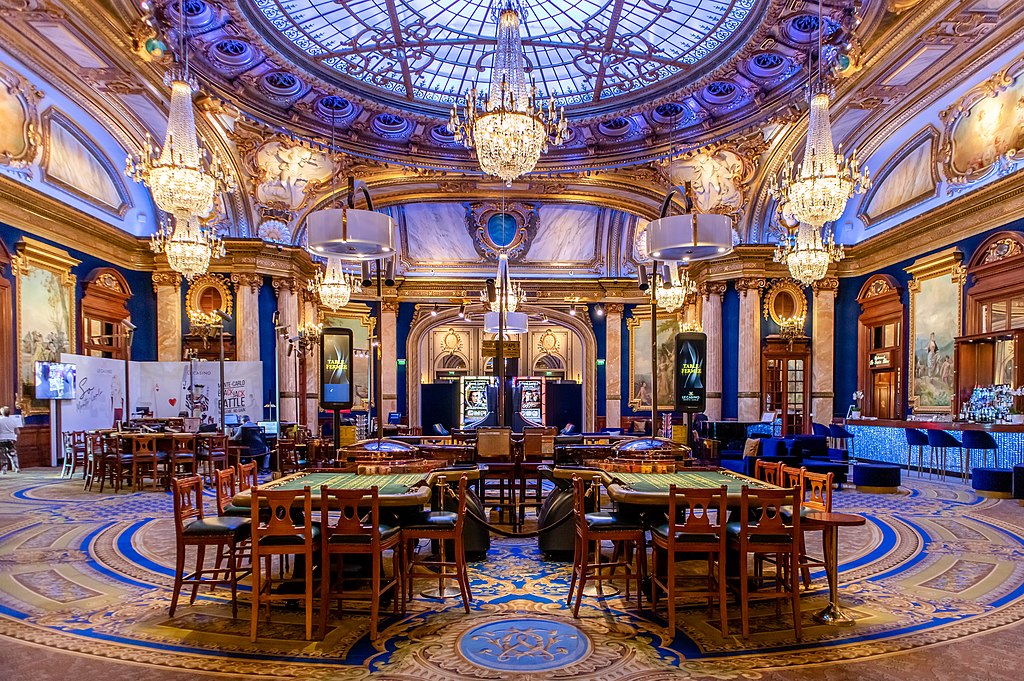
There is no building in Monaco that carries more weight than this one. Designed by Charles Garnier — the same architect behind the Paris Opera House — and opened in 1863, the Casino de Monte-Carlo is one of the most recognizable structures in the world. The Beaux-Arts facade, the ornamental gardens out front, the parade of Ferraris and Bentleys in the circular drive: all of it is extraordinary.
- Hours: Rooms open from 2:00 PM daily (some areas from 10:00 AM for non-gambling visits)
- Entry: €19 per adult to enter the gaming rooms; non-gamblers can visit the atrium for free
- Dress code: Jacket and smart shoes for men; no trainers or shorts strictly enforced
Pro Tip: Visit at opening (2:00 PM) on a weekday to avoid the worst queues and to see the ornate gaming rooms before they fill with high rollers. Bring your passport, as it is required as ID for entry.
Prince’s Palace (Palais Princier)
Perched atop Le Rocher — the fortified limestone rock that is the historic nucleus of Monaco — the Prince’s Palace has been the Grimaldi family home since the 13th century. When the royal standard is flying, the Prince is in residence. When it is not, visitors can tour the State Apartments, which are genuinely impressive without being ostentatious.
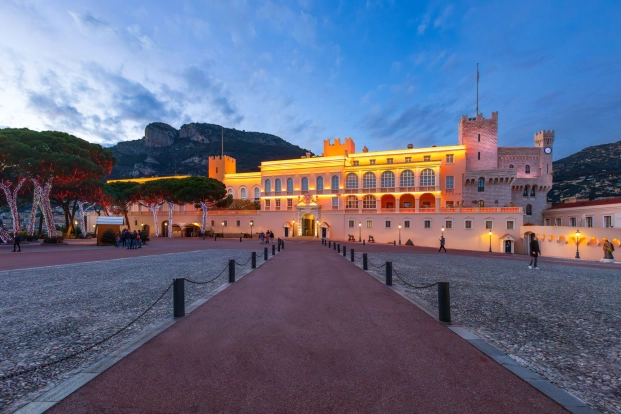
- Hours: April to October, daily 10:00 AM – 6:00 PM (last entry 5:30 PM). Closed from November to March.
- Entry: €10 per adult; free for children under 8
- Changing of the Guard: Daily at 11:55 AM — free to watch
Pro Tip: Arrive via the old fortified path that winds up from the port rather than taking the bus or elevator. The views are worth the effort, and you avoid the congestion near the main square.
Oceanographic Museum & Aquarium (Musée Océanographique)
Founded in 1910 by Prince Albert I — himself a serious oceanic explorer — this museum is one of the great natural history institutions of the Mediterranean. It sits on a cliff above the sea with the kind of gravitas that money and time together can produce. The aquarium is particularly extraordinary, with tanks that host sharks, rays, and hundreds of tropical species.
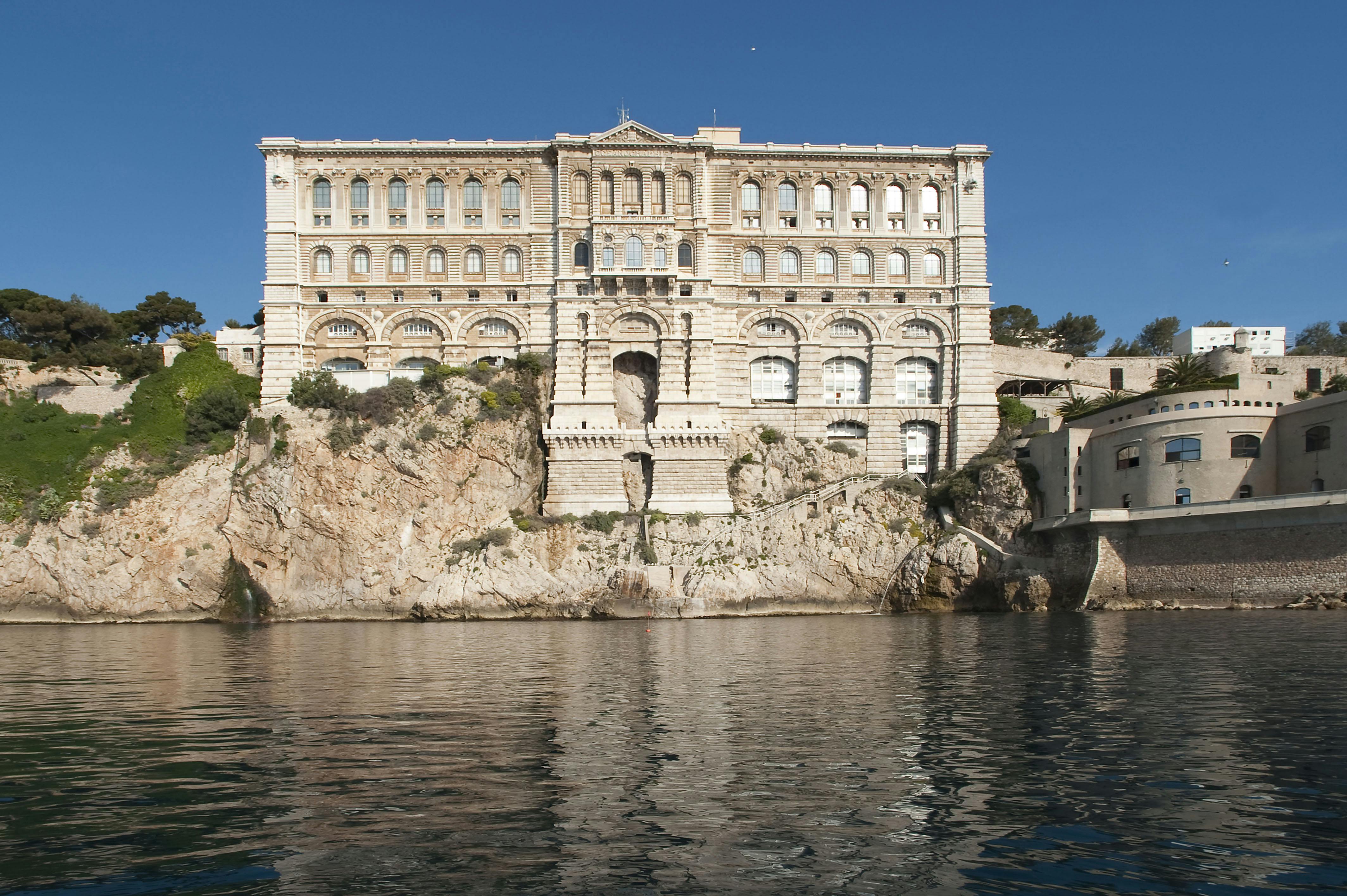
- Hours: Daily 10:00 AM – 6:00 PM (until 7:00 PM in summer)
- Entry: €19 per adult; free for visitors under 26 and for everyone on Sundays
Pro Tip: The rooftop terrace is free to access once inside and offers one of the most vertiginous views in Monaco. Do not leave without going up there.
Jardin Exotique (Exotic Garden)
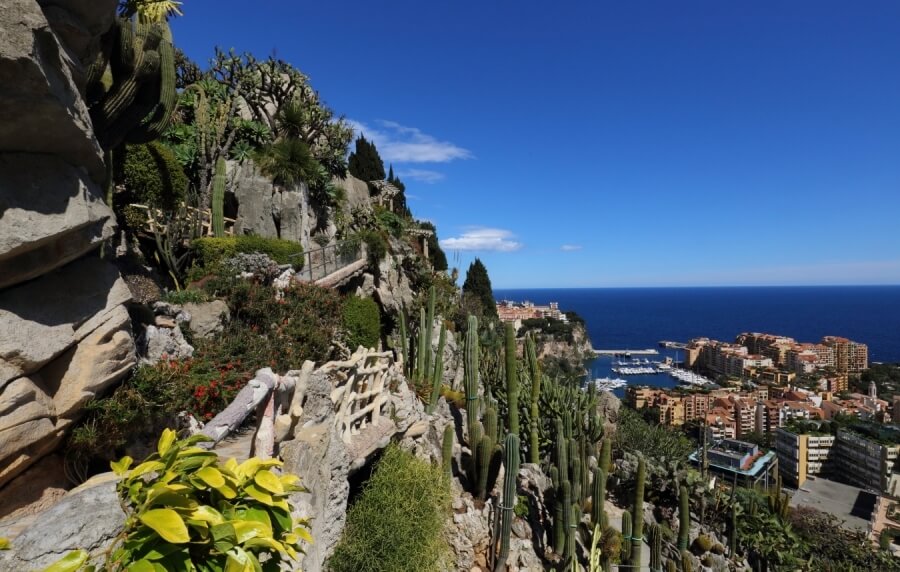
Monaco’s Exotic Garden clings to a near-vertical cliff face and is home to one of the world’s largest collections of cacti and succulents, some of them massive and ancient. The views down to the port and across the principality are panoramic and uncrowded.
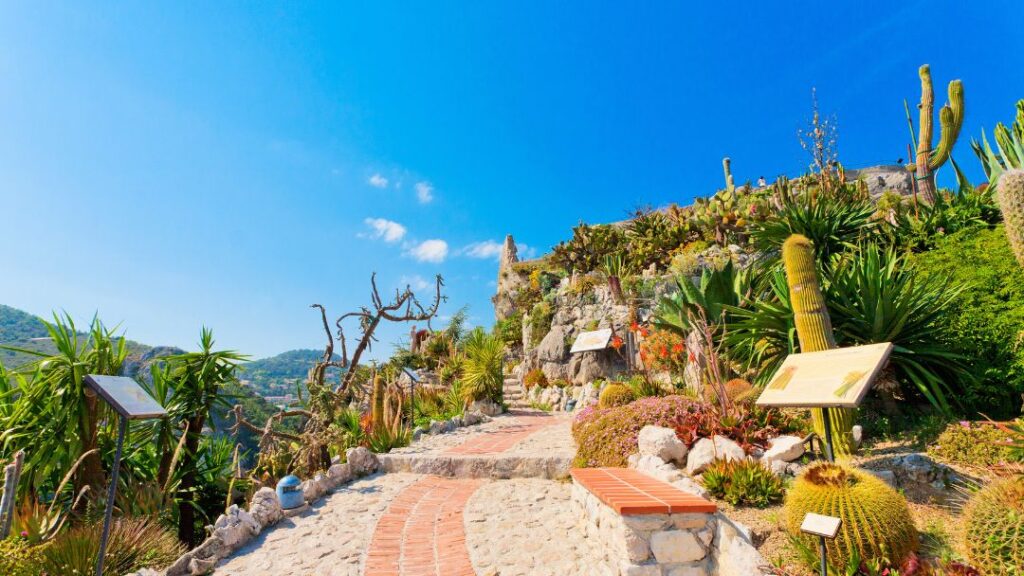
- Hours: Daily from 9:00 AM; closing times vary by season
- Entry: €7.50 per adult; includes access to the Observatory Cave (Grotte de l’Observatoire), a prehistoric cave with impressive stalactite formations
Monaco Cathedral (Cathédrale de Monaco)
Built in 1875 on the site of a 13th-century chapel, the Cathédrale Saint-Nicolas is the burial place of Princess Grace — Grace Kelly — and most of the Grimaldi princes. It is a place of genuine solemnity, not merely a tourist stop. Entry is free.

Prince’s Car Collection (Collection de Voitures Anciennes)
Prince Rainier III was a passionate collector of historic vehicles, and the museum he assembled in the Fontvieille district is superb. Around 100 carriages, vintage cars, and Formula 1 racers are displayed — including the actual car driven by Ayrton Senna at the 1986 Monaco Grand Prix.
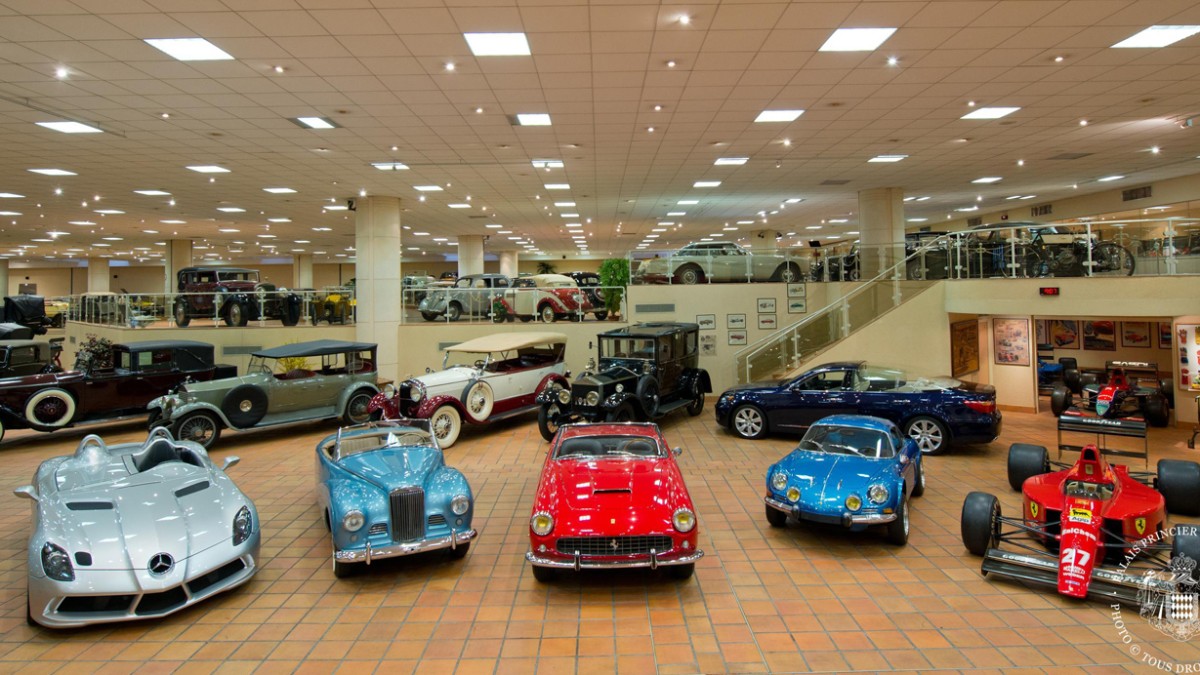
- Hours: Daily 10:00 AM – 6:00 PM
- Entry: €6 per adult
Hidden Gems: Off the Tourist Trail
The Japanese Garden (Jardin Japonais)
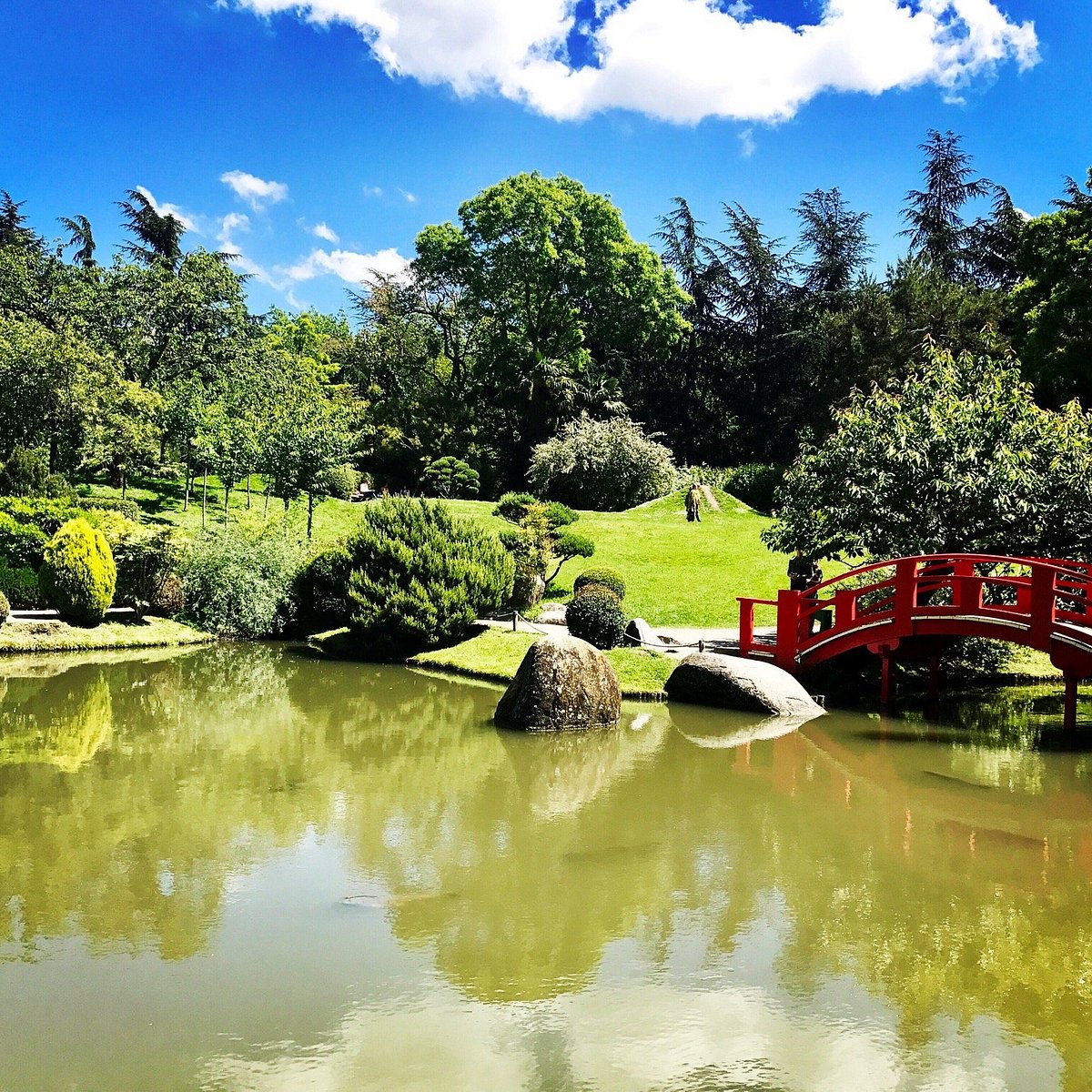
Most visitors walk straight past the Japanese Garden on their way to Larvotto Beach, which is a genuine shame because it is one of the most tranquil spaces in Monaco. Designed by landscape architect Yasuo Beppu and opened in 1994, it is a perfectly composed traditional Japanese garden featuring a tea pavilion, koi pond, raked gravel, and sea views. Entry is completely free. Go in the morning before the beach crowd arrives, and you will have it nearly to yourself.
Saint Martin Gardens (Jardins Saint-Martin)
Built into the cliff face of Le Rocher below the Oceanographic Museum, these gardens are known to locals but largely ignored by tourists who cluster around the Palace Square. The terraced paths drop dramatically toward the sea, with benches positioned at every turn for the view. It costs nothing to enter and the silence — for Monaco — is remarkable.

Fontvieille District
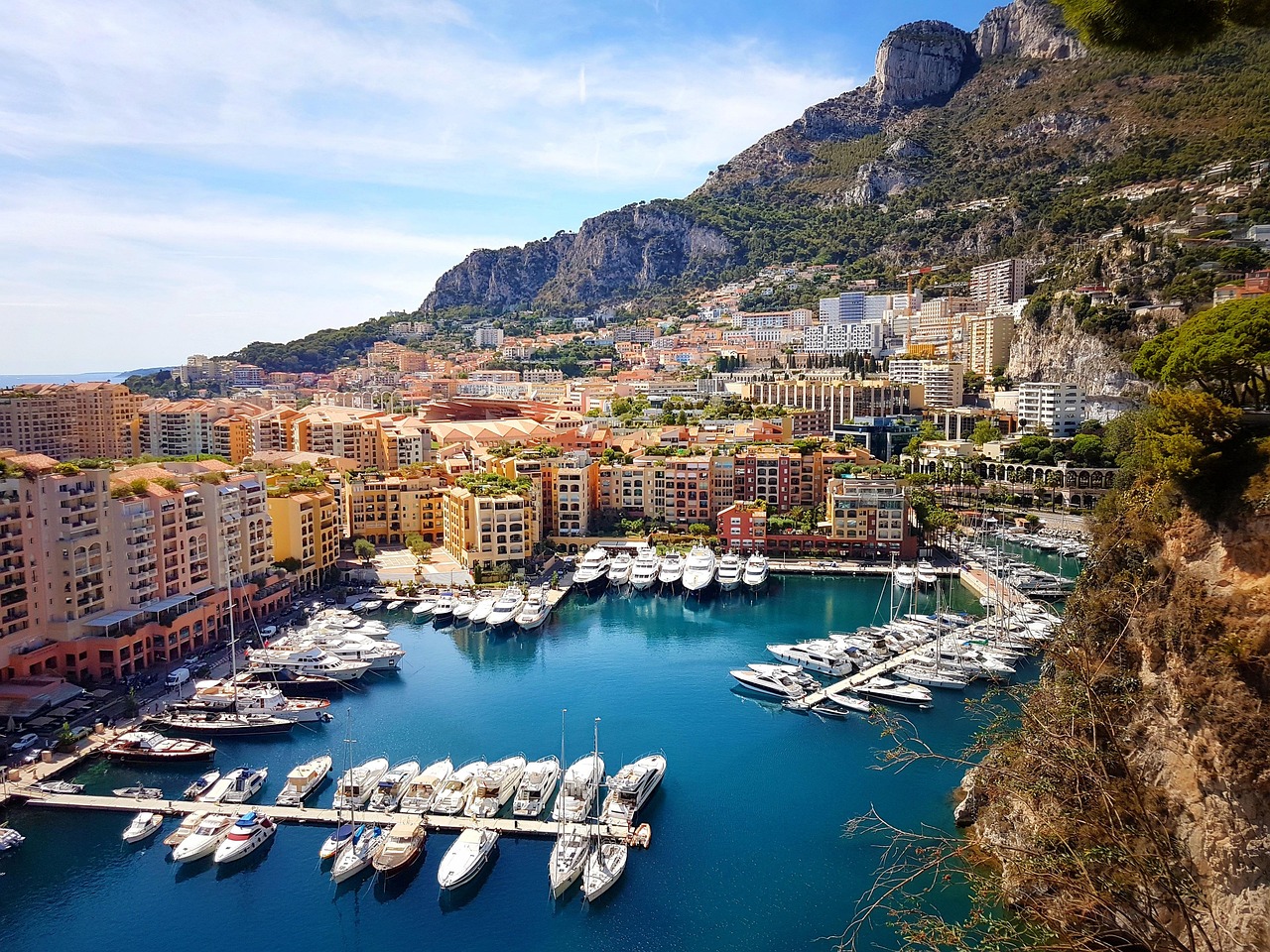
The principality’s industrial and light-commercial quarter is the least glamorous part of Monaco, which is precisely why it deserves a visit. The streets here have bakeries, local wine bars, and the sort of lunch spots that cater to people who actually work in Monaco rather than visit it. The Port de Fontvieille viewpoint, overlooking the harbor and the Rock, arguably offers the finest panoramic view in the principality.
The Condamine Market (Marché de la Condamine)
The covered market on Place d’Armes operates every morning and is where Monaco residents actually shop. Stalls sell fresh fish, Niçois olives, local cheeses, and the sort of produce that makes French Riviera cooking make sense. On Saturday mornings, a wider street market extends into the surrounding streets. A Barbagiuan pastry from a market vendor costs around €2–3 and is among the most authentic things you can eat in Monaco.

Cuisine & Dining
Must-Try Monegasque Dishes
- Barbagiuan: The unofficial national snack — deep-fried pastries stuffed with Swiss chard, ricotta, and fresh herbs. Crisp, earthy, and addictive.
- Socca: A thin chickpea pancake from the Ligurian tradition, best eaten hot from a market stall with a glass of cold rosé.
- Stocafi: Traditional salt cod cooked in tomato sauce with olives, capers, and pine nuts — rare on tourist menus but worth seeking out.
- Fougasse Monégasque: A sweet bread flavored with orange blossom water, almonds, and anise, traditionally eaten during the Fête Nationale in November.
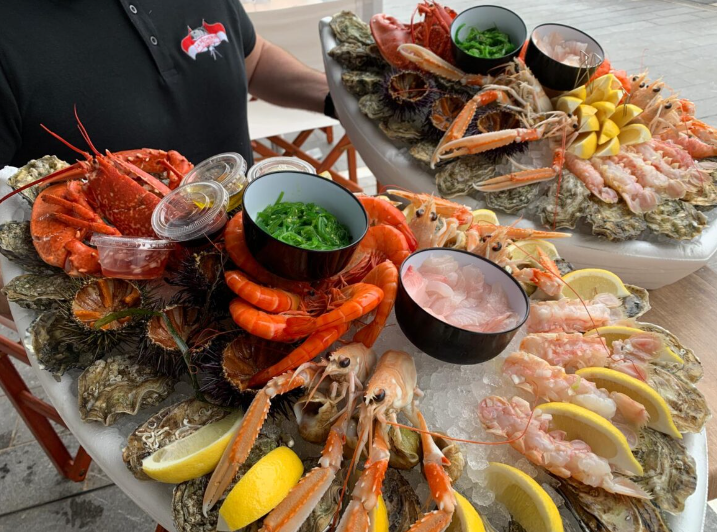
- Bouillabaisse: The great seafood stew of the Riviera — tomato-rich, saffron-scented, and ideally served with rouille and grilled bread.
Where to Eat
Budget (Under €20 per person)
- Garden Perk — A beloved bagel shop high in the Condamine district. Sandwiches and bagels from around €8 on a pleasant terrace—perfect mid-sightseeing fuel.
- Le Pinocchio — Tucked in Monaco-Ville, this Italian joint is a genuine bargain by Monaco standards, with pasta dishes from €12 and a warm, unpretentious atmosphere.
- Marché de la Condamine stalls — Barbagiuan and Socca from €2–3. The cheapest and most authentic eating in Monaco.
Mid-Range (€20–€70 per person)
- Castelroc — On the Place du Palais, facing the Prince’s residence, this family-run institution has served traditional Monegasque food for nearly 60 years. The terrace is one of the most civilized lunch spots in the principality. Order the Barbagiuan to start.
- La Montgolfière — A tiny, beloved bistro in Monaco-Ville where chef Henri Geraci offers a seasonal prix-fixe menu with French-Japanese inflections. Closed Sundays and Wednesdays. Reserve ahead.
- U Cavagnetu — Operating since 1967, this family-run restaurant near the Palace serves hearty Corsican and Monegasque dishes — stuffed vegetables, octopus, rustic seafood — in a warm, unhurried setting.
- La Note Bleue — Right on Larvotto Beach with a large terrace and live jazz most evenings. Mediterranean cuisine that is fresh and honest. The lunch drift-into-sunset sequence here is hard to beat.

Fine Dining
- Le Louis XV — Alain Ducasse (Hôtel de Paris) trois étoiles Michelin. The grande dame of Monaco dining, where Provençal luxury is executed at the highest level. Dinner menus from €350. Book months in advance.
- Pavyllon Monte-Carlo — Yannick Alléno (Hôtel Hermitage) — 1 Michelin star. A more approachable fine dining room with a creative seasonal menu and one of the prettiest terraces in Monte Carlo. Dinner menus from €150.
- Blue Bay — Marcel Ravin (Monte-Carlo Bay Hotel) — Two Michelin stars. Caribbean-Mediterranean fusion from a Martinique-born chef whose cooking is genuinely unlike anything else in Monaco. The terrace overlooks Larvotto Beach.
- Elsa at Monte-Carlo Beach — One Michelin star. The first fully organic Michelin-starred restaurant in the region. Delicate, seasonal, coastal cooking in a calm setting above the bay.

Accommodation
Budget: Stay in Nice and Commute
The single most effective money-saving move in Monaco is to base yourself in Nice, 14 miles west, and take the train (€10 return, approximately 20 minutes). Nice has a full range of affordable hotels and hostels. This strategy saves hundreds of euros per night during peak season.
If you insist on sleeping in Monaco itself:
- Hotel Columbus Monte-Carlo — In the Fontvieille district, this is the most consistently affordable option within the principality. Soundproofed rooms with balconies, a seasonal pool, and a free local shuttle. Rates from approximately €140 per night outside peak season.
Mid-Range (€200–€400 per night)
- Hotel Port Palace — On the port in La Condamine, with rooms overlooking the superyacht marina. During the Grand Prix, balcony rooms have direct views of the pit lane entry. Excellent for location and views.
- Nobu Hotel Monte-Carlo — On the new Mareterra district (Monaco’s recently reclaimed seafront area). Contemporary design, ocean views, and the eponymous Nobu restaurant below. A newer option with fresh energy.

Luxury (€500+ per night)
- Hôtel de Paris Monte-Carlo — The definitive Monaco address, fully renovated in 2019, facing Casino Square. Le Louis XV is downstairs. Suites with Casino Square views are the peak of the Monaco hotel experience. Rates from €700 per night.
- Hôtel Hermitage Monte-Carlo — Belle Époque grandeur overlooking the harbor. Pavyllon restaurant is on site. Rates from €550.
- Fairmont Monte Carlo — Directly on the legendary Hairpin corner. During Grand Prix weekend, rooms with track-facing balconies are the most sought-after in all of motorsport: 602 rooms, rooftop pool, full spa.
Area Guide:
- Monte Carlo — For Casino access, nightlife, and luxury hotels. The most prestigious address.
- Monaco-Ville (Le Rocher) — For the Old Town atmosphere and the Palace area. Quiet evenings, good restaurants.
- Fontvieille — The most affordable neighborhood within Monaco. Less glamorous, more local.
- La Condamine — The port district. Central, busy, excellent for restaurants and the market.

Transportation
Getting There
- By Air: Nice Côte d’Azur Airport (NCE) is the primary gateway, 30 km from Monaco. Helicopter transfers to Monaco Heliport take 7 minutes and cost €150–200 one way — genuinely the most dramatic airport transfer in Europe. Taxi or bus from Nice Airport takes 45–60 minutes.
- By Train: The Monaco-Monte Carlo train station is on a direct line from Nice (20 minutes, €10 return) and Menton (8 minutes). An excellent and cheap option. Note that the station is underground — follow signs carefully.
- By Car: Possible but ill-advised. Parking in Monaco is extremely limited and expensive. Use the park-and-ride at Menton or La Turbie and take the bus or train.
Getting Around
- Walking: Monaco is walkable end-to-end in 30–45 minutes, though the terrain is significantly hilly. Comfortable shoes are essential.
- Free Elevators & Escalators: The principality operates an extensive network of public lifts and escalators connecting different levels of the city — invaluable for navigating the steep terrain between the port and Le Rocher.
- Bus: The Compagnie des Autobus de Monaco operates daily from 7:00 AM – 9:30 PM with limited night services. Single fare: €2. Day pass: €5.50. Covers virtually the entire principality.
- Bateau Bus: A solar-powered boat shuttle crossing Port Hercule — a charming way to cross the harbor.
- Taxi: Available but expensive. Expect €15–25 for short journeys within Monaco.
Events & Festivals
Formula 1 Monaco Grand Prix (May)
Held annually in late May over a weekend (typically Friday–Sunday), the Monaco Grand Prix is the defining event of the principality’s year. The 3.3 km street circuit through Monte Carlo is the most technically demanding in all of Formula 1 — narrow, demanding, and fundamentally unchanged since the first Monaco GP in 1929. The atmosphere during race week is electric: the city transforms, the harbor fills with superyachts, and every terrace above the circuit becomes a viewing platform. Grandstand tickets range from €100 to over €1,000. Book at least six months in advance through the official Automobile Club de Monaco website.

Monaco Yacht Show (September)
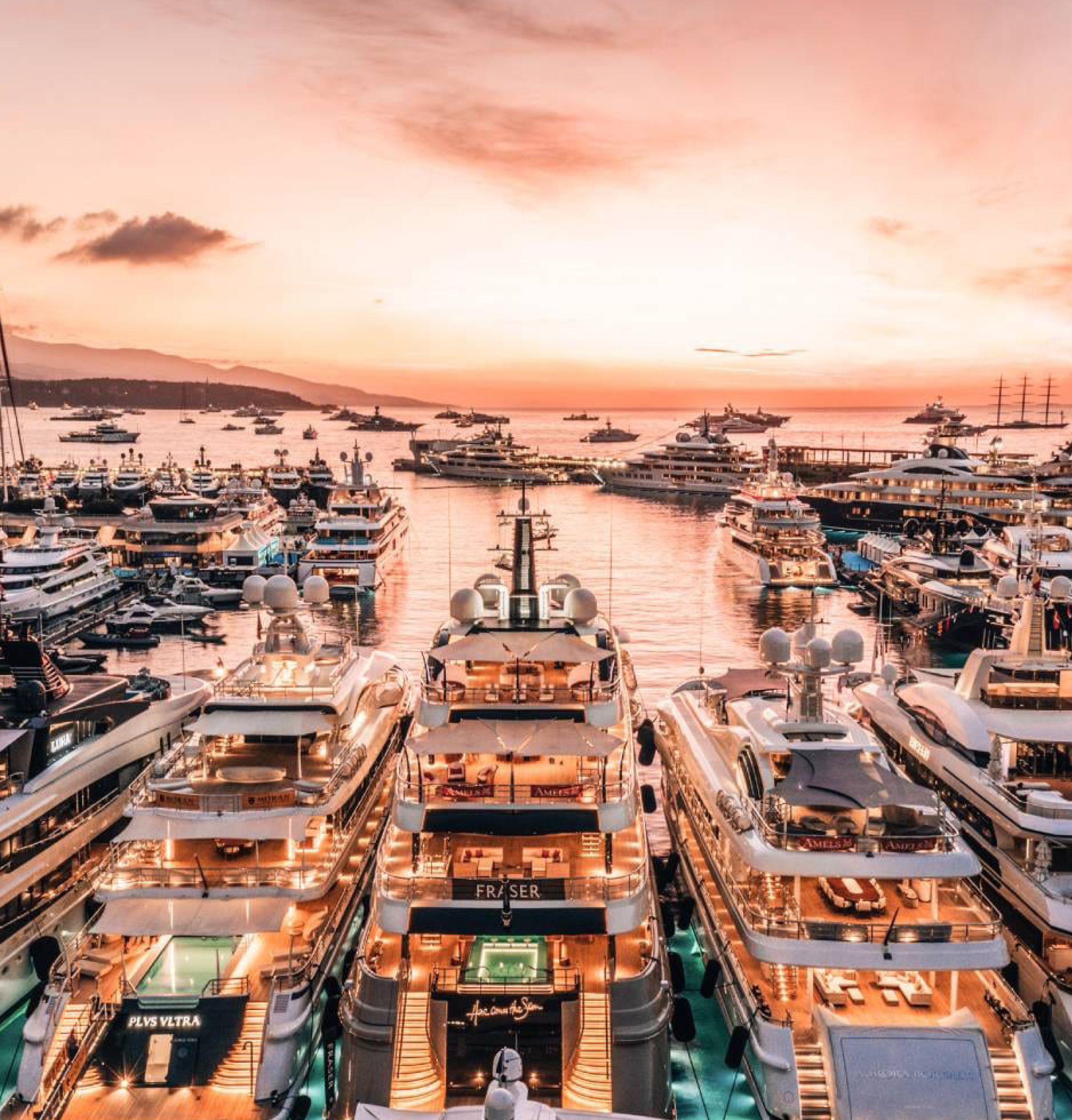
Held annually over four days in late September at Port Hercule, the Monaco Yacht Show is the world’s premier superyacht exhibition. Around 500 of the world’s most extraordinary vessels — some exceeding 100 meters in length are on display. The harbor spectacle is free to observe from the quays and surrounding areas. The restaurant scene peaks during this week.
Fête Nationale de Monaco (19 November)
Monaco’s national day celebrates the principality and the Grimaldi dynasty with a military parade, a gala at the Grimaldi Forum, fireworks over the harbor, and the distribution of traditional Fougasse bread. It is the one day each year when Monaco relaxes its composure and celebrates itself with genuine warmth. Accommodation books up fast — plan accordingly.

Shopping
Best Streets & Areas
- Avenue des Beaux-Arts: Monaco’s luxury mile — Cartier, Louis Vuitton, Hermès, Chanel, Bulgari, and their peers. Window-shopping here is a sport in itself.
- Promenade Princess Grace (Fontvieille): A shopping center with a mix of mid-range international brands and some local boutiques. The most accessible retail for non-billionaires.
- Marché de la Condamine (Place d’Armes): For genuine local produce, artisan goods, and the best-value food shopping in Monaco.
Best Souvenirs
- Fougasse Monégasque: The traditional orange-blossom bread, available from local patisseries — a distinctive and edible souvenir.
- Monaco Grand Prix memorabilia: Official race merchandise from the Automobile Club de Monaco — particularly the annual race poster, produced by a different artist every year since 1929.
- Local olive oil and Niçois preserves: Available from the Condamine Market. The regional producers here supply restaurants throughout the Riviera.
- Monegasque postage stamps: Monaco has issued its own distinctive stamps since 1885, prized by collectors worldwide. The Post Office on Rue Grimaldi sells current and commemorative issues.
Practical Information
Visa & Entry
Monaco is not a member of the European Union but is part of a customs union with France and operates within the Schengen Area. Entry requirements mirror those for France. Most nationalities — including US, Canadian, Australian, and EU citizens — require no visa for stays of up to 90 days. ETIAS was not required as of 2025. Ensure your passport is valid for at least six months beyond your intended departure date.
Currency
The euro (€) is the official currency. ATMs are widely available. Credit cards are accepted almost universally, even for small purchases. Monaco has no VAT in the same form as France, which occasionally makes luxury goods marginally cheaper for high-value purchases.
Language
French is the official language and is used in all official contexts. Italian is widely spoken in shops and restaurants. English is understood in almost every tourist-facing establishment. A few polite French phrases — Bonjour, Merci, S’il vous plaît — are appreciated and will not go unnoticed.
Safety
Monaco is one of the safest jurisdictions on earth, with an extraordinarily high ratio of police to residents (approximately one officer per 70 people). Petty crime is rare. The main practical risks are pickpockets during Grand Prix week and the physical hazards of the steep terrain.
Connectivity
Mobile coverage is excellent throughout Monaco. The principality operates on European frequencies. Most hotels offer free Wi-Fi. Data roaming charges for EU passport holders entering from France will be at domestic rates.
Etiquette & Local Customs
- Dress appropriately: Monaco’s dress standards, particularly in the Casino, fine-dining restaurants, and the Palace area, are notably more formal than in most Mediterranean destinations. Men should carry a jacket. Trainers, shorts, and beachwear are not acceptable in the Casino or upscale restaurants at any hour.
- Volume: Speaking quietly in public is genuinely expected and genuinely appreciated. Monaco is not a city where loud groups of tourists are warmly regarded.
- Photography: The Palace and its surroundings are suitable for photography. Do not photograph individuals without consent, particularly in upscale venues.
- Tipping: Service charges are usually included in restaurant bills. Leaving an additional 5–10% for exceptional service is appreciated but not obligatory. Rounding up taxi fares is customary.
- Gambling: Note that Monegasque citizens are legally prohibited from gambling in the Casino de Monte-Carlo. It exists specifically to generate revenue from visitors.
- The Beach: Larvotto Beach is public, and topless sunbathing is legal and common, as throughout the French Riviera.
Packing List
Year-Round Essentials
- Comfortable walking shoes with grip — the terrain is steep, and some paths are cobbled.
- A jacket or blazer for Casino visits and upscale dining
- Sunglasses and sunscreen — the Mediterranean light is fierce even in spring
- A small day bag — luggage lockers are available at the train station
- Your passport — required for Casino entry
Summer Additions (June–September)
- Lightweight, breathable clothing
- Swimwear for Larvotto Beach
- A hat — shade is limited along the coastal walk
- Bookings for all restaurants and beach clubs
Winter/Shoulder Additions (October–April)
- A warm layer for evenings — temperatures drop quickly after sunset
- A rain jacket — winter rainfall is the principality’s main weather hazard
- Layers for the Exotic Garden, where the hillside amplifies any wind
Itineraries
2-Day Monaco Itinerary
Day 1: Le Rocher, the Port & Monte Carlo
- 9:00 AM — Arrive via train from Nice. Walk up to Monaco-Ville via the fortified cliff path. Explore the Old Town streets.
- 11:55 AM — Changing of the Guard ceremony at the Prince’s Palace. If open (April–October), visit the State Apartments (€10).
- 1:00 PM — Lunch at Castelroc, on Place du Palais — order the Barbagiuan and take your time on the terrace.
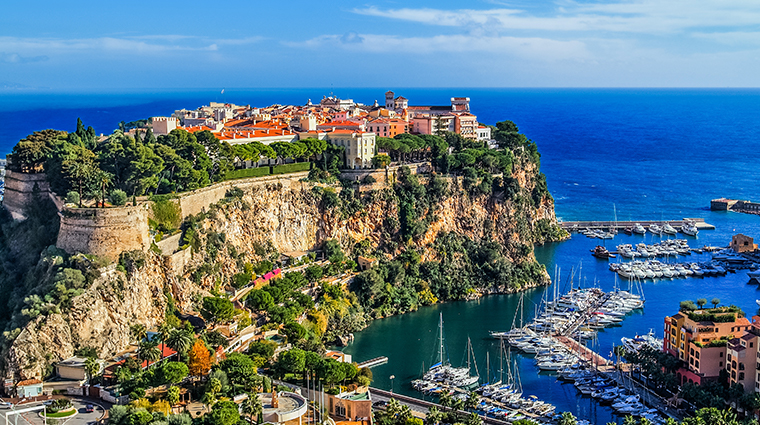
- 3:00 PM — Visit the Oceanographic Museum (€19). Allow 90 minutes minimum. Take the free rooftop terrace on your way out.
- 5:00 PM — Walk through the Saint Martin Gardens and down to Port Hercule. Join the evening promenade along the quays.
- Evening — Dinner at U Cavagnetu (book ahead) for traditional Monegasque food, or La Note Bleue on Larvotto Beach if the weather is warm.
Day 2: Monte Carlo & Fontvieille
- 9:00 AM — Visit the Condamine Market at Place d’Armes. Sample Barbagiuan and Socca from the vendors.
- 10:30 AM — Casino de Monte-Carlo — the free exterior and atrium, or the full gaming rooms from 2:00 PM. The Casino Gardens and Casino Square are spectacular at any time of day.

- 12:30 PM — Lunch at Café de Paris Monte-Carlo, directly beside the Casino — a brasserie institution open from breakfast through late night.
- 2:30 PM — Prince’s Car Collection in Fontvieille (€6). Head to the Port de Fontvieille viewpoint for the best panoramic photograph in Monaco.
- 4:30 PM — Japanese Garden — free, uncrowded, and a genuine antidote to Monaco’s relentless glamour.
- Evening — Return to Nice for dinner and accommodation, saving significantly on costs.
4-Day Monaco Itinerary
Follow the 2-day itinerary above for Days 1 and 2, then continue:
Day 3: Jardin Exotique & Neighborhoods
- 9:00 AM — Jardin Exotique (€7.50) — allow 90 minutes for the gardens and the Observatory Cave below. The views from the top are the widest.
- 12:30 PM — Lunch at La Montgolfière in Monaco-Ville — book ahead, arrive hungry.
- 2:30 PM — Explore the Condamine neighborhood — the covered market building, the local wine shops, and the residential streets that most visitors never reach.
- Late Afternoon — Walk the coastal path from Larvotto Beach toward the Italian border.
- Evening — Dinner at Pavyllon Monte-Carlo (Hôtel Hermitage) — reserve weeks in advance.
Day 4: Day Trip to Èze & the Moyenne Corniche
The medieval hilltop village of Éze, accessible by bus (Route 112) in 25 minutes, offers dizzying views of the coast from 427 meters above the sea and a famous perfume distillery (Fragonard) where guided tours explain traditional perfume production. Return in the afternoon for a final evening in Monte Carlo — the Casino gardens at sunset, followed by a farewell dinner.
7-Day Monaco & Riviera Itinerary
Follow the 4-day itinerary above, then use Monaco as a base for the following:
Day 5: Nice
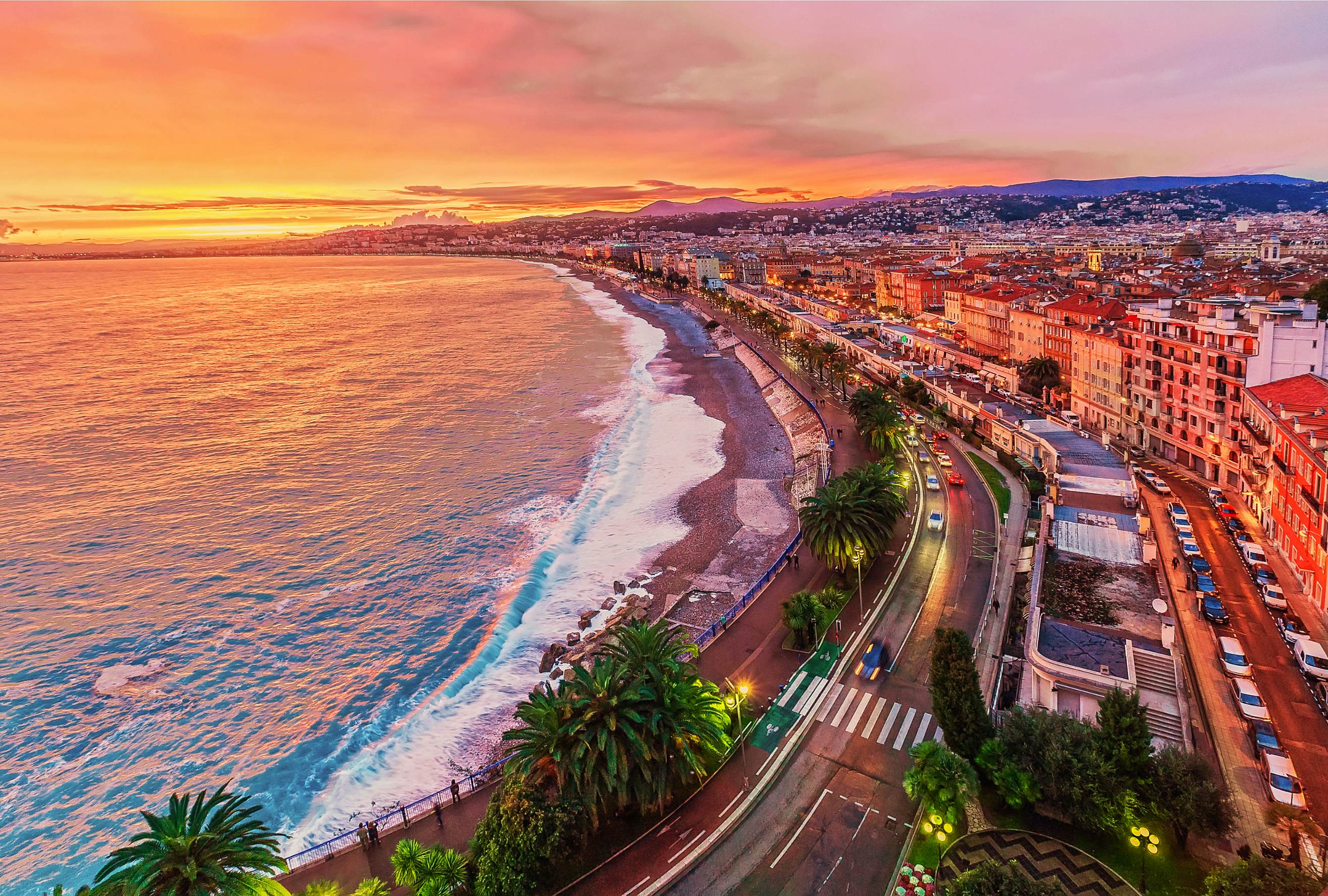
The Riviera’s capital city (20 minutes by train) warrants a full day. The old town Vieux-Nice is a labyrinth of Baroque architecture, Niçois restaurants serving Socca and Pan Bagnat, and one of the best street food markets in France (Cours Saleya). The Musée Matisse and Musée d’Art Moderne et d’Art Contemporain are both outstanding.
Day 6: Menton & the Italian Border
Menton, 8 minutes east by train, is Monaco’s quieter, more painterly neighbor. The old town climbs sharply from the seafront in layers of ochre and amber. The Jean Cocteau Museum, redesigned in 2011, houses an extraordinary collection. Crossing the border into Ventimiglia (Italy) for lunch is a perfectly manageable addition — the Italian train takes under 10 minutes.

Day 7: Antibes & Cap d’Antibes
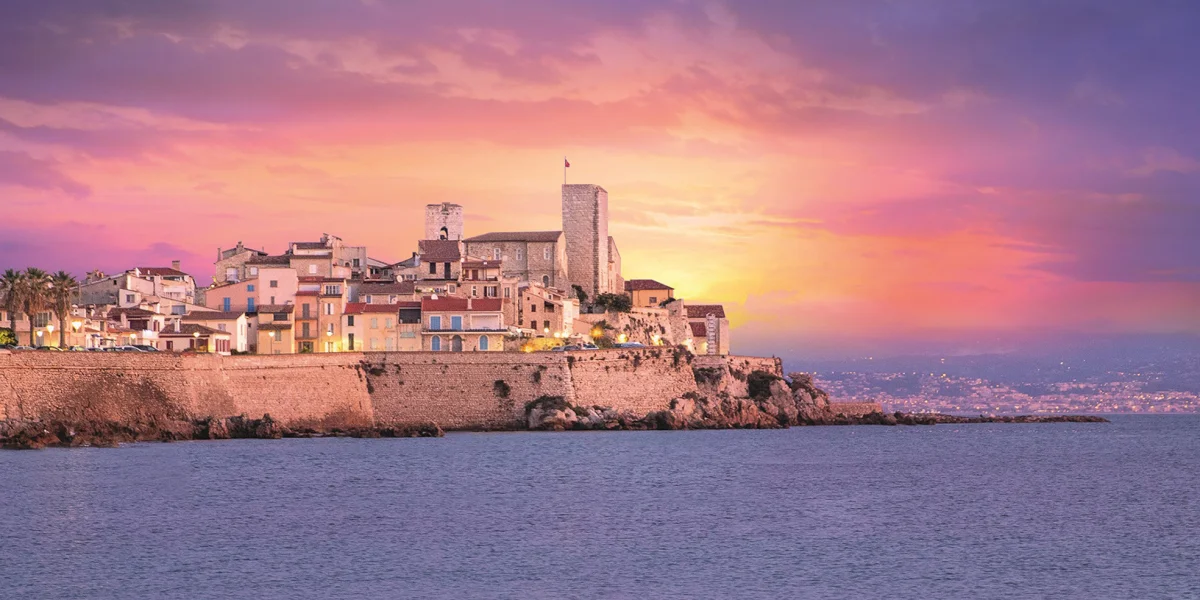
The walled old town of Antibes (45 minutes west of Monaco by train) is one of the most complete medieval port towns on the Riviera. The Musée Picasso, housed in the Château Grimaldi, where Picasso worked in 1946, is superb. The Cap d’Antibes coastal path offers two hours of cliff-top walking through the grounds of some of the Riviera’s grandest villas. Return to Monaco for a final evening and the satisfaction of having done the coast properly.
Entry fees, transport costs, and opening hours are accurate as of early 2025 and subject to change. Always verify current information via the official Monaco Tourism website at visitmonaco.com before traveling.
Also explore Miami and Madrid