

 Start Driving in Moscow
Moscow, the capital of Russia, is a sprawling metropolis that blends historical grandeur with modern dynamism. Situated on the banks of the Moskva River, Moscow offers a rich tapestry of cultural landmarks, diverse neighborhoods, and a vibrant arts scene. The Kremlin, a historic fortress, is an iconic landmark, featuring cathedrals, palaces, and museums. Red Square, adjacent to the Kremlin, is home to St. Basil’s Cathedral, Lenin’s Mausoleum, and the GUM department store. The Bolshoi Theatre, a world-renowned opera and ballet house, hosts performances by leading artists. Moscow’s metro system, adorned with ornate decorations, is a work of art in itself. The city’s parks, such as Gorky Park and VDNKh, offer green spaces for recreation and relaxation. Moscow’s culinary scene is a gastronomic delight, with restaurants serving traditional Russian cuisine alongside international fare. The city’s vibrant nightlife, with bars, clubs, and live music venues, caters to diverse tastes. Moscow’s transportation network includes the metro, buses, and trams, facilitating travel within the city and to surrounding areas. Travelers should be prepared for potential winter weather and exercise caution in crowded areas. The currency is the Russian Ruble (RUB), and Russian is the primary language. The best times to visit are during the spring and autumn, when the weather is mild and pleasant.
Moscow: The Complete Traveler’s Guide to Russia’s Legendary Capital
Introduction: The City That Swallows Time
Moscow does not ease you in gently. The moment you surface from any metro station, blinking into a cathedral of marble and mosaic, it announces itself with an almost theatrical confidence. This is a city that was burned to the ground (literally, in 1812 to deny Napoleon his prize), rebuilt from ideological blueprints, and reinvented amid the chaos of the post-Soviet 1990s, only to emerge now as one of Europe’s most complex and fascinating metropolises.
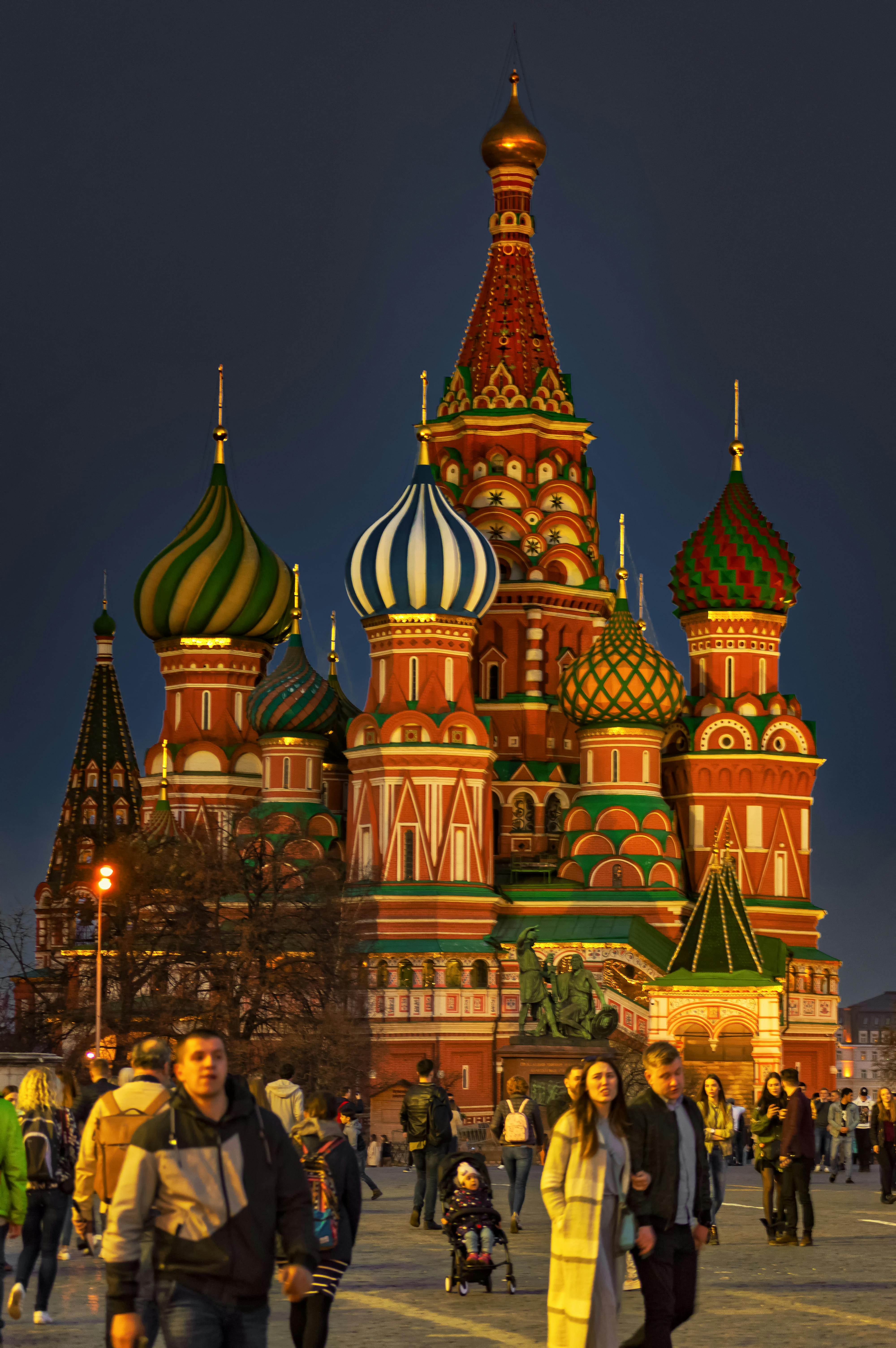
Founded in 1147 by Prince Yuri Dolgoruky, Moscow spent its first few centuries as one of many medieval Russian principalities. Its real ascent began when Ivan III made it the capital of a unified Russian state in the late 15th century, and from that moment on, the city became the stage on which Russian history was performed. The Tsars were crowned here. The Bolsheviks seized power here. World War II was fought here. Every era left a geological layer: Byzantine gold domes, Stalinist “seven sisters” skyscrapers, a glittering arc of glass-and-steel Moscow City towers, and the labyrinthine underground palaces of the metro.

The city’s DNA is defined by scale and contradiction. Vast boulevards give way to intimate courtyards. Soviet-era brutalism shoulders against baroque mansions. An earnest reverence for culture — the Bolshoi fills up months in advance, and locals read thick paperbacks on the metro — coexists with a voracious appetite for the new. Moscow’s restaurant scene rivals Paris for ambition. Its nightlife runs past dawn. Its museums hold collections that took centuries to assemble.
A note for travelers: Given the current geopolitical climate, Moscow tourism comes with specific logistical considerations (covered in the Practical Info section). That said, travelers who do make the journey consistently report it as one of the most rewarding and surprising city experiences of their lives. Come prepared, stay curious, and give this city the time it demands.
Best Months to Visit
Moscow has a classic humid continental climate: long winters, short springs, warm summers, and vivid autumns. Each season offers a genuinely different city.
May – June (Best Overall)
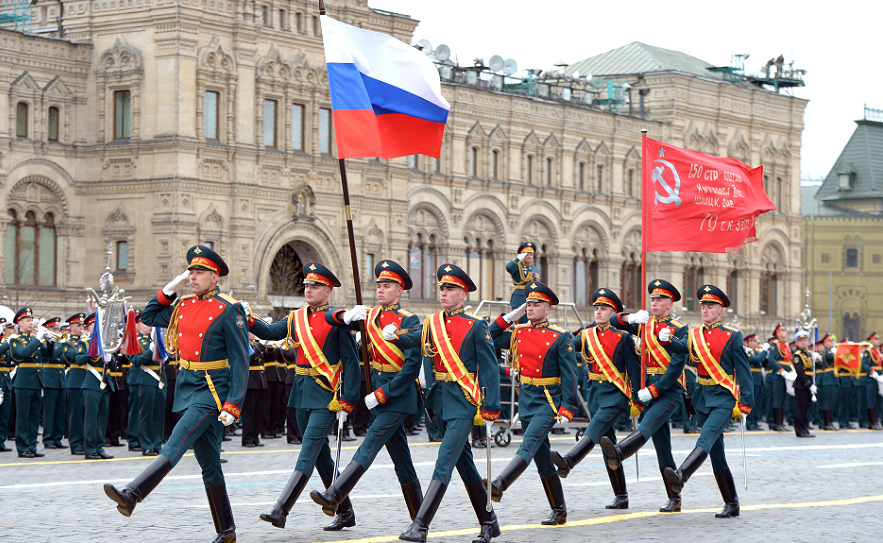
The city shakes off winter and erupts with energy. Temperatures range from 12–22°C (54–72°F), parks bloom, outdoor terraces open, and the famous White Nights bring extended daylight. Victory Day (May 9) fills Red Square with military parades and emotional ceremony — a powerful spectacle if you’re comfortable in large crowds.
September – October (Excellent)
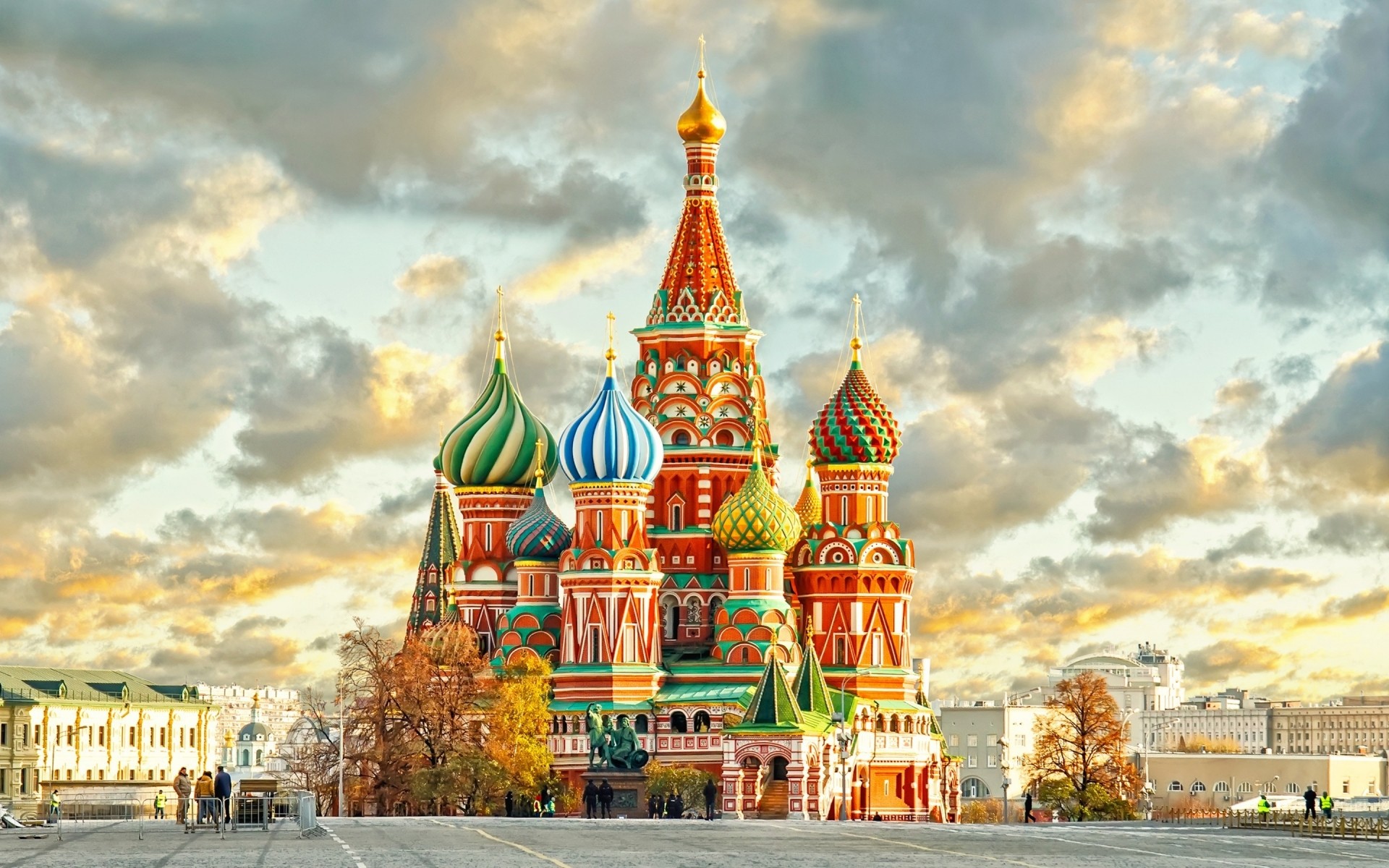
Golden autumn transforms Moscow’s parks into something surreal. Gorky Park’s leaf-covered avenues, Sokolniki’s birch forests, and Kolomenskoye’s ancient orchards make this arguably the most photogenic season. Temperatures are still comfortable at 8–18°C (46–64°F), tourist numbers drop, and cultural venues ramp up their autumn programs.
July – August (Good but Busy)
Peak tourist season brings warmth (20–28°C / 68–82°F) and full city energy. Book accommodations and Bolshoi tickets well in advance. Summer evenings on the embankments of the Moscow River are genuinely beautiful.
December – February (For the Committed)
Moscow in snow is another world entirely — Red Square with its lights and ice rink is genuinely magical. Dress in serious layers (temperatures drop to -15°C / 5°F or below), but the city’s indoor scene makes cold weather manageable. This is when Russians are at their most hospitable.
March – April & November (Avoid if Possible)
Muddy, grey, and slushy. These shoulder seasons offer lower prices but little atmosphere.
Top Attractions
1. The Moscow Kremlin
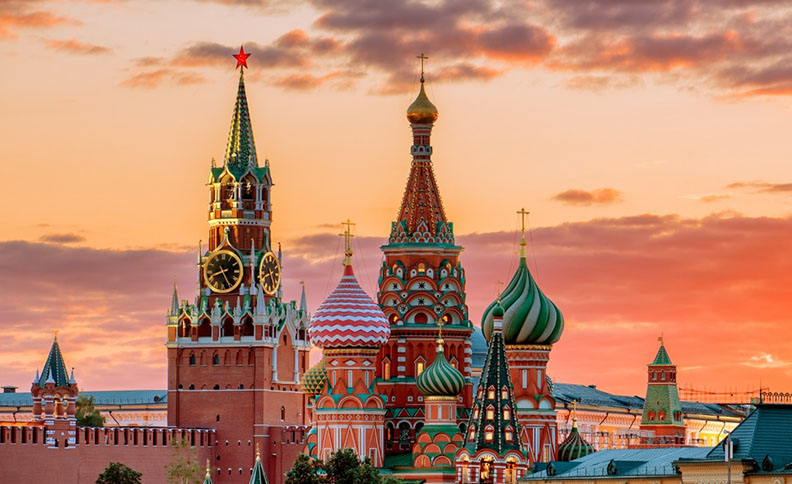
The Kremlin is not a single building but an entire fortified medieval city, 27 hectares in size, surrounded by a 2.3-kilometer crenelated wall. Within those walls sit the seat of Russian presidential power, five centuries of cathedrals, the world’s largest bell (which never rang), a cannon that never fired, and one of the world’s great decorative art collections.
- Hours: 10:00 AM – 5:00 PM (Cathedral Square); closed Thursdays
- Entry: Cathedral Square 700–1,000 RUB; Armoury Chamber 1,200 RUB; Diamond Fund 500 RUB (purchased inside the Armoury)
- Pro-tip: Buy tickets online at kremlin. museum well in advance, the Armoury sells out quickly. Arrive at opening time to have Cathedral Square to yourself before tour groups descend. Photography inside the cathedrals and Armoury is prohibited.
2. Red Square
The name comes not from Soviet ideology but from the old Russian word “krasnaya,” which meant both “red” and “beautiful.” This 73,000-square-meter expanse is surrounded by some of the most recognizable architecture on the planet: the Kremlin wall to the west, the GUM department store to the east, the State Historical Museum to the north, and St. Basil’s Cathedral, which closes the southern end like an exclamation point.
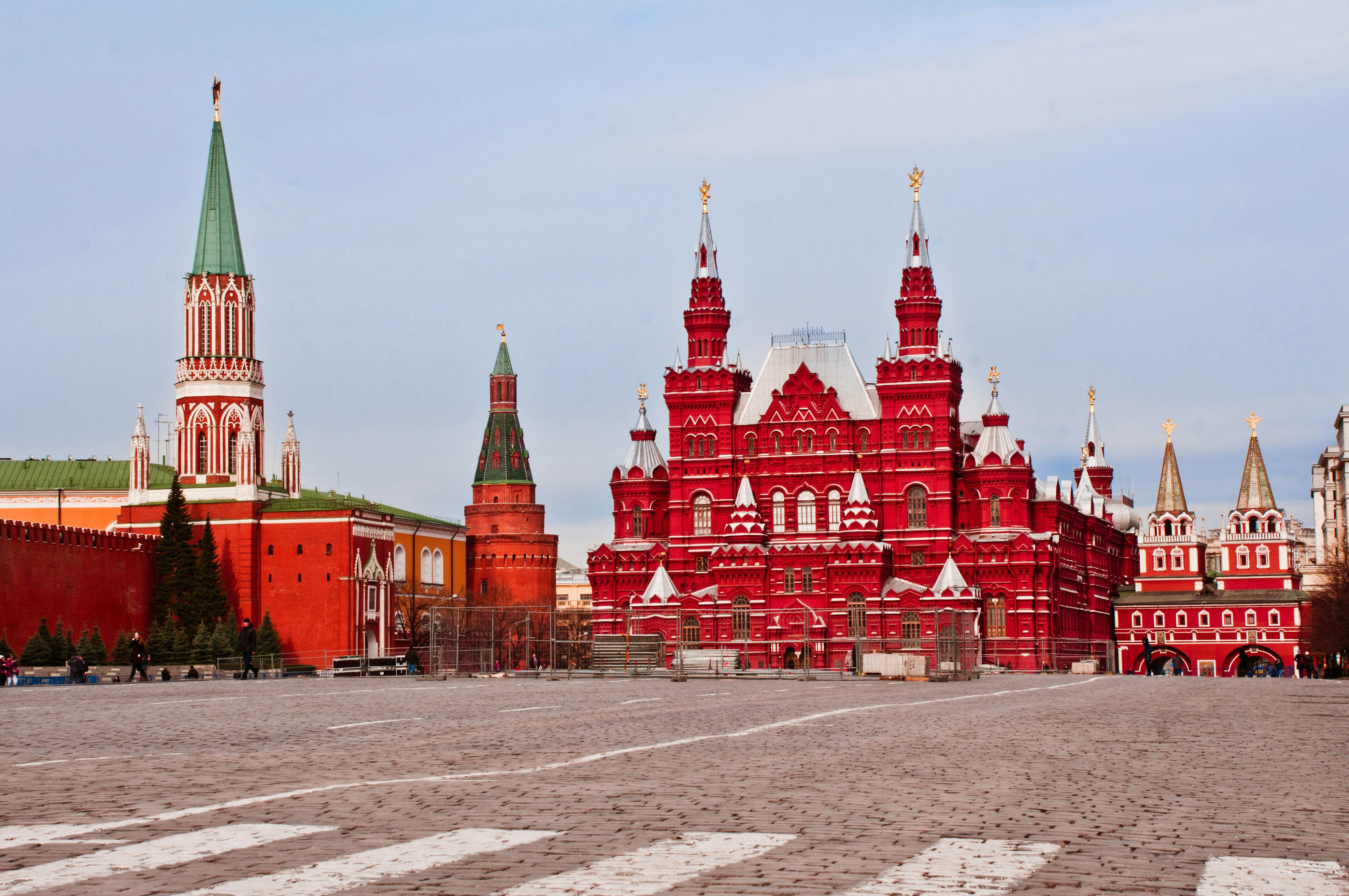
- Red Square itself: Free, open 24 hours
- St. Basil’s Cathedral: ~1,000 RUB; open 11:00 AM – 5:00 PM (closed Tuesdays)
- Lenin’s Mausoleum: Free; open Tuesday–Thursday and Saturday–Sunday, 10:00 AM – 1:00 PM
- State Historical Museum: 400–500 RUB; closed Tuesdays
- Pro-tip: Visit Red Square twice — once during the day for photos, and once at night when it’s lit up and relatively quiet. The best angle for St. Basil’s is from the slight rise near the Kremlin wall.
3. The State Tretyakov Gallery
Pavel Tretyakov spent his life and considerable fortune collecting Russian art — over 180,000 works — and then donated the entire collection to the city of Moscow. The result is the world’s definitive museum of Russian art, from medieval icons to the Wanderers movement to the Russian avant-garde. The original gallery is in Lavrushinsky Lane (pre-20th century); the New Tretyakov on Krymsky Val covers 20th-century and contemporary art.
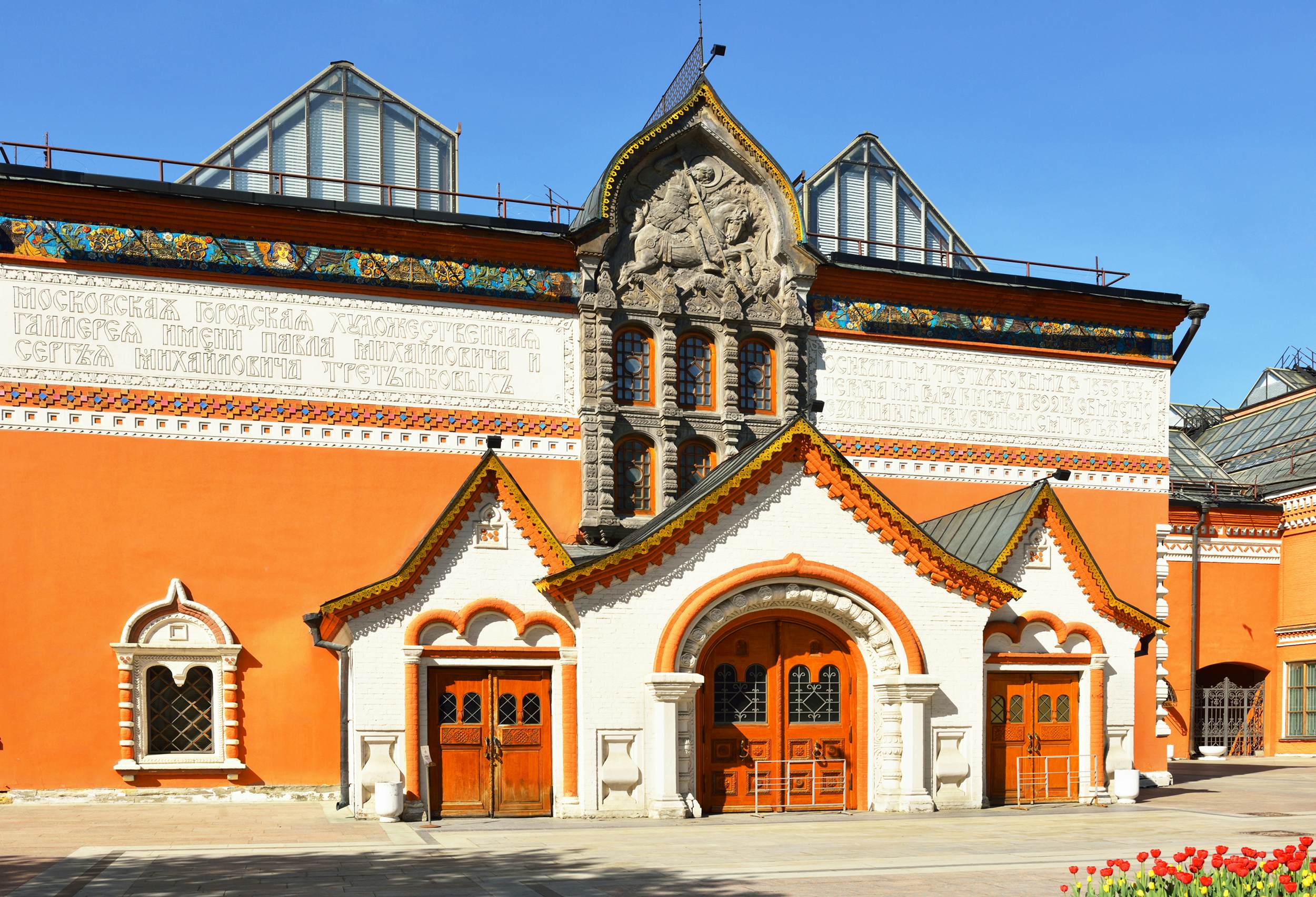
- Hours: Tuesday, Wednesday, Sunday 10:00 AM – 6:00 PM; Thursday–Saturday 10:00 AM – 9:00 PM; closed Monday
- Entry: 500–800 RUB; combined tickets available
- Pro-tip: Thursday evenings are the least crowded. Don’t miss Ilya Repin’s Ivan the Terrible and his Son Ivan — one of the most emotionally devastating paintings in any museum.
4. The Bolshoi Theatre
The Bolshoi is not just a theater; it’s a cultural institution that has shaped how the world understands ballet and opera. The main stage reopened in 2011 after a six-year, $700-million restoration that revived its original 19th-century splendor — gilded tiers, red velvet, a ceiling fresco that glows like a Fabergé egg. Even if you can’t secure main stage tickets, the New Stage offers performances at lower prices.
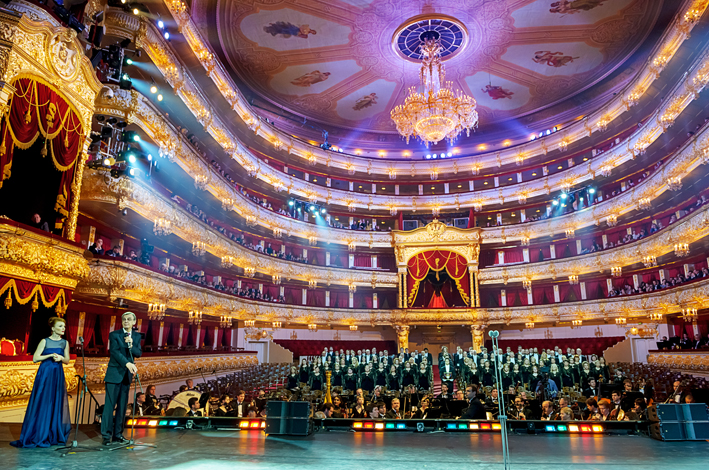
- Backstage tours: ~2,000 RUB; book months ahead at bolshoi.ru
- Performance tickets: 2,000–15,000+ RUB depending on seat and production
- Pro-tip: Check the schedule as soon as you know your travel dates. Mid-week performances in shoulder season are your best chance at availability. Dress smartly — Muscovites treat an evening at the Bolshoi as a serious occasion.
5. The Moscow Metro
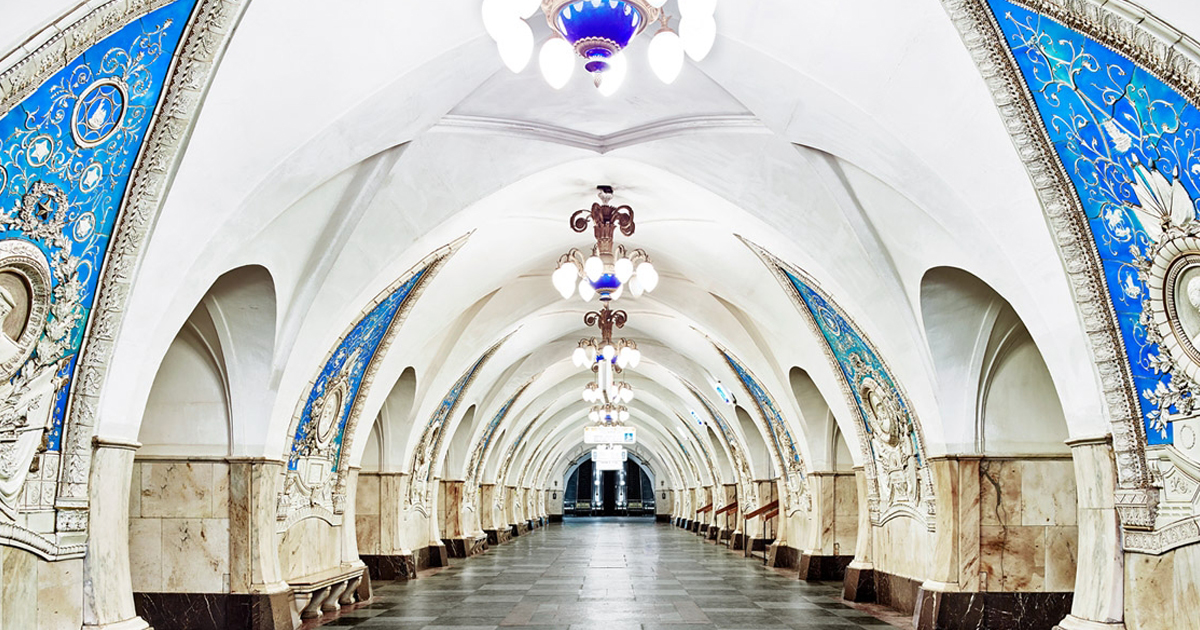
Opened in 1935, Moscow’s metro was Stalin’s gift to the proletariat — built as “underground palaces” to demonstrate the glory of socialism. The result is the world’s most architecturally extravagant transit system. Stations like Komsomolskaya (Baroque mosaic ceiling), Mayakovskaya (Art Deco with aviation mosaics), and Kievskaya (Ukrainian folk art) are worth visiting as destinations in themselves..
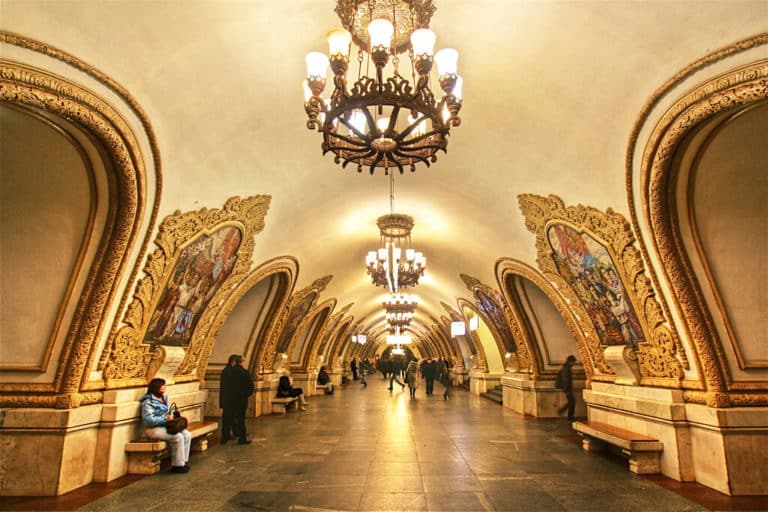
- Cost: ~65 RUB per ride with a Troika card, available at any station
- Pro-tip: Ride the Circle Line (Koltsevaya, Line 5) for a concentrated tour of the most ornate stations. Avoid 8:00–9:00 AM and 5:30–7:30 PM rush hours if you want to photograph the architecture in peace.
6. Gorky Park & Zaryadye Park
These two parks represent Moscow’s before-and-after urban story. Gorky Park (founded 1928) underwent a remarkable transformation in the 2010s — from a decaying amusement park into a world-class urban space with yoga lawns, beach volleyball, open-air cinema, bike rentals, and excellent food stalls. Zaryadye Park (opened 2017, designed by Diller Scofidio + Renfro) is the more architecturally ambitious project: a nature park built directly behind the Kremlin incorporating four distinct Russian climate zones under an undulating glass canopy, plus a “floating bridge” over the Moscow River.
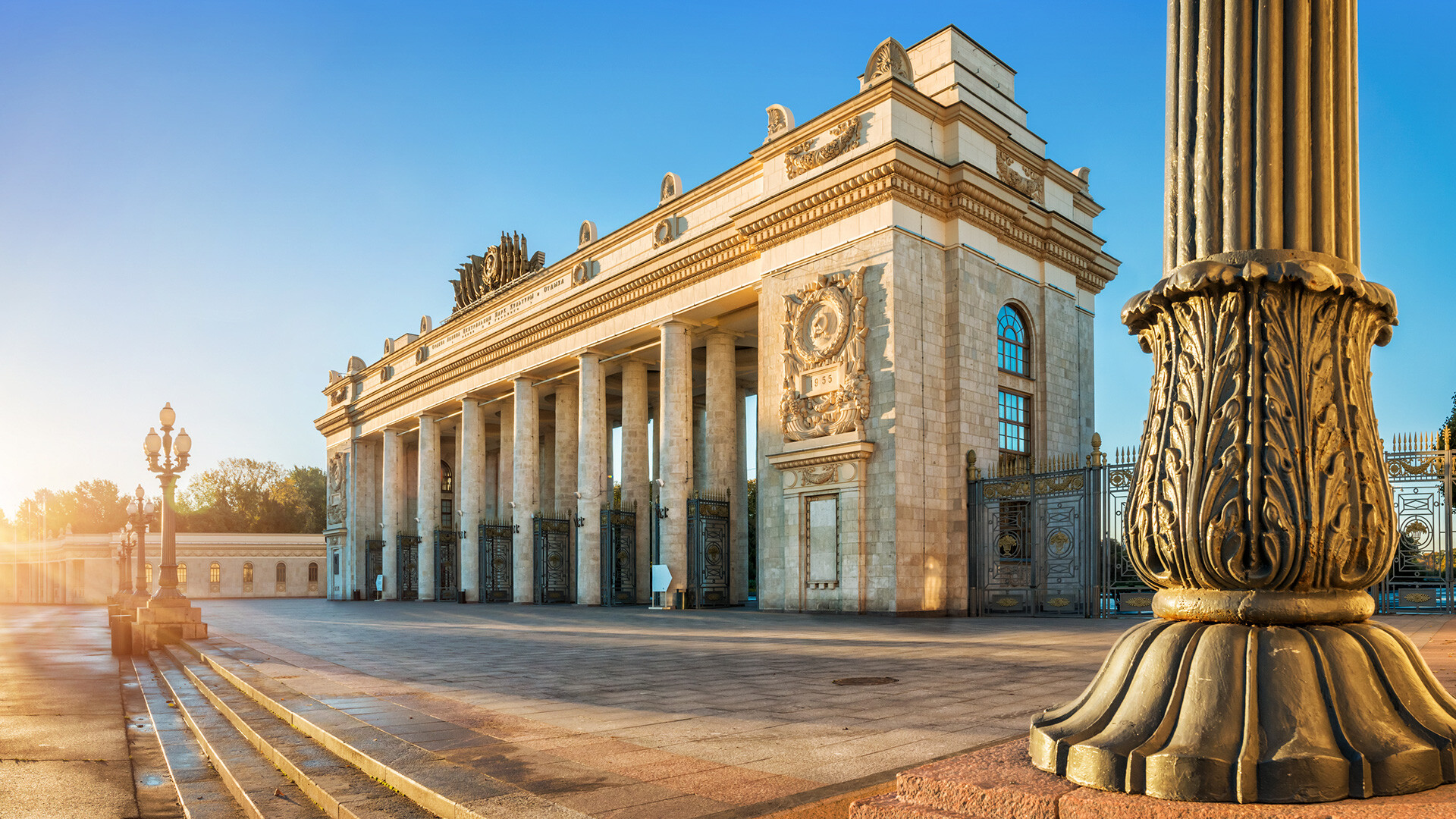
- Entry: Both free
- Pro-tip: Zaryadye’s viewing platform offers one of the best unobstructed views of St. Basil’s Cathedral and the Kremlin. Go at golden hour.
Hidden Gems
1. Patriarch’s Ponds (Patriarshiye Prudy)
The opening scene of Mikhail Bulgakov’s The Master and Margarita is set here, and this leafy, pond-flanked square in the quiet Presnya district still carries a literary charge. Surrounded by the city’s most coveted residential buildings and some of its best restaurants and cafes, it’s a neighborhood that feels genuinely lived-in — locals reading on benches, chess players at stone tables, children feeding ducks. It’s where Moscow exhales. The surrounding Patriarch’s Ponds area is also the unofficial gourmet center of the city, with Bolshaya Nikitskaya Street lined with independent restaurants.

2. Kolomenskoye Estate
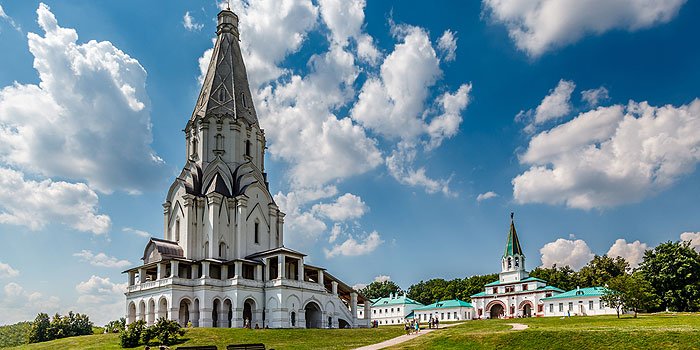
Fifteen minutes south of the center by metro, Kolomenskoye is a former royal estate perched on a dramatic bluff above the Moscow River. The centerpiece is the Church of the Ascension (1532), a UNESCO World Heritage Site and one of the earliest examples of the tall tent-roofed style that would define Russian religious architecture for centuries. The estate’s apple orchards and wildflower meadows make it Moscow’s best picnic destination, especially in May or September. Take the metro to Kolomenskaya (orange line).
3. Izmailovsky Market
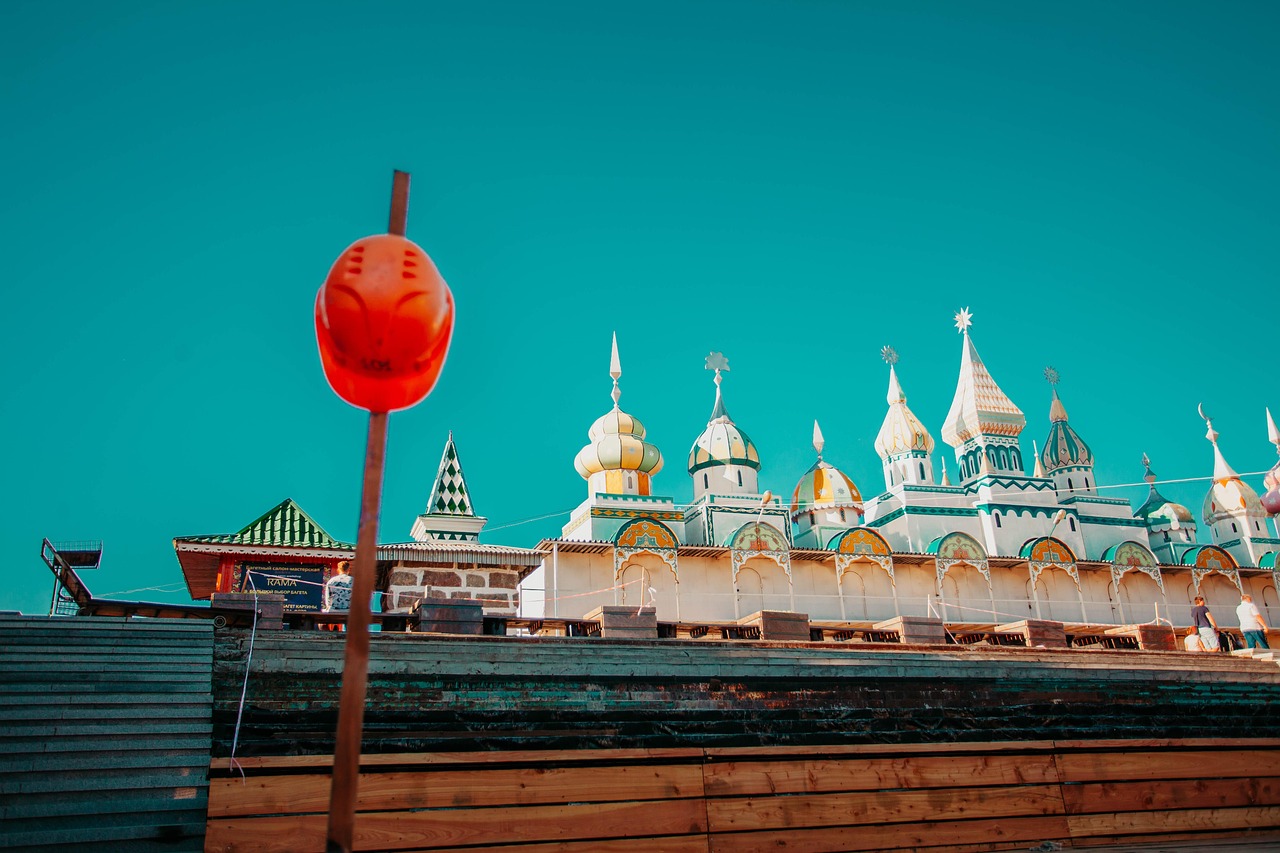
Every weekend, this open-air bazaar on the grounds of a former royal hunting estate becomes the best souvenir market in Eastern Europe. Skip the tourist-facing outer stalls and head directly to the covered antiques section: Soviet-era enamelware, pre-Revolutionary samovars, military insignia, hand-painted lacquer boxes, vintage propaganda posters. Prices require negotiation, and haggling is expected and enjoyed. Get here by 10:00 AM before the tour buses arrive. Metro: Izmailovskaya (blue line).
4. Art Muzeon & The Central House of Artists (TsDKh)
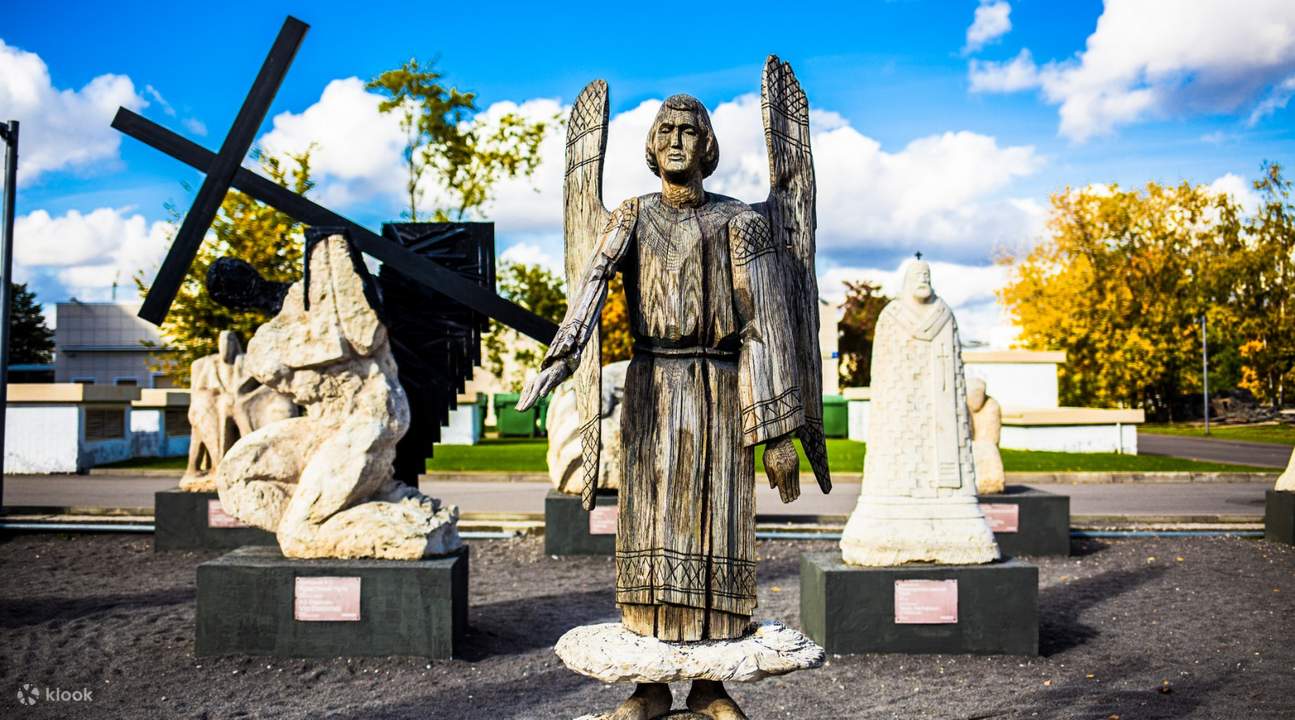
Tucked behind the New Tretyakov Gallery, Art Muzeon is an open-air sculpture park filled with Soviet-era monuments removed from their pedestals after 1991 — Stalins, Lenins, and long-forgotten apparatchiks now rusting quietly amid birch trees. It’s a genuinely uncanny space: history in storage, simultaneously absurd and haunting. Combined with the contemporary art galleries inside TsDKh next door, this complex can easily absorb an afternoon.
Cuisine & Dining
Must-Try Dishes
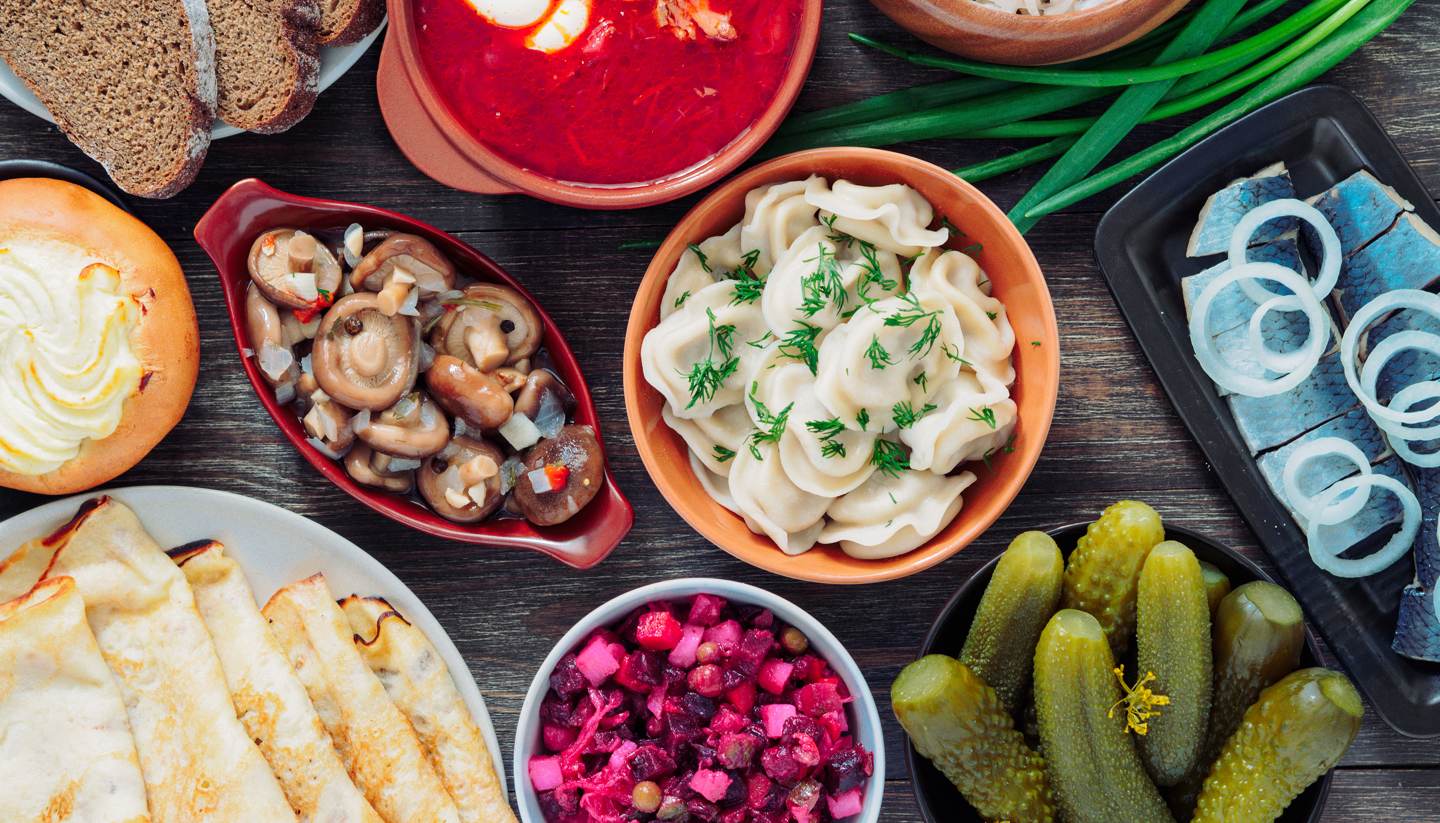
- Borsch — Ruby-red beetroot soup, served hot with a generous dollop of smetana (sour cream). Every cook has their version; no two are the same.
- Pelmeni — Small meat-filled dumplings, the Russian answer to ravioli, typically served with butter or vinegar. Siberian pelmeni (with pork and beef) are the benchmark.
- Blini — Thin buckwheat pancakes, eaten savory with smoked salmon and crème fraîche, or sweet with jam and honey. With caviar, if you’re celebrating.
- Beef Stroganoff — Tender strips of sautéed beef in a mushroom and sour cream sauce. Originated in St. Petersburg, perfected everywhere.
- Olivier Salad — The quintessential Russian “New Year” salad: potatoes, carrots, pickles, eggs, and chicken in a mayonnaise dressing. Ubiquitous and oddly addictive.
- Pirozhki — Stuffed baked or fried buns with fillings of meat, cabbage, potato, or jam. Street food is at its most essential.
- Kvass — Fermented bread drink — lightly fizzy, faintly sour, deeply Russian. Try it from street vendors in summer.
- Khachapuri — Georgian cheese bread that Moscow has adopted wholesale. The Adjarian version, boat-shaped and topped with a raw egg, is transcendent.
Budget Restaurants
Restaurant | What to Order | Location | Avg. Cost |
Grabli | Russian home cooking, soups, salads | Multiple central locations (Arbat, Kievskaya) | ~400–500 RUB/meal |
Mu-Mu (Moo-Moo) | Borsch, pelmeni, roast chicken | Near Tverskaya & Arbat metros | ~400–600 RUB/meal |
Varenichnaya No.1 | Dumplings, blini, hearty soups | Multiple locations | ~500–700 RUB/meal |
Grabli is a self-service cafeteria chain with an impressive spread of Russian home cooking at very reasonable prices. Mu-Mu runs a Russian village aesthetic and is beloved for its honest pelmeni. Varenichnaya No.1 leans into Soviet nostalgia and is perfect for breakfast or a quick lunch.
Mid-Range Restaurants (1,000–2,500 RUB per person)
- Dr. Zhivago — Located on the ground floor of the legendary Hotel National (1902), one block from Red Square. Contemporary takes on Russian classics in a bright, retro-modern space with striking literary-themed décor. Metro: Okhotny Ryad.
- Gorynych (Rozhdestvensky Boulevard, 1) — Named after a fire-breathing dragon from Russian folklore, this restaurant is decked with folk motifs and open grills. The menu ranges from Tom Yam to smoked brisket with pickles and jalapeños — ambitious and largely successful. Starters from 5–16 EUR, mains from 7–25 EUR.
- Khachapuri i Vino — Moscow’s most beloved Georgian restaurant: warm, perpetually busy, and serving the city’s best Adjarian khachapuri alongside mtsvadi (grilled meat skewers) and natural wines. Book ahead.
Fine Dining
- White Rabbit — Michelin-starred and consistently ranked among the World’s 50 Best Restaurants, White Rabbit occupies the top floor of a building near Mayakovskaya with sweeping city panoramas. Chef Vladimir Mukhin’s “new Russian cuisine” reimagines classic ingredients with contemporary technique. Booking is essential, often months in advance. whiterabbitmoscow.ru
- Café Pushkin (26A Tverskoy Boulevard) — Moscow’s most celebrated institution, housed in a 19th-century mansion. Servers in period costume, a library-themed upper floor, and a menu of refined Russian classics, including signature beef stroganoff. Open 24 hours. A 3-course dinner runs ~3,500–4,000 RUB plus drinks. cafe-pushkin.ru
- Twins Garden — Chefs Ivan and Sergey Berezutsky run a farm-to-table operation sourcing 70% of ingredients from their own farm in the Kaluga Region. The tasting menu is one of Russia’s most serious culinary experiences. Wine list of 1,000+ selections. twinsgarden.ru
- Beluga (Hotel National, 15/1 Mokhovaya Street) — Where Moscow’s establishment dines. Two dozen varieties of caviar, a vodka list that reads like a novel, and Kremlin views through tall windows. Order the caviar tasting to understand what all the fuss is about.

Markets & Food Halls
- Danilovsky Market — Moscow’s best food market. Fresh produce, artisan cheeses, smoked fish, Georgian bread, and Central Asian spices. The food court upstairs is excellent for lunch. Metro: Tulskaya.

- Depo Food Mall — Moscow’s largest food hall, housed in a converted tram depot near Belorusskaya. Over 70 food stations covering everything from high-quality pelmeni to Japanese ramen to Georgian stews. Metro: Belorusskaya.
Accommodation
Budget — Hostels & Guesthouses
Best areas: Kitai-Gorod, Chistye Prudy — walkable to the historic center
- Godzillas Hostel — Moscow’s longest-running backpacker hostel: well-maintained, social, and centrally located near Chistye Prudy metro. Dorms from 900–1,200 RUB per night.
- Fabrika Hostel — Set in a converted textile factory in the creative Bauman district, with art installations and a lively bar. Good for travelers who want a cultural edge to their accommodation.
Mid-Range — Boutique Hotels
Best areas: Zamoskvorechye (south of the river, walkable to Tretyakov Gallery), Arbat
- Artel’ Besedka — A well-regarded boutique hotel in a quiet lane near the Arbat, with individually designed rooms and genuinely attentive service.
- Hotel de Paris — Art Nouveau details and a central location near Tverskaya make this one of Moscow’s stronger mid-range values.

Luxury
Best area: Tverskaya / Red Square — Kremlin, Bolshoi, and the best restaurants, all within walking distance
- Hotel Metropol (1902) — A grand Art Nouveau masterpiece directly across from the Bolshoi Theatre. The breakfast hall, with its stained-glass ceiling, is one of the great hotel dining rooms in Europe.
- Four Seasons Moscow — Rebuilt on the site of the historic Hotel Moskva, with direct Kremlin views from upper floors. Impeccable service and an unbeatable location.
- Ritz-Carlton Moscow (Tverskaya Street) — The city’s most high-profile luxury address, with the O2 Lounge on the 12th floor offering views over Red Square. The go-to for visiting heads of state and international artists alike.

Transportation
Getting There
- By Air: Moscow has three main international airports. Sheremetyevo (SVO) is the largest airport, handling most international flights, including Aeroflot’s hub operations. Domodedovo (DME), south of the city, handles many European carriers. Vnukovo (VKO) primarily serves domestic and CIS routes. The Aeroexpress train connects Sheremetyevo (35 min, 500 RUB) and Domodedovo (40 min, 500 RUB) to the city center.
- By Train: Moscow is Russia’s rail hub. High-speed Sapsan trains run to St. Petersburg (3.5–4 hours) from Leningradsky Station. The legendary Trans-Siberian Railway departs from Yaroslavsky Station.
Getting Around
- Metro — The best way to navigate. 14 lines, hundreds of stations, running approximately 5:30 AM – 1:00 AM. Buy a Troika card (prepaid, ~65 RUB per journey) at any station. Use the Yandex Metro app for English navigation.
- Bus & Tram — Comprehensive surface network using the same Troika card. Useful for short trips between metro stations.
- Taxis — Use Yandex Go (the Russian equivalent of Uber). Prices are very reasonable. Do not hail taxis from the street.
- Bike Share — Velobike is Moscow’s city bike-share scheme, with hundreds of docking stations. Ideal for exploring embankments and parks in summer.
- River Bus — Seasonal ferry services run along the Moscow River between Kievsky Station and Novospassky Bridge (with stops at Gorky Park). More scenic than practical, but a lovely summer option.
Events & Festivals
Victory Day — May 9
The most emotionally significant holiday in Russia, commemorating the Soviet Union’s defeat of Nazi Germany in World War II. Red Square hosts the country’s largest military parade. The atmosphere is solemn and immense — a genuinely powerful experience regardless of political affiliation. Book accommodation months in advance.
Maslenitsa (Butter Week) — Late February / Early March
The Russian equivalent of Mardi Gras: a week of blini eating, folk music, puppet shows, and the ceremonial burning of a Maslenitsa effigy to bid farewell to winter. Gorky Park and Kolomenskoye host large public celebrations open to all.

Moscow International Film Festival — October
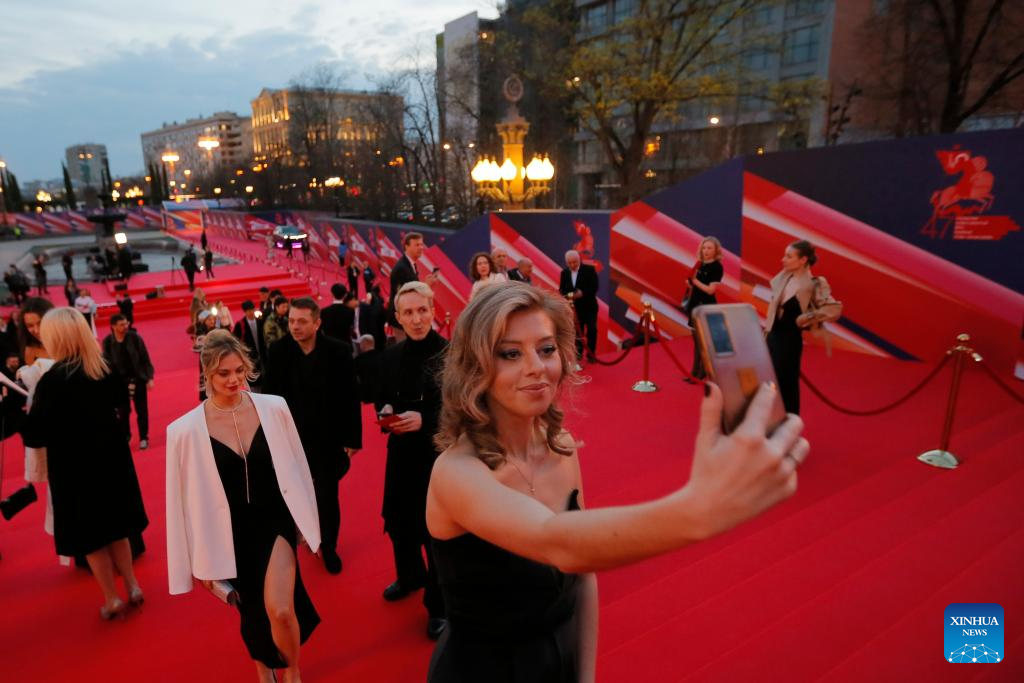
One of the world’s oldest film festivals, the MIFF fills cinemas across the city with international premieres and retrospectives. Many screenings are affordable and accessible to the public without industry accreditation.
Shopping
Best Streets & Destinations
- Old Arbat Street — Moscow’s most famous pedestrian street: street artists, buskers, portrait painters, and souvenir vendors. Good for mass-market Russian souvenirs (matryoshka dolls, ushanka hats, lacquer boxes). Prices are negotiable.
- GUM Department Store (Red Square) — The three-story glass-roofed arcade has been Moscow’s premier shopping destination since 1893. Today it houses luxury brands alongside Stolovaya No. 57 — a Soviet-era cafeteria on the second floor that locals genuinely queue for.
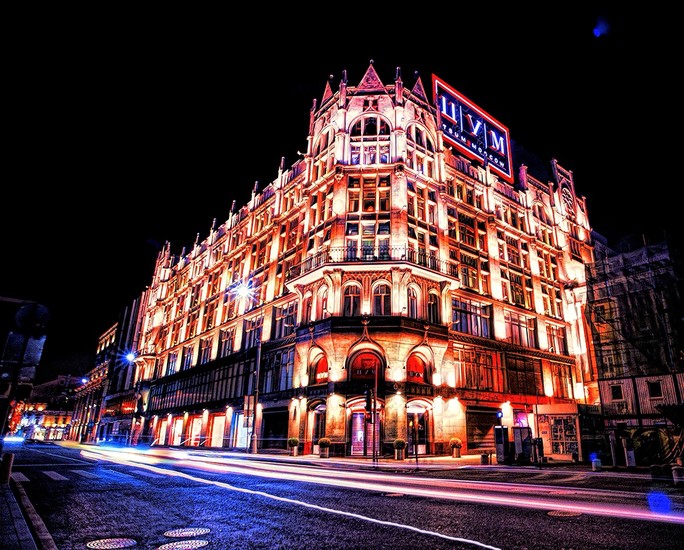
- TSUM (Petrovka Street) — Moscow’s most prestigious department store for luxury fashion. The rooftop restaurant Buro Tsum (with fusion cuisine and city views) is worth a visit, independent of shopping.
- Izmailovsky Market (see Hidden Gems) — For genuine vintage and artisan goods, Soviet memorabilia, and hand-painted lacquerware. Weekends only.
- Flacon Design Factory — A converted glass factory in northwest Moscow housing independent designers, galleries, food trucks, and boutiques. Moscow’s answer to a creative market district.
Best Souvenirs to Buy
- Lacquer boxes (palekh) — Hand-painted miniatures from the Palekh tradition. Authentic pieces are expensive; genuine ones carry the maker’s signature. Buy from reputable sellers at Izmailovsky.
- Khokhloma woodwork — Traditional red-and-gold painted wooden bowls and spoons. Bold and distinctly Russian.
- Amber jewelry — Baltic amber, widely available and genuinely distinctive.
- Russian confectionery — Mishka Kosolapy (bear-themed chocolates) and Ptichye Moloko (bird’s milk cakes) are iconic. Available at any supermarket and GUM’s food counters.
- Vintage Soviet memorabilia — Pins, badges, propaganda posters, and enamelware from the Soviet era. Best found at Izmailovsky’s antiques section.
Practical Information
Visa
Indian citizens can apply for a Russian unified e-visa online through the Ministry of Foreign Affairs website (evisa.kdmid.ru). The e-visa is a single-entry visa valid for 120 days from the date of issue, with a maximum stay of 30 days. Processing takes approximately 4 calendar days. Print your e-visa — digital copies are not accepted at the border. For stays longer than 30 days, apply for a tourist visa through the Russian consulate or an authorized visa center (Artionis operates centers in New Delhi, Mumbai, Chennai, and Kolkata). Group visa-free arrangements between India and Russia have been under discussion; verify current regulations before travel, as policies may have changed.
Currency
The Russian Ruble (RUB). Foreign Visa/Mastercard credit cards have had limited or no functionality in Russia since 2022 due to international sanctions. Plan to carry sufficient cash, or use a UnionPay card (widely accepted) or the Mir card system. ATMs dispense rubles. Exchange currency at banks or official exchange offices; avoid street exchangers. Confirm your bank’s access to Russia before departure.
Language
Russian is the sole official language, written in the Cyrillic alphabet. English is spoken in central hotels, major tourist attractions, and upscale restaurants, but far less reliably elsewhere. Download Yandex Translate (with camera-scan for reading signs and menus) and Google Translate for offline use. Learning enough Cyrillic to read metro station names will save considerable confusion.
Safety
Moscow is generally a safe city for tourists by international standards. Standard urban precautions apply in crowded areas. Keep a copy of your passport and visa with you at all times — police have the right to request identification. Register with your country’s embassy upon arrival. Stay current on your government’s travel advisory for Russia, as the geopolitical situation can affect logistics and travel access.
SIM Cards & Internet
Local SIM cards (MTS, MegaFon, Beeline) are available at airports and mobile shops; you’ll need your passport to register. Mobile data is extremely affordable. Many international roaming plans do not cover Russia — verify with your provider before departure.
Emergency Numbers
- Police: 102
- Ambulance: 103
- Fire: 101
- Unified Emergency Number: 112 (works for all)
Etiquette & Local Customs
- Greetings — Russians are formal in initial encounters. A firm handshake with eye contact is standard for men; women may offer a hand or cheek kiss with those they know well. Use last names until invited to use first names.
- Shoes — In private homes, always remove your shoes at the door. Hosts may offer slippers (tapochki).
- Flowers — If invited to a Russian home, bring flowers in odd numbers (even numbers are for funerals). Bottles of wine or good chocolates are also appropriate.
- Toasting — If someone offers a vodka toast, declining is considered mildly rude unless you cite a medical reason. The first toast is typically to the host’s health or to the occasion.
- Photography — Photography inside churches is restricted or prohibited during services. Always ask before photographing individuals. Military installations and government buildings may have restrictions.
- Dress in Churches — Women should cover their heads and shoulders; men remove hats. Scarves and shawls are usually available at the entrance of major churches.
- Tipping — Not mandatory but increasingly appreciated. 10–15% is standard at sit-down restaurants. Round up for Yandex Go rides.
Packing List
Spring & Autumn
- Layering system — mornings can be cold even when afternoons are warm
- Waterproof jacket (spring rain is common and persistent)
- Comfortable walking shoes with grip (Moscow’s cobblestones are unforgiving)
- Head covering and shoulder wrap for church visits
- Power adapter (Type C/F, 220V)
- Offline maps downloaded (Google Maps or Maps.me)
- Yandex Go and Yandex Metro apps installed before arrival
Summer
- Light layers (evenings by the river turn cool)
- Sunscreen (summer sun is stronger than expected at this latitude)
- Mosquito repellent (parks near waterways)
- Reusable water bottle
Winter
- Serious cold-weather outerwear (rated to at least -20°C / -4°F)
- Thermal base layers
- Insulated, waterproof boots with grip soles
- Gloves, wool hat, and scarf
- Hand warmers
- Lip balm and moisturizer (the dry cold cracks skin fast)
Itineraries
2-Day Itinerary: The Essential Moscow
Day 1 — The Historic Core
Morning: Arrive at the Kremlin for opening time (10:00 AM). Enter via Borovitskaya Gate. Spend two hours in Cathedral Square — don’t rush the Assumption Cathedral, where Russian Tsars were crowned for 300 years. Add the Armoury Chamber if pre-booked (it sells out fast and holds the Fabergé eggs, imperial regalia, and coronation carriages).

Late Morning: Exit the Kremlin and cross to Red Square. Visit St. Basil’s Cathedral for the interior mosaics and twisted stairways. Walk the square’s full length; stop into GUM for lunch at Stolovaya No. 57 on the second floor — the Soviet-era cafeteria that Muscovites genuinely love, priced for mortals.
Afternoon: Walk south 10 minutes to Zaryadye Park. Explore all four climate zones (tundra, steppe, forest, floodplain) under the glass canopy. Catch late afternoon light from the floating bridge over the Moscow River.
Evening: Dinner at Dr. Zhivago (mid-range, 5 minutes from Red Square). Evening stroll along the illuminated Kremlin walls — the view from the Sofiyskaya Embankment across the river is one of the city’s finest.
Day 2 — Art, Metro & Culture
Morning: Tretyakov Gallery (Lavrushinsky Lane). Allow 2–3 hours. Prioritize the medieval icon hall (Room 1), the Repin rooms, and the Wanderers. Pick up a floor plan at the entrance.
Lunch: Walk 5 minutes to Gorky Park. Eat from the park’s food stalls and walk the embankment. Rent a bike if the weather allows.
Afternoon: Metro architecture tour: Start at Oktyabrskaya, board the Circle Line (Line 5), and ride to Komsomolskaya (Baroque mosaics), Mayakovskaya (Art Deco aviator ceiling), and Kievskaya (Ukrainian folk art). Each station is worth 15 minutes.
Evening: If pre-booked: Bolshoi Theatre performance — the single most memorable evening Moscow can offer. If not: dinner at Café Pushkin on Tverskoy Boulevard, where the theatrical 19th-century setting makes the meal an event in itself.
4-Day Itinerary: Moscow in Depth
Days 1–2: Follow the 2-Day Itinerary above
Day 3 — Neighborhoods & Hidden Spots
Morning: Start at Patriarch’s Ponds — walk the pond circuit, have breakfast at one of the neighborhood cafes. The area is quiet, beautiful, and thoroughly un-touristy at this hour.
Mid-Morning: Walk east along Bolshaya Nikitskaya Street to the Pushkin Museum of Fine Arts — Moscow’s great Western art museum, with strong collections covering antiquity through Impressionism. Allow 1.5–2 hours.

Lunch: Return toward Arbat; lunch at Khachapuri i Vino (Georgian, mid-range, book ahead).
Afternoon: Browse Old Arbat Street for souvenirs. Cross the river via Krymsky Bridge to Art Muzeon sculpture park — allow an hour among the displaced Soviet monuments.
Evening: Dinner with altitude: Ruski restaurant on the 85th floor of the Vostok Tower in Moscow-City, serving Russian cuisine with a view over the entire city. Book the window table.
Day 4 — Royal Estates & Weekend Markets
Morning: Kolomenskoye Estate (metro to Kolomenskaya, 15 minutes from the center). Explore the Church of the Ascension, the reconstructed wooden palace of Tsar Alexis, and the orchard meadows. Allow 2.5–3 hours.

Lunch: Picnic in the estate grounds — buy supplies the evening before from Danilovsky Market.
Afternoon: Izmailovsky Market for antique browsing and serious souvenir shopping. Allow at least 2 hours. Get to the covered antiques section early before the good finds disappear.
Evening: Dinner in the Kitai-Gorod area. If you haven’t secured Bolshoi tickets, check the box office for same-day availability — cancellations do happen.
7-Day Itinerary: The Full Picture
Days 1–4: Follow the 4-Day Itinerary above
Day 5 — Soviet History & Space
Morning: Cosmonautics Museum at VDNKh — one of the best science museums in Russia, with original Soviet spacecraft, space suits, and Laika the dog’s memorial. Allow 2 hours.
Mid-Morning: Explore VDNKh park itself — a colossal Stalinist exhibition complex with over 80 pavilions, monumental fountains, and the iconic Worker and Kolkhoz Woman sculpture by Vera Mukhina. The scale is deliberately staggering.
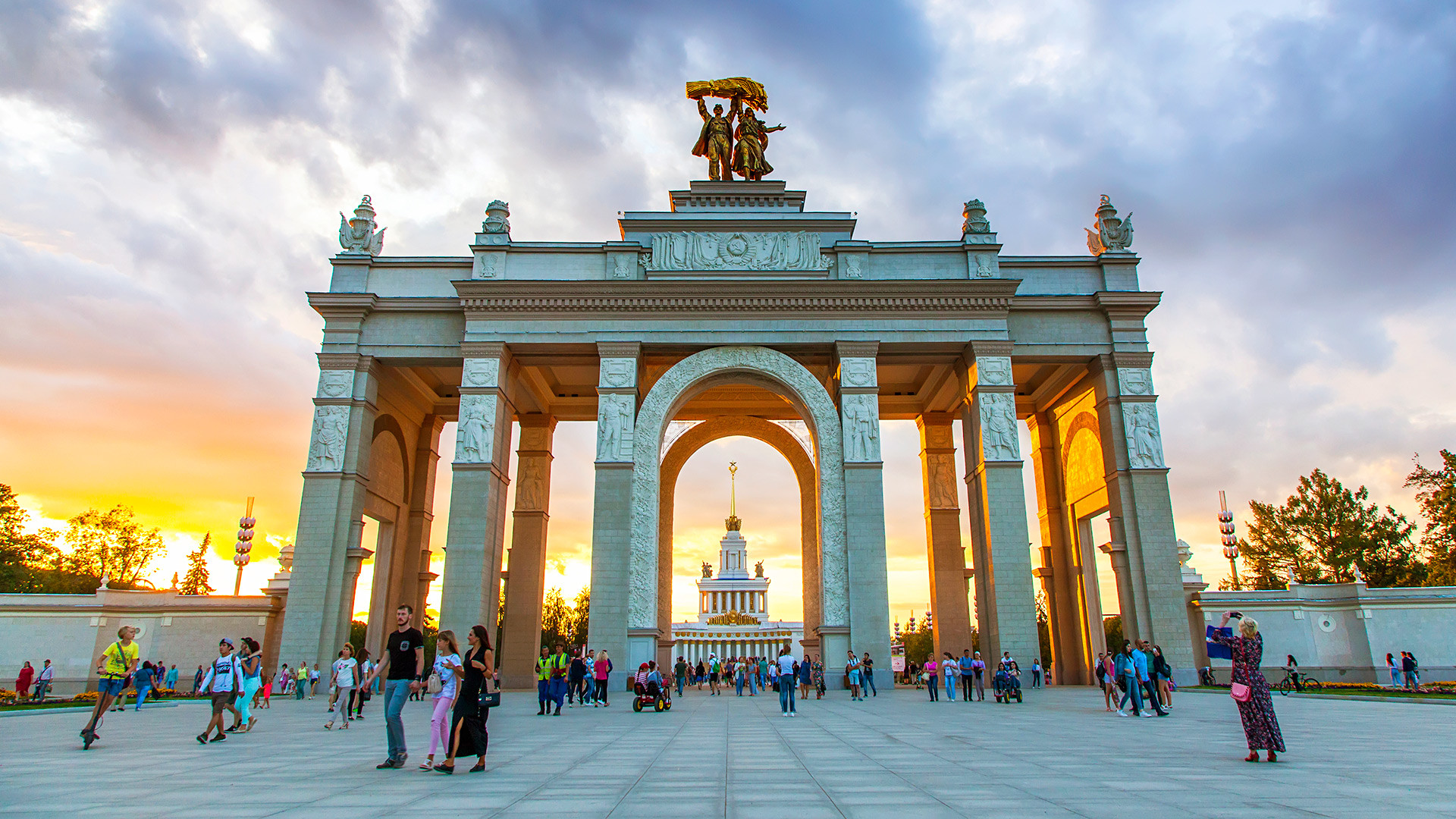
Afternoon: Ostankino TV Tower observation deck (337 meters; panoramic city views, glass floor section for the bold). Pre-book online.
Evening: Relaxed dinner at Depo Food Mall — sample across multiple stalls (pelmeni, Georgian stew, Japanese ramen) without committing to a single kitchen.
Day 6 — History, Cemeteries & Viewpoints
Morning: Novodevichy Convent — a working monastery and UNESCO World Heritage Site with five centuries of history compressed into one remarkable complex. The adjacent Novodevichy Cemetery is one of Russia’s most famous, with graves of Chekhov, Gogol, Shostakovich, and Boris Yeltsin, each monument an artwork in itself.
Afternoon: Metro to Vorobyovy Gory for the Sparrow Hills viewpoint — the best panoramic view of Moscow, with the Stalin-era MGU tower in the foreground and the full city skyline behind. Walk down through the forest to the Moscow River embankment.

Evening: Luzhniki Stadium waterfront for an evening walk. The area was rebuilt for the 2018 World Cup and the embankment is one of the city’s best evening strolls.
Day 7 — Design, Shopping & Farewell Dinner
Morning: Flacon Design Factory for independent designer shopping and a proper brunch at one of the on-site cafes. Take the metro to Savelovskaya.
Afternoon: Final souvenir run: GUM for Russian chocolates and confectionery at the food counters; TSUM for anything on your list. A last coffee at Coffee Mania or Volkonsky Bakery (Moscow’s best croissants).
Evening: Farewell dinner at Twins Garden or White Rabbit if pre-booked (both require advance reservation). For something more spontaneous: Gorynych on Rozhdestvensky Boulevard — it takes walk-ins, and a meal beside those open-fire grills is a fitting send-off.
Entry fees, opening hours, and visa regulations are subject to change. Always verify current details on official websites before your trip.